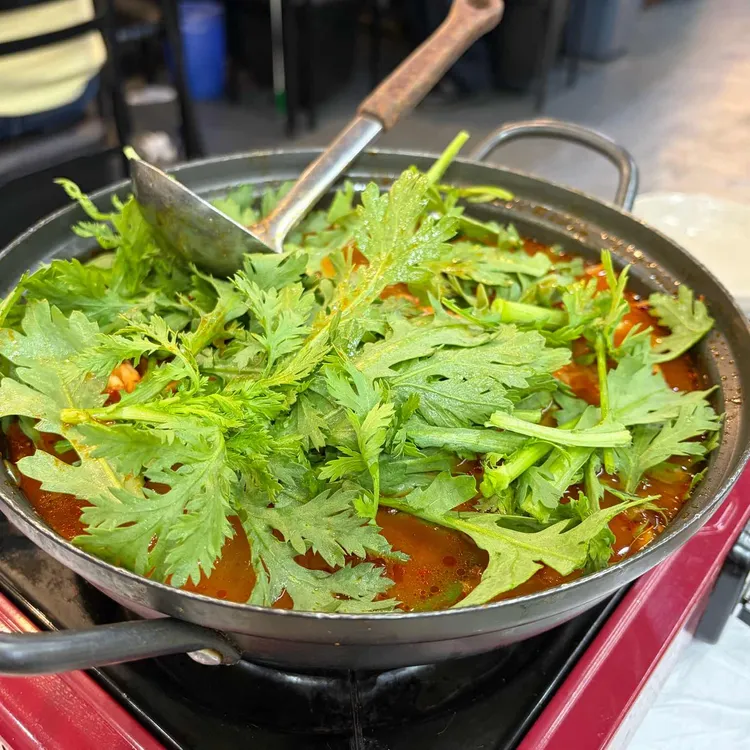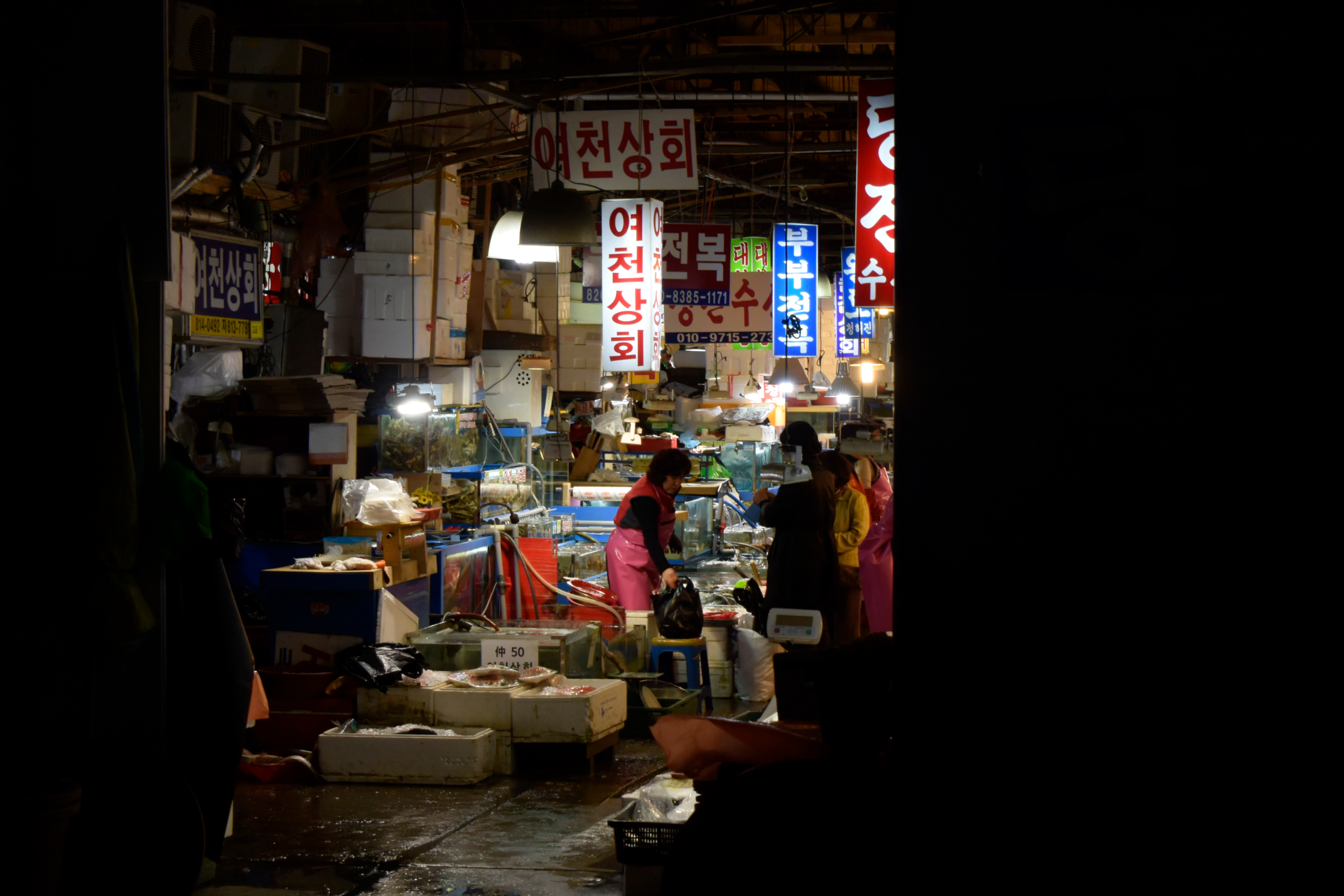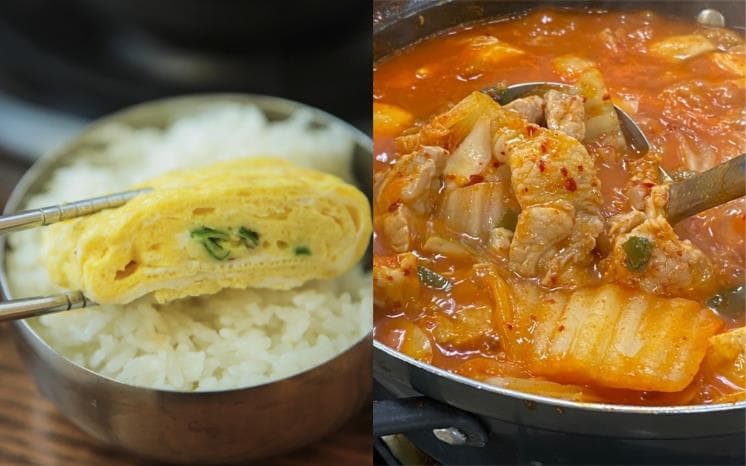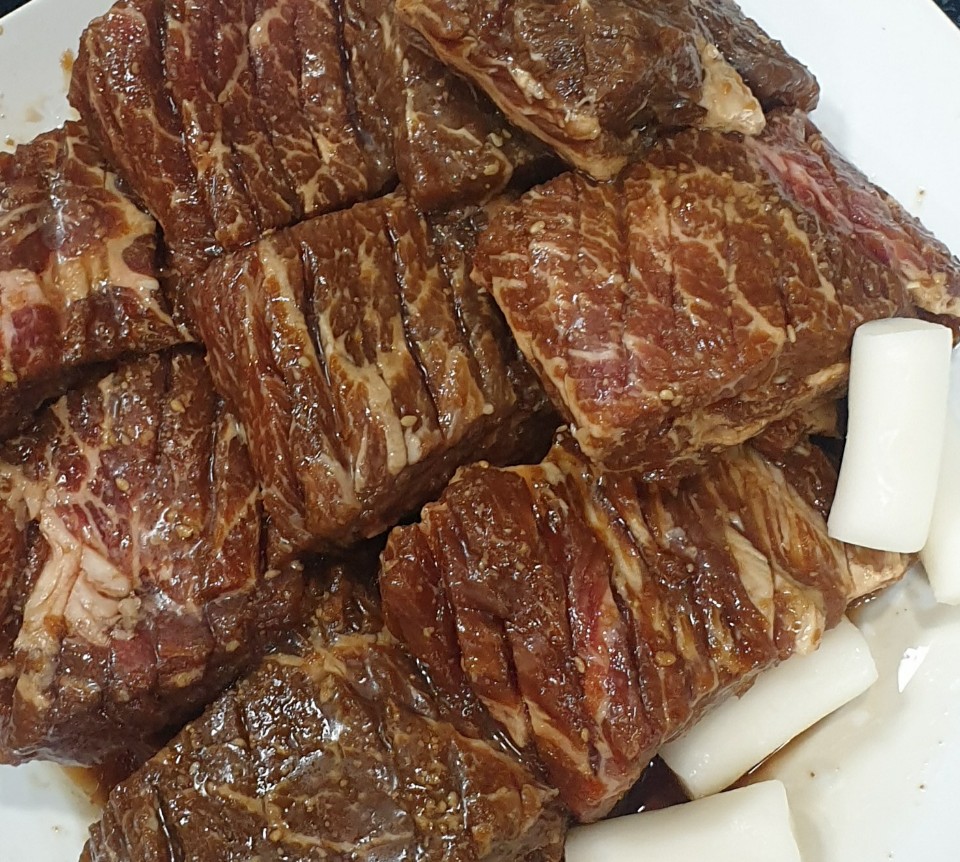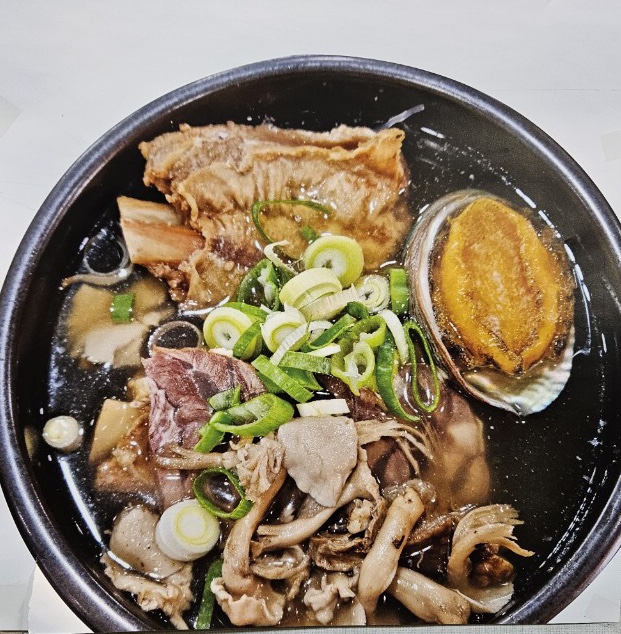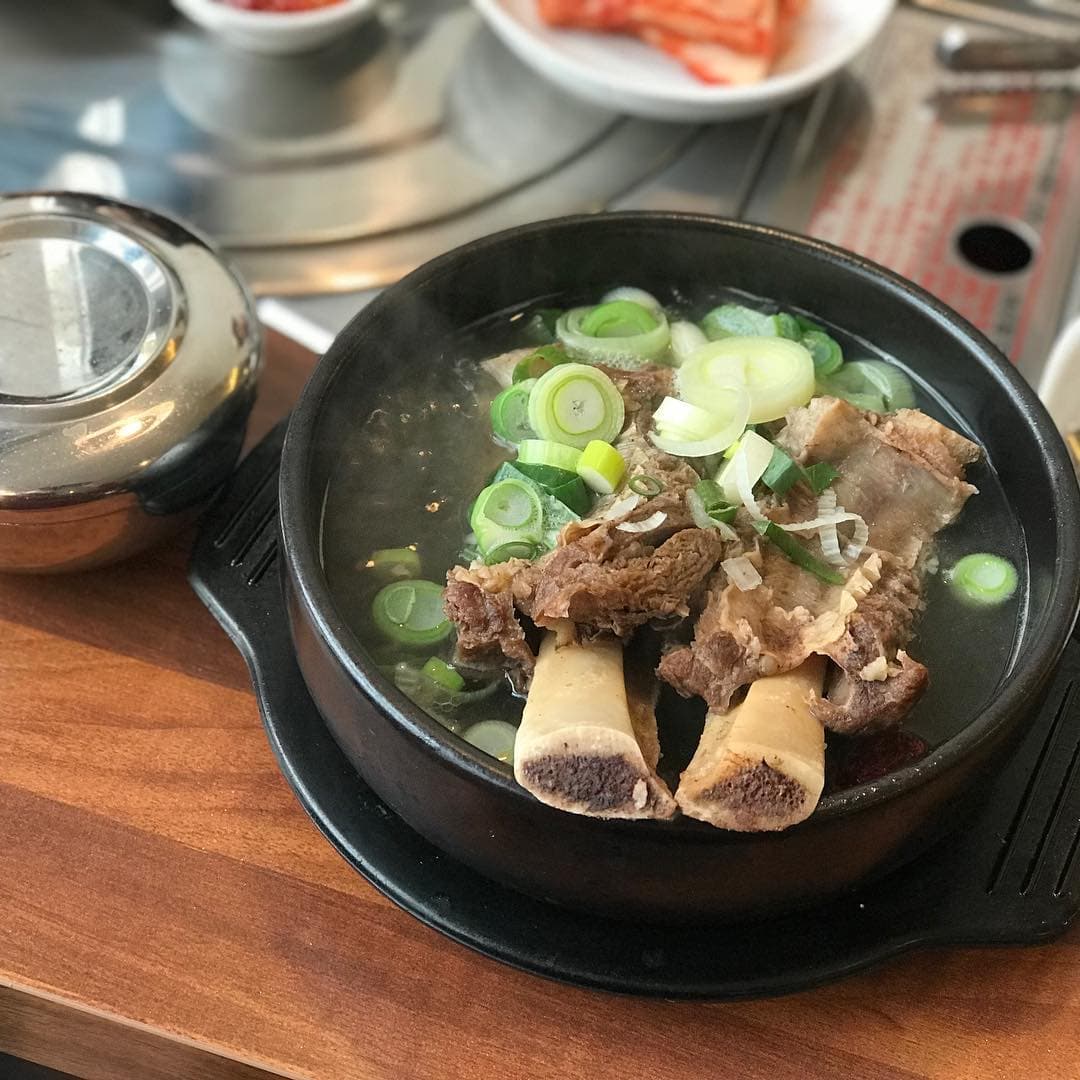
Imagine this: it's a chilly evening in Seoul, you've spent the day exploring vibrant neighborhoods, maybe even re-enacted a scene from your favorite K-drama. Your stomach rumbles, not for just anything, but for a bowl of pure, heartwarming comfort. What comes to mind? For many Koreans, and increasingly for K-drama fans worldwide, it’s a steaming bowl of Galbitang – savory beef short rib soup that feels like a warm hug.
What Makes Galbitang the Ultimate Comfort Food?
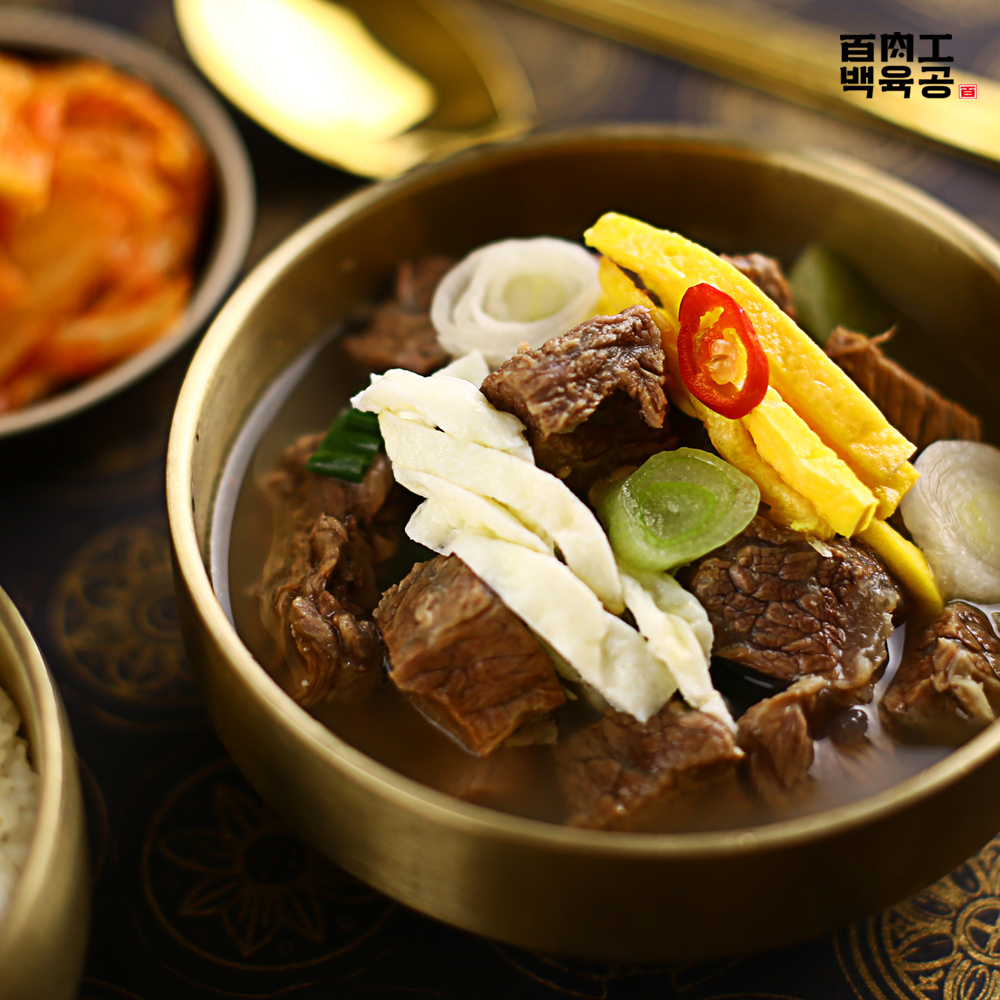
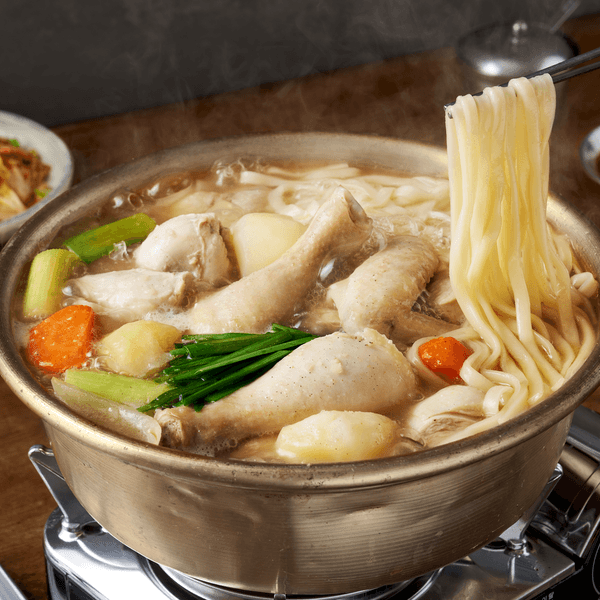
Galbitang, or beef short rib soup, is more than just a meal; it's a culinary experience deeply woven into the fabric of Korean culture. At its heart, it’s a clear, hearty soup featuring tender beef short ribs, often simmered for hours until the meat practically falls off the bone. The broth, rich with the essence of beef and often enhanced with glass noodles, daikon radish, and dates, is known for its deep umami flavor and incredible restorative properties. It's the kind of dish you crave when you're feeling under the weather, celebrating a special occasion, or simply need a taste of home.
For first-time visitors to Korea, trying authentic Galbitang is an absolute must. And for those returning, seeking out the best of the best becomes a delicious quest! But with so many restaurants, how do you know where to find the truly authentic, mind-blowingly delicious bowls? That's where KoreaSpots comes in! We've done the heavy lifting, scouring the recommendations from Korea's most trusted food programs: Saengsaeng Jeongbotong, Saengsong Today, and Yuksi Naegohyang. These shows send their intrepid reporters to find the real deal, the places locals flock to, ensuring every bite is verified delicious.
Gangnam Myeonok (강남면옥): The K-Drama Fan Favorite
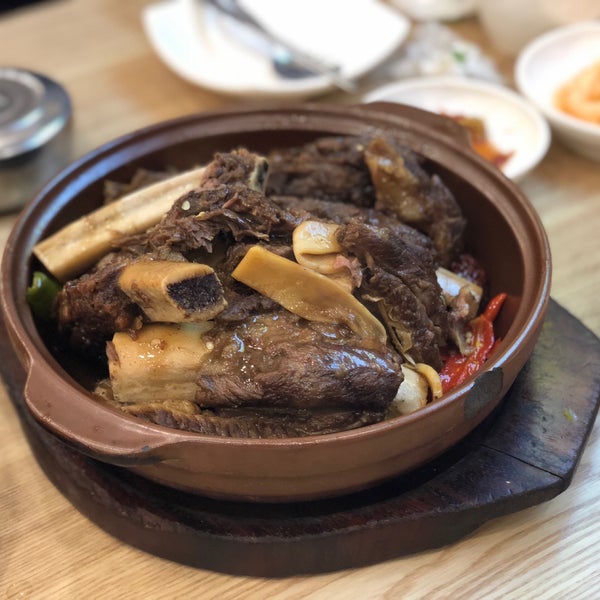
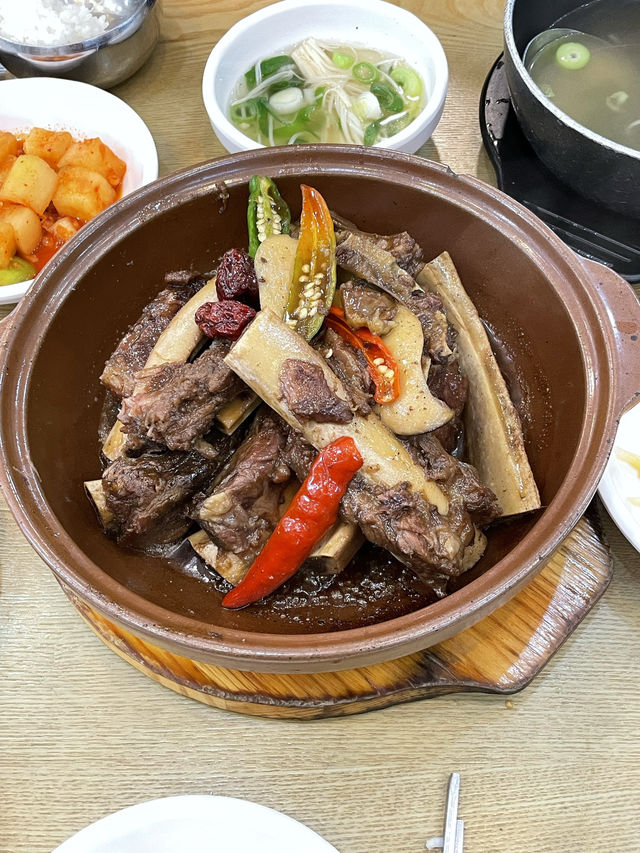
If you've been watching K-dramas, you might have already stumbled upon the name Gangnam Myeonok. This institution is practically synonymous with delicious Galbitang and their equally famous Hamheung Naengmyeon (cold noodles). With several branches scattered across Seoul, their Apgujeong or Sinsa branches are particularly popular, making them easy to access for any K-drama or K-pop fan exploring the trendy Gangnam district.
What sets Gangnam Myeonok apart is its consistently rich and flavorful broth, a result of meticulous simmering, and the generous portion of fall-off-the-bone short ribs. It's not just the main dish, though; their Galbi-jjim (braised short ribs) and Mandu (dumplings) are also huge hits, often making an appearance on various TV segments. Both Saengsaeng Jeongbotong and Saengsong Today have featured Gangnam Myeonok, highlighting its popularity and the unwavering quality of its Galbitang.
- Location Highlight: The Apgujeong branch is conveniently located in one of Seoul's most upscale and fashionable neighborhoods, perfect for combining a luxurious meal with some high-end shopping or K-star spotting.
- How to Get There: For the Apgujeong branch, take Seoul Subway Line 3 to Apgujeong Station (압구정역), Exit 3. It's about a 5-7 minute walk.
- What to Order: Their signature Galbitang is a must-try. Many also rave about their Maeun Galbijjim (Spicy Braised Short Ribs) if you're feeling adventurous, and definitely add a side of their gigantic Wang Mandu (King Dumplings) to share!
- Price Range: Expect to pay around 15,000 KRW to 20,000 KRW for a bowl of Galbitang. Other dishes like Galbi-jjim can be pricier, depending on the size.
- Best Time to Visit: Weekday lunch can get very busy with office workers. For a more relaxed experience, aim for an early dinner (before 6 PM) or a late lunch. Weekends are generally bustling, but the service is efficient.
Hanilkwan (한일관): A Taste of Tradition and Luxury

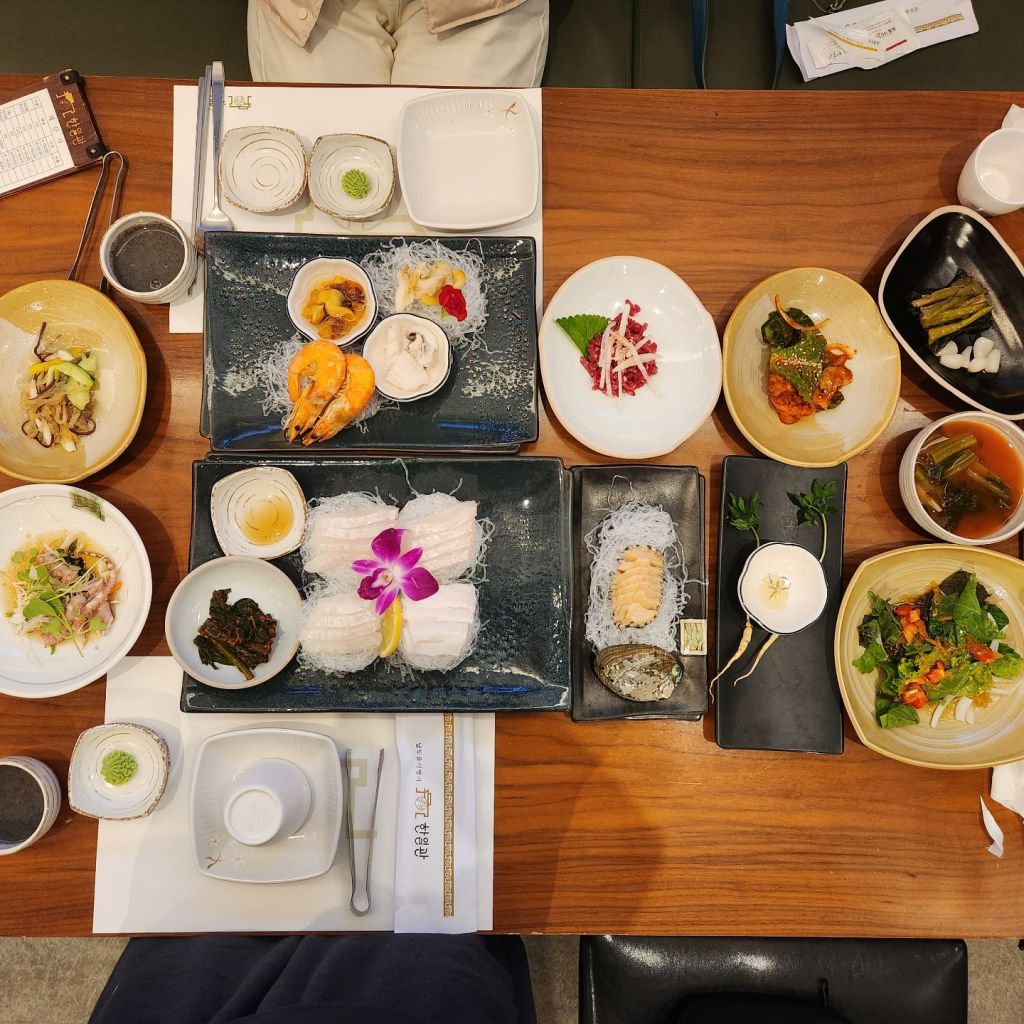
For a taste of traditional Korean cuisine with a touch of elegance, Hanilkwan is your go-to. Established in 1939, this legendary restaurant in Apgujeong has a history as rich as its broth. It's a place where generations of Koreans have celebrated special occasions, and its reputation for quality and refined flavors is well-deserved. Yuksi Naegohyang and Saengsong Today have both highlighted Hanilkwan for its commitment to traditional recipes and high-quality ingredients.
Hanilkwan’s Galbitang is known for its exceptionally clear broth and the premium quality of the beef. It’s a cleaner, more delicate take on the dish compared to some richer versions, allowing the natural sweetness and tenderness of the short ribs to truly shine. Eating here feels like stepping back in time, offering a glimpse into the sophisticated side of Korean dining culture.
- Location Highlight: Also nestled in Apgujeong, Hanilkwan offers a more upscale dining experience, perfect for a special meal or if you’re looking to treat yourself after a day of exploring.
- How to Get There: Take Seoul Subway Line 3 to Apgujeong Station (압구정역), Exit 2. It’s a short walk from there, easily findable.
- What to Order: The Traditional Galbitang is the star. If you're dining with a group and want to splurge, their Eonyang Bulgogi (grilled marinated beef) is also incredibly famous and a cultural experience in itself.
- Price Range: Hanilkwan is on the higher end, with Galbitang typically ranging from 25,000 KRW to 35,000 KRW, reflecting the premium ingredients and historic ambiance.
- Best Time to Visit: Given its more formal atmosphere, Hanilkwan is excellent for dinner or a leisurely lunch. Reservations might be advisable for larger groups, especially on weekends or during peak dinner hours.
Bongpiyang (봉피양): Beyond Naengmyeon, A Galbitang Gem
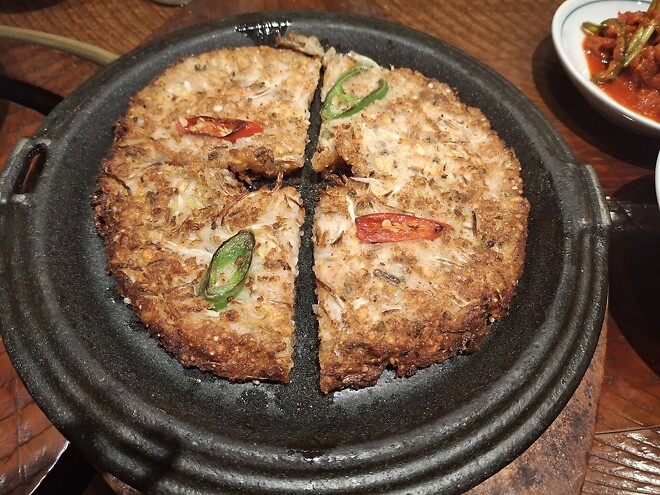
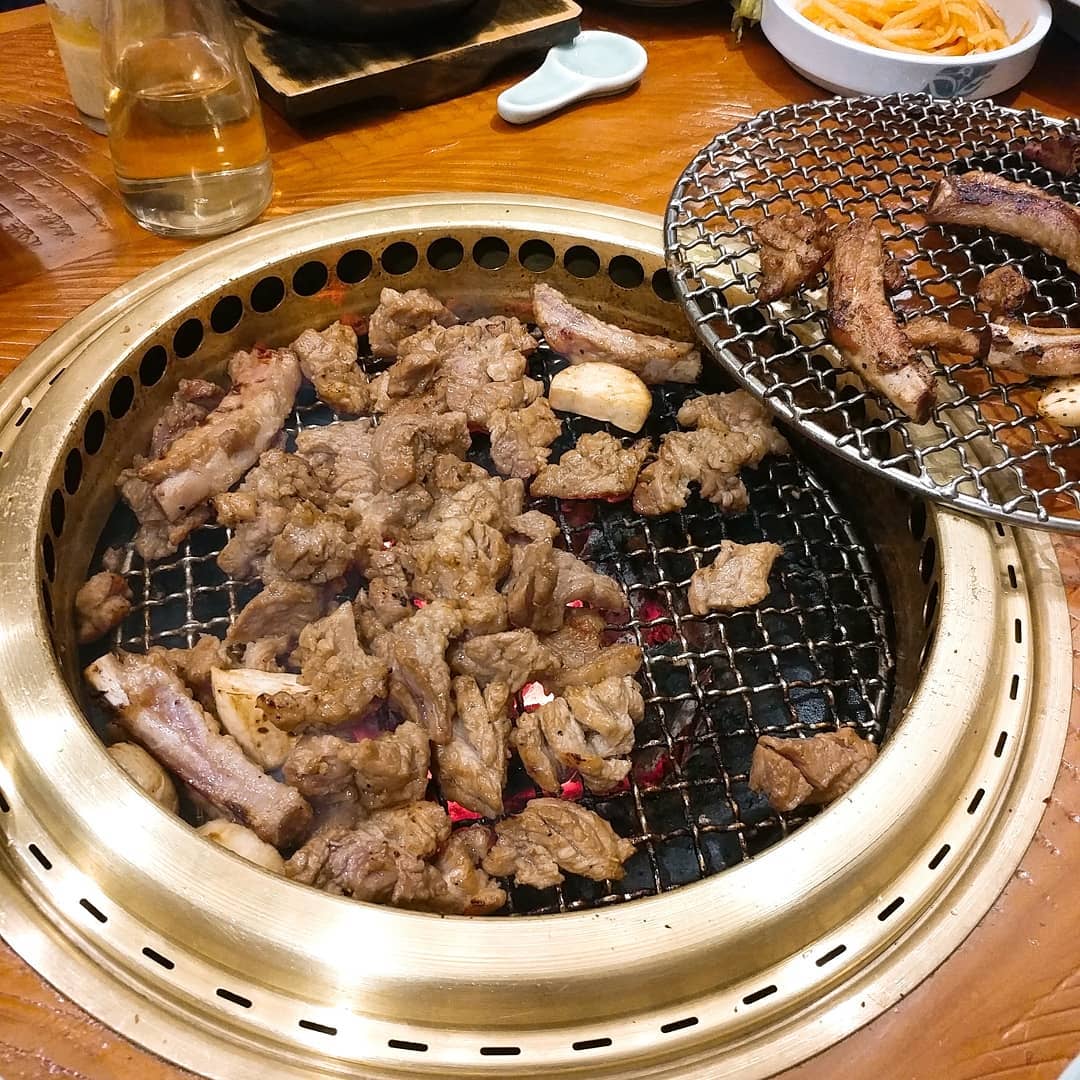
While Bongpiyang is most famous for its exceptional Pyeongyang Naengmyeon (North Korean-style cold buckwheat noodles), their Galbitang is an equally impressive, often unsung hero. With multiple branches across Seoul, including a prominent one in Bangi-dong near Olympic Park, Bongpiyang has built a strong reputation for serving high-quality, authentic Korean cuisine. Saengsaeng Jeongbotong has featured Bongpiyang, especially praising its dedication to authentic flavors and premium ingredients.
Bongpiyang’s Galbitang offers a deeply satisfying experience. The broth is rich and comforting, without being overly heavy, and the short ribs are cooked to perfection – tender and full of flavor. It’s a fantastic option if you’re looking for a top-tier Galbitang from a restaurant that also excels in other traditional dishes, giving you a wider menu to explore. Their commitment to using premium Hanwoo (Korean beef) is evident in every spoonful.
- Location Highlight: The Bangi-dong branch is large and spacious, ideal if you're visiting Olympic Park or just looking for a fantastic meal in a slightly less tourist-heavy area.
- How to Get There: For the Bangi-dong branch, take Seoul Subway Line 8 to Mongchontoseong Station (몽촌토성역), Exit 2. It's a short, pleasant walk from there.
- What to Order: Of course, try the Galbitang. And if you're curious about cold noodles, don't miss their legendary Pyeongyang Naengmyeon. Pairing them makes for a truly Korean culinary adventure.
- Price Range: Galbitang here typically costs between 18,000 KRW and 25,000 KRW, offering a superb balance of quality and value.
- Best Time to Visit: Bongpiyang branches are usually quite large, so finding a seat isn't too difficult. Lunchtime can be busy, but dinner is generally relaxed. It's a great spot for both solo diners and groups.
Comparing Our TV-Verified Galbitang Stars
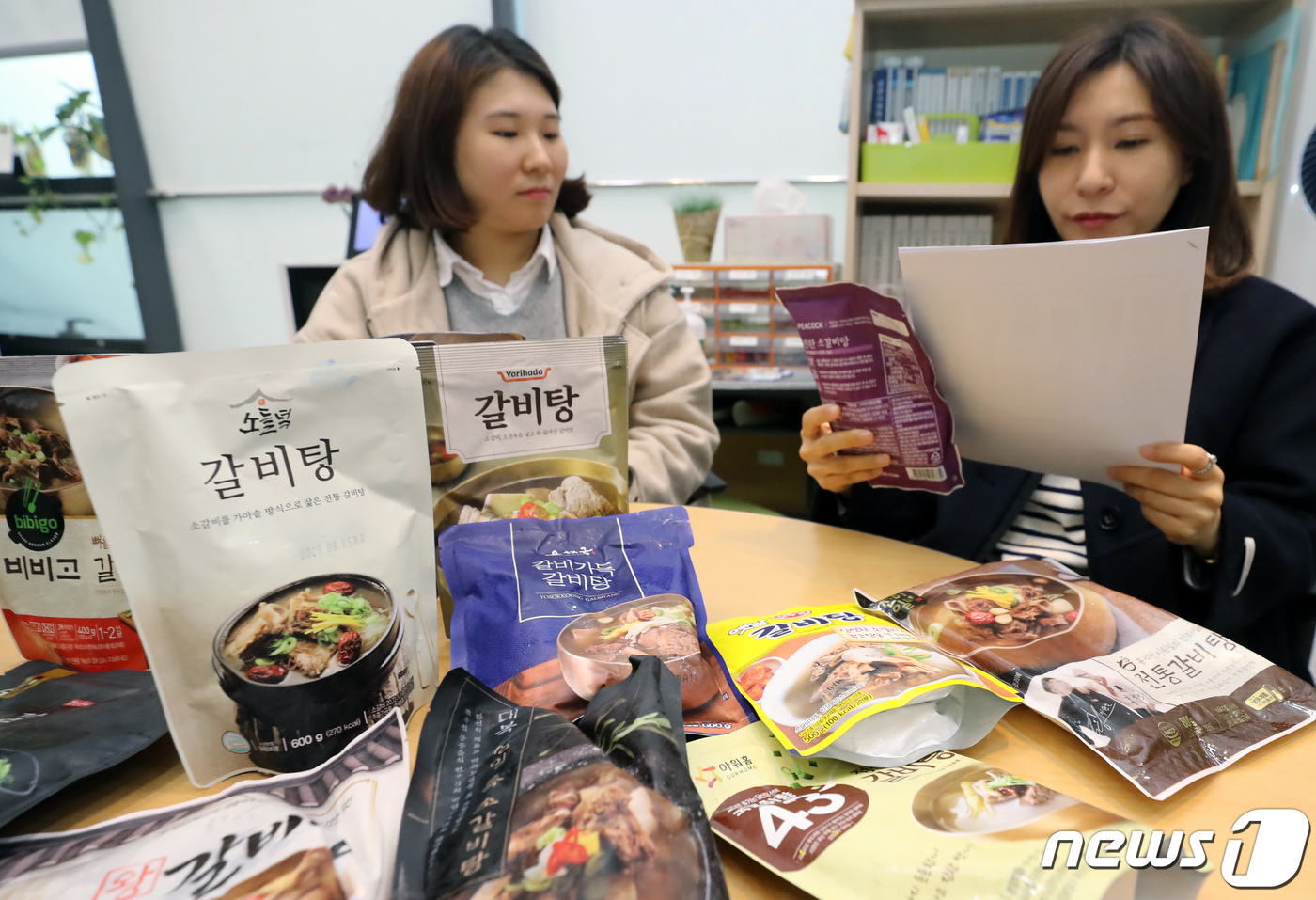
To help you choose the perfect spot for your Galbitang fix, here’s a quick comparison of our TV-verified picks:
| Restaurant | Location Highlight | Signature Galbitang Style | Approx. Price (KRW) | TV Verification |
|---|---|---|---|---|
| Gangnam Myeonok (강남면옥) | Trendy Apgujeong/Sinsa | Rich, classic broth with generous, tender ribs. Great with Mandu! | 15,000-20,000 | Saengsaeng Jeongbotong, Saengsong Today |
| Hanilkwan (한일관) | Upscale Apgujeong | Refined, clear, delicate broth with premium, savory ribs. Historic ambiance. | 25,000-35,000 | Yuksi Naegohyang, Saengsong Today |
| Bongpiyang (봉피양) | Various (e.g., Spacious Bangi-dong) | Deep, rich, comforting broth with high-quality Hanwoo short ribs. Also famous for Naengmyeon. | 18,000-25,000 | Saengsaeng Jeongbotong |
Pro Tips for Your Galbitang Adventure
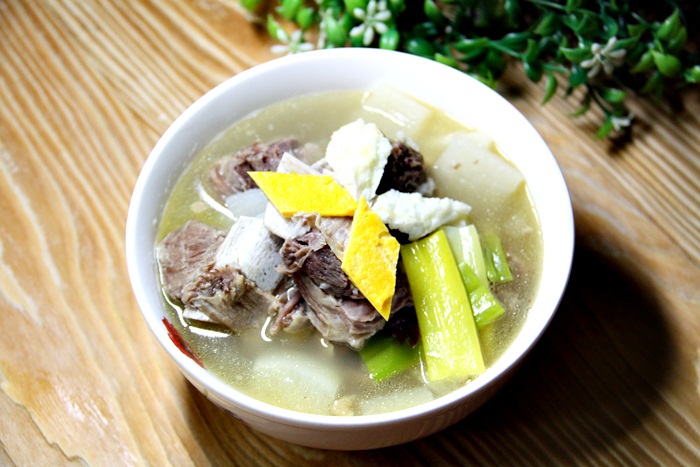
- Eat it Like a Local: Galbitang is usually served piping hot. Be careful not to burn your tongue! Most locals will let it cool slightly, then add a spoonful of rice to the soup and mix it in. This creates a comforting, hearty rice soup (Gukbap style).
- Don't Forget the Side Dishes: Your Galbitang will come with an array of banchan (side dishes). Kimchi and kkakdugi (diced radish kimchi) are essential companions. Their refreshing crunch and spiciness perfectly complement the rich soup. Feel free to ask for refills!
- Season to Taste: Some restaurants provide salt, pepper, or a small bowl of spicy paste (dadaegi) on the table. Taste the soup first, then adjust the seasoning to your preference. Many enjoy adding a dash of pepper for extra warmth.
- Mind the Bones: The ribs come with bones. Most restaurants provide tongs and scissors for you to easily cut the meat off the bone into bite-sized pieces. Use the provided empty bowl for the discarded bones.
- Warm Up Inside and Out: Galbitang is a fantastic meal on a cold day, but it's also incredibly popular in summer as a "body-strengthening" food. Koreans believe that 'fighting fire with fire' (이열치열, iyeolchiyeol) by eating hot food helps to combat the summer heat.
💡 AI Travel Tip
Planning your foodie journey in Korea just got smarter! Use AI tools to streamline your travel plans and ensure you hit all the best Galbitang spots and beyond. Here are some prompts:
- For finding the nearest TV-verified restaurant: Use a mapping AI (like Google Maps or Naver Map with AI integration if available) and ask for directions.
Prompt example: "Show me the quickest way to Gangnam Myeonok Apgujeong branch from my current location using public transport, and estimate travel time."
- For understanding restaurant menus and opening hours: If a restaurant's website is in Korean, use an AI translation tool or ask a generative AI.
Prompt example: "Translate the menu for Bongpiyang and list their opening hours for the Bangi-dong branch on a Tuesday."
- For dietary considerations or specific requests: If you have allergies or special requests, AI can help formulate polite questions in Korean.
Prompt example: "How do I politely ask in Korean if a dish contains nuts at a restaurant?"
- For optimizing your itinerary around meal times: Plan your sightseeing to coincide with less busy restaurant hours.
Prompt example: "Create a half-day itinerary for Apgujeong that includes shopping, a visit to Dosan Park, and a late lunch at Hanilkwan, minimizing walking."
















.jpg)