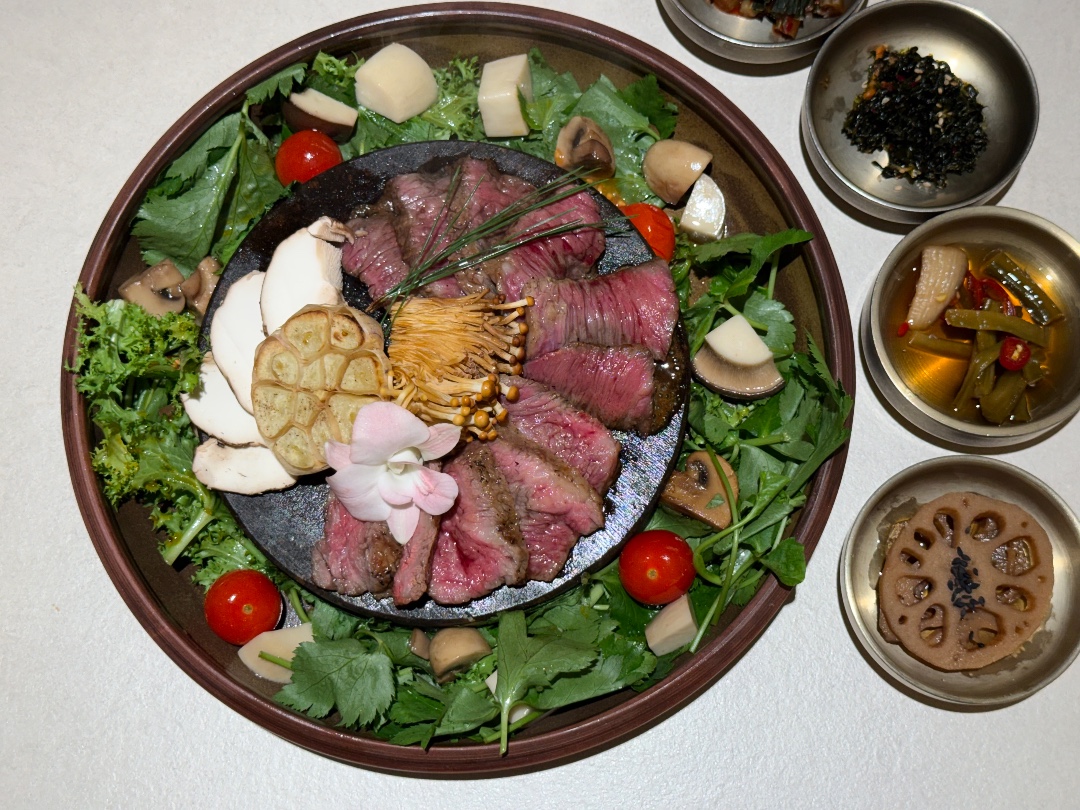
Get Ready for a Seafood Adventure: Welcome to Noryangjin Fish Market!
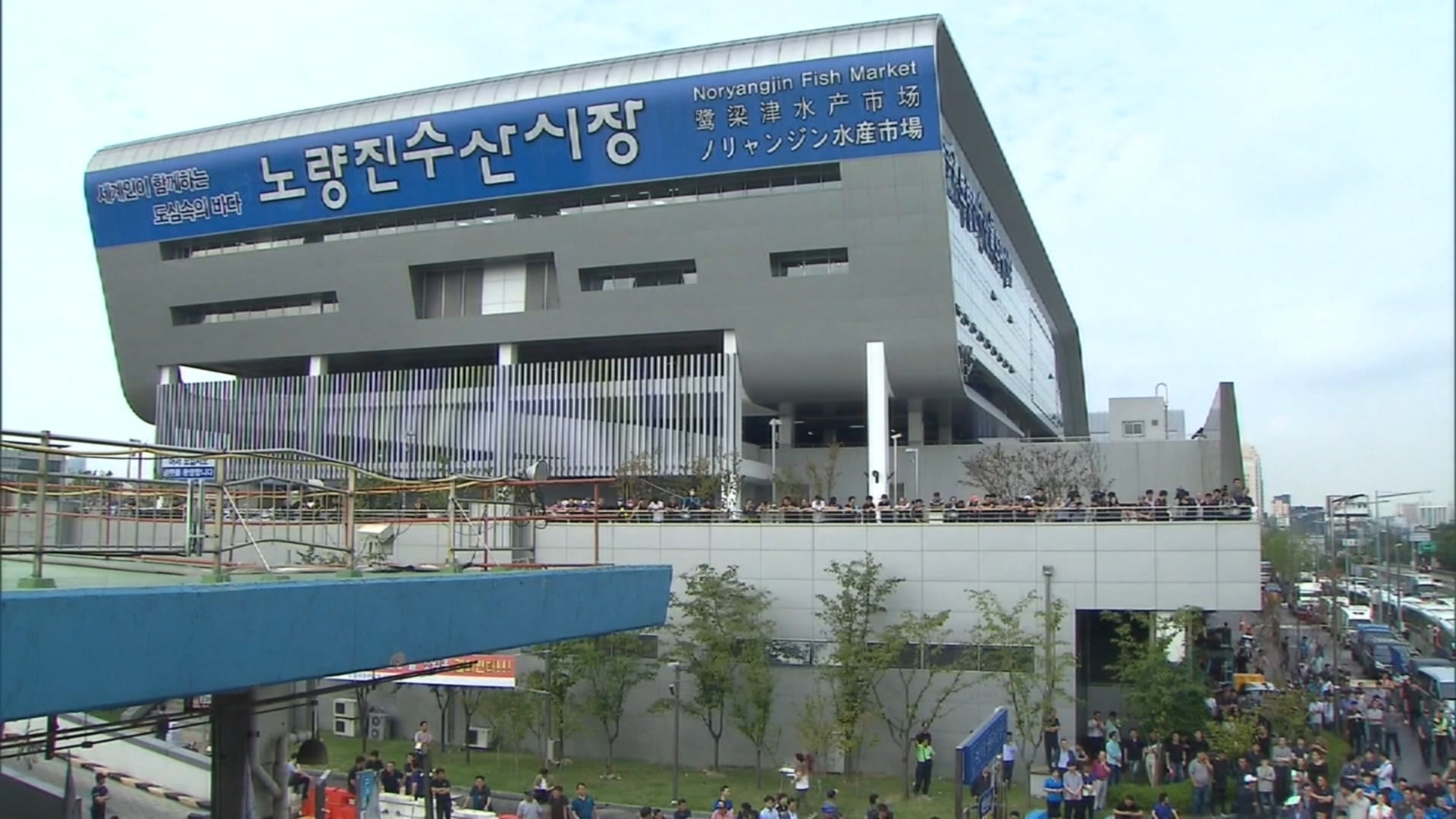
Close your eyes for a moment and imagine this: the invigorating scent of the ocean, the lively chatter of vendors, and a kaleidoscope of glistening, vibrant seafood stretching as far as the eye can see. No, you're not dreaming of a tropical island; you're right in the beating heart of Seoul, at the legendary Noryangjin Fish Market! For K-drama and K-pop fans like you, yearning for an authentic taste of Korea beyond the glitz and glamour, Noryangjin isn't just a market—it's an exhilarating culinary journey.
You've probably seen snippets of it on shows like Saengsaeng Jeongbotong and Saengsong Today, right? Well, that's where locals come to grab the freshest catches, and it's honestly the perfect place to understand what makes Korea's food culture so vibrant. It's a sensory explosion – and here's the thing: you don't just eat here. You get to pick your own seafood straight from the tank and watch it get cooked to perfection right before your eyes. Ready to dive in?
Why Noryangjin is a Must-Visit for K-Drama & K-Pop Fans
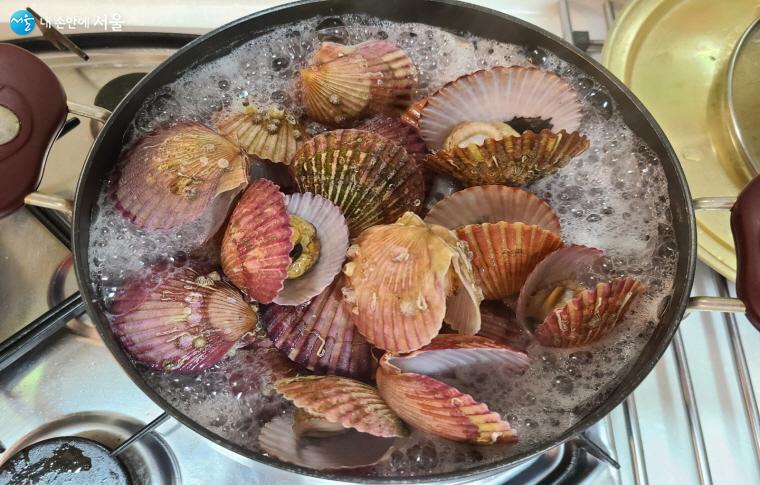
If your K-drama obsession has you dreaming of savoring the same mouth-watering dishes as your favorite stars, Noryangjin is your ultimate pilgrimage. Here's why this iconic market should be high on your Seoul itinerary:
- Authenticity & TV Show Verification: Forget tourist traps! Noryangjin is a genuine, bustling marketplace where locals come to shop. It's so iconic that it's been featured countless times on popular Korean shows like Saengsaeng Jeongbotong, Saengsong Today, and Yuksi Naegohyang, showcasing its role as a bedrock of Korean food culture. You'll be experiencing a truly authentic slice of Seoul life, verified by Korea's toughest food critics – its TV shows!
- The Ultimate Freshness Experience: And here's the best part – this isn't just fresh; it's *live*. Your seafood goes from swimming in a tank to being prepared for your plate in mere minutes. There's honestly no better way to appreciate the natural flavors of the ocean.
- A Culinary & Cultural Journey: Beyond the food, Noryangjin offers a fascinating glimpse into Korean daily life and culinary traditions. From the friendly (and sometimes boisterous) banter with vendors to the unique experience of choosing your own ingredients, it's an interactive adventure that engages all your senses.
Your Step-by-Step Guide to Conquering Noryangjin

Navigating a huge, bustling market can feel a little intimidating at first, especially if you don't speak much Korean. But don't worry – we've got you covered! Here's how to make your Noryangjin adventure as smooth and enjoyable as possible.
Getting There: Smooth Sailing to Seafood Paradise
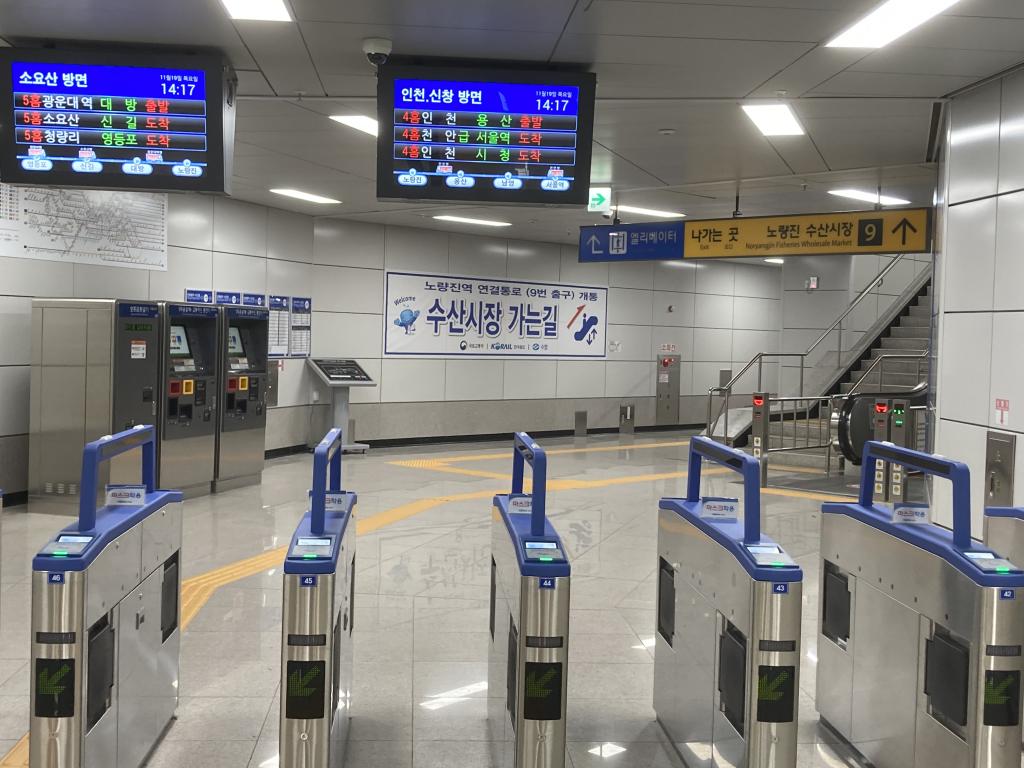
Good news – Noryangjin Fish Market is super easy to get to, thanks to Seoul's fantastic subway system. The new building (where most visitors go) is directly connected to Noryangjin Station.
- By Subway: Take Subway Line 1 or Line 9 to Noryangjin Station (노량진역). If you're on Line 1, take Exit 1. If you're on Line 9, take Exit 7. Both exits lead you directly to a covered walkway that takes you straight into the modern market building. It's about a 5-10 minute walk through the connected passage, so you won't even need to brave the elements!
- From Popular Spots:
- From Myeongdong: Take Line 4 to Dongjak Station, then transfer to Line 9 (towards Gimpo Airport) and go one stop to Noryangjin Station.
- From Gangnam: Take Line 9 directly to Noryangjin Station (towards Gimpo Airport).
The Two-Part Magic: Buy Downstairs, Eat Upstairs!
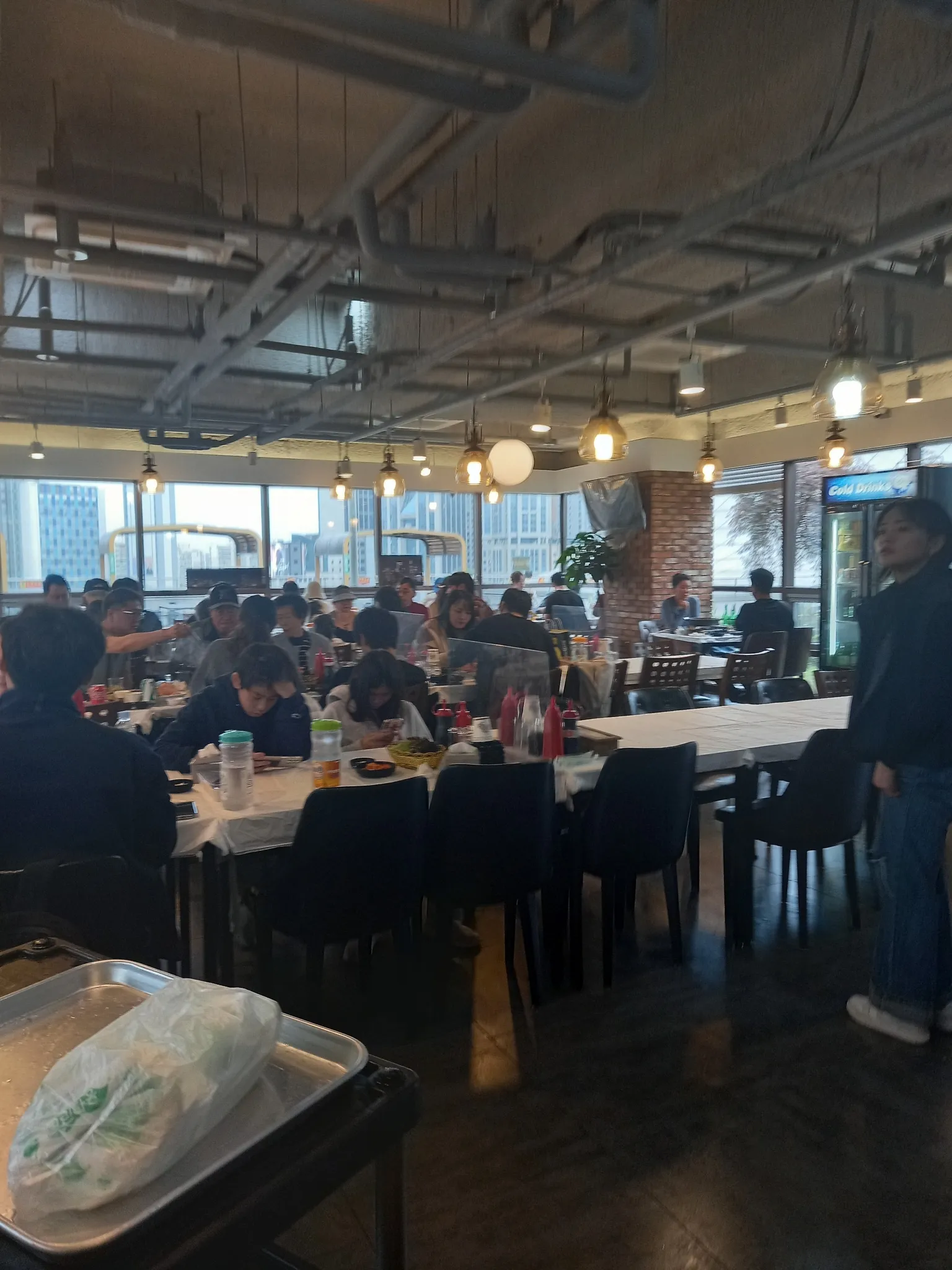
Here's how the Noryangjin magic works: you head to the ground floor and pick out your fresh seafood from the vibrant stalls. Then you take your treasures upstairs to one of the many restaurants, and they'll cook your selected seafood exactly how you like it. It's basically like having your own personal chef, with the freshest ingredients imaginable!
Part 1: The Art of Choosing Your Catch (and Bargaining!)

Okay, this is where the real fun begins! The ground floor is a dazzling display of tanks brimming with every imaginable creature of the sea. Sure, it can be overwhelming at first, but here's how to approach it:
- What to Look For: When choosing fish for sashimi (회), look for clear eyes, vibrant skin, and lively movement if it's still swimming. For crabs and lobsters, pick ones that are heavy for their size and show signs of life. Don't be shy about pointing and asking!
- Popular Choices:
- Live Sashimi Fish (활어회, Hwal-eo-hoe): Usually flounder (광어, gwang-eo), rockfish (우럭, ureok), or snapper (도미, domi). These are sliced paper-thin and served raw.
- King Crab (킹크랩, King Keuraep) or Snow Crab (대게, dae-ge): A truly luxurious treat, often steamed whole. Perfect for sharing with a group!
- Lobster (랍스터, Rapseuteo): Another popular choice for steaming or grilling.
- Abalone (전복, Jeonbok) & Octopus (산낙지, Sannakji): Smaller, but equally fresh and delicious options. Sannakji, the live octopus dish? That's a classic (and adventurous!) Korean experience.
- Bargaining Like a Pro: While Noryangjin's become more tourist-friendly, a little polite bargaining is still totally expected and can save you some won, especially if you're buying multiple items.
- Compare Prices: Don't commit to the first stall you see. Walk around and compare prices for the same type and size of seafood.
- Ask "How much?" (얼마예요? Eolmayeyo?): Point to what you want and ask the price. They'll likely use a calculator to show you.
- Offer a Lower Price: You can try saying "깎아주세요" (Kkakkaajuseyo, "please give me a discount") or offer a slightly lower price than they quoted. Don't be rude, but be firm. A friendly smile goes a long way!
- Group Discount: If you're buying a lot or with friends, you've definitely got more leverage.
Here's a quick guide to popular seafood choices and their estimated price ranges:
| Seafood Type | Korean Name | Estimated Price Range (KRW/kg) | Tips for Selection |
|---|---|---|---|
| Live Sashimi Fish | 활어회 (Hwal-eo-hoe) | 20,000 - 50,000+ | Look for clear eyes, firm flesh. Often sold by size/species. |
| King Crab | 킹크랩 (King Keuraep) | 60,000 - 100,000+ | Heavy for its size, active if alive. Prices vary wildly by season. |
| Lobster | 랍스터 (Rapseuteo) | 50,000 - 80,000+ | Similar to king crab, look for lively ones. |
| Abalone | 전복 (Jeonbok) | 5,000 - 15,000 (per piece) | Clinging tightly to its shell, moist. |
| Octopus | 산낙지 (Sannakji) | 10,000 - 30,000 (per piece/portion) | Very active, strong suction cups. |
Note: Prices are estimates and can fluctuate greatly based on season, demand, and your bargaining skills!
Part 2: From Market to Table – The Cooking Experience
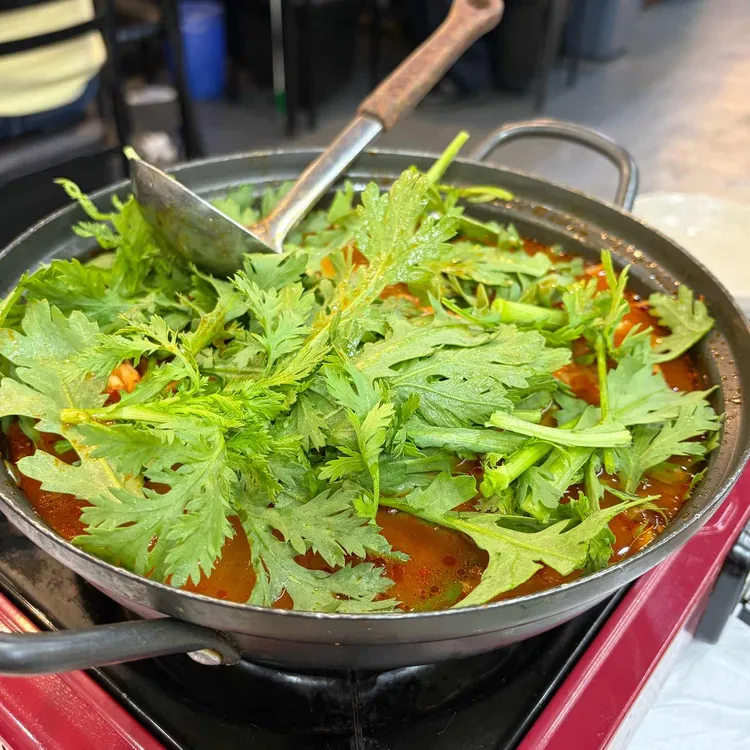
Once you've made your purchase, the vendor will usually guide you to an escalator or elevator. They'll often recommend a specific restaurant upstairs – and honestly? You don't have to go to their recommendation if you don't want to, but they usually get a small commission, so it's a pretty common practice.
- Choosing a Restaurant: Most restaurants offer similar cooking services and have menus with side dishes and drinks. Look for one that seems clean and has open seating. Some might have a person at the entrance inviting you in – don't feel pressured, just find one you like.
- Understanding the Cooking Fees: The restaurant will charge you a "table fee" (자리값, jari-gap) per person, plus a "cooking fee" (조리비, jori-bi) based on the weight or type of seafood and how you want it prepared. These fees are separate from the price of the seafood itself.
- What to Order Besides Your Catch: While your fresh seafood is definitely the star of the show, don't forget to order some essential side dishes and drinks!
- Rice (밥, bap): Perfect for soaking up the delicious sauces.
- Soju (소주, soju) or Beer (맥주, maekju): The classic Korean pairing for seafood. Trust me on this one!
- Kimchi (김치, kimchi): Usually already on the table!
- Vegetable Wraps (쌈채소, ssam-chaeso): Often included or available for a small fee – great for wrapping sashimi.
Here are common cooking styles and what to expect:
| Cooking Style | Korean Name | Best For | Description | Estimated Cooking Fee (KRW) |
|---|---|---|---|---|
| Sashimi | 회 (Hoe) | Live Fish | Fish is sliced raw, served with soy sauce, wasabi, ssamjang. | 10,000 - 20,000 (per fish) |
| Steamed | 찜 (Jjim) | Crab, Lobster, Abalone | Steamed whole, highlighting natural sweetness. | 10,000 - 30,000 (per dish/crab) |
| Spicy Fish Stew | 매운탕 (Maeuntang) | Fish (especially remaining parts after sashimi) | A hearty, spicy stew with vegetables. Perfect for sharing! | 10,000 - 25,000 (per pot) |
| Grilled | 구이 (Gui) | Fish, Prawns | Grilled simply with salt or a light marinade. | 5,000 - 15,000 (per dish) |
Oh, and one more thing – many Koreans love to order 회 (sashimi) first, and then have the remaining fish bones and head made into a delicious 매운탕 (spicy fish stew). It's a fantastic way to enjoy two different dishes from one fish!
Pro Tips for Your Noryangjin Visit

To make sure your first (or next!) Noryangjin experience is an absolute splash, keep these tips in mind:
- Go with a Group: Noryangjin is best enjoyed with friends or family. Sharing the cost of a large king crab or multiple fish makes the experience way more affordable, and you get to try a wider variety of dishes!
- Timing is Everything:
- Best Time to Visit: For the liveliest atmosphere, head there around lunchtime (11 AM - 2 PM) or dinner (5 PM - 8 PM) on a weekday. Weekends are bustling but can get really crowded.
- For the Freshest Catch (and Bargains): Early morning (around 7-9 AM) is when the wholesale auctions happen, and the market is incredibly vibrant. While you might not be buying wholesale, it's a cool sight, and vendors will have just stocked up.
- Embrace the Chaos: The market can be loud, wet, and incredibly busy. But honestly? It's all part of the charm! Wear comfortable, maybe slightly older shoes, and get ready for a vibrant, sensory overload.
- Cash vs. Card: While most vendors and restaurants accept cards, having some cash on hand can sometimes give you a slight edge when bargaining, especially with smaller vendors.
- Don't Be Afraid to Ask: Many vendors (especially in the main tourist-friendly aisles) have basic English skills or will use a calculator to show prices. If you're unsure, just point and ask. The restaurants upstairs usually have English menus for cooking styles and drinks.
- Check Your Seafood: Before you leave the stall with your purchase, quickly check the bag to make sure it's the exact seafood you chose and agreed upon.
Noryangjin Fish Market is so much more than just a place to eat – it's an adventure for your taste buds and a deep dive into Korea's culinary heart. So, gather your crew, get ready to point, haggle, and feast, and prepare for one of the most unforgettable meals of your life!
💡 AI Travel Tip
Planning your Noryangjin trip can be even easier with a little help from AI! Use these prompts to get the most out of your visit:
- For budgeting your Noryangjin feast: Ask for estimated total costs.
Prompt example: "I am visiting Noryangjin Fish Market in Seoul with 3 friends. We want to eat 1kg of king crab, 1 large sashimi fish (flounder), and have it prepared as steamed crab, sashimi, and maeuntang. Estimate the total cost including seafood purchase, cooking fees, and table fees for 4 people, assuming average market prices and moderate bargaining."
- To translate menu items or understand cooking options: Get quick translations.
Prompt example: "What are the common cooking methods for shrimp (새우) at a Korean fish market, and what are their estimated cooking fees?"
- For itinerary planning around Noryangjin: Find nearby attractions or transportation details.
Prompt example: "After visiting Noryangjin Fish Market for lunch, what are some interesting places to visit or activities to do nearby in Seoul, accessible by public transport?"
About this guide
Written with AI assistance from public information, with photos credited to their sources (Korea Tourism Organization, Naver, Pexels, Unsplash). Places and TV-show mentions have not all been checked in person, and a TV appearance is not a quality guarantee. Prices, hours and menus change — please confirm on Naver Map or the venue's official channel before visiting.