Traditional Korean Royal Court Cuisine Experiences in Seoul
Ever found yourself lost in the opulent world of a K-drama like "Jewel in the Palace" or "The King: Eternal Monarch," gazing longingly at the intricate, vibrant dishes laid out for royalty? What if we told you that experiencing a meal fit for a king or queen isn't just a fantasy reserved for Joseon dynasty monarchs? You, yes YOU, can actually dine on traditional Korean royal court cuisine right here in modern-day Seoul!
Here at KoreaSpots, we know you're looking for more than just a quick bite. You're searching for authentic, unforgettable experiences – the kind that blend culture, history, and incredible flavors. And when it comes to royal court cuisine, we're talking about food that is truly a work of art, steeped in centuries of tradition and prepared with meticulous care. It's not just a meal; it's a journey back in time, a taste of Korea's majestic past that's been verified by popular Korean TV shows like Saengsaeng Jeongbotong, Saengsong Today, and Yuksi Naegohyang!
Ready to elevate your Seoul foodie adventure from street eats to royal feasts? Let's dive into the fascinating world of Joseon Royal Court Cuisine and discover where you can indulge in this regal experience.
What Exactly Is Royal Court Cuisine?
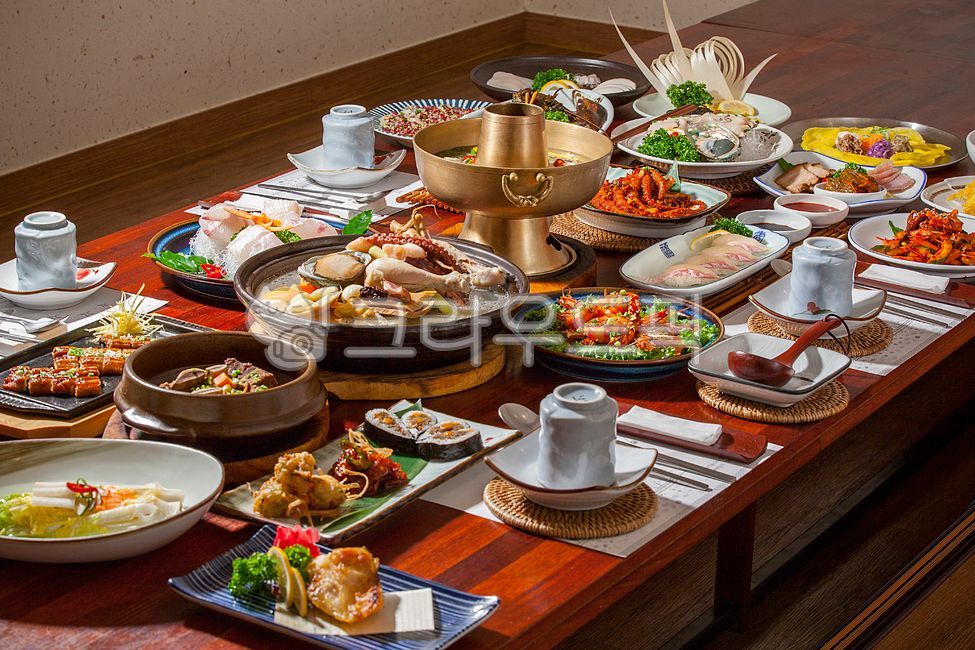
Imagine a culinary tradition where every dish tells a story, every ingredient is carefully selected, and every presentation is a masterpiece. That's royal court cuisine, or Gungjung Eumsik (궁중음식). It was the food prepared exclusively for the kings, queens, and their royal families of the Joseon Dynasty (1392-1910). Unlike the rustic, hearty fare of the common people, royal cuisine was all about diverse ingredients, balanced flavors, and exquisite presentation.
But here's the thing – these meals weren't just about filling your stomach. They were about health, harmony, and artistry. Royal chefs followed strict principles of seasonal ingredients, medicinal properties, and the five-color, five-flavor philosophy (red, green, yellow, white, black; spicy, sour, sweet, salty, bitter). The elaborate multi-course meals, often called Surasang (수라상), featured dozens of side dishes (banchan), soups, stews, grilled meats, vegetables, and rice – all served simultaneously in a breathtaking spread. Talk about a daily spectacle! It was a testament to the kingdom's prosperity and culinary sophistication.
Many of the dishes you see in historical K-dramas, from delicate japchae to rich galbi-jjim, actually have their roots in royal court cuisine. Experiencing it today gives you a unique window into the lavish lifestyle and refined tastes of Korea's past rulers.
Why Should You Indulge in a Royal Feast?
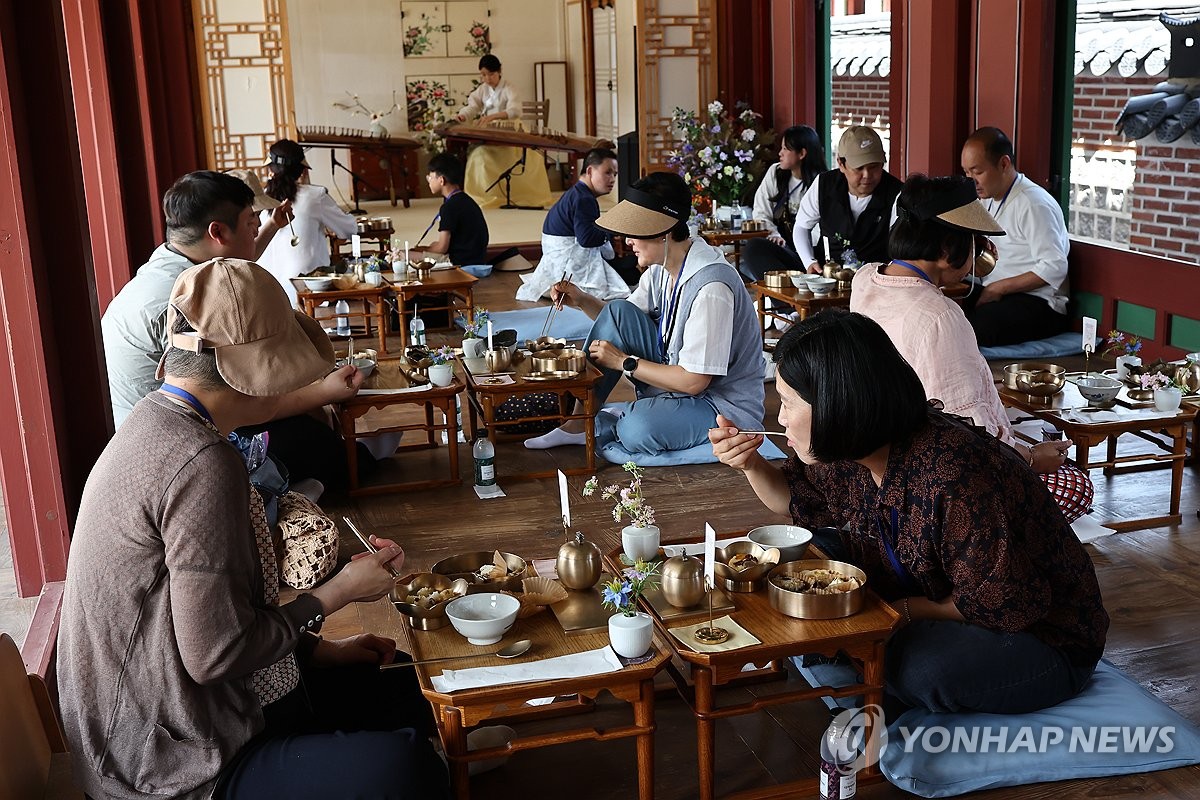
- A Taste of History: It's a living museum on a plate! You're savoring recipes passed down through generations, many preserved by descendants of royal chefs.
- Culinary Artistry: Prepare for a feast for your eyes as much as your palate. The vibrant colors, delicate garnishes, and elegant plating? Totally Instagram-worthy.
- Beyond Bibimbap: Look, we adore street food and popular Korean dishes, but royal cuisine offers a deeper, more refined exploration of Korean flavors and ingredients. It's an elevated dining experience that'll blow your mind.
- K-Drama Connection: Walk in the footsteps (and taste buds!) of your favorite historical K-drama characters. It's an immersive experience that brings those palace scenes to life.
- Luxurious Experience: Many royal cuisine restaurants offer traditional settings, private rooms, and impeccable service, making for a truly special occasion. You'll feel pampered.
This isn't your average dinner out; it's an event, an educational journey, and a luxurious treat all rolled into one. Now, let's find out where you can find these incredible experiences in Seoul!
Where to Experience Royal Court Cuisine in Seoul
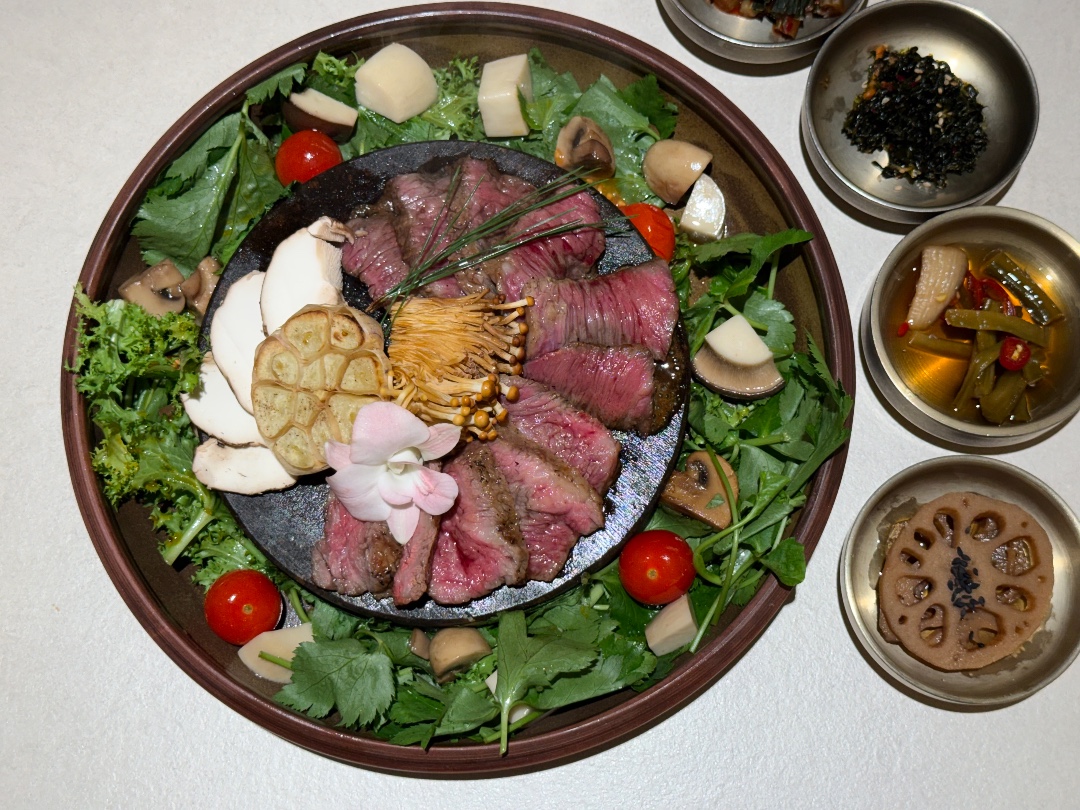
Seoul's got some seriously incredible spots dedicated to preserving and serving royal court cuisine. Many of these places have been featured on major Korean TV shows, so you know they're the real deal in terms of authenticity and quality. Here are a couple of our top picks, verified by locals and TV programs alike!
Jihwaja (지화자)
If you're looking for the ultimate authentic royal court dining experience, Jihwaja is often at the top of everyone's list. Located conveniently near the historic Gyeongbokgung Palace, Jihwaja is renowned for its dedication to traditional recipes and preparation methods. Trust me, it's the real deal. It's run by Kim Eun-young, the daughter-in-law of the late Han Bok-ryeo, who was designated a Living National Treasure for her expertise in royal court cuisine.
- Location: Jongno-gu (종로구), close to Gyeongbokgung Palace. Easily accessible by subway.
- Vibe: Elegant, traditional Korean interior, often featuring private dining rooms perfect for a special occasion or intimate gathering. It exudes a sense of serene reverence for tradition.
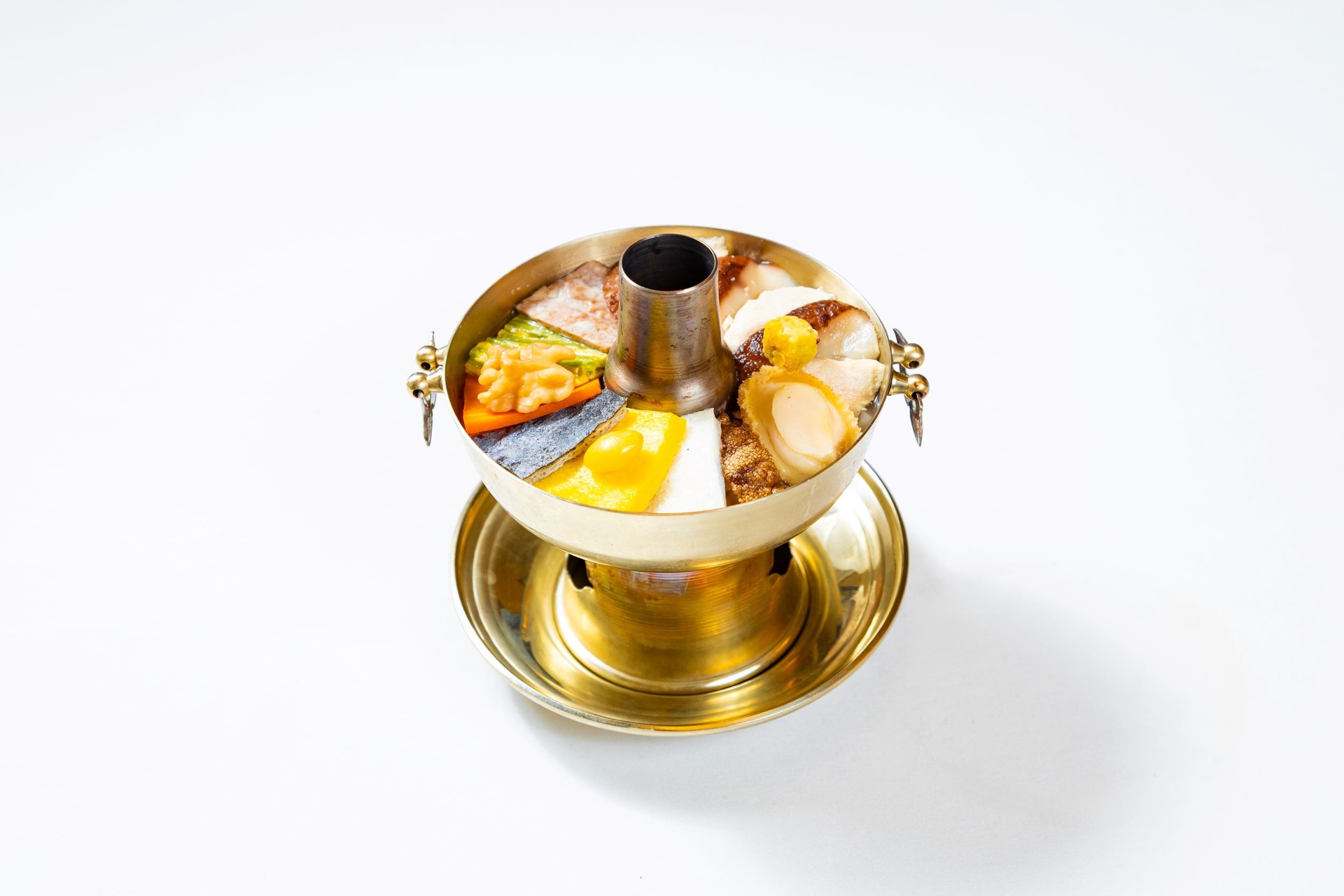
- What to Expect: Jihwaja offers various set courses (hanjeongsik) that showcase the breadth of royal cuisine. You'll be presented with an array of meticulously prepared dishes, from sinseollo (a hot pot with various ingredients) to grilled abalone, seasonal soups, and exquisite desserts.
- TV Mentions: Jihwaja's been featured multiple times on shows like Saengsaeng Jeongbotong for its unparalleled authenticity and culinary heritage.
- Price Range: You're looking at anywhere from ₩80,000 to ₩150,000+ per person for a full course meal. Yeah, it's a splurge, but trust me – absolutely worth it for the experience.
- How to Get There: Take Seoul Subway Line 3 to Anguk Station (안국역), Exit 1. It's a pleasant walk from there, or a short taxi ride if your feet are tired.
- What to Order: Their "Sura Course" or "Jinchansang Course" offer the most comprehensive royal experience. Don't miss their gujeolpan (platter of nine delicacies) and galbi-jjim (braised short ribs) – you're going to love this.
Bongraeheon (봉래헌) at Grand Walkerhill Seoul

For a more modern, yet equally authentic royal dining experience with breathtaking views, Bongraeheon at the Grand Walkerhill Seoul is an excellent choice. Nestled on the scenic slopes of Achasan Mountain, this restaurant offers a sophisticated ambiance and refined interpretations of royal dishes. And honestly? The views alone are worth the trip.
- Location: Gwangjin-gu (광진구), within the Grand Walkerhill Seoul hotel complex. It's a bit further out from central Seoul, but you're getting stunning views of the Han River as a bonus.
- Vibe: Luxurious, modern traditional Korean decor with large windows offering panoramic views. It's often chosen for important business dinners or special celebrations.
- What to Expect: Bongraeheon presents its royal cuisine with a contemporary touch, focusing on premium ingredients and elegant plating. Their courses are a journey through traditional flavors, emphasizing balance and seasonal produce.
- TV Mentions: Often recognized in fine dining guides and culinary shows like Saengsong Today for its quality and picturesque setting.
- Price Range: Similar to Jihwaja, expect high-end pricing, typically ₩90,000 to ₩180,000+ per person for a course meal.
- How to Get There: Take Seoul Subway Line 2 to Gangbyeon Station (강변역), Exit 1. From there, take the free shuttle bus to Grand Walkerhill Seoul – super convenient!
- What to Order: Their "Royal Course" meals are highly recommended. Look out for seasonal specialties and their exquisite eomuk-bokkeum (stir-fried fish cakes) and delicate tteokgalbi (grilled short rib patties). Spoiler: totally worth it.
To help you choose, here's a quick comparison:
| Restaurant | Location/Vibe | Authenticity Focus | Price Range (per person) | Recommended For |
|---|---|---|---|---|
| Jihwaja (지화자) | Jongno-gu / Traditional, serene, historic | Direct lineage from royal chefs, strict adherence to tradition | ₩80,000 - ₩150,000+ | True traditionalists, deep cultural immersion, special occasions |
| Bongraeheon (봉래헌) | Gwangjin-gu / Modern luxury, panoramic views | Refined interpretations, premium ingredients, elegant presentation | ₩90,000 - ₩180,000+ | Upscale dining, romantic dinners, impressing guests, scenic views |
| Korean House (한국의집) | Jung-gu / Cultural complex, traditional Hanok | Traditional performance & dining, accessible royal-style courses | ₩60,000 - ₩100,000+ | First-timers to royal cuisine, those seeking a cultural show alongside dinner |
Tips for Your Royal Dining Experience
- Reservations are a Must: These places are popular and often fully booked, especially for dinner or on weekends. Make your reservation well in advance – preferably online or through your hotel concierge.
- Dress Code: While it's not strictly enforced for most, smart casual attire is generally recommended to match the elegant ambiance. You'll want to look the part!
- Pace Yourself: Royal court cuisine is a multi-course affair. Don't rush! Savor each dish, its flavors, and its presentation. It's meant to be a leisurely experience – there's no hurry.
- Dietary Restrictions: If you've got any allergies or dietary restrictions, let the restaurant know when you're making your reservation. While traditional dishes often contain various ingredients, they may be able to work something out for you.
- Beyond the Meal: Consider pairing your royal feast with a visit to one of Seoul's majestic palaces like Gyeongbokgung or Changdeokgung. It enhances the historical context and makes the whole experience even more profound.
Dining on royal court cuisine is more than just eating; it's a sensory journey, a cultural education, and a truly unforgettable part of your Korean adventure. It's an opportunity to connect with Korea's rich heritage in the most delicious way possible, and definitely a story you'll be telling everyone back home!
So, K-drama and K-pop fans, are you ready to trade your street food cravings for a royal banquet? We promise, it's an experience that'll make you feel like true Joseon royalty!
💡 AI Travel Tip
Planning a trip to Seoul with such specific culinary experiences in mind can be a breeze with the right AI tools! Use these prompts to help you organize, book, and even understand the historical context of your royal feast.
- To find the best availability and book your royal dining experience:
- To understand the historical significance of the dishes you'll be eating:
- To plan your transportation and itinerary around a royal meal:
Prompt example: "Find me available reservations for Jihwaja (지화자) or Bongraeheon (봉래헌) in Seoul for two people on [Date] between 6 PM and 8 PM, and list their direct booking links or contact information."
Prompt example: "Explain the historical significance and main ingredients of gujeolpan (구절판) and sinseollo (신선로) in Joseon royal court cuisine."
Prompt example: "I have a reservation at Jihwaja (지화자) near Gyeongbokgung Palace at 7 PM. Suggest a 3-hour itinerary before dinner that includes a traditional Korean experience and how to get from that activity to the restaurant using Seoul's subway system."