Gwangju Food Culture: Why Korea's Most Food-Proud City Lives Up to Its Name
Ever scrolled through K-drama food scenes, wishing you could just *teleport* into that restaurant and taste everything? You’re not alone! We all do it. But here’s the thing: while Seoul has its endless array of incredible eats, there's one city in Korea that takes food so seriously, it's practically a religion. I'm talking about Gwangju – the undisputed "Taste Capital" of Korea.
You might be thinking, "Gwangju? Isn't that in the countryside?" And yeah, it is a bit off the beaten path compared to Seoul or Busan. But trust me on this one: if you're a K-drama fan who craves authentic, mind-blowing Korean food, Gwangju needs to be at the top of your list. Why? Because this city doesn't just cook; it celebrates food with an intensity that's truly unique. It’s where food isn’t just sustenance; it’s a form of art, a source of immense regional pride, and a cornerstone of community life. Let's dive into why Gwangju lives up to its name as Korea's most food-proud city!
Gwangju's Culinary Heritage: A Story of Flavor and Abundance
So, why is Gwangju such a big deal for foodies? It all boils down to geography, history, and a deep-seated respect for ingredients. Gwangju is the heart of the Jeolla-do province, a region blessed with fertile land, bountiful seas, and a rich agricultural tradition. This means access to incredibly fresh, diverse ingredients all year round. We're talking fresh seafood from the Yellow Sea, premium grains from the vast plains, and mountainside vegetables that burst with natural flavor.
Historically, Jeolla-do was also spared some of the harsher conflicts that impacted other parts of Korea, allowing its culinary traditions to flourish undisturbed for centuries. This led to the development of complex, multi-layered flavors, generous portions (seriously, you won't believe the side dishes!), and a meticulous approach to cooking that has been passed down through generations. Chefs here don't just follow recipes; they embody the spirit of "son-mat" – the inexplicable deliciousness that comes from a cook's unique touch and experience. When you eat in Gwangju, you're not just having a meal; you're experiencing centuries of culinary wisdom.
The Gwangju Food Experience: More Than Just a Meal
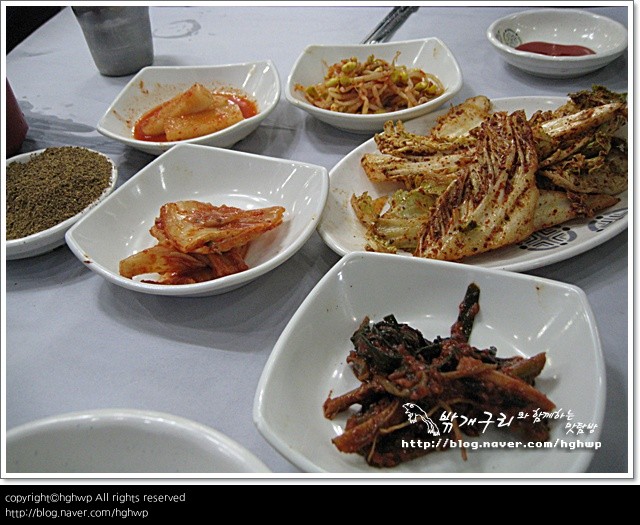
When locals brag about Gwangju's food, they often talk about "Jeolla-do Hansang Charim" (전라도 한상차림). What is it? Imagine a table so laden with dishes, you can barely see the tabletop! We're talking dozens of banchan (side dishes) – from kimchi and namul (seasoned vegetables) to various jeon (savory pancakes), grilled fish, japchae, and much, much more. It's a feast for the eyes and the stomach, a true reflection of the region's generosity.
You'll find everything from spicy to savory, sweet to sour, all perfectly balanced. It's an overwhelming, joyful experience that will make you wonder if you've accidentally stumbled into a royal banquet. And the best part? It's often incredibly affordable for the sheer volume and quality of food you receive. Don't be surprised if your Hansang comes with fresh seasonal seafood, different types of fermented dishes, and even some specialty meats. It’s a sensory overload in the best possible way!
Must-Try Gwangju Delicacies (and Where to Find Them!)

While the Hansang Charim gives you a taste of everything, Gwangju also boasts some standout individual dishes that you absolutely cannot miss. These are the dishes that have earned their own dedicated fan bases and, often, their own districts of specialized restaurants.
Songjeong Tteokgalbi (송정떡갈비)
_rev-medium-size.jpg)

Forget the grilled marinated beef you know; Gwangju's Tteokgalbi is a whole different beast! Unlike the usual Tteokgalbi made from thinly sliced beef, Gwangju's version uses finely minced beef (and sometimes pork), pounded into patties, marinated, and then grilled over charcoal. It’s incredibly tender, juicy, and packed with a sweet and savory umami flavor that will make your eyes roll back in delight. It literally melts in your mouth!
The Songjeong-dong area of Gwangju is famous for its Tteokgalbi Alley. One of the most legendary spots, often featured on shows like Saengsaeng Jeongbotong and Yuksi Naegohyang for its authentic taste, is Songjeong Tteokgalbi. They've been perfecting this dish for generations.
- What to Order: Their classic Tteokgalbi (떡갈비) is a must. It usually comes with an accompanying bowl of bone marrow soup (뼈국 - ppyeoguk) which is surprisingly light and refreshing, a perfect palate cleanser. You'll also get a generous spread of banchan.
- Price Range: Expect to pay around ₩15,000 - ₩20,000 per person for a Tteokgalbi set.
- Pro Tip: Don't just eat it with rice! Wrap a piece in a fresh lettuce leaf with some garlic and ssamjang (dipping sauce) for the ultimate bite.
Yeongmi Oritang (영미오리탕)

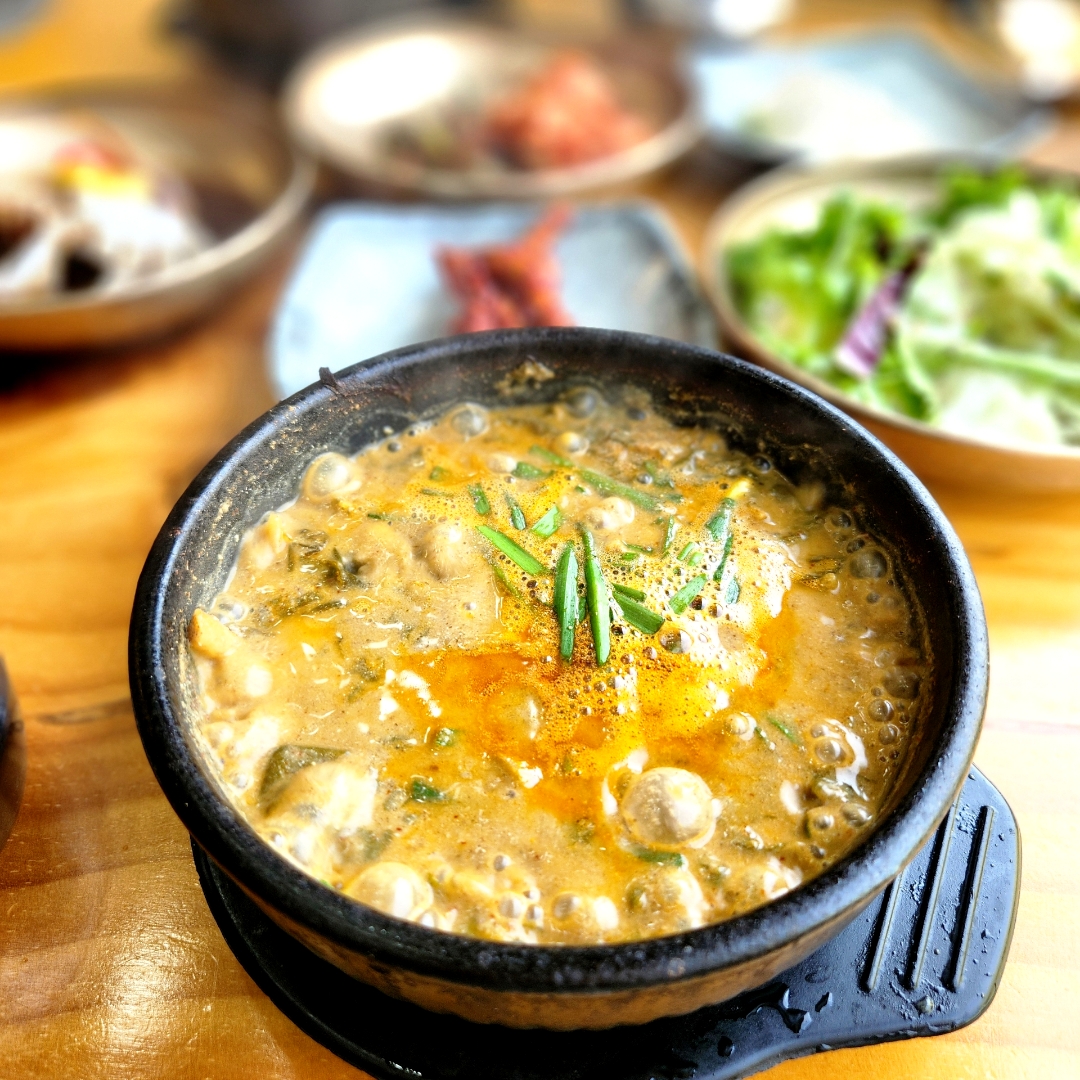
Okay, this might sound a little adventurous, but hear me out: Oritang (오리탕), or duck stew, is a Gwangju specialty that will surprise and delight you. It’s a hearty, nutritious stew made with duck, perilla seeds, and a variety of vegetables. The broth is thick, earthy, and incredibly savory, with a unique nutty flavor from the perilla seeds. It’s especially popular during colder months or when you need a boost of energy.
Yeongmi Oritang is practically an institution in Gwangju's Oryong-dong Oritang Street. They've been serving their signature dish for decades and have been recognized on numerous local food shows, earning them a reputation as one of the best.
- What to Order: The Oritang (오리탕) is the star. It's usually served family-style, so it's perfect for sharing with friends. Make sure to get some bokkeumbap (볶음밥) at the end – they'll stir-fry rice into the remaining broth, and it's absolutely divine!
- Price Range: A large Oritang for 2-3 people can range from ₩40,000 - ₩60,000.
- Pro Tip: The distinct perilla flavor is key here. If you're new to it, embrace it! It’s a flavor you won't easily find elsewhere.
Boribap Alley (보리밥골목)
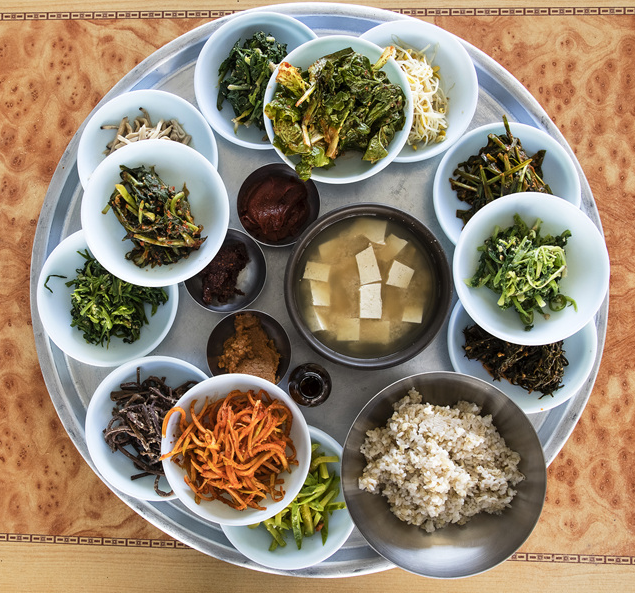
For a taste of traditional Korean comfort food, head to Boribap Alley (보리밥골목) in Gwangju. Boribap is a wholesome dish made with barley rice, served with a mountain of fresh vegetables, various banchan, and often a hearty doenjang jjigae (soybean paste stew). You mix everything together with gochujang (chili paste) and sesame oil, creating a giant, delicious bibimbap.
There isn't one specific restaurant here to recommend, as the whole alley is filled with amazing family-run eateries, each with its own loyal following. Many of these have been featured on shows like Saengsong Today, highlighting their fresh ingredients and generous portions.
- What to Order: Just order Boribap (보리밥)! It's usually the only main dish on the menu.
- Price Range: Very affordable, typically ₩8,000 - ₩12,000 per person.
- Pro Tip: Don't be shy with the gochujang! Add it gradually, mix everything thoroughly, and savor the healthy, fresh flavors.
Getting to Gwangju & Navigating the City

Thinking about how to get to this culinary paradise? It's easier than you think!
- From Seoul: The fastest and most convenient way is to take the KTX high-speed train from Seoul Station or Yongsan Station to Gwangju-Songjeong Station (광주송정역). The journey takes about 1.5 to 2 hours.
- Getting Around Gwangju: Gwangju has a decent public transportation system, including a subway line and numerous buses. Taxis are also readily available and reasonably priced. For food exploration, buses or taxis might be more convenient to reach specific restaurant districts.
| Dish | Typical Price Range (per person) | What to Expect |
|---|---|---|
| Jeolla-do Hansang Charim | ₩20,000 - ₩40,000+ | An extravagant spread of 20+ side dishes, often includes grilled fish, stews, and various small plates. Perfect for groups. |
| Gwangju Tteokgalbi | ₩15,000 - ₩20,000 | Finely minced and grilled beef patties, served with bone marrow soup and banchan. |
| Oritang (Duck Stew) | ₩20,000 - ₩30,000 (per person, sharing a large pot) | Hearty duck and perilla seed stew, often served with noodles or rice to finish. |
| Boribap (Barley Rice) | ₩8,000 - ₩12,000 | Wholesome barley rice mixed with fresh vegetables, gochujang, and various banchan. |
Final Thoughts: Your Gwangju Food Adventure Awaits!
Gwangju isn't just a stop on your Korea itinerary; it's a destination in itself, especially for those of us who believe food is the ultimate travel experience. The sheer passion and dedication to culinary excellence you'll find here are truly unparalleled. From the generosity of a Hansang Charim to the melt-in-your-mouth Tteokgalbi, every meal in Gwangju tells a story – a story of rich history, fertile land, and a community that genuinely loves to eat well.
So, next time you're planning your trip to Korea, challenge yourself to venture beyond the usual tourist spots. Take that KTX to Gwangju, immerse yourself in its vibrant food culture, and prepare for a culinary adventure that will forever change how you think about Korean food. You're going to love it, trust me!
💡 AI Travel Tip
Ready to plan your Gwangju food adventure? Use these AI prompts to get started!
- To find specific restaurant recommendations based on TV shows:
Prompt example: "Find three traditional Jeolla-do Hansang restaurants in Gwangju, South Korea, that have been featured on Korean food shows like Saengsaeng Jeongbotong or Yuksi Naegohyang. For each, provide the full Korean name, location (address), and one recommended dish."
- To create a food-focused itinerary:
Prompt example: "Create a 2-day food itinerary for Gwangju, South Korea, focusing on local specialties like Tteokgalbi, Oritang, and Boribap. Include specific restaurant names, a suggested order of visits, and estimated travel times between locations using public transport."
- To understand local etiquette:
Prompt example: "What are some specific dining etiquette tips for eating at traditional restaurants in Gwangju, South Korea, especially for large group meals like Hansang Charim or Oritang?"