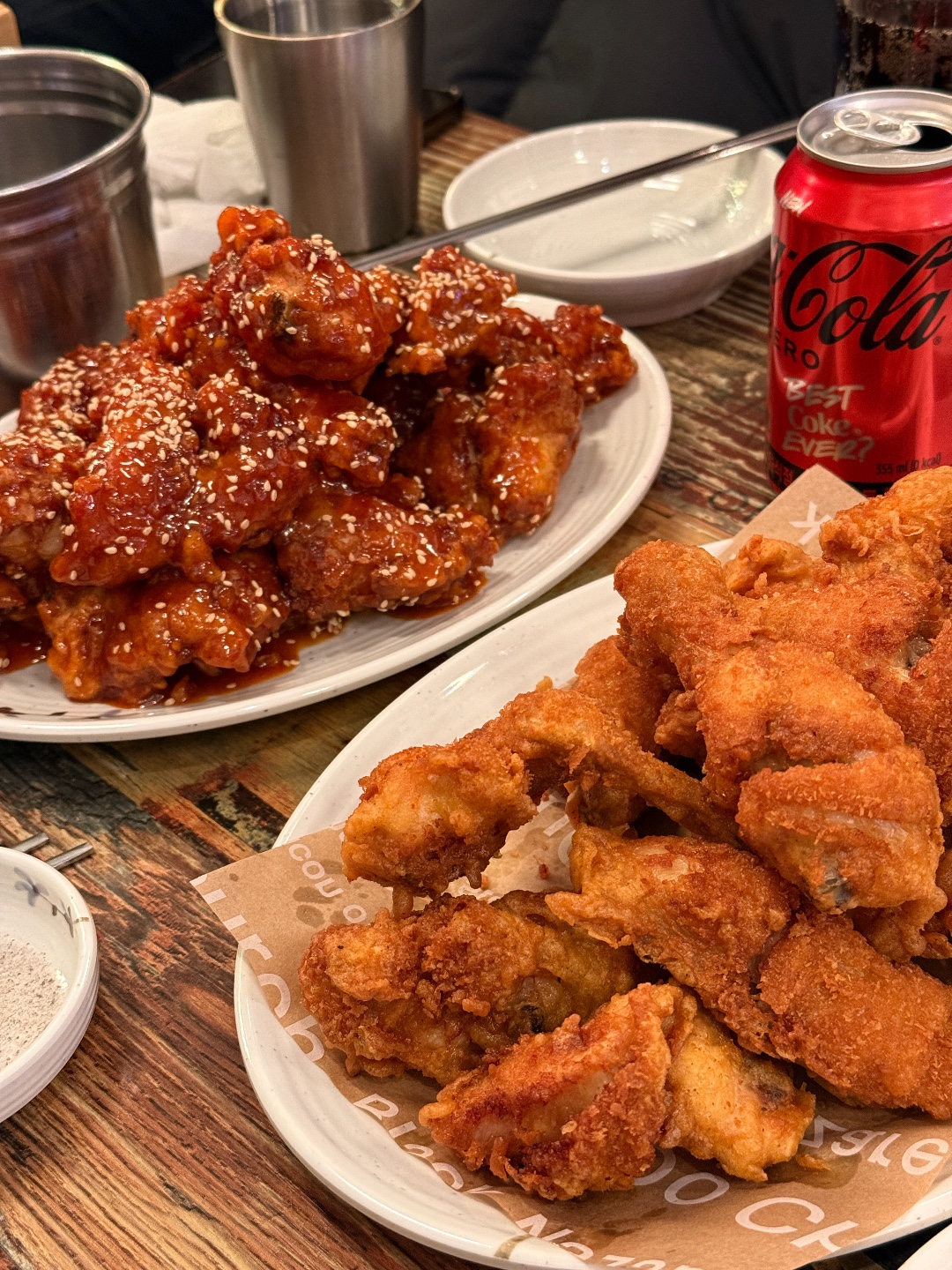
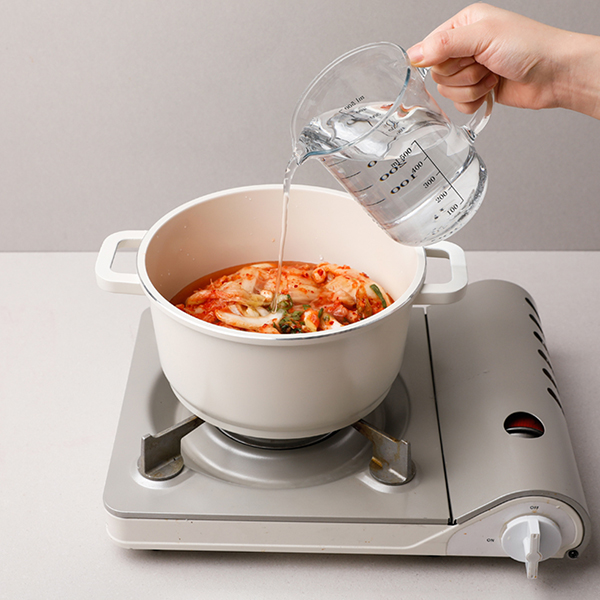
Picture this: you've just spent hours navigating the vibrant, neon-lit streets of Myeongdong, or maybe you've been singing your heart out at a K-pop fan event, soaking in all that electric energy. Your senses are buzzing, your feet are killing you, and honestly? You're craving something completely different – a moment of pure calm, a taste of traditional Korea tucked away from all the modern chaos. So where do you go?
Forget the generic coffee chains for a second. Korea's got this amazing treasure hidden in plain sight: the traditional Korean tea house, or 찻집 (chatjip). If you're obsessed with K-dramas, you've definitely caught a glimpse of these peaceful spots – maybe a quiet moment between the leads, a thoughtful scene with an elder, or just cozy vibes bathed in warm light and stunning traditional decor. These aren't just places to grab a drink; they're actual doorways into a slower, more mindful way of experiencing Korea. Shows like Saengsaeng Jeongbotong and Yuksi Naegohyang totally showcase this side of Korean culture, and trust me, it's the real deal.
Here at KoreaSpots, we're all about helping K-drama and K-pop fans like you uncover the authentic Korea that actually exists beyond the screen. And honestly? A visit to a traditional tea house is as genuine as it gets – the perfect escape from all the hustle and bustle, a chance to recharge and just sip on something delicious while soaking in centuries of Korean heritage. Ready to swap the fast pace for some seriously good vibes? Let's do this!
Why a Traditional Tea House is a Must-Visit
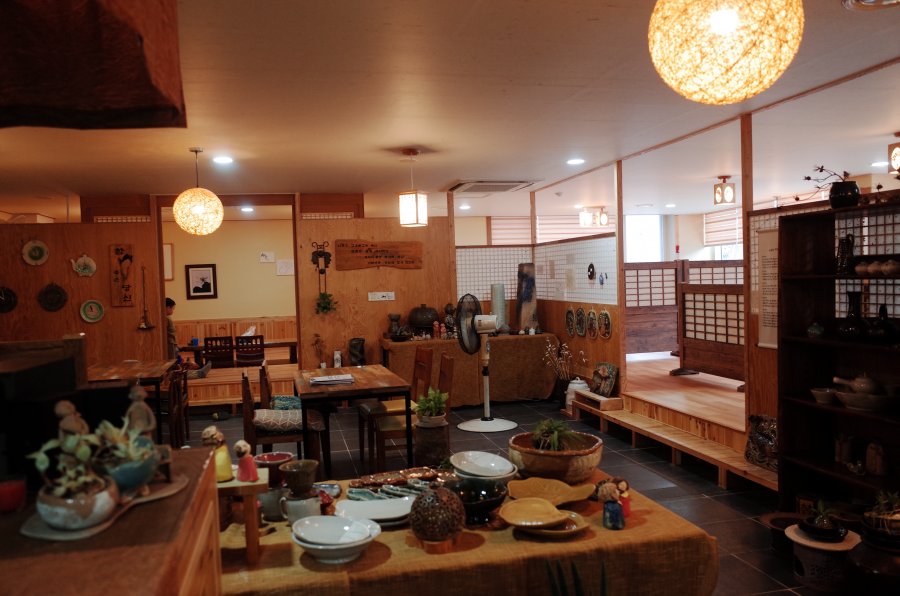
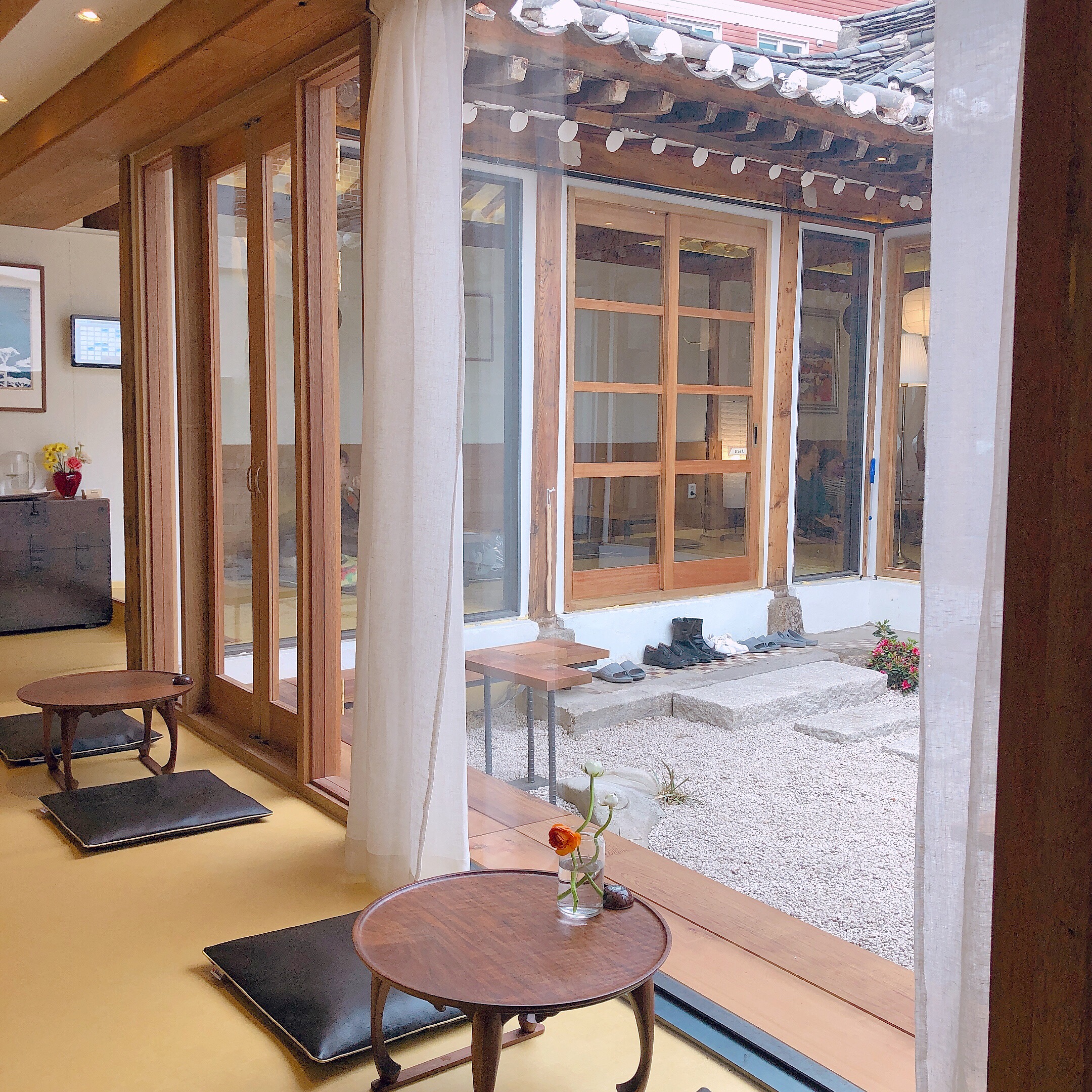
The moment you step into a traditional Korean tea house, you're entering a completely different world. The air is usually filled with this gentle, soothing blend of aromatic herbal teas, mixed with the faint scent of wood and history. You'll find yourself surrounded by gorgeous 한옥 (hanok – traditional Korean house) architecture, whether it's an actual centuries-old building or a beautifully crafted modern take on the style. We're talking intricate wooden lattice doors, delicate paper windows (창호), and minimalist decor that really captures what Korean aesthetics are all about – harmony, nature, and simplicity.
And here's the thing – it's not just about the tea. It's a total sensory experience. You'll probably be sitting on cushions on a heated floor (온돌), feeling that warmth wrap around you, or at low wooden tables. The background music, if there's any, is almost always traditional Korean instrumental stuff – soft, mellow, nothing jarring. It's the kind of place where quiet conversations flow naturally, where you can actually think, or just sit there and appreciate the peaceful vibe around you. For K-drama fans, it's honestly like stepping straight into one of those scenes – you get to feel the cultural depth that makes those shows so special.
Understanding the Menu: Teas and Traditional Snacks
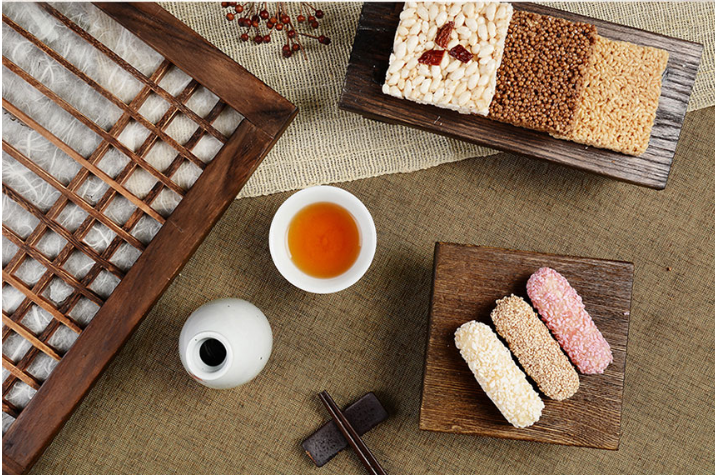
Here's the thing – the menu at a traditional tea house can be super diverse, way more than just regular green tea! Sure, 녹차 (nokcha – green tea) is always solid, but don't sleep on exploring some of Korea's unique and genuinely beneficial traditional teas. Most are made from fruits, roots, or grains, so you're getting this amazing range of flavors and some pretty impressive health perks too. And obviously, what's tea without something sweet to go with it, right?
Popular Korean Traditional Teas to Try:
- Omija-cha (오미자차): They call it "Five-Flavor Tea," and this bright red brew is made from magnolia berries. It's honestly wild – you get sweet, sour, salty, bitter, and pungent all in one sip. Works great hot or cold, and people swear it helps with fatigue.
- Yuja-cha (유자차): This citron tea made from preserved yuja fruit (kind of like marmalade) is super popular, especially in winter. It's sweet, tangy, smells amazing, and packed with vitamin C – basically comfort in a cup.
- Daechu-cha (대추차): Made from dried jujubes (those red dates), this tea is naturally sweet, earthy, and incredibly soothing. People love it for winding down and just feeling warm inside.
- Saenggang-cha (생강차): A spicy ginger tea that's perfect for those cold days or when you're fighting off a cold. Most places add honey or other sweeteners to balance out the ginger's kick.
- Sikhye (식혜): Okay, technically this is more of a rice punch than a tea, but it's a total traditional favorite you'll find at most tea houses. It's sweet, malty, refreshing, with little bits of cooked rice floating around – it's pretty unique!
Delightful Traditional Snacks (Hangwa):
- Tteok (떡): These soft, chewy rice cakes come in tons of varieties, and they're seriously perfect with tea. Look for the colorful ones filled with sweet bean paste or dusted with sesame – they're gorgeous and delicious.
- Yakgwa (약과): These beautifully made honey cookies are deep-fried until golden and then soaked in ginger-honey syrup. They're sweet, have this subtle spice, and have this amazing texture that's chewy on the outside but tender inside.
- Gangjeong (강정): Light, crispy puffed rice or grain snacks, usually coated in honey and topped with seeds or nuts. They're so satisfying to munch on.
- Yumilgwa (유밀과): This is actually a whole category of deep-fried pastries made with flour, honey, sesame oil, and ginger juice – they're absolutely indulgent.
Most tea houses will throw in a small plate of 한과 (hangwa) for free with your tea, but you can totally order bigger assortments if you want to go all out and treat yourself.
Finding Your Oasis: Top Tea House Locations in Seoul

Seoul's got traditional tea houses scattered all over the place, but some neighborhoods are like meccas for them – these are the spots where you'll find the highest concentration and most authentic vibes. These are the areas where you're likely to stumble upon something truly special or a famous place you've seen on Korean TV.
1. Insadong: The Heart of Traditional Culture
Insadong is basically the epicenter of traditional Korean culture in Seoul, and it's absolutely packed with charming tea houses. As you wander down the main street and through all the winding alleys, you'll find tons of 찻집, many housed in these gorgeous 한옥 (hanok). It's the perfect place to spend an afternoon browsing traditional craft shops and art galleries, then ducking into a tea house to decompress.
Featured Tea House: Shin Old Teahouse (신옛찻집)
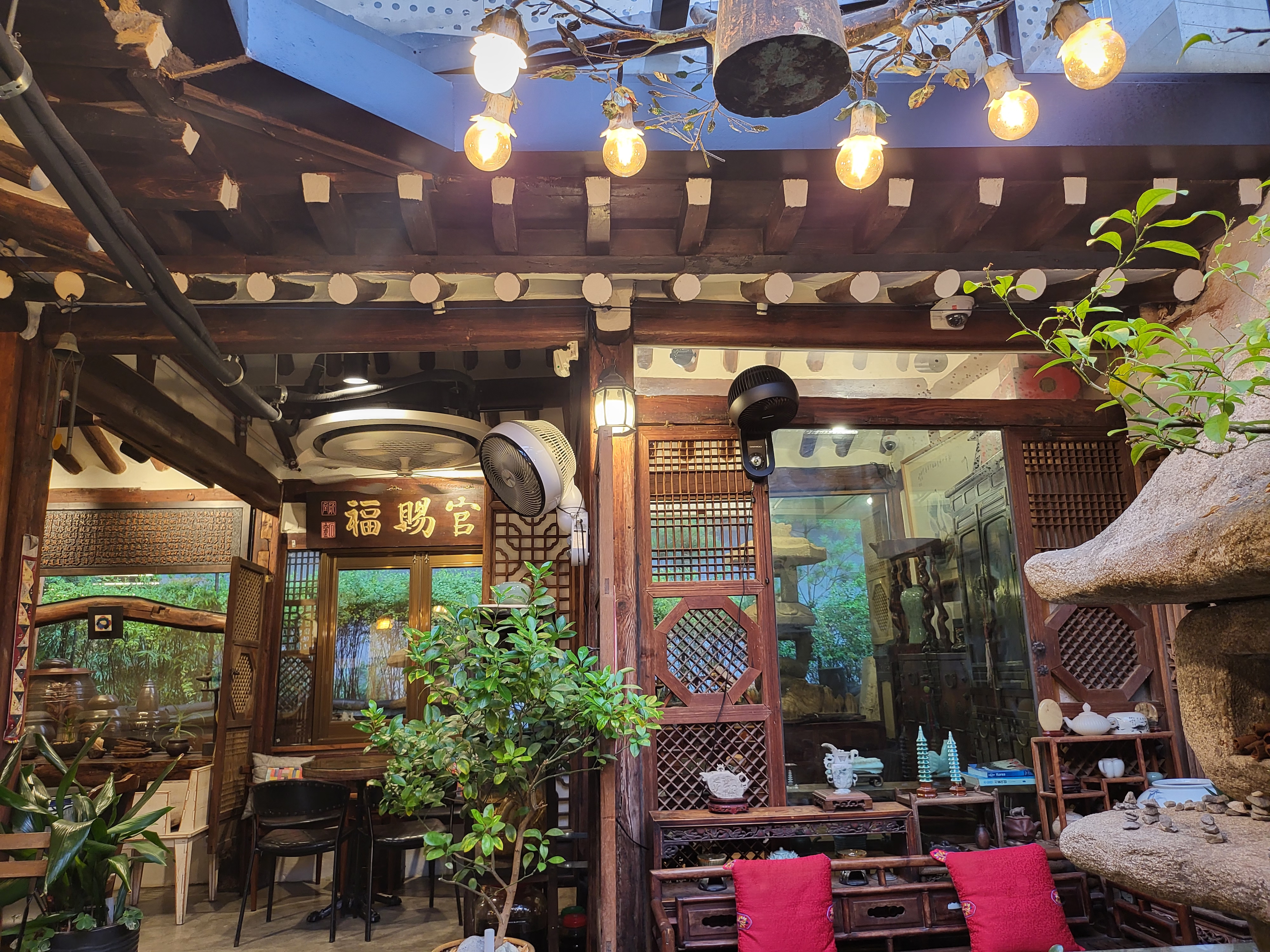
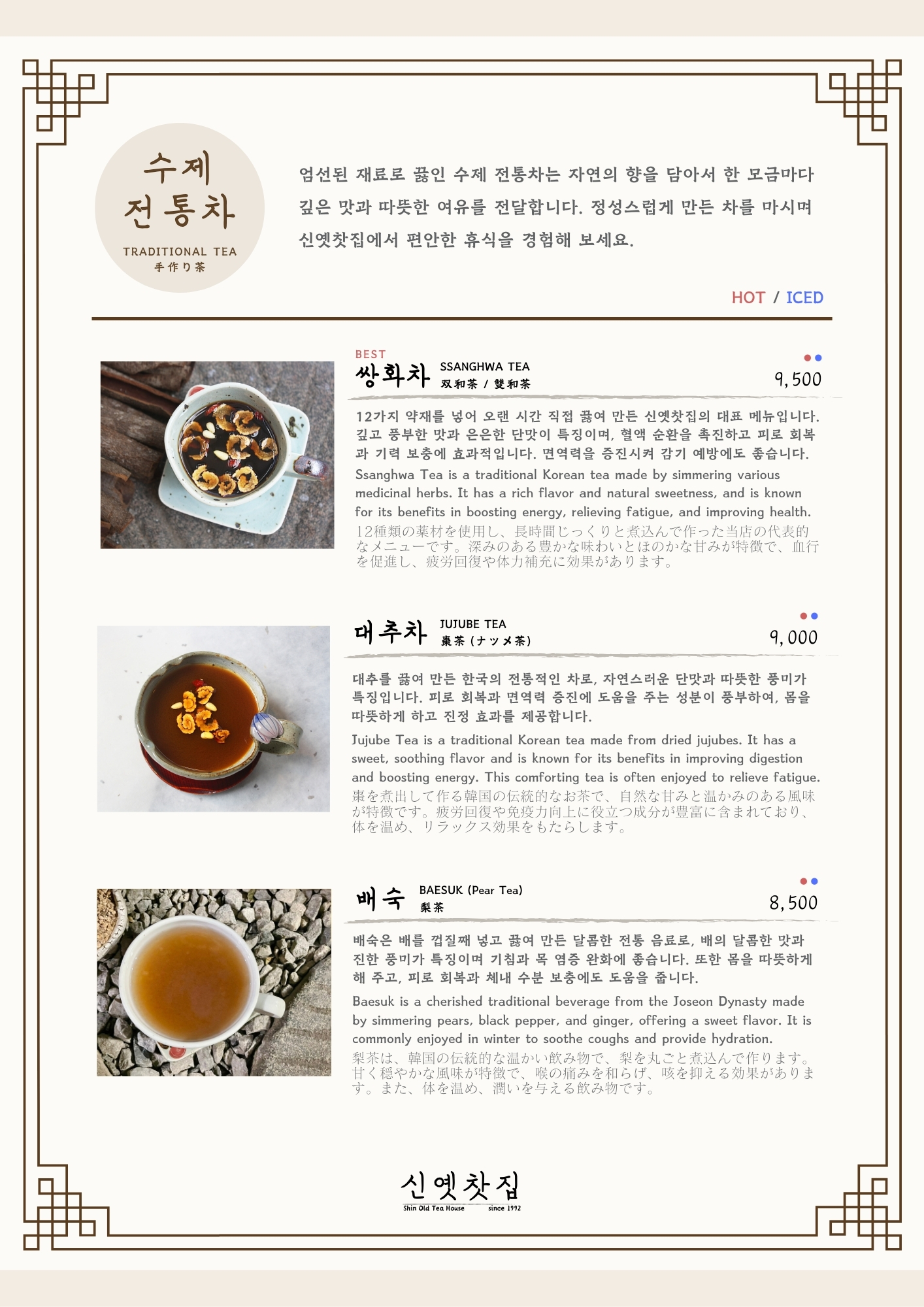
Hidden away in one of Insadong's charming alleys, Shin Old Teahouse is a classic spot for a reason. The cozy, rustic interior is filled with antique furnishings and this incredible peaceful vibe that feels like you've literally stepped into a historical K-drama. Spoiler: you might've actually seen it on shows like Saengsong Today or Saengsaeng Jeongbotong – they love featuring spots like this that showcase authentic Korean culture. They're all about traditional teas, and their Daechu-cha and Omija-cha are seriously good. You'll get complimentary Yakgwa too, which is always a nice touch. It's the perfect spot for a quiet afternoon or a deep conversation with someone special.
- Location: Insadong-gil, Jongno-gu, Seoul (tucked in various alleys off the main street)
- Price Range: ₩7,000 - ₩12,000 per tea
- Best Time to Visit: Weekday afternoons if you want it super quiet and peaceful
2. Bukchon Hanok Village & Samcheongdong: Scenic Beauty and Hidden Gems
Just a quick walk away from Seoul's grand palaces, Bukchon Hanok Village is this incredible opportunity to see actual preserved traditional Korean homes. While lots of them are still residential, several have been converted into absolutely beautiful tea houses. The nearby Samcheongdong area, with its art galleries and trendy cafes, blends modern creativity with traditional elements perfectly, making it such a fun place to explore.
Featured Tea House: Cha Masineun Tteul (차 마시는 뜰)

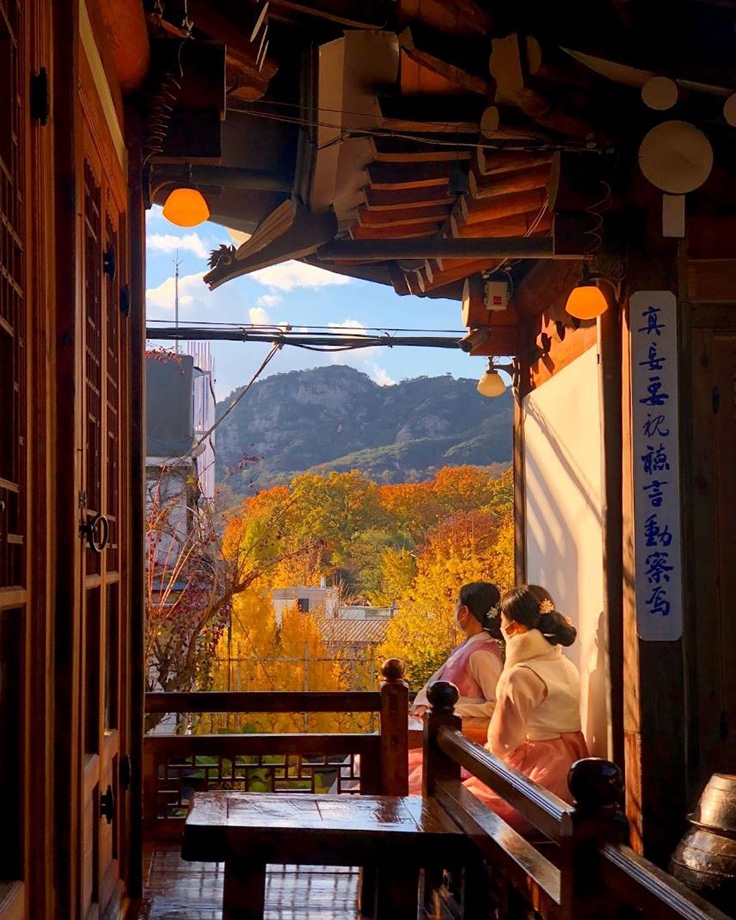
The name literally means "A Garden for Drinking Tea," and honestly? It totally lives up to it. Sitting right in Bukchon Hanok Village, this place has this absolutely stunning courtyard garden that transforms with the seasons – it's ridiculously photogenic. This is the kind of spot that shows like Yuksi Naegohyang are always raving about for its gorgeous aesthetics and genuinely authentic experience. Their menu is packed with traditional teas, including some unique blends you won't find everywhere, and their homemade rice cakes? You've gotta try them. The views from some of the seating areas looking out over the traditional rooftops are honestly unforgettable.
- Location: Bukchon-ro 11na-gil, Jongno-gu, Seoul (near the top of Bukchon Village)
- Price Range: ₩8,000 - ₩15,000 per tea
- Best Time to Visit: Late afternoon for that golden hour glow in the garden, or spring/autumn when the foliage is doing its thing
Comparison of Featured Tea Houses:
| Tea House | Location Vibe | Specialty | Atmosphere | Price Range (per tea) |
|---|---|---|---|---|
| Shin Old Teahouse (신옛찻집) | Bustling Insadong alley, traditional shopping area | Daechu-cha, Omija-cha, traditional snacks | Cozy, rustic, intimate, historic feel | ₩7,000 - ₩12,000 |
| Cha Masineun Tteul (차 마시는 뜰) | Peaceful Bukchon Hanok Village, scenic views | Variety of traditional teas, homemade rice cakes | Serene, garden views, elegant, picturesque | ₩8,000 - ₩15,000 |
Practical Tips for Your Tea House Visit
- How to Get There:
- Insadong: Hop on Seoul Subway Line 3 and get off at Anguk Station (Exit 6), or take Line 1/3/5 to Jongno 3-ga Station (Exits 4 or 5).
- Bukchon Hanok Village/Samcheongdong: Take Seoul Subway Line 3 to Anguk Station (Exit 2). The village is just a short walk from there. Fair warning – there's some uphill walking in Bukchon, so wear comfy shoes!
- Best Time to Visit: Weekday afternoons are usually the calmest and most peaceful. Weekends get busier, especially in spots like Insadong, but honestly the vibe is still lovely. Evening visits? Super romantic with all the soft lighting.
- Etiquette: Remember that tea houses are all about quiet reflection. Keep your voice down, soak in the aesthetics, and don't rush through the experience. This is meant to be savored, not rushed.
- Ordering: Don't hesitate to ask for recommendations – seriously, most staff love helping people discover new teas. Lots of places have English menus or super helpful employees.
- Payment: Most tea houses take credit cards these days, but it's always smart to have some cash on you, especially at smaller, more traditional spots.
Visiting a traditional Korean tea house isn't just a quick break – it's genuinely an immersion into what makes Korean culture so special. It's peace, it's history, it's flavor, and it's honestly a memory you'll treasure long after you leave. So next time you're in Korea, take a page from your favorite K-drama characters and hunt down one of these serene spots. Trust us – you're going to love it!
💡 AI Travel Tip
Planning your tranquil tea house escape can be made even easier with a little help from AI. Use these prompts to fine-tune your itinerary and discover hidden gems!
- Discovering Tea Houses Beyond Seoul:
Prompt example: "Find highly-rated traditional Korean tea houses in Jeonju Hanok Village, South Korea, that serve Daechu-cha and have outdoor seating. List their names, general location, and a short description of their ambiance."
- Understanding Tea Health Benefits:
Prompt example: "What are the traditional health benefits associated with Omija-cha and Saenggang-cha in Korean herbal medicine? Provide a brief explanation for each."
- Creating a Themed Itinerary:
Prompt example: "Create a one-day itinerary for a K-drama fan visiting Seoul, focusing on traditional cultural experiences. Include a morning visit to Gyeongbokgung Palace, a specific traditional Korean tea house in Insadong for lunch/tea, and an afternoon activity like a Hanbok rental. Provide subway directions between locations and estimated time spent at each."
About this guide
Written with AI assistance from public information, with photos credited to their sources (Korea Tourism Organization, Naver, Pexels, Unsplash). Places and TV-show mentions have not all been checked in person, and a TV appearance is not a quality guarantee. Prices, hours and menus change — please confirm on Naver Map or the venue's official channel before visiting.