Picture this: You've spent a glorious day exploring Gyeongbokgung Palace, danced your heart out at a K-pop concert, or perhaps walked hand-in-hand with your significant other down a cherry blossom-lined street straight out of a K-drama. Now, the Seoul sun is beaming, or maybe a chilly winter breeze is nipping at your nose, and you're craving something that'll instantly transport you to a state of pure, sugary bliss. What's the answer? Korean desserts, of course!
From towering, icy mountains of shaved milk to warm, chewy pancakes oozing with sweet syrup, Korea's dessert scene is a vibrant, delicious world just waiting to be explored. And here's the thing? Many of the best spots have even been featured on beloved Korean TV shows like Saengsaeng Jeongbotong, Saengsong Today, and Yuksi Naegohyang, so you know they're truly verified by locals!
Bingsu: The Icy Crown Jewel of Korean Desserts
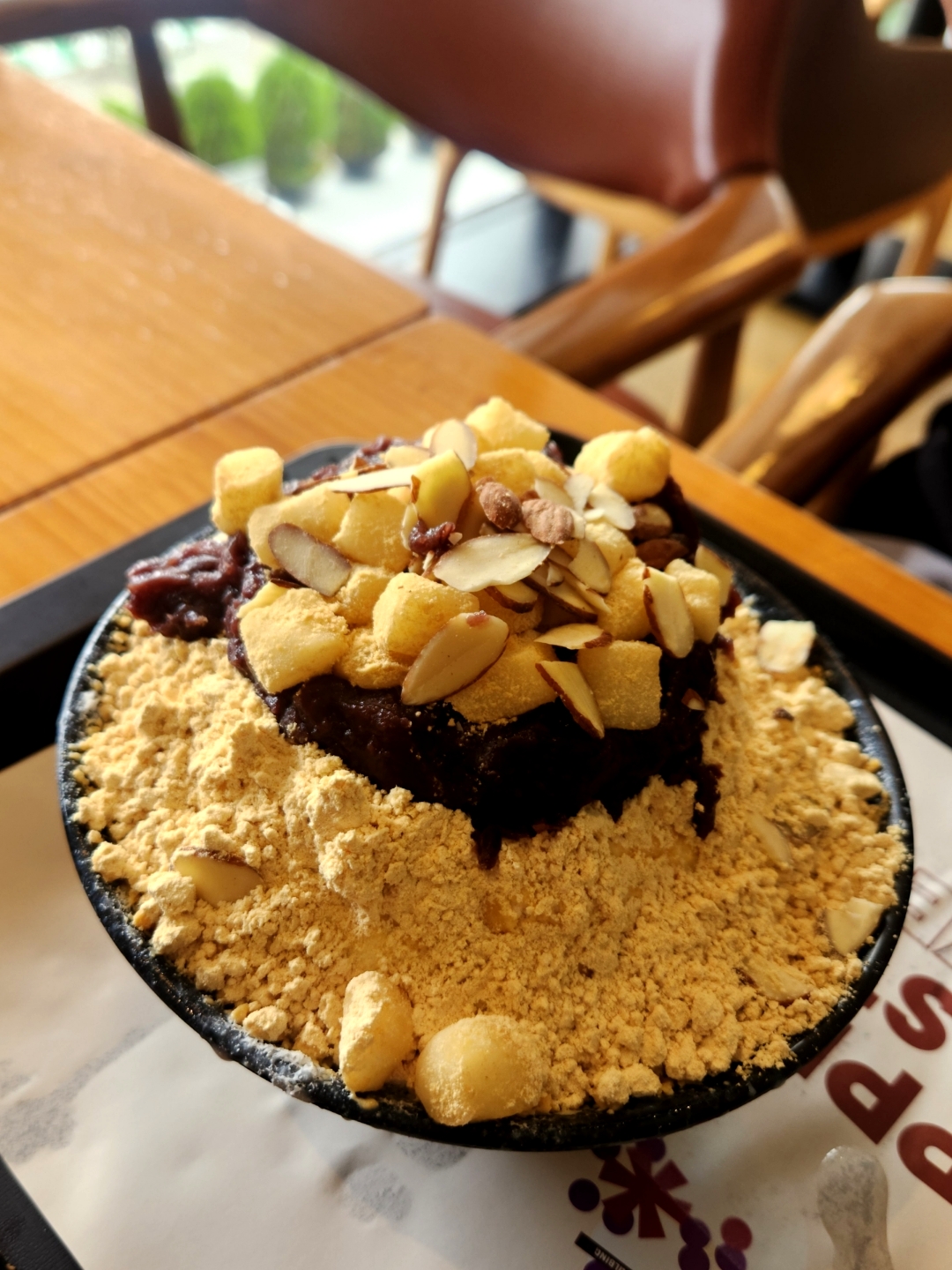
If you're new to Korean desserts, Bingsu (빙수) is probably the first thing you'll hear about, and for good reason! It's not just a dessert — it's an experience, especially during Korea's scorching hot summer months. Imagine finely shaved ice, often made from frozen milk rather than just water, piled high with an array of delectable toppings. It's creamy, refreshing, and surprisingly light – perfect for cooling down after a day of sightseeing.
While Bingsu is enjoyed year-round, it truly shines from late spring through early autumn. You'll find Koreans of all ages gathered in cafes, sharing these massive, Instagram-worthy creations. It's a communal dish, typically served in a large bowl with multiple spoons, which really embodies the Korean culture of sharing.
Patbingsu: The OG Bingsu
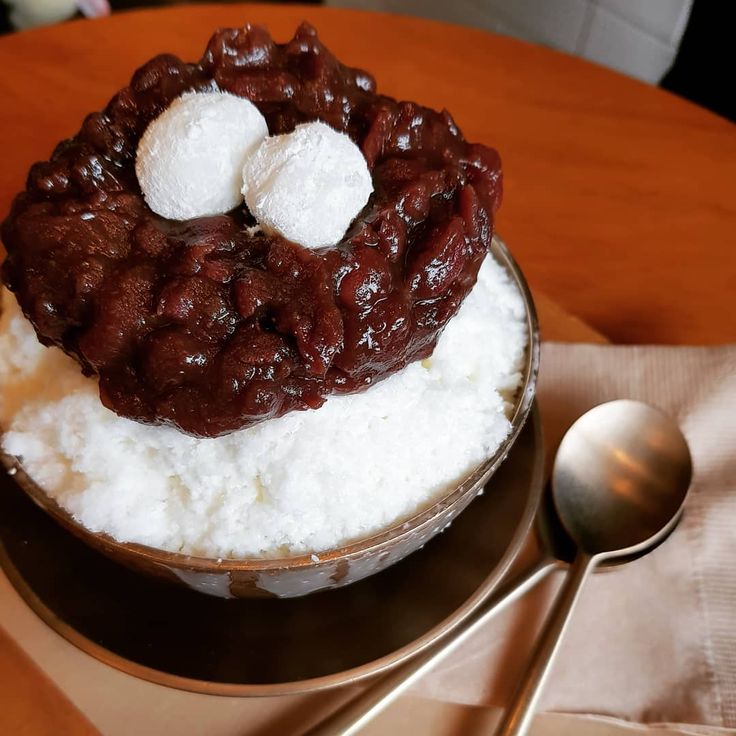
Before the fancy, fruit-laden versions took over, there was Patbingsu (팥빙수). This is the traditional, classic version, and it's seriously a must-try if you want to experience authentic Korean flavors. "Pat" means red bean, and this Bingsu features a generous topping of sweetened red beans, often paired with chewy tteok (rice cakes), a drizzle of condensed milk, and sometimes a scoop of vanilla ice cream. Don't let the idea of red beans in a dessert scare you — trust me! They have a wonderfully earthy, subtly sweet flavor and a delightful texture that just complements the icy milk perfectly. It's a taste of nostalgia for many Koreans, and you'll often find it in more traditional cafes or specialized patbingsu shops.
Modern Bingsu: A Flavor Explosion
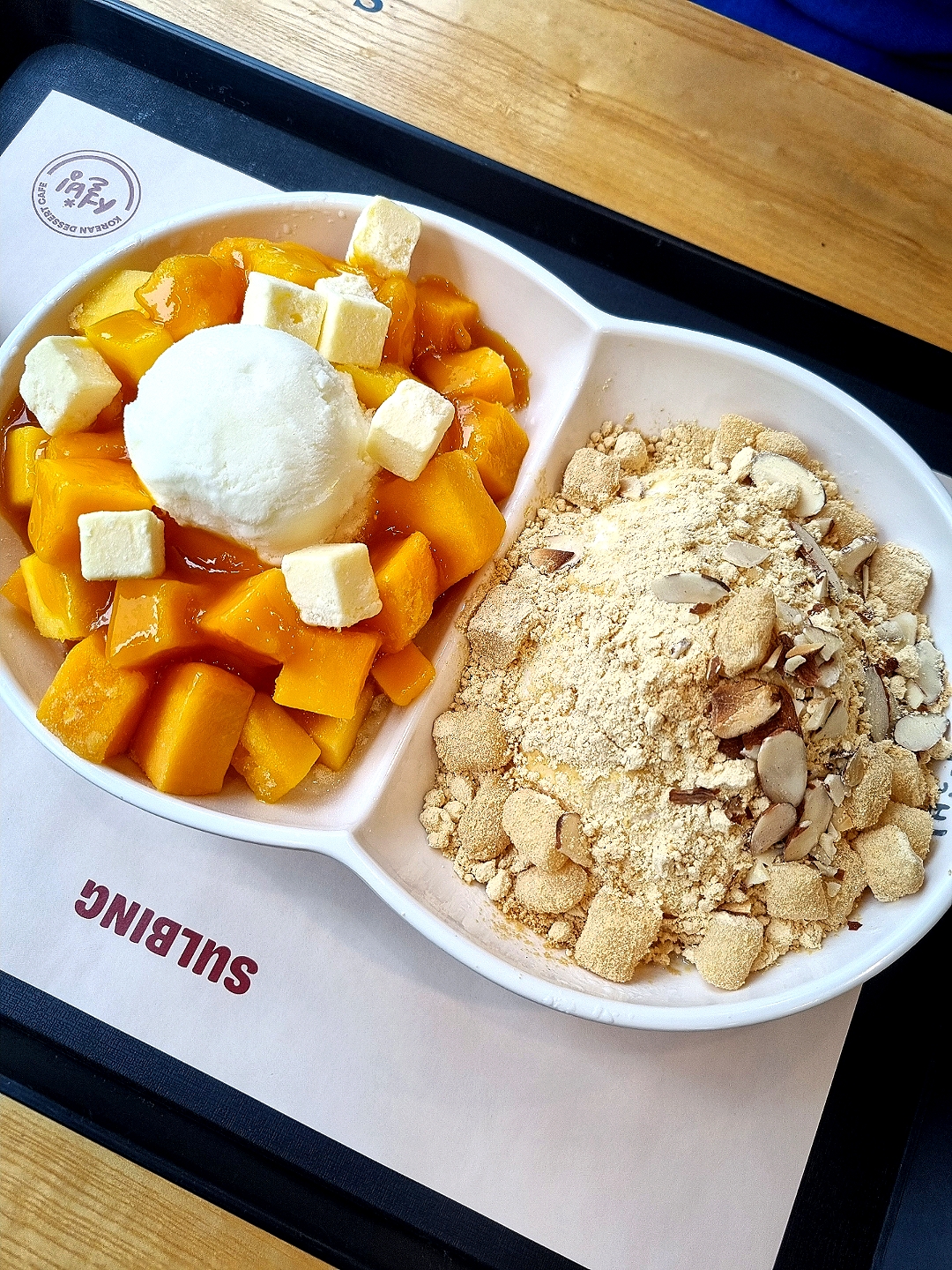
The Korean dessert scene, much like its K-pop and K-drama industries, is constantly innovating. Modern Bingsu takes the basic shaved ice concept and elevates it with an incredible variety of toppings. Here are the most popular versions you'll encounter:
- Injeolmi Bingsu (인절미 빙수): This is arguably the most famous modern bingsu, especially popularized by chains like Sulbing. It features snowy shaved milk ice topped with roasted soybean powder (injeolmi garu) and chewy injeolmi tteok. It's nutty, subtly sweet, and has a fantastic textural contrast. A drizzle of honey often completes this masterpiece.
- Mango Bingsu (망고 빙수): Cubes of fresh, sweet mango piled high on milky ice, often with a scoop of mango ice cream or a swirl of whipped cream. It's vibrant, tropical, and incredibly refreshing.
- Strawberry Bingsu (딸기 빙수): Similar to mango, but with fresh, juicy strawberries (often seasonal in winter/spring) and strawberry syrup. A beautiful and delicious option!
- Choco Bingsu (초코 빙수): For the chocolate lovers! Shaved chocolate ice, chocolate syrup, chocolate brownies, and sometimes a scoop of chocolate ice cream. Pure indulgence.
Where to Find Your Perfect Bingsu
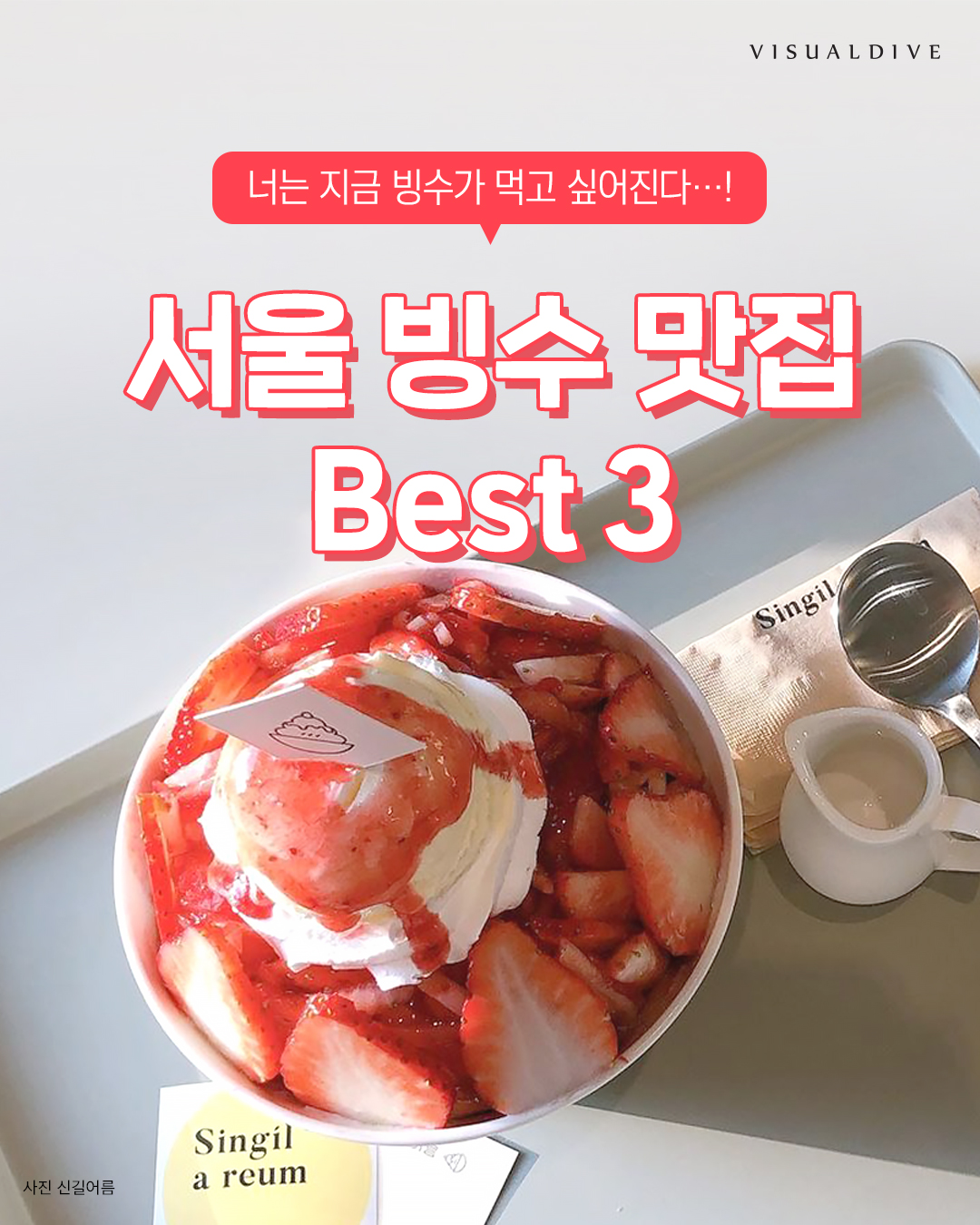
You won't have trouble finding Bingsu in Korea, but here are a few suggestions to find the really good stuff:
- Sulbing (설빙): This is the most famous Bingsu chain in Korea, practically synonymous with modern Bingsu. You'll find branches everywhere, from bustling Myeongdong to trendy Hongdae. They're known for their quality, variety, and generous portions. Their Injeolmi Bingsu? Legendary!
Sulbing (설빙)
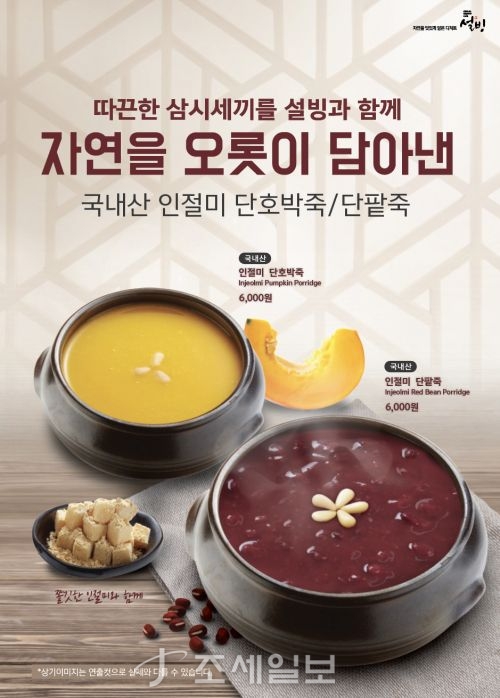

Sulbing is the undisputed king of modern Bingsu. What started as a small cafe concept has grown into a nationwide phenomenon, with branches in almost every major city and tourist hotspot. Here's their secret sauce: finely shaved frozen milk that melts in your mouth, creating a soft, snowy texture, paired with innovative and delicious toppings.
- What to Order: If it's your first time, the Injeolmi Sulbing is a must. For fruit lovers, their seasonal Mango or Strawberry Sulbing are also incredibly popular. They also offer savory options like Injeolmi Toast.
- Price Range: Expect to pay around ₩10,000 to ₩15,000 for a large Bingsu, which is typically enough for 2-3 people to share.
- Best Time to Visit: Anytime! But if you want to avoid the biggest crowds, try mid-afternoon on a weekday. Weekends and evenings can get very busy, especially in popular tourist areas.
- How to Get There: Easily found in major neighborhoods like Myeongdong, Hongdae, Gangnam. Just search "Sulbing" on Naver Maps or Kakao Maps and you'll find the nearest branch. Most are a short walk from subway stations.
- Traditional Cafes: For a more classic Patbingsu experience in a charming setting, head to Insadong. Many traditional tea houses and cafes there offer excellent Patbingsu. Look for places with hanok (traditional Korean house) architecture. Some have even been highlighted on Saengsong Today for their authentic flavors.
Cha Masineun Tteul (차마시는뜰)


Nestled within the quaint alleys of Insadong, Cha Masineun Tteul (which translates to "Garden where one drinks tea") offers a serene escape and a taste of traditional Korean desserts in a beautiful hanok setting. It's a perfect spot for a quiet afternoon getaway.
- What to Order: Their Patbingsu is a classic, featuring finely shaved ice with perfectly sweetened red beans and chewy tteok. Pair it with one of their traditional teas, like Jujube (대추차) or Ginger (생강차), for a full cultural experience.
- Price Range: Patbingsu generally costs around ₩9,000 to ₩13,000. Traditional teas are around ₩7,000 to ₩9,000.
- Best Time to Visit: Afternoon for a relaxing break. It can get busy, but the peaceful atmosphere generally prevails.
- How to Get There: From Anguk Station (Subway Line 3), take Exit 6. Walk straight into Insadong main street, then keep an eye out for signs leading into the side alleys. It's tucked away, so using a navigation app is recommended.
| Bingsu Type | Key Ingredients | Flavor Profile | Vibe/Best For | Avg. Price Range (₩) |
|---|---|---|---|---|
| Patbingsu (Traditional) | Shaved ice, sweetened red beans, tteok, condensed milk | Earthy, subtly sweet, chewy | Authentic, nostalgic, traditional cafes | 9,000 - 13,000 |
| Injeolmi Bingsu | Shaved milk ice, soybean powder, injeolmi tteok, honey | Nutty, creamy, subtly sweet, chewy | Modern, comforting, popular with locals | 10,000 - 14,000 |
| Mango Bingsu | Shaved milk ice, fresh mango, mango syrup/ice cream | Sweet, tropical, refreshing | Fruity, vibrant, perfect for summer | 13,000 - 16,000 |
| Strawberry Bingsu | Shaved milk ice, fresh strawberries, strawberry syrup | Sweet, tangy, juicy | Seasonal, beautiful, very popular in spring/winter | 14,000 - 17,000 |
Beyond Bingsu: Other Sweet Treats to Indulge In
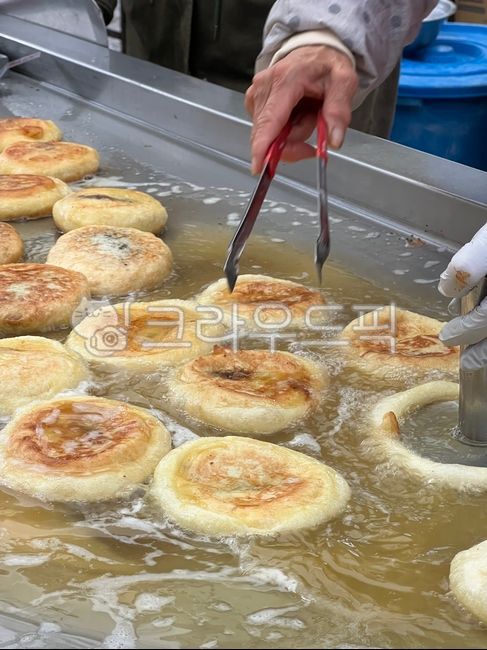
While Bingsu is definitely a star, Korea's dessert repertoire goes far beyond shaved ice. Get ready to explore a world of delightful street food sweets and charming cafe confections!
Sweet Street Food Delights
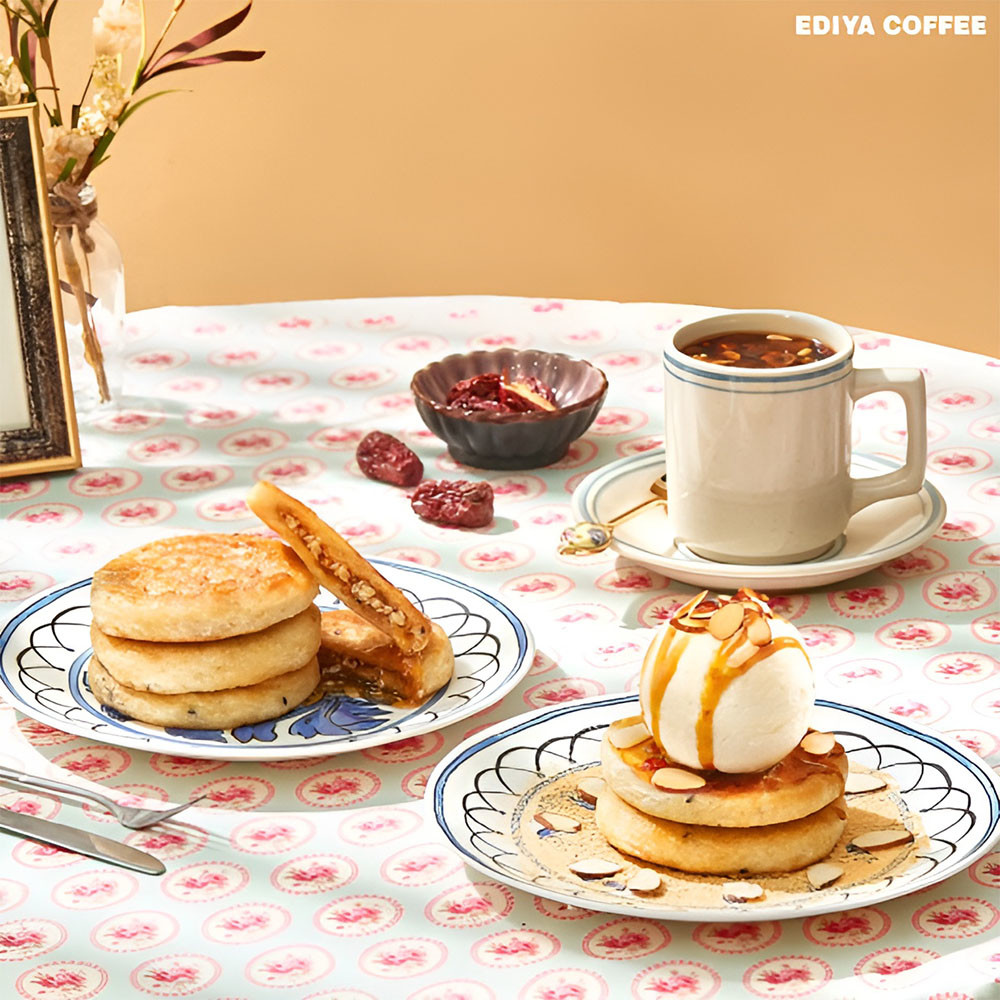
Korea's street food scene is legendary, and it doesn't disappoint when it comes to desserts. These treats are often affordable, easy to grab on the go, and packed with flavor. Many street vendors have been celebrated on shows like Yuksi Naegohyang for their consistent quality and deliciousness.
- Hotteok (호떡): This is a must-try, especially in cooler weather! Hotteok are sweet, chewy pancakes often filled with a melted syrup made from brown sugar, cinnamon, and crushed nuts. They're pan-fried to a golden crisp, creating a delightful contrast between the crunchy exterior and the warm, gooey interior. You'll find variations like vegetable hotteok, but the classic sweet one is a true crowd-pleaser.
- Bungeoppang (붕어빵): Shaped like a fish, these cute pastries are a beloved winter snack. The crispy, waffle-like exterior gives way to a soft, cakey interior filled with sweet red bean paste (the classic!), custard cream, or sometimes even chocolate. Keep an eye out for the small stalls with the distinct fish-shaped molds.
- Gyeranppang (계란빵): Literally "egg bread," this savory-sweet treat is a small, slightly sweet loaf of bread with a whole egg baked into the top. It's soft, fluffy, and incredibly comforting, perfect for a quick breakfast or a satisfying snack.
- Hoppang (호빵): These are steamed buns, similar to baozi, typically filled with sweet red bean paste. You'll often see them sold from convenience store warmers or street carts in colder months. They're soft, fluffy, and wonderfully warm.
Traditional Cafe Delights
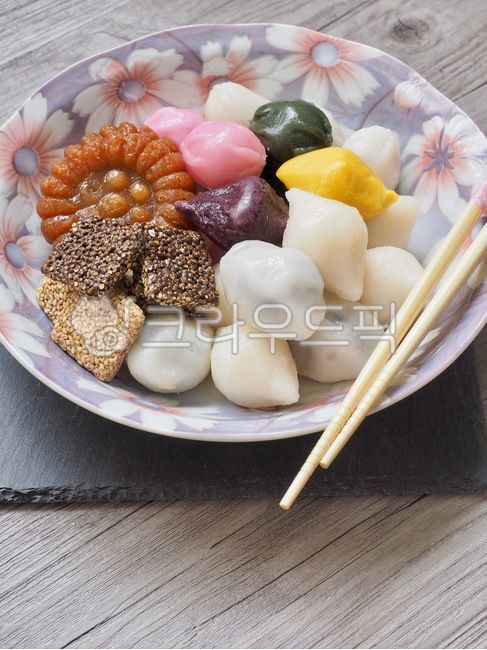
When you step into a traditional Korean cafe, especially in areas like Insadong or Bukchon Hanok Village, you'll discover a more refined side of Korean sweets.
- Tteok (떡): We've mentioned tteok in Bingsu, but these chewy rice cakes come in countless varieties, many of which are sweet. From colorful rainbow tteok (무지개떡) to sweet, bean-paste filled options, tteok is a staple for celebrations and everyday enjoyment. Try Songpyeon (송편), often eaten during Chuseok, or Chapssaltteok (찹쌀떡), a chewy mochi-like rice cake usually filled with sweet red bean paste.
- Yakgwa (약과): These beautiful, flower-shaped honey cookies are a delightful taste of Korean tradition. Fried in oil and then soaked in ginger-honey syrup, they're dense, chewy, and rich with a distinct sweetness and subtle ginger spice. Perfect with a cup of traditional tea.
- Gangjeong (강정): A type of traditional Korean confection made from glutinous rice flour, puffed and mixed with nuts, seeds, and grains, then coated in syrup. They're light, crispy, and subtly sweet.
| Sweet Treat | Best Season | Flavor Profile | Avg. Price Range (₩) | Where to Find |
|---|---|---|---|---|
| Hotteok (Sweet) | Autumn/Winter | Sweet, cinnamon, nutty, chewy, crispy | 1,500 - 3,000 | Gwangjang Market, Myeongdong street stalls |
| Bungeoppang | Winter | Sweet red bean/custard, crispy shell, soft interior | 1,000 - 3,000 (2-3 pcs) | Street stalls, especially near subway stationsAbout this guideWritten with AI assistance from public information, with photos credited to their sources (Korea Tourism Organization, Naver, Pexels, Unsplash). Places and TV-show mentions have not all been checked in person, and a TV appearance is not a quality guarantee. Prices, hours and menus change — please confirm on Naver Map or the venue's official channel before visiting. Related guides Plan the rest of your trip Korean Breakfast Culture: What Locals Actually Eat in the Morning Korean breakfast is nothing like what you'd expect — and it's one of the best meals of the day. Discover what… May 9, 2026 Korean Pojangmacha Culture: Everything About Street Tent Bars The pojangmacha — Korea's beloved street tent bar — is one of the country's most iconic cultural… Jun 17, 2026 Korean Drinking Culture: Makgeolli, Soju, and Food Pairing Guide Understanding Korean drinking culture is understanding Korean social life. This guide explains soju,… Jul 5, 2026Sponsored · Coupang Partners affiliate ads — we may earn a commission CommentsLoading comments... Leave a comment |