Ever noticed your favorite K-drama characters slurping down a bowl of something glistening and icy on a scorching summer day? Or maybe your favorite K-pop idols cooling off backstage with a refreshing dish? That, my friends, is Naengmyeon – Korea's ultimate weapon against the sweltering summer heat and a culinary adventure no K-fan should miss!
Here at KoreaSpots, we're all about helping you discover authentic Korean food and travel spots, verified by the shows Koreans trust like Saengsaeng Jeongbotong, Saengsong Today, and Yuksi Naegohyang. So buckle up, because we're diving deep into the world of Korean cold noodles and making sure your summer trip to Korea is deliciously cool!
What is Naengmyeon (냉면)? Your Chilly Introduction!

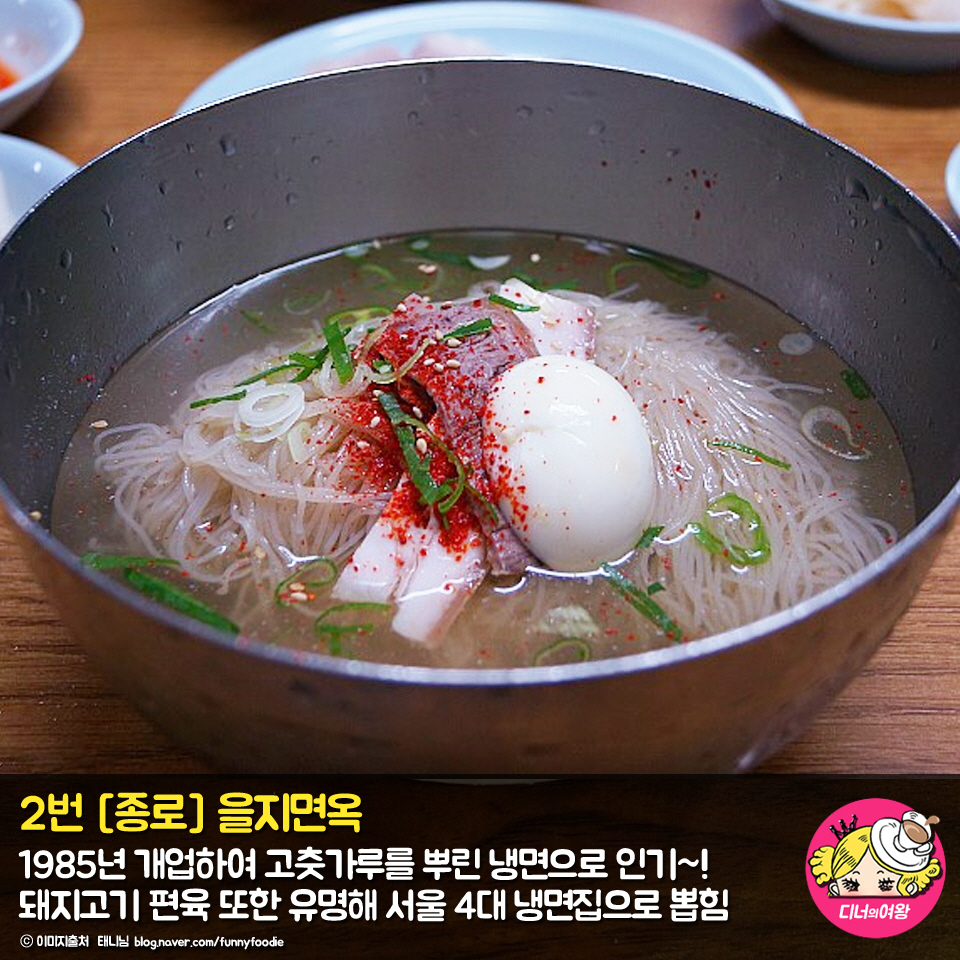
Naengmyeon literally translates to "cold noodles," but it's way more than that. This iconic dish features incredibly thin, chewy noodles – typically made from buckwheat, potato starch, or sweet potato starch – served in a super-chilled broth or tossed in a spicy, savory sauce. You'll usually find it garnished with thinly sliced cucumber, pickled radish, a hard-boiled egg, and sometimes even a slice of Korean pear or beef.
While you'd think it's all about summer, Naengmyeon was actually enjoyed year-round historically, especially in winter. Imagine huddling by a warm ondol floor and slurping down icy noodles – kind of a paradoxical delight, right? But for us modern travelers, it's undeniably the ultimate summer savior. It's the perfect contrast to spicy Korean BBQ, making it a super popular pairing, or just a fantastic light meal on its own.
The Two Main Contenders: Mul-naengmyeon vs. Bibim-naengmyeon
When you walk into a Naengmyeon restaurant, you'll generally encounter two main styles. And here's the thing – understanding the difference is key to ordering your perfect bowl!
1. Mul-naengmyeon (물냉면): The Icy Broth Classic
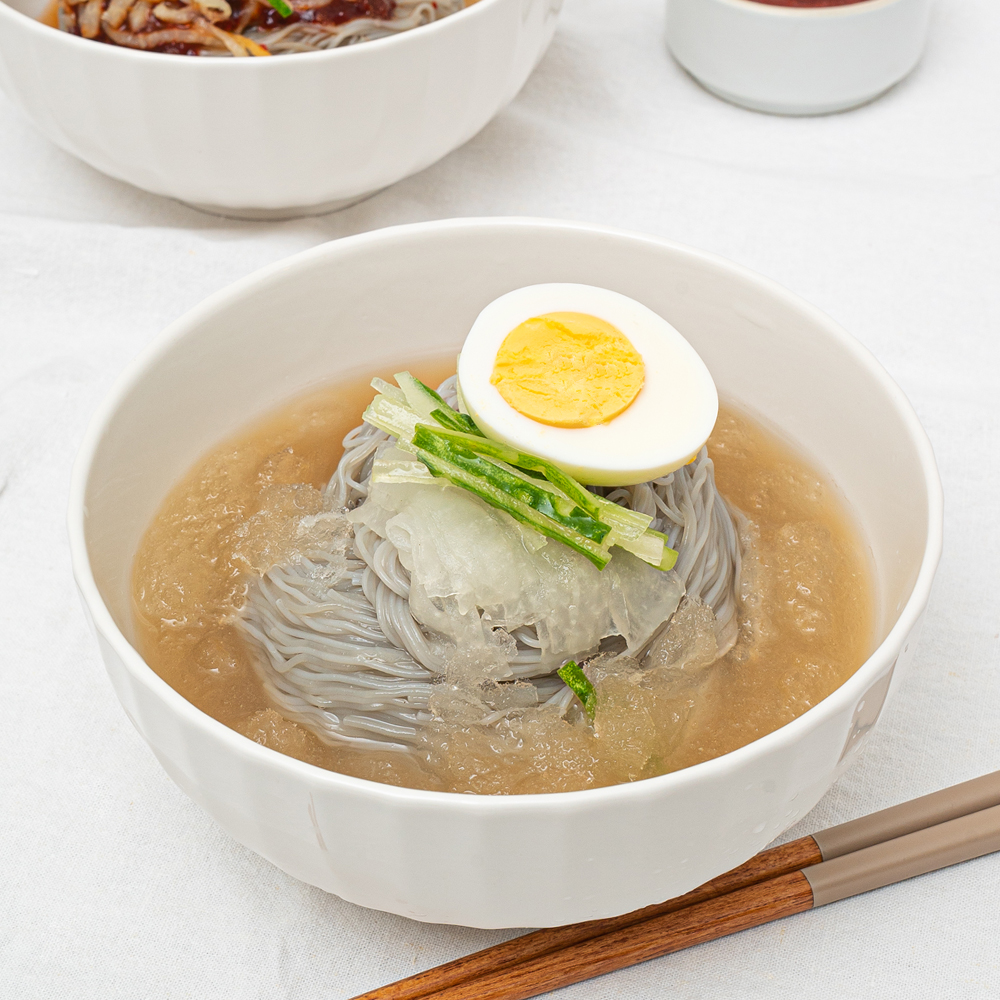
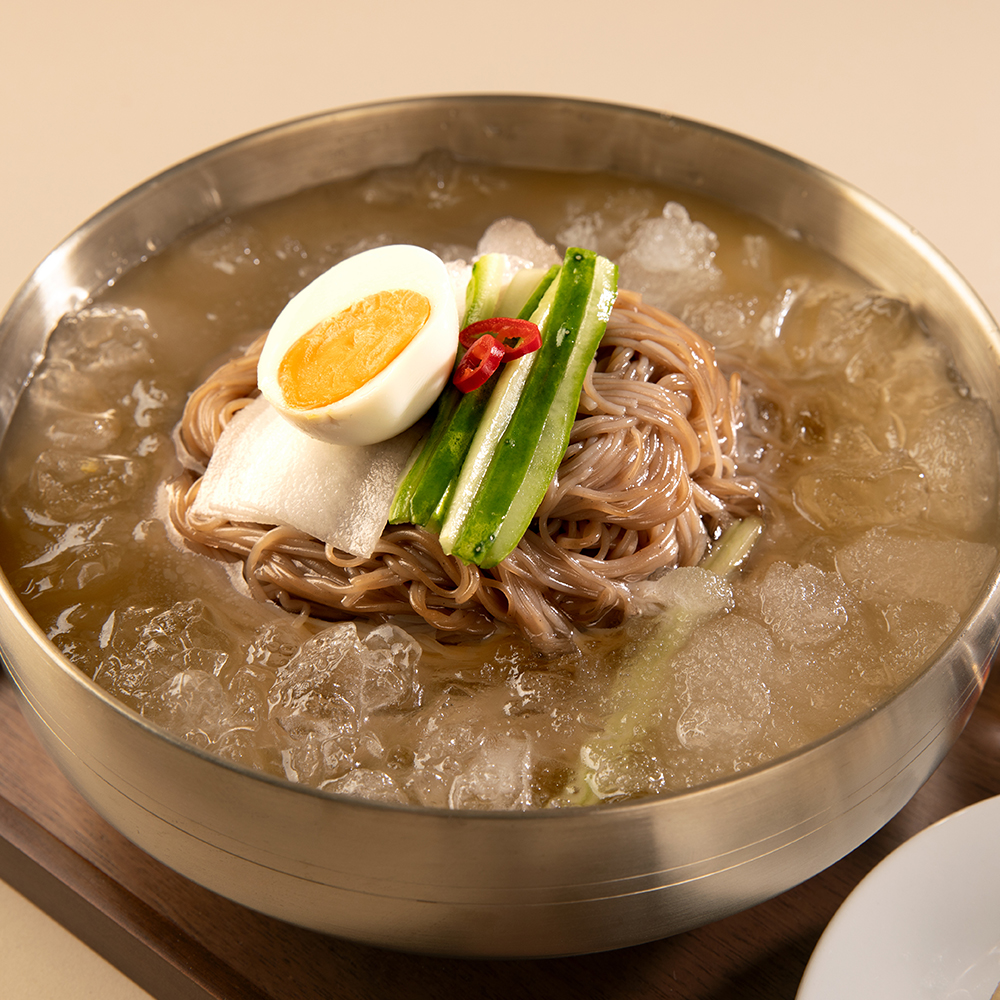
Looking for ultimate refreshment? Mul-naengmyeon is your go-to. "Mul" means water, and it refers to the signature icy broth that defines this dish. The broth is usually a clear, savory, and slightly tangy beef or dongchimi (radish kimchi) broth, served with a generous amount of crushed ice. The noodles are typically buckwheat-based, known for their slightly darker color and earthy flavor.
- Taste Profile: Refreshing, subtly savory, with a delicate tang. It's not spicy at all.
- Key Characteristics: Clear, often icy broth; thin, chewy noodles; usually garnished with sliced beef, cucumber, pickled radish, and half a hard-boiled egg.
- Popular Variants: Pyeongyang Naengmyeon (평양냉면) is the most famous Mul-naengmyeon style, known for its light, sophisticated broth. Hamheung Naengmyeon (함흥냉면) can also be served in broth, but its noodles are usually thinner and chewier, made from sweet potato starch.
2. Bibim-naengmyeon (비빔냉면): The Spicy Sensation
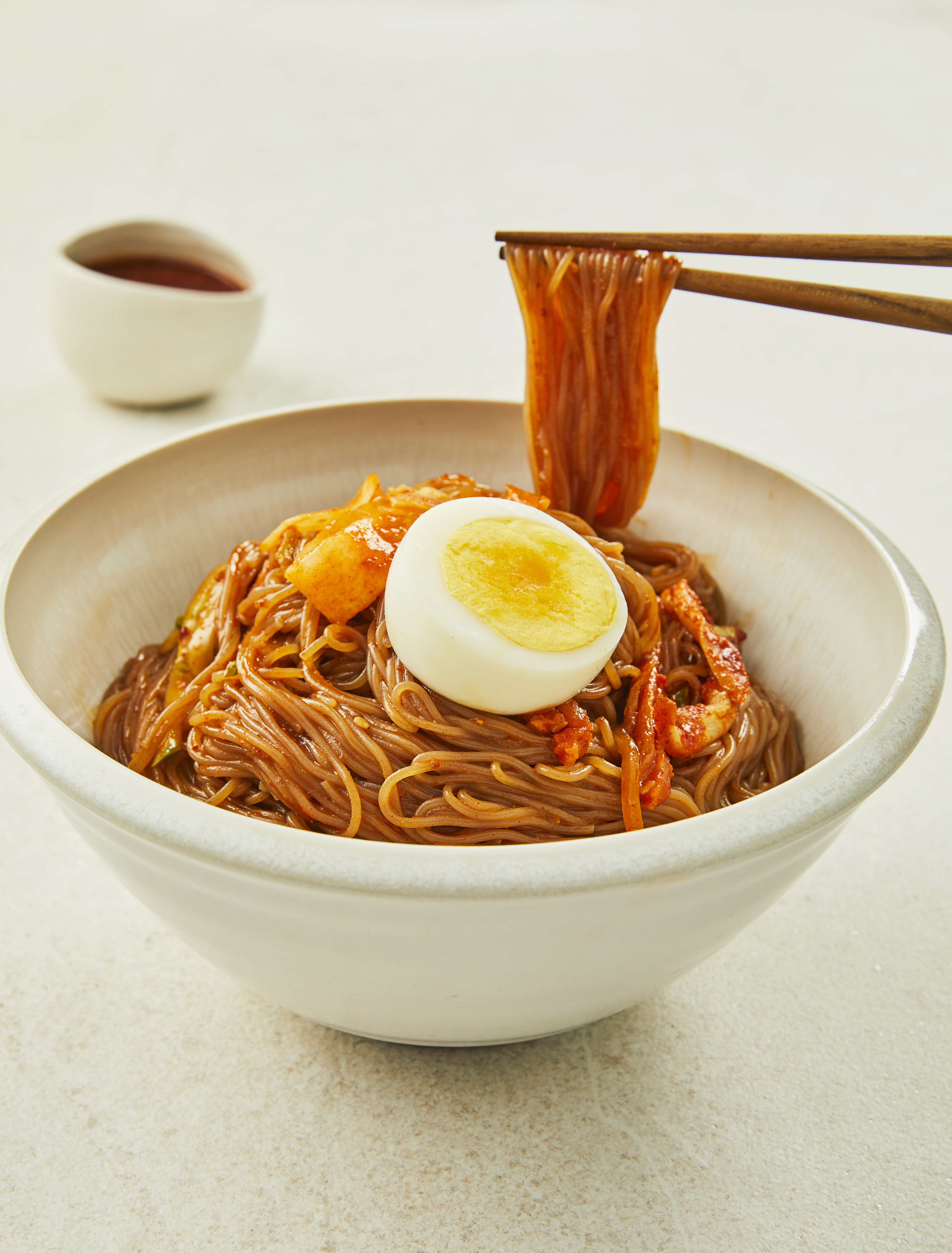
For those of you craving a kick, Bibim-naengmyeon is an absolute must-try. "Bibim" means mixed, and true to its name, this style features the same chewy noodles tossed in a vibrant, sweet, spicy, and savory gochujang-based sauce. It's typically served with similar garnishes as Mul-naengmyeon, but often without the broth – or with just a small amount on the side.
- Taste Profile: Bold, spicy, sweet, and tangy, with a satisfying heat that really awakens your palate.
- Key Characteristics: Red, spicy sauce; thin, very chewy noodles (often sweet potato or potato starch-based); garnished with cucumber, pickled radish, and hard-boiled egg. Sometimes features slices of skate (hoe).
- Popular Variants: Hamheung Naengmyeon is traditionally associated with Bibim-naengmyeon, especially Hoe-naengmyeon (회냉면), which includes fermented skate fish for an extra layer of texture and flavor.
Naengmyeon Face-Off: Mul vs. Bibim
| Feature | Mul-naengmyeon (물냉면) | Bibim-naengmyeon (비빔냉면) |
|---|---|---|
| Main Characteristic | Icy, clear broth | Spicy, red mixing sauce |
| Taste | Refreshing, subtly savory, tangy | Spicy, sweet, tangy, bold |
| Noodle Type | Buckwheat (Pyeongyang style), potato/sweet potato starch (Hamheung style) | Potato/sweet potato starch (very chewy) |
| Spiciness Level | Not spicy | Medium to very spicy |
| Best For | Cooling down, light meal, clean flavors | Spicy food lovers, vibrant flavors, intense kick |
How to Enjoy Your Naengmyeon Like a Local
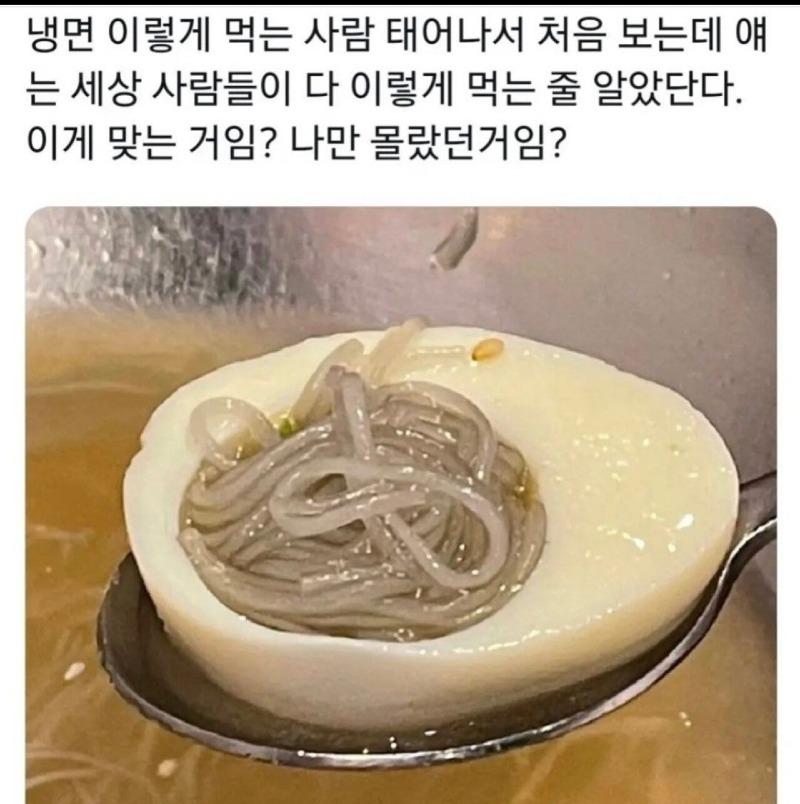
Eating Naengmyeon isn't just about slurping – there's actually a ritual to it! Here are some tips to get the most out of your experience:
- Cut the Noodles: Naengmyeon noodles are incredibly long and chewy. Most restaurants will provide a pair of scissors (가위, ga-wi) at your table. It's totally normal and actually expected to cut your noodles a couple of times before you start eating – makes them way easier to manage.
- Add Vinegar & Mustard: And here's the best part – this is crucial for customizing your flavor!
- Vinegar (식초, shik-cho): A splash or two of vinegar really brightens up the broth of Mul-naengmyeon and adds a refreshing tang to Bibim-naengmyeon.
- Mustard (겨자, gyeo-ja): A dollop of spicy mustard (usually a squeeze bottle of clear liquid) adds a pungent kick. But be careful – a little goes a long way! It's especially good in Mul-naengmyeon to cut through the richness and in Bibim-naengmyeon to add another layer of heat.
- Mix it Up (for Bibim): For Bibim-naengmyeon, make sure you thoroughly mix the noodles and sauce using your chopsticks so every strand gets coated in that delicious, spicy goodness.
- Pair it with Meat: Naengmyeon is often enjoyed alongside grilled meats like Galbi (갈비 - grilled ribs) or Bulgogi (불고기). The cold, refreshing noodles are the perfect palate cleanser after rich, savory meat. Many restaurants even offer "Naengmyeon & Meat Set" menus.
- Don't Be Afraid to Slurp!: Slurping your noodles isn't just acceptable – it's often seen as a sign of enjoyment in Korea. So go for it!
KoreaSpots Picks: Where to Find the Best Naengmyeon in Seoul
Ready to try the real deal? Here are a couple of renowned Naengmyeon spots, featured on Korean TV shows, that'll give you an authentic taste of the best!
1. Wooraeoak (우래옥): Pyeongyang Naengmyeon Royalty
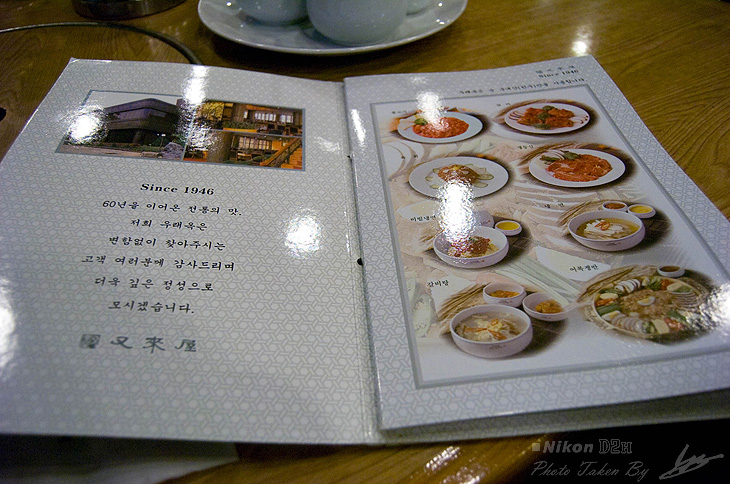
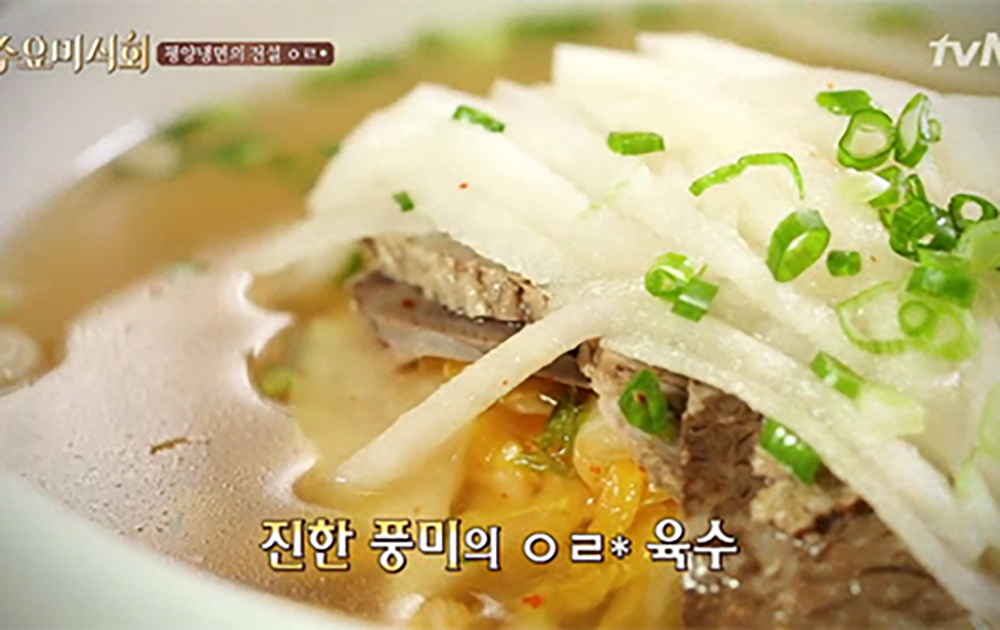
If you ask any Korean about Pyeongyang Naengmyeon, Wooraeoak is probably the first name that pops up. This legendary spot, which opened back in 1946, is absolutely revered for its sophisticated, deep beef broth and perfectly chewy buckwheat noodles. It's been featured tons of times on shows like Saengsaeng Jeongbotong for its traditional taste and incredible history.
- Neighborhood: Euljiro, Jung-gu, Seoul
- What to Order: Their signature Pyeongyang Mul-naengmyeon (평양 물냉면) is the way to go. They also offer Bibim-naengmyeon and fantastic Bulgogi, which pairs wonderfully with the cold noodles.
- Price Range: Expect to pay a bit more here – usually around 16,000 - 18,000 KRW for a bowl of Naengmyeon, making it one of the pricier options, but honestly? Totally worth the experience.
- How to Get There: It's easily accessible from Euljiro 4-ga Station (Seoul Subway Line 2 or 5), Exit 4. Just a short walk from there.
- KoreaSpots Tip: The broth here is known for its subtle, delicate flavor. Don't expect strong, punchy tastes right off the bat. Take a moment to really savor its nuanced depth before adding vinegar or mustard. Many purists actually prefer it as is!
2. Ojangdong Hamheung Naengmyeon (오장동 함흥냉면): A Spicy Legacy
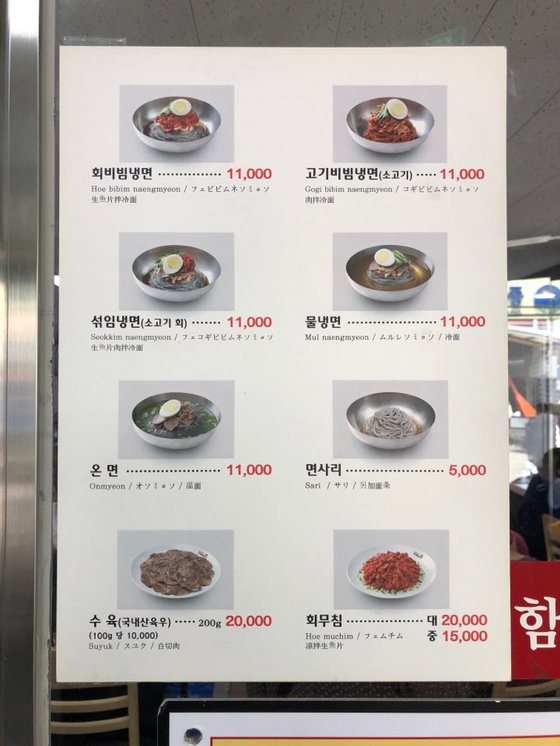
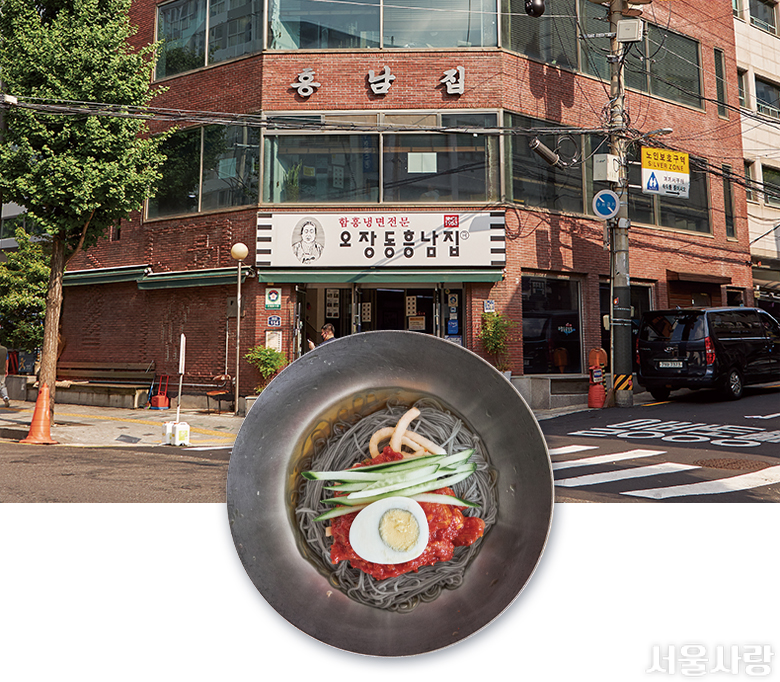
For a taste of Hamheung-style Naengmyeon, particularly the spicy Bibim version, Ojangdong Hamheung Naengmyeon is pretty much an institution. Located in a historic Naengmyeon district, this restaurant's been serving up its chewy noodles and fiery sauce for decades, earning features on shows like Saengsong Today for its consistent quality.
- Neighborhood: Ojang-dong, Jung-gu, Seoul (near Dongdaemun History & Culture Park)
- What to Order: Hamheung Bibim-naengmyeon (함흥 비빔냉면) or Hoe-naengmyeon (회냉면), which comes with fermented skate fish for an extra textural and savory dimension. You can ask for a side of warm broth (육수, yuksu) to sip alongside your spicy noodles.
- Price Range: Naengmyeon typically costs around 12,000 - 14,000 KRW.
- How to Get There: Just a short walk from Dongdaemun History & Culture Park Station (Seoul Subway Line 2, 4, or 5), Exit 6 or 7.
- KoreaSpots Tip: Be prepared for the spice! If you're sensitive to heat, you can ask for "덜 맵게 해주세요" (deol maep-ge hae-ju-se-yo), which means "please make it less spicy." And here's a pro tip: try mixing some of the complimentary clear beef broth into your Bibim-naengmyeon for a milder, soupier texture.
Beyond Naengmyeon: Other Chilly Noodle Delights
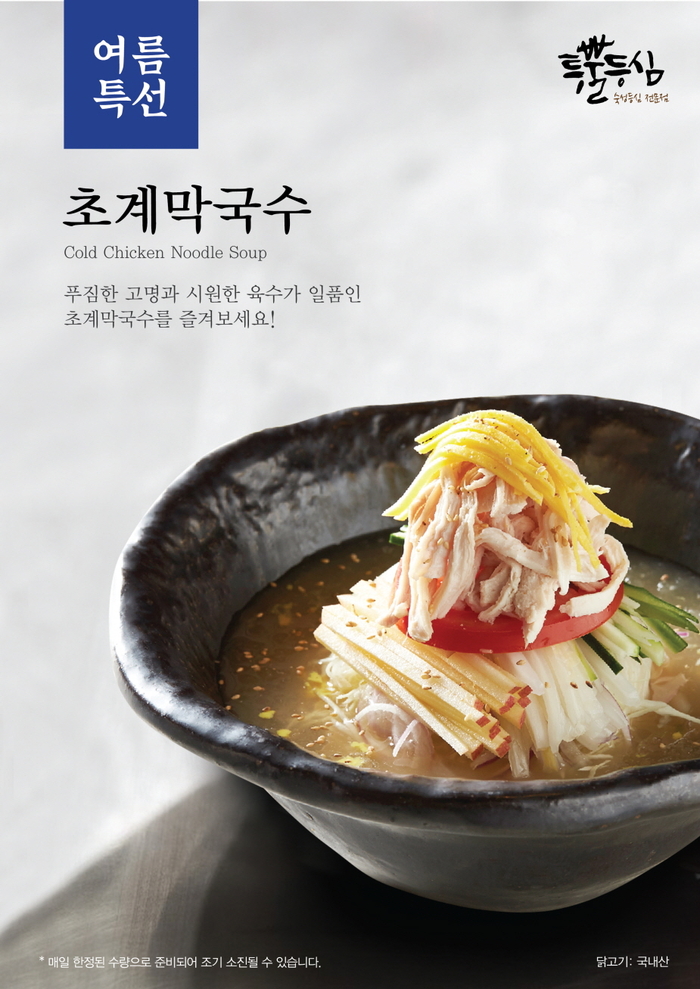
While Naengmyeon is definitely the star, Korea's got some other fantastic cold noodle dishes that are perfect for summer too:
- Makguksu (막국수): A specialty from Gangwon Province, Makguksu also uses buckwheat noodles but typically has a coarser texture. It's often served in a lighter, sometimes spicier broth, or as a bibim (mixed) style with fresh vegetables and a gochujang-based sauce. It's rustic and satisfying – a great alternative!
- Chogye Guksu (초계국수): This one features thin wheat noodles in an icy, tangy chicken broth, topped with shredded chicken (초, cho for vinegar; 계, gye for chicken), sliced cucumber, and sometimes a splash of mustard. It's incredibly refreshing and a super popular choice if you're looking for something lighter and protein-packed.
There you have it, fellow K-drama and K-pop enthusiasts! Your essential guide to navigating the wonderful, icy world of Korean Naengmyeon. Whether you're chasing the delicate elegance of Mul-naengmyeon or the fiery thrill of Bibim-naengmyeon, these cold noodles are more than just a dish – they're an integral part of the Korean summer experience. So go ahead, beat the heat, and slurp your way through a delicious Korean summer!
💡 AI Travel Tip
Planning your Naengmyeon hunt is easier than ever with AI tools! Here's how you can leverage them for a smooth, delicious trip:
- Restaurant Search & Reviews: Use AI to find the best Naengmyeon spots near your accommodation.
- Menu Translation & Ordering: If you encounter a menu with limited English, AI can be a lifesaver.
- Personalized Itinerary Integration: Incorporate your Naengmyeon stops into your overall daily plans.
- Dietary Needs Check: Ensure your meal fits your dietary restrictions.
Prompt example: "Find highly-rated Naengmyeon restaurants in Myeongdong, Seoul, that are open for lunch and have good reviews from local Koreans."
Prompt example: "Translate this Korean Naengmyeon menu and explain the typical ingredients for each dish: [Paste Korean text or describe menu items]."
Prompt example: "After visiting Gyeongbokgung Palace, suggest a route to Wooraeoak (우래옥) for lunch, including estimated travel time by subway, and then suggest a nearby activity for the afternoon."
Prompt example: "What common allergens are present in Korean Mul-naengmyeon, particularly Pyeongyang style, and how can I ask for it without shellfish or nuts in Korean?"
About this guide
Written with AI assistance from public information, with photos credited to their sources (Korea Tourism Organization, Naver, Pexels, Unsplash). Places and TV-show mentions have not all been checked in person, and a TV appearance is not a quality guarantee. Prices, hours and menus change — please confirm on Naver Map or the venue's official channel before visiting.