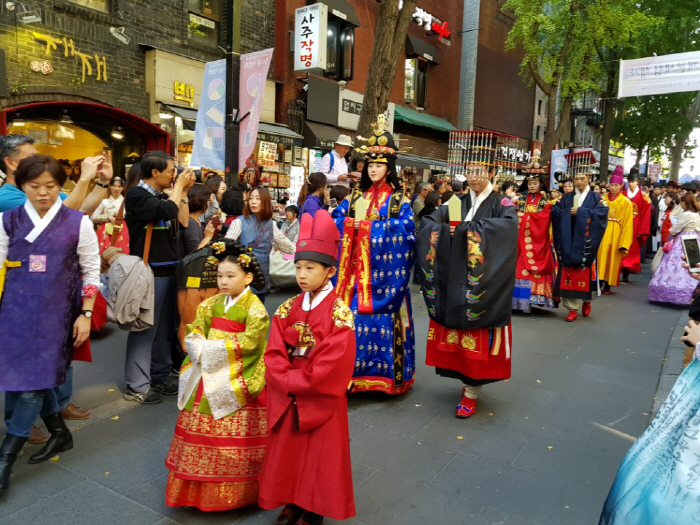
Imagine stepping off a busy Seoul street, and suddenly, the modern skyscrapers melt away, replaced by the warm glow of traditional lanterns, the scent of aged wood and brewing tea, and the distant melody of a gayageum. This isn't a scene from a historical K-drama; it's your first taste of Insadong, a place where Seoul's vibrant past lovingly embraces its present. If you're a K-drama fan dreaming of traditional Korean aesthetics, or a K-pop enthusiast looking for a unique cultural immersion beyond the dance studios, Insadong is calling your name – and trust us, it's going to be a highlight of your trip!
Insadong: Your Gateway to Seoul's Soul
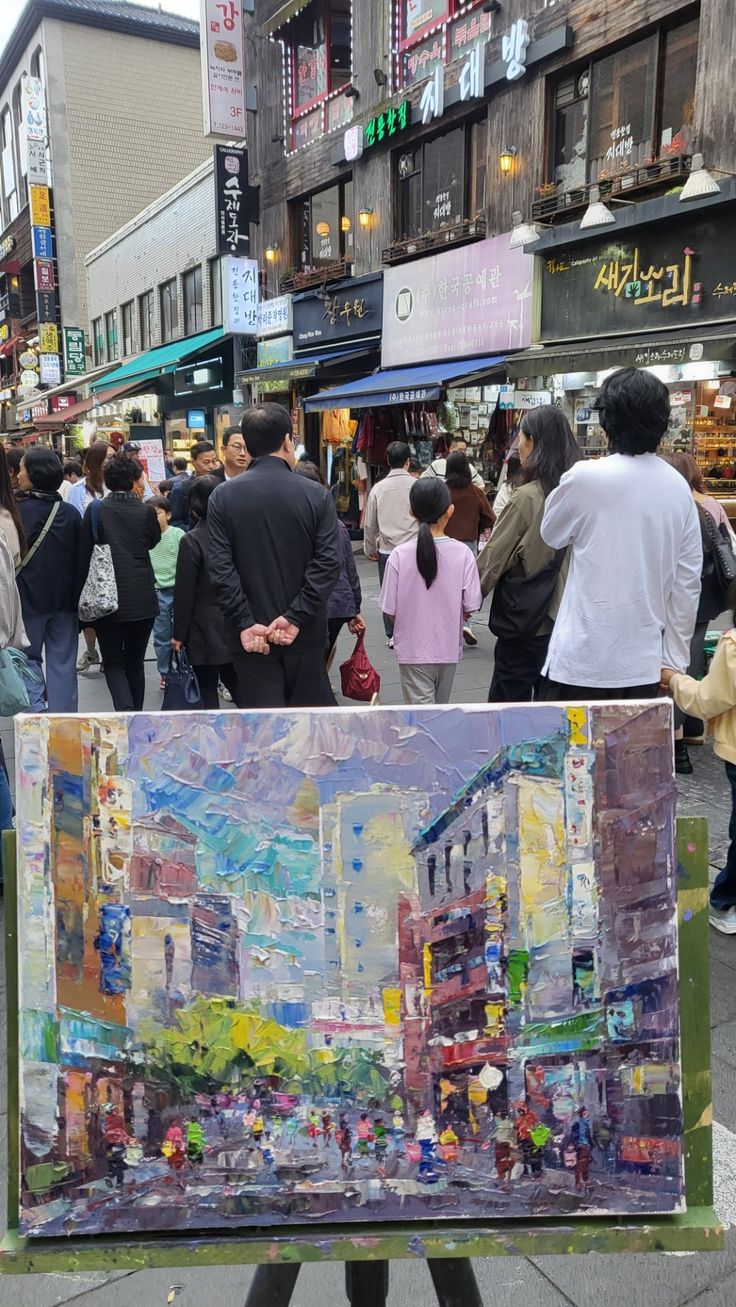
Often called Seoul's "cultural heart," Insadong is a district unlike any other. It's a beautifully preserved street that proudly showcases traditional Korean arts, crafts, and food. The moment you step onto its main street (Insadong-gil), you'll notice something pretty cool: almost every sign is written in Hangeul (Korean script) only. Here's the thing – it's not just a quirky design choice; it's a powerful statement about preserving Korean identity in a world increasingly dominated by global influences. This commitment to tradition is why Insadong has been verified and loved by shows like Saengsaeng Jeongbotong and Yuksi Naegohyang, always highlighting its authentic charm.
Whether you're visiting for the first time or returning for another round, Insadong offers a serene yet vibrant escape that's perfect for an afternoon of exploration, souvenir hunting, and indulging in flavors that tell centuries-old stories. Looking for exquisite handcrafted ceramics? A cozy traditional tea house? Or just want to soak in the atmosphere? Insadong's got you covered.
How to Get to Insadong
Insadong's located right in central Seoul, so it's super easy to reach via subway – honestly, that's definitely your best bet for getting around the city!
| Subway Line | Station | Exit | Directions |
|---|---|---|---|
| Line 3 | Anguk Station (안국역) | Exit 6 | Walk straight for about 100 meters, and you'll see the main Insadong-gil street on your left. This is usually the easiest and most direct route. |
| Line 1, 3, 5 | Jongno 3(sam)-ga Station (종로3가역) | Exit 5 | Walk straight about 300 meters, then turn left onto Insadong-gil. This exit puts you closer to the southern end of the street. |
| Line 5 | Jonggak Station (종각역) | Exit 3-1 | Walk straight for about 300 meters, then turn right onto Insadong-gil. Also close to the southern end. |
Travel Tip: Keep an eye out for the large brush stroke sign welcoming you to Insadong-gil. You can't miss it!
Exploring Insadong: What to See and Do
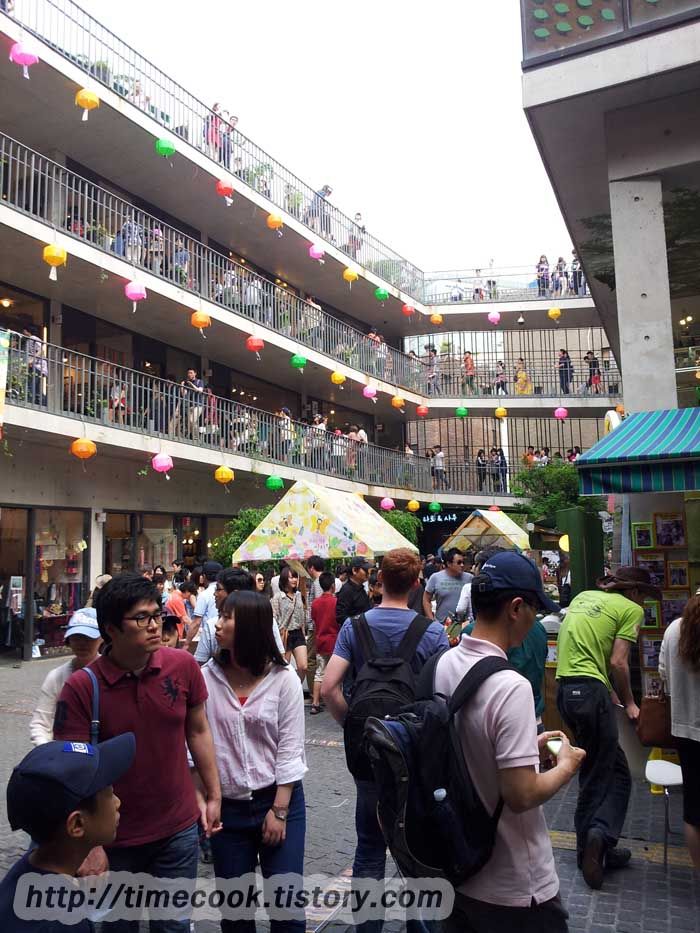
Insadong is a feast for the senses, with hidden alleys and charming corners waiting to be discovered around every turn. Set aside at least 3-4 hours to really soak it all in, or longer if you're planning to sit down for a meal or tea ceremony.
Ssamziegil (쌈지길): A Spiral of Creativity
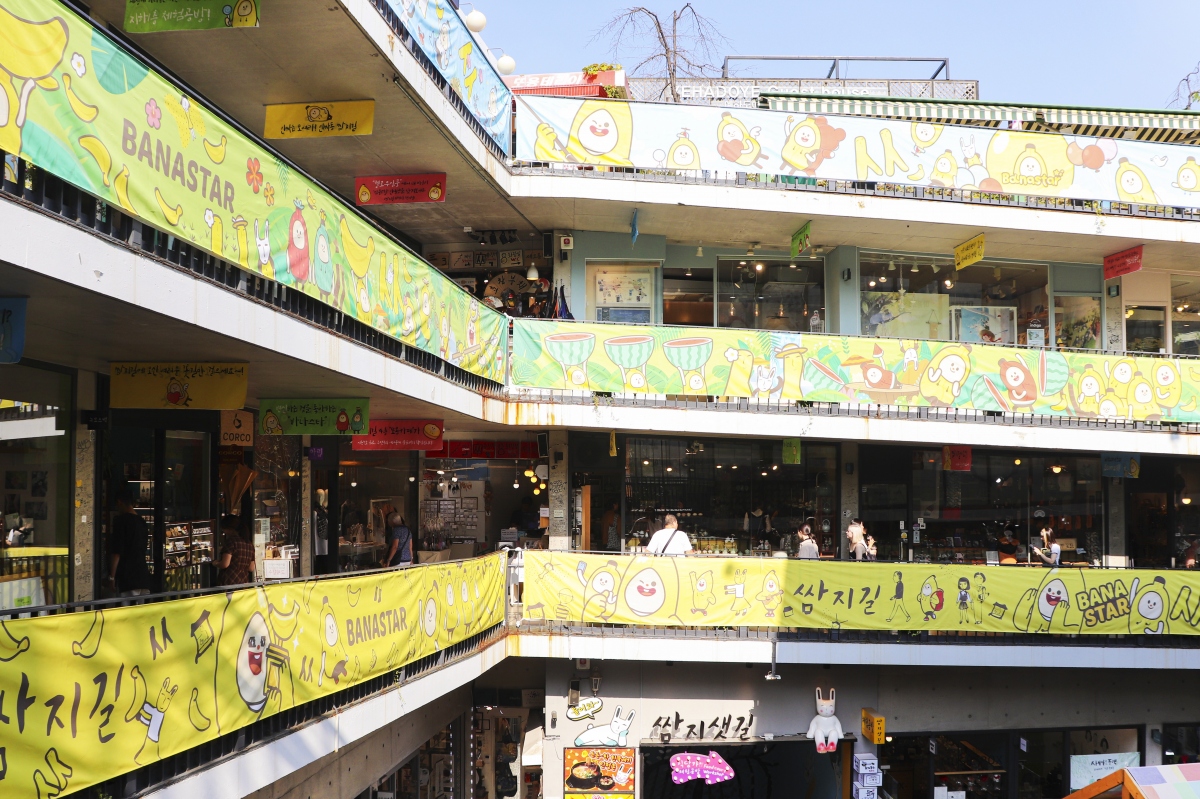
Your Insadong adventure isn't complete without checking out Ssamziegil. This unique, four-story shopping complex is designed like a spiral, so you can walk up a gentle slope from the ground floor to the top without hitting a single stair – and you'll pass shops all the way! It's basically a treasure trove of artisan crafts, designer boutiques, and quirky cafes.
- What you'll find: Handcrafted jewelry, traditional Korean paper (Hanji) products, unique stationery, cute souvenirs, and often, small art exhibitions.
- Don't miss: The "Love Wall" on the top floor where couples leave messages and locks. Plus, there's a fantastic viewpoint perfect for people-watching.
- Price range: From budget-friendly trinkets (₩5,000-₩15,000) to more expensive artisan goods (₩50,000+).
Traditional Tea Houses & Cafes

Insadong's known for its amazing traditional tea houses, and they're so much more than just places to grab a cup. These are genuine experiences, often set in beautifully restored Hanok (traditional Korean houses) with serene courtyards where you can really unwind.
- Teas you've got to try:
- Omija-cha (오미자차): Five-flavor berry tea – it's known for health benefits and has this fascinating taste (sweet, sour, bitter, salty, pungent all at once).
- Daechu-cha (대추차): Jujube tea, sweet and super comforting, especially when the weather's cool.
- Ssuk-cha (쑥차): Mugwort tea – earthy and totally a traditional favorite.
- Ssanghwa-cha (쌍화차): A strong, dark herbal tea often served with an egg yolk (don't worry, it's traditional!) for an energy boost.
- Best time to visit: Late afternoon for a relaxing break, or evening for that cozy, atmospheric vibe.
Art Galleries and Antique Shops
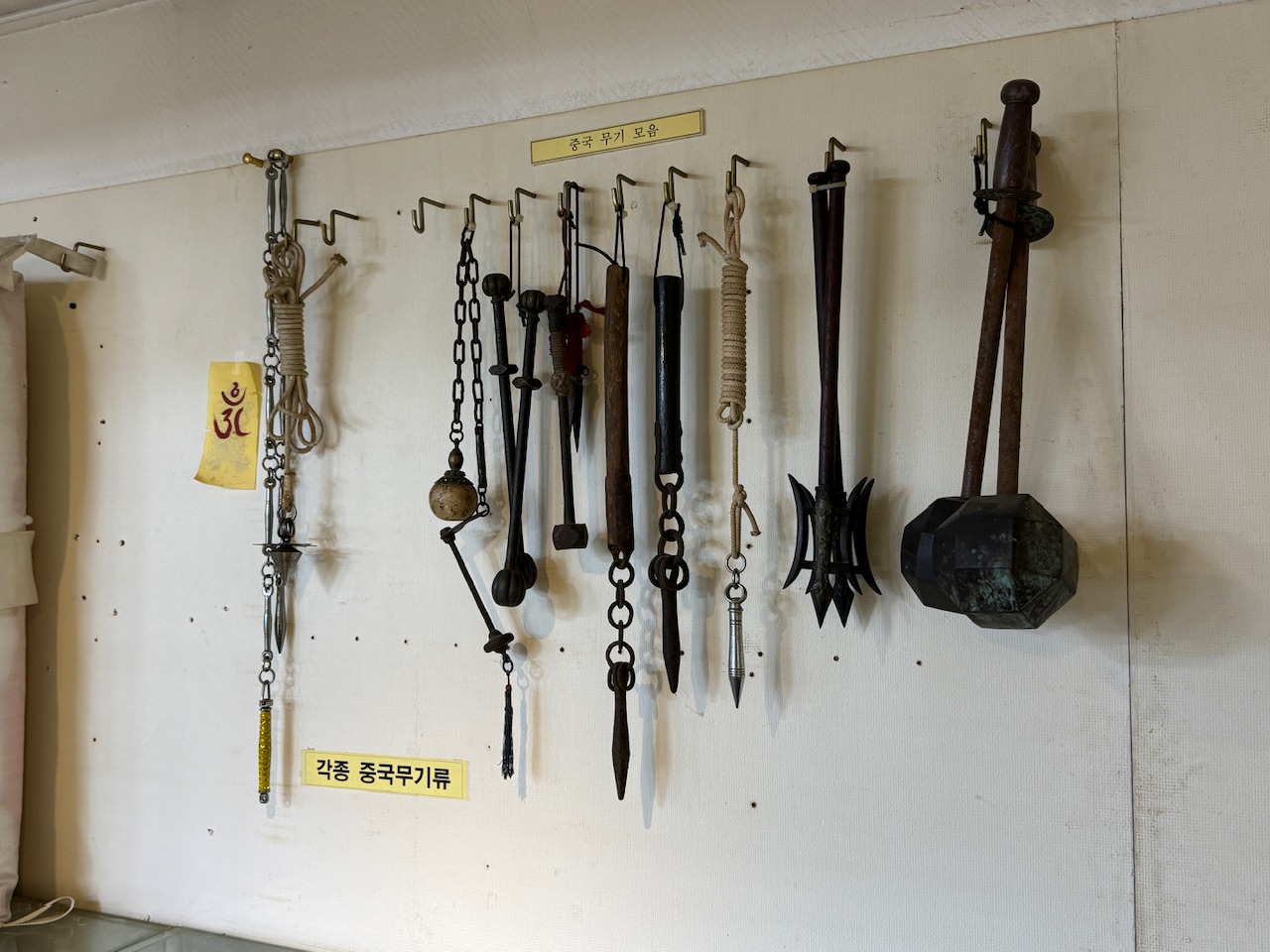
Here's the thing about Insadong – it's home to over 100 galleries showcasing everything from traditional Korean paintings and ceramics to contemporary art. Spend some time wandering into these spaces; most are free to enter and give you a real peek into Korea's vibrant art scene. You'll also stumble upon tons of antique shops selling one-of-a-kind furniture, pottery, and vintage items – perfect for finding that truly unique souvenir you won't find anywhere else.
Hanbok Experience & Photo Zones
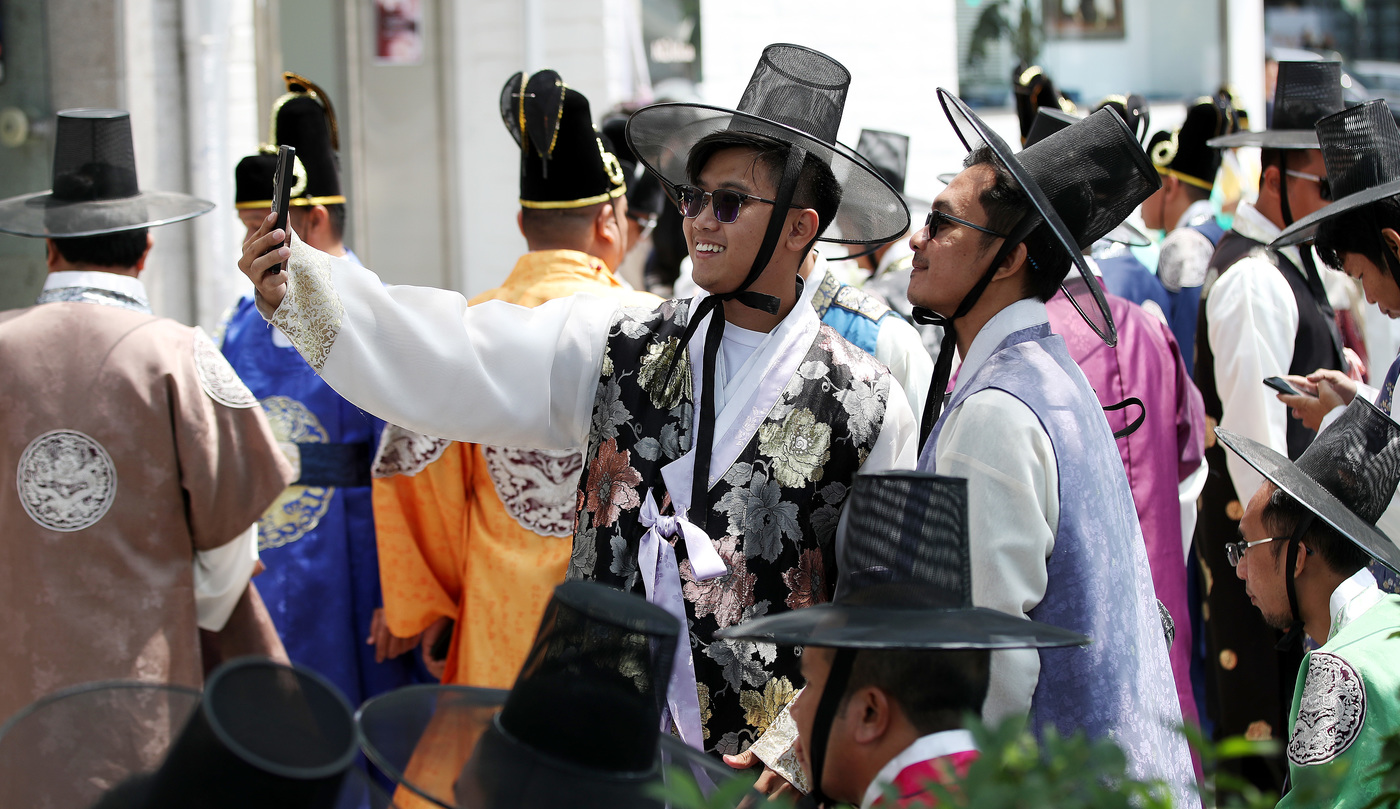
Want to really immerse yourself in Korean culture? Try on a beautiful Hanbok – the traditional Korean dress. Several shops scattered throughout Insadong offer Hanbok rentals for a few hours. Pair this with a visit to a nearby historical site like Gyeongbokgung Palace (just a short walk or subway ride away) for some stunning photos, or just stroll through Insadong itself for a totally unique cultural experience.
- Rental Price: Usually ₩15,000-₩30,000 for 2-4 hours, and often includes basic hairstyling and accessories.
- Pro tip: Book in advance if you have a specific time or style in mind, especially on weekends.
Jogyesa Temple (조계사): A Serene Oasis Nearby
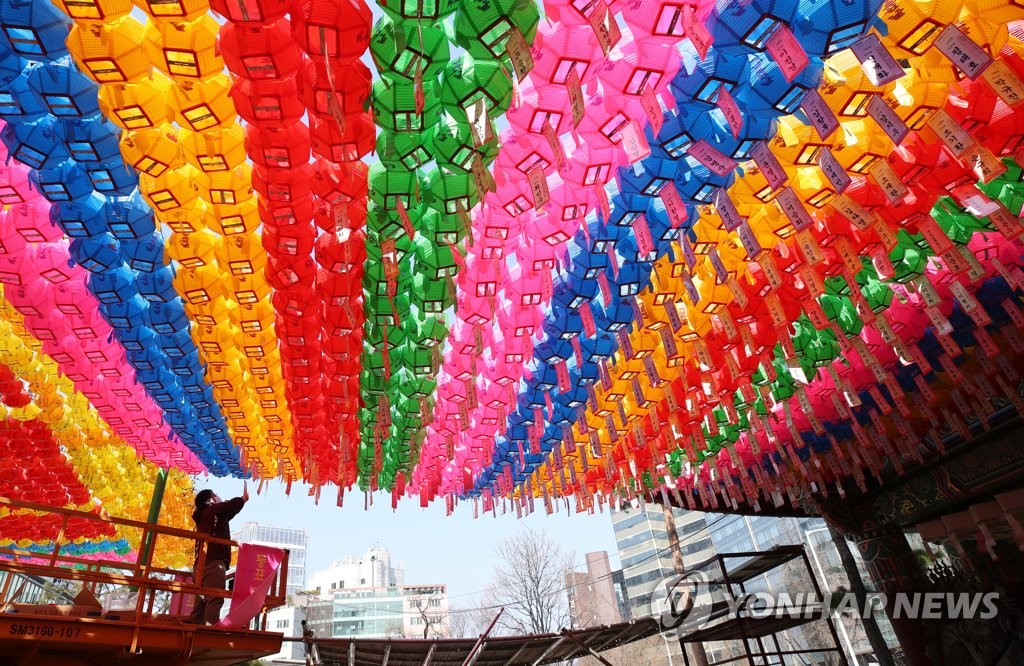
Just a short walk from the main Insadong street, you'll find Jogyesa Temple – the center of Zen Buddhism in Korea. This vibrant temple is famous for its gorgeous, colorful lanterns (especially during Buddha's Birthday celebrations), and its ancient trees make for some serious photo ops. It's a peaceful spot to pause and reflect, and offers a striking contrast to the bustling city outside.
- Entry: Free
- Best time to visit: Pretty much anytime, but it's particularly stunning in spring when the lanterns are up, or in autumn when the leaves are changing.
Taste of Tradition: Insadong Food Guide
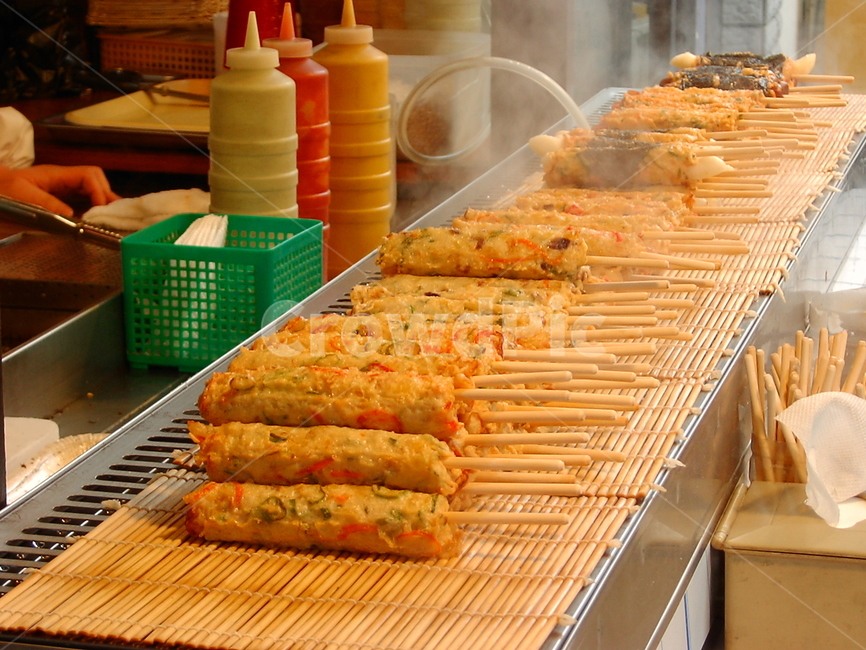
And honestly? No trip to Insadong is complete without diving into its amazing food scene. From traditional street snacks to authentic Korean dining experiences, your taste buds are in for a real treat!
Insadong Street Food Delights
As you stroll down Insadong-gil, you'll come across some seriously irresistible vendors:
- Ggultarae (꿀타래): Ever heard of "dragon's beard candy"? It's mesmerizing to watch. These vendors stretch hardened honey into thousands of thin strands, then wrap them around nuts and seeds. Crunchy, sweet, and totally fascinating – plus it makes for amazing content!
- Ddongppang (똥빵): Yes, "poop bread" – and yes, the name's hilarious! Don't let it scare you off. These quirky, poop-shaped pastries are usually filled with red bean paste or chocolate, and they're surprisingly delicious and a fun photo opportunity.
- Hotteok (호떡): A beloved Korean street pancake that comes in all sorts of versions. In Insadong, you might find savory ones filled with glass noodles (japchae) or the classic sweet version with brown sugar, cinnamon, and nuts.
- Sikhye (식혜): A sweet Korean rice beverage often served cold – perfect for cooling down on a warm day.
Authentic Dining Experiences in Insadong
Gogung (고궁) for Authentic Jeonju Bibimbap
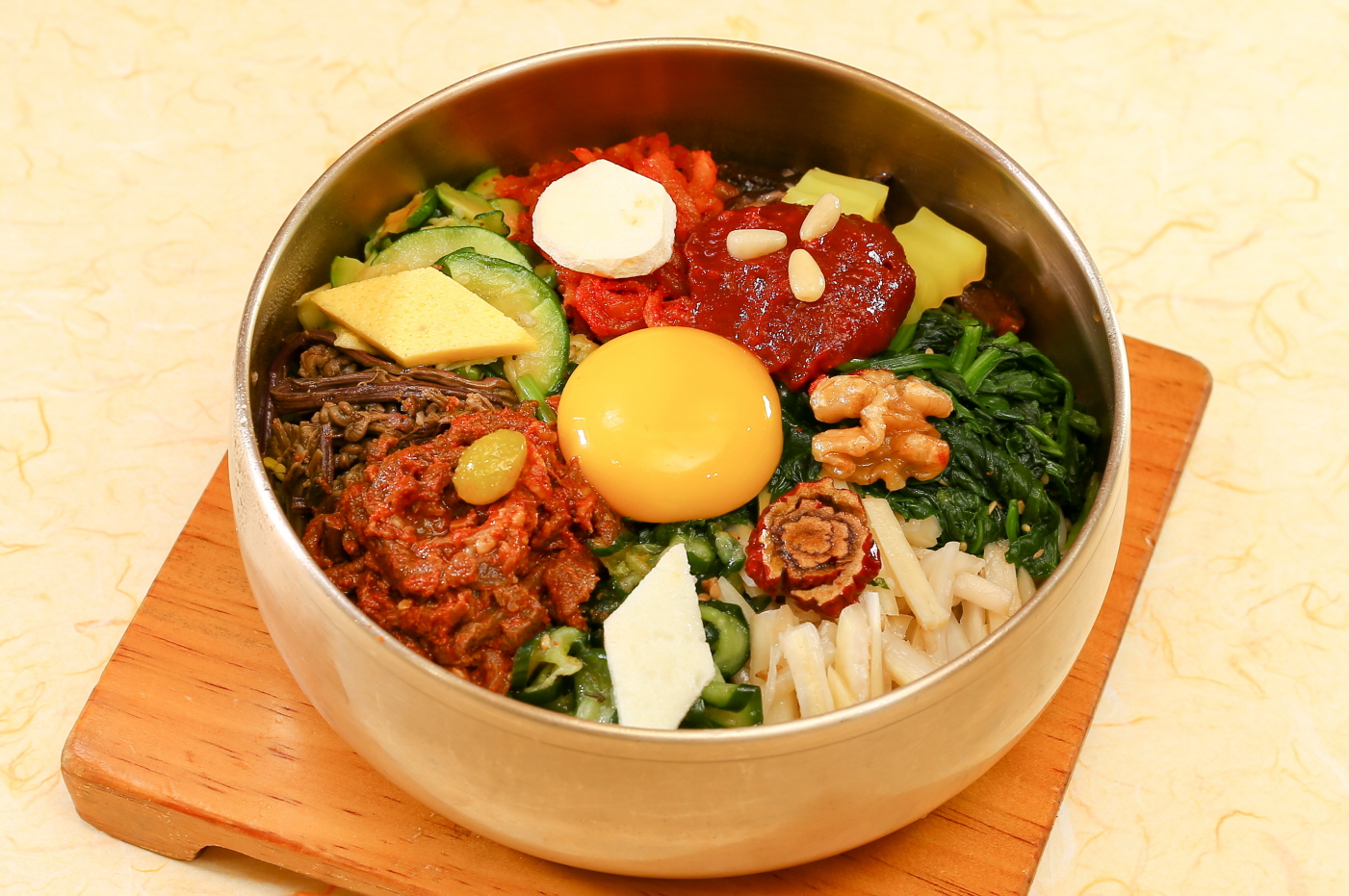
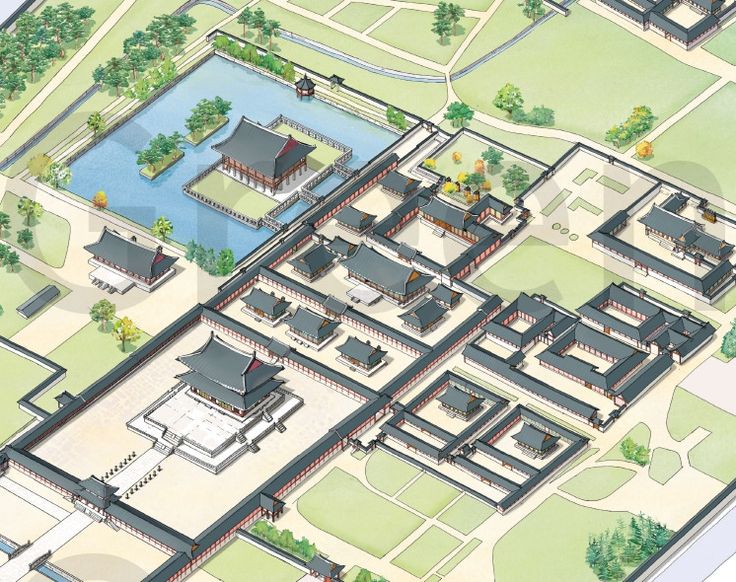
If you're hunting for a classic Korean meal, Gogung is an absolute must-visit when you're in Insadong. This place specializes in Jeonju Bibimbap, a regional variation that's known for its specific ingredients and presentation. They've even been featured on TV shows like Saengsaeng Jeongbotong for their dedication to authentic flavors and quality ingredients.
- What you should order: The signature Jeonju Bibimbap (전주비빔밥) – it comes in a traditional brass bowl with over 30 ingredients, including beef tartar (육회 - yukhoe) if you go with the special version. And pro tip: mix everything really well before you dig in!
- Price range: ₩13,000 - ₩25,000 per person.
- Location: Gogung's got a few branches, but the Insadong one is super easy to get to from the main street.
- Heads up: It can get pretty busy during lunch and dinner rushes, so try heading there a bit earlier or later to beat the crowds.
Insadong Geujip (인사동 그집) for Traditional Korean Set Meals
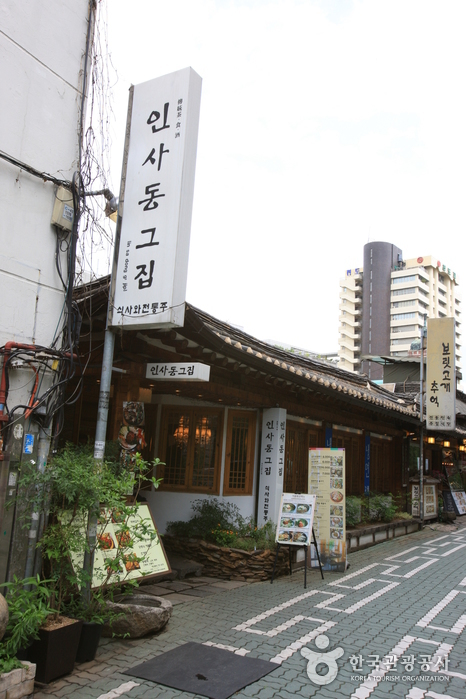
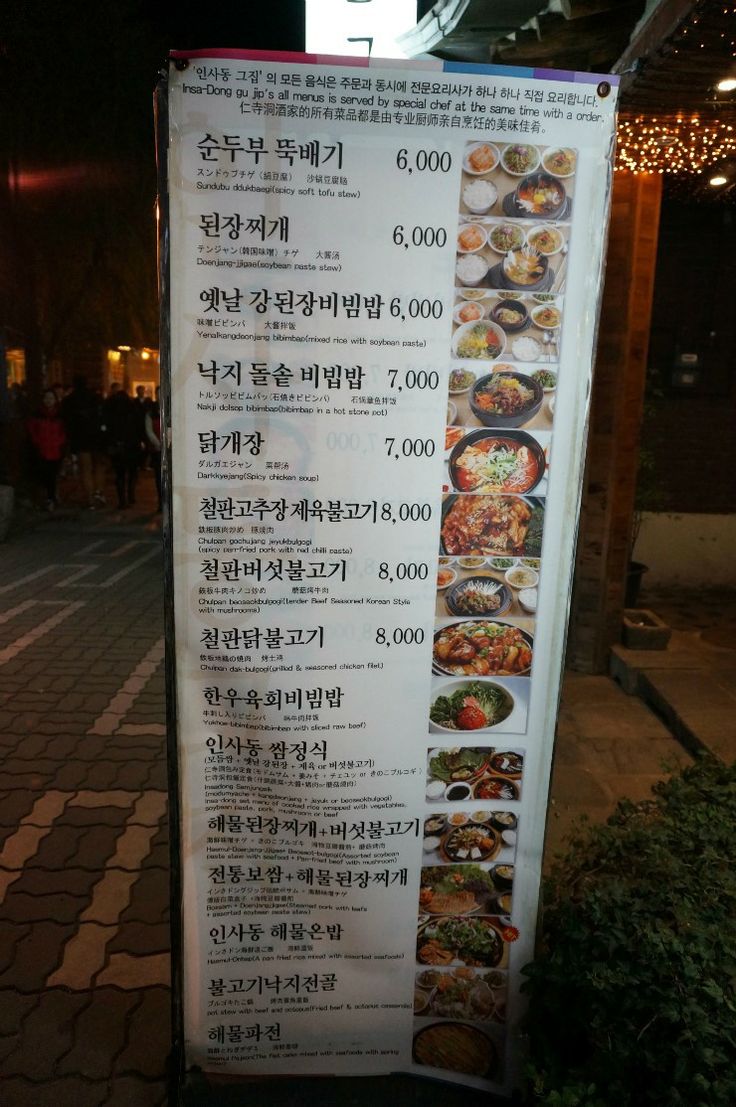
For a more comprehensive dining experience, check out Insadong Geujip – they're known for their traditional Korean set meals (Hanjeongsik). This restaurant offers a delightful array of dishes that showcase the richness of Korean cuisine, all served in a cozy, traditional setting. You'll often see them mentioned on shows like Yuksi Naegohyang for their authentic atmosphere and seriously delicious food.
- What to order: Their Hanjeongsik (한정식) sets, which typically come with a bunch of banchan (side dishes), bulgogi, seafood pancakes, stews, and so much more. It's a great way to try tons of different Korean flavors all at once.
- Price range: Set meals usually start from ₩25,000 - ₩50,000 per person, depending on how many dishes are included.
- Location: You'll find Insadong Geujip tucked away in one of Insadong's charming alleys, which actually adds to the whole traditional vibe.
- Tip: This spot's perfect if you're going with a group or just want a more upscale, relaxed dining experience.
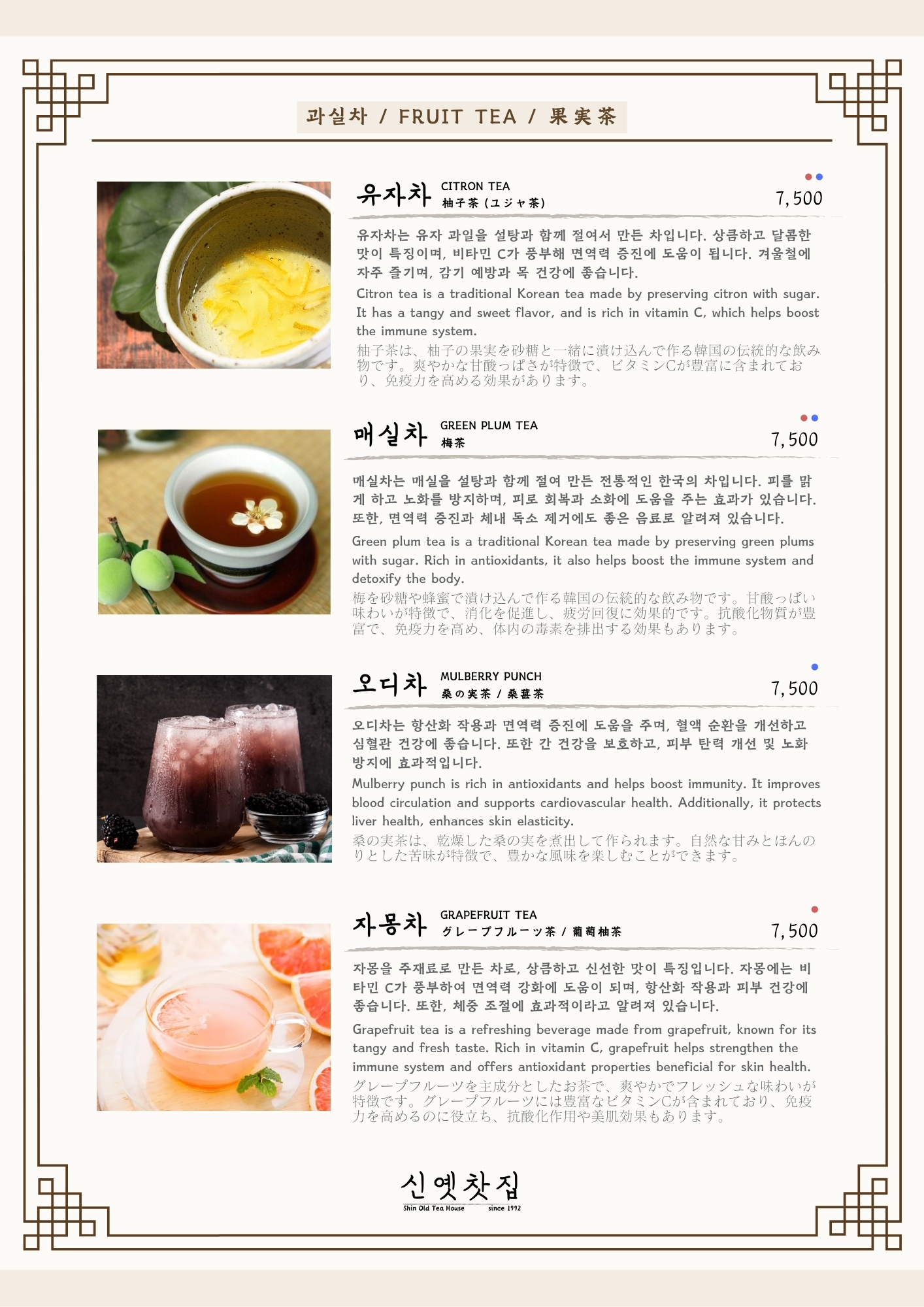
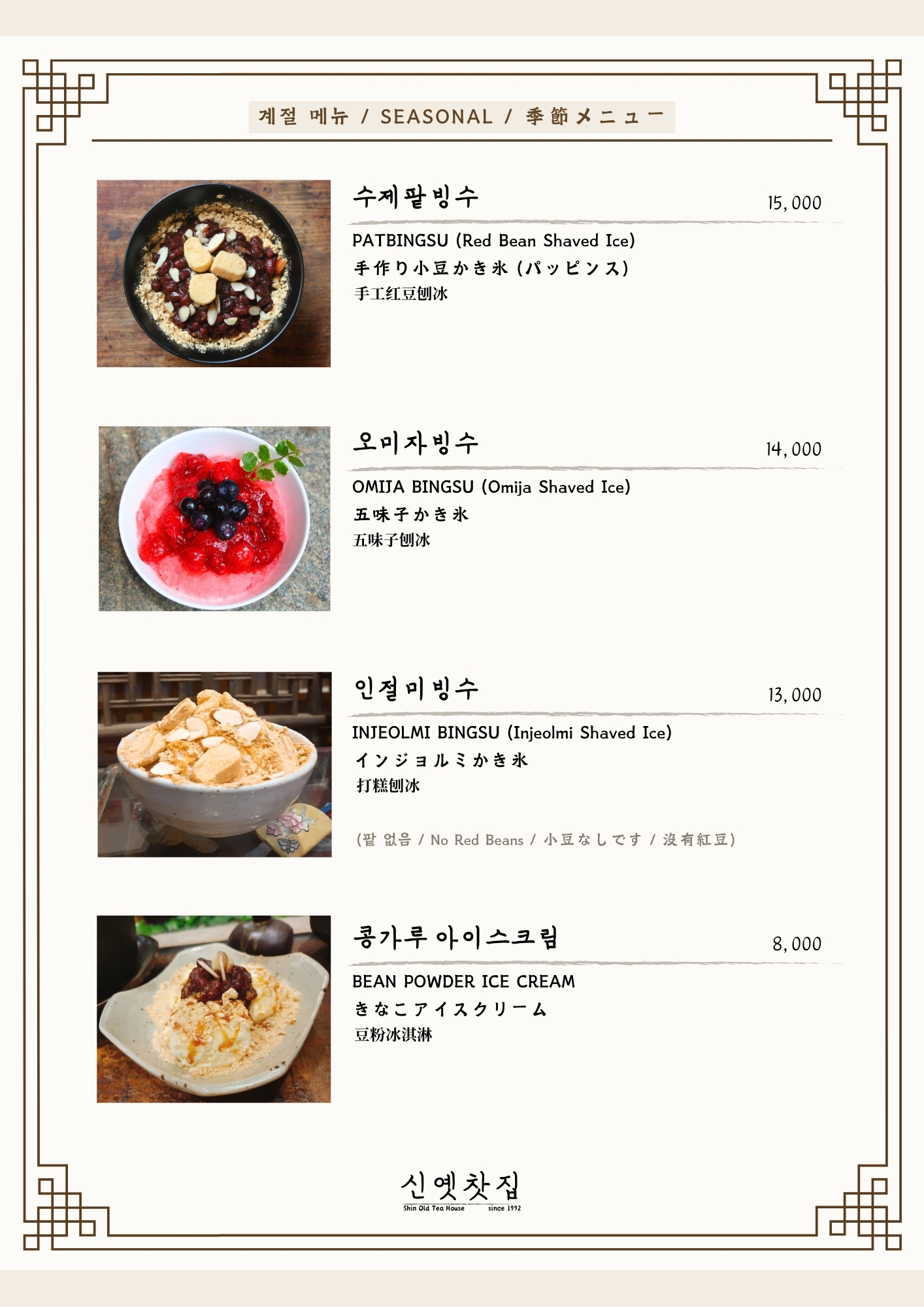
Shin Old Tea House (신옛찻집) for a Tranquil Tea Break
About this guide
Written with AI assistance from public information, with photos credited to their sources (Korea Tourism Organization, Naver, Pexels, Unsplash). Places and TV-show mentions have not all been checked in person, and a TV appearance is not a quality guarantee. Prices, hours and menus change — please confirm on Naver Map or the venue's official channel before visiting.
Plan the rest of your trip

Hongdae is Seoul's most energetic neighborhood — and its food scene matches. Here's the ultimate guide to…
May 13, 2026
Gwangjang Market is one of Seoul's oldest and most authentic food markets. This guide covers what to eat,…
May 9, 2026
While tourists flock to Myeongdong and Gangnam, Mapo-gu is where Seoul's foodies quietly eat. Here are the…
Jun 5, 2026