Packing for Korea?
As an Amazon Associate, KoreaSpots earns from qualifying purchases.
Get Ready to Dive Deep: Unlocking the Secrets of Korea's Traditional Markets!
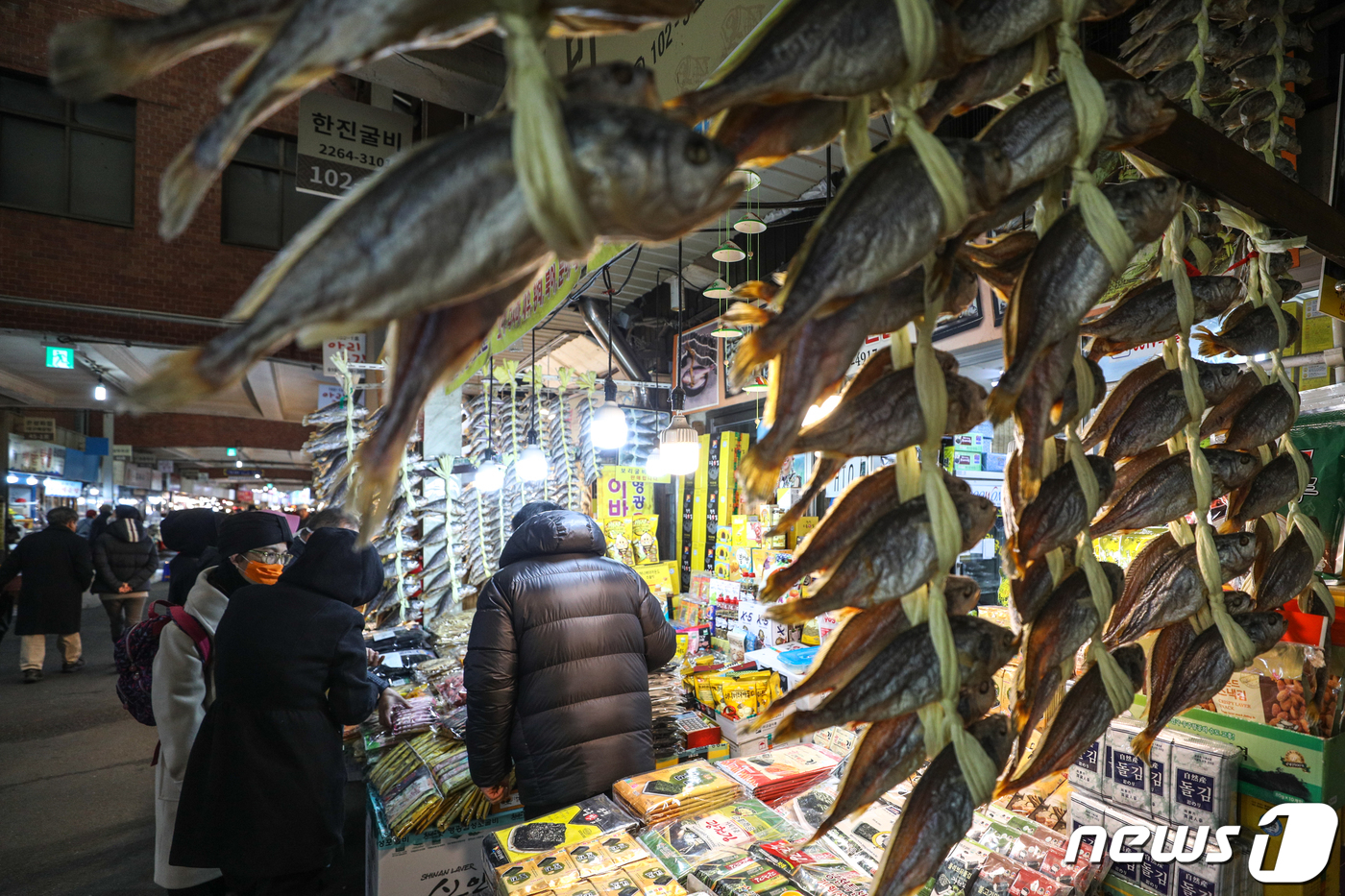
Ever watched a K-drama and wished you could just step right into those vibrant, bustling market scenes? You know, the ones with grandmas haggling good-naturedly, mountains of fresh produce, and the tantalizing smell of street food wafting through the air? Trust me, it’s not just for TV! Traditional Korean markets are where the real heart of Korea beats – a living, breathing testament to history, community, and incredible flavors. But here’s the thing: with so many stalls and so much energy, how do you find those truly authentic, long-running gems, the ones locals swear by? It’s easier than you think, and you're going to love this insider guide!
Forget just grabbing a quick bite at the trendiest spot. We’re talking about finding the stalls that have been around for generations, passed down from grandparents to parents to grandkids. These aren't just shops; they're institutions, filled with stories, tradition, and a quality that often comes from decades of dedication. Ready to shop like a regular and uncover some hidden treasures?
What Makes a Stall "Long-Running" Anyway? And Why Should You Care?

So, what exactly defines a "long-running" stall in a Korean traditional market? It’s not just about age; it’s about a legacy. Think family businesses that have perfected their craft over decades, sometimes even a century. These are the places where the techniques for making the best Kimchi, the freshest Banchan, or even the most durable household items have been honed through time. They've seen market trends come and go, but their core commitment to quality and community has remained steadfast.
Why should you care? Because these are the places where you’ll experience true authenticity. You won't just be buying a product; you’ll be engaging with a piece of Korean heritage. Many visitors find the flavors and craftsmanship memorable, though quality varies from stall to stall. Plus, supporting these businesses helps keep these incredible traditions alive!
Your Detective Toolkit: How to Spot Those Generational Gems
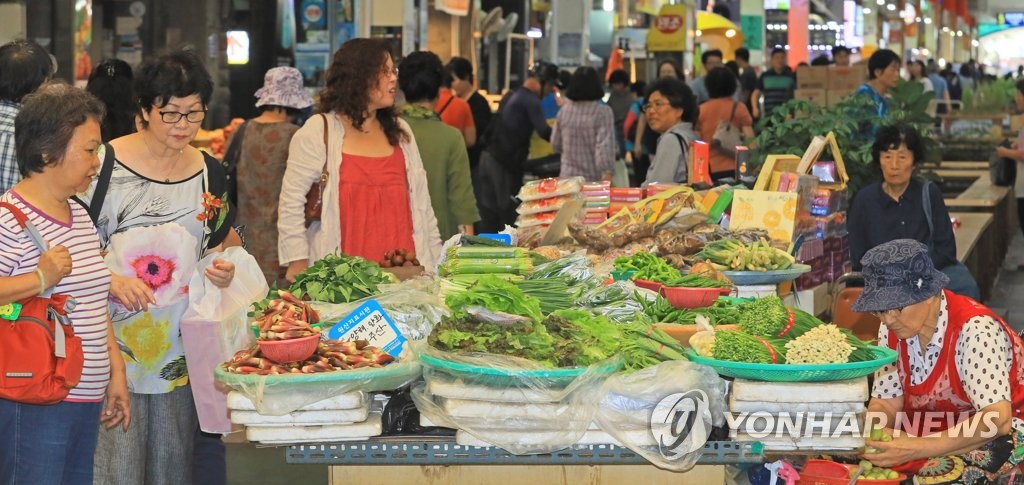
Alright, time for some detective work! Here’s how you can tell a long-running stall from a newer one, even if you don't speak a word of Korean:
- The Aesthetics of Time: Look for signs of age. We’re talking well-worn signage, perhaps handwritten, faded by years of sun and rain. The tables might be a bit chipped, the display cases showing signs of consistent use. It’s not about being run-down; it’s about looking lived-in and loved. Newer, flashier stalls often indicate a more recent establishment.
- Specialization is Key: Long-running stalls often specialize in just a few items, or even just one. A Banchan shop might have dozens of side dishes, but they’ll usually be known for a specific type of Kimchi or pickled vegetable. A produce stall might only sell certain seasonal fruits, but they’ll be the absolute freshest you can find. This deep focus is a hallmark of generational expertise.
- The "Auntie" or "Grandpa" Factor: Often, these stalls are run by older folks, sometimes with their adult children or grandchildren helping out. There’s a distinct warmth and familiarity in their interactions with customers. If you see an older vendor, especially one who seems to know many of their customers by name, you’re probably in the right spot!
- Local Language & Local Clientele: While many market vendors are welcoming to tourists, the truly long-running stalls often have a very local feel. You'll hear lots of Korean chatter, and you'll notice regulars stopping by for their daily groceries. If you see a line of locals, especially older ones, waiting patiently, that’s your biggest clue!
- Hand-Prepared Goods: For food stalls, watch for evidence of items being prepared right there, by hand. Are they chopping vegetables, mixing ingredients, or pressing Tofu on site? This hands-on approach is often a sign of traditional methods and long-standing dedication.
Which Markets to Explore for Authentic Finds?
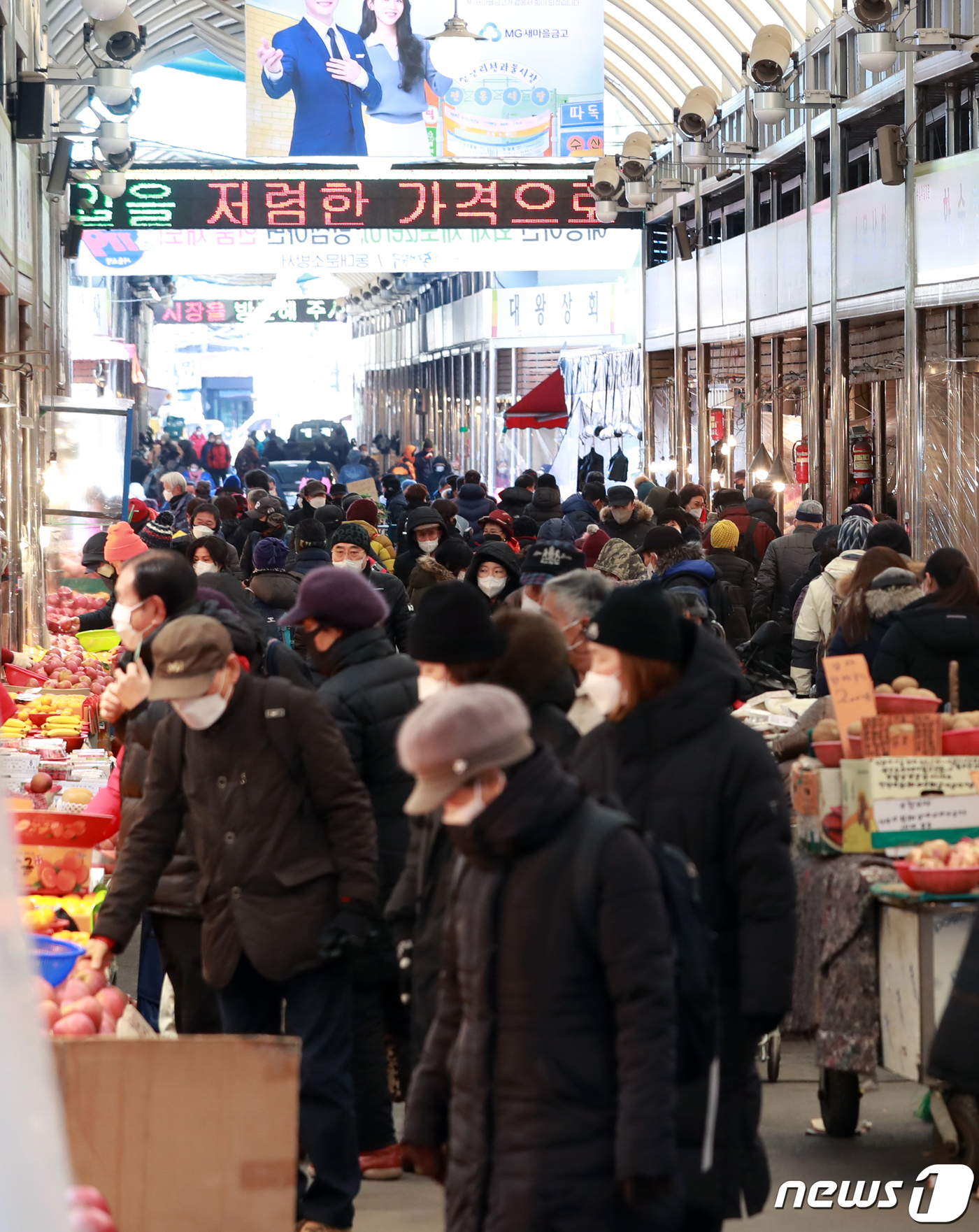
Seoul is brimming with incredible traditional markets, each with its own unique flavor. You don't have to visit them all, but knowing what each offers can help you find those perfect long-running stalls. Remember, hours and menus change — double-check on Naver Map or the venue's official channel before you go.
| Market Name | Vibe & Main Focus | What to Look For (Long-Running Stalls) |
|---|---|---|
| Gwangjang Market | One of Korea's oldest and largest. Famous for street food, but also a hub for textiles and traditional goods. | Hanbok shops (some are family-run), dried goods (seaweed, medicinal herbs), specialty fabrics, and Banchan vendors. Less about individual prepared food stalls for "long-running" identification, more about the general goods sections. |
| Namdaemun Market | Often described as Seoul's largest traditional market, with roots going back to the early Joseon era. A sprawling maze of general goods, from clothing to kitchenware. | Children's clothing (many shops are decades old, some even supplying other retailers), household goods, crafts, accessories, imported goods, and traditional medicine ingredients like Ginseng. These shops are often tucked away in less flashy sections. |
| Tongin Market | Known for its unique "coin lunchbox" (Yeopjeon Dosirak) experience, but also a vibrant local market. | Excellent for Banchan, fresh produce, and staple foods like Tteok. Look for the small, unassuming Banchan stalls run by older women who've been serving the neighborhood for decades. |
| Mangwon Market | A local favorite, increasingly popular for its trendy vibe but still maintaining its neighborhood charm. | While it has new, hip spots, you’ll find incredible long-running stalls for fresh seafood, meat, Banchan, and traditional sweets. It feels less touristy than Gwangjang, making it easier to spot authentic local spots. |
What to Buy from Long-Running Stalls?
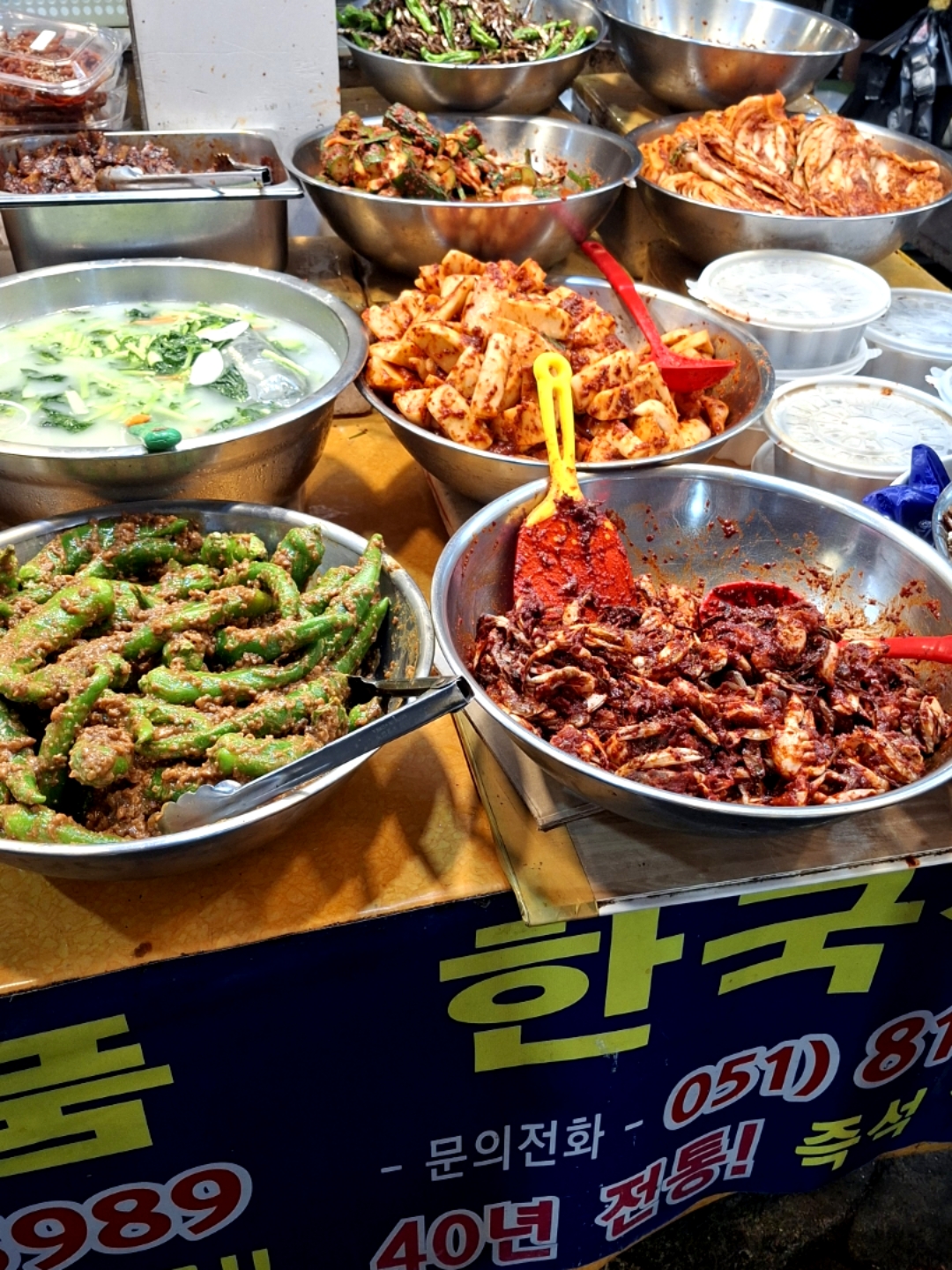
When you've spotted one of these venerable spots, what should you grab? Here are a few ideas:
- Banchan (Side Dishes): This is a must-try! Long-running Banchan shops will have an incredible array of freshly made dishes, from various Kimchi types (Baechu Kimchi, Kkakdugi, Oi Sobagi) to seasoned vegetables (Sigeumchi Namul, Kongnamul Muchim) and savory stir-fries. They're often sold by weight.
- Kimchi: A dedicated Kimchi stall, especially one run by an older generation, will offer truly authentic, deeply fermented Kimchi that you can't find just anywhere. They might even have regional specialties!
- Fresh Produce & Seafood: These stalls often have long-standing relationships with farmers and fishermen, ensuring the freshest ingredients. You might not buy a whole fish to cook, but it’s a great way to experience the vibrancy.
- Traditional Sweets & Snacks: Look for stalls selling homemade Tteok (rice cakes) or traditional cookies (Yakgwa, Gangjeong). These are often made with recipes passed down through families.
- Household Goods/Crafts: In markets like Namdaemun, long-running shops selling things like specialized kitchenware, traditional fabric goods, or even children's clothing are fantastic finds. They often offer higher quality and unique designs.
Market Etiquette & Practical Tips for Your Adventure
To make your market experience smooth and enjoyable, here are a few tips:
- Best Time to Visit: Mornings are often a good time for fresher produce and fewer crowds, though hours vary by stall, so check before you go. Some markets transition to night markets (like Gwangjang's food section) later in the day.
- Payment: While many stalls, especially newer food ones, accept card payments, some of the truly old-school Banchan or produce stalls might prefer or even only accept cash. It's always a good idea to have some Korean Won on hand. Budget-wise, most market meals or small purchases are quite affordable ($).
- Bargaining: Generally, bargaining is not common for food items or small, pre-priced goods. However, for larger purchases like clothing or household items, especially in markets like Namdaemun, a polite "Kkakka juseyo?" (Can you give me a discount?) might sometimes work, especially if you're buying multiple items.
- Don't Touch Without Asking: It's polite to ask before touching produce or other items, especially at smaller stalls. A simple gesture and eye contact usually suffice.
- Navigating: Use Naver Map to get to the market entrance. Once inside, let your senses guide you! Don't be afraid to wander off the main paths.
- Transport: These markets are generally reachable by Seoul's subway. Check Naver Map for the closest station and exit.
Exploring a traditional Korean market like a local is an unforgettable experience. It’s where you’ll truly connect with Korean culture, taste authentic flavors, and perhaps even bring home a unique souvenir with a story. So go ahead, step out of your K-drama screen and into the real thing. You won’t regret it!
💡 AI Travel Tip
Planning your market adventure can be even smoother with AI! Here are some prompts to help you dig deeper and customize your trip:
- To find specific types of stalls or goods within a market:
Prompt example: "I'm going to Namdaemun Market in Seoul. What types of long-running artisan craft stalls can I look for, and what are common Korean phrases for asking about handmade items or the age of a shop?"
- To understand local etiquette for purchasing specific items:
Prompt example: "What is the customary way to purchase Banchan at a traditional Korean market like Tongin Market? Should I point, use a bag, or tell them a specific quantity? What are polite Korean phrases to use?"
- For dietary considerations or ingredient identification:
Prompt example: "I'm looking for traditional Korean market snacks that are vegetarian-friendly in Mangwon Market. Can you list some common options and how I can politely ask if something contains meat or fish?"
About this guide
Written with AI assistance from public information, with photos credited to their sources (Korea Tourism Organization, Naver, Pexels, Unsplash). Places and TV-show mentions have not all been checked in person, and a TV appearance is not a quality guarantee. Prices, hours and menus change — please confirm on Naver Map or the venue's official channel before visiting.