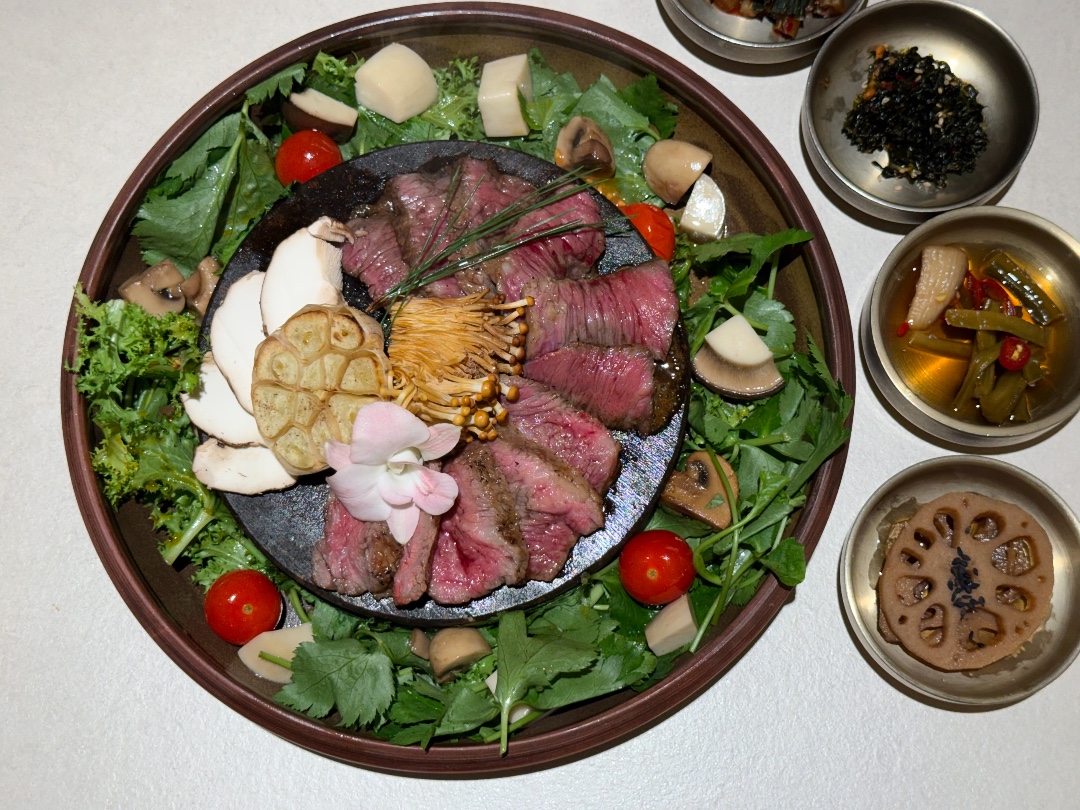
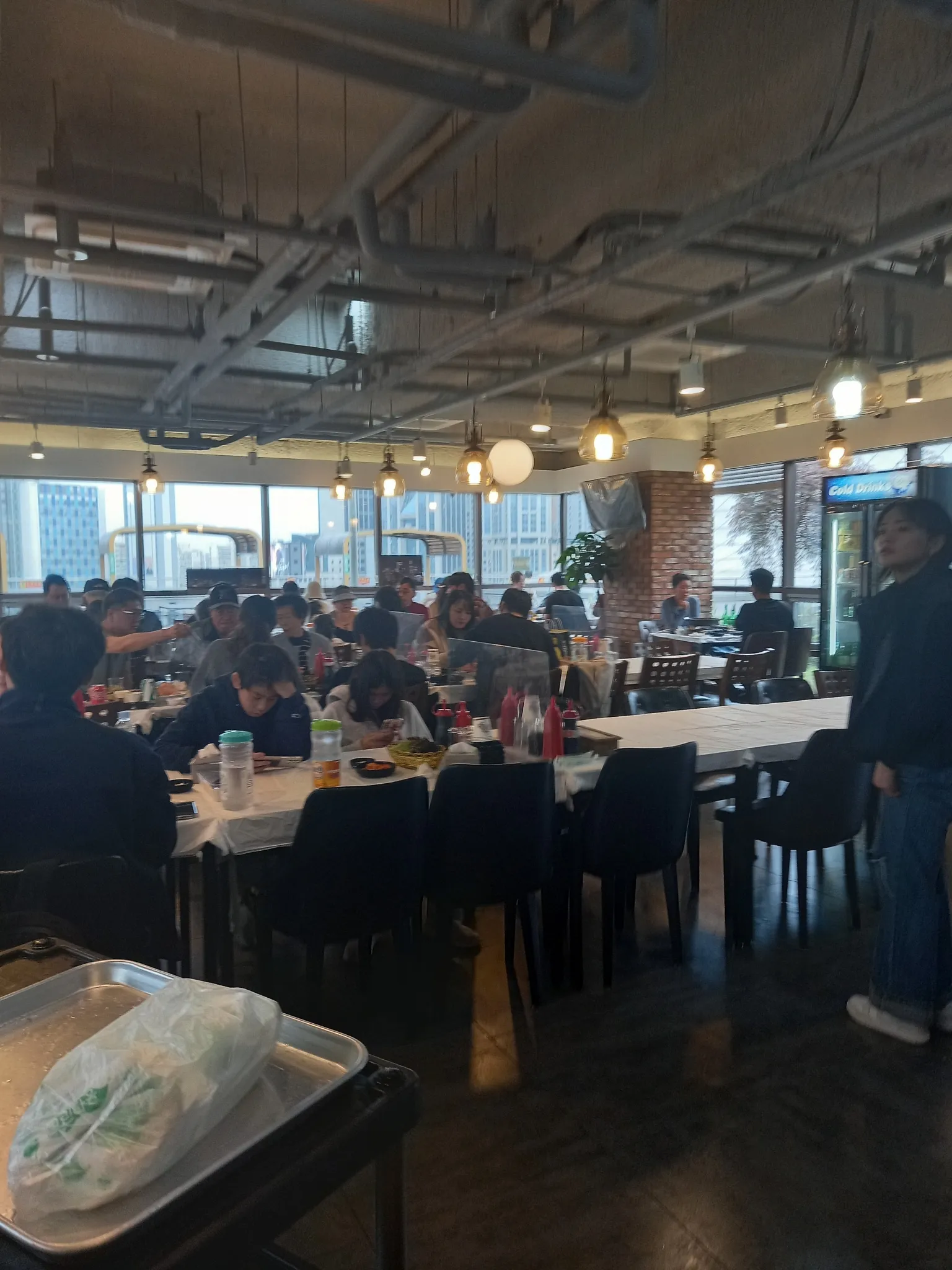
Ever found yourself watching a K-drama, totally mesmerized by those picturesque countryside scenes? You know, the ones where the grandma is lovingly tending her garden, plucking fresh greens, and then whipping up the most wholesome, vibrant meal you’ve ever seen? And you think, "Ugh, I wish I could taste that, experience that slow, authentic Korea." Well, guess what? You absolutely can!
You’ve probably done the Seoul food tours, hit up Gwangjang Market, and maybe even tried some regional specialties. But here's the thing: to truly understand Korean food – its heart, its soul, its incredible freshness – you need to go straight to the source. We're talking farm-to-table experiences in the Korean countryside, far from the city buzz. This isn't just about eating; it’s about harvesting, cooking, and connecting with the land that gives Korea its unique flavors. Trust me, it’s a game-changer, and it’s totally featured on shows like Saengsaeng Jeongbotong and Yuksi Naegohyang!
Beyond the Seoul Buzz: Why Go Farm-to-Table in Rural Korea?
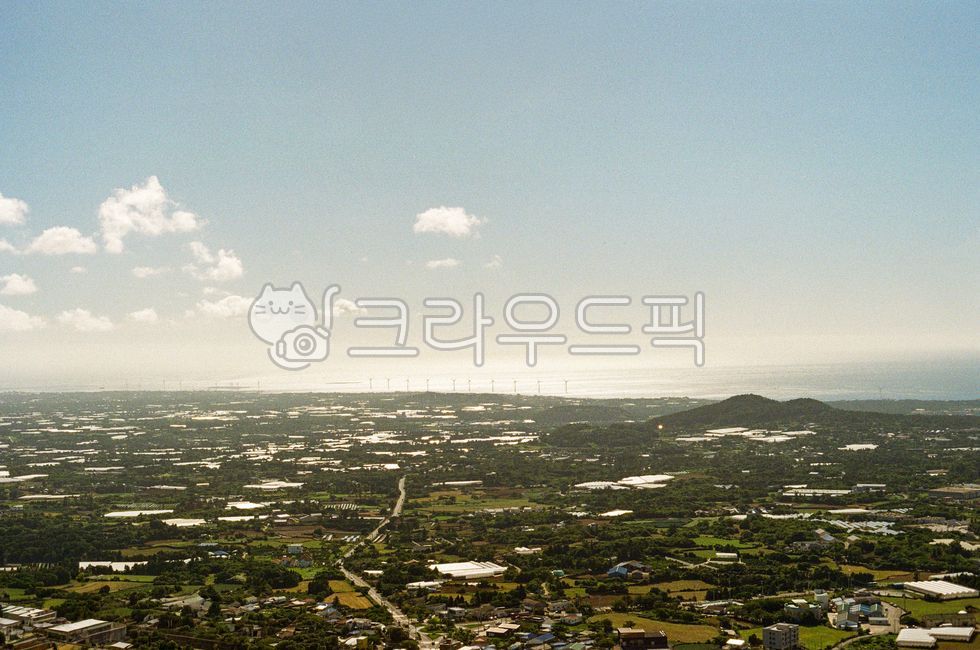
So, why trade the convenience of Seoul for a rural adventure? Picture this: you're not just eating a dish; you're tasting the sun-ripened tomatoes you picked yourself, the fresh herbs you gathered from the field, or the handmade tofu crafted with beans from the very farm you’re visiting. It’s an immersion experience that goes way beyond a typical meal. You'll literally see, smell, and touch the ingredients before they hit your plate.
- Unbeatable Freshness & Flavor: You can't beat food that's traveled zero miles from farm to fork. The taste is simply unparalleled.
- Deep Cultural Immersion: This isn't just a tourist activity; it's a peek into the heart of traditional Korean life, often involving interactions with local farmers and artisans.
- Hands-On Learning: Ever wanted to learn how to make traditional gochujang or harvest specific seasonal produce? This is your chance!
- K-Drama Vibes, Authenticated: Many of these idyllic spots are exactly what you see in those calming K-drama scenes. Several have even been featured on Saengsaeng Jeongbotong or Saengsong Today for their authentic charm and incredible food.
- Slow Travel & Recharge: It’s a wonderful way to slow down, breathe in fresh air, and escape the hustle and bustle. Think mindful eating and peaceful moments.
Your Farm-to-Table Passport: Different Ways to Experience Rural Food Culture
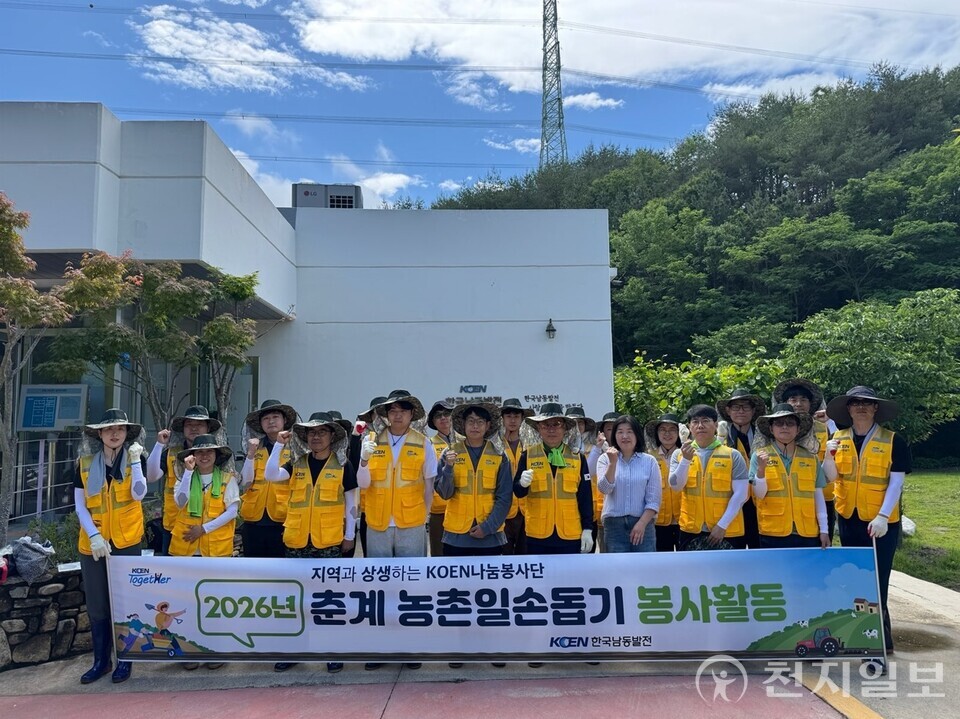
Korea's countryside offers a surprising variety of farm-to-table experiences. Here’s a breakdown of what you can expect:
Hands-On Farm Stays & Harvest Villages (농촌체험마을)
This is probably the most immersive option! Many villages across Korea have opened their doors for visitors to experience rural life firsthand. You can stay in a traditional hanok or a cozy guesthouse, participate in seasonal farm activities like planting, harvesting, or even making traditional foods like kimchi or rice cakes. Then, you get to enjoy meals prepared with the very ingredients you helped gather. It's truly a full-circle experience.
- What to expect: Varies by season and village. Could include fruit picking (strawberries, apples, persimmons), vegetable harvesting, traditional cooking classes, or even making fermented pastes.
- Best for: Travelers seeking deep cultural immersion, families, or anyone wanting a slow-paced, active holiday.
- TV Spotlight: Yuksi Naegohyang often highlights these charming villages and their unique programs.
Artisan Workshops & Traditional Food Studios
If you're more interested in specific food crafts, many rural areas boast artisans dedicated to traditional Korean food. Think master jang (fermented paste) makers, traditional tea masters, or people preserving ancient recipes. You can join workshops to learn how to make makgeolli (rice wine), tofu from scratch, or different kinds of jeon (pancakes) using local, seasonal ingredients. These experiences often conclude with a delicious meal or tasting session!
- What to expect: Focused learning on a specific food item, often a shorter, half-day to full-day program.
- Best for: Foodies, culinary enthusiasts, or those who want to take home a new skill (and recipe!).
- TV Spotlight: Saengsong Today features incredible artisans all the time!
Curated Garden-to-Plate Dining Experiences
For those who prefer to simply savor the fruits of the land without the hard work, some rural establishments offer exquisite garden-to-plate dining. These are often unique restaurants, guesthouses, or even temples that grow their own produce or meticulously source from surrounding farms. The menus are hyper-seasonal, reflecting whatever is freshest that day or week. It's like a chef's table, but with nature as the main star.
- What to expect: Multi-course meals, often vegetarian or focused on plant-based ingredients, served in beautiful, natural settings. Reservations are usually a must.
- Best for: Gourmands, romantics, or anyone looking for a truly special, memorable meal.
- TV Spotlight: Saengsaeng Jeongbotong often uncovers these hidden culinary gems!
Spotlight on Unforgettable Farm-to-Table Journeys Featured on Korean TV!
1. Gurye, Jeollanam-do: Wild Greens & Slow Living at Jirisan's Foot
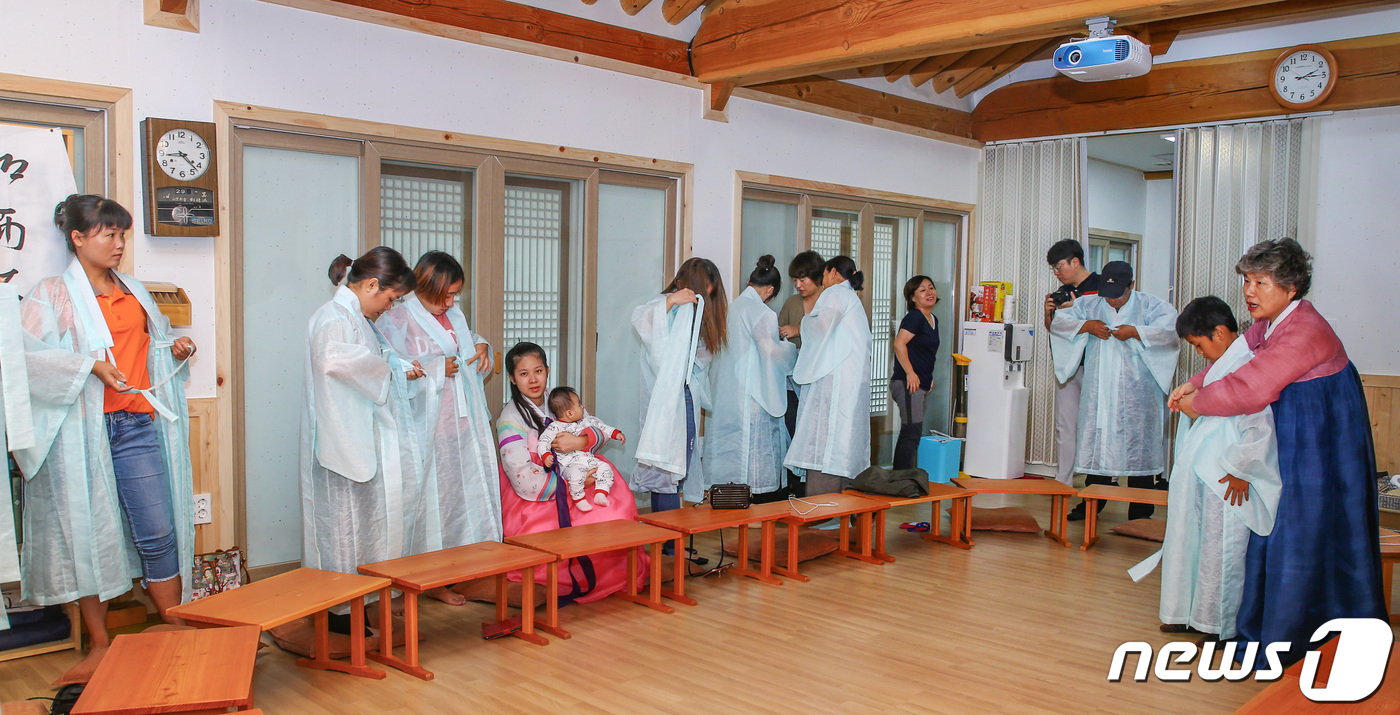
Nestled at the base of Jirisan Mountain, Gurye is a treasure trove for wild greens (산나물, sannamal) and traditional slow food. Imagine spending a morning foraging for edible wild plants with a local guide, learning about their medicinal properties and culinary uses. Then, head back to a guesthouse or a local cooking studio to turn your harvest into a delicious, wholesome meal – think stir-fried wild greens, seasoned salads, and perhaps a hearty doenjang jjigae (soybean paste stew) made with local ingredients. It's pure K-drama pastoral bliss!
- What to expect: Foraging tours (seasonal, usually spring/early summer), traditional cooking classes focused on mountain vegetables, opportunities to stay in eco-friendly guesthouses.
- TV Cred: Gurye's pristine nature and unique culinary heritage are frequently featured on Yuksi Naegohyang.
- How to get there: Take a KTX to Gurye Station (구례구역) or Suncheon Station (순천역), then a local bus or taxi to the Jirisan area. A rental car offers the most flexibility here.
- Price Range: Foraging tours + cooking classes can range from ₩50,000 to ₩100,000+ per person, depending on the program. Guesthouse stays vary.
2. Pyeongchang, Gangwon-do: Potato Fields, Buckwheat Blooms & Rustic Flavors
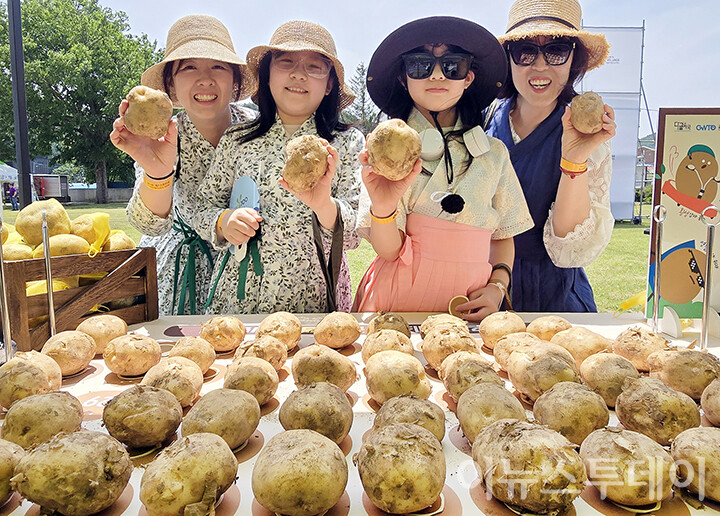
If you love potatoes, Pyeongchang is your absolute heaven! Famous for its high-altitude farms, this region is a fantastic spot for hands-on potato harvesting experiences during late summer. Many farms, especially around Daegwallyeong or Bongpyeong, allow you to dig for your own spuds, then enjoy them freshly cooked – think crispy potato pancakes (감자전, gamjajeon) or steaming hot baked potatoes. Beyond potatoes, Pyeongchang is also known for its buckwheat (메밀, memil), especially during the late summer/early autumn blooming season. You can often find workshops to make your own buckwheat noodles (막국수, makguksu) or savory buckwheat crepes (메밀전병, memiljeonbyeong).
- What to expect: Seasonal potato or buckwheat harvesting, cooking classes for local dishes, scenic drives through rural landscapes.
- TV Cred: Pyeongchang's agricultural bounty and charming farm stays are regulars on Saengsaeng Jeongbotong.
- How to get there: Take the KTX to Pyeongchang Station (평창역) or Jinbu Station (진부역), then local buses or taxis to specific farm villages. A rental car is highly recommended for exploring the area.
- Price Range: Farm experiences usually cost around ₩20,000-₩40,000 per person.
3. Damyang, Jeollanam-do: Bamboo Shoots & Fermented Delights
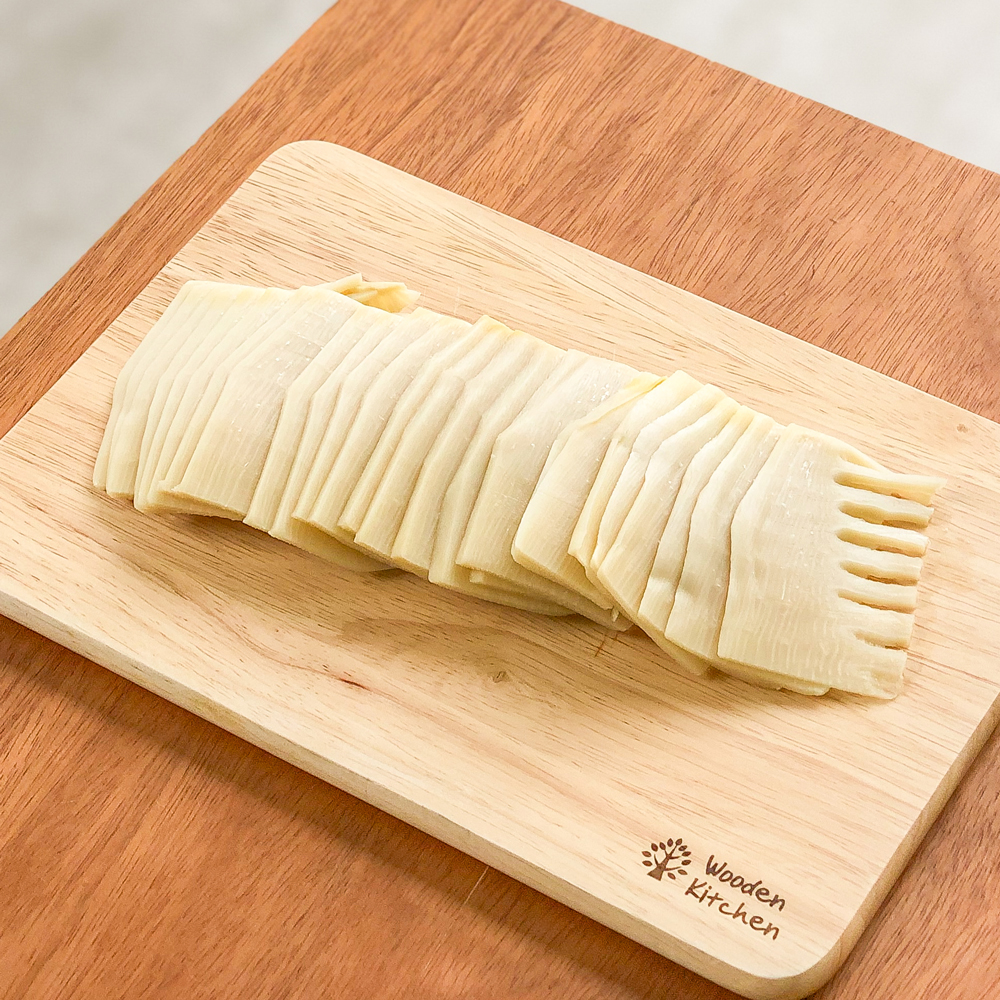
Damyang is renowned for its stunning bamboo forests, but did you know it’s also a fantastic place for unique farm-to-table experiences centered around bamboo shoots (죽순, juksun)? During spring, you might find programs that let you participate in harvesting young bamboo shoots, followed by cooking classes where you transform them into delectable dishes like bamboo shoot rice (죽순밥), stir-fries, or even bamboo shoot kimchi! Beyond bamboo, Damyang is a hub for traditional fermentation, particularly for rice wine and soy products. You can sometimes find guesthouses or traditional restaurants that offer tours of their fermentation facilities and exquisite meals highlighting these deeply flavored ingredients.
- What to expect: Seasonal bamboo shoot harvesting (spring), cooking classes for bamboo-themed dishes, visits to traditional fermentation facilities, dining in bamboo-themed restaurants.
- TV Cred: The unique culinary traditions of Damyang, including its bamboo cuisine, have been featured on Saengsong Today.
- How to get there: Take a KTX to Gwangju Songjeong Station (광주송정역), then a direct express bus to Damyang Bus Terminal (담양터미널). Local buses and taxis can take you to specific spots.
- Price Range: Bamboo shoot cooking experiences can be around ₩40,000-₩80,000 per person.
Planning Your Perfect Farm-to-Table Escape

Ready to pack your bags? Here’s a quick comparison and some essential tips:
| Region | Main Focus | Best Season to Visit | Typical Experience |
|---|---|---|---|
| Gurye, Jeollanam-do | Wild Greens, Slow Food | Spring (for foraging), Summer/Autumn (for mountain vibes) | Foraging, traditional cooking classes, guesthouse stays |
| Pyeongchang, Gangwon-do | Potatoes, Buckwheat | Late Summer (potatoes, buckwheat blooms), Autumn (harvest festivals) | Potato digging, buckwheat dish making, farm visits |
| Damyang, Jeollanam-do | Bamboo Shoots, Fermentation | Spring (bamboo shoots), Year-round (fermentation) | Bamboo shoot harvesting/cooking, traditional food workshops |
Essential Tips for Your Trip
- Best Time to Visit: This is HUGE for farm-to-table! Spring (April-May) is great for wild greens and bamboo shoots. Summer (June-August) means berries and potatoes. Autumn (September-November) is harvest season for grains, fruits, and root vegetables. Winter offers unique kimchi-making experiences. Always check seasonal availability for your desired activity.
- Transportation: While public transport (KTX + local bus) can get you to the general area, a rental car often provides the most flexibility for reaching specific, off-the-beaten-path farms or villages. Many of these experiences aren't right next to a train station!
- Booking Ahead: Especially for popular farm stays or specific workshops, booking several weeks or even months in advance is crucial. Many require reservations for groups or individual experiences. Websites like Korea Farmstay or Happy Gangwon (for Gangwon-do) can be helpful starting points, though local village websites might be in Korean.
- What to Pack: Comfortable walking shoes, weather-appropriate clothing (layers are your friend!), a hat, sunscreen, and maybe a small backpack for any produce or handmade goods you collect.
So, next time you're dreaming of an authentic Korean experience, think beyond the city lights. Head to the countryside, get your hands dirty, and taste Korea like never before. You'll not only eat well but also gain a deeper appreciation for the land, the culture, and the incredibly hard work that brings those delicious K-drama meals to life!
💡 AI Travel Tip
Planning these unique farm-to-table experiences can be a bit tricky due to seasonality and rural locations. Use AI tools to help you pinpoint the best times and places!
- For seasonal activities:
- For transport and logistics:
- For finding specific types of workshops:
- For cultural insights and preparation:
Prompt example: "What are the best farm-to-table experiences in Jeollanam-do during May for someone interested in harvesting and cooking traditional Korean ingredients? Provide specific village names or types of farms."
Prompt example: "I want to visit a potato farm in Pyeongchang, Gangwon-do in August for a harvesting experience. How can I get there from Seoul using public transport and local connections? Include estimated travel times and potential local taxi services."
Prompt example: "Find traditional Korean food cooking classes focusing on fermented foods (jang or makgeolli) in rural areas of Gyeonggi-do or Chungcheong-do. Prioritize locations featured on Korean TV shows like Saengsaeng Jeongbotong or Yuksi Naegohyang and provide website links if available."
Prompt example: "What are some cultural etiquette tips for interacting with local farmers and participating in a rural farm stay in Korea?"
About this guide
Written with AI assistance from public information, with photos credited to their sources (Korea Tourism Organization, Naver, Pexels, Unsplash). Places and TV-show mentions have not all been checked in person, and a TV appearance is not a quality guarantee. Prices, hours and menus change — please confirm on Naver Map or the venue's official channel before visiting.