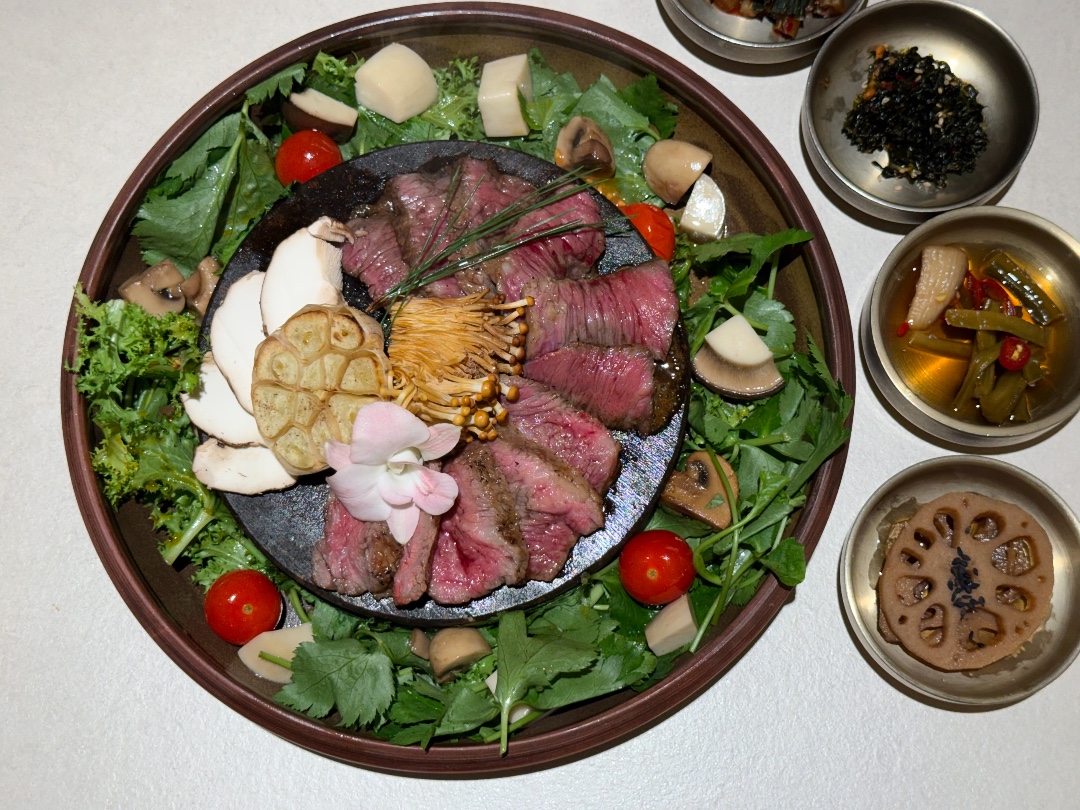
Okay, K-drama and K-pop fam, let's get real for a sec. You've binge-watched your way through countless Korean shows, maybe you've even made it to Seoul, chomped down on some delicious Tteokbokki, and had your fill of Korean BBQ. You might think you've seen it all, tasted it all, but here's the thing: you've barely scratched the surface!
Those iconic dishes we see in dramas? They're just the tip of the iceberg. Korea is a country bursting with incredibly diverse regional flavors, hidden gems, and local specialties that most foreign tourists – even the seasoned ones – totally miss out on. It's like going to Italy and only eating pizza and pasta, never discovering the exquisite regional variations or the secret nonna's recipes.
You're planning your first (or maybe even fifth!) trip, right? You want to go deeper, discover the authentic heart of Korean cuisine beyond the capital? You've come to the right place. As your friendly neighborhood KoreaSpots insider, I'm here to tell you about some mind-blowing regional specialties that are absolute must-tries, featured on shows like Saengsaeng Jeongbotong, Saengsong Today, and Yuksi Naegohyang, but rarely make it onto typical tourist itineraries. Get ready to impress your friends back home, because you're about to become a true Korean food explorer!
Daegu's Chewy Obsession: Makchang Gui
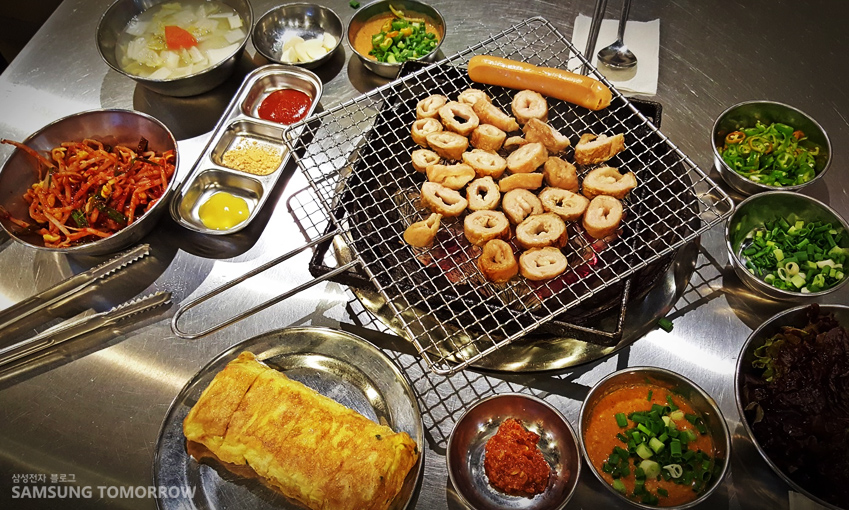
First up, we're heading to Daegu, a vibrant city in the southeastern part of Korea that often gets overlooked by tourists rushing between Busan and Seoul. But trust me, you absolutely NEED to make a stop here for one reason: Makchang Gui (막창 구이). What is it, you ask? It's grilled pork or beef intestines, and before you make a face, hear me out. This isn't your average offal; it's a culinary experience unique to Daegu, where it's practically a religion.
Unlike the more common gopchang (small intestines), makchang (the last part of the large intestine) offers a distinctly chewy yet tender texture, with a rich, savory flavor that's just addictive. It's marinated minimally, often just in salt and pepper, allowing its natural deliciousness to shine when grilled over charcoal. The magic happens when the edges get crispy and slightly charred – that's when you know you've hit peak makchang.
Eating makchang is a communal event. You'll sit around a grill, sizzling the pieces yourself, dipping them in a special ssamjang-like sauce often containing chopped green onions, and wrapping them in fresh lettuce or perilla leaves with garlic and green chili. It's savory, slightly smoky, and unbelievably satisfying. It's a dish that genuinely captures the spirit of Daegu's lively food scene.
Where to Find the Best Makchang in Daegu: Gulliver Makchang
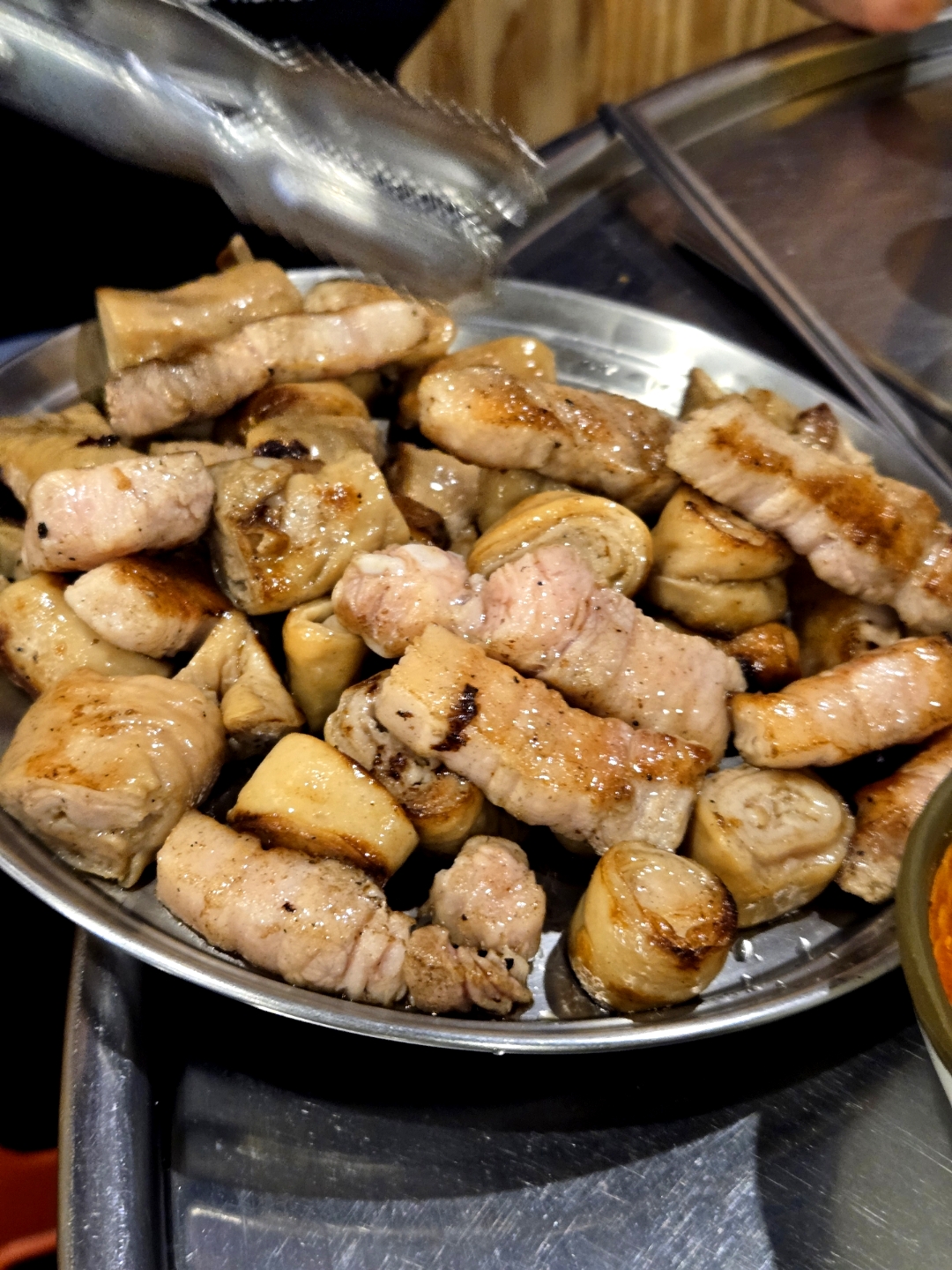
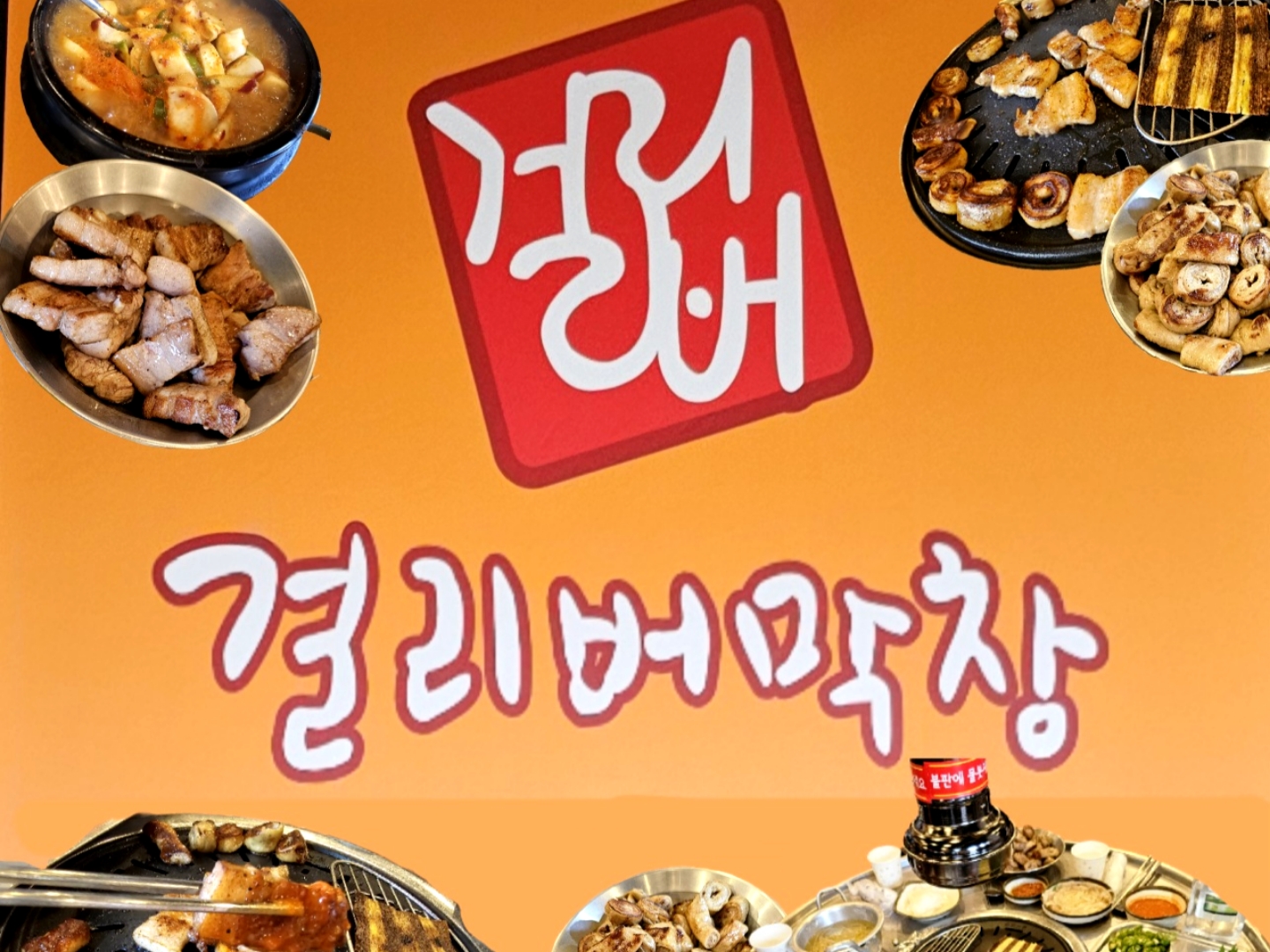
When in Daegu, you can't go wrong with Gulliver Makchang (걸리버막창). This place is legendary, a true institution in the city, and has been featured on countless local food shows, including Saengsong Today. It's famous for its super fresh makchang and the lively atmosphere.
- What to Order: Definitely start with Pork Makchang (돼지막창). If you're feeling adventurous, try their Deung-gol (등골), which is pork spinal cord – it's incredibly tender and unique! And don't forget a bowl of Deolmi Sal (덜미살), which is the tender pork neck meat, perfect for balancing the textures.
- How to Get There: Take the KTX to Dongdaegu Station (동대구역). From there, Gulliver Makchang has a few branches, but the original and most famous one is near Daegu City Hall. You can take a taxi or use the subway (Line 1 to Jungangno Station, then a short walk).
- Price Range: Expect to pay around ₩10,000 - ₩15,000 per serving of makchang. A full meal for two with drinks will likely be around ₩40,000 - ₩60,000.
- Best Time to Visit: Evenings, especially weekends, are when the atmosphere is buzzing. It's a perfect spot for a lively dinner with friends.
Sokcho's Seafood Surprise: Ojingeo Sundae
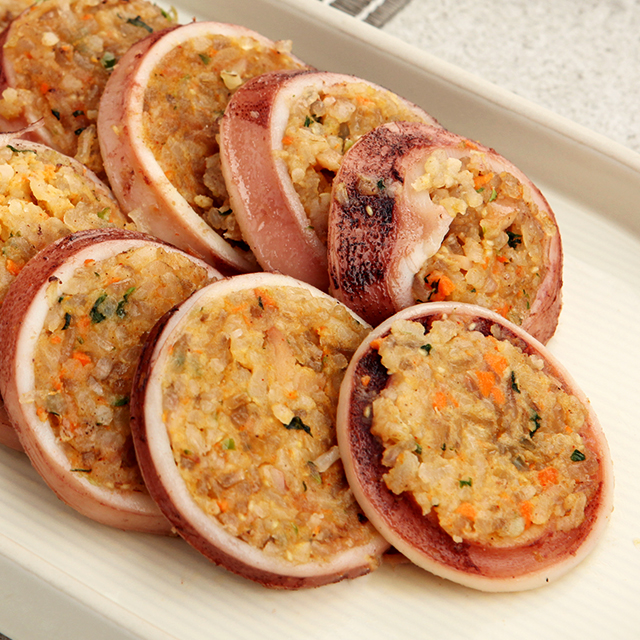
Next, let's zip over to the scenic East Coast, to the charming port city of Sokcho in Gangwon-do. This region is famous for its breathtaking mountains and pristine beaches, but its seafood is truly something else. And among its treasures is a dish that will blow your mind: Ojingeo Sundae (오징어 순대).
Forget everything you know about the street food sundae you might have seen in Seoul (the blood sausage kind). Ojingeo Sundae is a completely different beast! Here, the "sundae" refers to the act of stuffing. They take a whole, fresh squid (ojingeo), clean it, and then meticulously stuff its body with a savory mixture of minced squid tentacles, clear glass noodles, finely chopped vegetables like carrots and onions, and sometimes tofu or sticky rice. It's then steamed or pan-fried until golden brown, giving it a slightly crispy exterior and a wonderfully chewy, flavorful interior.
The beauty of Sokcho's Ojingeo Sundae lies in its freshness and delicate balance of flavors. The subtle sweetness of the squid pairs perfectly with the savory stuffing, and it's usually served with a simple soy sauce or a slightly spicy dipping sauce. It's lighter than you'd expect but incredibly satisfying, and you won't find it prepared this authentically anywhere else.
A Must-Try in Abai Village: Dancheon Sikdang
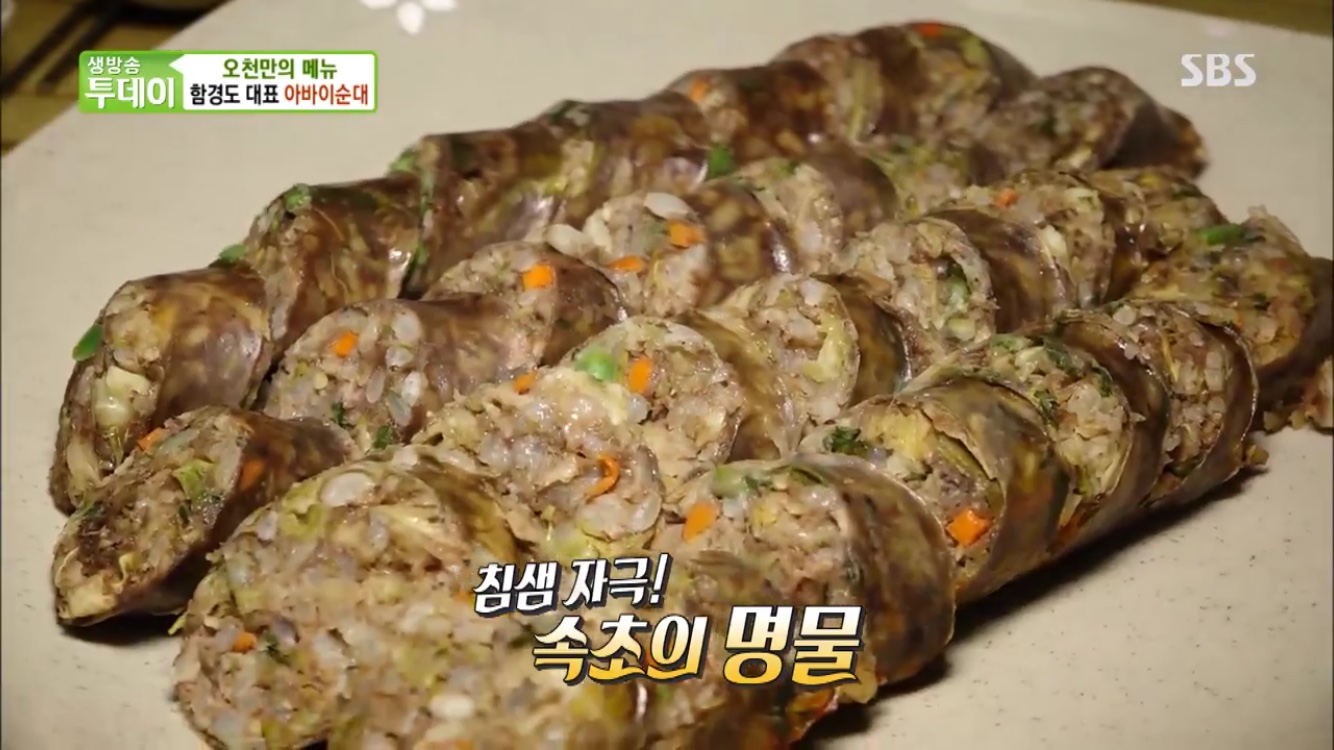
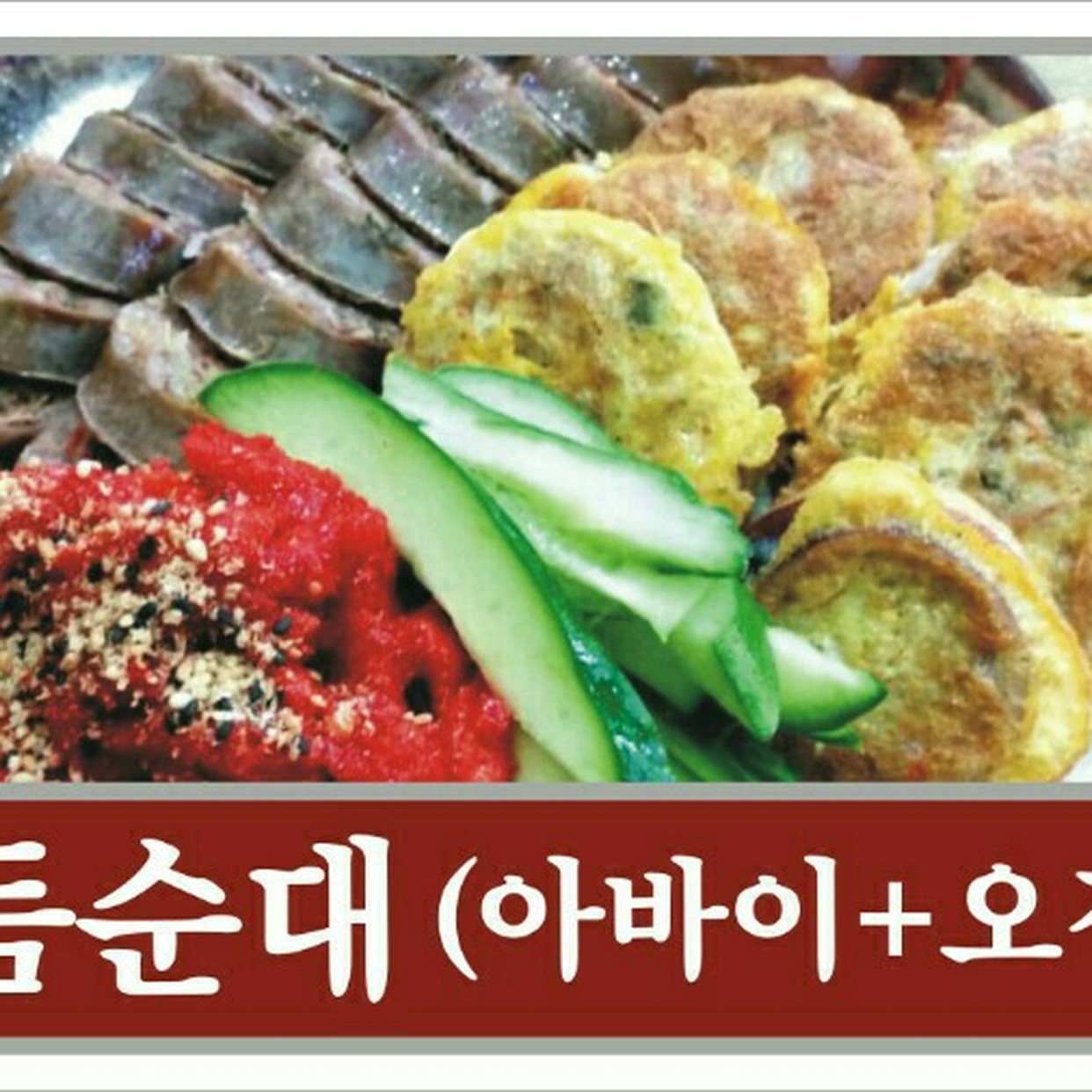
To experience the real deal, you have to go to Abai Village (아바이마을) in Sokcho, a unique settlement where many North Korean refugees settled after the Korean War. The village is steeped in history and famous for its distinct dishes. One of the best places for Ojingeo Sundae is Dancheon Sikdang (단천식당).
- What to Order: Get the Ojingeo Sundae (오징어순대), of course! Many people also pair it with Abai Sundae (아바이순대) (a different kind of sausage stuffed with rice and pig's blood, unique to the village) and A-gaemi (아개미), which is a spicy fermented pollack side dish. It's a trio of regional flavors you won't forget.
- How to Get There: Take an express bus from Seoul Express Bus Terminal or Dongseoul Bus Terminal to Sokcho Bus Terminal. From there, take a local bus or taxi to Abai Village. You can even take a unique wooden ferry (Gaetbae, 갯배) across a narrow canal to get into the heart of the village!
- Price Range: A plate of Ojingeo Sundae is usually around ₩15,000 - ₩20,000.
- Best Time to Visit: Sokcho is beautiful year-round, but spring and autumn offer pleasant weather for exploring the village and surrounding nature. It's a fantastic lunch spot after exploring the coast.
Gwangyang's Grilling Art: Bulgogi, the Right Way
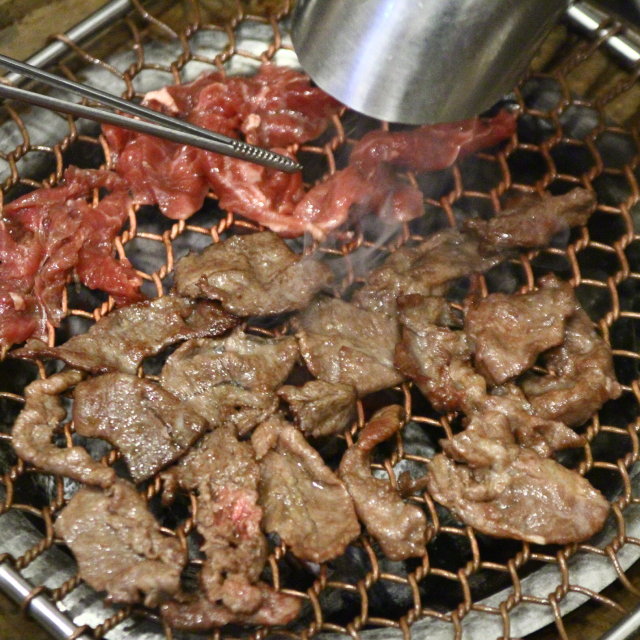
You've had bulgogi, right? The sweet, savory marinated beef that's a global ambassador for Korean food. But have you had Gwangyang Bulgogi (광양 불고기)? If not, you're missing out on a whole other level of bulgogi excellence. We're heading to Gwangyang, a city in Jeollanam-do, the region famed for its rich, vibrant flavors and generous use of high-quality ingredients.
What makes Gwangyang Bulgogi so special? It's all about the preparation and the grilling method. Unlike the saucier, pan-fried versions you often find in Seoul, Gwangyang Bulgogi features thinly sliced, prime beef (often Hanwoo) marinated in a much lighter, less sweet sauce that highlights the natural flavor of the meat. The key is that it's grilled quickly over a hot charcoal fire, directly at your table, often on a fine mesh grill. This method gives the beef a beautiful char and a smoky aroma while keeping it incredibly tender and juicy.
The marinade is a closely guarded secret, but it typically includes soy sauce, pear juice, garlic, and green onions. The simplicity is its strength, allowing the quality of the beef and the artistry of the grilling to shine. Each bite is a tender, smoky, melt-in-your-mouth delight, perfectly complemented by a spread of fresh ssam (wraps) and banchan.
Experience Tradition at Samdae Gwangyang Bulgogi
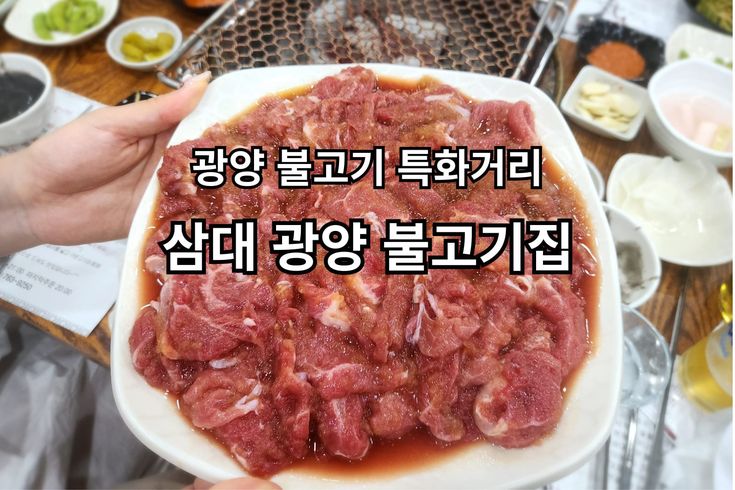

In Gwangyang, there's a whole street dedicated to bulgogi, and a standout institution is Samdae Gwangyang Bulgogi (삼대광양불고기). As the name suggests ("Samdae" means "three generations"), it carries a rich history and a reputation for upholding the traditional Gwangyang bulgogi technique, often featured on shows like Yuksi Naegohyang.
- What to Order: The star is undoubtedly the Gwangyang Bulgogi (광양불고기). Order enough for everyone to enjoy the grilling process! Pair it with some refreshing Naengmyeon (냉면), especially a spicy bibim naengmyeon, for a perfect hot-and-cold contrast.
- How to Get There: Take the KTX to Suncheon Station (순천역), which is close to Gwangyang, then take a local bus or taxi to Gwangyang Bulgogi Street. Alternatively, some KTX trains go directly to Gwangyang Station.
- Price Range: Expect Gwangyang Bulgogi to be a bit pricier due to the quality of the meat, around ₩30,000 - ₩40,000 per person. It's a special meal, worth every won!
- Best Time to Visit: Lunch or dinner. It's a great spot for a celebratory meal or a deep dive into Korea's culinary heritage.
Planning Your Culinary Adventure
So, there you have it – three incredible, authentic regional specialties that will take your Korean food journey to the next level. Ready to ditch the typical tourist traps and dive into the real flavors of Korea? Here’s a quick overview to help you plan:
| Dish | Region/City | Key Feature | Price Range (per person) | Vibe |
|---|---|---|---|---|
| Makchang Gui | Daegu | Chewy, smoky grilled pork intestines, unique dipping sauce | ₩15,000 - ₩25,000 | Lively, communal, perfect for groups |
| Ojingeo Sundae | Sokcho (Abai Village) | Steamed/fried squid stuffed with glass noodles & veggies | ₩15,000 - ₩20,000 | Quaint, coastal, traditional village feel |
| Gwangyang Bulgogi | Gwangyang | Delicately marinated Hanwoo, charcoal-grilled at the table | ₩30,000 - ₩40,000 | Upscale, authentic, historical culinary tradition |
A few practical tips for venturing beyond Seoul:
- Transportation: Korea has an excellent public transportation system. The KTX high-speed train is your best friend for reaching Daegu and Gwangyang quickly. For Sokcho, comfortable express buses are your go-to. Once there, local buses or taxis (Kakao T app is great!) will get you around.
- Naver Maps: Ditch Google Maps for navigation in Korea. Naver Maps (네이버 지도) is essential. It's much more accurate for public transport and walking directions.
- Basic Korean Phrases: Learning a few phrases like "안녕하세요 (Annyeonghaseyo - Hello)," "감사합니다 (Kamsahamnida - Thank you)," and "이거 주세요 (Igeo Juseyo - Please give me this)" will go a long way.
- Book in Advance: Especially if you're traveling during peak seasons or weekends, consider booking KTX tickets in advance.
Final Thoughts

So, are you ready to embark on this epic culinary journey? You're not just eating food; you're experiencing history, culture, and the true heart of Korea. These hidden regional specialties are waiting for you, and trust me, they're going to give you stories and flavors you'll savor long after you've returned home. Get out there, explore, and eat your heart out!
💡 AI Travel Tip
Leverage AI tools like ChatGPT or Google Bard to supercharge your planning for these regional adventures. They can help you with everything from custom itineraries to quick language assistance.
- Custom Itinerary Generation: If you're overwhelmed by all the options, ask AI to create a tailored plan.
- Dish Exploration & Dietary Needs: Get more info on ingredients or find alternatives.
- Phrasebook & Cultural Context: Learn useful phrases and understand dining etiquette.
Prompt example: "I'm planning a 7-day trip to South Korea. I want to spend 3 days in Seoul and then visit Daegu, Sokcho, and Gwangyang to try Makchang Gui, Ojingeo Sundae, and Gwangyang Bulgogi. Create a detailed itinerary including transportation, specific restaurant recommendations (mentioning those featured on Saengsaeng Jeongbotong or Yuksi Naegohyang if possible), and nearby attractions in each city. My budget is mid-range, and I prefer using public transport."
Prompt example: "I'm visiting Sokcho and want to try Ojingeo Sundae. What are the common ingredients in the stuffing? I have a slight seafood allergy to shrimp; is there usually shrimp in it? Can you suggest other non-shrimp seafood dishes popular in Sokcho?"
Prompt example: "I'm going to a Makchang restaurant in Daegu. What are some essential Korean phrases I should know for ordering, asking for more side dishes, and getting the bill? Also, what's the typical dining etiquette for grilling meat at the table?"
About this guide
Written with AI assistance from public information, with photos credited to their sources (Korea Tourism Organization, Naver, Pexels, Unsplash). Places and TV-show mentions have not all been checked in person, and a TV appearance is not a quality guarantee. Prices, hours and menus change — please confirm on Naver Map or the venue's official channel before visiting.