Regional Kimchi Variations Across Korea: The Definitive Guide
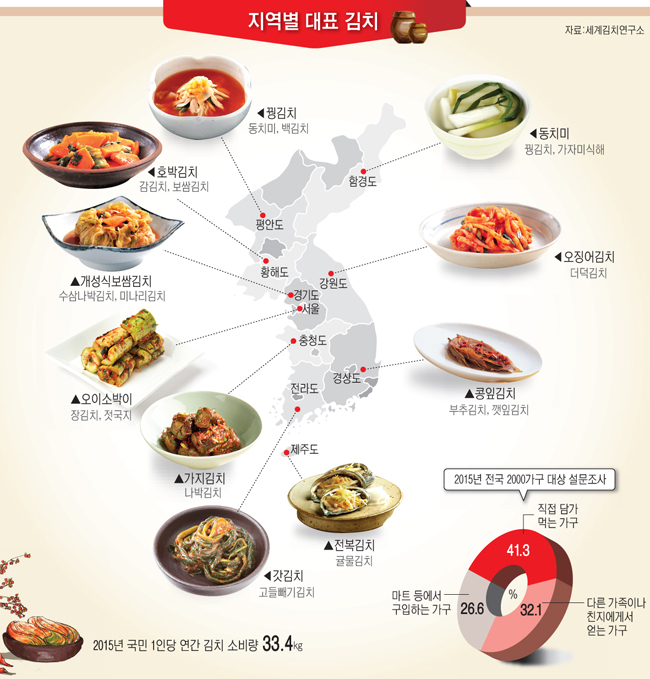
There are over 200 types of kimchi in Korea — and each region has its own signature version. This definitive guide covers the most important varieties and where to try them.
Published August 29, 2026Updated October 18, 202611 min read
Ever bitten into a seemingly "regular" piece of kimchi and had your world rocked by an explosion of flavor you didn't expect? Or maybe you've tried kimchi in different Korean cities and noticed they just... hit different? Trust me, you're not imagining things! Here's the thing: kimchi isn't just one dish in Korea. It's a universe of regional variations, each with its own distinct personality, ingredients, and story.
As a K-drama and K-pop fan, you've seen kimchi on screen a million times. But imagine experiencing it beyond the screen, finding those authentic, TV-featured flavors that only locals know. Ready to dive deep? This isn't your basic kimchi 101; this is the advanced guide to Korea's regional kimchi wonders! You're going to love this, spoiler: totally worth it.
Kimchi is NOT Kimchi: Why Regional Differences Matter
Think about it: Korea is a peninsula with diverse climates, mountain ranges, and a long coastline. Naturally, what's available fresh in Gangwon Province's mountains is vastly different from what you'd find by the sea in Jeolla-do or on Jeju Island. These geographical differences, combined with centuries of culinary tradition and, frankly, local pride, have shaped kimchi into an incredibly diverse staple.
Each region boasts a unique philosophy when it comes to kimchi making – from the type of cabbage used (sometimes even local greens like mustard leaves or young radishes!), the amount and type of red pepper flakes (gochugaru), the specific blend of fermented seafood (jeotgal), to the additional vegetables, fruits, or even freshwater fish added. These aren't just minor tweaks; they create entirely different flavor profiles, textures, and even colors. That's why Saengsaeng Jeongbotong and Yuksi Naegohyang love to feature these local kimchi masters!
To truly understand regional kimchi, it helps to know the general north-south culinary divide. Historically, northern regions (like the former Hwanghae and Pyeongan provinces, now in North Korea, but their influence still exists in Seoul/Gyeonggi) tend to favor milder, less spicy, and often less salty kimchi. They use less red pepper, more clear broths, and focus on refreshing crunch. Southern regions, particularly Jeolla-do and Gyeongsang-do, are known for their bold, spicier, saltier, and more fermented kimchi, often packed with a heavier punch of jeotgal.
This division isn't just about heat; it's about the depth of flavor. Northern kimchi often emphasizes the freshness of ingredients, while southern kimchi celebrates the complexity of fermentation and a robust umami. But hold on, it gets even more specific!
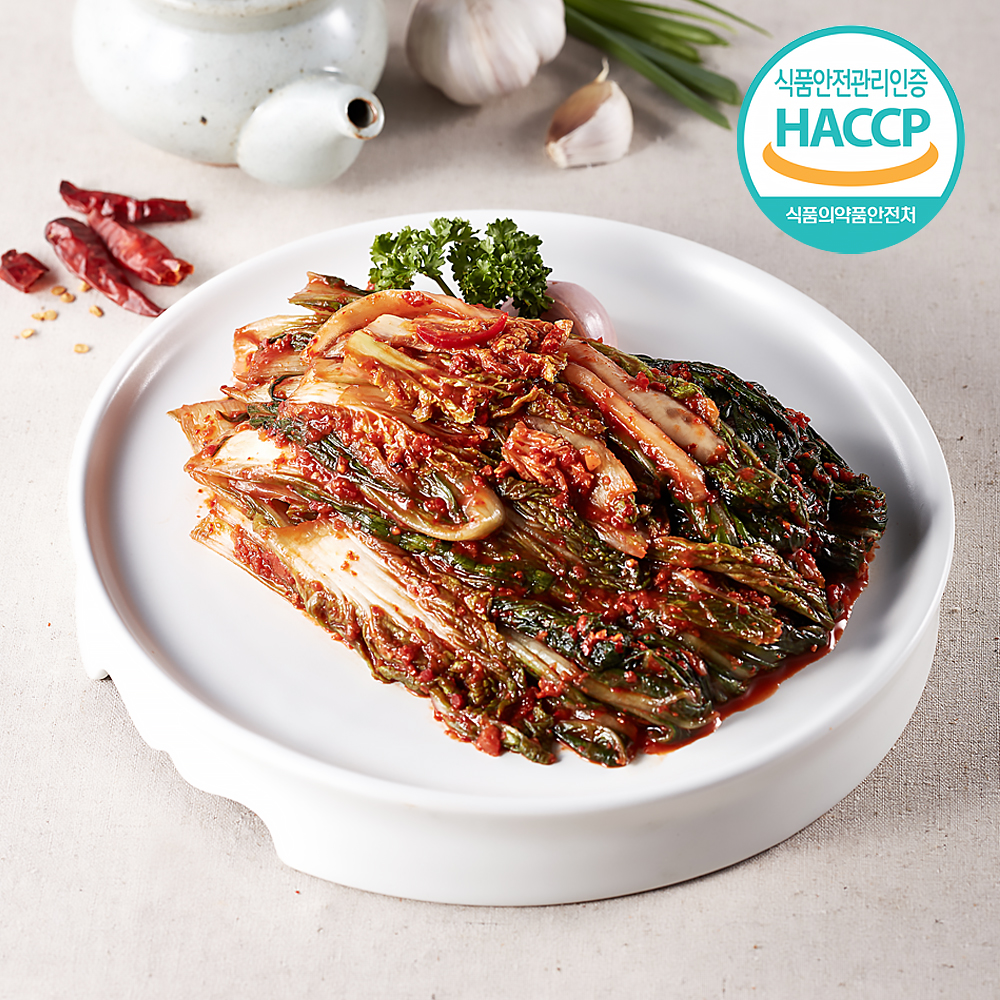
If Korea had a culinary capital, Jeolla-do would be it, hands down. And their kimchi? Legendary. This southwestern region is famed for its rich, deeply fermented, and incredibly complex flavors. Jeolla kimchi isn't just spicy; it's a symphony of umami, often thanks to a generous amount of various jeotgal like anchovy (myeolchi jeot) and shrimp (saeu jeot), which lend an unparalleled depth.
Signature Style: Bold, rich, spicy, and very deeply fermented. They use a lot of seasoning (yangnyeom), sometimes even adding glutinous rice paste for a thicker texture.
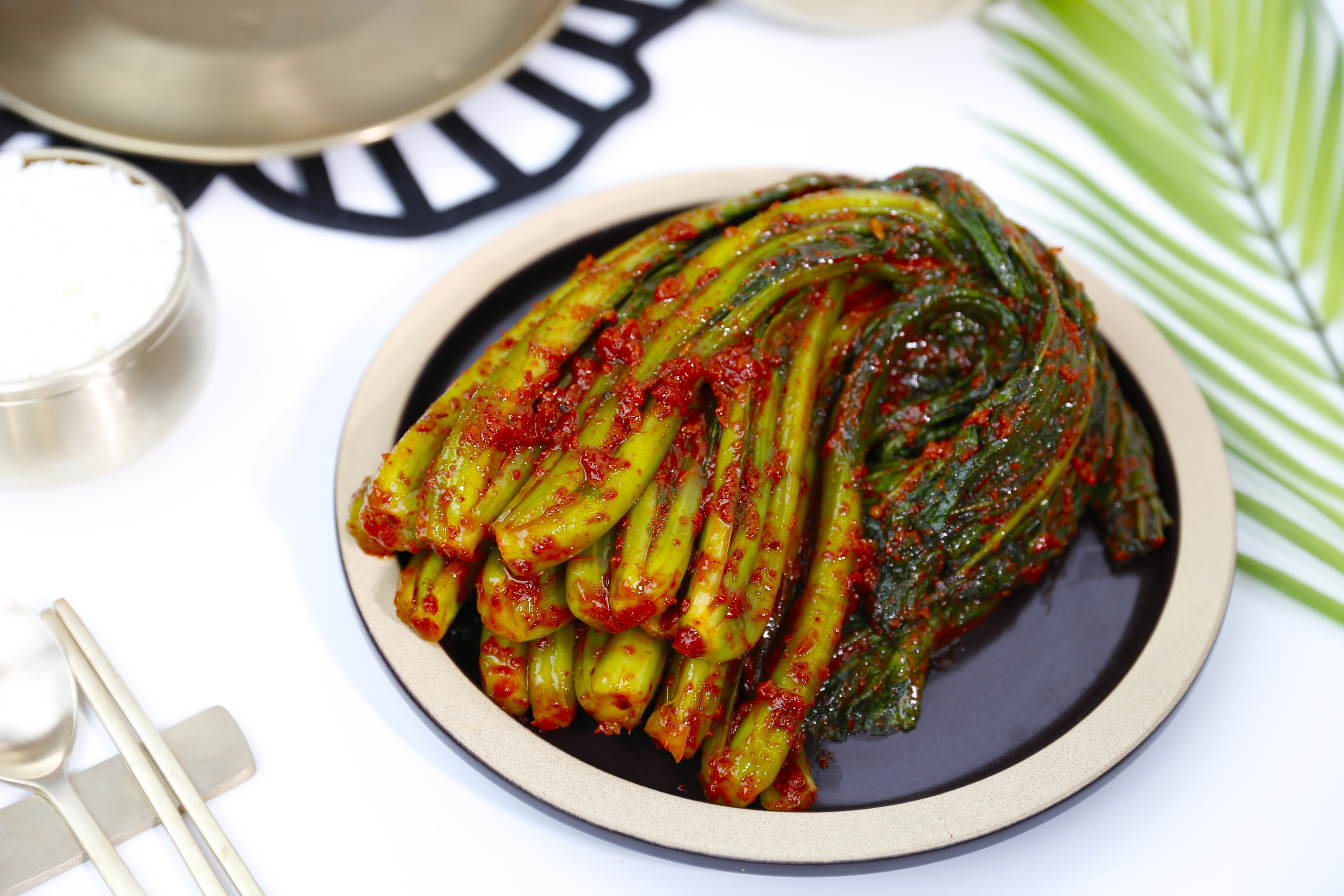
Must-Try:Gat Kimchi (갓김치), made with mustard greens, is a pungent, peppery, and incredibly addictive kimchi unique to this region, especially Yeosu. Also look for Pa Kimchi (파김치), green onion kimchi, which is super savory and often served with meat dishes.
Where to Find: Any traditional Hanjeongsik (Korean set meal) restaurant in Jeonju will serve an array of fantastic Jeolla-style banchan, including their iconic kimchi. Look for places featured on Saengsong Today for local authenticity.
Gyeongsang-do: Bold, Spicy, and Unapologetically Salty
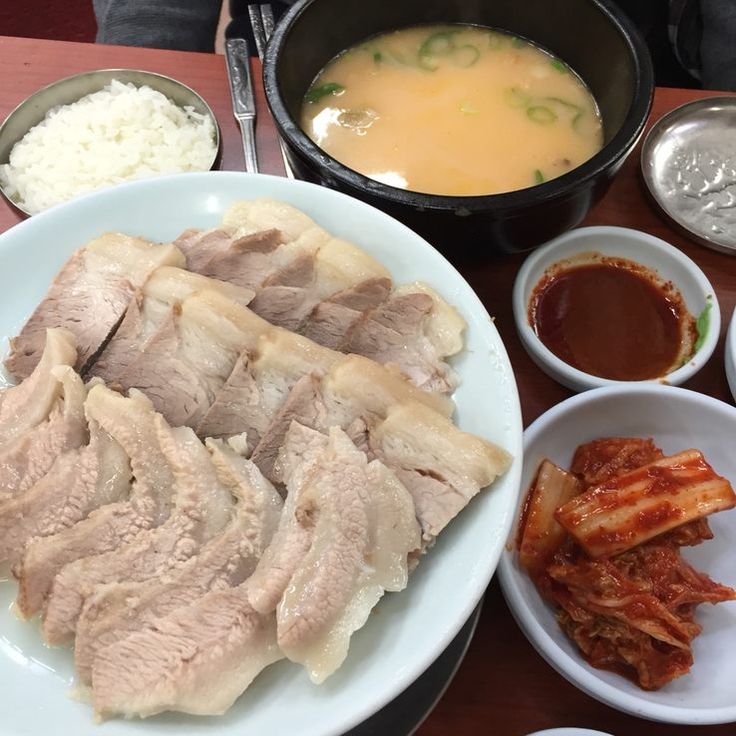
Head to the southeastern part of Korea, and you'll find Gyeongsang-do kimchi – known for being straightforwardly spicier and saltier than its western counterpart. While still using jeotgal, it often relies less on the heavy fermentation of anchovy paste and more on a clean, fiery kick. People from Gyeongsang-do, especially Busan, love their kimchi with a strong, clear flavor that can cut through rich dishes like Dwaeji Gukbap.
Signature Style: Very spicy, salty, and a bit simpler in its seasoning compared to Jeolla-do, focusing on a strong, direct flavor. Sometimes uses less jeotgal and more dried pollack broth for flavor.
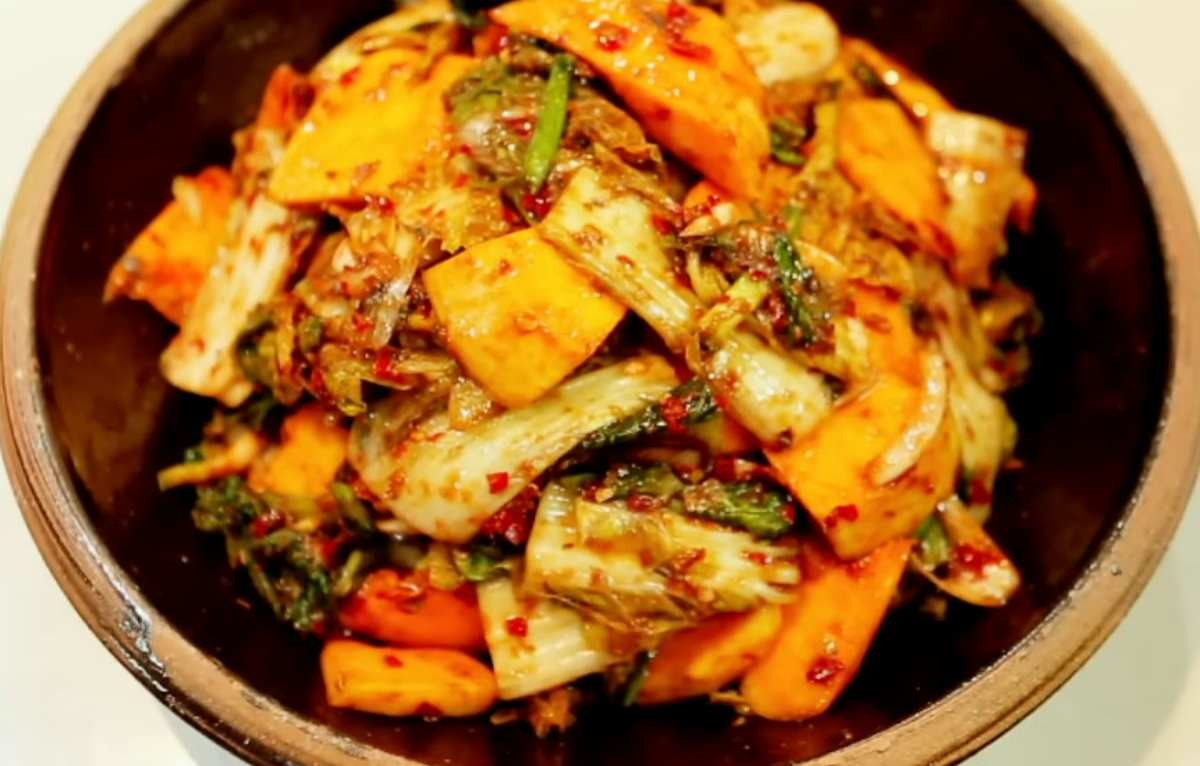
Must-Try: While classic baechu kimchi (napa cabbage kimchi) is prominent, Kkakdugi (깍두기), or diced radish kimchi, is a star here, often served super fresh and crunchy with rich soups.
Where to Find: In Busan, a visit to any reputable Dwaeji Gukbap (pork soup rice) restaurant, like
Nestled in the central region, Chungcheong-do kimchi offers a delightful contrast. Known for its mild, refreshing, and clean flavors, it uses less salt and spice compared to the southern regions. The emphasis here is on letting the natural taste of the fresh ingredients shine through. They often use a clear, often non-spicy, broth.
Signature Style: Mild, refreshing, less spicy, and less salty. Often uses minimal red pepper and focuses on fresh ingredients and a clean, crisp finish. Sometimes incorporates freshwater ingredients.
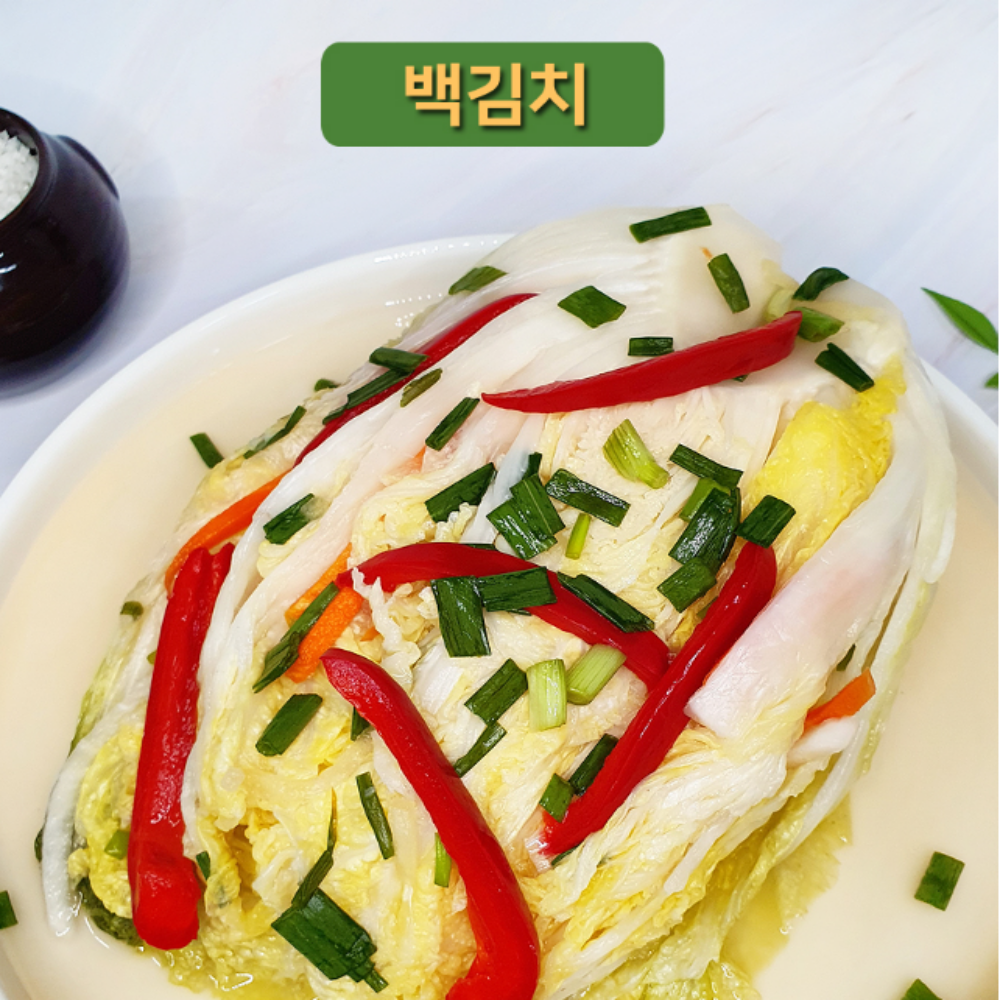
Must-Try:Baek Kimchi (백김치), or white kimchi, is a highlight – a non-spicy, clear-broth kimchi perfect for those who prefer less heat. Also, look for various types of Dongchimi (동치미), a clear, watery radish kimchi.
Where to Find: In cities like Daejeon or Cheongju, seek out traditional Korean restaurants that specialize in local Chungcheong cuisine. They often have homemade baek kimchi that will surprise you with its delicate flavor.
Gangwon-do: Mountain & Sea Meet in Refreshing Bites
Along Korea's stunning eastern coast and mountainous terrain, Gangwon-do kimchi offers a unique blend. Influenced by both the sea and the mountains, you'll find refreshing, simple, and sometimes quite unique kimchi variations. The mountain regions use local foraged vegetables, while the coastal areas incorporate fresh seafood.
Signature Style: Light, refreshing, often less spicy, and incorporates local mountain herbs or fresh seafood.
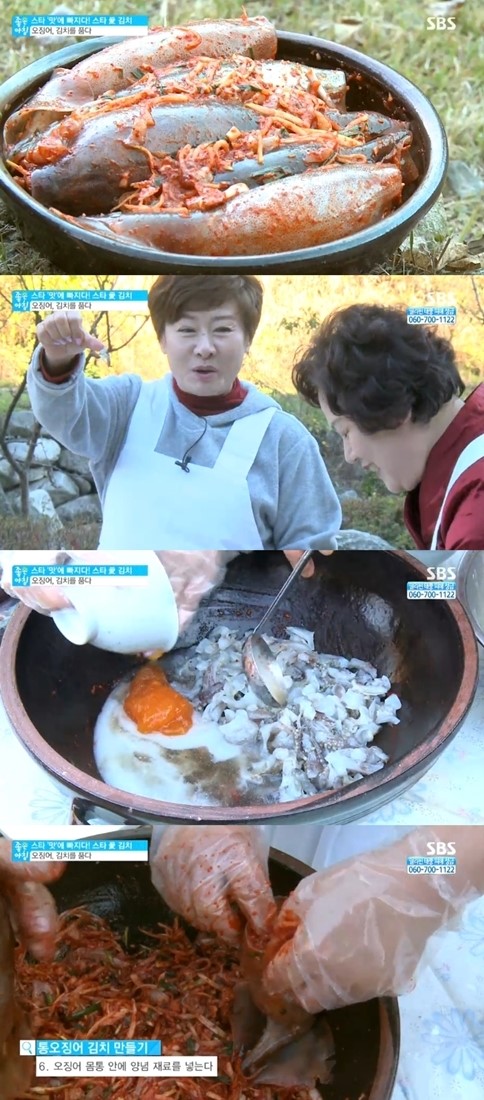
Must-Try:Ojingeo Kimchi (오징어김치), or squid kimchi, is a must-try from the coastal areas – a savory, chewy, and slightly spicy delicacy. Also, various types of Sanchae Kimchi (산채김치), made with seasonal mountain greens, offer truly unique flavors.
Where to Find: If you're exploring the Sokcho or Gangneung area, many local seafood restaurants or traditional market vendors will feature fresh ojingeo kimchi. For mountain vegetable kimchi, look for "sanchaejeongsik" (mountain vegetable set meal) restaurants near Seoraksan National Park.
Korea's largest island, Jeju-do, brings its own distinct flair. With an abundance of fresh seafood and unique local produce, Jeju kimchi often incorporates these elements, resulting in a fresher, sometimes less fermented style, designed to complement the island's culinary identity.
Signature Style: Fresh, light, and often features local seafood like abalone (Jeonbok Kimchi) or various types of seaweed. Less focus on heavy fermentation.
Must-Try: While not as widely varied as mainland kimchi, seeking out kimchi made with local Jeju ingredients is an adventure. If you're lucky, you might find Jeonbok Kimchi (전복김치), though it's more of a specialty item than an everyday banchan.
Your Kimchi Adventure Awaits: Practical Tips for Tasting
Okay, so you're officially a kimchi connoisseur-in-training! How do you actually put this knowledge to use on your trip? Here are some insider tips:
Dine at Traditional Restaurants: Hanjeongsik (Korean set meals) or Baekban (home-style meal sets) restaurants are your best bet. They usually offer a wide array of banchan, including several types of kimchi, often homemade and reflecting local flavors.
Hit Up Local Markets: Traditional markets like Gwangjang Market in Seoul (though famous for other things, you can find specialty kimchi vendors) or local markets in regional cities often have vendors selling various homemade kimchi. This is a great way to taste and even buy some to take back to your accommodation (if you have a fridge!).
Don't Be Afraid to Ask: If you're unsure what type of kimchi you're eating, politely ask "이 김치 무슨 김치예요?" (I kimchi museun kimchi-yeyo? - What kind of kimchi is this?). Most restaurant staff will be happy to tell you.
Look for TV Show Endorsements: Keep an eye out for signs at restaurants mentioning "Saengsaeng Jeongbotong," "Saengsong Today," or "Yuksi Naegohyang." These shows frequently highlight restaurants celebrated for their authentic local flavors, including their kimchi.
Pairing is Key: Remember that kimchi is a side dish designed to complement a main meal. A spicy Gyeongsang kimchi might be perfect with rich Dwaeji Gukbap, while a refreshing Chungcheong white kimchi could be ideal with a delicate Hanjeongsik.
While specific kimchi-only restaurants are rare, places known for their overall regional cuisine will showcase their best kimchi as banchan. Here are a couple of ideas:
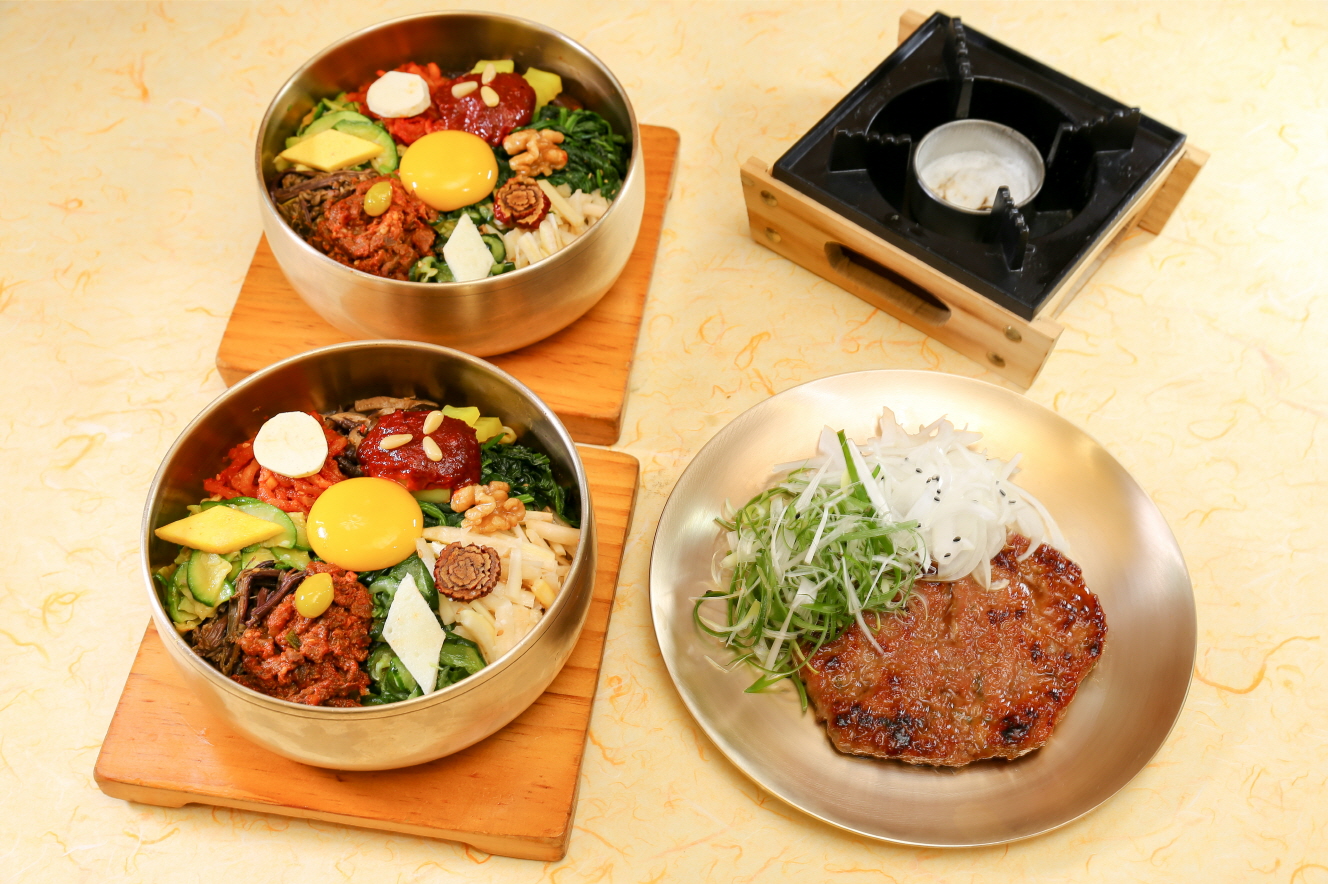
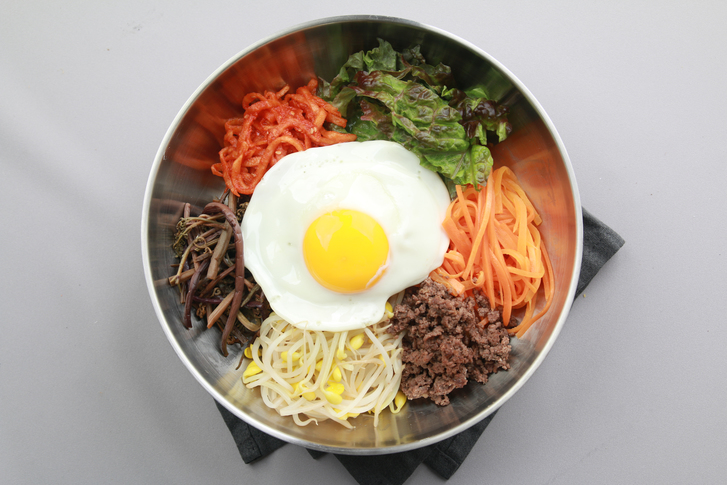
This legendary spot in Jeonju is famous for its bibimbap, but the array of banchan, including several Jeolla-style kimchis, is a true highlight. You'll get to experience the deep, rich flavors firsthand. They've been featured on numerous TV shows for their traditional cooking.
How to Get There: Easily accessible in Jeonju's Hanok Village area. A short taxi ride from Jeonju Station.
What to Order: Jeonju Bibimbap, of course, and savor every piece of kimchi that comes with it!
Price Range: ₩12,000 - ₩20,000 per person.
Best Time to Visit: Lunch or dinner. Expect a wait during peak hours.
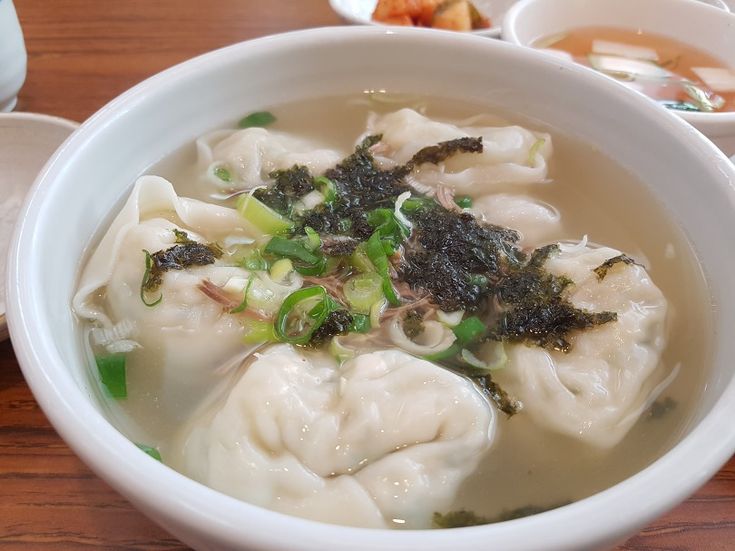
Located in Seoul's charming Insadong area, this restaurant specializes in North Korean-style mandu (dumplings) and dishes, which means their kimchi tends to be on the milder, less spicy side, reflecting the historical northern preference. Their baek kimchi and mul kimchi (water kimchi) are fantastic and a refreshing change if you're used to only the fiery red kind.
How to Get There: A short walk from Anguk Station (Seoul Subway Line 3).
What to Order: Mandu Jeongol (dumpling hotpot) or Tteok Mandu Guk (rice cake and dumpling soup). Their kimchi will be served as banchan.
Price Range: ₩10,000 - ₩25,000 per person.
Best Time to Visit: Perfect for a cozy meal any time of year.
💡 AI Travel Tip
Leverage AI tools like ChatGPT or Google Bard to become your personal kimchi sommelier! Here's how you can get specific, actionable advice:
To find specific restaurants known for their regional kimchi in a city:
Prompt example: "I'm in Busan and I want to try a restaurant known for authentic Gyeongsang-do style kimchi, especially kkakdugi. Can you recommend 3-4 TV-featured (Saengsaeng Jeongbotong, Yuksi Naegohyang, Saengsong Today) local gems that a K-pop fan would love? Include address, price range, and a brief description of their kimchi style."
To understand flavor profiles and pairing:
Prompt example: "Explain the key differences in flavor profile and ingredients between Jeolla-do kimchi and Gyeongsang-do kimchi, focusing on fermentation and spice levels. What main dishes are traditionally best paired with each type?"
To plan a mini kimchi exploration within a region:
Prompt example: "I'm planning a day trip to Jeonju. Suggest a walking itinerary that includes tasting different Jeolla-do kimchi varieties, maybe at a Hanjeongsik restaurant and a traditional market. What are some specific types of kimchi I should look out for there?"
About this guide
Written with AI assistance from public information, with photos credited to their sources (Korea Tourism Organization, Naver, Pexels, Unsplash). Places and TV-show mentions have not all been checked in person, and a TV appearance is not a quality guarantee. Prices, hours and menus change — please confirm on Naver Map or the venue's official channel before visiting.