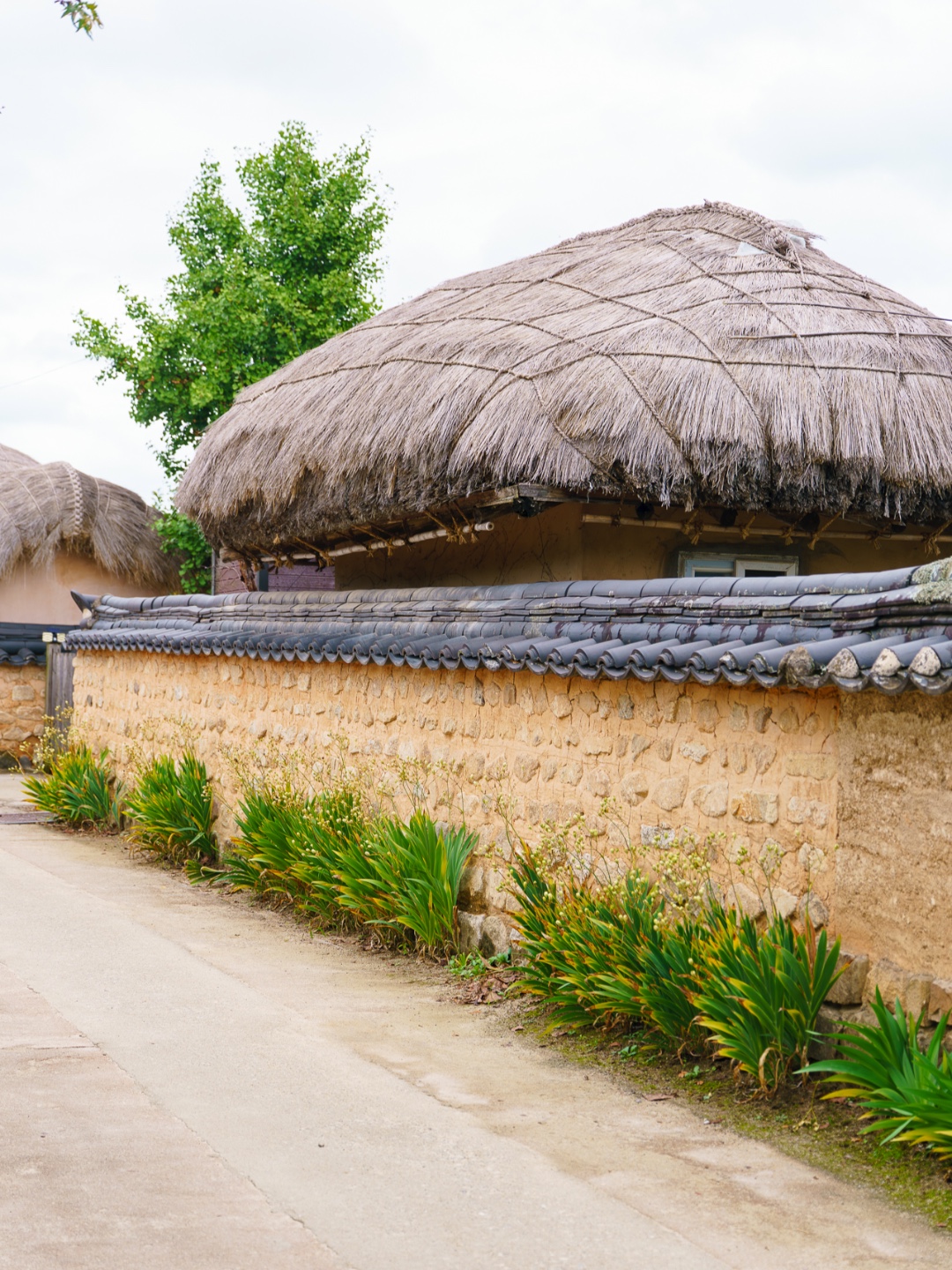
Okay, so you’ve binge-watched all the K-dramas, devoured every piece of K-pop content, and maybe you’ve even explored the vibrant street food scene of Seoul. You know your Tteokbokki from your Kimchi jjigae, right? But here’s the thing: Korea's culinary landscape is so much richer and more diverse than just what you find in the bustling cities.
What if I told you there’s a whole other side to authentic Korean food, tucked away in the majestic mountains of Gangwon Province, where the air is crisp, the valleys are lush, and the food tells a story of resilience, nature, and incredible flavor? We’re talking about Gangwon’s mountain cuisine – the real deal, what locals eat, far from the tourist traps.
Forget everything you think you know about Korean food for a second. This isn’t about flashy BBQ joints or trendy cafes. This is about humble, wholesome, and incredibly delicious dishes crafted from the bounty of the mountains. Trust me, your taste buds are about to thank you. Ready to go off the beaten path? Let's dive into the alpine flavors of Gangwon!
Gangwon Province: Korea's Natural Pantry
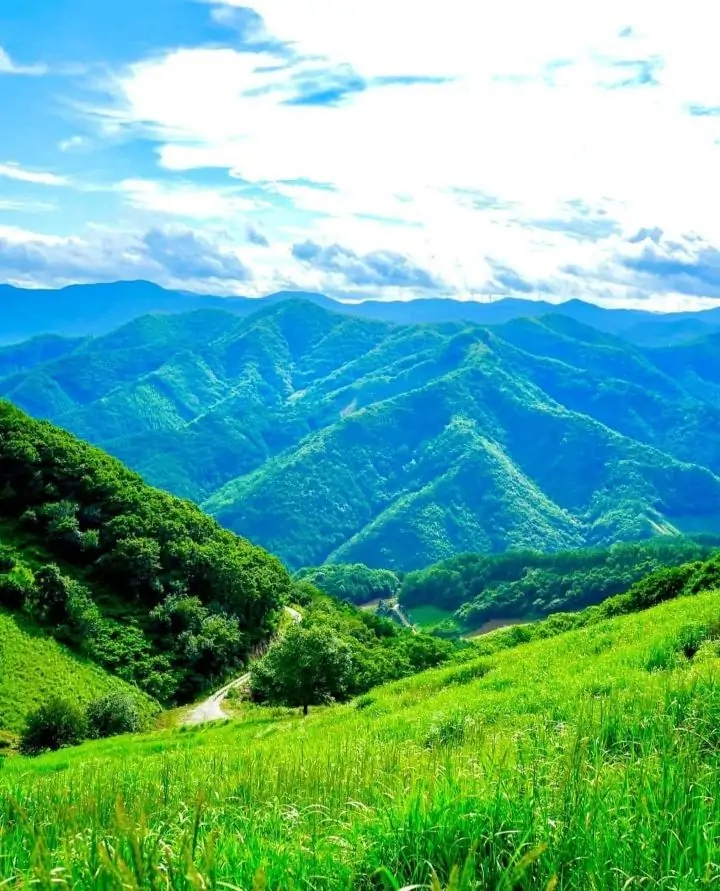
Imagine vast mountain ranges, clean rivers, and dense forests – that’s Gangwon for you. It’s often called the "Alps of Korea" and for good reason! This province is a nature lover's paradise, but more importantly for us foodies, it's a treasure trove of unique ingredients.
Because of its rugged terrain and harsh winters, Gangwon locals historically relied on what they could forage and grow in the mountains. This meant lots of wild vegetables (산나물, sannamal), potatoes, buckwheat, and corn. These aren't just survival foods; they've become the stars of Gangwon's signature dishes, offering a depth of flavor and a freshness you just can't replicate anywhere else. You’ll find dishes here that are simple yet profoundly satisfying, showcasing the natural taste of each ingredient. It’s truly farm-to-table, Gangwon style!
Must-Try Mountain Delicacies
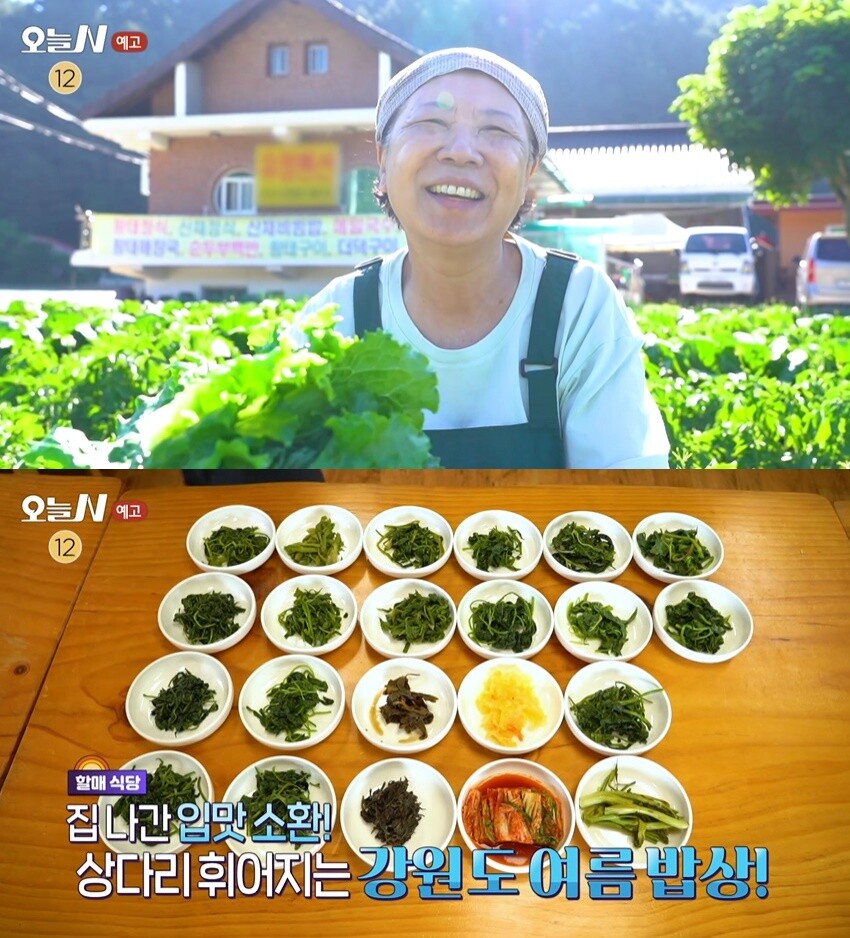
When you're exploring Gangwon, these are the iconic dishes you absolutely CANNOT miss. Each one tells a story of the region and its people.
- Sanchaejeongsik (산채정식 - Mountain Vegetable Set Meal): This is the ultimate Gangwon experience. It's a feast of various seasoned mountain greens, often served with rice and a selection of banchan (side dishes). Think wild bracken, balloonflower root, thistle, and more, all prepared with minimal seasoning to let their natural flavors shine. It’s incredibly healthy and surprisingly addictive.
- Gondeurebap (곤드레밥 - Thistle Rice): A staple of Jeongseon and Pyeongchang, Gondeurebap features steamed rice mixed with Gondeure (Korean thistle), which has a distinctive earthy aroma. It's usually served with a savory soy sauce seasoning. Simple, comforting, and deeply satisfying. You'll feel instantly healthier just by eating it!
- Gamja Ongsimi (감자옹심이 - Potato Dumpling Soup): Forget your usual dumplings! Gamja Ongsimi features chewy, bouncy potato dumplings in a clear, savory broth. These aren't made with flour, but pure grated potato, giving them a unique texture that’s incredibly satisfying, especially on a chilly day. It’s a texture sensation that’ll have you coming back for more.
- Memil Makguksu (메밀막국수 - Buckwheat Noodles): While Chuncheon is the king of Makguksu, you’ll find fantastic versions throughout Gangwon. These chewy buckwheat noodles are served cold with a tangy, spicy, and slightly sweet broth, often topped with kimchi, shredded vegetables, and a boiled egg. It's the perfect refreshing meal after a hike!
- Deodeok Gui (더덕구이 - Grilled Balloonflower Root): Deodeok, known for its distinct aroma and slightly bitter taste, is typically marinated in a spicy gochujang sauce and then grilled. It’s often served as a side dish with Sanchaejeongsik, but it's so good it deserves its own mention. It’s got a lovely crunch and a complex flavor profile.
Where to Savor Gangwon's Mountain Flavors
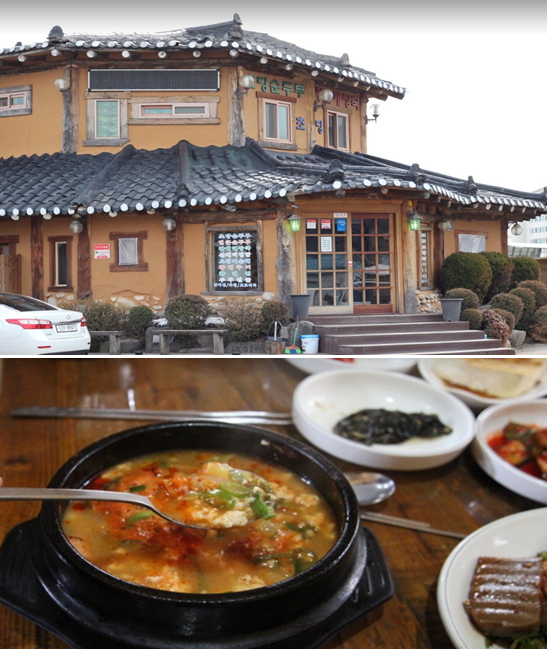
Ready to dig in? Here are some legendary spots across Gangwon, featured on Korean TV shows, where you can taste these authentic dishes. These aren't just restaurants; they're institutions!
Yongpyeong Hoegwan (용평회관) - Pyeongchang: Your Sanchae Heaven

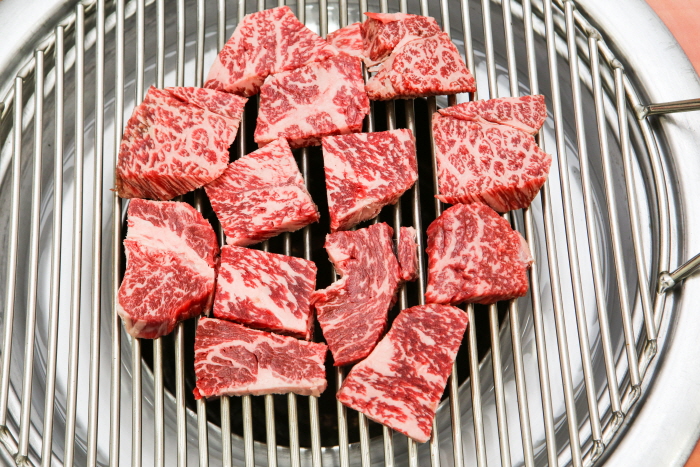
If you're in Pyeongchang, especially near the Yongpyong Resort area, you absolutely HAVE to visit Yongpyeong Hoegwan. This place is famous for its incredible Sanchaejeongsik and Gondeurebap, and it's been featured on shows like Saengsaeng Jeongbotong for its authentic flavors and generous portions. It’s the perfect spot to refuel after hitting the slopes or exploring the mountain trails.
What to Order: Their Sanchaejeongsik (산채정식) is a must. You'll get a beautiful spread of various mountain greens, expertly prepared. If you're feeling adventurous or just love that earthy aroma, definitely try their Gondeure Dolsoppap (곤드레돌솥밥), which is Gondeurebap served in a hot stone pot, resulting in that amazing crispy nurungji (scorched rice) at the bottom.
- Price Range: Expect around 15,000-25,000 KRW per person for a main meal.
- Best Time to Visit: Lunch or dinner, especially after outdoor activities.
- Getting There: Easily accessible by car from major Pyeongchang attractions like Alpensia and Yongpyong Resorts.
Gangneung Gamja Ongsimi (강릉 감자옹심이) - Gangneung: The OG Potato Dream
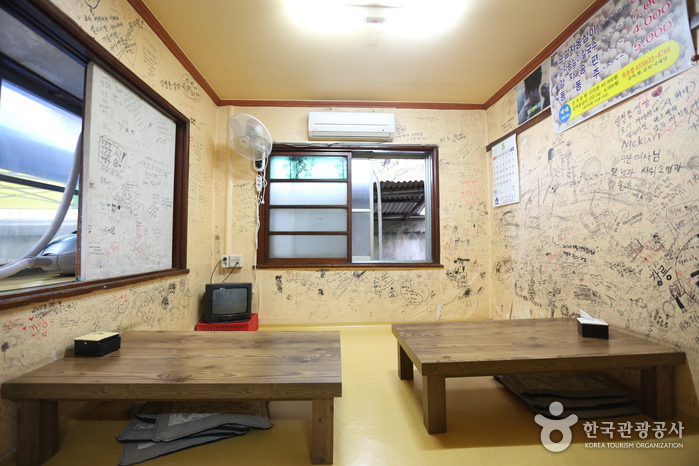
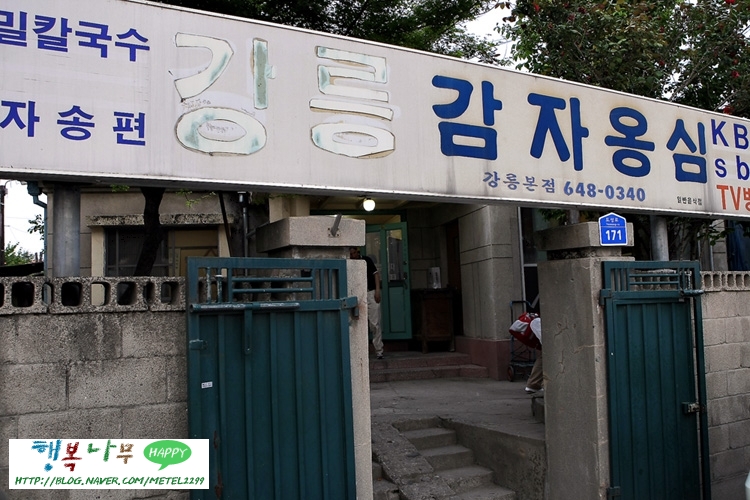
When in Gangneung, experiencing the chewy goodness of Gamja Ongsimi is non-negotiable, and Gangneung Gamja Ongsimi is THE place to do it. This spot is legendary, known for its perfectly textured potato dumplings and rich, clear broth. It’s a simple establishment, but the flavors are anything but. You might see lines, but spoiler: totally worth it!
What to Order: Go for the classic Gamja Ongsimi Kalguksu (감자옹심이 칼국수), which gives you a mix of their famous potato dumplings and handmade knife-cut noodles in the same delicious broth. It's hearty, comforting, and an absolute local favorite. They've been featured on pretty much every major food show, including Yuksi Naegohyang and Saengsong Today, so you know it's legit.
- Price Range: Meals typically range from 9,000-12,000 KRW.
- Best Time to Visit: Any time, but expect a wait during peak lunch/dinner hours.
- Getting There: Located conveniently in Gangneung city center, easily reachable by local bus or taxi.
Saembat Makguksu (샘밭막국수) - Chuncheon: Buckwheat Bliss
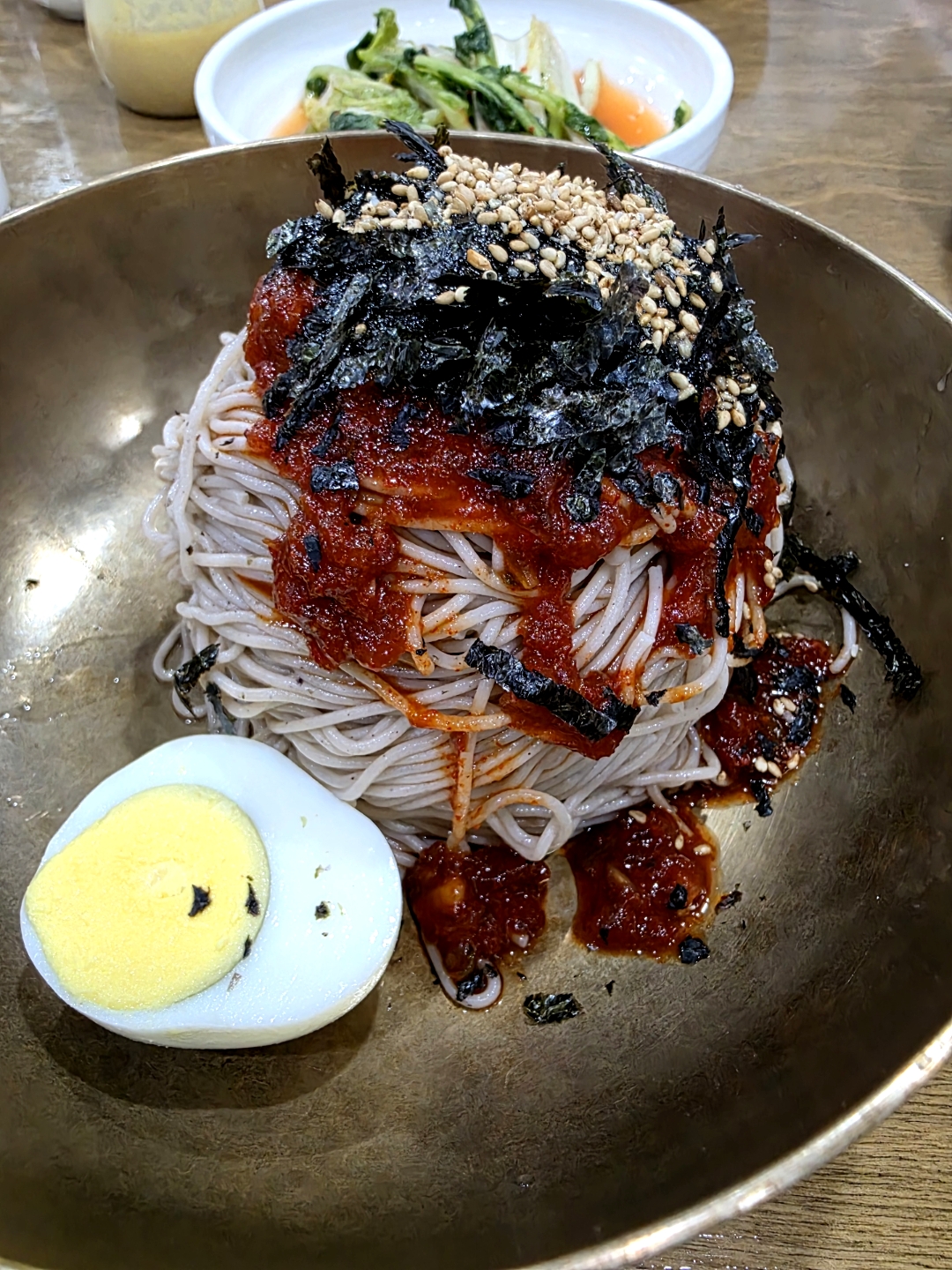
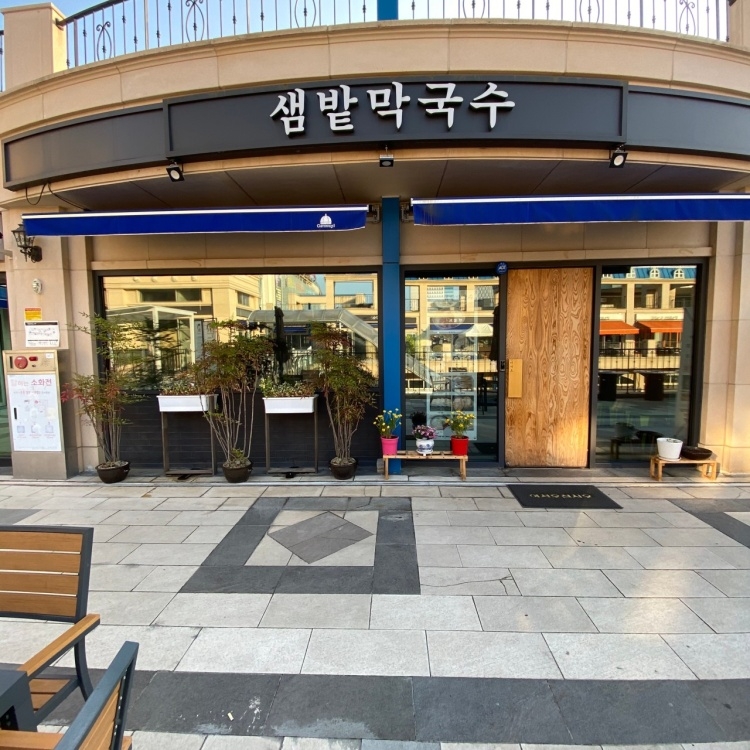
No trip to Gangwon, especially if you're passing through Chuncheon, is complete without diving into a bowl of Makguksu. Saembat Makguksu is a Chuncheon icon, having delighted locals and visitors alike for decades with its fresh, perfectly chewy buckwheat noodles and signature tangy broth. It’s a family-run establishment that prides itself on traditional recipes.
What to Order: Their signature Memil Makguksu (메밀막국수) is the star. You can choose between bibim (spicy, mixed) or mul (broth-based). My personal recommendation? Try the bibim first, then add a little of their clear broth to create your perfect mix! Don't forget to order a side of Memil Jeonbyeong (메밀전병), savory buckwheat crepes filled with kimchi and glass noodles, which is an amazing accompaniment.
- Price Range: Makguksu typically costs 8,000-10,000 KRW; Jeonbyeong is around 7,000 KRW.
- Best Time to Visit: Perfect for a refreshing lunch, especially on a warm day.
- Getting There: A short taxi ride from Chuncheon Station, or easily accessible by bus.
Practical Tips for Your Gangwon Food Adventure

Ready to pack your bags? Here are some insider tips to make your Gangwon food tour smooth and unforgettable:
| Tip Category | Details & Recommendations |
|---|---|
| How to Get There |
|
| Best Time to Visit |
|
| What to Order |
|
| Language Barrier |
|
Exploring Gangwon's mountain cuisine is more than just eating; it's an immersive cultural experience. You’re tasting the history, the natural beauty, and the heart of Korea’s alpine region. So, are you ready to add this incredible food adventure to your Korea itinerary? You won't regret it!
💡 AI Travel Tip
Planning a trip to Gangwon can involve multiple stops. Use an AI assistant to create a seamless itinerary that includes these mountain food spots, factoring in travel time and opening hours.
- Refine your food choices based on dietary needs or specific interests.
- Get real-time weather updates and local transport options.
Prompt example: "Plan a 3-day Gangwon Province food and nature itinerary from Seoul. Include stops in Pyeongchang, Gangneung, and Chuncheon, specifically incorporating Yongpyeong Hoegwan, Gangneung Gamja Ongsimi, and Saembat Makguksu. Optimize for KTX and local bus travel, and suggest a scenic hike near Pyeongchang."
About this guide
Written with AI assistance from public information, with photos credited to their sources (Korea Tourism Organization, Naver, Pexels, Unsplash). Places and TV-show mentions have not all been checked in person, and a TV appearance is not a quality guarantee. Prices, hours and menus change — please confirm on Naver Map or the venue's official channel before visiting.