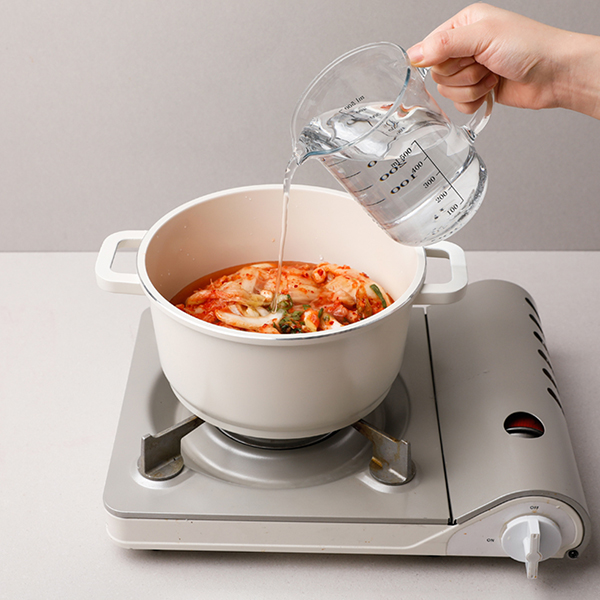
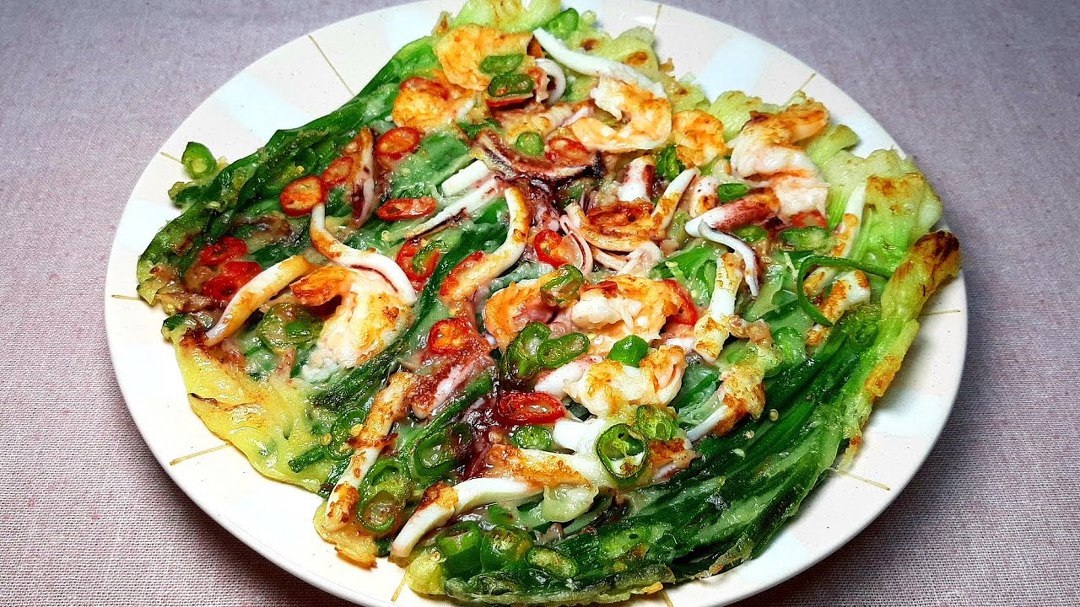
Picture this: a cozy, bustling Korean restaurant. The air is thick with the warm, savory aroma of fermented soybean paste, garlic, and chili. Steam rises from a bubbling stone pot, filled with tender tofu, zucchini, mushrooms, and maybe some beef or clams. This isn't just any stew—this is Doenjang Jjigae, the ultimate Korean comfort food you've seen bubbling away on countless K-drama tables, warming hearts left and right. But here's the real question: how do you find the actual deal? You know, the kind that tastes like someone's grandma made it, not just another tourist spot?
As a K-drama and K-pop fan, you're not just hunting for a meal—you're after the real experience, that authentic taste of Korea that matches all those scenes you've watched over and over. And when you're trying to nail down the genuine stuff, who should you trust? How about Korea's own food explorers on shows like Saengsaeng Jeongbotong, Saengsong Today, and Yuksi Naegohyang? These shows are basically culinary goldmines, showcasing restaurants that've passed the ultimate test: the discerning palates of actual Korean locals and food critics.
So here's what we're doing today—diving deep into the world of Doenjang Jjigae and uncovering the hidden gems and beloved spots that've earned their stripes on national TV. Get ready to seriously level up your Korea food bucket list!
What Exactly IS Doenjang Jjigae? Your Gateway to Korean Flavors

Before we jump into the delicious stuff, let's get to know our star of the show. Doenjang Jjigae (된장찌개) is a hearty, savory stew built around doenjang—a fermented soybean paste that's kind of like Korean miso, but way deeper, richer, and more complex in flavor. It's not just food; it's basically a cornerstone of Korean cooking, eaten almost daily in Korean homes. Think of it as the ultimate comfort food—seriously umami-packed, a little pungent in the best way possible, and incredibly flexible.
Here's the thing: unlike Kimchi Jjigae (which brings the heat), Doenjang Jjigae is way more subtle and earthy, so it's super approachable if you're not a huge spice fan. You'll usually find it loaded with vegetables like zucchini, radish, onions, mushrooms, and tofu, often with your choice of beef, pork, or seafood for extra depth. Served bubbling hot with rice and a bunch of banchan (those little side dishes), it's basically a complete, satisfying meal that screams authentic Korean home cooking.
Why Trust Korea's TV Food Shows?

You might be wondering, "Okay, but why should I actually trust TV shows?" Well, here's the thing—in Korea, food shows like Saengsaeng Jeongbotong, Saengsong Today, and Yuksi Naegohyang are seriously legit. They put a ton of effort into finding genuinely exceptional spots, often highlighting places with unique recipes, generations-old traditions, or incredibly fresh, top-quality ingredients. Getting featured on one of these shows? That's a huge deal, basically a stamp of approval that you're getting the real, authentic experience, not just something designed for tourists.
Our Top TV-Featured Doenjang Jjigae Destinations

Ready to dig into some seriously amazing Doenjang Jjigae? Here are our favorite picks—spots that've gotten major love on Korean TV for their incredible flavors!
1. Gohyangjip Doenjang Jjigae (고향집 된장찌개)
Tucked into the heart of bustling Myeongdong, Seoul, Gohyangjip Doenjang Jjigae is the real deal—a true institution that's become famous for its insanely rich and deeply savory stew. This place has shown up multiple times on Saengsaeng Jeongbotong because they're serious about traditional fermentation methods and their signature doenjang, which they age in-house for years. The moment you walk in, you're hit with that comforting, home-cooked aroma.
- What makes it special: Their Doenjang Jjigae has this robust, earthy flavor that comes straight from their homemade doenjang—the kind with a deep umami that's honestly hard to find anywhere else. They're generous with fresh tofu, tender beef brisket, and seasonal veggies, all simmering in a broth that's both hearty and clean. Regulars rave about their complimentary barley rice—it's perfect for mixing right into the stew.
- What to order: You've gotta try the "Classic Beef Doenjang Jjigae" (소고기 된장찌개). If you're feeling adventurous, their "Seafood Doenjang Jjigae" (해물 된장찌개) is a fresh take with various shellfish. And definitely grab their crispy, perfectly seasoned jeon (pancakes) on the side!
- Price Range: ₩10,000 - ₩15,000 per person for a main dish.
- How to Get There: Super easy! Take Seoul Subway Line 4 to Myeongdong Station (명동역), Exit 8. Walk straight for about 5 minutes, and you'll spot it tucked in an alley.
- Best Time to Visit: Lunch can get packed with office workers rushing in. If you want a more chill vibe, aim for early dinner (around 5:30 PM) or a late lunch (after 2 PM).
2. Bukchon Doenjang Maeul (북촌 된장마을)
Head into the charming, picturesque streets of Bukchon Hanok Village, Seoul, and you'll find Bukchon Doenjang Maeul—a restaurant that got serious props on Yuksi Naegohyang for its authentic, homely flavors and traditional vibe. They're all about sourcing ingredients straight from local farms, which means you're tasting freshness that really shines through in every spoonful.
- What makes it special: Their Doenjang Jjigae uses a lighter, slightly sweeter doenjang with this unique blend of soybeans and barley that gives it its own special character. The stew is packed with vegetables—and honestly? You'll find seasonal greens here that aren't commonly featured elsewhere, giving you that authentic rural Korean taste right in the city. Plus, the traditional hanok setting? It's everything.
- What to order: The "Seasonal Vegetable Doenjang Jjigae" (제철채소 된장찌개) is where it's at—it showcases how fresh their ingredients really are. Their "Pork Doenjang Jjigae" (돼지고기 된장찌개) is fantastic if you want something meatier. And their bori-bap (barley rice) with fresh vegetables and gochujang (chili paste)? You can basically make your own bibimbap situation, and it's delightful.
- Price Range: ₩12,000 - ₩18,000 per person.
- How to Get There: Grab Seoul Subway Line 3 to Anguk Station (안국역), Exit 2. From there, it's a gorgeous 10-15 minute walk through the hanok village. Keep your eyes peeled for the charming sign!
- Best Time to Visit: Weekday lunch is way less crowded than weekends. Perfect for refueling after exploring the village.
3. Samdae Doenjang Myeongga (삼대 된장명가)
Want something a bit different? Head to Gangnam, Seoul, where Samdae Doenjang Myeongga offers a modern spin on this classic stew, and it's earned serious recognition on Saengsong Today for how they innovate while respecting tradition. Here's the cool part: they specialize in doenjang that's been aged for three generations, which brings an unreal depth and complexity to the whole thing.
- What makes it special: That "three-generations-aged" doenjang is honestly the star here—it brings this incredibly deep, almost nutty flavor to the stew that's unlike anything else. Their "Spicy Seafood Doenjang Jjigae" (매운 해물 된장찌개) is unique because it nails that perfect balance between the richness of the doenjang and a fiery kick, which is why locals who love spice go crazy for it. And they don't mess around with premium, fresh seafood.
- What to order: The "Spicy Seafood Doenjang Jjigae" (매운 해물 된장찌개) is basically their signature—packed with crab, shrimp, and mussels. If you're looking for something milder, their "Aged Doenjang Jjigae with Beef" (숙성 된장찌개 with 소고기) is absolutely exceptional too. And their creative banchan? They often include seasonal, pickled vegetables that complement the stew perfectly.
- Price Range: ₩15,000 - ₩25,000 per person (yeah, they're using premium stuff).
- How to Get There: Take Seoul Subway Line 2 to Gangnam Station (강남역), Exit 11. It's about a 7-minute walk into the main restaurant district.
- Best Time to Visit: This place is popular for dinner, especially on weekends. You might want to make a reservation if you're rolling with a bigger group. Weekday lunch tends to be way more chill.
Comparing Our Doenjang Jjigae Hotspots

| Restaurant Name | Neighborhood (Seoul) | TV Show Verification | Key Specialty | Price Range (₩) | Vibe |
|---|---|---|---|---|---|
| Gohyangjip Doenjang Jjigae (고향집 된장찌개) | Myeongdong | Saengsaeng Jeongbotong | Homemade, deeply aged Doenjang; Beef Jjigae | 10,000 - 15,000 | Traditional, bustling, homey |
| Bukchon Doenjang Maeul (북촌 된장마을) | Bukchon Hanok Village | Yuksi Naegohyang | Local farm-sourced ingredients; Vegetable Jjigae | 12,000 - 18,000 | Traditional hanok, serene, authentic |
| Samdae Doenjang Myeongga (삼대 된장명가) | Gangnam | Saengsong Today | Three-generations-aged Doenjang; Spicy Seafood Jjigae | 15,000 - 25,000 | Modern, chic, premium ingredients |
Tips for Your Doenjang Jjigae Adventure!

- Mix it up! Don't just eat your rice on the side. Koreans often mix a spoonful of rice straight into their bubbling jjigae or pop a spoonful of rice in their mouth, then follow it with a scoop of the stew. Trust me, it's a total game-changer!
- Share the Banchan: Those side dishes? They're meant to be shared. Feel free to ask for refills—they're usually free!
- Pair with Makgeolli or Soju: A crisp, slightly sweet makgeolli (rice wine) or a shot of soju can cut through the richness of the stew perfectly, and honestly? It makes the whole experience even better.
- Don't Be Afraid to Ask: Most restaurants in tourist-friendly areas will have English menus or staff who speak English. If not, just point to pictures or whip out a translation app—it works like a charm!
- Embrace the Heat: Doenjang Jjigae comes served piping hot, often still bubbling away at your table. Be careful not to burn yourself, but definitely enjoy that warmth spreading through you!
From the bustling streets of Myeongdong to the historic alleys of Bukchon and the trendy energy of Gangnam, these TV-featured Doenjang Jjigae spots give you a whole range of authentic flavors that'll really immerse you in Korea's culinary heart. And honestly? Each bowl tells its own story of tradition, fermentation, and a real love for good, honest food.
So here's the thing—when you're planning your Korean adventure, definitely carve out time for a comforting bowl of Doenjang Jjigae. It's more than just a meal; it's basically a taste of Korea's soul, featured on the very shows that celebrate its rich food heritage. Go grab a bowl, and get ready for your taste buds to seriously thank you!
💡 AI Travel Tip
Planning your K-drama inspired food tour can feel like a lot! Try using AI tools to streamline your research and logistics. Here are some prompt ideas:
- For discovering more local gems:
Prompt example: "I'm looking for traditional Korean restaurants specializing in Doenjang Jjigae in Seoul's Jongno-gu area that are known for homemade doenjang. Filter for places with high local reviews (4.5+ stars) and mention if they've been featured on Korean food TV shows like Saengsaeng Jeongbotong."
- For creating a personalized food itinerary:
Prompt example: "Create a 3-day food itinerary for a first-time visitor to Seoul, focusing on K-drama famous dishes including Doenjang Jjigae, Tteokbokki, and Korean BBQ. Include specific restaurant recommendations, directions using Seoul Subway, estimated prices, and suggest nearby K-drama filming locations for each day. Optimize for travel time between locations."
- For navigating and translating:
Prompt example: "Translate 'I would like one Beef Doenjang Jjigae and please make it not too spicy' into polite Korean for a restaurant setting. Also, provide directions from Anguk Station Exit 2 to Bukchon Hanok Village, assuming I want to visit the main viewing points."
- For dietary preferences:
Prompt example: "Find Doenjang Jjigae restaurants in Hongdae, Seoul, that offer vegetarian or vegan-friendly options, or can customize dishes. Mention their opening hours and typical waiting times."
About this guide
Written with AI assistance from public information, with photos credited to their sources (Korea Tourism Organization, Naver, Pexels, Unsplash). Places and TV-show mentions have not all been checked in person, and a TV appearance is not a quality guarantee. Prices, hours and menus change — please confirm on Naver Map or the venue's official channel before visiting.