Best Haemul Pajeon (Seafood Pancake) Spots Across Korea

Ever been in Korea, maybe chilling at a cozy pojangmacha or a bustling market, and suddenly the air fills with that irresistible, sizzling sound? Then comes the aroma – savory, a little bit salty, a hint of green onion, and the fresh scent of the sea. You turn, and there it is: a giant, golden-brown pancake, bubbling away, packed with plump seafood and crispy edges. If you've smelled it, you know. If you haven't, trust me, you're about to fall head over heels for Haemul Pajeon.
For K-drama and K-pop fans like us, food isn't just sustenance; it's a direct portal into the heart of Korean culture. And Haemul Pajeon? It's that comforting friend you see sharing a laugh and a bottle of makgeolli (rice wine) on screen, especially when the rain starts pouring. It’s crispy, chewy, savory, and absolutely loaded with fresh seafood – a true Korean soul food that’s more than just a pancake. It’s an experience!
But here’s the thing: with so many places claiming to have the "best" Haemul Pajeon, how do you find the real deal? Don’t sweat it! I’ve scoured the length and breadth of Korea, relying on our beloved TV show food experts from Saengsaeng Jeongbotong, Yuksi Naegohyang, and Saengsong Today to bring you the most authentic, verified, and downright delicious Haemul Pajeon spots. Get ready, because your taste buds are about to embark on an epic journey!
Beyond the Screen: Your Haemul Pajeon Quest Begins!
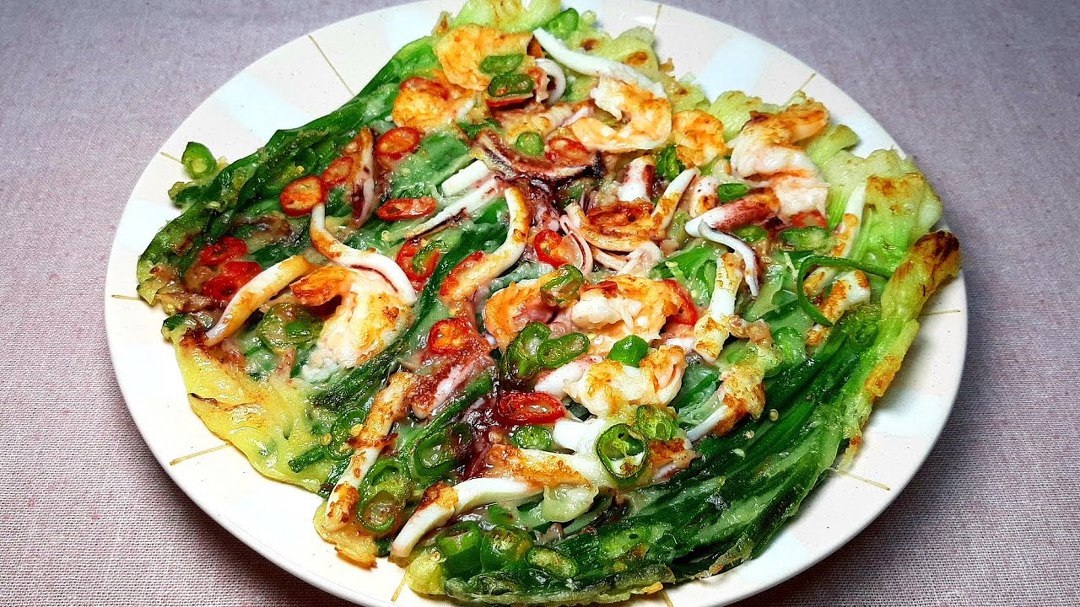
Before we dive into the specific spots, let's quickly talk about what makes a Haemul Pajeon truly great. It’s a delicate balance: a crispy exterior that shatters when you bite into it, a soft, chewy interior, generous portions of fresh seafood (shrimp, squid, mussels, clams), plenty of green onions (pa), and that perfect savory batter. Dipped in a soy-vinegar sauce, it’s pure heaven. You're going to love this!
Busan's Historic Gem: Dongnae Halmae Pajeon (동래할매파전)
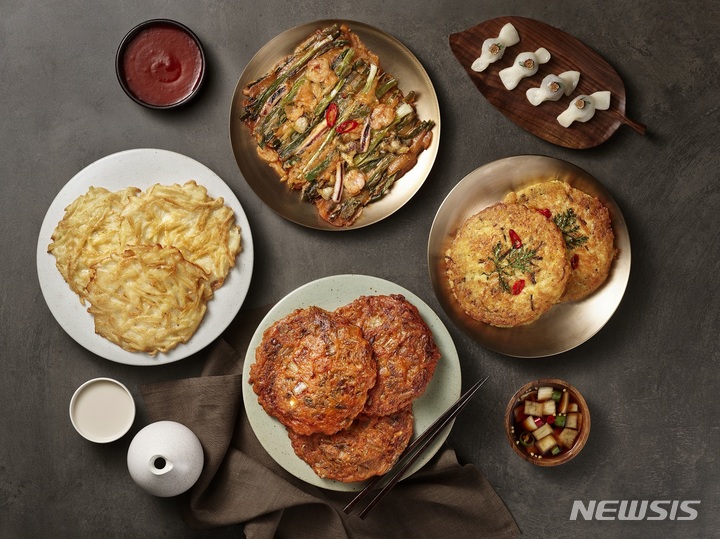
If you're serious about your Pajeon, your journey absolutely has to start in Busan, specifically with the legendary Dongnae Pajeon. This isn't just any Haemul Pajeon; it's a historical landmark, boasting a unique, royal legacy. Dongnae Halmae Pajeon, located in the Dongnae District, is the oldest and most famous purveyor of this regional specialty, a place that has perfected the art of the Dongnae Pajeon for generations.
What makes Dongnae Pajeon different? It’s often thicker, softer, and more tender than other Pajeon, using a mix of glutinous rice flour and wheat flour, and sometimes even incorporating malatang (a type of red bean paste) into the batter for a subtly sweet and savory depth. It's usually served with a drizzle of sweet gochujang (chili paste) sauce, which is a delightful departure from the usual soy dipping sauce. The seafood here is, of course, incredibly fresh, given Busan's coastal location. You'll find a generous amount of green onions, clams, shrimp, and sometimes even beef.
This place has been featured on countless shows, including Saengsaeng Jeongbotong and Yuksi Naegohyang, celebrating its tradition and unique flavor. When you step inside, you're not just eating; you're experiencing a piece of Korean culinary history. The atmosphere is warm and traditional, feeling like a visit to your grandmother's house.
What to order: Definitely the Dongnae Pajeon (동래파전). Don't forget to try their Haemul Pajeon variation if you want extra seafood kick! Pair it with some local Makgeolli or a cup of clear rice wine (cheongju) for the ultimate experience.
Price range: Expect to pay around ₩20,000 - ₩30,000 for a large Pajeon, depending on the size and ingredients. It's great for sharing!
How to get there: Take Busan Subway Line 1 to Dongnae Station (동래역). It's about a 10-15 minute walk from there, or a short taxi ride. You can also take a bus directly to the area.
Best time to visit: Lunch or early dinner to avoid the peak crowds, but honestly, it’s delicious any time!
Seoul's Bustling Market Favorite: Gwangjang Market (광장시장)
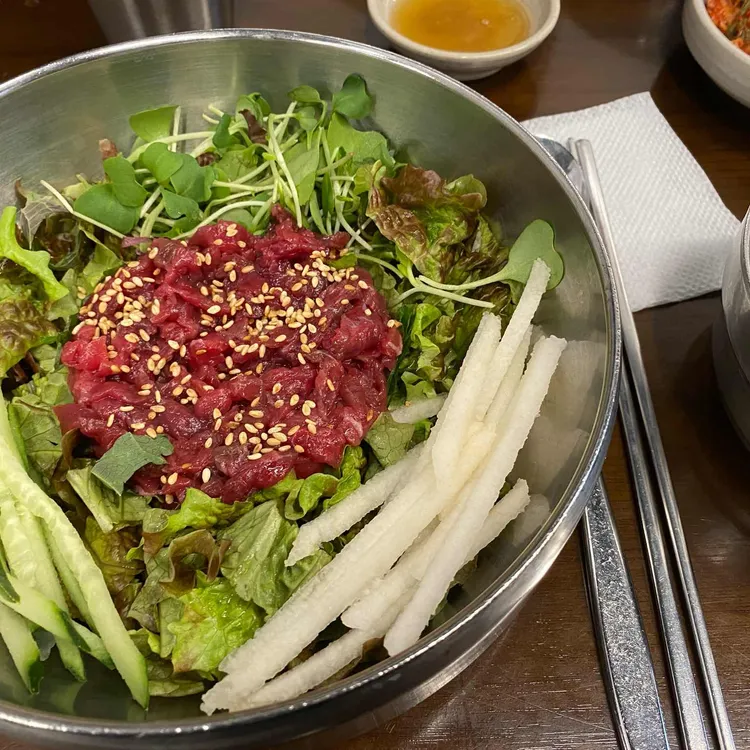
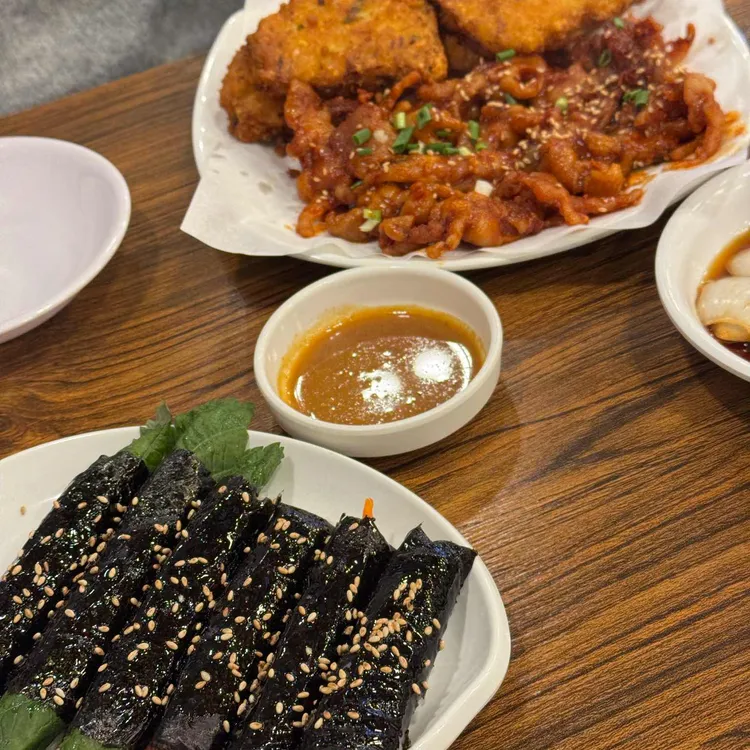
Okay, Seoul next! You absolutely CANNOT visit Seoul without experiencing the vibrant chaos and mouth-watering delights of Gwangjang Market. While it's famously known for its Bindaetteok (mung bean pancakes), many stalls also offer incredible Haemul Pajeon, making it a perfect stop for variety and an authentic street food vibe. It's been a backdrop for countless K-dramas and K-variety shows, and for good reason!
The beauty of Gwangjang Market is the sheer energy. You'll sit on small stools, elbow-to-elbow with locals, watching your Pajeon sizzle on a giant griddle right in front of you. The aroma is intoxicating! The Haemul Pajeon here is typically lighter and crispier than the Dongnae style, packed with fresh squid, shrimp, and green onions, often with a slightly thinner batter that really lets the ingredients shine. The key here is the freshness and the fast-paced cooking, ensuring every bite is piping hot and flavorful.
Many of the Pajeon and Bindaetteok stalls at Gwangjang Market have been featured on Saengsong Today and Saengsaeng Jeongbotong, highlighting their long-standing traditions and delicious recipes. Finding a good Haemul Pajeon here is easy – just look for the busiest stalls with the freshest-looking seafood and the most enthusiastic vendors!
What to order: A sizzling Haemul Pajeon (해물파전), of course! But since you’re already there, you'd be missing out if you didn't also try their famous Bindaetteok (빈대떡) and perhaps some Tteokbokki (떡볶이) or Mayak Gimbap (마약김밥). It’s a feast!
Price range: Very affordable! Haemul Pajeon typically ranges from ₩10,000 - ₩15,000. You can try a lot of different foods without breaking the bank.
How to get there: Take Seoul Subway Line 1 to Jongno 5-ga Station (종로5가역), Exit 8. The market entrance is right there.
Best time to visit: Any time of day! It’s always bustling, but going during off-peak hours (mid-afternoon) might give you a bit more breathing room.
Jongno's Hidden Gem: No Name Pajeon (이름없는전)
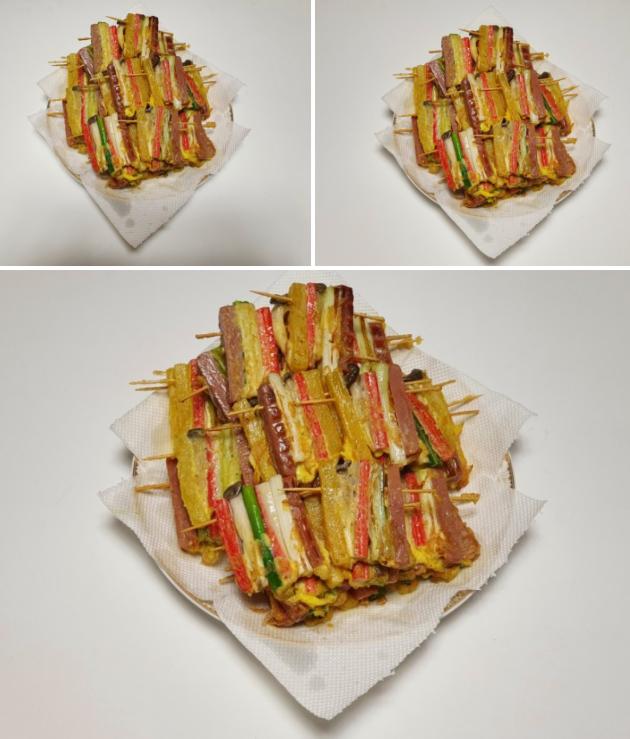
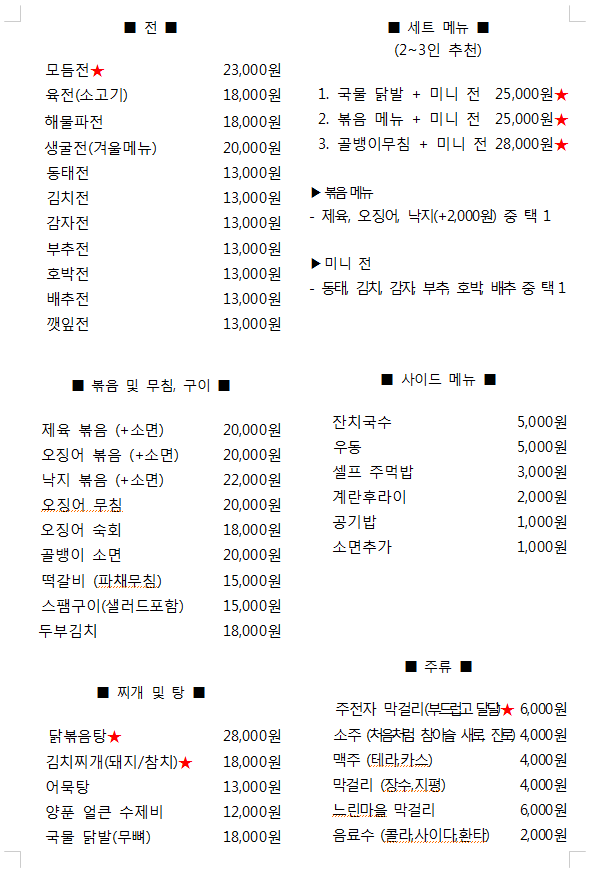
Ready for a local favorite that feels like a well-kept secret, even though it's been featured on TV? Head to the traditional alleys around Jongno 3-ga. While many places here serve Pajeon, one stands out for its atmosphere and deliciousness: the affectionately named "No Name Pajeon" (이름없는전) or sometimes just known as a popular spot in "Jeon Alley" (전골목). It’s not a single restaurant but a collection of cozy, often unassuming spots that specialize in all kinds of "jeon" (Korean pancakes) and, crucially, awesome Haemul Pajeon.
These places are all about the vibe. Picture a narrow alley, red plastic tables, and bottles of Makgeolli flowing freely. The Pajeon here is usually cooked to a beautiful golden crisp, with a generous amount of green onions and succulent seafood peeking out. What truly elevates the experience is pairing it with a chilled bottle of Makgeolli. The creamy, slightly fizzy rice wine cuts through the savory richness of the Pajeon perfectly – it’s a match made in heaven, especially on a rainy day (hence the common K-drama trope!).
Many of these jeon houses, including the "no-name" legendary ones, have been quietly celebrated on local food shows like Saengsong Today for their authentic flavors and quintessential Korean drinking culture experience. It's where you go to unwind, share stories, and truly feel like a local.
What to order: A steaming hot Haemul Pajeon (해물파전) and at least one bottle of Makgeolli (막걸리). If you're feeling adventurous, try a "Modum Jeon" (모듬전), which is a platter of various pancakes including meat, vegetable, and fish options.
Price range: Pajeon usually costs around ₩15,000 - ₩20,000. Makgeolli is typically ₩4,000 - ₩6,000 per bottle, making it a very affordable and fun night out.
How to get there: Take Seoul Subway Line 1, 3, or 5 to Jongno 3-ga Station (종로3가역). The jeon alleys are usually near Exit 4 or 5, but honestly, just wander and follow your nose (and the sound of sizzling!).
Best time to visit: Evening! This area truly comes alive after sundown, becoming a vibrant hub for friends and colleagues unwinding. It's a late-night foodie adventure you won't forget.
Haemul Pajeon Hotspots: A Quick Comparison
To help you plan your Pajeon pilgrimage, here’s a quick summary:
| Spot Name | Location | Vibe / Specialty | Price Range (Pajeon) | Best For... |
|---|---|---|---|---|
| Dongnae Halmae Pajeon (동래할매파전) | Busan (Dongnae) | Historic, thick & tender Dongnae Pajeon, unique sauce. | ₩20,000 - ₩30,000 | Authentic regional specialty & history buffs. |
| Gwangjang Market (광장시장) | Seoul (Jongno 5-ga) | Bustling market, crispy & fresh street food, variety. | ₩10,000 - ₩15,000 | Iconic market experience, variety of street foods. |
| No Name Pajeon (이름없는전) | Seoul (Jongno 3-ga) | Cozy alley vibe, classic crisp Pajeon & Makgeolli pairing. | ₩15,000 - ₩20,000 | Local hangout, traditional drinking culture, late-night fun. |
Pro Tips for Your Pajeon Adventure

- Pair with Makgeolli: Seriously, don't skip this! The creamy, effervescent rice wine is the quintessential pairing for Pajeon. It's a match made in culinary heaven.
- Rainy Day Ritual: Koreans often crave Pajeon and Makgeolli on rainy days. Why? The sizzling sound of the Pajeon is said to mimic the sound of rain. Try it – it’s magical!
- Ask for "매콤하게" (maekomhage): If you like a little spice, ask for your Pajeon "spicy." Some places can add a few chopped chili peppers to the batter.
- Dipping Sauce: Most places serve a soy-vinegar dipping sauce with chili flakes. Don't be shy; it enhances the flavor!
- Go with Friends: Pajeon is a communal dish, perfect for sharing. Order a few different kinds and enjoy the variety!
There you have it, fellow K-food adventurers! Your definitive guide to finding the best Haemul Pajeon across Korea, verified by the TV shows we all trust. Whether you're in Busan for a historic bite or exploring Seoul's lively markets and alleyways, a delicious, sizzling Pajeon is waiting for you.
So, which Haemul Pajeon spot are you hitting up first? Let me know in the comments! Happy eating, and remember to savor every crispy, chewy, seafood-packed bite!
💡 AI Travel Tip
Planning your Pajeon pilgrimage can be even easier with a little help from AI! Use these prompts to fine-tune your itinerary and discover more hidden gems:
- For detailed directions and local context: Ask your AI assistant for step-by-step public transport directions from your hotel to one of the Pajeon spots, including estimated travel time and alternative routes.
- To find other nearby attractions: Prompt for "What are some must-visit attractions or unique shops near Dongnae Halmae Pajeon in Busan?" to make the most of your travel time.
- For personalized food recommendations: If you have dietary preferences or want to explore other dishes, try "Suggest 3 authentic Korean dishes that pair well with Haemul Pajeon, besides Makgeolli, in the Jongno 3-ga area, suitable for a group of four."
- To translate and understand menus: Use image recognition tools to scan a menu and translate unknown items, or ask, "Translate and explain common Korean menu terms for Pajeon and other pancake dishes."
Prompt example: "I am staying near Myeongdong Station in Seoul. Give me detailed subway directions to Gwangjang Market, including the best exit, and suggest two other popular street foods I should try there along with Haemul Pajeon."