The Ultimate K-Food Showdown: Michelin Stars vs. TV-Featured Local Gems!

Okay, K-traveler, planning your food adventure in Korea is probably one of the most exciting (and overwhelming!) parts of your trip, right? You've scrolled through countless Reels, bookmarked every viral TikTok, and your K-drama watchlist has basically become a food documentary. You're dreaming of jjajangmyeon, sizzling Korean BBQ, and maybe even a perfectly fried chicken and beer combo. But then you start seeing these two very different categories popping up: the fancy, globally-renowned Michelin-starred restaurants, and the beloved, often no-frills, local spots verified by Korea's own TV shows. So, what's a K-fan to do? Which path leads to your ultimate Korean food destiny?
Trust me, I get it. It’s like choosing between attending a super exclusive K-pop concert in a sleek arena and finding an underground indie band’s secret show in a cozy club. Both are amazing, but totally different vibes! Here’s the thing: both Michelin-starred restaurants and TV-featured local gems offer incredible, authentic Korean food experiences. But they cater to different cravings, different budgets, and different kinds of adventures. So, let’s break down this delicious dilemma and figure out what wins for your trip!
The Lure of the Michelin Star: Elevated Korean Cuisine
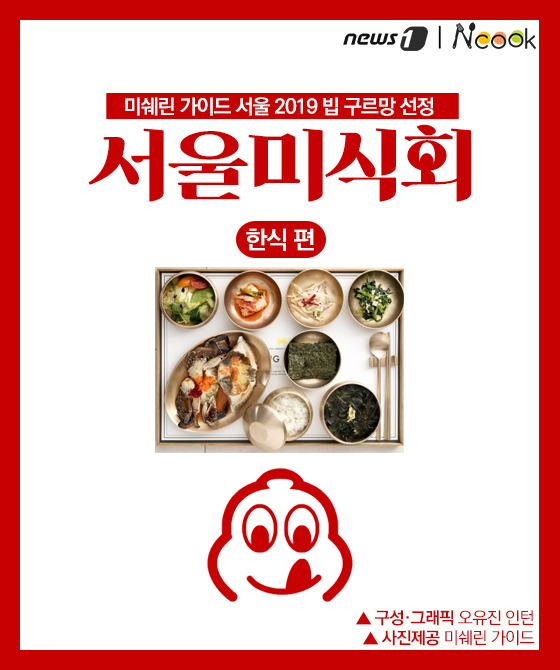
When you hear "Michelin star," your mind probably conjures images of white tablecloths, impeccably plated dishes, and a hushed, reverent atmosphere. And in Korea, that's often exactly what you get! Michelin-starred Korean restaurants are where culinary artistry meets tradition, often reinterpreting classic dishes with modern techniques and premium ingredients. We're talking about chefs who’ve dedicated their lives to elevating hansik (Korean cuisine) onto the global stage, earning accolades for their innovative menus and exquisite dining experiences.
Choosing a Michelin-starred spot means you're not just eating a meal; you're embarking on a culinary journey. You'll likely encounter a tasting menu that guides you through a chef's unique vision, blending traditional flavors with contemporary flair. Think deconstructed bibimbap, meticulously crafted banchan (side dishes) that look like tiny edible art, or an aged kimchi that's been given the royal treatment. It’s perfect for a special occasion, a romantic dinner, or if you simply want to experience the pinnacle of Korean fine dining. You're paying for the incredible ingredients, the expert technique, the exceptional service, and an unforgettable ambiance.
However, be prepared for a higher price tag – these experiences often start at around ₩100,000 to ₩300,000+ per person for a tasting menu, sometimes even more! Reservations are almost always essential, often weeks or even months in advance. And while the food is undeniably Korean, the atmosphere is definitely more formal and international, perhaps less of that bustling, "everyday" Korea vibe you might be looking for.
The Charm of TV-Featured Local Gems: Truly Authentic, Hearty Eats
Now, let's talk about the beating heart of Korean food culture: the TV-featured local gems! These are the places that are constantly featured on popular Korean TV shows like Saengsaeng Jeongbotong, Saengsong Today, and Yuksi Naegohyang. Why? Because they're masters of their craft, often family-run for decades, serving up dishes that have stood the test of time and earned the unwavering love of Koreans themselves. These aren't just restaurants; they're institutions!
These spots are all about authentic flavors, hearty portions, and an unpretentious, bustling atmosphere. Forget the fancy plating; here, it's about the pure, unadulterated deliciousness of the food. You'll find everything from a humble gukbap (soup with rice) joint that’s been perfecting its broth for 50 years, to a sizzling bulgogi place that's packed every night, or a seafood restaurant by the market where the ingredients are as fresh as they get. The food is often deeply rooted in regional specialties or a singular dish that they've made their legendary signature. This is where you taste the "real" Korea that K-dramas subtly hint at – the comfort food, the communal dining, the vibrant energy.
The biggest pros? Affordability! You can often get a fantastic, filling meal for ₩10,000 to ₩30,000 per person. The atmosphere is vibrant and authentically Korean, usually filled with locals chatting away. It's an immersive experience. The cons? These places can get incredibly crowded, especially during peak lunch and dinner hours. You might have to wait in line, and English menus aren't always available (though many places do have picture menus, and a translation app like Papago is your best friend!). But trust me, braving a line for a truly legendary kalguksu or a spicy tteokbokki is part of the adventure!
Michelin vs. TV-Featured: A Quick Comparison
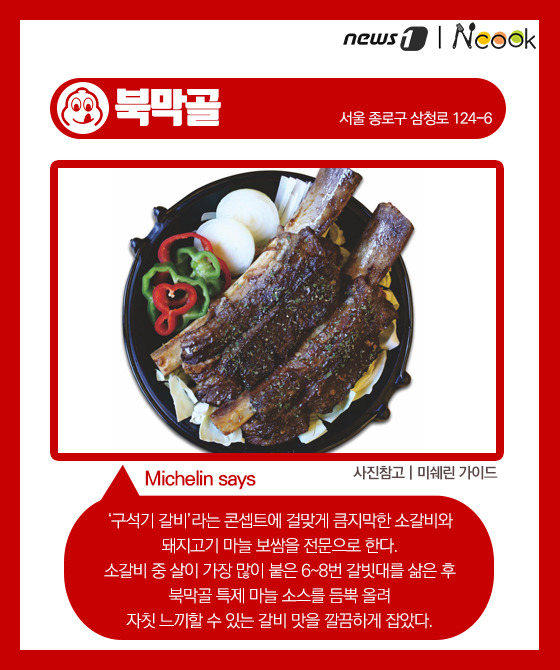
To help you weigh your options, here’s a quick rundown of the key differences:
| Feature | Michelin-Starred Restaurants | TV-Featured Local Gems |
|---|---|---|
| Experience | Fine dining, elegant, innovative culinary journey | Authentic, bustling, local immersion, hearty comfort food |
| Cuisine Style | Modern Korean, elevated, reinterpreted traditional dishes | Traditional, regional specialties, focus on one or two signature dishes |
| Price Range (per person) | ₩100,000 - ₩300,000+ | ₩10,000 - ₩30,000 |
| Ambiance | Sophisticated, often quiet, internationally focused | Lively, noisy, unpretentious, local feel |
| Reservations | Highly recommended, often required weeks/months in advance | Usually walk-ins, prepare for queues during peak hours |
| "Authenticity" | Authentic ingredients & techniques, but in a modern context | Authentic, traditional flavors, "everyday" Korean dining culture |
| Target Audience | Foodies seeking innovation, special occasions, global palette | Locals, budget travelers, those seeking genuine cultural immersion |
Making Your Choice: When to Go Which Way
So, which one wins? Spoiler: there's no single winner! It totally depends on what kind of experience you're craving that day.
- Choose Michelin-Starred if:
- You're celebrating something special (anniversary, birthday, major K-trip milestone!).
- You appreciate culinary artistry and want to see how Korean cuisine is evolving on the global stage.
- You love unique flavor combinations and a curated dining experience.
- Your budget allows for a splurge, and you want impeccable service in an elegant setting.
- Choose TV-Featured Local Gems if:
- You want to eat like a true local and experience everyday Korean dining culture.
- Your budget is tighter, but you still want incredible, high-quality food.
- You're looking for that specific, iconic Korean dish that a place has perfected over decades.
- You love the thrill of discovery and don't mind a bustling, sometimes chaotic, environment.
My insider tip? Why not experience both? For a longer trip, I always recommend mixing it up! Have one incredible Michelin experience for a special night out, perhaps in a chic Seoul neighborhood like Gangnam or Cheongdam-dong, and then spend the rest of your trip diving into the delicious chaos of TV-featured spots in neighborhoods like Jongno, Euljiro, or near a traditional market. Imagine starting your day with a hearty, budget-friendly bowl of seolleongtang (ox bone soup) from a famous Yuksi Naegohyang spot, grabbing some street food for lunch, and then enjoying an exquisite modern Korean dinner. That’s a truly balanced and unforgettable food journey!
Practical Tips for Your K-Food Adventure
- Reservations for Michelin: Use their official website or a booking app like Catchtable or OpenTable. Confirm any dress code requirements.
- Navigating Local Gems: Download Naver Maps and Papago (translation app). Naver Maps is crucial for finding these spots, and Papago will help with ordering if there's no English menu. Don't be afraid to point to pictures!
- Beat the Crowds: For TV-featured spots, try to go during off-peak hours (e.g., late lunch around 2-3 PM, or early dinner before 6 PM) to minimize waiting.
- Embrace the "Bballi Bballi" Culture: In bustling local restaurants, things move fast! Be ready to order and eat efficiently.
- Cash/Card: Most places accept card, but having some cash for smaller street food stalls or older local eateries is always a good idea.
No matter which you choose, you're in for a treat. Korean food is diverse, delicious, and deeply ingrained in the culture. So go forth, explore, and eat your heart out!
💡 AI Travel Tip
Ready to plan your culinary journey? Use AI to tailor your food experiences based on your preferences!
- For Michelin-Starred Dining:
Prompt example: "I'm planning a romantic evening in Seoul and want to try a Michelin-starred Korean restaurant. My budget is around ₩200,000 per person. I prefer innovative Korean cuisine with a modern ambiance. Can you suggest 3 options and provide their approximate location, typical reservation lead time, and a signature dish to try? Also, mention if they have a vegetarian option."
- For TV-Featured Local Gems:
Prompt example: "I'm looking for an authentic, budget-friendly Korean food experience in Seoul, featured on TV shows like Saengsaeng Jeongbotong. I'm staying near Hongdae. Suggest 3 local restaurants specializing in delicious, hearty stews or grilled meat. For each, tell me its name, neighborhood, price range, and what specific dish I should order to get the true local experience, along with tips on avoiding long queues."
- For a Mixed Itinerary:
Prompt example: "I have 5 days in Seoul and want to experience both high-end Michelin dining and authentic TV-featured local spots. Create a sample food itinerary for me, including one Michelin dinner, two TV-featured lunches (one for noodles, one for bibimbap), and two TV-featured dinners (one for BBQ, one for seafood). Provide specific neighborhood recommendations for each type of experience and a rough price estimate per meal."
About this guide
Written with AI assistance from public information, with photos credited to their sources (Korea Tourism Organization, Naver, Pexels, Unsplash). Places and TV-show mentions have not all been checked in person, and a TV appearance is not a quality guarantee. Prices, hours and menus change — please confirm on Naver Map or the venue's official channel before visiting.