Ever felt like you’re scrolling endlessly through international travel sites, seeing the same few restaurants pop up again and again? You know, the ones everyone goes to? While those spots are great, you, my friend, are looking for something more. You've binge-watched enough K-dramas and vibed to enough K-pop to know there’s a whole universe of authentic, TV-featured Korean food waiting for you.
Here’s the thing: the absolute best, most authentic, and truly hidden (but still famous among locals!) eateries in Korea aren’t always on TripAdvisor or Yelp. They're often buzzing on Naver Blog – Korea's most popular blogging platform. And trust me, once you unlock the secrets of searching Naver Blog, you'll feel like you've been handed the ultimate insider's guide to Korea.
Ready to level up your food quest from tourist to true explorer? Let's dive in!
Why Naver Blog is Your Secret Weapon
Think of Naver Blog as the ultimate treasure map, but instead of "X marks the spot," it's "맛집" (mat-jib, delicious restaurant) marks the spot. While international platforms are fantastic for broad strokes, Naver Blog is where Korean locals, foodies, and even famous TV shows spill the beans on the real culinary gems.
Why is it so powerful for finding TV-featured spots? Because bloggers often include screenshots, specific air dates, and even direct links to the TV segments! It’s like having a personal detective for every Saengsaeng Jeongbotong, Saengsong Today, or Yuksi Naegohyang feature.
The Language Barrier? Not a Problem Anymore!
I know what you're thinking: "But I don't speak Korean!" And hey, that's totally fair. But here’s the good news: with a little strategic searching and the help of translation tools, you can navigate Naver Blog like a pro. Most smartphones and browsers have built-in translation features that work wonders. You just need to know what to look for and the right keywords to plug in.
Your Basic Naver Blog Search Toolkit
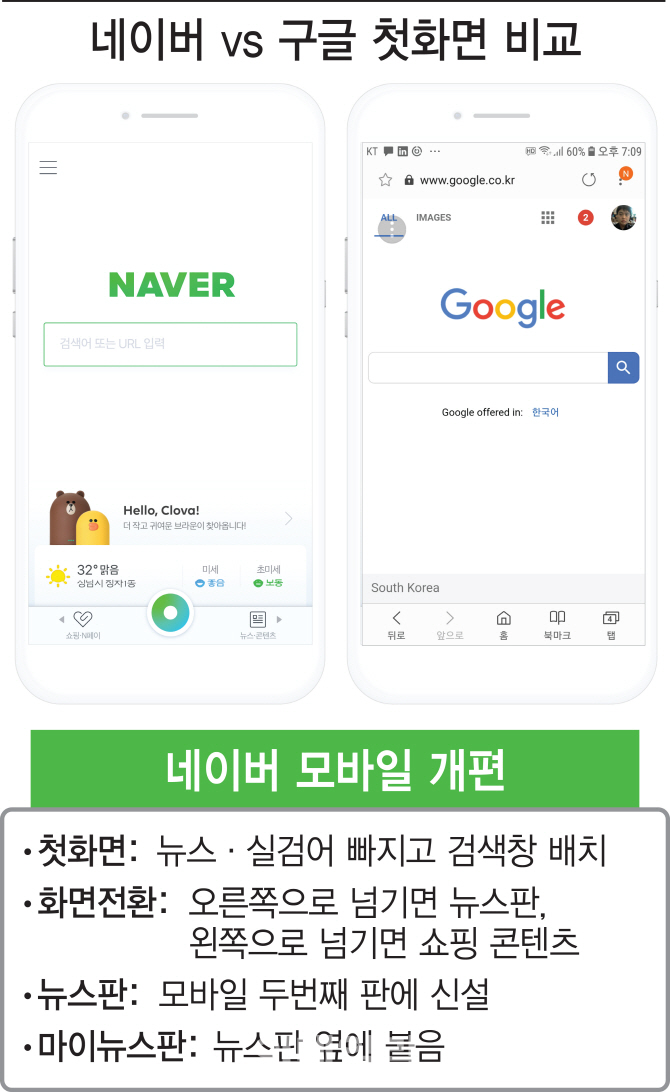
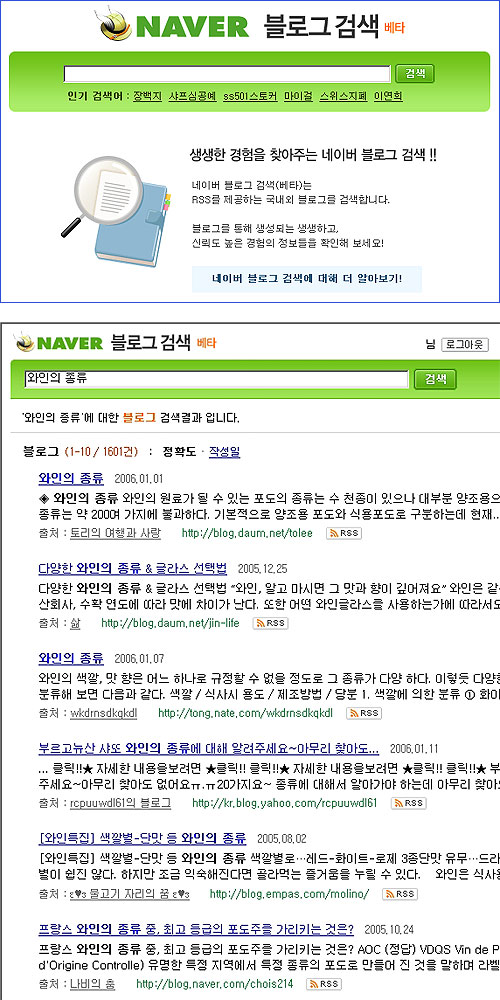
First things first: head over to blog.naver.com or simply search on naver.com and click the "블로그" (Blog) tab. Now for the magic words.
You’ll combine general food terms, location, and the magic "TV-featured" indicators. Here’s a quick table of essential Korean search terms you'll want in your arsenal:
| Korean Term (Romanized) | Korean Term (Hangul) | Meaning | How to Use It |
|---|---|---|---|
| Mat-jib | 맛집 | Delicious restaurant / Must-try spot | Append to dish or area name (e.g., "서울 냉면 맛집") |
| Bangsong Mat-jib | 방송맛집 | Broadcast-verified delicious restaurant | Your go-to for TV spots! (e.g., "홍대 떡볶이 방송맛집") |
| TV Bangsong | TV 방송 | TV Broadcast | Can be used alone or with "맛집" |
| [TV Show Name] | (e.g., 생생정보통) | Specific TV Show | Combine with dish/area (e.g., "강남 곱창 Saengsaeng Jeongbotong") |
| Hyungae Mat-jib | 현지인 맛집 | Local's favorite restaurant | Great for authentic, non-touristy spots |
Pro-Tip for TV Show Names:
While you can type "Saengsaeng Jeongbotong" directly, many bloggers might just use "생생정보" or even the exact Korean name. Your best bet is to include the romanized full name OR the common short forms if you're feeling adventurous. For this guide, stick to the full romanized names I mentioned!
Putting It into Practice: Search Like a Local
Let's find some specific, TV-featured spots. Remember, we’re aiming for examples that haven’t been the core focus of previous KoreaSpots posts!
Example 1: The Iconic Pyeongyang Naengmyeon in Seoul
Pyeongyang Naengmyeon (cold buckwheat noodles) is a true Korean delicacy, known for its subtle, savory broth. There are several famous spots in Seoul, many of which have been featured on TV.
Your search query: 서울 평양냉면 방송맛집 (Seoul Pyeongyang Naengmyeon Bangsong Mat-jib)
Or, if you want to be super specific:
마포 평양냉면 Saengsong Today (Mapo Pyeongyang Naengmyeon Saengsong Today)
This will narrow down your search to Pyeongyang Naengmyeon spots in the Mapo district that were featured on Saengsong Today.
Deciphering the Blog Posts for Eulmildae (을밀대)

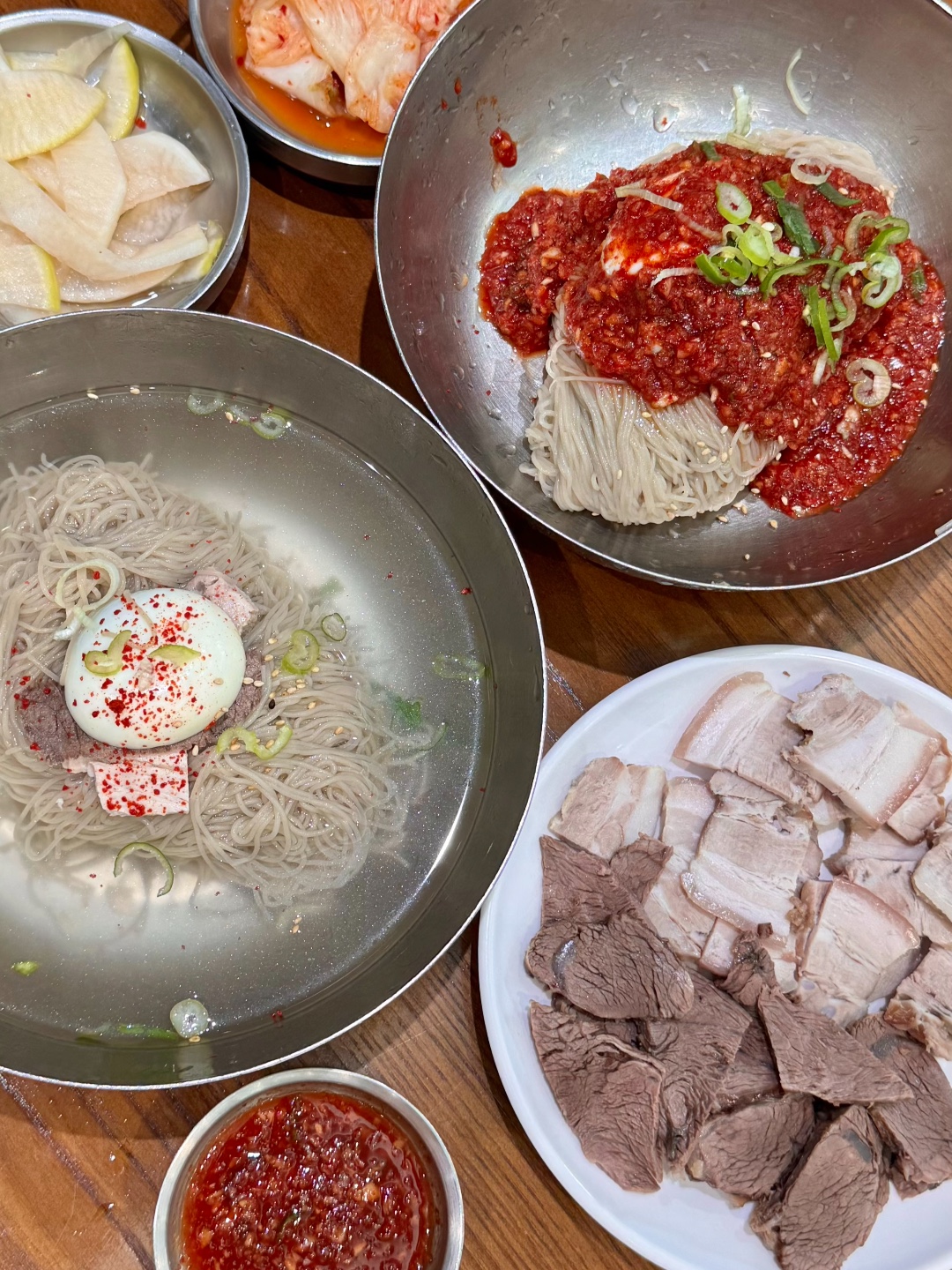
One classic example that often pops up is Eulmildae (을밀대). It’s famous for its slightly thicker, chewier noodles and a rich, meaty broth that has a unique depth. Once you click on a blog post related to Eulmildae, here's what to look for:
- TV Show Mentions: Look for text like "생방송투데이" (Saengsong Today), "생활의 달인" (Living Master), or "수요미식회" (Wednesday Food Talk). These are huge indicators. Bloggers often bold or highlight them.
- Screenshots & Photos: Many posts will have actual screenshots from the TV broadcast, showing the restaurant owner or the dish being prepared on screen. This is gold!
- The Dish Itself: For Eulmildae, you'll see photos of their signature Mul Naengmyeon (물냉면 – cold noodle soup) and maybe some Pyeongyang-style Mandu (만두 – dumplings) or Su-yuk (수육 – boiled beef slices).
- Menu & Prices: Bloggers usually snap clear photos of the menu, often with prices. A typical Mul Naengmyeon at Eulmildae is usually around 13,000-15,000 KRW.
- Address & Map: Every blog post worth its salt will have the exact address (주소) and often a Naver Map embedded. Copy the address to Naver Maps (or Kakao Maps) for easy navigation.
Practical Tip: Eulmildae in Mapo is super popular, especially in summer. Expect a wait, but trust me, it’s part of the authentic experience. Go a bit earlier or later than peak lunch/dinner times (11:30 AM or after 1:30 PM for lunch, after 7:30 PM for dinner) to avoid the longest lines. Take the subway to Daeheung Station (Line 6), Exit 2 or 3, and it's a short walk from there.
Example 2: A Taste of Nostalgia – Famous Old-School Jjajangmyeon in Seoul
Sometimes, you're just craving that comforting bowl of Jjajangmyeon (black bean noodles), and there are historic spots in Seoul known for their unique takes, often featured on TV for their long history or special recipes.
Your search query: 서울 짜장면 오래된 맛집 방송 (Seoul Jjajangmyeon Old Mat-jib Bangsong)
Or try:
종로 짜장면 Yuksi Naegohyang (Jongno Jjajangmyeon Yuksi Naegohyang)
This targets older Jjajangmyeon places in the Jongno district that were featured on Yuksi Naegohyang.
Deciphering the Blog Posts for Baengnyeonga Jjamppong (백년가짬뽕)
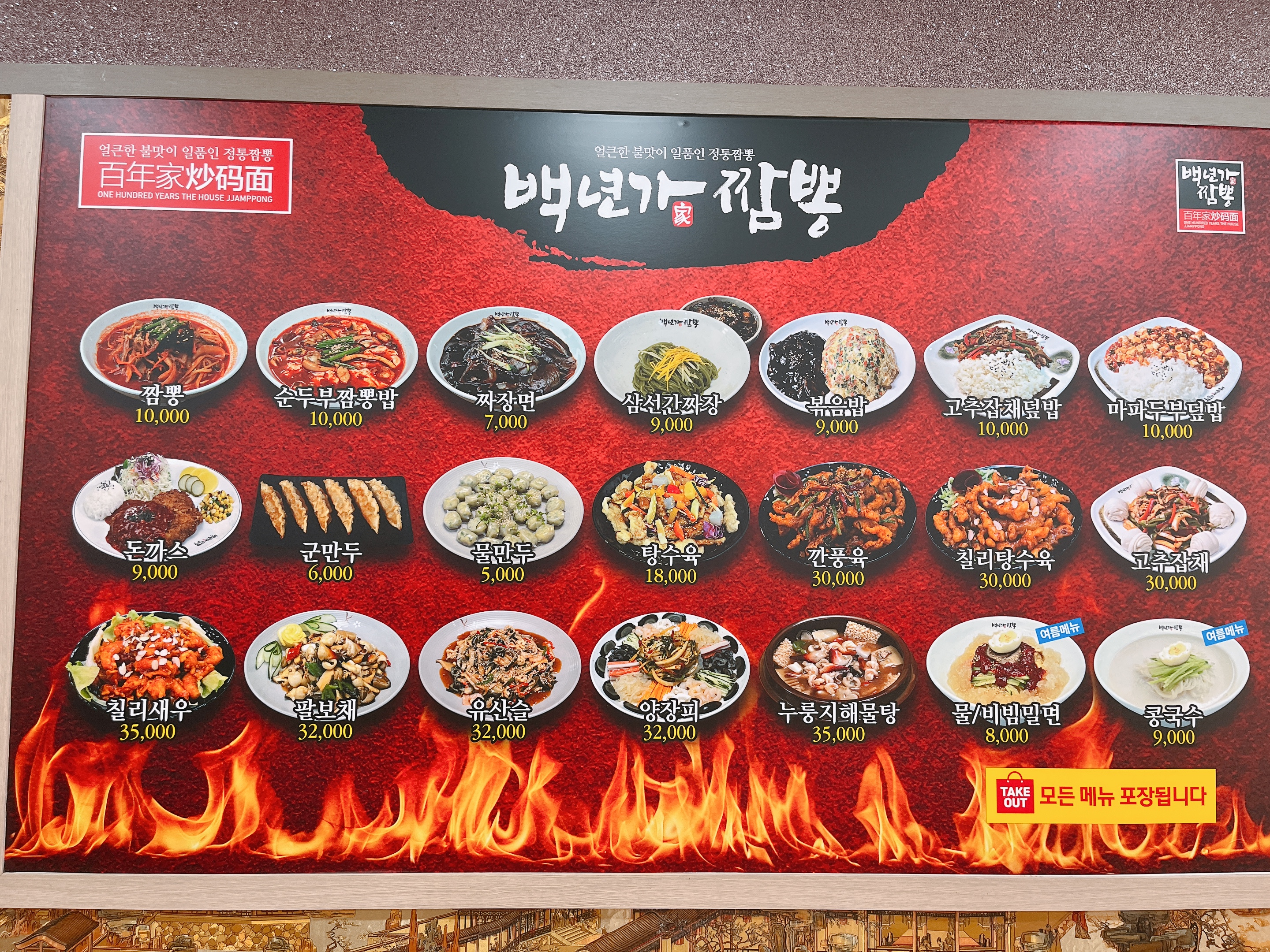
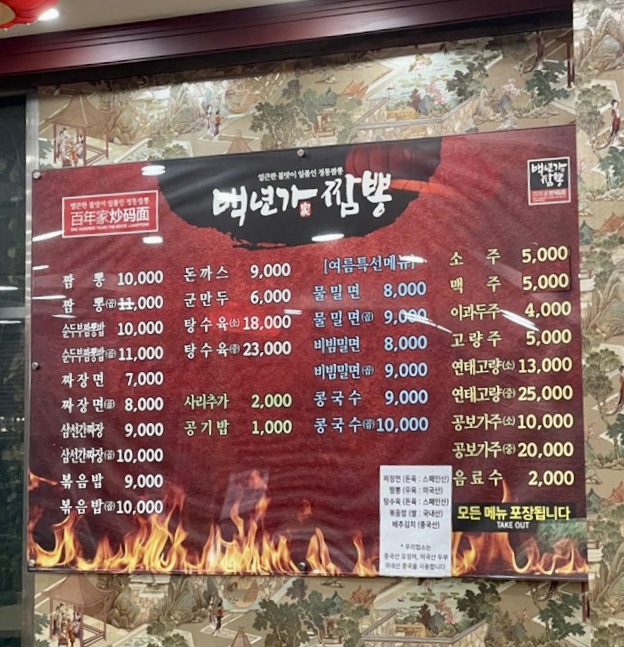
While known for Jjamppong, many traditional Korean-Chinese restaurants excel at Jjajangmyeon too, and places like Baengnyeonga Jjamppong (백년가짬뽕) in Gwanghwamun are great examples of TV-featured spots. While its name highlights Jjamppong, many traditional places have fantastic Jjajangmyeon. This restaurant has indeed been featured on several shows for its unique approach.
- TV Logos/Screens: Bloggers will often plaster a "TV 맛집" (TV Mat-jib) logo or show the show's name like "생생정보통" (Saengsaeng Jeongbotong) right in the title or opening image.
- What to Order: Besides their spicy Jjamppong, look for photos of their '옛날짜장' (Yetnal Jjajang - old-fashioned Jjajangmyeon) or '간짜장' (Ganjjajang - dry Jjajangmyeon without pre-mixed sauce).
- Price Range: Jjajangmyeon usually ranges from 7,000-10,000 KRW, Jjamppong slightly higher, around 9,000-12,000 KRW.
Practical Tip: This area is very central, close to Gyeongbokgung Palace and Cheonggyecheon Stream. It's a perfect lunch stop after some sightseeing. Take the subway to Gwanghwamun Station (Line 5), Exit 2. It’s usually bustling during weekday lunch but has a quick turnover.
Example 3: Trendy Bunsik – Tteokbokki in Hongdae
Looking for something more casual but still packed with flavor and verified by locals (and TV)? Tteokbokki is always a win, and Hongdae has some fantastic, often-featured Bunsik (snack food) joints.
Your search query: 홍대 떡볶이 방송맛집 (Hongdae Tteokbokki Bangsong Mat-jib)
You might also try specific show names:
홍대 떡볶이 Saengsaeng Jeongbotong
Deciphering the Blog Posts for Modurang Tteokbokki (모두랑떡볶이)
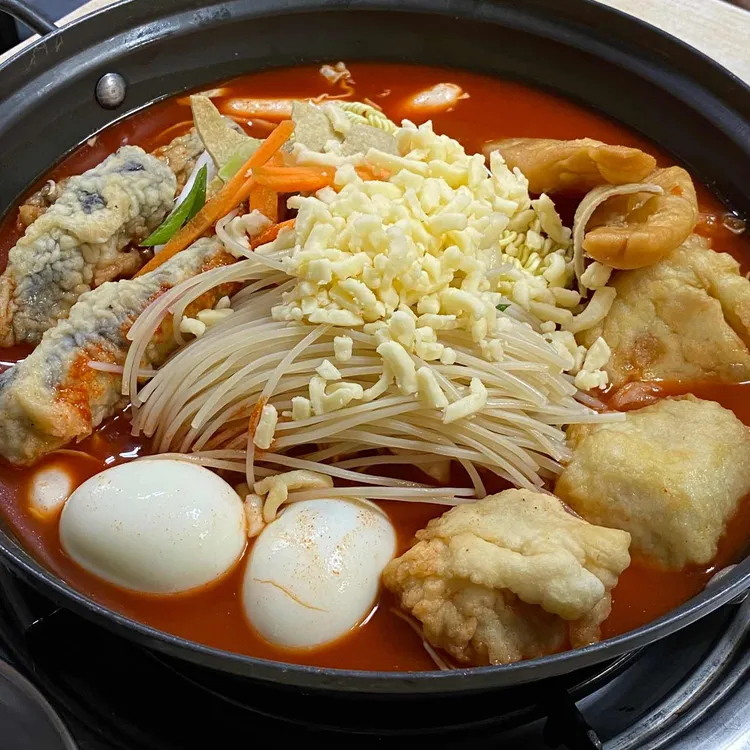
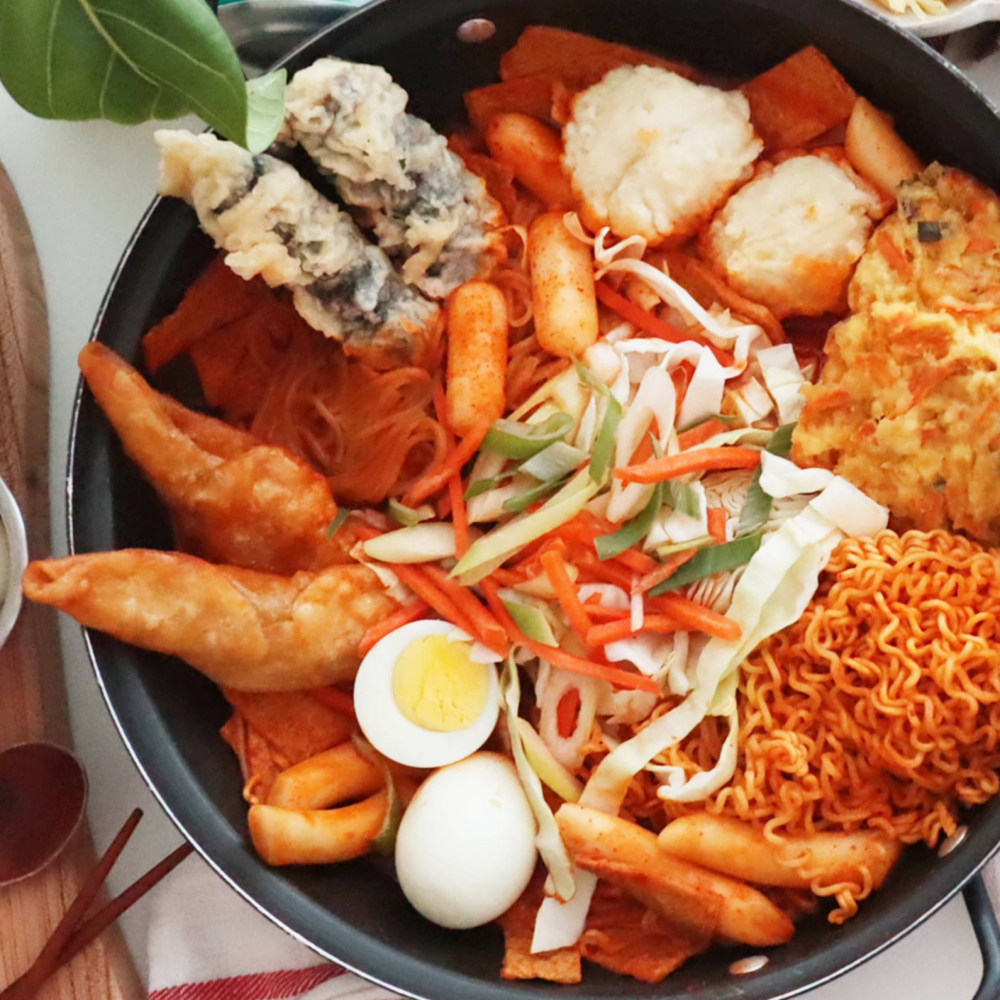
A place like Modurang Tteokbokki (모두랑떡볶이) in Hongdae is a great illustration of a popular, TV-featured Bunsik spot. Blog posts will showcase its signature "즉석떡볶이" (Jeukseok Tteokbokki), which is cooked at your table.
- Key Visuals: You'll see bubbling pots of tteokbokki with various toppings – ramen noodles, mandu, odeng (fish cakes), cheese, and even fried rice (볶음밥) at the end.
- TV Shows: Look for mentions of shows like "Saengsaeng Jeongbotong" or "Saengsong Today" in the blog post titles or images.
- What to Order: Definitely get the Jeukseok Tteokbokki and don't forget to order '볶음밥' (bokkeumbap – fried rice) with the leftover sauce at the end! It's non-negotiable!
- Price Range: Jeukseok Tteokbokki is usually ordered per serving (often 7,000-10,000 KRW per person), plus extra for toppings. Very budget-friendly.
Practical Tip: Modurang is right in the heart of Hongdae, so it's super easy to get to. Take the subway to Hongik University Station (Line 2, Airport Railroad, Gyeongui-Jungang Line), Exit 9. It’s a lively spot, perfect for a casual meal with friends before or after exploring the vibrant Hongdae streets. Expect a youthful, energetic vibe!
Beyond Restaurants: Finding Cafes, Bakeries & More!
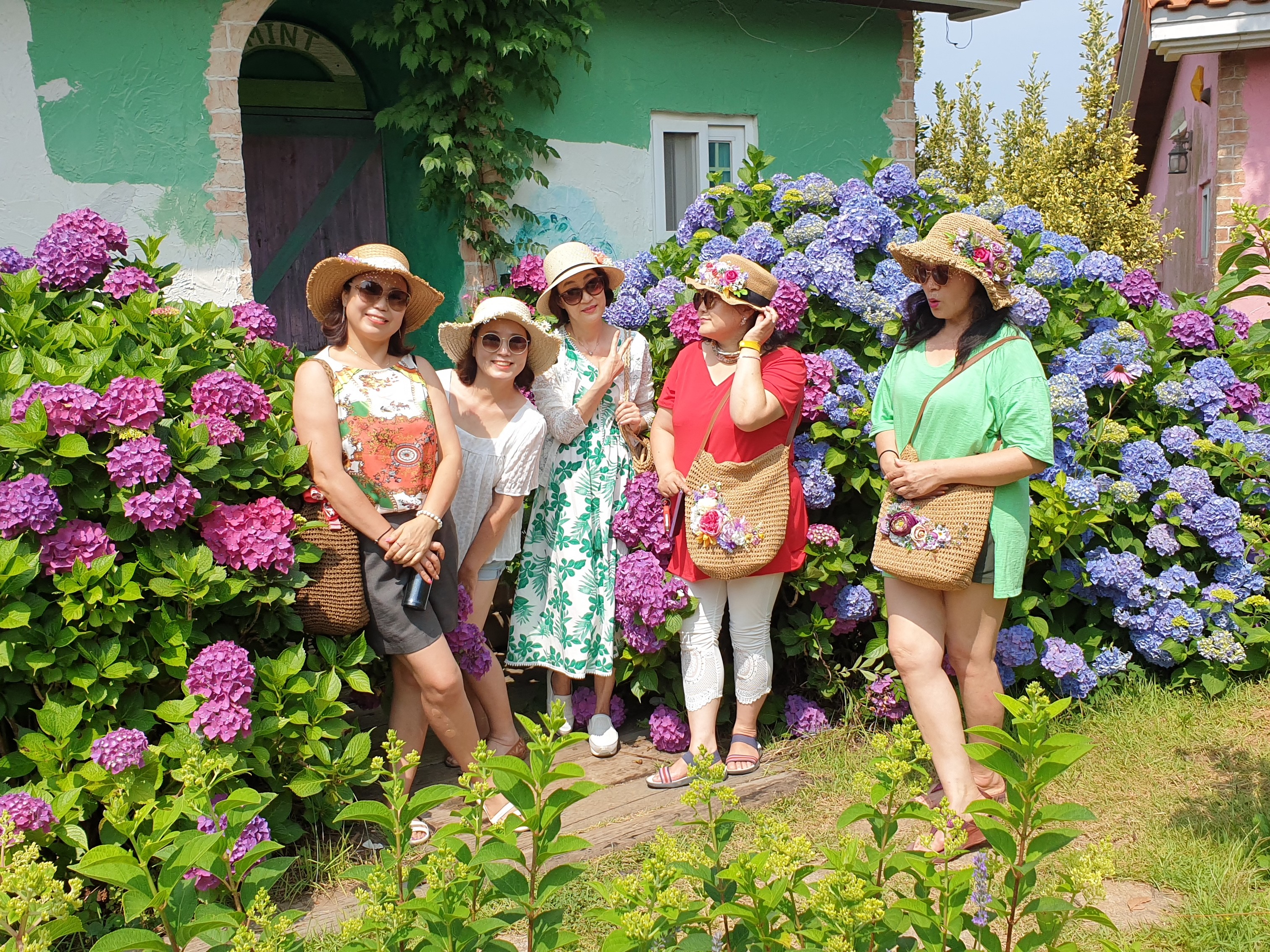
This Naver Blog method isn't just for restaurants! You can use the same approach to find TV-featured cafes, bakeries, or even unique street food vendors.
- For Cafes: Try
[Area Name] 카페 방송맛집(e.g., "익선동 카페 방송맛집" for Ikseon-dong cafes). - For Bakeries: Use
[Area Name] 빵집 방송(e.g., "성수동 빵집 방송" for Seongsu-dong bakeries). - For Street Food: Combine a market name with "맛집" and "방송" (e.g., "광장시장 맛집 방송" for Gwangjang Market verified spots).
Tips for Evaluating Bloggers & Content

While Naver Blog is a goldmine, a tiny percentage of posts might be sponsored. Here’s how to spot the truly genuine recommendations:
- Look for '내돈내산' (Nae Don Nae San): This literally means "bought with my own money" and indicates an unsponsored, genuine review. Bloggers often put this in the title or at the beginning of the post.
- Detailed Reviews: Genuine posts usually have lots of photos, detailed descriptions of the food, the atmosphere, and even tips on how to order.
- Consistency: If multiple bloggers mention the same restaurant and TV show, it's a strong indicator of its authenticity.
- Date of Post: Newer posts are great for up-to-date info, but older posts (especially for very famous spots) can confirm a long-standing reputation.
Navigating Naver Blog might seem a little daunting at first, but with these tips and a bit of practice, you’ll be unearthing Korea’s true culinary treasures like a seasoned local. Happy eating!
💡 AI Travel Tip
Ready to supercharge your Naver Blog findings with AI? Use these prompts to organize your research and plan your itinerary efficiently!
- To consolidate restaurant details:
Prompt example: "I found several Naver Blog posts about 'Eulmildae Pyeongyang Naengmyeon'. Extract the restaurant name, full address, estimated price range for main dishes, opening hours, nearest subway station and exit, and a summary of what makes it famous. Present this info in a structured table."
- To translate and summarize key information from a Korean blog post:
Prompt example: "Translate the following Korean blog post and summarize the key information about the restaurant, including its specialty dishes, atmosphere, any TV mentions, and practical tips for visitors. [Paste Korean text of the blog post here]"
- To plan a food-focused day based on your findings:
Prompt example: "I want to visit 'Eulmildae' for lunch and 'Modurang Tteokbokki' for an evening snack. Suggest a feasible itinerary for a day in Seoul that includes these two restaurants, along with nearby attractions or activities that align with K-drama/K-pop fan interests. Assume I'm starting from Gangnam."
About this guide
Written with AI assistance from public information, with photos credited to their sources (Korea Tourism Organization, Naver, Pexels, Unsplash). Places and TV-show mentions have not all been checked in person, and a TV appearance is not a quality guarantee. Prices, hours and menus change — please confirm on Naver Map or the venue's official channel before visiting.