Okay, deep breaths! I know what you’re probably thinking: “Eating vegan or vegetarian in South Korea? Isn't that like trying to find a quiet spot in Myeongdong on a Saturday night? Impossible!” And honestly, I get it. The incredible K-drama food moments often feature sizzling BBQ, hearty stews brimming with meat, and a whole lot of seafood. Plus, traditional Korean cuisine is super famous for its umami-rich broths, which often get their depth from anchovies or beef.
But here’s the thing, my friend, and trust me on this: Korea is SO much more accommodating for plant-based eaters than you might imagine! You just need a little insider knowledge and a sprinkle of confidence, and you’ll be feasting like royalty. Forget the old stereotypes; let's dive into how you can totally nail your vegan/vegetarian food journey in Korea, from ancient temple cuisine to modern plant-based cafes. You’re going to love this!
Beyond Kimchi: Your Delicious Vegan/Vegetarian Starting Lineup
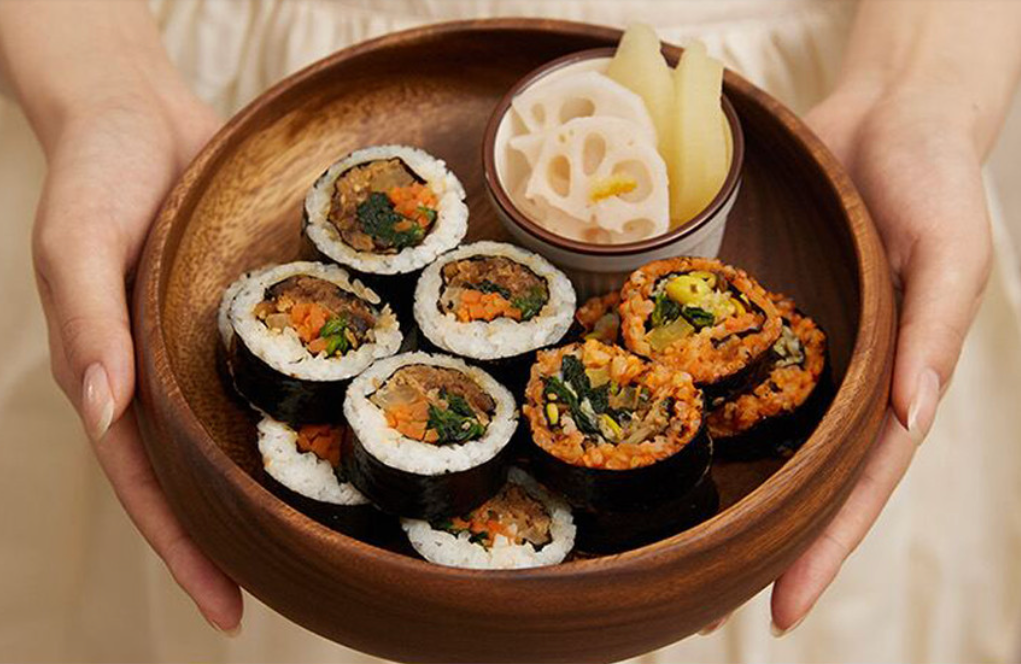
Before we explore the dedicated spots, let's talk about the staples you can often find and easily adapt. These are your everyday heroes, but remember, a quick check is always a good idea!
- Bibimbap (비빔밥): This colorful mixed rice dish is your absolute best friend. Seriously. It’s a bowl of rice topped with sautéed vegetables (namul), often an egg, and a dollop of gochujang (chili paste). To make it vegan, you’ll want to ask for it without meat (고기 빼주세요 - gogi ppaejuseyo) and without egg (계란 빼주세요 - gyeran ppaejuseyo). Many places are happy to accommodate, especially for a classic vegetable bibimbap (채소 비빔밥 - chaeso bibimbap). Keep an eye out for dolsot bibimbap (돌솥 비빔밥), served in a hot stone pot, which gets delightfully crispy rice at the bottom!
- Kimbap (김밥): Think of it as Korea’s answer to sushi rolls, but without raw fish. The most common variety, chaeso kimbap (채소 김밥) or yachae kimbap (야채 김밥), is packed with vegetables like pickled radish, carrots, cucumber, and spinach. Some variations might include ham or artificial crab meat, so just be sure to specify a pure vegetable version. It’s an amazing, affordable grab-and-go meal!
- Jeon (전): These savory pancakes are delightful. Pajeon (파전 - green onion pancake) and Kimchijeon (김치전 - kimchi pancake) are popular choices. Just a heads-up: traditional kimchi often contains fermented shrimp (새우젓 - saeujeot) or anchovy paste, so if you’re strict vegan, inquire about the kimchi ingredients. Many modern restaurants and dedicated vegan spots will use vegan kimchi. Gamjajeon (감자전 - potato pancake) is usually a safe bet, often just potato and seasoning!
- Banchan (반찬): Ah, the glorious spread of side dishes! While some banchan might contain meat or seafood (like certain stir-fries or fish cakes), many are inherently vegetarian/vegan. Think seasoned spinach (시금치 나물 - sigeumchi namul), bean sprout salad (콩나물 무침 - kongnamul muchim), various pickled radishes, and seaweed salads. Just pick and choose what looks safe!
- Tteokbokki (떡볶이): This spicy rice cake dish is a K-drama favorite! The rice cakes themselves are vegan, but the sauce and added ingredients can be tricky. Most street food tteokbokki uses fish cakes (어묵 - eomuk) and often an anchovy-based broth for depth. You might find some vegan-friendly versions in dedicated vegan restaurants or larger, more accommodating eateries. Always ask!
Seoul's Hidden Gems: Dedicated Vegan & Vegetarian Havens
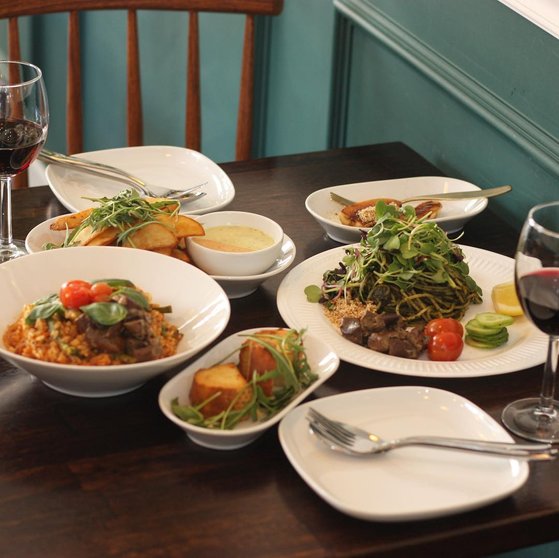
This is where your adventure truly begins! Seoul has an ever-growing number of restaurants catering specifically to plant-based diets, verified by word-of-mouth and sometimes even local TV shows for their unique flavors. You won't find these in every guidebook!
Oh Se Gye Hyang (오세계향)
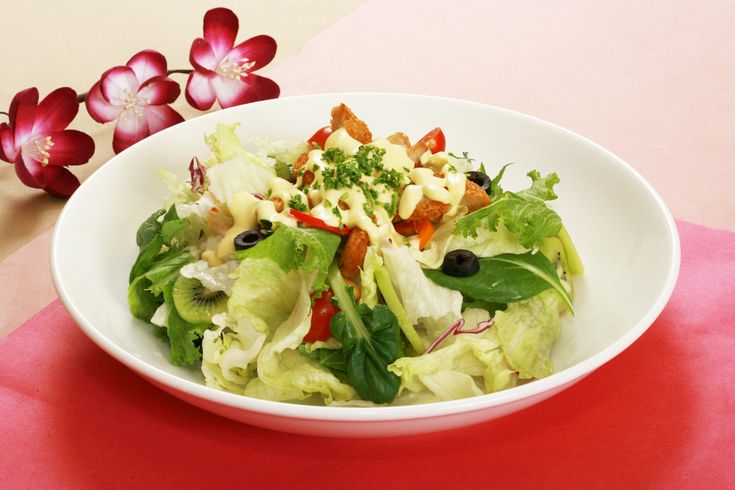
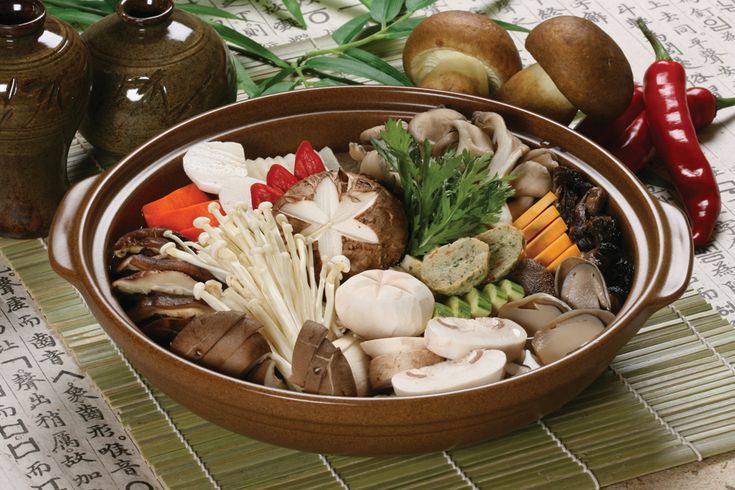
Nestled in the cultural heart of Insadong, Oh Se Gye Hyang is a fantastic starting point for anyone wanting to experience traditional Korean vegan cuisine. It's renowned for its hearty, flavorful dishes that prove vegan food can be incredibly satisfying and authentic. Many locals, not just vegetarians, flock here for its delicious and healthy offerings.
- What to Order: Their vegan BBQ "meat" (불고기 - bulgogi) made from soy protein is a must-try – it's surprisingly realistic and incredibly tasty. Also popular are their vegan stone pot bibimbap (돌솥 비빔밥), various jeon, and spicy vegan stews. Don't miss their black bean noodles (짜장면 - jjajangmyeon) which are often tricky to find vegan elsewhere!
- Price Range: Mid-range, usually 10,000 KRW - 20,000 KRW per dish.
- How to Get There: It's conveniently located in Insadong, a short walk from Anguk Station (Seoul Subway Line 3, Exit 6) or Jonggak Station (Line 1, Exit 3). It’s perfect for a meal after exploring the traditional shops and tea houses of Insadong.
- Pro Tip: This place is popular, especially during lunch hours. They have an English menu and staff are generally helpful with questions. You might even catch a glimpse of their unique dishes on local foodie segments.
Balwoo Gongyang (발우공양)
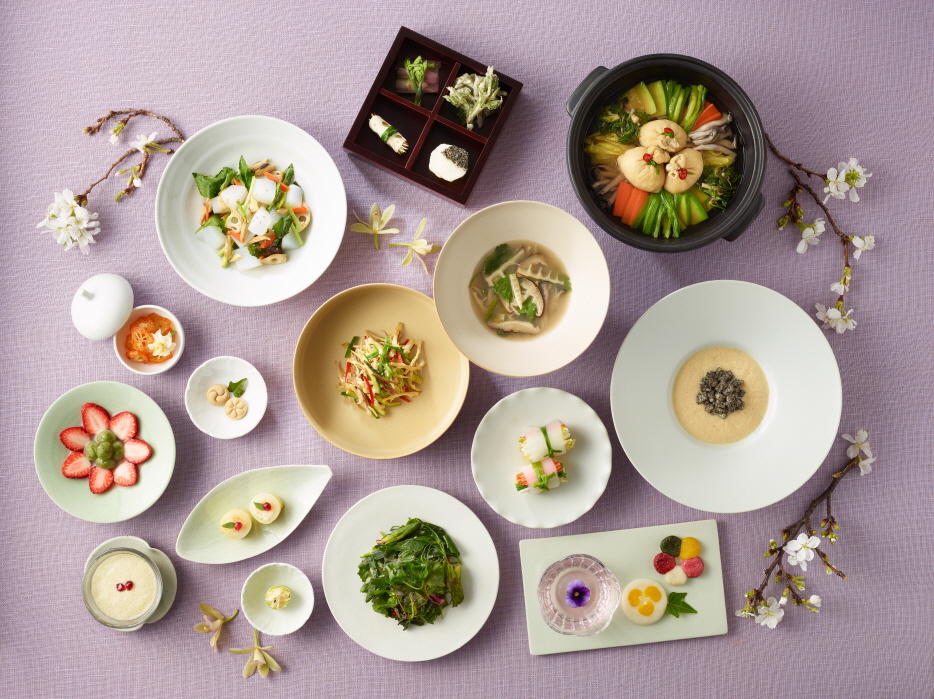
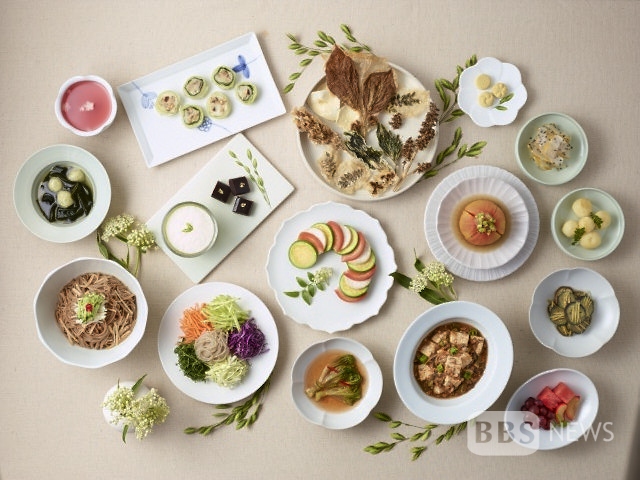
If you're ready for an elevated, refined vegan experience, Balwoo Gongyang offers Michelin-starred temple food right in the bustling heart of Jongno. It's managed by the Jogye Order of Korean Buddhism, so you know the food adheres to strict temple guidelines – no meat, fish, dairy, eggs, or even the "five pungent vegetables" (garlic, onion, leek, chives, wild garlic). It’s an experience in mindful eating and incredible flavors that you won't forget.
- What to Order: They offer set course menus that change seasonally. Each dish is a work of art, focusing on natural ingredients and traditional cooking methods. Expect delicate vegetable salads, various kinds of jeon, nourishing soups, and beautifully plated rice and side dishes. It’s a culinary journey, not just a meal!
- Price Range: High-end. Lunch courses typically start from around 40,000 KRW, and dinner courses can go up to 90,000 KRW or more. Spoiler: totally worth it for the experience!
- How to Get There: Located near Jogyesa Temple, it's easily accessible from Anguk Station (Seoul Subway Line 3, Exit 6) or Jonggak Station (Line 1, Exit 2). Make a reservation in advance, especially for dinner.
- TV Show Cred: While it's Michelin-starred, Balwoo Gongyang's reputation for authentic temple food means it's frequently highlighted in cultural features on shows like Saengsong Today or Yuksi Naegohyang, showcasing the tradition and health benefits of temple cuisine.
Plant Cafe Seoul (플랜트)

For a taste of modern, Western-inspired vegan fare, Plant Cafe Seoul in Itaewon is your spot. It’s a vibrant, trendy cafe popular with both locals and expats, offering a refreshing contrast to traditional Korean vegan options. It's proof that Seoul's vegan scene is diverse and thriving!
- What to Order: Their burgers are legendary – try the Plant Burger or the Lentil Walnut Burger. They also have fantastic bowls, wraps, salads, and an incredible selection of vegan cakes and desserts. Their smoothies and fresh juices are perfect too.
- Price Range: Mid-range, with main dishes typically ranging from 15,000 KRW - 22,000 KRW.
- How to Get There: Plant Cafe has multiple locations, but the original and most popular one is in Itaewon, a short walk from Itaewon Station (Seoul Subway Line 6, Exit 4).
- Pro Tip: It’s a great spot for brunch or a casual dinner. They have English-speaking staff and a clear English menu, making ordering a breeze.
Temple Food: A Spiritual & Culinary Retreat
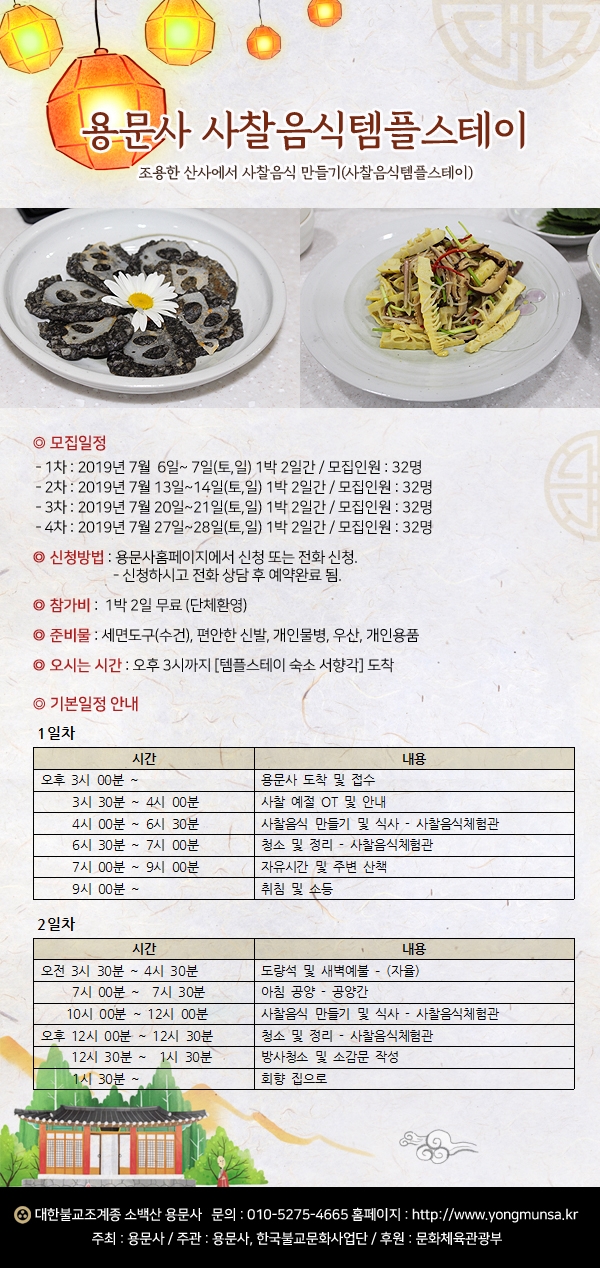
Beyond restaurants, experiencing temple food (사찰음식 - sachal eumsik) directly through a templestay (템플스테이 - templestay) program offers an unforgettable, immersive experience. These programs, often featured on travel shows like Saengsaeng Jeongbotong for their cultural significance, allow you to live like a monk for a day or two, partaking in meditation, tea ceremonies, and, of course, delicious, naturally vegan meals.
Temple food is characterized by its use of seasonal vegetables, grains, and wild herbs, prepared without any artificial seasonings or the five pungent vegetables (garlic, onion, chives, leek, wild garlic) that are believed to hinder spiritual practice. It's incredibly clean, healthy, and surprisingly flavorful. Many temples offer these programs, with options both within Seoul (like at Jingwansa Temple for day programs) and in serene mountain settings across the country.
If a full templestay isn't on your itinerary, many temples also have small eateries or cafes serving simple temple fare, or you can seek out dedicated temple food restaurants like Balwoo Gongyang in Seoul. It’s a fantastic way to delve into Korea’s ancient culinary traditions.
Your Essential Pro Tips for Navigating Korea's Food Scene

Even with dedicated spots, you’ll encounter situations where you need to communicate your dietary needs. Don't worry, it's totally doable!
- Learn Key Phrases:
- "I am vegetarian." 저는 채식주의자예요. (Jeoneun chaesikjuuija-yeyo.)
- "I am vegan." 저는 비건이에요. (Jeoneun bigeon-ieyo.)
- "No meat, please." 고기 빼주세요. (Gogi ppaejuseyo.)
- "No seafood, please." 해산물 빼주세요. (Haesanmul ppaejuseyo.)
- "No egg, please." 계란 빼주세요. (Gyeran ppaejuseyo.)
- "No dairy/milk, please." 유제품/우유 빼주세요. (Yujepum/Uyu ppaejuseyo.)
- "Does this contain meat/fish/egg/milk?" 이거 고기/생선/계란/우유 들어가요? (Igeo gogi/saengseon/gyeran/uyu deureogayo?)
- Use Translation Apps: Papago is your best friend. Type in your request, show the Korean translation, or use the voice translation feature. Most restaurant staff are incredibly understanding and helpful when you make an effort to communicate.
- Look for Signs: Keep an eye out for "채식" (chaesik - vegetarian) or "비건" (bigeon - vegan) on menus or storefronts.
- Convenience Store Hacks: You can find plenty of vegan-friendly snacks like dried seaweed (김 - gim), fruit, sweet potatoes (고구마 - goguma), and some types of bread. Always check ingredients on packaged goods – many ramyeon broths, for example, contain meat or seafood.
- Cafes are Your Friend: Most modern cafes offer soy milk (두유 - duyu) or oat milk (오트 밀크 - oteu milkeu) options for your lattes. Just ask!
See? Eating vegan or vegetarian in Korea isn’t a mission impossible. It’s an exciting opportunity to explore a different side of Korean cuisine, steeped in tradition and bursting with flavor. With these tips and a little bit of preparation, you’ll be digging into incredible plant-based meals that even your meat-eating friends will envy. Enjoy your delicious adventure!
💡 AI Travel Tip
Leverage AI tools like ChatGPT or Google Bard to streamline your vegan/vegetarian food planning in Korea. They can be incredibly helpful for finding specific spots and translating complex menu items.
- Before you go: Get a curated list of restaurants.
- On the ground: Quickly translate menu items or identify vegan ingredients.
- Finding specific dishes: If you're craving something specific.
Prompt example: "I am planning a trip to Seoul and I'm vegan. Can you give me a list of highly-rated vegan restaurants in different neighborhoods (e.g., Hongdae, Gangnam, Insadong, Itaewon) with their approximate price range and signature dishes? Also, include any that are known for traditional Korean vegan food."
Prompt example: "Translate this Korean menu item for me: '순두부찌개'. Based on typical Korean ingredients, is it usually vegan? If not, what should I ask to make it vegan (e.g., remove meat, no fish broth)?"
Prompt example: "I want to try vegan Tteokbokki in Seoul. Where can I find a restaurant that serves it, and what phrases should I use to ensure it's vegan and has no fish cakes or anchovy broth?"
About this guide
Written with AI assistance from public information, with photos credited to their sources (Korea Tourism Organization, Naver, Pexels, Unsplash). Places and TV-show mentions have not all been checked in person, and a TV appearance is not a quality guarantee. Prices, hours and menus change — please confirm on Naver Map or the venue's official channel before visiting.


