Packing for Korea?
As an Amazon Associate, KoreaSpots earns from qualifying purchases.
Ever scrolled through Instagram, drooling over a street food vendor from Saengsaeng Jeongbotong, or dreamt of that cozy neighborhood spot from Yuksi Naegohyang that just looks like a warm hug in a bowl? You know, the kind of place that feels like a secret only locals know, tucked away from the main tourist drag?
Here's the thing: those spots aren't magic. They're chosen for a reason, and you, my friend, can totally learn to spot 'em too. If you're ready to level up your Korean food hunt beyond the usual must-tries and truly discover places that feel straight out of a K-drama, then you're in for a treat. This isn't just about finding good food; it's about uncovering the stories, the legacy, and the true soul of Korean cuisine, just like the TV pros do!
The "Why" Behind the Picks: What Makes a Spot TV-Worthy?
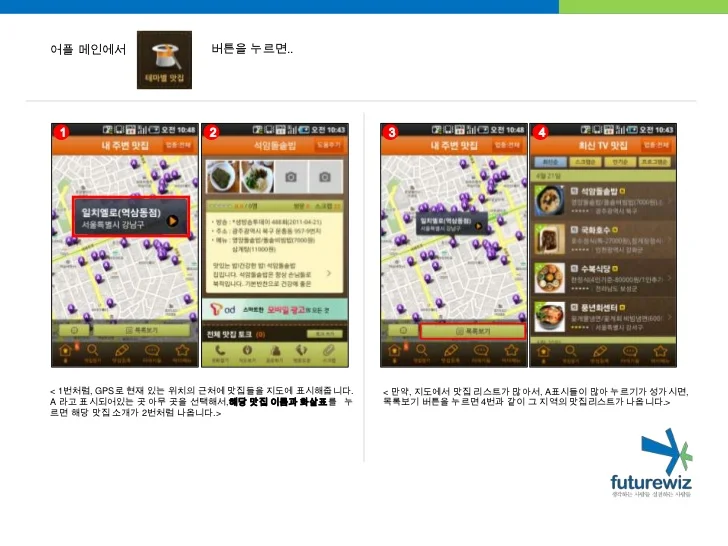
So, what makes a humble eatery go from local secret to national TV darling? It’s not just about amazing taste, though that's definitely a huge part of it. Korean food shows like Saengsong Today are actually master storytellers. In general, such shows tend to favor places with a few recognizable traits, and once you know them, you'll start spotting them everywhere.
- The Legacy Eatery (Oraen Matjip): This is probably the biggest one. Think decades-old establishments, often run by generations of the same family. Their recipes aren't just good; they're family heirlooms, perfected over time. These places usually specialize in one, maybe two, dishes. They've poured their entire lives into mastering that one thing, whether it's Gomtang, Mandu, or a specific type of Gukbap. TV shows love showing the dedication, the worn hands, the secret ingredients passed down.
- The Specialized Menu (Danil Menu-ui Dalin): You know you've found a gem when the menu has only one or two items. Seriously. If a place only sells, say, Kimchi Jjigae, you know they're probably phenomenal at it. This specialization is a hallmark of true mastery and efficiency, often leading to incredibly fresh ingredients and consistent quality. It tells you they're confident in their core offering, and that confidence often translates to TV appeal.
- The Market Gem (Sijang Meokgeori Bomul): Traditional markets are treasure troves for TV shows. Why? Because they're vibrant, authentic, and packed with history. The food stalls here often have their own stories – a particular family's Bindaetteok recipe, a long-standing Kalguksu stall, or a Tteokbokki spot that's been feeding generations of shoppers. These spots offer a sensory feast, visually appealing with steam, sizzling sounds, and bustling crowds.
- The Neighborhood Local (Dongne Matjip): These are the unassuming spots tucked away on side streets, known only to residents. They might not have flashy signs or modern decor, but they consistently serve up hearty, delicious, home-style food at reasonable prices. TV shows often highlight these to showcase a slice of everyday Korean life and the simple, comforting meals locals truly enjoy.
Decoding the Clues: Your Field Guide to Spotting TV-Worthy Eats
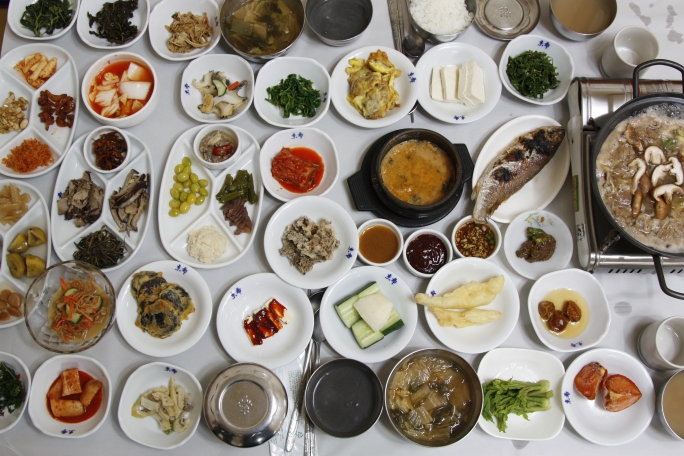
Okay, so you know what TV shows look for. Now, how do you put on your detective hat and find these places yourself? It's all about observing the subtle cues that scream "authentic gem!"
- Look for the Lines (Teukhi Eoreusindeuri Jul Seoneun Got): This is the oldest trick in the book, but with a twist. Don't just look for any line. Pay attention if the line is predominantly older Koreans (ajumma and ajeossi). This is a huge indicator of quality and tradition. They know good food, and they appreciate places that respect classic flavors. If young people are lining up too, it means the spot has transcended generations – even better!
- Minimalist, Worn, or Handwritten Menus: If the menu is a single laminated sheet, or even a handwritten sign on the wall, you're probably in the right place. It signals a focus on the food, not fancy branding. Bonus points if the menu is mostly in Korean. A small, focused menu often means they do a few things exceptionally well.
- The Aroma Test: Trust your nose! As you walk through a neighborhood, does a particular scent stop you in your tracks? The rich, savory smell of slow-simmering broth, the spicy-sweet aroma of grilling meat, or the comforting scent of freshly made Mandu can lead you directly to a hidden treasure.
- Observe the Crowd (Rokal Sonnim): Are the tables filled with office workers on their lunch break, families having dinner, or groups of friends chatting over drinks? If it's mostly locals, especially during peak hours, that's a fantastic sign. They're not there for the hype; they're there for the consistently good food.
- Neighborhood Research (Dongne Tamheom): TV shows often feature spots that are cornerstones of their neighborhoods. Before you go, do a little research on specific areas known for certain types of food. For example, Jongno-gu is famous for traditional Korean food, while Mapo-gu is a go-to for grilling. But don't stop there – wander off the main streets into the smaller alleys!
A Legendary Example: Hadongkwan for Gomtang

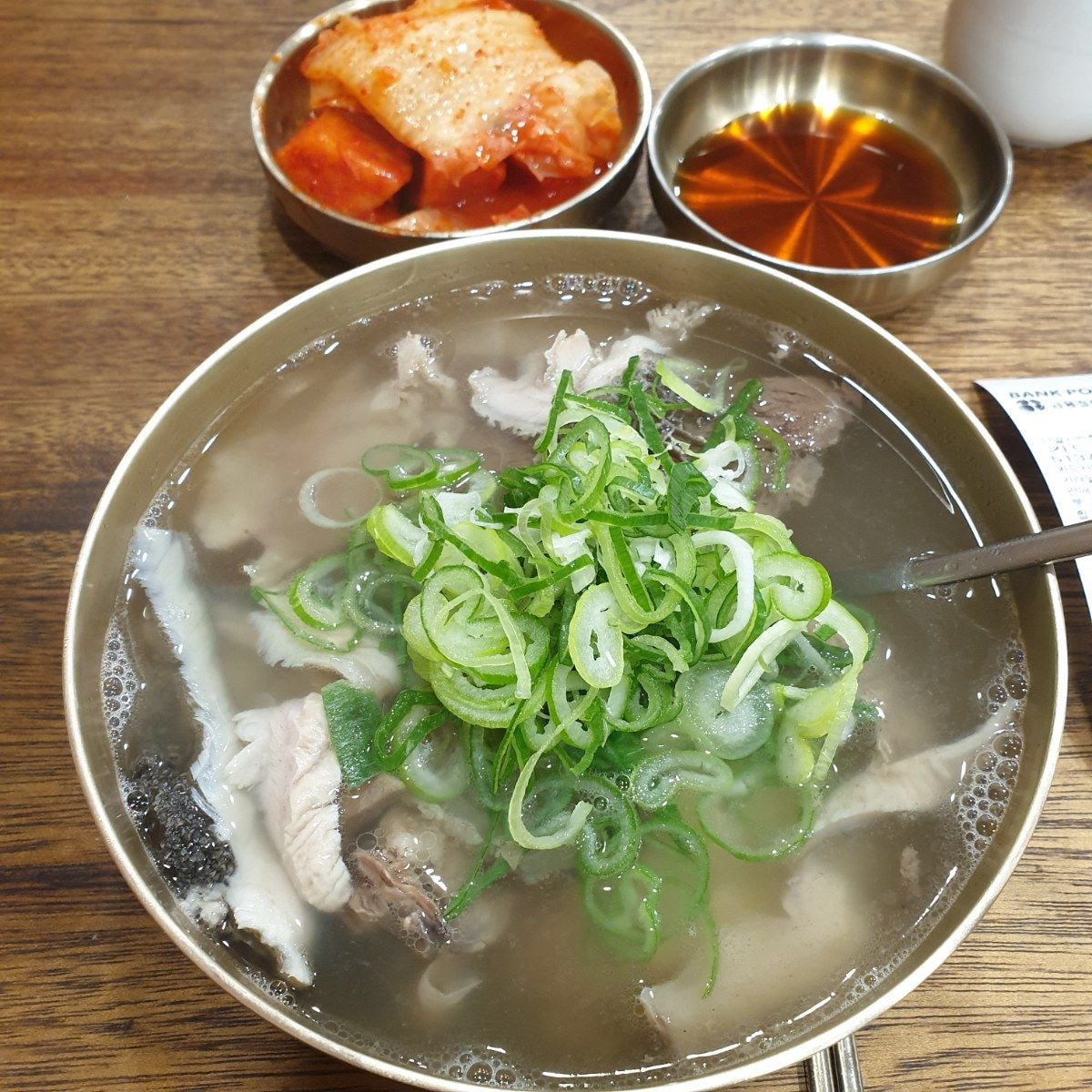
Want a concrete example of a place that embodies many of these TV-worthy traits? Look no further than Hadongkwan. This restaurant has been serving up its signature Gomtang (a rich beef bone soup) for many decades. It's an institution, a place where generations have come for comfort and tradition. You'll find a simple menu, often a line, and a steady stream of locals of all ages. It's not fancy, but the taste is pure, unadulterated heritage. It's the kind of legacy, single-focus place that food shows often like to highlight, though we can't point to a specific episode.
Hours and menus change — double-check on Naver Map or the venue's official channel before you go.
Your Detective Toolkit: Navigating Korea Like a Food Show Producer

Now that you know what to look for, let's talk about how to actually get out there and discover these spots. It's about combining intelligent research with adventurous wandering.
Strategy 1: Dive into Traditional Markets (Jeontong Sijang)
Markets are a goldmine. Think beyond the big names like Gwangjang Market (though that's a fantastic starting point for its sheer variety). Explore smaller, local markets that might not be as tourist-heavy. These are often where the true "market gems" hide.
- What to do: Go with an open mind and an empty stomach! Wander the alleys. Look for stalls with long lines, especially those serving only one or two items. Observe what locals are buying. Don't be afraid to try street food (Meokgeori) that looks intriguing.
- What to order: Bindaetteok (mung bean pancakes), Tteokbokki (spicy rice cakes), Eomuk (fish cakes), Gyeranppang (egg bread), Kalguksu (knife-cut noodles). Many market vendors will have their own special versions.
- Budget: $ (very budget-friendly)
- Best time to visit: Mid-afternoon for a snack, or early evening for a casual dinner as the market buzzes.
Strategy 2: Wander the Back Alleys of Historic Neighborhoods (Golmokgil)
Historic neighborhoods like Jongno-gu, Ikseon-dong, or even parts of Bukchon Hanok Village (just off the main tourist paths) are perfect for finding those "neighborhood local" spots. These areas retain a lot of their traditional charm and often house restaurants that have been there for decades.
- What to do: Ditch the map for a bit (or at least your strict itinerary). Just stroll down narrower streets and alleys. Look for eateries that seem to blend into the residential surroundings. Listen for the sounds of cooking and lively chatter.
- What to order: Often traditional Korean dishes like hearty stews (Kimchi Jjigae, Doenjang Jjigae), Bibimbap, or simple grilled meats. Many places will have a "Jeongsik" (set meal) offering a variety of side dishes.
- Budget: $$
- Best time to visit: Lunch or dinner during the weekdays, when locals are out. Weekends can be busier.
Strategy 3: Follow Your Interests to "Specialty Alleys" Meokja Golmok
Many Korean cities have entire alleys dedicated to a single dish. Think Dwaeji Gukbap Alley in Busan, or Jokbal Alley near Dongdaemun in Seoul. These are places where every restaurant specializes in the same thing, leading to fierce competition and incredibly high standards. TV shows often love these for their unique cultural vibe.
- What to do: Pick your favorite dish and seek out its designated "alley." Walk down the street, peek into a few places, and pick the one that feels right – maybe it's the one with the most locals, or the one that just smells irresistible.
- What to order: Whichever dish the alley is famous for! Don't overthink it.
- Budget: $$ - $$$
- Best time to visit: Dinner, when these alleys truly come alive.
Comparative Table: Finding Your Perfect TV-Worthy Spot
| Type of Spot | TV Show Appeal | Your Scouting Strategy | Typical Offerings |
|---|---|---|---|
| Legacy Eatery (Oraen Mat-jip) | Generational story, deep tradition, perfected single dish. | Seek out decades-old, small menus, older clientele. | Gomtang, Seolleongtang, Mandu, specialized Gukbap. |
| Market Gem (Sijang Meokgeori) | Vibrant atmosphere, diverse street food, local energy. | Wander traditional markets, look for bustling stalls. | Bindaetteok, Kalguksu, Tteokbokki, Eomuk. |
| Neighborhood Local (Dongne Mat-jip) | Authentic home-style cooking, community feel. | Explore quiet residential alleys, off main streets. | Kimchi Jjigae, Doenjang Jjigae, Bibimbap, casual grilled meat. |
| Specialty Alley (Meokja Golmok) | Focused expertise, competitive quality, lively scene. | Find alleys dedicated to one specific dish. | Jokbal, Dwaeji Gukbap, Gopchang, Ganjang Gejang. |
Trust me, once you start looking for these cues, your entire approach to finding food in Korea will transform. You won't just be eating; you'll be discovering. You'll be experiencing Korea like a local, one delicious, authentic, TV-worthy bite at a time. So grab your Naver Map, open your senses, and get ready for an adventure!
💡 AI Travel Tip
Leverage AI tools to pinpoint areas ripe for discovery. While AI can't replace the joy of stumbling upon a hidden gem, it can significantly narrow down your search for those TV-show-esque spots by giving you hyper-local insights.
- Find "Legacy" Restaurants: Ask for areas known for long-standing eateries specializing in traditional dishes.
- Identify Market Gems: Query for traditional markets with renowned food sections or specific "food alleys" within them.
- Discover Neighborhood Locals: Ask for specific districts or neighborhoods known for a high concentration of local, non-touristy restaurants.
Prompt example: "I'm looking for a neighborhood in Seoul known for traditional, long-standing restaurants specializing in Gomtang or Seolleongtang, frequented by older locals rather than tourists. What areas should I explore?"
Prompt example: "Suggest traditional markets in Busan that are famous for specific street food dishes and popular with local residents. Give me a few dishes to look for."
About this guide
Written with AI assistance from public information, with photos credited to their sources (Korea Tourism Organization, Naver, Pexels, Unsplash). Places and TV-show mentions have not all been checked in person, and a TV appearance is not a quality guarantee. Prices, hours and menus change — please confirm on Naver Map or the venue's official channel before visiting.


