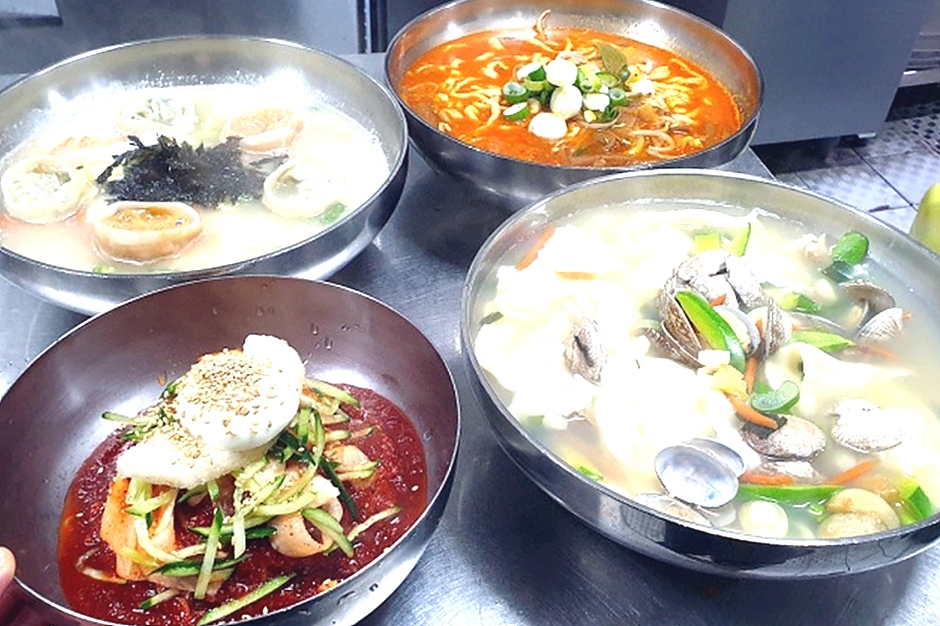
Ever watched your favorite K-drama characters sit by the water, casually dipping translucent slices of raw fish into spicy red paste, and wondered what the hype is all about?
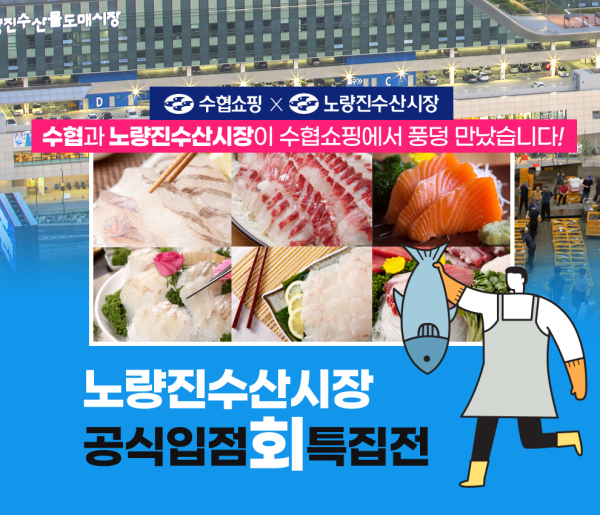
If you have a trip planned to Korea and you only stick to Korean barbecue, you are missing out on half the culinary magic. I am talking about hoe, Korea’s incredible take on raw seafood. It is fresh, it is interactive, and it is a massive part of local social culture. But let us be real for a second—walking into a massive Korean fish market or a neighborhood raw fish restaurant can feel totally intimidating if you do not know the unspoken rules. How do you pick your fish? What on earth is hoedeopbap? And why is everyone eating lettuce wraps with raw seafood?
Trust me, once you get the hang of it, you are going to fall completely in love with the experience. Let us break down everything you need to know about navigating the live seafood scene like a seasoned pro.
What is Hoe and How Do You Eat It Like a Local?
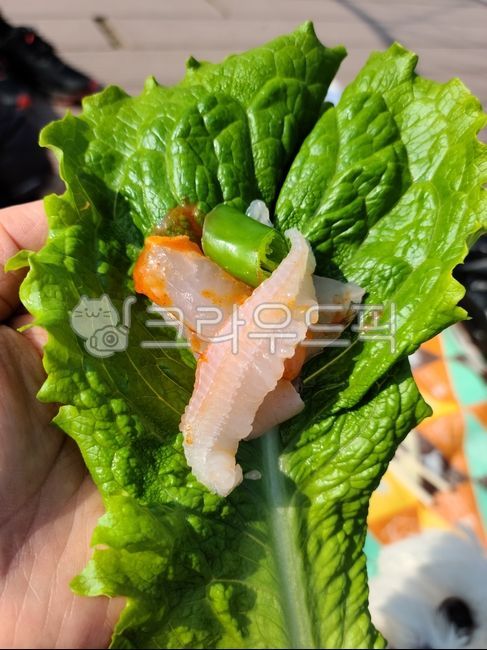
Compared with Japanese sashimi, which is often enjoyed simply with a touch of soy sauce and wasabi, Korean hoe is all about texture and bold, communal flavors. The fish is sliced thin, served on a bed of chilled garnish, and paired with a lineup of dipping sauces and fresh greens. You will usually get a choice of ssamjang (a savory, nutty soybean and chili paste) mixed with sesame oil and garlic, chogochujang (a sweet and fiery red pepper vinegar sauce), and good old soy sauce with wasabi.
Here is your insider move for your first bite: grab a crisp perilla leaf or lettuce leaf, lay down a slice of fish, add a dab of ssamjang, toss in a slice of raw garlic and a green chili pepper if you like some heat, and wrap it all up into one glorious bite. It is crunchy, chewy, spicy, and fresh all at once. And spoiler alert: you are going to want to wash it all down with a cold bottle of Cass beer or crisp soju.
Navigating the Legendary Noryangjin Fisheries Wholesale Market
Hours and menus change — double-check on Naver Map or the venue's official channel before you go.
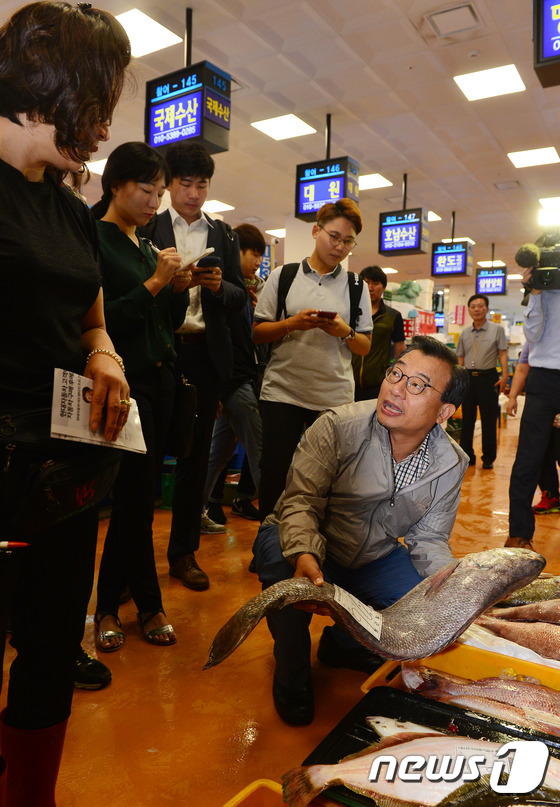
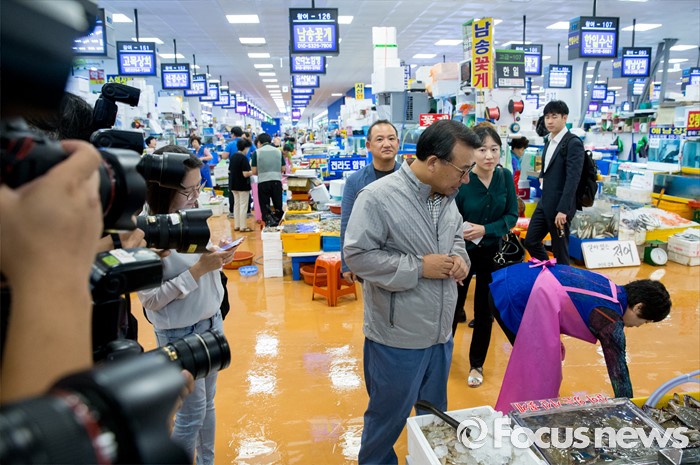
If you want the ultimate live seafood experience, you have to visit Noryangjin Fisheries Wholesale Market in Seoul. Fun fact: Korean TV shows like Saengsaeng Jeongbotong often cover traditional markets and food spots. Here is how it works: you walk onto the massive ground-floor market floor, look at the tanks of wriggling, hyper-fresh fish, and point to what you want to eat. The vendors will weigh it, quote you a price, and then hand you a little ticket or guide you upstairs to one of the partner dining restaurants known as yangdaejip.
Upstairs, those restaurants will take your raw fish and set you up with a table, side dishes, and the sauces for a small per-person seating fee. Don't skip ordering maeuntang at the end of your meal—it is a spicy, boiling fish bone stew made from the leftovers of your fish, loaded with vegetables and red pepper paste, and it is the ultimate comfort food after a round of raw fish.
Hoedeopbap: Your Ultimate Budget-Friendly Lunch Fix
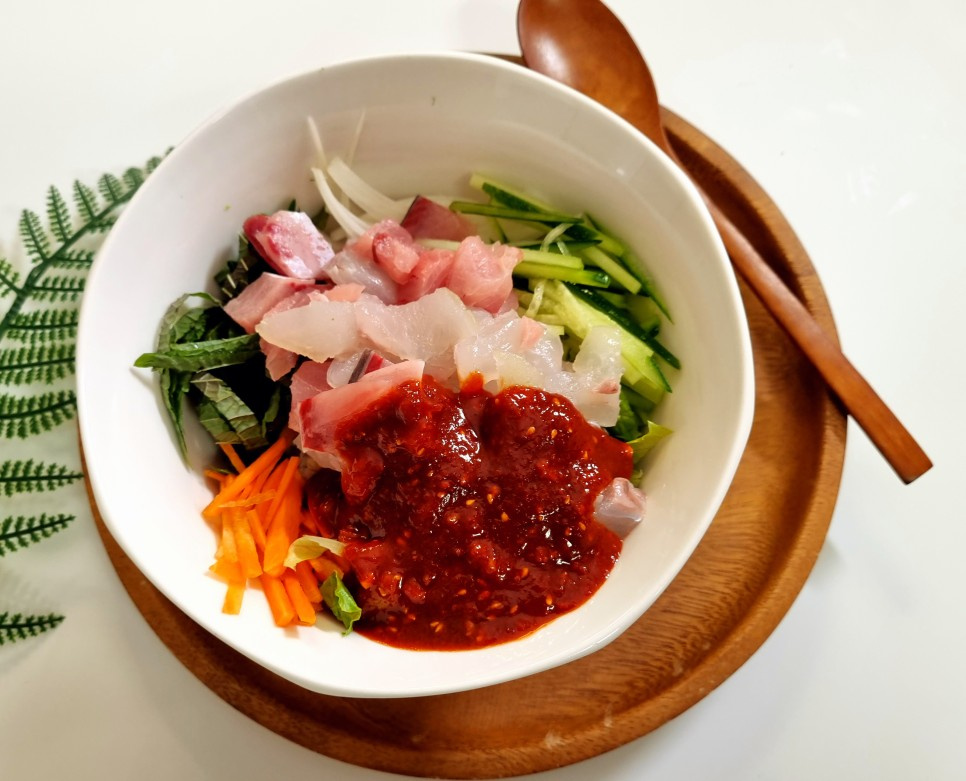
Maybe standing in a wholesale fish market sounds a little too intense for a casual Tuesday lunch. No worries at all! That is where hoedeopbap comes to the rescue. Think of it as a vibrant cousin to bibimbap, but instead of cooked beef or vegetables, the star of the bowl is cubes of fresh raw fish—usually flatfish, rockfish, or tuna—piled over a bed of rice, shredded cabbage, lettuce, carrots, and cucumber.
You squeeze a generous spiral of chogochujang right over the top, grab your spoon, and mix everything together until every grain of rice is coated in that tangy, sweet, and spicy sauce. It is refreshing, incredibly filling, and usually costs a fraction of ordering a whole fish platter. You can find amazing bowls of hoedeopbap at almost any neighborhood casual seafood restaurant near subway stations across Seoul.
Quick Comparison: Where and How to Get Your Seafood Fix
| Option | Best For | Vibe & Experience | Estimated Price Range |
|---|---|---|---|
| Fish Markets (e.g., Noryangjin) | Groups & adventurous eaters | Interactive, loud, pick your own live fish | Varies by fish and season; check current prices |
| Neighborhood Hoe Restaurants | Relaxed dinners with friends | Cozy, comes with tons of side dishes (banchan) | Varies by menu; check before visiting |
| Casual Lunch Spots | Solo travelers or quick bites | Quick service, single-bowl meals | Usually the most budget-friendly; check before visiting |
Essential Tax and Payment Tips for Seafood Markets
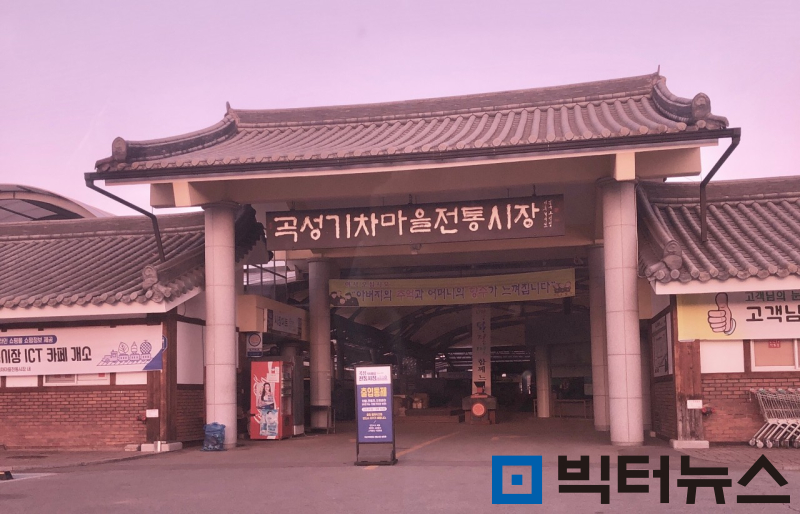
Let's talk logistics, because navigating cash versus card at traditional fish markets used to be a headache. Fortunately, things have gotten much easier for international travelers visiting spots like Noryangjin or local neighborhood spots.
Many stalls accept cards, but payment options vary by vendor, so it is always smart to keep a little bit of physical Korean won in your pocket just in case the card reader acts up or you want to buy small snacks from older vendors. If you are shopping at traditional wet markets outside of Seoul, cash is still king. Also, keep in mind that seafood prices fluctuate daily based on the catch and seasonal availability, so the price per kilo might vary slightly from what you read online. Don't stress too much—just ask for the price before they scoop your fish out of the tank!
💡 AI Travel Tip
Use AI to generate precise ordering scripts and decode complex seafood market menus before you step foot inside a busy venue like Noryangjin Fisheries Wholesale Market. You can ask for seasonal recommendations based on the exact month you are traveling, since different fish taste best at different times of the year.
- Generate a cheat sheet of seasonal fish names in Korean
- Create exact phrases to ask for side dish refills and soup preparation
- Calculate fair budget estimates based on group size
Prompt example: "Act as a local Korean foodie guide. I am visiting Noryangjin Fish Market in October. Give me a list of the top 3 seasonal fish right now, how to ask for them in Korean, and what the current average price per kilo is for two people."
About this guide
Written with AI assistance from public information, with photos credited to their sources (Korea Tourism Organization, Naver, Pexels, Unsplash). Places and TV-show mentions have not all been checked in person, and a TV appearance is not a quality guarantee. Prices, hours and menus change — please confirm on Naver Map or the venue's official channel before visiting.


