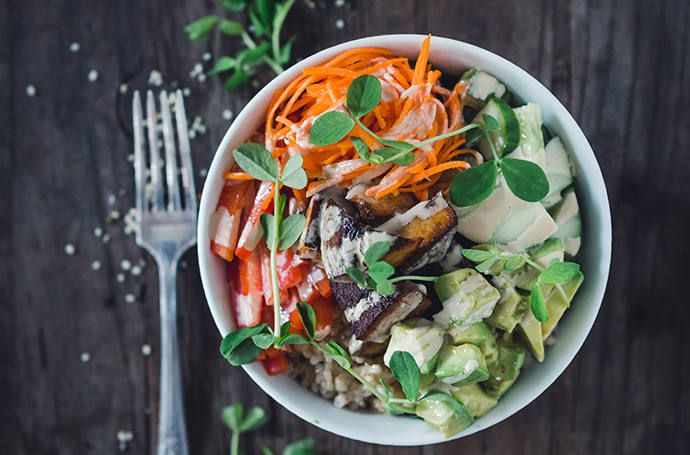
Level Up Your Seoul Snaps: The Ultimate Korean Food Photography Guide for Content Creators!
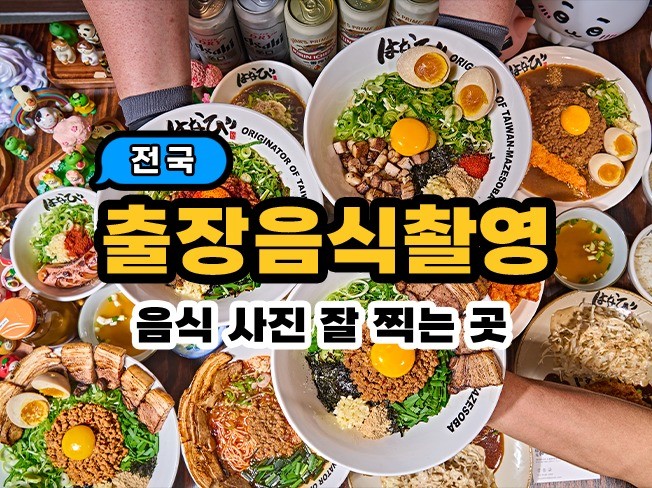
You've scrolled through Instagram, drooled over TikTok, and probably paused your K-drama countless times just to gaze at a perfectly plated Korean dish. Right? You're not alone! Korea isn't just a dream destination for K-pop and K-drama fans; it's a paradise for content creators, especially when it comes to food. But here's the thing: taking a good photo of your ramyeon or tteokbokki is one thing, creating scroll-stopping, mouth-watering content that truly captures the magic of Korean cuisine? That’s an art form. And trust me, you're going to want to master it.
Forget blurry phone shots in dim lighting. We're diving deep into making your Korean food photos look like they leaped straight out of a glossy magazine or a high-budget K-drama scene. Ready to transform your feed from "yum" to "YUMMMMM"?! Let’s get snapping!
Foundation First: Essential Photography Techniques for Korean Food
Before we hit the best spots, let's nail the basics. These aren't just tips; they're the secret sauce to making your photos sing.
Mastering the Light: Your Best Friend is Natural Light
This is probably the most crucial tip! Korean food is vibrant, colorful, and often served with an array of stunning banchan. Harsh overhead restaurant lighting or a flash will flatten those beautiful hues. Always, always, always aim for natural light.
- Window Seats are Gold: When dining, snag a seat near a window. The soft, diffused light is perfect.
- Overcast Days are a Blessing: Don't despair if it's cloudy! Overcast skies act like a giant softbox, providing beautifully even light without harsh shadows.
- Avoid Direct Sunlight: While natural light is great, direct, strong sunlight can create blown-out highlights and deep shadows. Try to find a spot where the light is bright but indirect.
Angles & Composition: Tell a Story, Not Just a Plate
Don't just point and shoot! Think about what you want to emphasize.
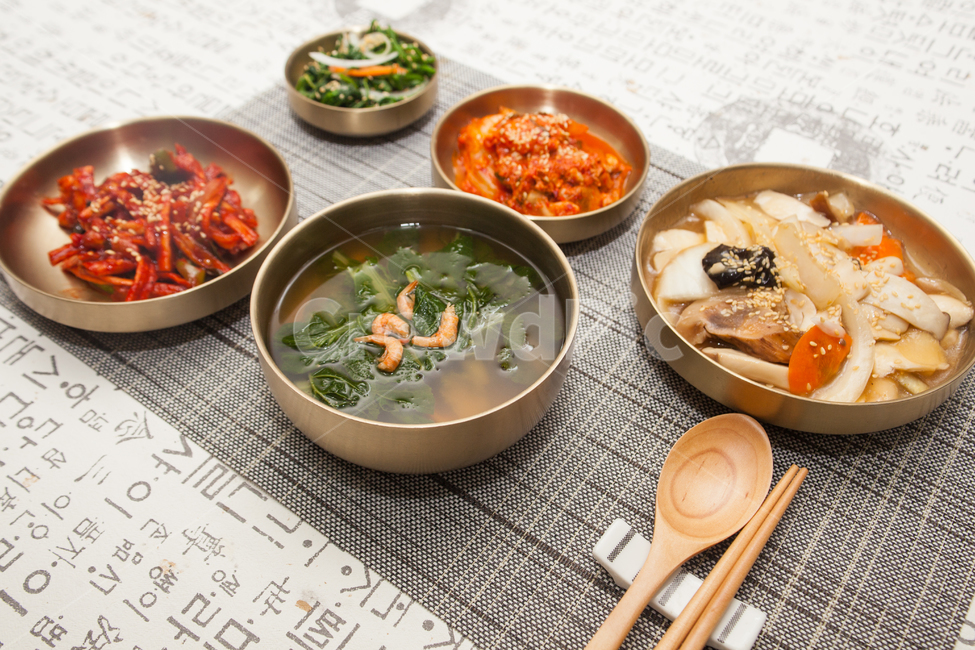
- The Overhead Shot (Flat Lay): Perfect for a table full of banchan, a sprawling Korean BBQ setup, or a colorful bibimbap. It shows the whole spread beautifully. Make sure your phone/camera is parallel to the table to avoid distortion.
- The 45-Degree Angle: This is your go-to for most dishes. It gives depth and dimension, letting you see into the bowl or onto the plate. Great for soups, stews, and towering dishes.
- The Close-Up Detail: Don't forget the textures! A close-up of sizzling bulgogi, glistening ganjang gejang, or the steam rising from a hot jjigae can be incredibly enticing.
- Rule of Thirds: Imagine your shot divided into a 3x3 grid. Place your main subject (or key elements) along these lines or at their intersections for a more dynamic and engaging composition.
Color & Plating: Embrace the Aesthetic
Korean food is already a visual feast. Leverage that!
- Highlight Contrasts: The red of gochujang, the green of vegetables, the white of rice – let these colors pop!
- Use the Banchan: Those little side dishes aren't just for eating; they're perfect for adding visual interest, color, and texture to your wider shots.
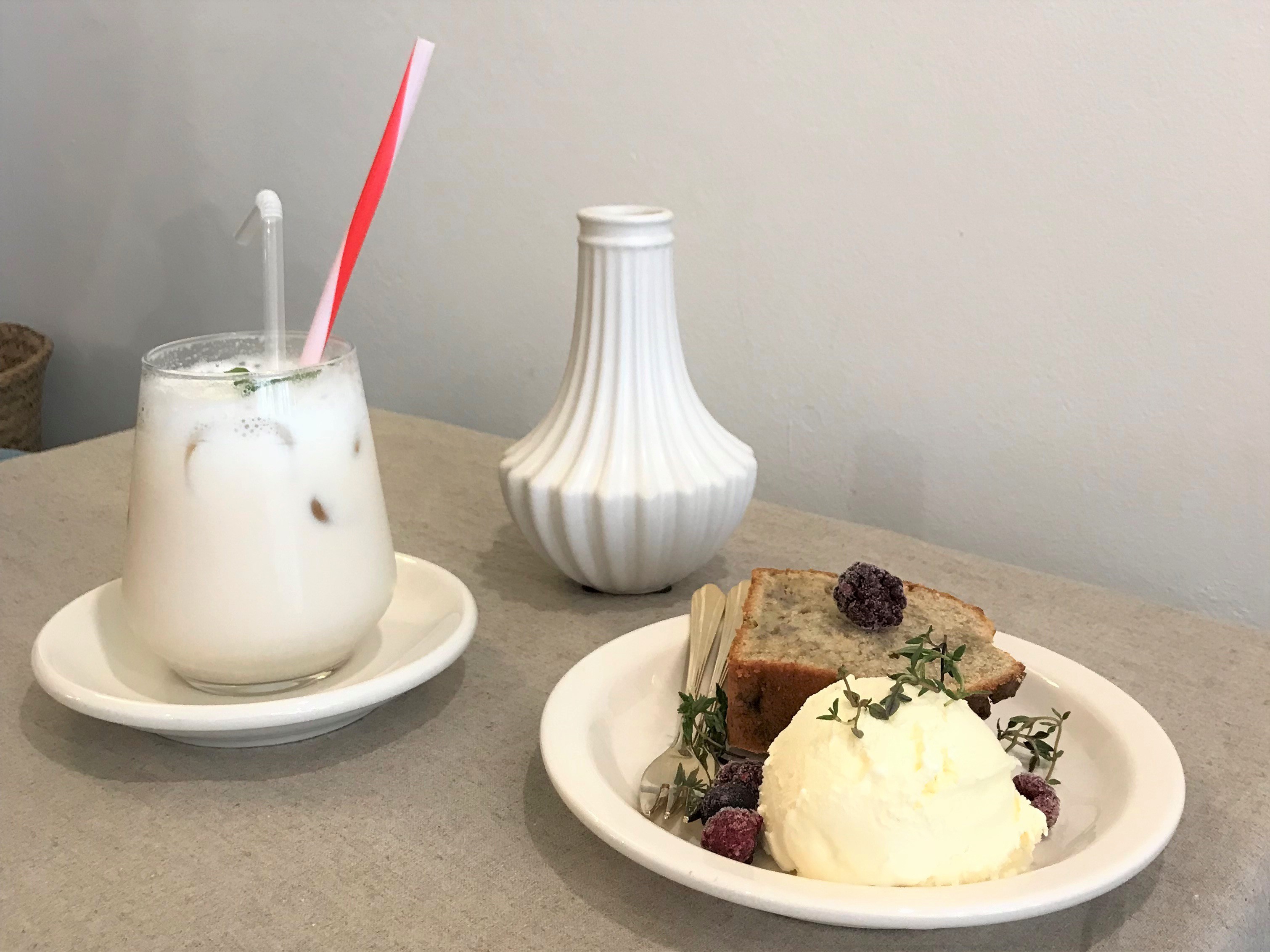
- Minimalism vs. Abundance: Sometimes a single, beautifully presented dish (like a delicate dessert in a cafe) is best shown simply. Other times, the sheer abundance of a Korean meal (like a royal court full course) is the story itself. Adapt your approach.
Photography Hotspots: Where to Capture Iconic Korean Food Moments

Now that you've got the basics down, let's talk locations! Korea is full of photogenic food spots, each offering a different vibe for your content. Here’s a quick guide to some must-visit areas:
| Vibe/Category | Best For | Location/Neighborhoods | Photography Focus | Pro Tip |
|---|---|---|---|---|
| Bustling Street Food & Market Energy | Authentic Korean street eats, vibrant crowds, raw energy | Gwangjang Market, Myeongdong Street Food Alley, Namdaemun Market | Candid shots, steam & smoke, close-ups of preparation, overhead market views | Go during lunch/dinner rush for peak energy, but off-peak for less crowded shots. |
| Aesthetic Cafes & Trendy Bites | Beautifully plated desserts, brunch, unique cafe interiors, hanok vibes | Hapjeong, Ikseon-dong, Anguk (especially around Bukchon Hanok Village), Seongsu-dong | Minimalist compositions, intricate details, natural light streaming through windows, architectural backdrops | Visit during weekdays or early mornings to avoid crowds and get cleaner shots. |
| Traditional & Historic Dining | Classic Korean cuisine (hanjeongsik), historic restaurant settings, cultural ambiance | Samcheong-dong, Insadong, Bukchon Hanok Village (select spots) | Table spreads (full course), traditional decor, dishes in traditional earthenware | Focus on the entire dining experience, including the setting and presentation. |
| Modern & Fusion Flavors | Innovative dishes, creative plating, sleek restaurant designs | Gangnam, Garosu-gil, Hongdae | High-contrast, clean lines, artistic plating, mood lighting (use wisely!) | Look for unique textures and experimental presentations. |
Spotlight On: Specific Venues & Dishes for Your Lens
Okay, let's get specific. Here are a few places that are practically begging to be photographed!
Gwangjang Market: Sunheene Bindaetteok
Hours and menus change — double-check on Naver Map or the venue's official channel before you go.
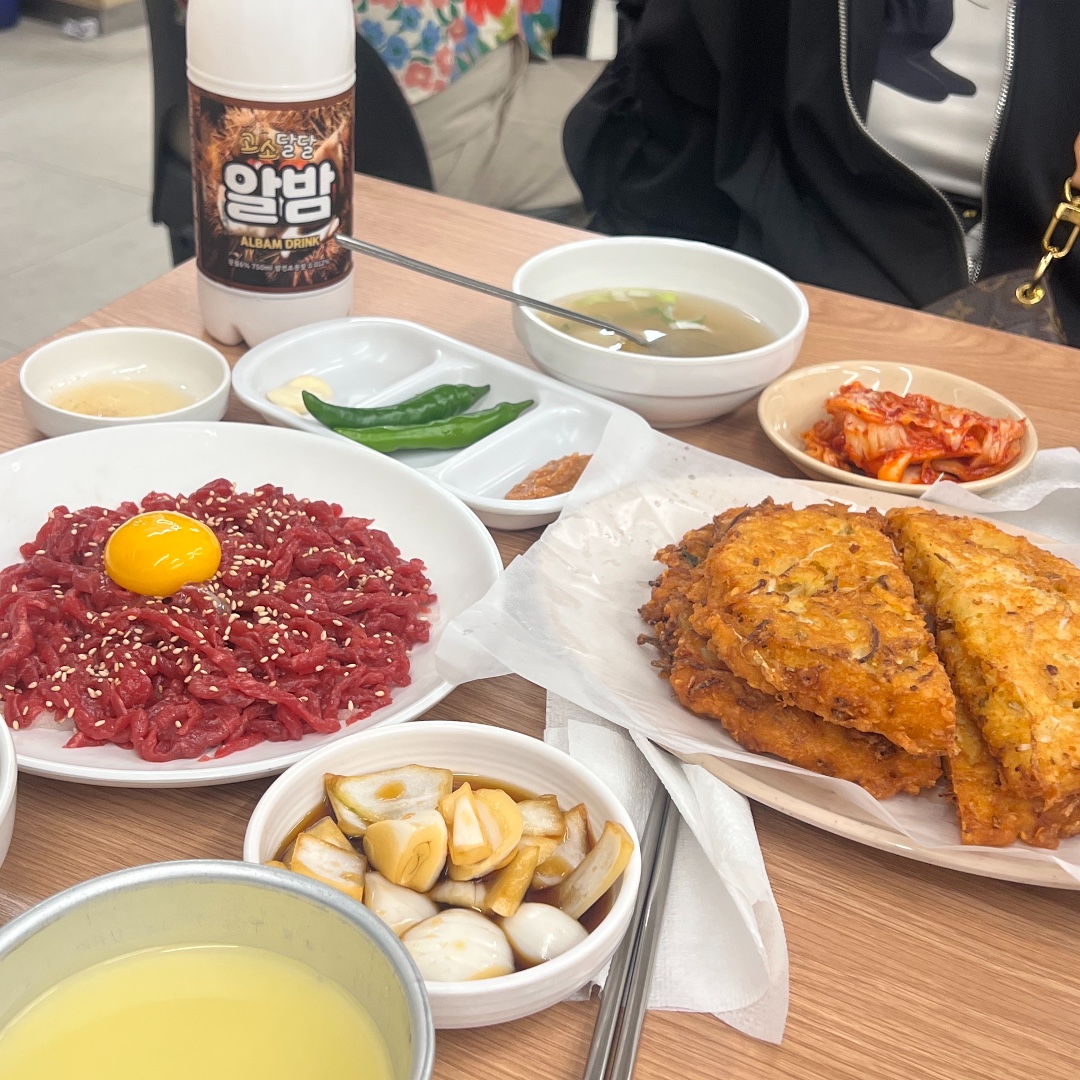
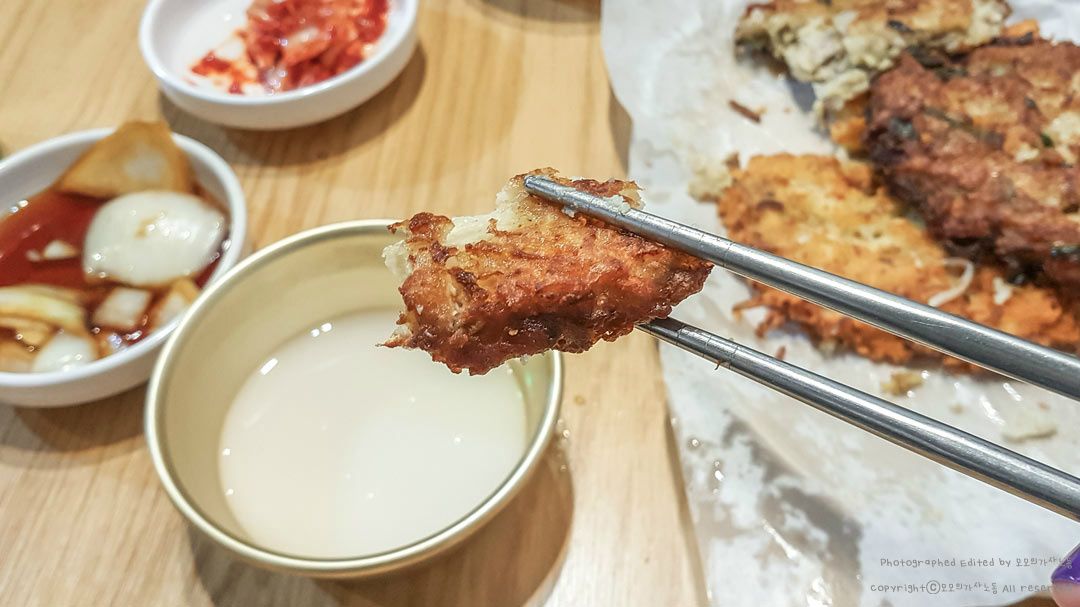
You can't talk about Korean food photography without hitting up Gwangjang Market! It's a sensory overload, in the best way possible. While every stall offers something incredible, Sunheene Bindaetteok is iconic. The stacks of mung bean pancakes, sizzling on massive griddles, the bustling energy, the elderly women expertly flipping — it's all pure content gold.
- What to Shoot: The preparation process (ask politely before filming!), the golden-brown crispy bindaetteok, the generous portions, and you enjoying it with makgeolli.
- Photography Tip: Capture the steam rising from the griddle. Use a wide-angle shot to show the market's vibrant atmosphere, then zoom in for those delicious close-ups.
- How to Get There: Jongno 5-ga Station (Seoul Subway Line 1), Exit 7 or 8. It's right there!
- Price Range: Budget-friendly; prices change, so check before you go, but expect roughly 6,000-8,000 KRW for a pancake.
Onion Cafe Anguk
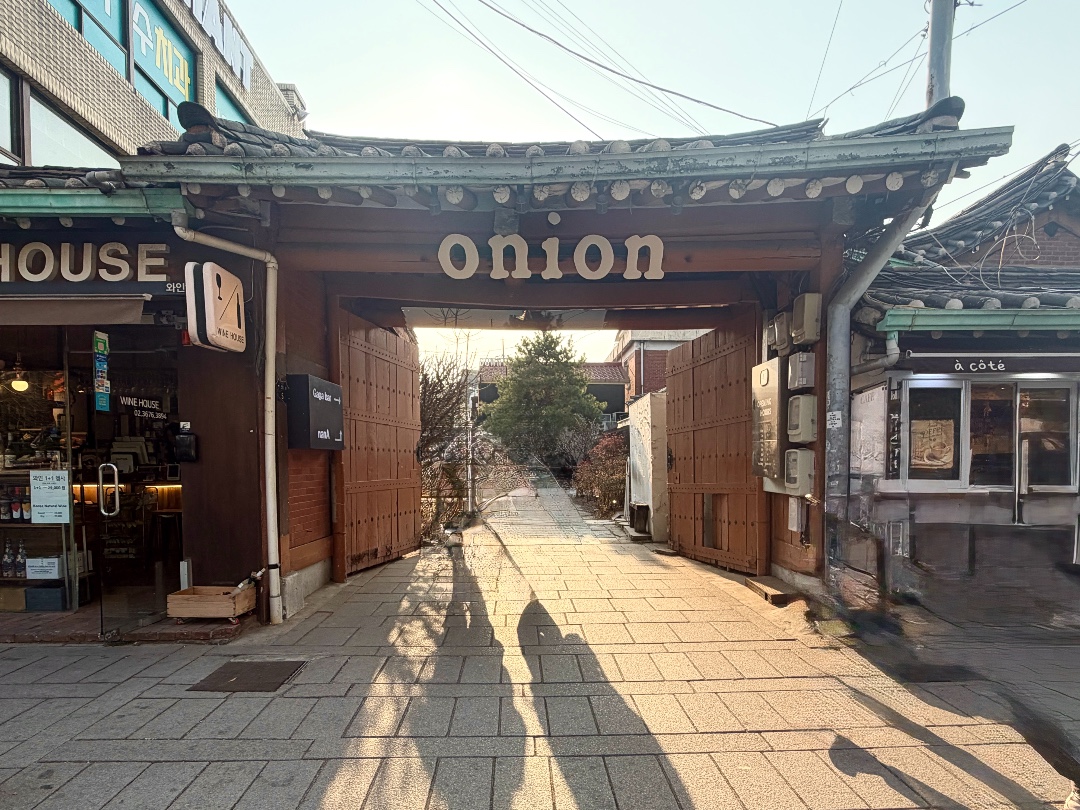
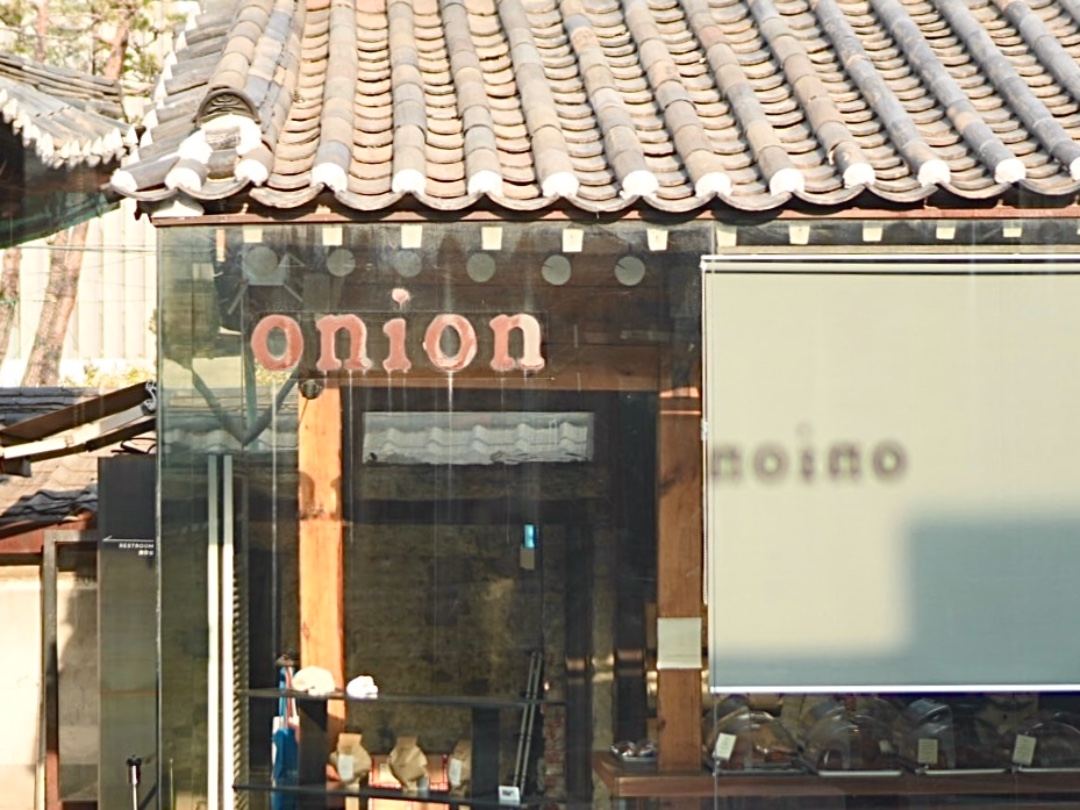
If you're looking for that perfect blend of traditional Korean aesthetic and modern cafe culture, Onion Cafe Anguk is your spot. Housed in a beautifully renovated hanok, every corner is Instagram-ready, and their breads and pastries are works of art.
- What to Shoot: The hanok architecture, the beautifully presented pandoro bread (the cafe's best-known item), the quiet courtyards, and the natural light filtering through the wooden structures.
- Photography Tip: Use the hanok's lines and textures for framing. The outdoor seating areas offer fantastic natural light. Try a detail shot of the bread with the traditional backdrop blurred softly.
- How to Get There: Anguk Station (Seoul Subway Line 3), Exit 3. Walk straight for a few minutes and you'll spot it.
- Price Range: Mid-range; prices change, so check before you go, but expect roughly 5,000-8,000 KRW for a pastry and coffee.
Pro Ganjang Gejang (Sinsa)
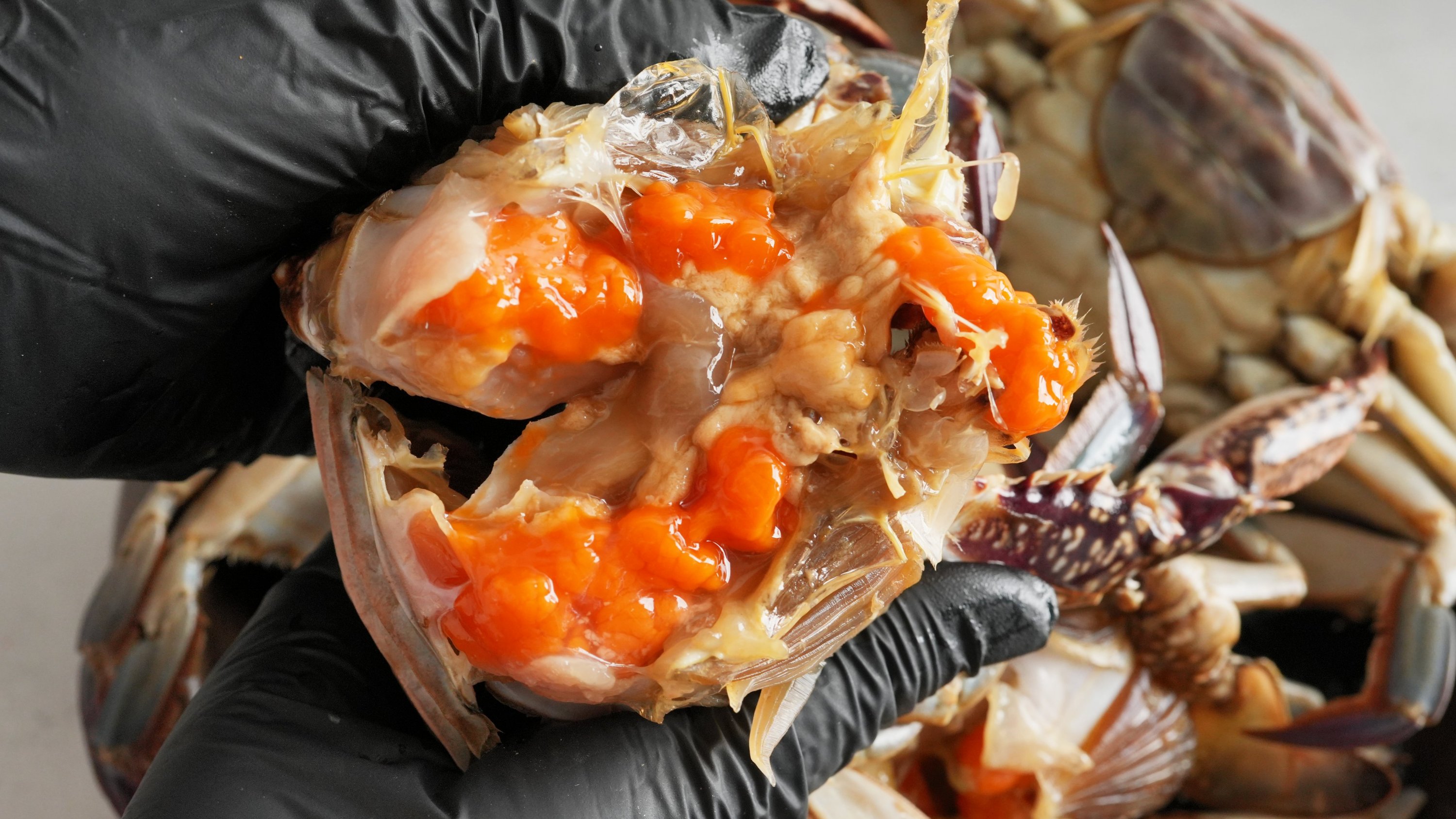
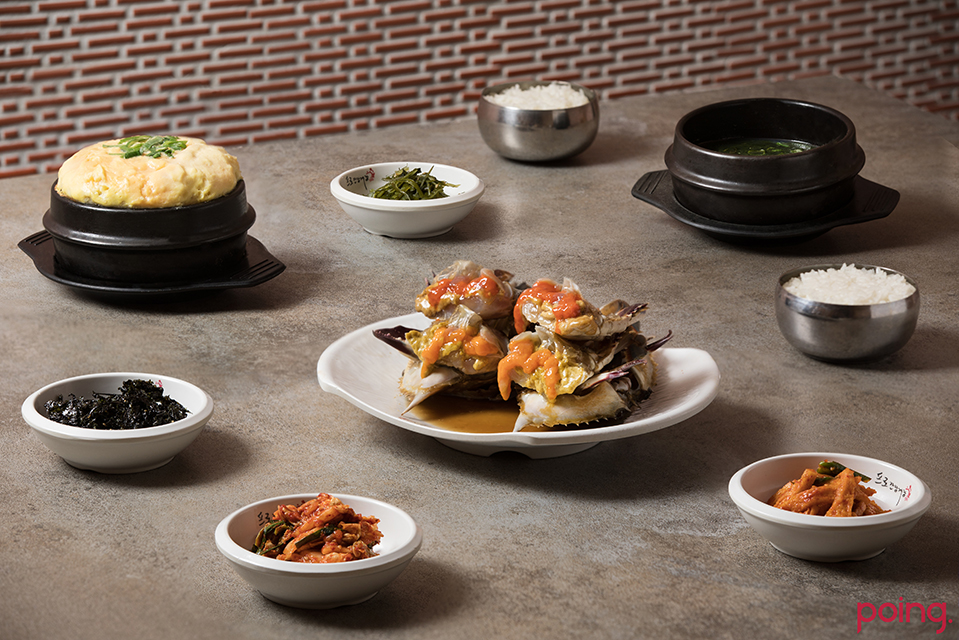
Pro Ganjang Gejang has reportedly been featured on Korean TV food programs (check the show and air date yourself), and it is well known for its soy-marinated raw crab. Visually, it's a showstopper – glistening, jewel-toned crab roe and meat, often presented simply but impactfully.
- What to Shoot: The whole crab, cracked open to reveal the rich roe and meat. The vibrant orange and yellow hues, the texture of the meat, and the various banchan that accompany it. Capture the "mixing" moment with rice!
- Photography Tip: This dish thrives on close-ups. Use a shallow depth of field to make the crab pop. The contrasting colors against a white bowl or dark table can be stunning.
- How to Get There: Sinsa Station (Seoul Subway Line 3), Exit 4. It's a short walk from there.
- Price Range: Higher-end; prices vary, so check before you go, but expect roughly 40,000-50,000 KRW per serving. Totally worth it for the experience and the photos, though!
Advanced Techniques & Content Creator Hacks
Storytelling Through Food
Don't just take a pretty picture; tell a story. Who are you with? What's the atmosphere like? Is it a quick street food grab or a leisurely hanjeongsik experience? Include elements of your surroundings or even your hand holding chopsticks to add a personal touch and narrative.
Props & Styling (Subtly!)
Korean restaurants often have beautiful tableware and sometimes even small decorative elements. Utilize them! A neatly folded napkin, a traditional tea set, or even the texture of the wooden table can enhance your shot. Just don't overdo it – the food should always be the star.
The "Motion" Shot
Food is dynamic! Capture the steam rising from a hot dish, cheese stretching from tteokbokki, a spoon scooping up bibimbap, or someone pouring makgeolli. These shots bring your content to life.
Editing Magic: Don't Over-Filter!
A little editing goes a long way. Focus on enhancing natural colors, adjusting brightness, contrast, and sharpness. Apps like Lightroom Mobile, VSCO, or even your phone's built-in editor are fantastic. The goal is to make the food look even more appetizing, not artificial.
Etiquette for the Content Creator: Be a Good Foodie!
While you're busy capturing that perfect shot, remember you're in someone else's space, possibly a busy restaurant. Here are some quick etiquette tips:
- Be Quick & Discreet: Get your shots as fast as possible, especially in busy places. Don't let your food get cold, and don't hold up service.
- Mind Other Diners: Avoid intrusive flashes or making loud noises. Respect their privacy and dining experience.
- Ask Permission for People Shots: If you want to include people in your frame (especially vendors), always ask first. A simple "Sajin jjigeodo dwaeyo?" (Can I take a picture?) with a smile goes a long way.
- Don't Re-arrange Too Much: While a little tweak is fine, don't completely re-arrange the table or food unless it's a private setting.
There you have it! Your ultimate guide to making your Korean food photography truly pop. Korea is a visual feast, and now you're equipped to do it justice. Get out there, explore, eat, and snap away! Your followers (and your taste buds!) will thank you.
💡 AI Travel Tip
Want to find even more hidden gems for your food photography adventures? AI can help you pinpoint places known for their aesthetics and unique dishes!
- Find Photo-Worthy Cafes: Use AI to search for cafes with specific aesthetics (e.g., "hanok style," "industrial chic," "flower cafe") and photo opportunities.
- Discover Unique Dish Presentations: Ask AI to identify restaurants known for particularly artistic or visually striking presentations of certain Korean dishes.
- Optimize Your Shooting Schedule: Get recommendations for the best times to visit popular spots to avoid crowds and maximize natural light.
Prompt example: "I'm a content creator visiting Seoul. Recommend 3 cafes in Hapjeong or Seongsu-dong known for their beautiful interiors and photogenic dessert menus, suitable for photography. Also, suggest the best time to visit to get good natural light."
Prompt example: "Find me restaurants in Insadong or Samcheong-dong that specialize in traditional Korean food (hanjeongsik) and are particularly known for their aesthetically pleasing full table spreads, mentioning any featured on Saengsong Today or Yuksi Naegohyang."
About this guide
Written with AI assistance from public information, with photos credited to their sources (Korea Tourism Organization, Naver, Pexels, Unsplash). Places and TV-show mentions have not all been checked in person, and a TV appearance is not a quality guarantee. Prices, hours and menus change — please confirm on Naver Map or the venue's official channel before visiting.


