Picture this: 30 days. No cooking. Just you, a fully charged T-Money card, and a map of South Korea bursting with incredible, authentic flavors waiting to be discovered. Sounds like a dream, right? Well, friend, you're about to turn that dream into the ultimate food reality. Forget everything you thought you knew about Korean food from K-dramas (well, almost everything!). While those sizzling BBQ scenes and comforting bowls of tteokbokki are totally real, the true culinary landscape of Korea is so much deeper, richer, and more diverse.
You've seen the gorgeous landscapes, the bustling cityscapes, and the heartwarming stories on your favorite shows. Now, imagine tasting the very dishes that local Koreans flock to, the ones featured on TV crews on shows like Saengsaeng Jeongbotong and Saengsong Today. This isn't just a trip; it's a month-long culinary pilgrimage, a city-by-city masterplan designed for the K-drama/K-pop fan ready to dive deep beyond the tourist traps. Trust me, your taste buds are in for the adventure of a lifetime!
Your Ultimate 30-Day Korean Food Journey Begins!

A month in Korea might sound like a long time, but for a true food lover, it's just enough to scratch the surface and really savor each region's distinct offerings. This isn't about rushing from one spot to the next; it's about immersing yourself, lingering over meals, and letting your palate guide you. We're going to hit the iconic spots, yes, but also those hidden gems that even some locals forget about, all with a nod to the authentic flavors beloved by Koreans themselves. Ready to map out your epicurean adventure?
Week 1: Seoul — The Dynamic Culinary Capital
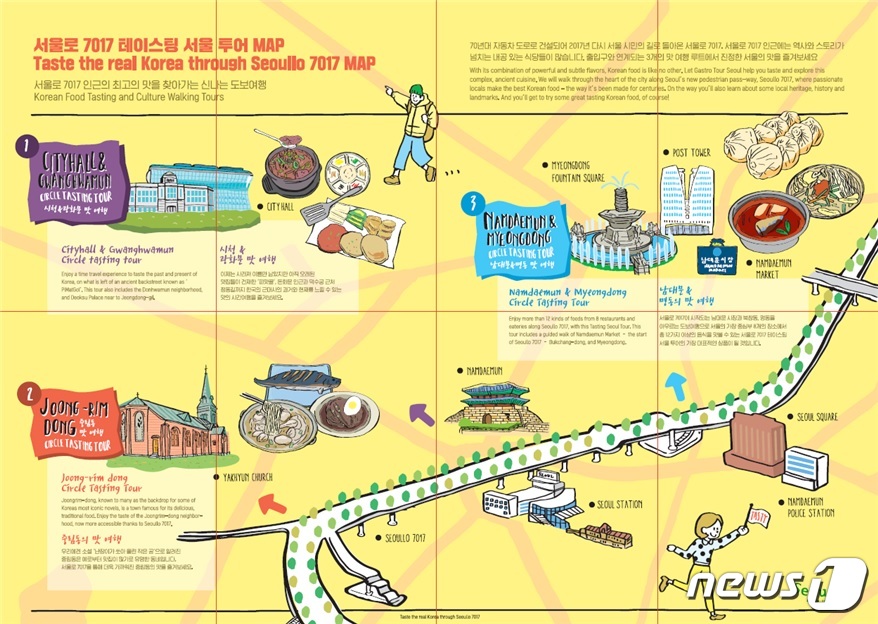
You're starting in Seoul, naturally! This city is a whirlwind of tradition and trend, and its food scene reflects that perfectly. Don't even try to see it all in a week, just embrace the delicious chaos. This week is all about getting your feet wet (and your stomach full!) with everything from bustling market eats to elegant traditional dining.
Seoul Must-Eats & Spots
- Gwangjang Market (광장시장): You absolutely have to start here. It's a sensory explosion! Forget just one stall; wander and graze. You'll find vendors making fresh bindae-tteok (mung bean pancakes) that have been featured on Saengsaeng Jeongbotong countless times, addictive mayak gimbap (literally "narcotic gimbap" because it's so addicting!), and piping hot tteokbokki. It's affordable, authentic, and an experience you won't forget.
- Myeongdong & Hongdae: These areas are fantastic for trendy eats. Think crispy Korean fried chicken (Chimaek, anyone?), inventive street snacks, and countless cafes. It's where you'll see young Koreans hanging out, so you know the food is good and often innovative. Look for places specializing in Dakgalbi (spicy stir-fried chicken) or Budae Jjigae (army stew) in these areas.
- Jongno & Bukchon Hanok Village: For a taste of history, head here. You'll find restaurants serving traditional Korean fare, often in beautiful hanok settings. This is where you'd seek out classic dishes like Samgyetang (ginseng chicken soup) or hearty Bossam (boiled pork wraps).
| Days | Area Focus | Must-Try Dishes | Estimated Price Range (per person) |
|---|---|---|---|
| Day 1-3 | Gwangjang Market, Insadong, Jongno | Bindae-tteok, Mayak Gimbap, Kal Guksu, traditional Hansik set meal | ₩10,000 - ₩30,000 |
| Day 4-5 | Myeongdong, Hongdae | Korean Fried Chicken, Tteokbokki, trendy cafe desserts, Dakgalbi | ₩15,000 - ₩35,000 |
| Day 6-7 | Bukchon Hanok Village, Samcheongdong | Samgyetang, Bossam, Royal Court Cuisine (modern interpretation) | ₩20,000 - ₩50,000+ |
Tosokchon Samgyetang (토속촌 삼계탕)
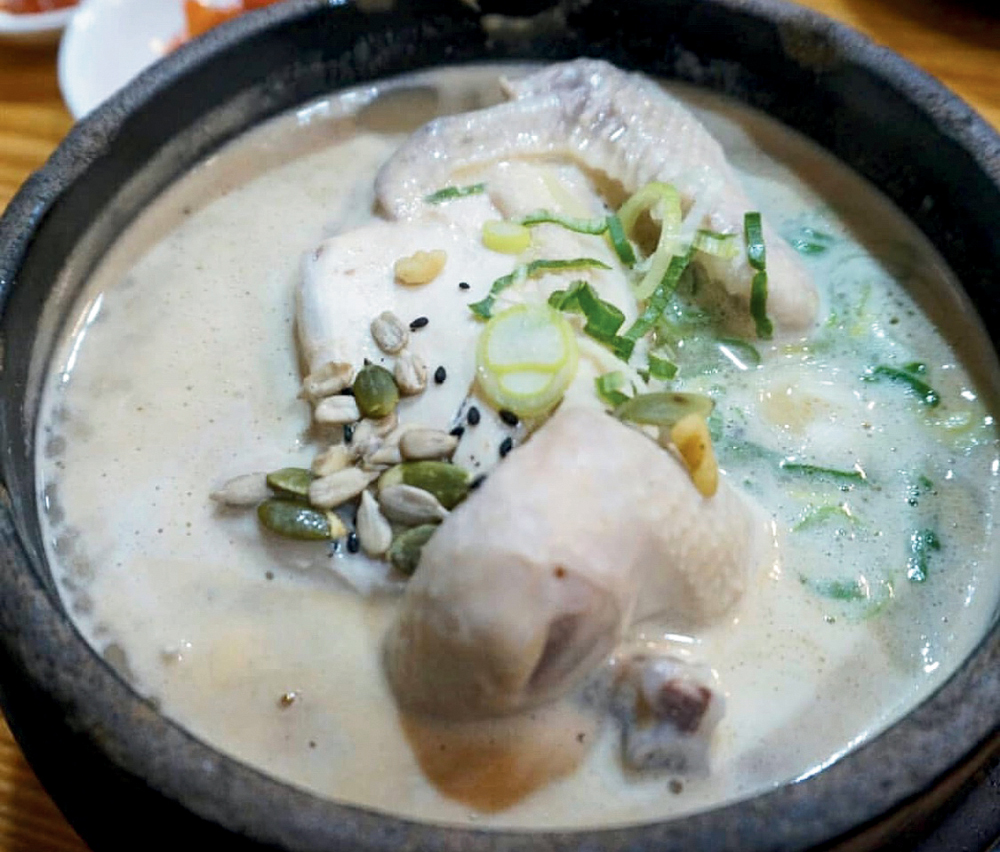
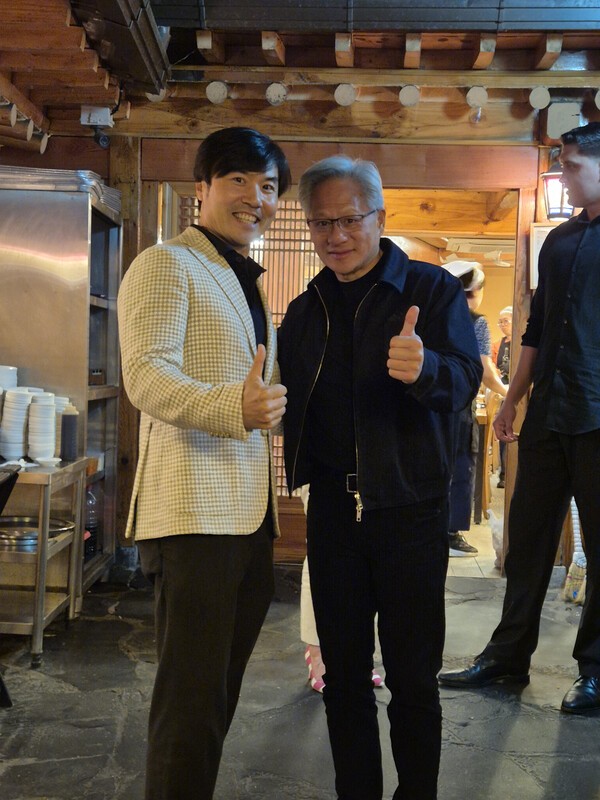
For one of the best Samgyetang experiences in Seoul, you've got to visit Tosokchon Samgyetang. This place is famous, and for good reason! It’s been serving up delicious ginseng chicken soup to presidents and tourists alike for decades. It's often featured on TV shows showcasing Seoul's culinary heritage. Expect a queue, especially during peak hours, but trust me, it moves fast, and it’s totally worth it. The broth is rich, the chicken tender, and it comes with all the perfect sides. It's the ultimate comfort food, perfect for refueling after exploring Gyeongbokgung Palace nearby.
Week 2: Jeonju & Busan — Traditional Flavors & Coastal Delights
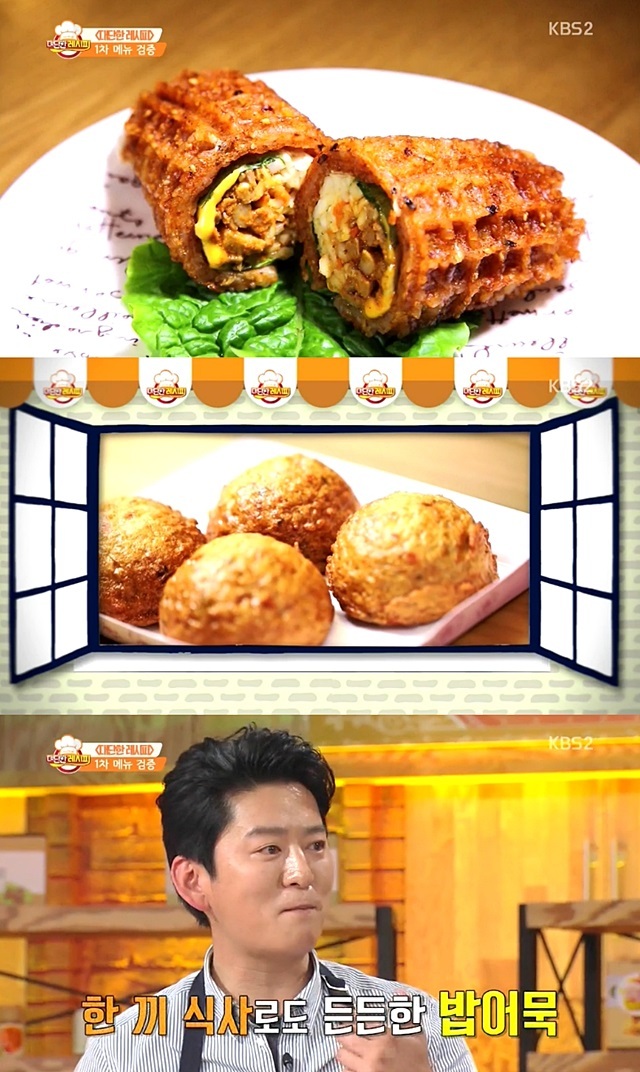
After a week of Seoul's dynamic energy, it's time to venture out! Week two takes us to Jeonju, the undisputed food capital of Korea, followed by the vibrant coastal city of Busan. Get ready for some serious regional specialties!
Jeonju: Korea's Food Mecca
Jeonju is a must-visit for any food enthusiast. Seriously, the entire city breathes food. It's the birthplace of bibimbap, but there's so much more to discover. Spend your days wandering the Hanok Village, popping into local eateries, and maybe even joining a makgeolli (rice wine) tour in the famous Makgeolli Alley.
- Jeonju Bibimbap: The original and the best! Different from what you might find elsewhere, Jeonju's version is known for its specific ingredients and presentation. Seek out a restaurant that specializes in it.
- Kongnamul Gukbap (Bean Sprout Soup with Rice): A hearty, spicy, and incredibly satisfying soup. Perfect for a chilly morning or after a night out.
- Makgeolli Alley: This is an experience! Order a pot of makgeolli, and a crazy array of side dishes (anju) will appear, constantly refilled as you order more drinks. It's a truly local way to enjoy food and drink.
Veteran Kalguksu (베테랑 칼국수)

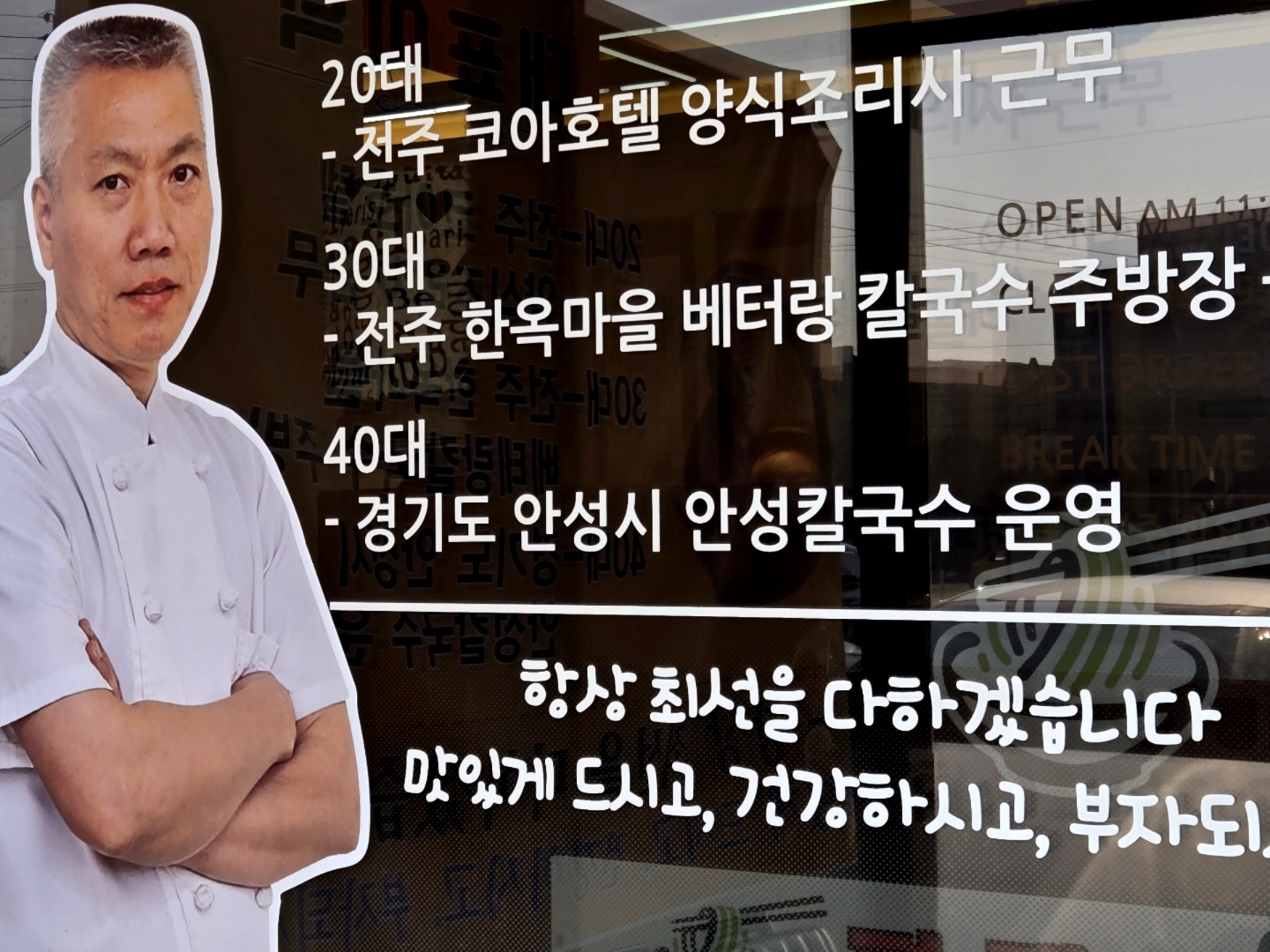
In Jeonju, you absolutely have to stop by Veteran Kalguksu. This legendary spot, often highlighted on shows like Yuksi Naegohyang, serves up a rich, comforting bowl of kalguksu (knife-cut noodles) that's unlike any other. The broth is thick and flavorful, topped with perilla seed powder, seaweed, and a sprinkle of chili flakes. Don't forget to order their mandu (dumplings) too; they're the perfect accompaniment. It’s super popular, so expect a lively atmosphere and maybe a short wait, but it's part of the charm!
Busan: Seafood Paradise & Hearty Bowls
From Jeonju, hop on a KTX to Busan! This bustling port city offers a completely different vibe and an incredible array of seafood, thanks to its coastal location. But it's not just about seafood; Busan has its own unique comfort foods you won't want to miss.
- Dwaeji Gukbap (Pork Soup with Rice): Busan's signature dish! A warm, milky pork broth served with rice, often seasoned with chives and spicy fermented shrimp. It’s incredibly comforting and deeply flavorful.
- Milmyeon (Wheat Noodles): A cooler, lighter alternative to naengmyeon (cold noodles), made with wheat flour. Perfect for a warm day.
- Jagalchi Market: Korea's largest seafood market. It's an incredible spectacle. You can pick out fresh seafood and have it prepared on the spot at one of the many restaurants upstairs. Get ready for some fresh raw fish (hoe)!
- Eomuk (Fish Cakes): Busan is famous for its fish cakes. Grab some skewers from a street vendor or visit an eomuk bakery for fresh, delicious varieties.
Ssangdungi Dwaeji Gukbap (쌍둥이 돼지국밥)
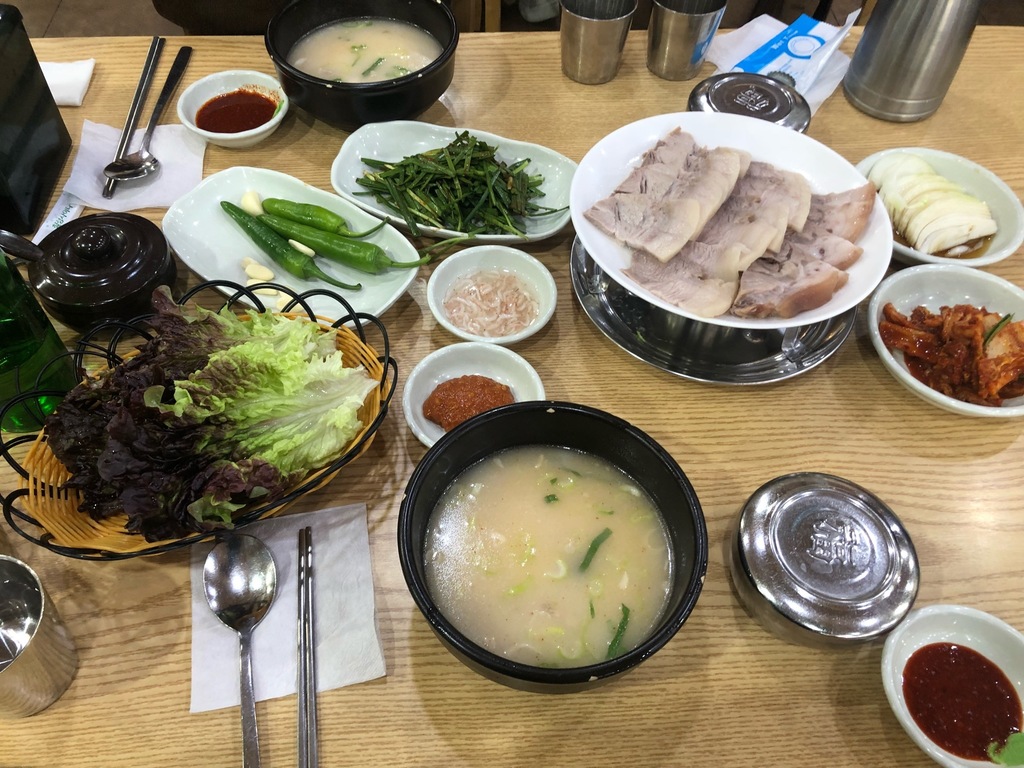
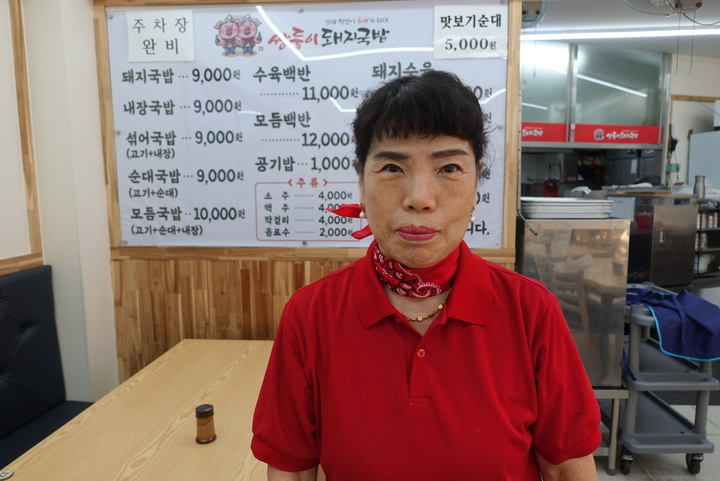
When in Busan, eating Dwaeji Gukbap is non-negotiable, and Ssangdungi Dwaeji Gukbap is a local institution that consistently gets rave reviews and TV show features. It’s often packed, but the wait is part of the experience. Their broth is rich and savory, the pork is tender, and you get to customize it to your liking with the provided seasonings. It’s the perfect hearty meal that truly embodies Busan's culinary spirit. You'll leave feeling warm, satisfied, and ready to explore more!
Week 3: Gyeongju & Jeju Island — Ancient Royalty & Island Magic
This week takes us from ancient history to volcanic beauty, both with their own distinct culinary treasures. Get ready for some unique flavors!
Gyeongju: Historic Bites
Gyeongju, the ancient capital of the Silla Kingdom, is like an open-air museum. After soaking in the history, you'll find that its food scene offers a taste of tradition too.
- Ssambap (Leaf Wraps): A classic Korean dish where you wrap rice, meat, and various side dishes in fresh lettuce or perilla leaves. Gyeongju's versions often come with a huge spread of banchan.
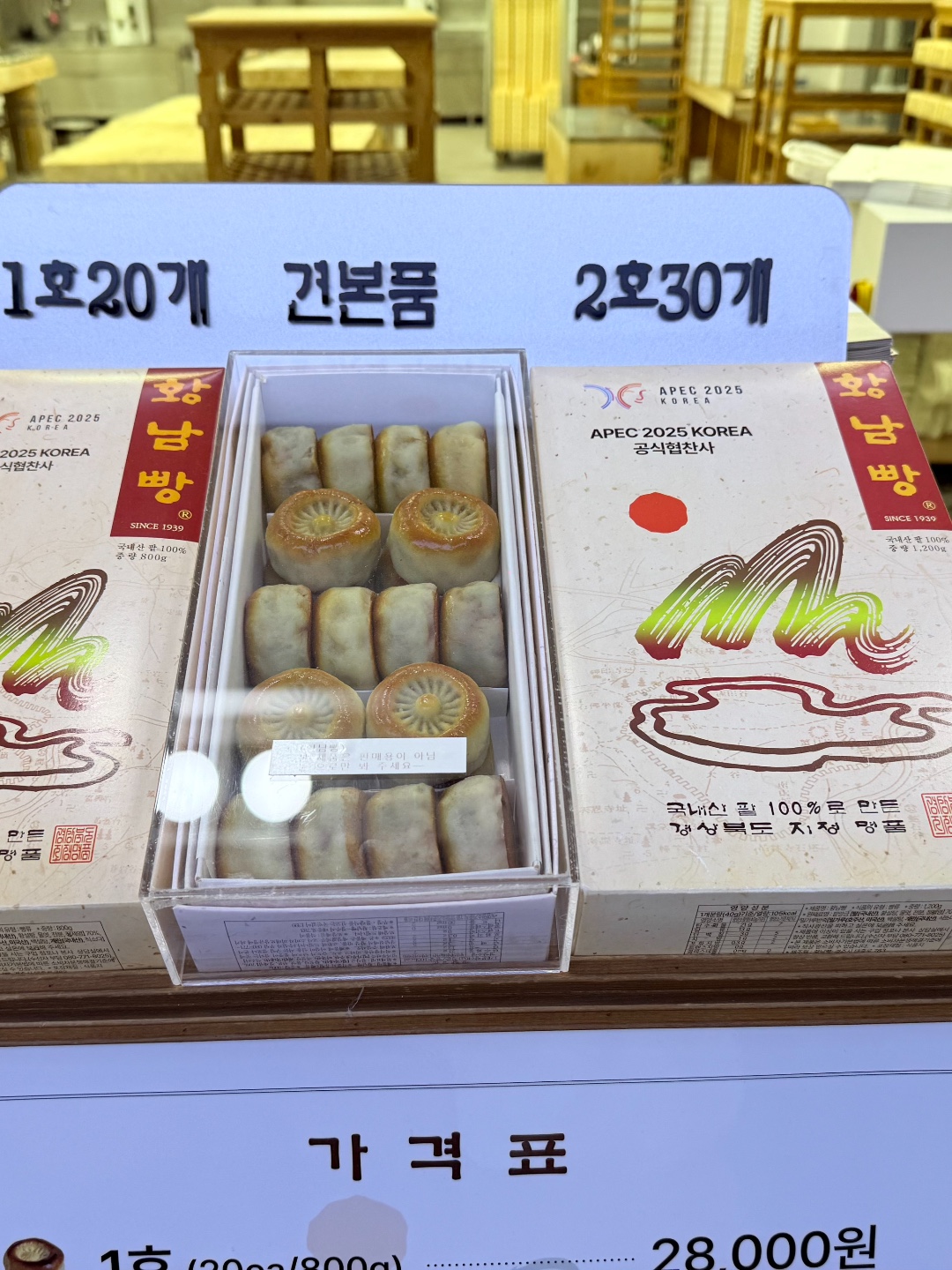
- Hwangoppang (황남빵): A sweet, red bean paste-filled pastry that is synonymous with Gyeongju. You'll see shops everywhere, often with long lines. They make great souvenirs too! It's a simple yet iconic snack that has graced many local food shows.
Jeju Island: Volcanic Flavors
A short flight from Busan takes you to the stunning Jeju Island, a UNESCO World Heritage site known for its dramatic volcanic landscapes and unique island cuisine. Get ready for seafood galore and a certain famous pork!
- Jeju Black Pork (제주 흑돼지): This is the star of Jeju's culinary scene. Known for its distinct flavor and chewy texture, grilling black pork is an absolute must-do. You'll find countless restaurants specializing in it, many of which have been featured on Saengsong Today.
- Fresh Seafood: From abalone porridge to grilled hairtail fish, Jeju offers incredible seafood. Don't miss the fresh catches from the haenyeo (female divers) if you can find them.
- Hallabong (한라봉): A sweet, fragrant citrus fruit unique to Jeju. Enjoy it fresh, as juice, or in desserts.
Week 4: Gangwon Province & Farewell Seoul — Mountain, Sea, & Last Bites

For your final week, we're heading east to the beautiful Gangwon Province, famous for its mountains and eastern coastline, before returning to Seoul for some last-minute eats and souvenir shopping.
Gangwon Province: East Coast Charm
Gangwon offers a beautiful mix of mountainous terrain and stunning beaches. The food here is hearty, fresh, and often seafood-centric along the coast.
- Sokcho & Gangneung: These coastal cities are renowned for their fresh seafood. Try ojingeo sundae (squid sausage) in Sokcho, a unique local specialty often featured on travel shows. You'll also find delicious grilled fish and spicy seafood stews.
- Chuncheon Dakgalbi (춘천 닭갈비): While Chuncheon itself might be a slight detour, its famous spicy stir-fried chicken is a must-try. Many restaurants in Sokcho or Gangneung will offer it, but for the authentic experience, a trip to Chuncheon's Dakgalbi Street is unforgettable. Watch as the chicken, vegetables, and rice cakes sizzle on a giant hot plate at your table!
Final Days in Seoul: Souvenirs & Sweet Goodbyes
Your grand food tour culminates back in Seoul. Use these last few days to revisit your favorite spots, explore neighborhoods you missed, or hunt for culinary souvenirs. Grab some Korean traditional sweets (hangwa) or local teas from Insadong. Indulge in some high-end Korean BBQ in Gangnam or discover a new cafe in Ikseondong. It's your last chance to savor those flavors before heading home!
Pro Tips for Your Epic Food Quest

- T-Money Card: Get one immediately! It's essential for public transport (subways, buses) and even some convenience store purchases. You can top it up at subway stations or convenience stores.
- Papago App: This translation app is a lifesaver. It can translate text from images, which is incredibly useful for menus without English translations.
- Reservations: For popular restaurants, especially those featured on TV shows, making a reservation (or having your hotel help you) can save you a long wait.
- Embrace the Banchan: Those complimentary side dishes (banchan) are a core part of the Korean dining experience. Don't be shy; try them all! They're usually refillable.
- Stay Hydrated & Enjoy!: You'll be eating a lot, so drink plenty of water (and maybe some soju or makgeolli!). Most importantly, relax and enjoy every single delicious moment of your month-long culinary adventure.
💡 AI Travel Tip
Even with this masterplan, you might want to customize your journey or find alternatives. AI tools can be your secret weapon for fine-tuning your food adventure!
- For daily itinerary suggestions: Need help filling in the gaps between major cities or looking for specific food experiences on a particular day?
- For finding similar restaurants: Loved a dish but want to try another place or find a less crowded option?
- For dietary considerations or specific cravings:
Prompt example: "Based on my 30-day Korean food trip, suggest a detailed food itinerary for my 3 days in Jeonju, including breakfast, lunch, and dinner, focusing on local specialties mentioned on shows like 'Saengsaeng Jeongbotong'. Include specific dish names and neighborhood suggestions."
Prompt example: "I loved the Dwaeji Gukbap at Ssangdungi Dwaeji Gukbap in Busan. Can you suggest three other highly-rated Dwaeji Gukbap restaurants in Busan's Seomyeon area, known for similar authentic taste and possibly featured on Korean TV shows like 'Yuksi Naegohyang'?"
Prompt example: "I'm looking for traditional Korean restaurants in Seoul's Insadong area that offer vegetarian options or temple food, verified by Korean food critics or TV shows. Provide 2-3 specific restaurant names and what to order."
About this guide
Written with AI assistance from public information, with photos credited to their sources (Korea Tourism Organization, Naver, Pexels, Unsplash). Places and TV-show mentions have not all been checked in person, and a TV appearance is not a quality guarantee. Prices, hours and menus change — please confirm on Naver Map or the venue's official channel before visiting.