Ever wonder what your favorite K-drama characters were *really* eating hundreds of years ago? Or how that delicious street food you’re craving actually got its start? Here’s the thing: Korean food isn't just incredibly tasty; it’s a living, breathing history book, packed with stories that go back way further than the latest K-pop hit. Trust me, once you dive into the delicious evolution of Korean cuisine, you'll see every dish with new eyes.
You might think bibimbap or kimchi are ancient, and you'd be right... mostly! But their journey to your plate is full of twists, turns, and even some surprising foreign influences. As your food-obsessed friend at KoreaSpots, I’m here to take you on a culinary time machine. Forget dry history lessons; we’re talking about the delicious saga of how Korea’s most iconic dishes evolved over a thousand years. Get ready, because you’re going to love this deep dive into gourmet history!
When Your Favorite K-Drama Food is Older Than Your Ancestors
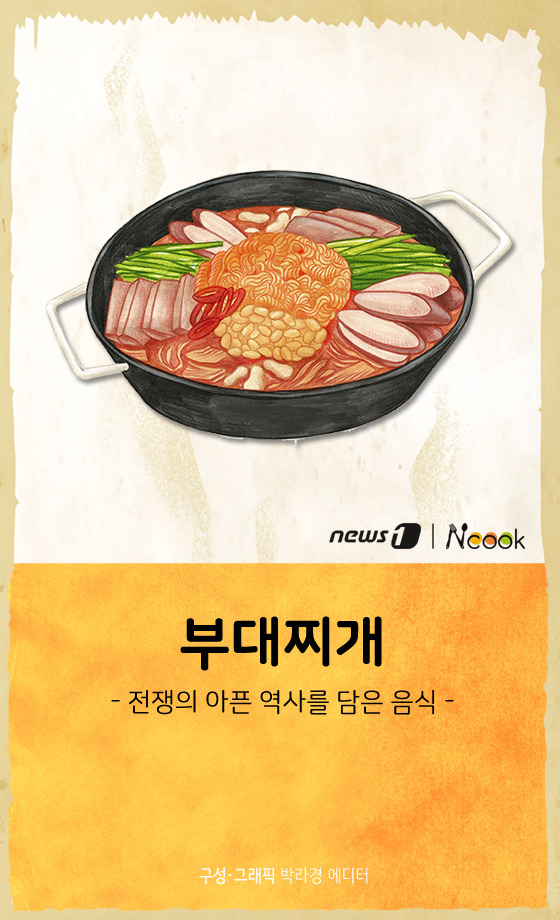
Imagine stumbling upon a restaurant that’s been serving the same dish for centuries. In Korea, that’s not just a dream – it’s a reality, in spirit anyway! The food culture here is incredibly rich, rooted in traditions that predate many modern nations. We're talking dishes that were around during the Goryeo Dynasty (918-1392) and flourished during the Joseon Dynasty (1392-1897). Every bite tells a story of adaptation, innovation, and resilience.
From simple fermented vegetables to elaborate royal banquets, Korean food has absorbed influences from trade, war, and changing agricultural practices, all while maintaining its unique identity. It’s not just about what ingredients were available, but how people used them to survive, celebrate, and create community. Ready to unwrap some historical deliciousness?
From Fermented Greens to Fiery Red: The Kimchi Chronicle
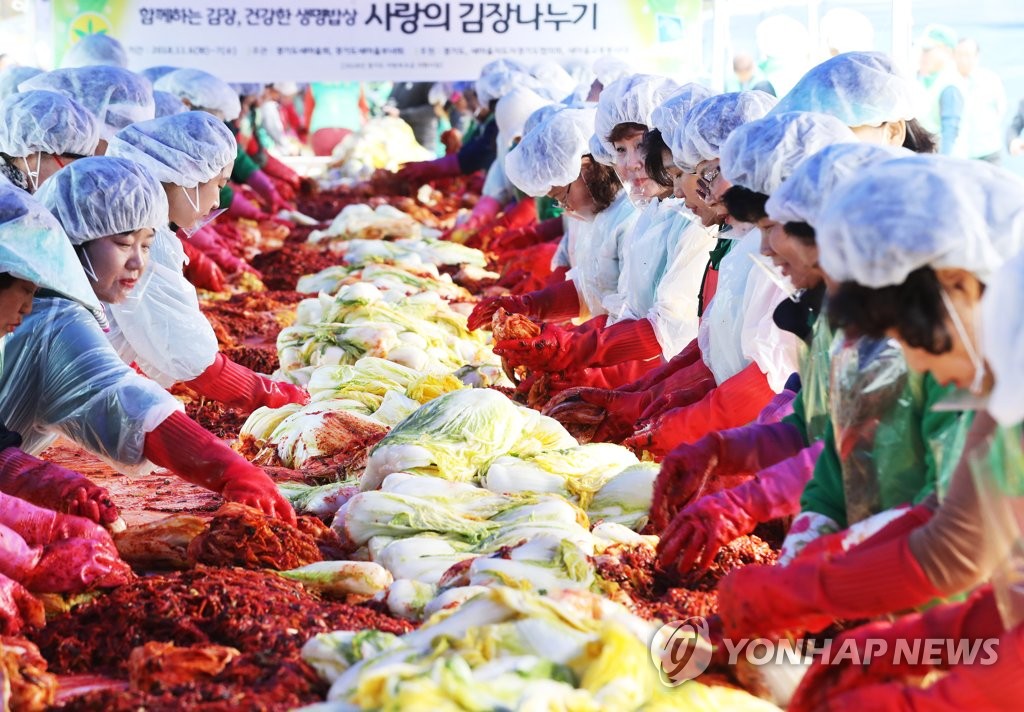
You can't talk about Korean food history without starting with kimchi, right? But here’s a fun fact that might surprise you: kimchi wasn't always red and spicy! Its earliest ancestors, dating back to the Silla Dynasty (57 BC–AD 935) and Goryeo Dynasty, were much simpler. Think fermented vegetables like radish and cabbage, often preserved with salt and brine, similar to pickled vegetables or jangaji.
The game-changer? The introduction of chili peppers to Korea. Spoiler: they only arrived relatively recently! While fermentation has been around for millennia to preserve food, chili peppers, essential for that iconic red hue and kick, didn’t make their way to Korea until the late 16th or early 17th century, likely through trade routes with Japan after the Imjin War. Before that, kimchi was often white, like baek kimchi or dongchimi, seasoned with garlic, ginger, and sansho pepper (a native Korean spice), but no capsaicin heat.
Once chili peppers were embraced, kimchi rapidly evolved into the fiery, complex dish we know and love today. It became a staple, deeply intertwined with Korean identity, adapting to regional ingredients and preferences. But remember, the basic concept of preserving vegetables through fermentation is truly ancient, showing incredible ingenuity for survival through harsh winters!
Bibimbap: From Humble Leftovers to Royal Feasts

Ah, bibimbap! The colorful, comforting bowl of mixed rice that's a go-to for K-drama fans worldwide. Its name literally means "mixed rice," and its origins are as humble as they are ancient. Legend has it that bibimbap, or goldongban as it was known in ancient times, started as a way to use up leftovers on the eve of the lunar new year, or perhaps as a simple, hearty meal for farmers during busy harvest seasons – a convenient one-bowl wonder to eat out in the fields.
However, by the Joseon Dynasty, this simple dish began to ascend! It found its way into royal courts, transforming into an elegant, artfully arranged meal for kings and queens. Imagine the vibrant colors – carefully selected vegetables, seasoned meats, and sometimes even a raw egg yolk, all harmoniously placed atop a bed of warm rice. It wasn't just food; it was a feast for the eyes and the palate, often served during special occasions or as a nourishing meal for scholars.
Today, bibimbap maintains its dual identity: a quick, customizable meal for busy modern life, and a culinary masterpiece. You can experience a taste of its royal court-inspired origins at places like Gogung (고궁) in Myeongdong, Seoul, which has been featured on Saengsaeng Jeongbotong for preserving the elaborate preparation of Jeonju-style bibimbap. They serve it in a hot stone pot (dolsot bibimbap), keeping the rice warm and creating that crispy, delicious bottom layer. It’s a must-try for historical flavor!
Bulgogi's Royal Journey: From Skewers to Sizzle
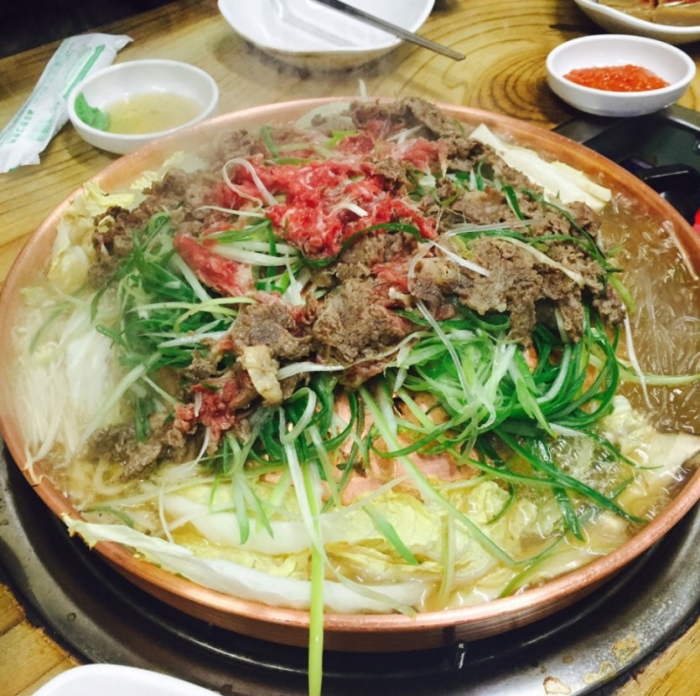
Who doesn't love bulgogi? The sweet, savory, marinated grilled beef is a universal favorite. But this beloved dish has a seriously old pedigree! Its roots can be traced all the way back to the Goguryeo Dynasty (37 BC–AD 668), where it was known as maekjeok. This was essentially grilled meat on skewers, believed to be a dish introduced by the Maek people. Fast-forward to the Goryeo Dynasty, and it evolved into seoryamyeok, featuring marinated slices of meat that were grilled.
By the Joseon Dynasty, maekjeok had transformed into neobiani, meaning "thinly sliced meat." This was a delicacy reserved for royalty and nobles, typically made with beef that was pounded thin, marinated in soy sauce, sesame oil, garlic, and green onions, then grilled over charcoal. This version is remarkably similar to the modern bulgogi we enjoy, though perhaps less sweet, reflecting the scarcity of sugar and fruit in earlier times.
The name "bulgogi" (불고기), which literally means "fire meat," became popular in the early 20th century, cementing its identity as grilled, marinated meat. You can still find restaurants specializing in traditional neobiani or charcoal-grilled bulgogi that hearken back to these earlier preparation methods. Many old-school spots, especially those in historic neighborhoods like Euljiro, have been spotlighted on Yuksi Naegohyang for maintaining these classic grilling techniques. It’s definitely worth seeking out the authentic experience – you'll taste centuries of tradition!
Gukbap: The Comforting Bowl That Stood the Test of Time
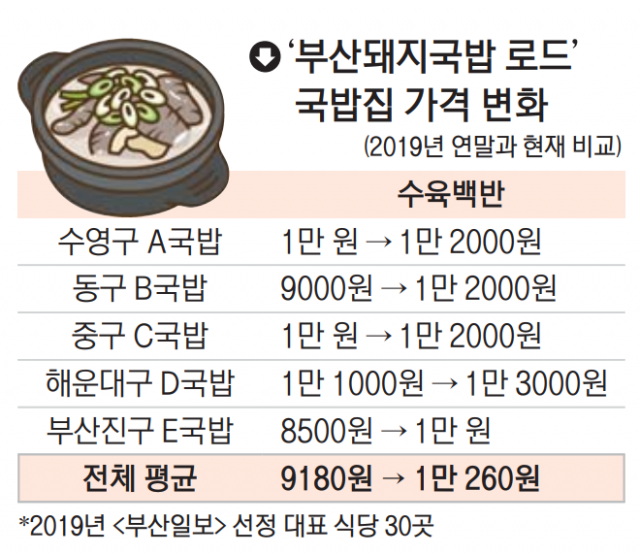
If you've ever watched a K-drama character warm up with a hearty bowl of gukbap, you know it's the ultimate comfort food. This simple yet deeply satisfying dish of soup with rice has been a staple for the common people of Korea for centuries. Its origins are as practical as they are ancient: a nourishing, affordable meal that could be quickly prepared and was packed with sustenance, perfect for busy farmers, laborers, or travelers.
Gukbap isn't just one dish; it's a category. Think of dwaeji gukbap (pork soup with rice) from Busan, sundae gukbap (blood sausage soup with rice), or gomtang (ox bone soup). While the ingredients and specific broths changed regionally based on what was available, the core concept – a steaming bowl of rich broth, tender meat or ingredients, and rice mixed in – remained constant.
These were often communal meals, served at market stalls or small eateries, reflecting Korea’s strong community spirit. For a true taste of this historical commoner’s meal, head to one of Seoul's traditional markets like Gwangjang Market or Namdaemun Market. There, you'll find countless gukbap stalls, many family-run for generations, serving bowls that truly embody the spirit of hearty, everyday Korean food. These places are often featured on shows like Saengsong Today for their authenticity and long history – a testament to food that truly stands the test of time!
A Quick Look: Tteokbokki's Sweet & Spicy Transformation

You might think of tteokbokki as the quintessential spicy street food, right? But believe it or not, rice cakes were also a part of royal court cuisine! Gungjung tteokbokki (royal court tteokbokki) was a stir-fried dish made with white, non-spicy garae-tteok (cylinder-shaped rice cakes), marinated beef, vegetables, and seasoned with soy sauce. It was an elegant, savory dish, a far cry from its fiery modern counterpart.
The spicy, red version we adore today emerged much later, particularly after the Korean War, popularized in street stalls and using gochujang (chili paste) and gochugaru (chili powder). This evolution perfectly illustrates how traditional ingredients can be reimagined to suit changing tastes and times!
Historical Culinary Journey: Dish Evolution Snapshot
To give you a quick overview, here’s a snapshot of how some of our beloved dishes transformed through the ages:
| Dish | Ancient/Early Form (Joseon Dynasty & Earlier) | Key Evolution Points | Modern Form (20th Century & Beyond) |
|---|---|---|---|
| Kimchi | Fermented vegetables (e.g., Jangaji, Dongchimi). White, non-spicy, seasoned with salt, garlic, ginger, sansho pepper. |
16th-17th century: Chili peppers arrive. Gradual incorporation of chili paste (gochujang) and powder (gochugaru). Development of various regional recipes. |
Spicy, red, fermented napa cabbage (baechu kimchi) as the dominant form. Hundreds of variations, but all owe their spice to chili peppers. |
| Bibimbap | Goldongban: "Mixed rice" using leftovers, often for farmers or special occasions. Later, elevated to royal cuisine, elaborate and artfully presented. |
Standardization of ingredients (various vegetables, meat, egg). Introduction of gochujang as a primary seasoning. Popularization as a nourishing, balanced meal. |
Vibrant, colorful bowl with various namul, meat, egg, served with gochujang. Popularized globally as a healthy Korean dish. |
| Bulgogi | Maekjeok (Goguryeo): Grilled meat on skewers. Neobiani (Joseon): Thinly sliced, marinated beef (soy sauce-based), grilled for royalty. |
Evolution of marinades to include more sweet elements (fruit juices, sugar). Shift from skewers to pan-frying or tabletop grilling. Name "bulgogi" (fire meat) popularized in the 20th century. |
Thinly sliced, marinated beef (or pork), often sweet and savory, grilled or pan-fried. A universally loved K-BBQ dish, often cooked at the table. |
Isn’t it incredible to think about how much history is packed into every meal? When you’re in Korea, take a moment to appreciate the journey each dish has taken. It makes the food even more delicious, trust me!
💡 AI Travel Tip
Want to dig even deeper into Korea's culinary past and find spots that celebrate this history? Your AI assistant can be a fantastic historian and guide!
- Find Traditional Restaurants: Ask your AI to identify restaurants in Seoul or specific cities known for preserving traditional cooking methods or serving dishes with historical significance.
- K-Drama Food History: Get recommendations for K-dramas (historical or modern) that prominently feature historically significant food, and then ask for real-world restaurants in Korea that serve those dishes authentically.
- Historical Food Tours: Use AI to search for self-guided or organized food tours in Korea that focus on the history and evolution of specific dishes or regional cuisines.
Prompt example: "I'm visiting Seoul and want to try Korean food with a strong historical background. Recommend 3-4 restaurants known for serving traditional versions of dishes like bibimbap or bulgogi, mentioning if they've been featured on Korean TV shows like Saengsaeng Jeongbotong or Yuksi Naegohyang. Also, suggest what to order at each place."
About this guide
Written with AI assistance from public information, with photos credited to their sources (Korea Tourism Organization, Naver, Pexels, Unsplash). Places and TV-show mentions have not all been checked in person, and a TV appearance is not a quality guarantee. Prices, hours and menus change — please confirm on Naver Map or the venue's official channel before visiting.


