Hey there, fellow K-drama addict and K-pop stan! Are you dreaming of your next trip to Korea, already imagining yourself walking through bustling markets, soundtracked by your favorite OSTs, and sniffing out the most mouth-watering street food? You're in for a treat, because while everyone knows tteokbokki and kimbap are year-round faves, Korea's street food scene truly comes alive with the changing seasons. And trust me, the locals (and savvy TV shows like Saengsaeng Jeongbotong and Yuksi Naegohyang) know exactly what to grab when!
Forget the generic "must-try" lists for a sec. We're diving deep into the side of street food — the seasonal, regional delights that make each visit to Korea feel unique. What you crave in the crisp autumn air is totally different from what hits the spot on a scorching summer day, right? That's the magic we're chasing here. Ready to plan your food pilgrimage around the calendar? Let's go!
Springtime Street Eats: Fresh Starts & Sweet Treats
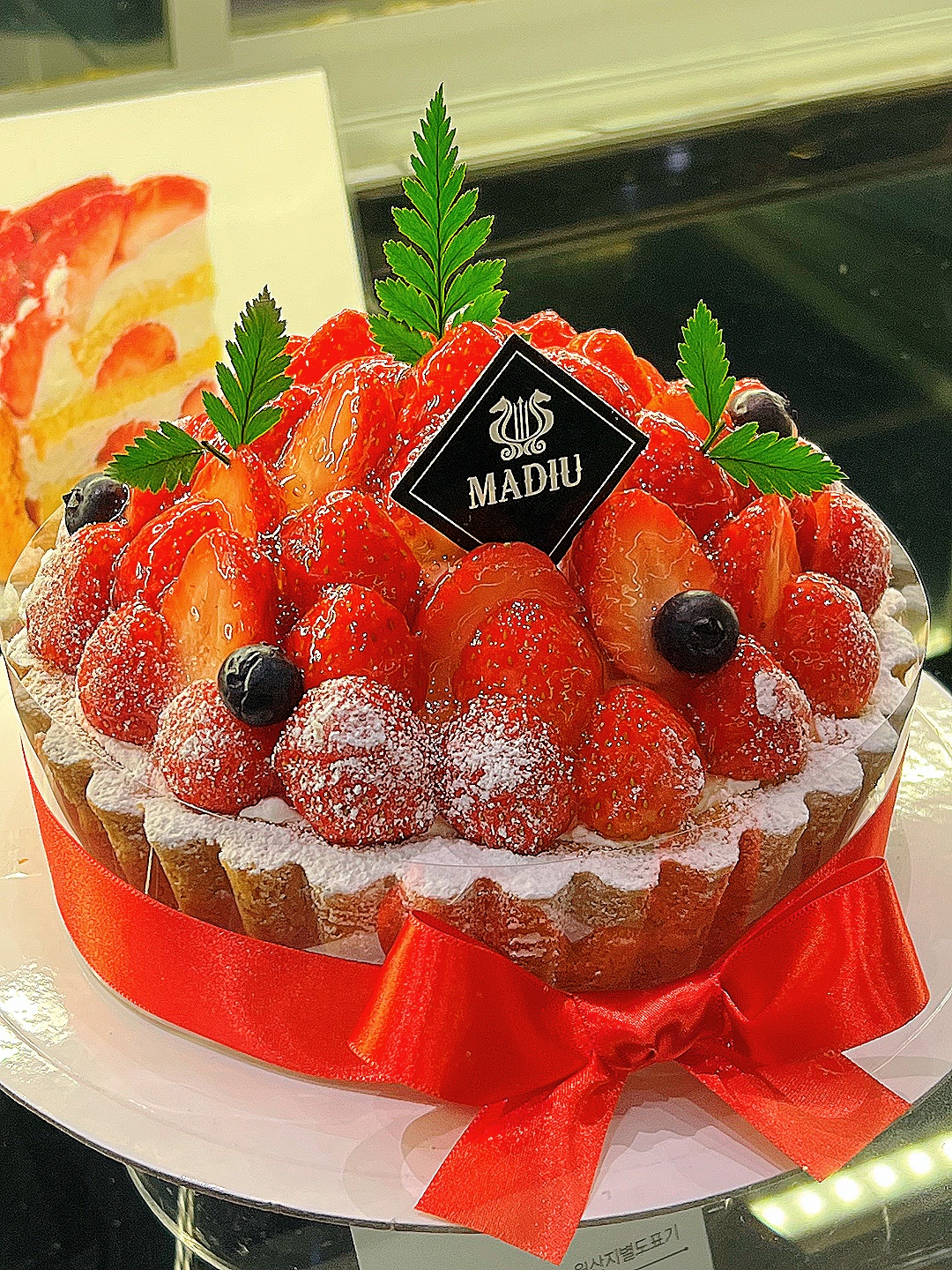
Ah, spring in Korea! Cherry blossoms are popping, the air is mild, and everyone's ready to shed those heavy winter coats. This season brings a delightful mix of fresh produce and lighter, often sweeter, street foods. You'll want to explore areas like Seoul's bustling university districts (Hongdae, Ewha) or even head south for unique regional finds.
Seoul & Gyeonggi: Strawberry Dreams & Light Bites
When spring hits, strawberries are king! You'll find dazzling arrays of strawberry-themed street desserts everywhere. Think giant, fresh strawberry tarts, strawberry mochi (ddalgi mochi) with whole strawberries encased in sweet red bean paste and chewy glutinous rice, or even strawberry tanghulu. These aren't just pretty; they're packed with juicy, sweet Korean strawberries that are ridiculously good. Look for these vibrant stalls in Myeongdong, Hongdae, or even around traditional markets like Gwangjang Market, where vendors often put their own spin on seasonal fruit desserts. Saengsong Today has featured many of these innovative strawberry stalls, highlighting their fresh ingredients and unique presentations.
Another spring essential? Gyeranppang (Egg Bread). While available year-round, its warm, fluffy, slightly sweet embrace, with a whole egg baked inside, feels especially comforting on those cooler spring evenings. It's a perfect light snack as you stroll through Namsan or explore the Han River parks. Expect to pay around 1,500-2,000 KRW per piece. Look for the distinct oval-shaped vendor carts with a mini-oven display — you really can't miss them!
Southern Delights: Bamboo Shoots & Spring Greens
If you're adventuring further south, particularly to areas known for their greenery like Damyang in Jeollanam-do, you'll discover seasonal delights centered around juksun (bamboo shoots). While not always a "street food" in the typical sense, you'll find freshly harvested bamboo shoot dishes or even bamboo shoot twigim (fried bamboo shoots) in market stalls or specialty shops that feel very much like street-side treats. This is a true regional delicacy, often highlighted by shows like Yuksi Naegohyang for its fresh, crisp texture and unique flavor profile. It's a bit of a food quest, but totally worth it for an authentic taste of spring.
Summer Sensations: Beat the Heat with Flavor

Korea's summers can be hot, hot, hot! But don't you worry, the street food scene is perfectly equipped to help you cool down and refuel. Summer calls for refreshing, often chilled, and sometimes spicy treats that make the humidity a little more bearable.
Busan & Coastal Cities: Seafood & Chilled Snacks
Head to Busan, the coastal gem, and you're in for a treat! While eomuk (fish cakes) are a winter staple, you'll find them served with lighter, chilled broths in summer, or even skewered as a cold, savory snack. But the real star for cooling down? Patbingsu (shaved ice with sweet red beans). While there are fancy cafes, many street vendors and small shops offer traditional, generous bowls of patbingsu topped with chewy tteok (rice cakes), condensed milk, and often fresh fruits. It's an explosion of textures and cool sweetness that'll instantly drop your core temperature. Look for these especially in beach areas like Haeundae or markets like Bupyeong Kkangtong Market, which Saengsaeng Jeongbotong frequently visits for its diverse offerings. Prices range from 6,000-12,000 KRW depending on toppings and size.
Seoul & Beyond: Iced Refreshments & Spicy Kicks
In Seoul, besides the omnipresent patbingsu, keep an eye out for creative iced drinks and fruit juices served by street vendors. You might even stumble upon stalls selling mini versions of makguksu (buckwheat noodles) or other cold noodles perfect for a quick, refreshing bite. But if you want to brave the heat with fire, a super spicy tteokbokki or dakkochi (grilled chicken skewers) might actually make you feel cooler through sheer perspiration! Just make sure you have a cold drink ready. Many nighttime markets, like Dongdaemun's night stalls, come alive in the cooler evening hours, offering everything from fresh fruit cups to savory pancakes.
Autumn Harvest: Cozy & Comforting Bites
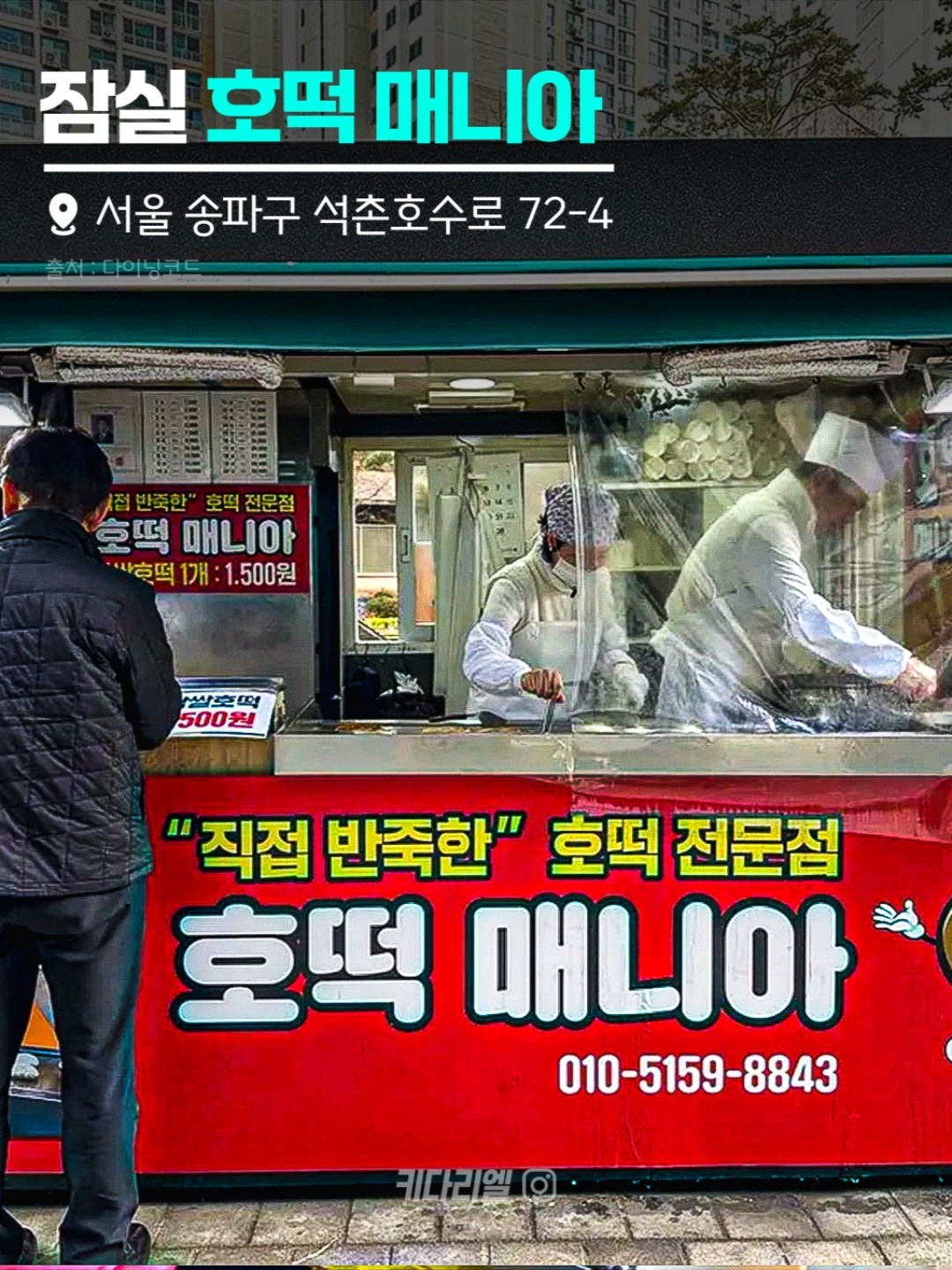
Autumn is arguably the most beautiful season in Korea, with crisp air, vibrant foliage, and perfectly moderate temperatures. This is when the street food scene really shines, bringing out all the warm, comforting, and deeply satisfying treats you've been craving.
Seoul & Mountainous Regions: Hotteok & Root Veggies
As soon as the leaves start to turn, Hotteok (sweet pancakes) make their grand return. These golden, chewy pancakes, often filled with a molten syrup of brown sugar, honey, and nuts, are pure bliss on an autumn day. You'll find them everywhere, but some of the best are rumored to be in Myeongdong or even specific market alleys. Sometimes, you'll even find savory versions with japchae or kimchi fillings! They usually cost around 1,500-2,500 KRW. Look for the vendors with circular griddles, constantly flipping these delightful discs. Saengsong Today has highlighted several legendary hotteok stalls, showcasing their unique fillings and preparation methods.
Another autumn-winter staple that starts popping up in fall is Gun-goguma (roasted sweet potatoes). The sweet aroma wafting from makeshift barrel ovens is simply irresistible. And don't forget roasted chestnuts (gunbam), usually sold in paper bags, hot off the roaster. Both are sweet, earthy, and perfectly encapsulate the cozy vibe of autumn. You'll find these everywhere, from street corners to bus stops, especially in residential areas or near parks.
Rural Markets: Persimmon Delights
Venture into more rural areas, or even just visit local farmers' markets in the city, and you'll find an abundance of gotgam (dried persimmons) and fresh persimmon snacks. These naturally sweet and chewy treats are a seasonal delight, often paired with traditional teas. Yuksi Naegohyang frequently features farmers and markets specializing in these autumnal fruits, showing you where to find the freshest picks.
Winter Warmers: Ultimate Comfort Food
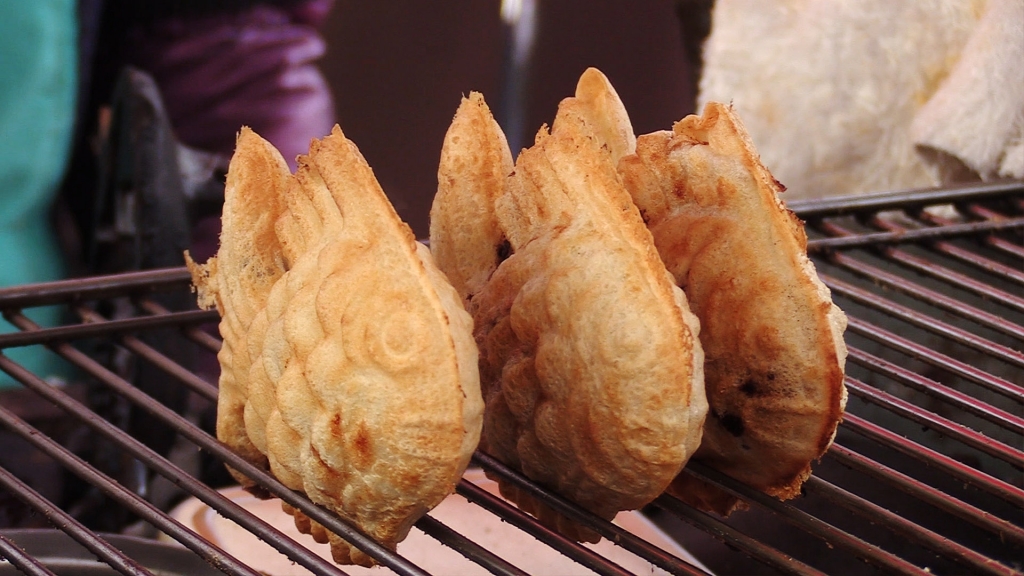
When winter blankets Korea in snow and chilly winds, street food becomes less about a snack and more about survival (delicious, delicious survival!). This is when the classic, steaming hot comforts truly shine, warming you from the inside out.
Ubiquitous Warmth: Bungeoppang, Eomuk & Jjinppang
You absolutely cannot visit Korea in winter without indulging in Bungeoppang (fish-shaped pastries). These iconic treats, filled with sweet red bean paste or custard, are sold from charming little carts with their distinctive fish-shaped molds. Hot, crispy on the outside, and delightfully gooey on the inside, they're the quintessential winter snack. A set of 2-3 usually costs around 2,000-3,000 KRW. Pro tip: follow your nose to the nearest bungeoppang cart; the aroma is unmistakable!
Then there's Eomuk (fish cakes), skewered and soaking in a piping hot, savory broth. This isn't just food; it's a lifeline. Grab a skewer (or five!), slurp the complimentary broth from paper cups, and feel the warmth spread through you. You'll find eomuk stalls on almost every street corner, outside subway stations, and in bustling markets like Gwangjang Market. Prices are usually around 700-1,000 KRW per skewer. Many of these eomuk stalls have been proudly featured on Saengsaeng Jeongbotong for their secret broths and fresh fish cakes.
And let's not forget Jjinppang (steamed buns) and Hoppang (hot buns). These fluffy, soft buns filled with sweet red bean paste (or sometimes vegetables and meat) are steamed to perfection and served piping hot. They're like a warm hug for your hands and belly, perfect after a day of exploring snowy palaces or shopping. Look for the large, steaming glass cases on street corners, especially in areas like Insadong or Samcheongdong.
Your Handy Seasonal Street Food Guide
Here’s a quick overview to help you plan your foodie adventures:
| Season (Months) | Region Focus | Must-Try Street Foods | Why It's Special |
|---|---|---|---|
| Spring (Mar-May) | Seoul, Gyeonggi, Damyang (Jeollanam-do) | Strawberry Desserts (Mochi, Tanghulu), Gyeranppang, Juksun (Bamboo Shoots) | Fresh, sweet, and light. Celebrate new harvests. |
| Summer (Jun-Aug) | Busan, Coastal Cities, Seoul | Patbingsu, Chilled Eomuk, Fresh Fruit Cups, Spicy Tteokbokki | Refreshing and cooling to beat the heat. |
| Autumn (Sep-Nov) | Seoul, Rural Markets, Mountainous Areas | Hotteok (Sweet Pancakes), Gun-goguma (Roasted Sweet Potatoes), Gunbam (Roasted Chestnuts), Gotgam (Dried Persimmons) | Warm, comforting, hearty, and earthy flavors. |
| Winter (Dec-Feb) | All Regions, especially Seoul's bustling areas | Bungeoppang, Hot Eomuk, Jjinppang/Hoppang, Roasted Sweet Potatoes | Piping hot and deeply satisfying to combat the cold. |
Pro Tips for Your Street Food Hunt
- Cash is King (or T-Money): While some larger stalls might accept card, many smaller street vendors prefer cash. Always carry some small bills! T-Money cards can sometimes be used for public transport and convenience stores but less commonly for street food.
- Follow the Lines: Seriously, if you see a long line of locals, join it! It's almost always a sign of incredible food.
- Look for TV Show Stickers: Many stalls proudly display stickers or posters indicating they've been featured on shows like Saengsaeng Jeongbotong, Saengsong Today, or Yuksi Naegohyang. This is your gold standard for "verified local gems."
- Go with an Empty Stomach: Portion sizes vary, but you'll want to try a little bit of everything. Pace yourself!
- Don't Be Shy: Most vendors are friendly, even if there's a language barrier. Point, smile, and enjoy the experience!
There you have it, folks! Your insider's guide to navigating Korea's seasonal street food scene like a seasoned pro. Whether you're planning a spring fling or a winter wonderland adventure, remember that the food is an integral part of the experience. Each bite tells a story of the season, the region, and the incredible culinary spirit of Korea. So go on, get out there, and eat your way through the seasons. You're going to love it!
💡 AI Travel Tip
Want to pinpoint the exact best spots for these seasonal treats during your trip? Leverage AI tools to get hyper-specific recommendations!
- For real-time location scouting: Use an AI chatbot (like ChatGPT, Gemini, or CoPilot) to combine your travel dates with specific food interests.
- For market exploration: Ask for detailed directions and opening hours for relevant markets.
- For local insights: Prompt for tips on local customs or lesser-known seasonal variations.
Prompt example: "I'm visiting Seoul and Busan in April. What are the best places in Hongdae or Myeongdong for fresh strawberry mochi or other popular spring street desserts? Also, where can I find highly-rated, TV-featured juksun twigim stalls near Damyang that are open in April?"October 19, 2026. Spotted something out of date? Tell us. Our editorial standards
Plan the rest of your trip

Hongdae is Seoul's most energetic neighborhood — and its food scene matches. Here's the ultimate guide to…
May 13, 2026
Google Maps won't cut it in Korea. Learn how to use Naver Maps in English to find restaurants, get…
May 3, 2026
Gwangjang Market is one of Seoul's oldest and most authentic food markets. This guide covers what to eat,…
May 9, 2026