Picture this: you’re scrolling through Instagram, planning your dream trip to Seoul. You see mouth-watering dishes, bustling markets, and then, a phrase pops up again and again: "TV-featured restaurant." You've probably seen it attached to some of your favorite K-drama characters' go-to spots, right? But here’s the thing: that little "TV-featured" badge isn't just a quirky marketing gimmick. Oh no, my friend. It's a game-changer. It's a powerful economic force that can transform a humble mom-and-pop eatery into a culinary powerhouse, sometimes overnight!
Forget Michelin stars for a moment – in Korea, the real street cred often comes from a prime spot on shows like Saengsaeng Jeongbotong, Saengsong Today, or Yuksi Naegohyang. These aren't just food reviews; they're deep dives into the soul of a restaurant, often spotlighting decades of tradition, secret family recipes, and the incredibly dedicated people behind the wok. And trust me, the impact is HUGE.
The "TV Effect": From Hidden Gem to Hottest Spot
So, what exactly happens when a tiny restaurant, maybe one you’d never even notice, gets featured on national television? It's like flipping a switch. Imagine a place that used to serve maybe a hundred customers a day, mostly locals and regulars. After a segment airs, suddenly, queues snake around the block. Tourists, K-drama fans, and curious foodies from all corners of Korea (and the world!) descend upon it, eager to taste what the fuss is about.
The transformation is dramatic. We're talking about a complete overhaul of operations, sometimes literally within hours of the broadcast. More staff are hired, ingredients are ordered in vastly larger quantities, and the humble owners suddenly find themselves managing a small empire. It’s an incredible testament to the power of media, and honestly, it’s thrilling to witness!
Gwangjang Market's Soonhee Ne Bindaetteok: A Legend Born on Screen
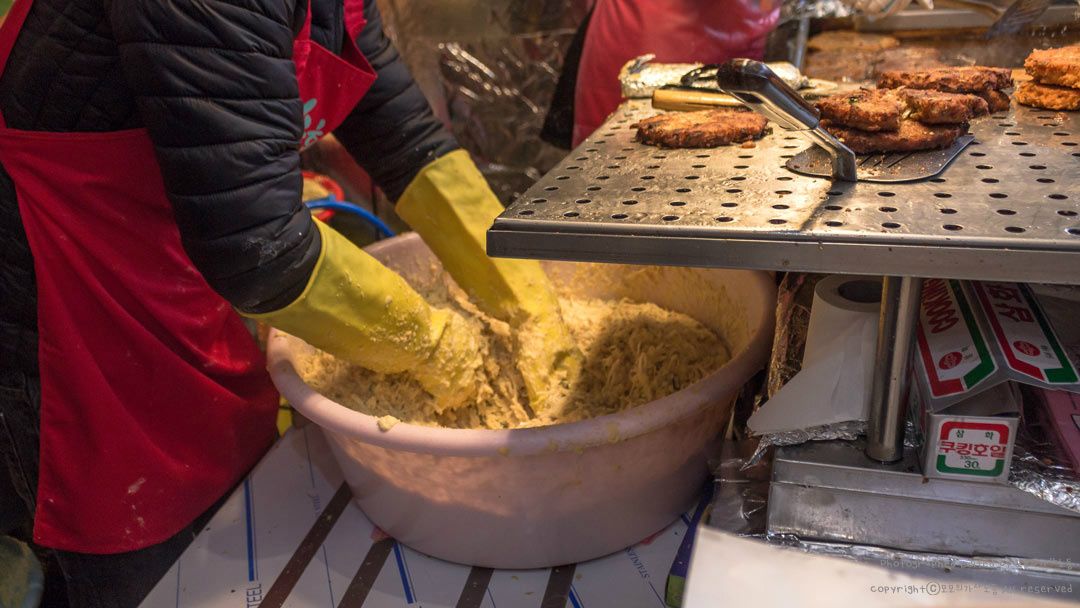

Let’s talk about a classic example: Soonhee Ne Bindaetteok in Seoul’s iconic Gwangjang Market. Before it became a global sensation, grinding mung beans fresh for crispy pancakes, it was a beloved local spot. But after numerous features on various TV shows, it exploded. Now, it's not just a stall; it's a multi-store operation within the market, churning out thousands of bindaetteok (mung bean pancakes) and twigim (fried foods) daily. You've probably seen the mountains of pancakes and sizzling oil on your feed – that's the TV effect in action!
Practical Tip: Head to Gwangjang Market (광장시장) via Jongno 5-ga Station (종로5가역), Exit 8. Soonhee Ne Bindaetteok is easy to spot by the constant queue. Order a bindaetteok (빈대떡) and a side of makgeolli (막걸리) for the ultimate experience. Prices are super affordable, usually around ₩5,000-7,000 per pancake. Best to go during off-peak hours (late afternoon on weekdays) if you want to avoid the longest waits!
The Economic Ripple Effect: More Than Just Platefuls
The "TV-featured" badge isn't just a boon for the featured restaurant; it creates a powerful ripple effect throughout the local economy. Think about it:
- Increased Foot Traffic: When people flock to a famous restaurant, they also walk past other shops, cafes, and stalls in the area. This means more incidental purchases, boosting sales for neighboring businesses too.
- Job Creation: A suddenly popular restaurant needs more cooks, servers, cleaners, and sometimes even security to manage the crowds. This directly creates employment opportunities, often for locals.
- Supplier Boom: Those thousands of bindaetteok need thousands of mung beans, fresh vegetables, and gallons of cooking oil. Local suppliers suddenly find themselves with massive orders, leading to growth in their own businesses.
- Real Estate Value: Areas that become known for their "TV-featured" food streets can see an increase in property values and rental rates, attracting further investment and development.
It's a virtuous cycle that turns a spotlighted dish into a catalyst for urban revitalization. These shows aren't just entertaining; they're vital economic engines for local communities across Korea.
Eunho Sikdang: Elevating a Traditional Taste in Yeouido
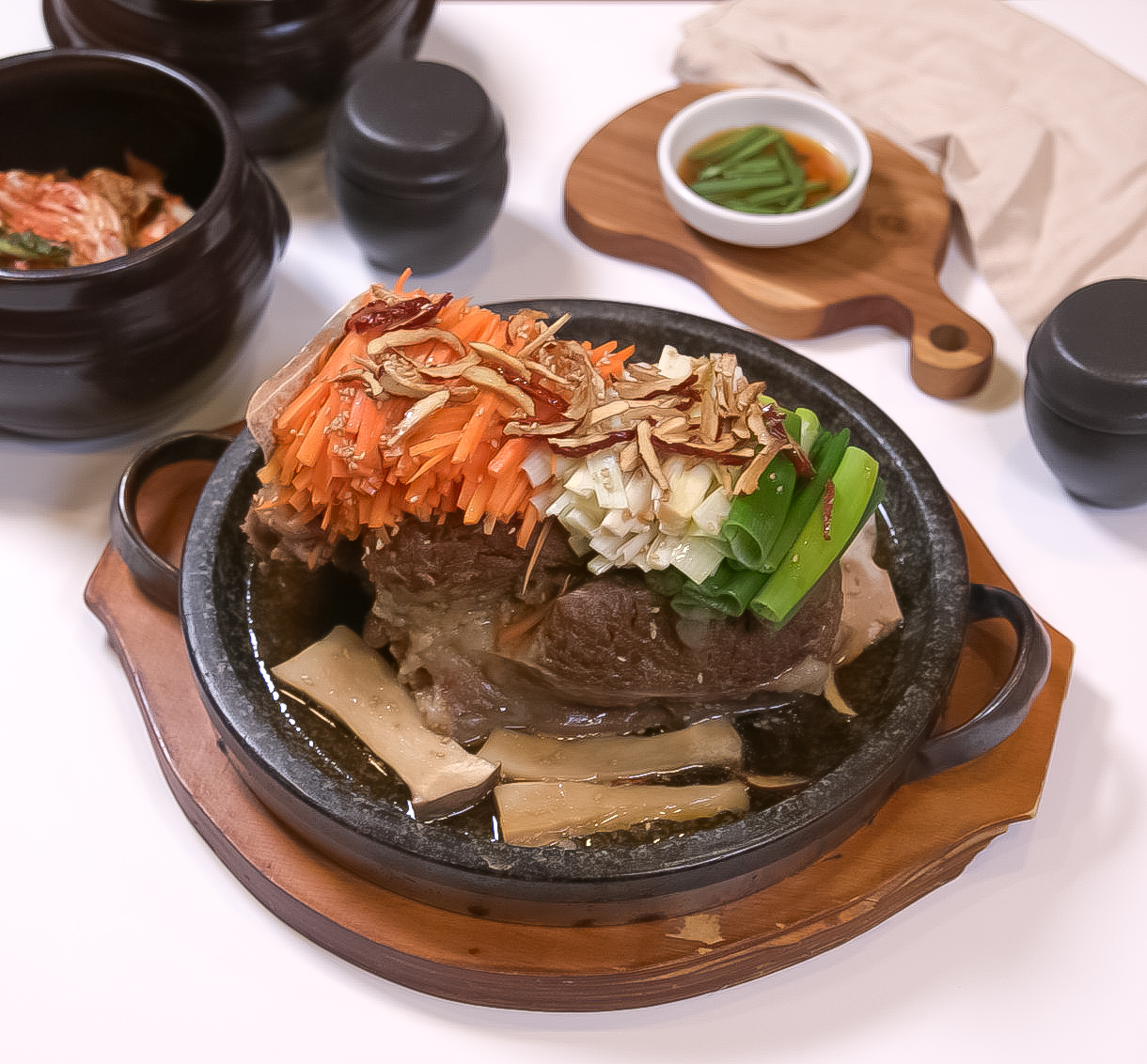
Another incredible example of a traditional spot benefiting from the TV spotlight is Eunho Sikdang in Yeouido (여의도). This legendary restaurant, famous for its rich Kkori Gomtang (oxtail soup), has been serving Seoulites for decades. While already revered, appearances on shows like Saengsong Today introduced its comforting, collagen-rich broth to an even wider audience. The result? Even longer lines, especially around lunchtime, and its status as a must-visit destination solidified for international visitors seeking authentic, deeply traditional Korean flavors.
Practical Tip: Eunho Sikdang (은호식당) is near the National Assembly Station (국회의사당역), Exit 4. The Kkori Gomtang (꼬리곰탕) is their signature dish, expect to pay around ₩20,000-30,000. It's an iconic taste of old Seoul. Go early for lunch (before 11:30 AM) or later for dinner (after 7 PM) to minimize waiting time.
The Numbers Game: What "TV-Featured" Does for the Bottom Line

Let's get down to the nitty-gritty: the money. For a small, independent restaurant, being featured on a major TV food show can mean a revenue jump that most businesses only dream of. Imagine a restaurant that brings in ₩3 million a day before TV. After being featured, that number could easily skyrocket to ₩15 million, ₩20 million, or even more on peak days. We're talking about a 5x to 10x increase in daily sales! Spoiler: totally worth navigating the crowds for!
This massive boost in income doesn't just fill the owners' pockets; it allows for significant investment back into the business. Owners can upgrade their kitchens, improve staff wages, expand their space, or even open new branches. And yes, all that increased revenue means a healthier contribution to the local tax base, fueling public services and infrastructure – which is where the "tax" category really comes into play, even if indirectly. It’s a powerful engine for local economic prosperity.
To give you a better idea of the transformation, here’s a simplified look at a hypothetical restaurant’s journey:
| Aspect | Before TV Feature | After TV Feature |
|---|---|---|
| Daily Customers | ~100-150 | ~500-1000+ |
| Daily Revenue (est.) | ₩3,000,000 - ₩5,000,000 | ₩15,000,000 - ₩50,000,000+ |
| Staff Size | 3-5 | 10-20+ |
| Wait Time | Minimal | 30 min - 2 hours+ |
| Local Recognition | Community Favorite | National & International Destination |
Pretty wild, right? It shows you just how impactful these shows are, turning hidden gems into bustling hubs of culinary activity and significant economic contributors.
Your Mission: How to Conquer the "TV-Featured" Scene Like a Pro
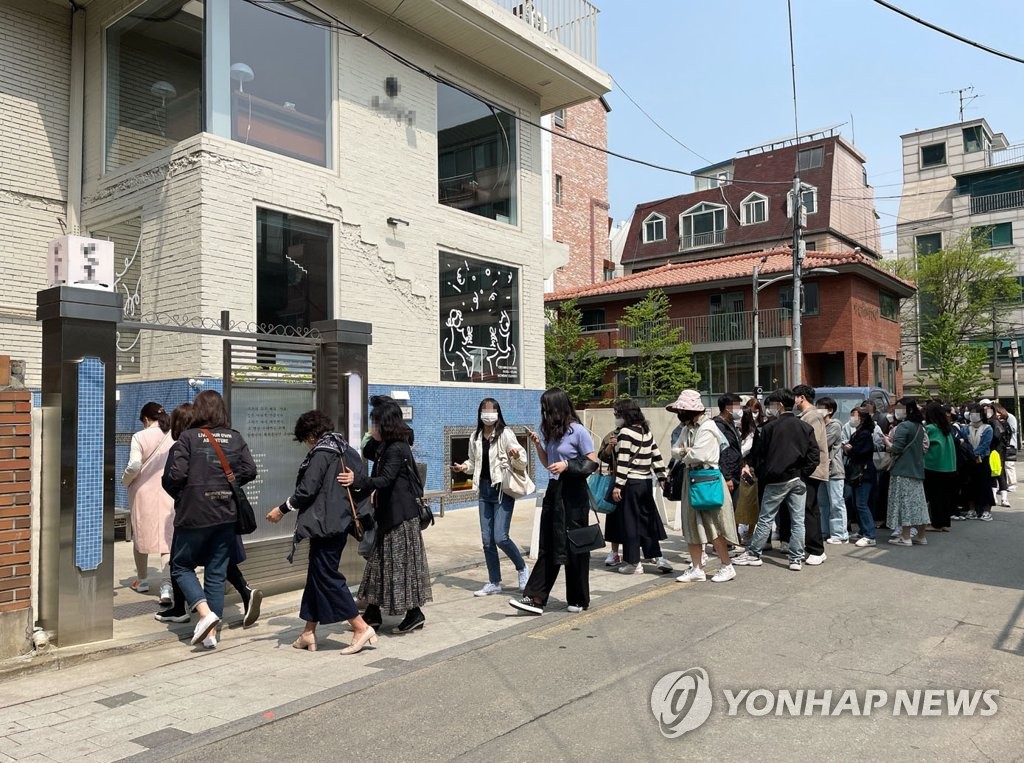
So, you’re convinced you need to experience this phenomenon for yourself. Awesome! Here are my insider tips to make your "TV-featured" food quest a success:
- Timing is Everything: Seriously, avoid peak lunch (12 PM - 1:30 PM) and dinner (6 PM - 8 PM) hours. Your best bet? A late lunch (around 2 PM - 4 PM) or an early dinner (before 5:30 PM). Weekdays are always better than weekends.
- Patience is a Virtue: You're probably going to wait. Embrace it! Use the time to people-watch, chat with your travel buddies, or browse Naver Maps for your next destination. Many places now use digital waiting systems (캐치테이블 - Catchtable or 테이블링 - Tableing) that let you get a number and check your turn remotely.
- Be Prepared for Speed: Once you're in, service can be quick and efficient. Don't expect a leisurely, drawn-out meal. It's about getting delicious food to as many eager diners as possible.
- Order the Signature Dish: While the menu might have other options, stick to what made them famous – it's "TV-featured" for a reason!
- Look for the Signs: Keep an eye out for framed certificates, photos with celebrities, or plaques boasting "방송 출연" (featured on broadcast) or "생활의 달인" (Master of Life) near the entrance. These are your golden tickets!
More Than Just a Meal: It's a Cultural Phenomenon
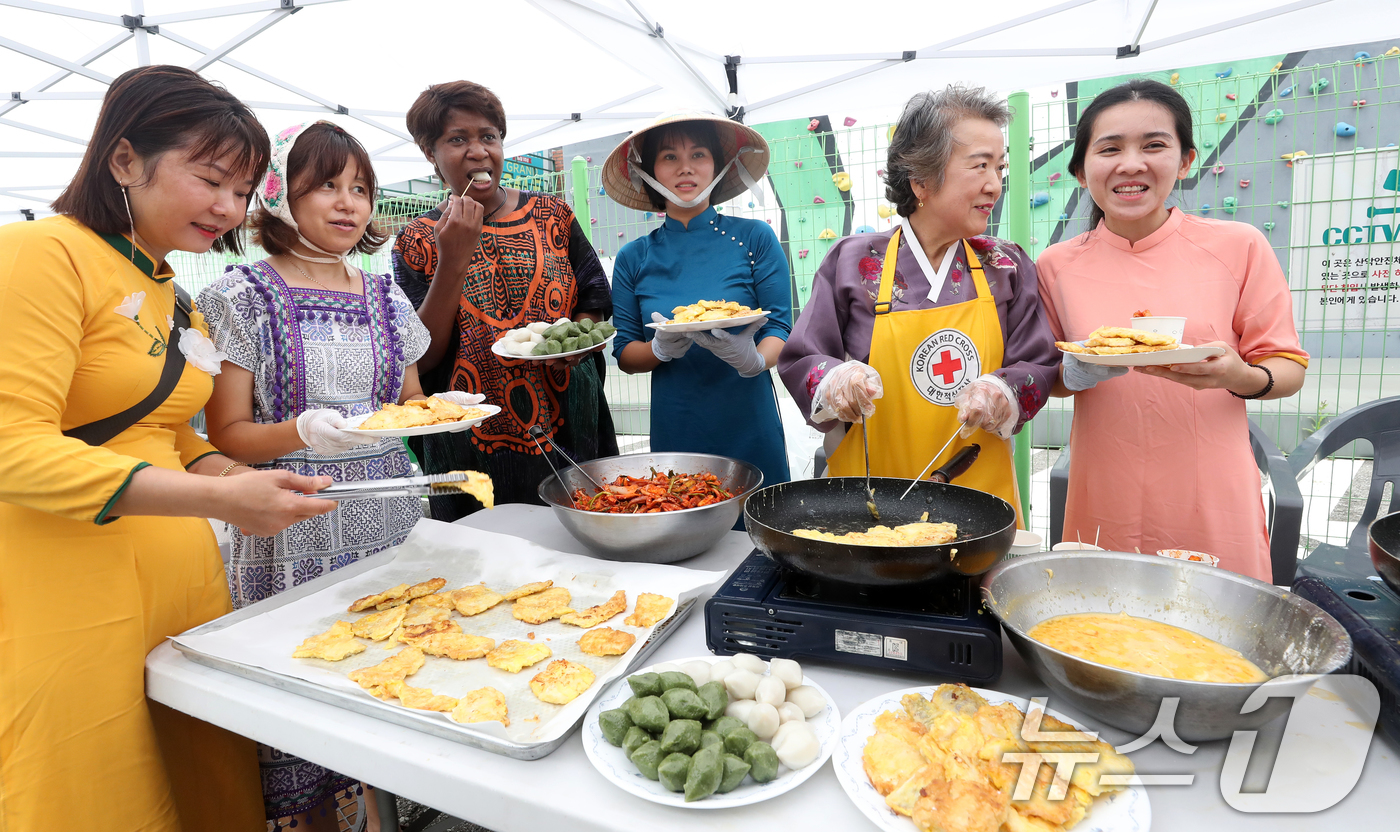
Ultimately, chasing down these TV-featured spots is more than just finding a delicious meal. It's an immersive experience into Korean food culture, understanding how tradition meets modern media, and seeing firsthand the incredible passion that goes into every dish. It's about witnessing the heart of Korean entrepreneurship and community spirit.
So, on your next trip, when you see that "TV-featured" tag, know that you’re not just picking a restaurant. You’re tapping into a fascinating economic story and a truly authentic taste of Korea. Happy eating, my friend!
💡 AI Travel Tip
Want to pinpoint those legendary TV-featured spots and plan your visit like a pro? Your AI assistant can be your secret weapon!
- Finding Specific TV Spots: Ask your AI to list restaurants featured on specific shows (Saengsaeng Jeongbotong, Saengsong Today, Yuksi Naegohyang).
- Optimizing Your Visit: Get real-time advice on the best times to go or how to navigate waiting systems.
- Discovering Nearby Gems: Use TV-featured restaurants as anchors to explore surrounding areas, discovering other unique shops or cafes.
Prompt example: "I'm in Seoul near Gwangjang Market. Find the most famous TV-featured restaurants featured on Saengsaeng Jeongbotong or Yuksi Naegohyang within a 1km radius, and suggest the best time to visit to avoid long queues, also tell me what to order."
Prompt example: "I want to try authentic Kkori Gomtang in Seoul that has been featured on Saengsong Today. Tell me the restaurant name, how to get there via subway, typical price range, and any known waiting strategies."
Prompt example: "Plan a food exploration route in Seoul for one afternoon, focusing on three different TV-featured snack places (e.g., tteokbokki, hotteok, gyeranppang) that are relatively easy to get to by subway, providing opening hours and estimated waiting times."
About this guide
Written with AI assistance from public information, with photos credited to their sources (Korea Tourism Organization, Naver, Pexels, Unsplash). Places and TV-show mentions have not all been checked in person, and a TV appearance is not a quality guarantee. Prices, hours and menus change — please confirm on Naver Map or the venue's official channel before visiting.


