Ever found yourself watching a K-drama, eyes glued to the screen, not because of the dazzling leads, but because of that steaming bowl of jjigae or the sizzling sound of galbi? Or maybe you've scrolled through K-pop idols' "mukbang" sessions, wondering if everything they eat truly tastes that good? Spoiler alert: it does! But here's the thing – Korea's food scene is so much deeper, richer, and more diverse than what you see on screen or in viral clips. It’s a sensory explosion waiting to happen, a culinary adventure that changes with every province, every season, every street corner.
You’ve already explored the basics, maybe even dabbled in some famous TV-featured spots. Now, it’s time to level up. Ready to embark on a true gastronomic odyssey? We’re talking about a full 7-day Korean Food Pilgrimage, a meticulously crafted itinerary designed to take you beyond the usual tourist traps and into the heart of Korea’s authentic flavors. Trust me, by the end of this trip, you won't just have eaten Korean food; you'll have experienced it, felt its soul, and discovered why it's truly one of the world's greatest cuisines. This isn't just a trip; it's a quest for flavor, verified by locals and TV shows alike. Let's dig in, shall we?
Day 1: Seoul – Street Food Paradise at Gwangjang Market
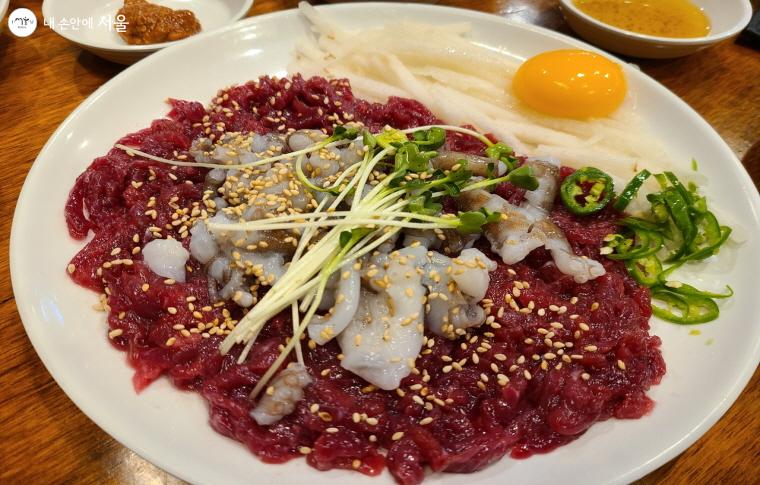
Your journey begins in Seoul, the vibrant heart of Korea. After settling into your accommodation, there’s no better way to kick off your food pilgrimage than by diving headfirst into the bustling, sensory overload that is Gwangjang Market. This isn't just a market; it's a living, breathing food museum, where decades of culinary tradition unfold before your eyes. You’ll see grandmas expertly flipping bindaetteok (mung bean pancakes) and ajummas doling out steaming bowls of noodles.
Sunhui Ne Bindaetteok (순희네빈대떡)
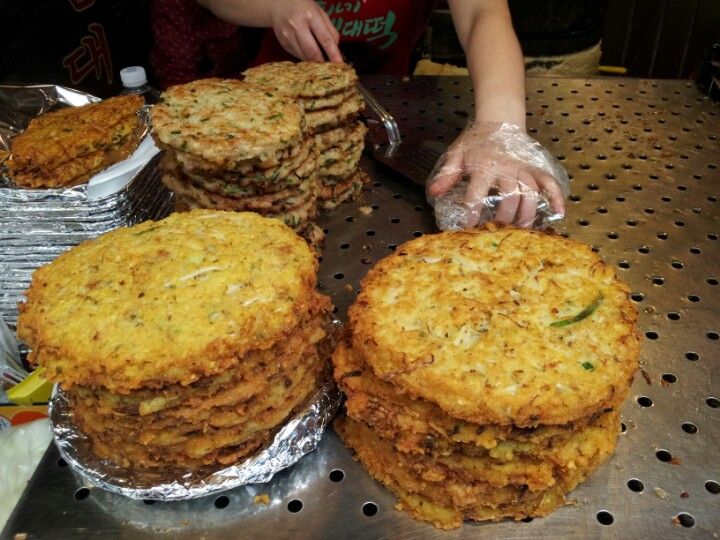
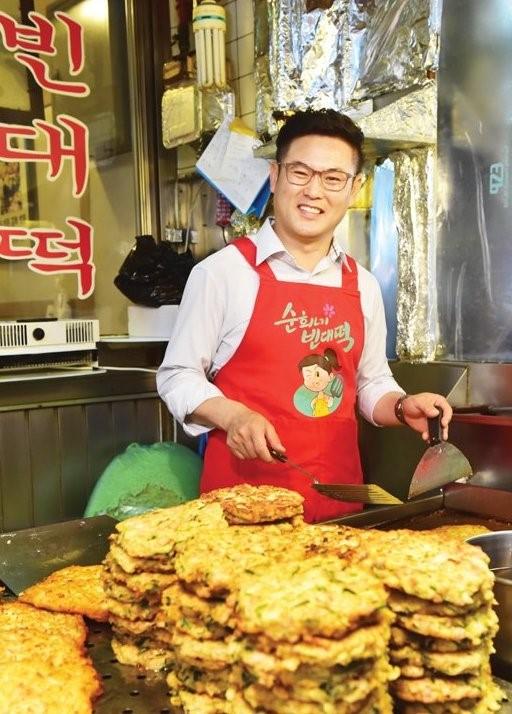
This legendary spot in Gwangjang Market is practically synonymous with the market itself. Featured countless times on shows like Saengsaeng Jeongbotong, it’s a must-visit for its crispy, savory Bindaetteok. The atmosphere is as authentic as the food – you'll be elbow-to-elbow with locals, savoring the simple perfection of a freshly fried pancake.
- How to get there: Take Seoul Subway Line 1 to Jongno 5-ga Station (종로5가역), Exit 8. The market entrance is right there, and Sunhui Ne Bindaetteok is easily found by following the delicious smell and the crowds!
- What to order: Definitely the original Bindaetteok. Pair it with a cup of makgeolli (rice wine) for the full experience. Don’t forget to try the Mayak Gimbap ("drug gimbap" – so addictive you can't stop!) and a bowl of spicy Tteokbokki from any of the numerous stalls.
- Price range: Very affordable. Bindaetteok around ₩5,000-8,000.
- Best time to visit: Late afternoon/early evening for dinner and the full lively market atmosphere.
Day 2: Seoul – Hanok Charm & Hidden Bites in Bukchon/Samcheongdong
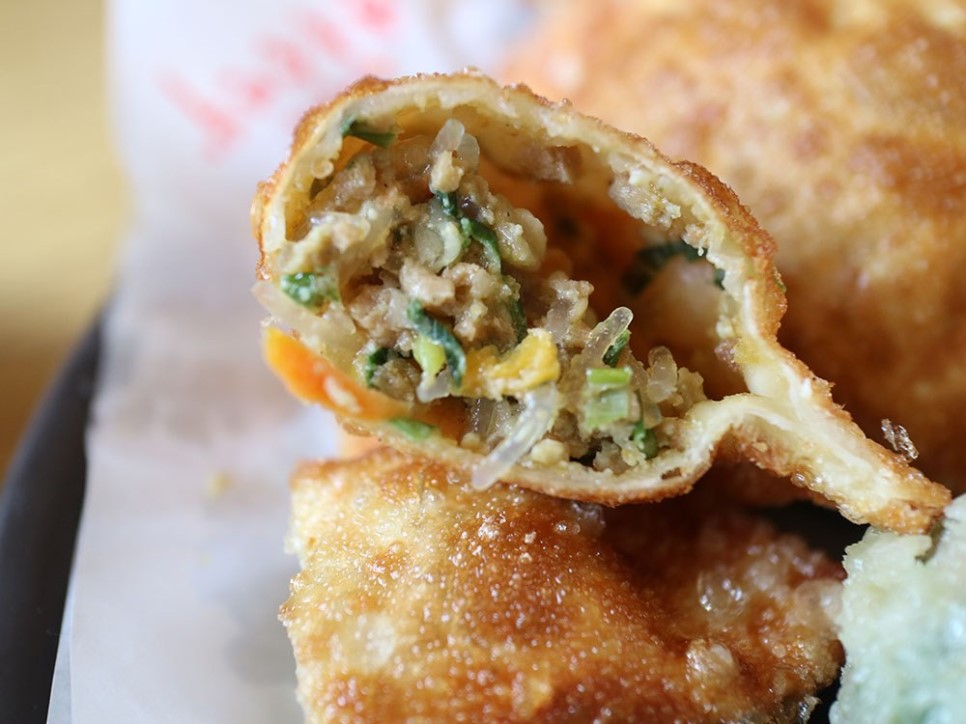
After the market frenzy, Day 2 takes you to a more serene yet equally delicious side of Seoul: the picturesque Bukchon Hanok Village and its charming neighbor, Samcheongdong. While famous for their traditional Korean houses, these areas also hide some fantastic traditional eats and modern cafes that blend seamlessly with the old-world charm.
- How to get there: Take Seoul Subway Line 3 to Anguk Station (안국역), Exit 2 or 3. From there, it's a short walk to the village and Samcheongdong.
- What to order: Start your day with a traditional Korean tea ceremony experience at one of the Hanok teahouses – perfect for a quiet moment. For lunch, explore the back alleys of Samcheongdong for some surprisingly good Kalguksu (knife-cut noodles) or a modern Korean bistro. Keep an eye out for street vendors selling hotteok (sweet pancakes) or gyeranppang (egg bread) for a quick snack.
- Price range: Varies. Tea houses can be ₩8,000-15,000, while a Kalguksu meal might be ₩7,000-10,000.
- Best time to visit: Morning to early afternoon to enjoy the architecture and avoid evening crowds.
Day 3: Jeonju – Bibimbap Bliss & Makkolli Magic

Time to venture out of Seoul! Hop on a KTX train and head south to Jeonju, the culinary capital of Korea and home to the iconic Bibimbap. This city isn't just about food; it's a cultural treasure trove with its stunning Hanok Village. You’ll quickly understand why locals flock here for authentic flavors.
Hangukgwan (한국관)

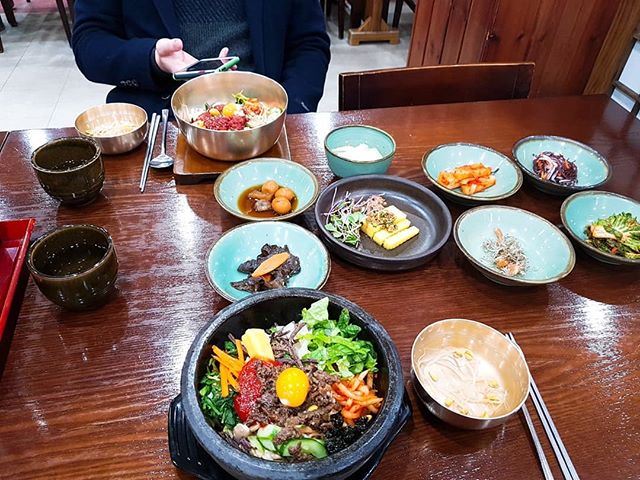
You can’t go to Jeonju without trying its most famous dish. While many places claim the best, Hangukgwan is a long-standing favorite, often praised on shows like Yuksi Naegohyang for its dedication to traditional Jeonju Bibimbap. Their version is meticulously prepared with a vibrant array of fresh ingredients and a deep, rich flavor.
- How to get there: From Seoul, take the KTX train to Jeonju Station. From the station, a short taxi ride (10-15 mins) will get you to the Hanok Village and nearby restaurants.
- What to order: The signature Jeonju Bibimbap, of course! You might also want to try their Tteokgalbi (grilled short rib patties) if you’re feeling extra hungry. In the evening, explore the famous Makkolli Alley, where restaurants serve various side dishes with huge kettles of makgeolli – a truly unique communal dining experience.
- Price range: Bibimbap around ₩12,000-15,000. Makkolli Alley can be ₩20,000-40,000+ depending on the set.
- Best time to visit: Lunch for Bibimbap, evening for Makkolli Alley.
Day 4: Busan – Port City Flavors & Dwaeji Gukbap Comfort
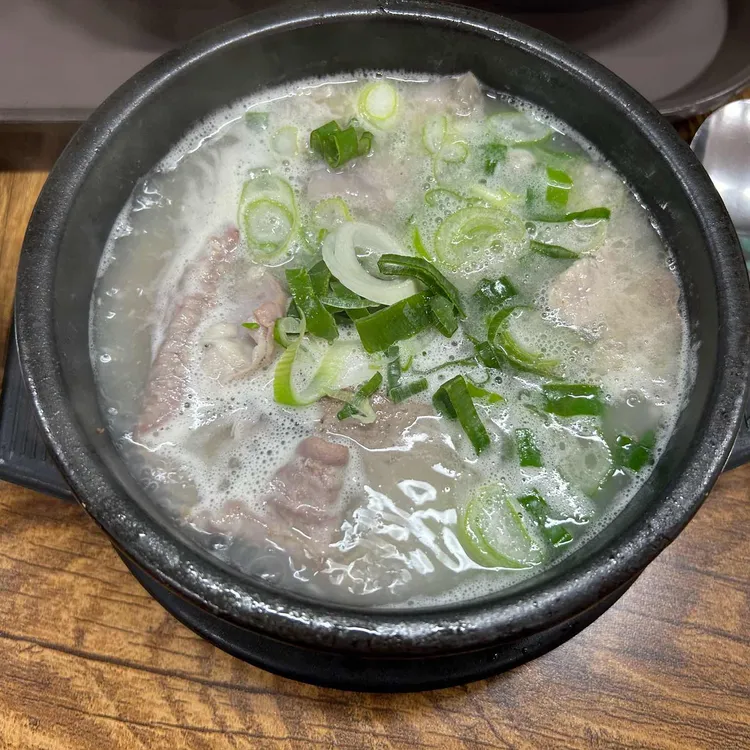
From Jeonju, it's another KTX ride south-east to the vibrant port city of Busan! Known for its stunning beaches, bustling markets, and a distinctive culinary identity, Busan is a must-visit. Your food mission here? To indulge in the ultimate comfort food: Dwaeji Gukbap (pork soup with rice).
Songjeong 3-dae Gukbap (송정3대국밥)
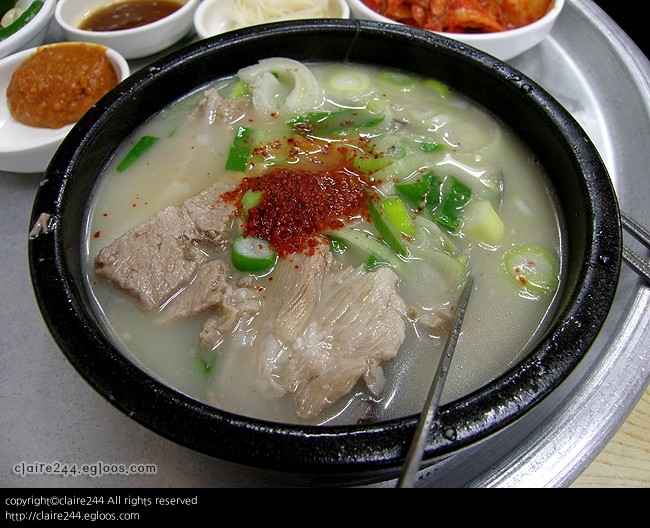
Located in the heart of Seomyeon, Songjeong 3-dae Gukbap is an institution. This multi-generational establishment has been perfecting its rich pork broth for decades, a secret recipe cherished and often highlighted on shows like Saengsong Today. It’s the perfect bowl to warm you up, comfort your soul, and give you a true taste of Busan.
- How to get there: From Jeonju, take the KTX to Busan Station. Use the Busan Metro to Seomyeon Station (서면역). Songjeong 3-dae Gukbap is a short walk from there, near the famous Seomyeon Food Alley.
- What to order: The classic Dwaeji Gukbap with a side of rice, noodles, and various condiments (chives, chili paste, salted shrimp). You customize it to your liking! Afterwards, wander through Jagalchi Fish Market (not for a sit-down meal, but for the experience and maybe some street food seafood snacks) and Bupyeong Kkangtong Market for more local treats like Ssiat Hotteok (sweet pancake with seeds).
- Price range: Dwaeji Gukbap around ₩8,000-10,000. Market snacks are inexpensive.
- Best time to visit: Lunch or dinner for Gukbap. Jagalchi/Kkangtong Markets are lively throughout the day.
Day 5: Daegu – Gopchang Galore & Modern Cafe Vibes
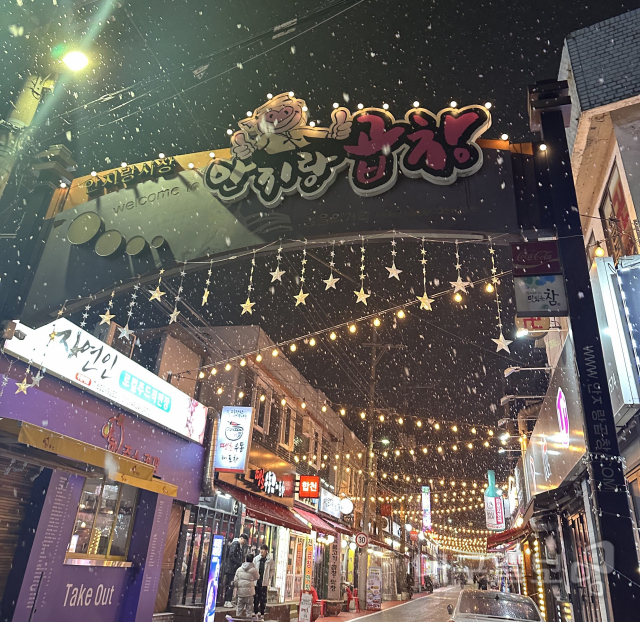
Next up, a relatively lesser-known but incredibly rewarding culinary destination: Daegu! This city is famous among Koreans for its fiery hot and uniquely delicious street food, especially its grilled intestines. Get ready for a flavorful experience that'll challenge your taste buds in the best way possible.
- How to get there: From Busan, take the KTX to Dongdaegu Station (동대구역). Daegu's public transport system is easy to navigate; take the metro to Anjirang Station (안지랑역) for the Gopchang Alley.
- What to order: Head straight to Anjirang Gopchang Alley (안지랑 곱창골목). This entire street is dedicated to grilling gopchang (small intestines) and makchang (beef abomasum). Choose any restaurant; they’re all fantastic! Order a serving (or two) of grilled gopchang, usually served with various sauces and fresh vegetables. This alley is a local institution, often featured on travel shows, showcasing its vibrant energy and unique flavors. Daegu is also known for its spicy Tteokbokki (a slightly different style than Seoul's) and its thriving cafe scene, perfect for a post-Gopchang coffee fix.
- Price range: Gopchang sets for 2-3 people typically ₩20,000-40,000.
- Best time to visit: Evening for the full lively atmosphere of Gopchang Alley.
Day 6: Seoul – Chimaek & Trendy Treats
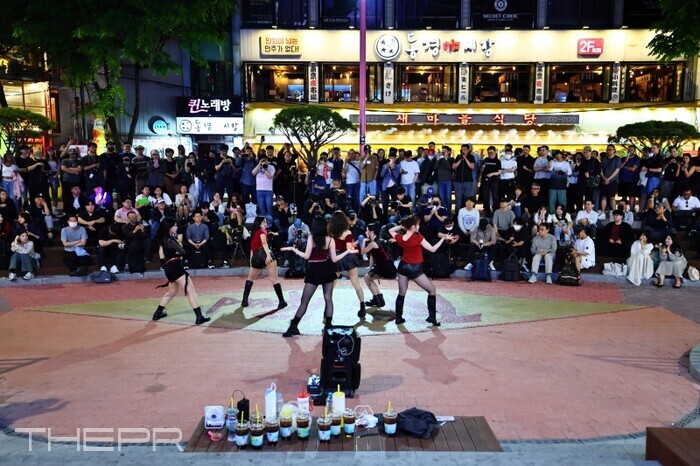
It's time to head back to Seoul (a quick KTX ride from Daegu) for your final culinary adventures! After days of traditional and regional specialties, today is all about indulging in modern Korean favorites that have taken the world by storm. And what's more iconic than Chimaek – Korean fried chicken and beer?
- How to get there: From Dongdaegu Station, take the KTX back to Seoul Station. Use the Seoul Metro to reach areas like Hongdae (홍대입구역) or Sinchon (신촌역) for the best Chimaek spots and trendy cafes.
- What to order: Find a popular Korean fried chicken joint in Hongdae or Sinchon. You can't go wrong with classic original, spicy yangnyeom, or soy garlic flavors. Order a pitcher of cold Korean beer (maekju) to complete the Chimaek experience – it's practically mandatory! For dessert, explore the endless array of unique cafes offering everything from elaborate bingsu (shaved ice dessert) to artistic pastries. This is your chance to see how modern Korean food culture thrives.
- Price range: Fried chicken set ₩18,000-25,000. Cafe desserts ₩8,000-15,000.
- Best time to visit: Evening for Chimaek, afternoon for cafe hopping.
Day 7: Seoul – Last Bites & Food Souvenirs

Your incredible food pilgrimage is drawing to a close, but that doesn't mean the feasting stops! Day 7 is for enjoying some final Seoul favorites and stocking up on delicious food souvenirs to bring a taste of Korea back home with you.
- How to get there: Depending on your flight, stay close to areas like Myeongdong, Insadong, or a large supermarket like Lotte Mart or E-Mart.
- What to order: Start your day with a comforting bowl of Seolleongtang (ox bone soup) or a hearty brunch at a chic cafe. For your last round of street food, hit up Myeongdong for anything you missed – perhaps some cheesy tteokbokki skewers, hotteok, or a savory odeng (fish cake). Before heading to the airport, make a stop at a major supermarket or department store food hall. You'll find an incredible selection of Korean snacks, instant noodles, traditional teas, unique sauces, and pre-packaged banchan (side dishes) that are perfect for sharing with friends and family (or hoarding for yourself, no judgment!).
- Price range: Varies greatly. Brunch ₩10,000-20,000. Supermarket shopping depends on your haul!
- Best time to visit: Morning/afternoon for relaxed eating and shopping before your departure.
💡 AI Travel Tip
Planning a multi-city food trip with public transport and specific restaurant targets can be a lot. Here's how AI can be your secret weapon to fine-tune this pilgrimage:
- Optimizing travel logistics: Instead of manually checking train times, use AI to create the most efficient route.
- Personalized restaurant recommendations: Beyond the famous spots, AI can suggest hidden gems based on your specific dietary preferences or favorite dishes.
- Real-time translation and local insights: Use AI translation apps to navigate menus or ask locals for recommendations on the fly.
Prompt example: "Plan a 7-day food itinerary for Korea, focusing on regional specialties in Seoul, Jeonju, Busan, and Daegu, using KTX for inter-city travel. Include restaurant names featured on Korean TV shows Saengsaeng Jeongbotong or Saengsong Today for at least three meals, and suggest how to get there via public transport. Ensure it avoids Galbi, Gangwon mountain cuisine, and specific Mokpo/Ulsan seafood."
Prompt example: "Find me the best-rated Daegu-style spicy tteokbokki restaurants near Anjirang Gopchang Alley with a Google Maps link and approximate price range."
Prompt example: "Translate 'I'd like to order the classic pork soup with extra rice, please' into natural Korean for a restaurant setting."
There you have it – a 7-day Korean food pilgrimage designed to fill your stomach and your soul. You’re going to discover flavors you didn't even know existed and make memories that'll last a lifetime. Happy eating, food explorer!
About this guide
Written with AI assistance from public information, with photos credited to their sources (Korea Tourism Organization, Naver, Pexels, Unsplash). Places and TV-show mentions have not all been checked in person, and a TV appearance is not a quality guarantee. Prices, hours and menus change — please confirm on Naver Map or the venue's official channel before visiting.