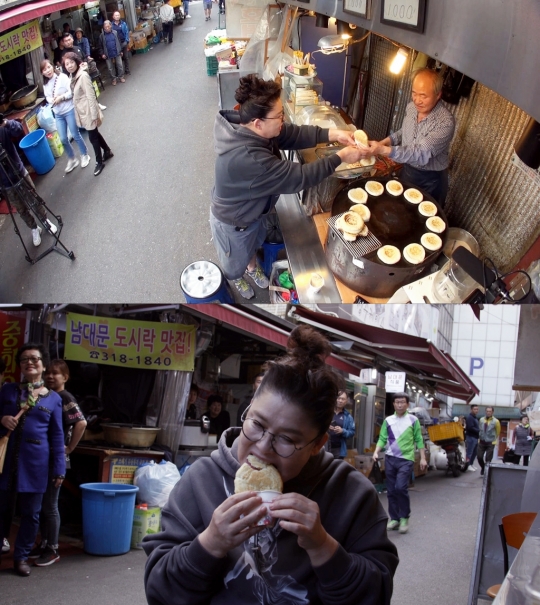
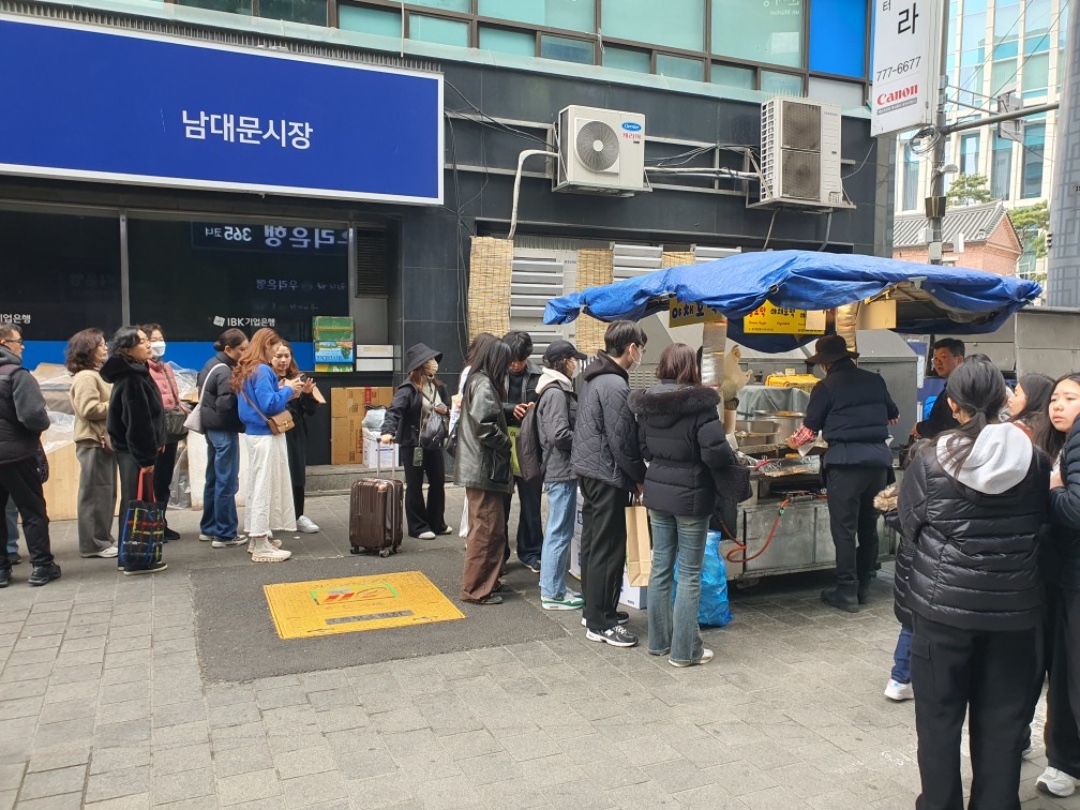
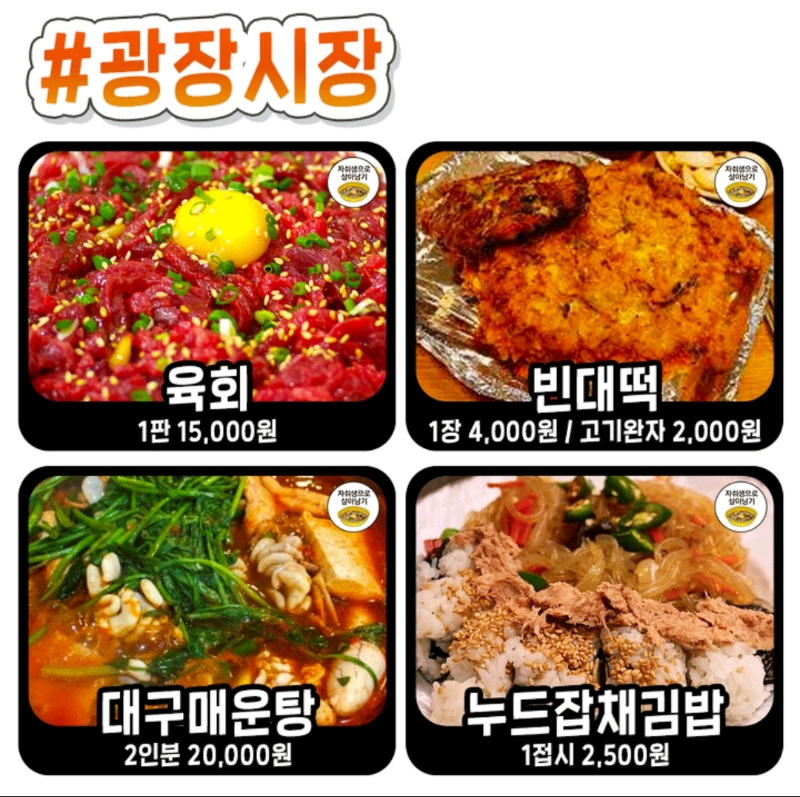
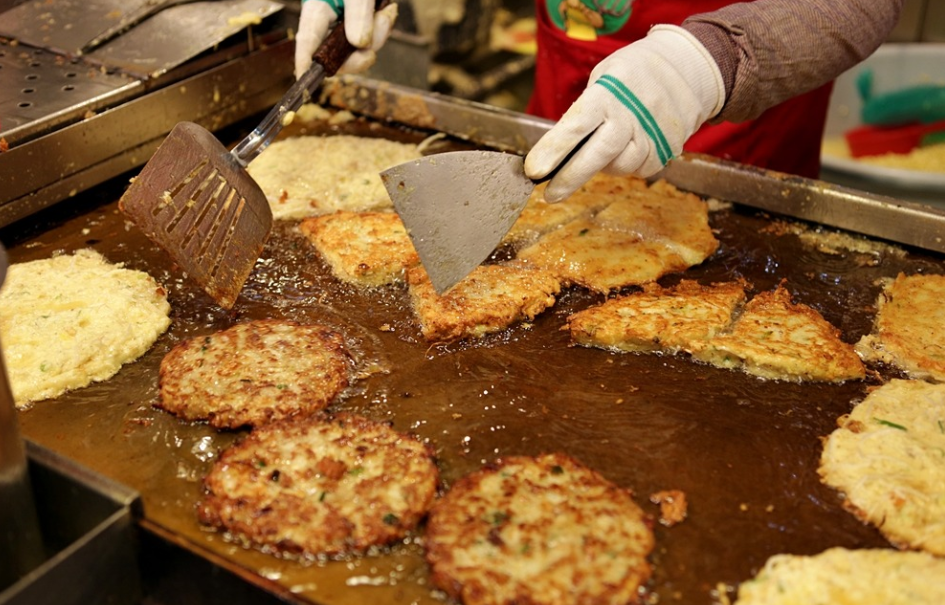
You’ve seen it on your screens, heard it in your favorite K-pop anthems, and dreamt of walking its glamorous streets. Gangnam! It’s the epitome of Seoul’s modern luxury, soaring skyscrapers, designer boutiques, and star-studded entertainment agencies. But what if I told you that beneath all that glitz and glamour, Gangnam holds a delicious secret? A vibrant, authentic food scene where Seoul locals, not just tourists, flock for their everyday meals and special culinary treats.
Forget the overpriced tourist traps or the Instagram-only cafes. Today, as your trusted KoreaSpots guide, we're diving deep into Gangnam’s kitchens to uncover the genuine flavors beloved by Koreans themselves – all verified by your favorite local TV shows like Saengsaeng Jeongbotong, Saengsong Today, and Yuksi Naegohyang!
Gangnam: More Than Just K-Pop and Luxury
When most K-drama fans think of Gangnam, images of chic cafes, high-end shopping in Apgujeong, or even the bustling energy of Sinsa-dong's Garosu-gil probably come to mind. While these areas are undeniably fantastic for people-watching and soaking in the trendy vibe, they also harbor some of Seoul's most cherished eateries. Locals know that Gangnam isn't just about showing off; it's about enjoying high-quality food, from traditional Korean fare to innovative culinary experiences, all within a vibrant, accessible setting.
The "Gangnam style" isn't just a dance; it's a way of life that includes sophisticated palates and a love for good food. Let's peel back the layers and discover where the true taste of Gangnam lies!
Imagine succulent, plump crabs marinated in a rich, savory soy sauce blend, so tender it practically melts in your mouth. This isn't just any crab; it's ganjang gejang (soy-marinated raw crab), and Pro Ganjang Gejang is arguably the most famous place in Seoul to experience this delicacy. Located in the fashionable Sinsa-dong area, this restaurant has been serving up its signature dish for decades, earning a legendary status among locals and even international foodies who are in the know.
This establishment has been featured countless times on Saengsaeng Jeongbotong and Saengsong Today, lauded for its consistently fresh crabs and the secret recipe of its soy marinade. It's often affectionately called "rice thief" (밥도둑, bap doduk) because you'll find yourself devouring bowl after bowl of rice just to soak up every last drop of the exquisite sauce.
How to get there: Take Seoul Subway Line 3 (Orange Line) to Sinsa Station (신사역). Exit 4. Walk straight for about 5-7 minutes. It's on your left, hard to miss with its distinctive signage.
What to order: The absolute must-try is the Ganjang Gejang (간장게장). They offer different sizes depending on the number of people. If you're feeling adventurous, try the Yangnyeom Gejang (양념게장), which is marinated in a spicy chili sauce. Don't forget to order a side of steamed white rice and perhaps some Al-bap (알밥) – flying fish roe rice – to mix with the leftover crab roe and sauce.
Price range: Expect to pay around ₩40,000 - ₩70,000 per person, depending on the crab size and other dishes. It's on the pricier side, but absolutely worth it for the quality and experience.
Best time to visit: Lunchtime is less crowded than dinner, but expect a wait during peak hours (12 PM - 2 PM and 7 PM - 9 PM). Weekdays are generally better than weekends.
KoreaSpots Tip: Don't be shy! Use your hands to really get into the crab. Squeeze the meat and roe out of the shell, then mix it directly into your rice. It’s messy, but that’s part of the fun! They provide gloves, so you’re all set.
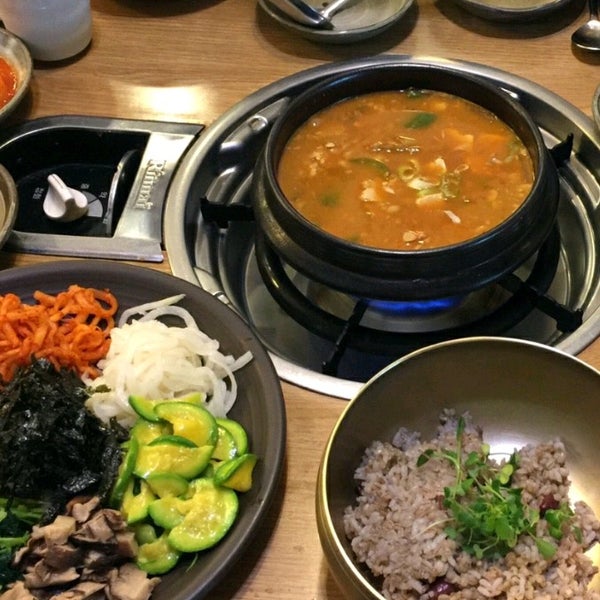
After indulging in some rich seafood, perhaps you're craving something more comforting, rustic, and incredibly healthy? Look no further than Cheonggukjang & Boribap, a beloved local spot that specializes in fermented soybean paste stew and barley rice. This restaurant captures the essence of traditional Korean home cooking, offering a deeply satisfying and nutritious meal that truly makes you feel like you've stepped into a Korean grandmother's kitchen.
Their signature cheonggukjang stew is less pungent than some other varieties, making it an excellent introduction for those new to this intensely flavored dish. It's packed with healthy fermented soybeans and vegetables, served bubbling hot. The boribap (barley rice) is meant to be mixed with various fresh vegetables, savory pastes, and, of course, the hearty stew, creating a custom bibimbap-like experience. This spot has earned its reputation through positive reviews and features on shows like Yuksi Naegohyang, celebrating its commitment to wholesome, traditional ingredients.
How to get there: Located near Sinsa-dong/Apgujeong, it’s a bit of a walk from Sinsa Station (Line 3, Exit 8) or Apgujeong Station (Line 3, Exit 5) (around 10-15 minutes). Taxis are also readily available in this area. You can search for "청국장과보리밥 신사점" on navigation apps.
What to order: The main draw is the Cheonggukjang Jeongol (청국장 정식), a set meal that comes with the stew, a generous bowl of boribap, and an array of banchan (side dishes) including fresh vegetables for mixing. You can also opt for the Boribap Bibimbap (보리밥 비빔밥) if you prefer to build your own bowl.
Price range: Very reasonable, typically around ₩10,000 - ₩15,000 per person for a set meal. This offers great value for a delicious and filling lunch or dinner.
Best time to visit: Great for lunch or a casual dinner. It's less frantic than other popular spots, offering a relaxed dining experience.
KoreaSpots Tip: Make sure to utilize all the fresh vegetables and condiments provided. Mix everything well with your barley rice and a spoonful of cheonggukjang for a complete, nutritious, and flavorful bite!
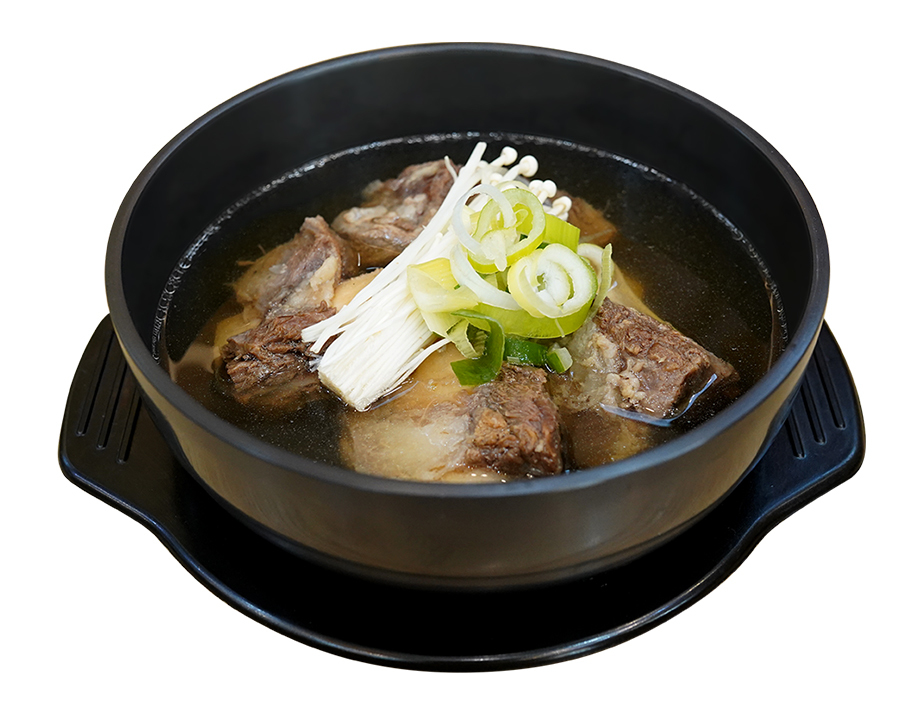
When Seoulites think of comfort food, often a bowl of heartwarming soup or chewy noodles comes to mind. Gangnam Myeonok has mastered both, making it a go-to spot for locals craving traditional Korean dishes, especially their famous galbijjim (braised short ribs) and naengmyeon (cold noodles). With several branches across Seoul, the Apgujeong main branch holds a special place, consistently drawing crowds seeking their signature flavors.
Their galbijjim is known for its tender, fall-off-the-bone meat, simmered in a rich, slightly sweet soy-based sauce. It’s perfect for sharing, especially on a chilly evening. And for those warmer days, or just for a refreshing contrast, their naengmyeon – either spicy bibim naengmyeon or savory mul naengmyeon – is the perfect choice. This restaurant has frequently been highlighted on Saengsong Today and Saengsaeng Jeongbotong for its classic Korean taste and welcoming atmosphere.
How to get there: The Apgujeong branch is conveniently located a short walk from Apgujeong Station (Line 3, Exit 2 or 3). Walk straight for about 5 minutes, and you'll see it on your right.
What to order: A must-try is the Galbijjim (갈비찜). Order the size appropriate for your group (small, medium, large). For a refreshing contrast, or if you're dining solo, their Mul Naengmyeon (물냉면 - cold broth noodles) or Bibim Naengmyeon (비빔냉면 - spicy mixed noodles) are excellent choices. Don't forget their delicious mandu (dumplings) too!
Price range: Galbijjim is a sharing dish, so expect around ₩50,000 - ₩80,000 for a medium size. Individual noodle dishes are more affordable, around ₩12,000 - ₩15,000.
Best time to visit: It’s popular for both lunch and dinner. Weekday lunch might be busy with office workers, but the queues move relatively quickly.
KoreaSpots Tip: If you order galbijjim, be sure to ask for extra rice to soak up the leftover sauce. For naengmyeon, don't be afraid to add a little vinegar and mustard to taste – that's how the locals do it!
Gangnam Local Food Hotspots At A Glance
Here’s a quick summary to help you choose your next culinary adventure in Gangnam:
Galbijjim (Braised Short Ribs), Naengmyeon (Cold Noodles)
₩12,000 - ₩50,000+
Hearty meat dish, refreshing noodles, group dining
Beyond the Plate: General Gangnam Food Tips
Navigating Gangnam: While Gangnam is well-connected by subway (Lines 2, 3, and Bundang Line), specific restaurants might require a short walk or a quick taxi ride from the nearest station. Don't hesitate to use Naver Maps or Kakao Maps for real-time directions!
Ordering: Many popular restaurants will have menus with English (or at least pictures!). If not, point to what others are eating or use a translation app. Don't forget to practice basic Korean phrases like "이거 주세요" (igeo juseyo - "Please give me this") or "맛있어요!" (masisseoyo - "It's delicious!").
Payment: Credit cards are widely accepted everywhere, even at smaller eateries. Cash is always an option too.
Dining Etiquette: It's generally acceptable to share dishes. Side dishes (banchan) are usually refillable for free. Don't leave chopsticks sticking upright in your rice bowl, as this resembles ancestral rites.
Exploring Sub-districts: Gangnam is huge! Explore specific areas like Garosu-gil for trendy cafes and boutiques, Apgujeong Rodeo Street for high-end fashion and beauty, and Samseong-dong for COEX Mall and more diverse dining. Each area has its unique food vibe!
Your Gangnam Culinary Adventure Awaits!
So, next time you're planning your trip to Korea, remember that Gangnam isn't just for luxury shoppers or K-pop pilgrims. It's a treasure trove of authentic Korean flavors, waiting to be discovered. From the bold intensity of ganjang gejang to the comforting warmth of cheonggukjang, and the satisfying richness of galbijjim, Gangnam offers a dining experience that is truly "local-approved" and guaranteed to tantalize your taste buds. Go on, step beyond the obvious, and taste the real Gangnam!
💡 AI Travel Tip
Harness the power of AI to elevate your Gangnam food hunt! Before you go, use an AI chatbot to create a personalized food itinerary based on your preferences, and during your trip, let it be your real-time dining assistant.
Pre-trip Planning: Ask for a daily food plan in specific Gangnam neighborhoods.
Prompt example: "I'm staying near Gangnam Station for 3 days. Recommend a local breakfast, lunch, and dinner spot for each day in different Gangnam neighborhoods like Sinsa-dong, Apgujeong, and Cheongdam-dong. I love spicy food and traditional Korean dishes, and my budget is mid-range. Please include subway directions and what to order."
On-the-Spot Menu Translator & Recommender: If you're at a restaurant with only Korean menus, snap a photo and ask your AI.
Prompt example: "Translate this Korean menu for me. Based on the menu, what's a popular dish that's not too spicy and good for one person?"
Finding Hidden Gems: Use AI to search for places mentioned on specific Korean TV shows in your vicinity.
Prompt example: "Find me restaurants in Sinsa-dong that have been featured on 'Saengsaeng Jeongbotong' or 'Yuksi Naegohyang' and serve Korean BBQ. Provide the restaurant name, address, and their signature dish."
Best Dumpling (Mandu) Spots in Korea Featured on TV Shows | KoreaSpots
Imagine this: You’ve just spent the day exploring ancient palaces, bustling markets, or perhaps danced along to your favorite K-pop track echoing through the streets of Seoul. Your stomach rumbles, a sweet, savory craving hits, and you think, "What's the one dish that truly tastes like Korea, warm and comforting, yet packed with flavor?" The answer, my friends, is almost always mandu!
That's right, we're talking about Korean dumplings! While you might be familiar with dumplings from other cuisines, Korean mandu offers a unique, incredibly diverse experience. From juicy steamed pockets filled with savory meat and vegetables to crispy fried delights and hearty dumpling hotpots, mandu is a staple that appears on every Korean table, from humble street stalls to elegant dining rooms.
And here at KoreaSpots, we don't just recommend any spot. Oh no! We bring you the crème de la crème, the places so good they've been vetted and celebrated on Korea's most beloved food shows like Saengsaeng Jeongbotong, Yuksi Naegohyang, and Saengsong Today. These are the spots where locals flock, the flavors are authentic, and every bite tells a story. Ready to dive into the world of mandu? Let's go!
Before we embark on our delicious journey, let's appreciate the magic of mandu. Unlike some dumplings, Korean mandu often boasts a thinner wrapper, allowing the vibrant fillings to truly shine. These fillings are a delightful symphony of textures and tastes, typically including ground pork or beef, tofu, glass noodles (japchae), kimchi, and various vegetables like cabbage, leeks, and onions, all seasoned with soy sauce, sesame oil, and garlic.
The beauty of mandu also lies in its versatility. You can find:
Jjin Mandu (찐만두): Steamed dumplings, classic and pure, letting the filling's natural flavors shine.
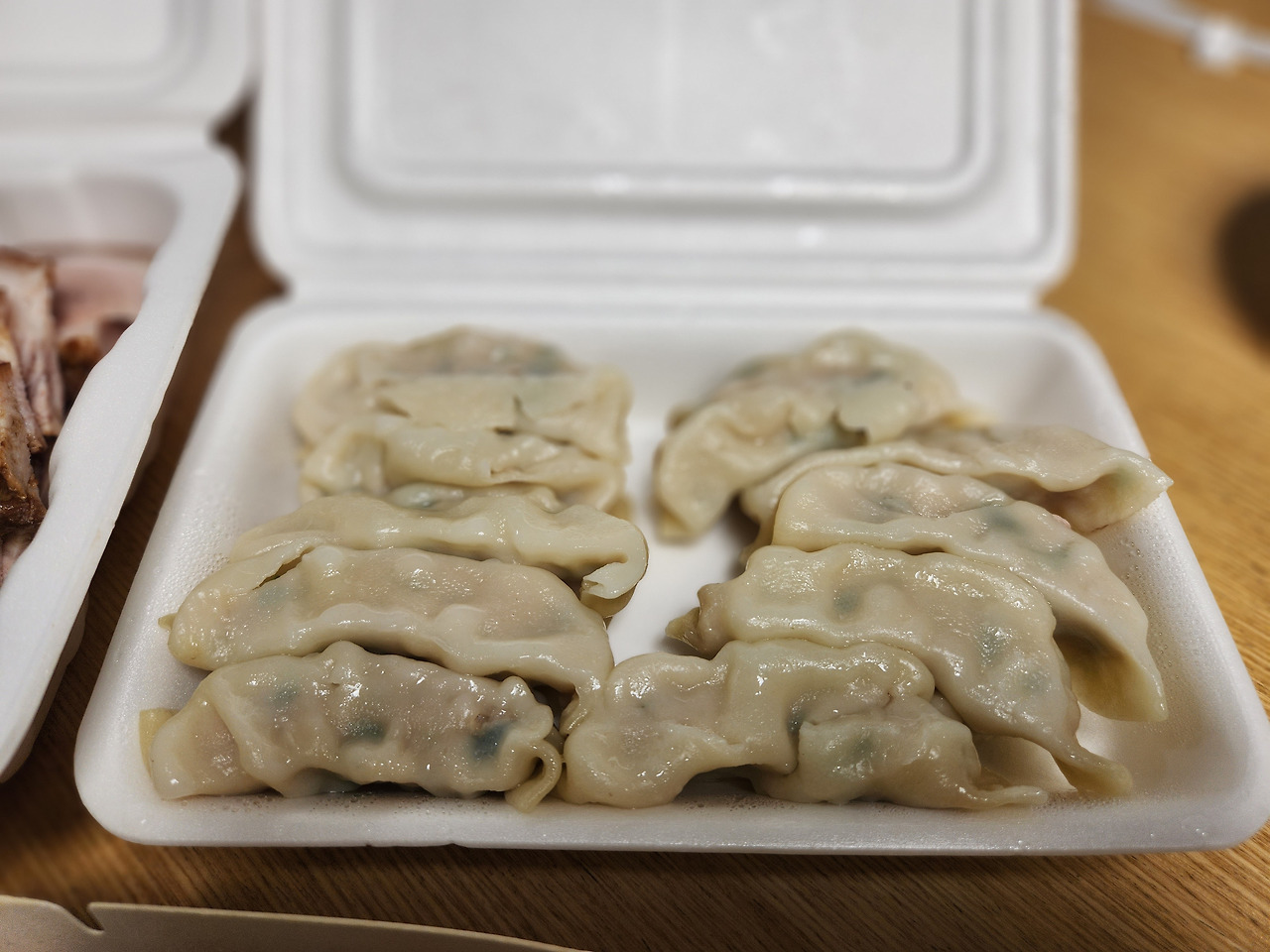
Gun Mandu (군만두): Pan-fried dumplings, crispy on the outside, juicy on the inside – a texture lover's dream!
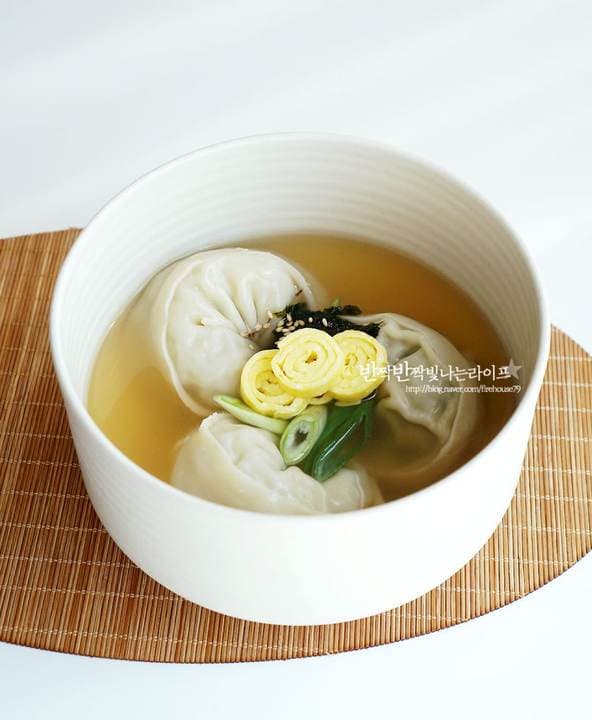
Mul Mandu (물만두): Boiled dumplings, typically smaller and eaten in a light broth or with dipping sauce.
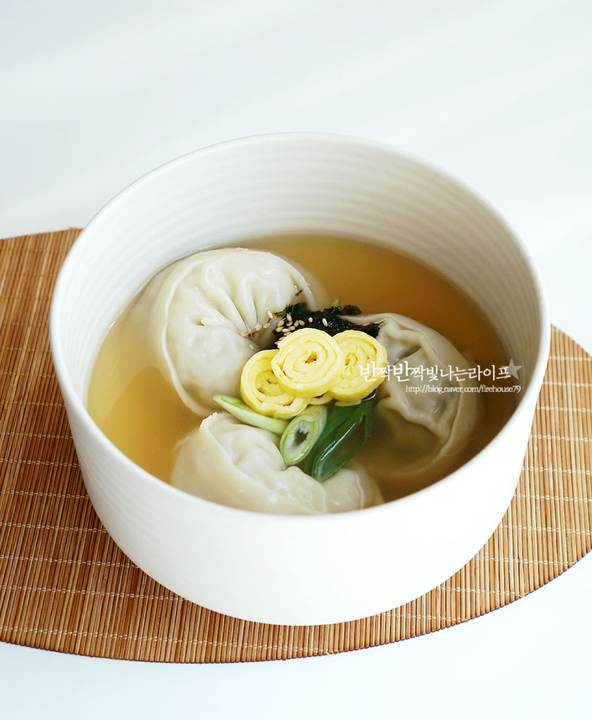
Mandu-guk (만두국): Dumpling soup, a hearty and comforting dish, perfect for chilly days.
Mandu-jeongol (만두전골): Dumpling hotpot, a communal dish brimming with mandu, meat, vegetables, and broth, cooked right at your table.
No matter your preference, there's a mandu for you! And the best part? We've got the TV-verified spots to find them.
If you're looking for a reliably delicious and accessible mandu experience, look no further than Bukchon Son Mandu. This popular chain has outlets all over Korea, but the original branch in Insadong or the one near Myeongdong offers a fantastic starting point. Beloved by locals and tourists alike, it's no wonder this spot has been frequently highlighted on shows like Saengsaeng Jeongbotong for its consistently high quality and variety.
What sets Bukchon Son Mandu apart is their commitment to hand-making their dumplings fresh every day. You can often watch the chefs meticulously folding wrappers right in front of you, a testament to their dedication.
What to Order: You absolutely must try their Modum Mandu (모듬만두), an assorted platter that lets you sample a bit of everything – usually including steamed, fried, and perhaps even their unique "Pyeonsu" (square mandu). Their Twi-gim Mandu (튀김만두), or fried dumplings, are legendary for their crispiness and juicy filling. If you're craving something warm, their Mandu-guk (만두국) is a comforting classic.
Price Range: Very affordable, typically 5,000-10,000 KRW per dish.
How to Get There: For the Insadong branch, take Seoul Subway Line 3 to Anguk Station (Exit 6) and walk towards Insadong street. You’ll spot it easily.
Best Time to Visit: It can get busy during lunch and dinner hours, but service is usually quick. Go during off-peak times (2-4 PM) for a more relaxed experience, or embrace the lively atmosphere during meal times!
2. Gaeseong Mandu Koong (개성만두 궁)
Step back in time and savor the flavors of North Korea (Gaeseong region, specifically) without leaving Seoul! Gaeseong Mandu Koong, nestled in the historic Jongno district near Insadong, is renowned for its elegant, large, and incredibly flavorful mandu, often enjoyed in a communal hotpot. This restaurant has garnered significant attention on traditional food shows like Yuksi Naegohyang for preserving a distinct culinary heritage.
The mandu here are characterized by their generous size and delicate, yet rich, fillings. They use fresh, high-quality ingredients, resulting in a clean and sophisticated taste that sets them apart from more common mandu. It’s a perfect spot for those seeking a more traditional and perhaps slightly refined mandu experience.
What to Order: Their signature dish is undoubtedly the Mandu-jeongol (만두전골). This bubbling hotpot comes with a savory broth, an abundance of their signature Gaeseong mandu, various fresh vegetables, and sometimes thin slices of beef. It’s an ideal dish to share with friends or family. You can also order individual plates of their exquisite Jjin Mandu (찐만두).
Price Range: Mid-range, expect to pay around 15,000-25,000 KRW per person for the hotpot.
How to Get There: Easily accessible from Seoul Subway Line 3, Anguk Station (Exit 5). It's a short walk from the station through the charming streets of Jongno.
Best Time to Visit: Dinner time can be quite bustling, especially on weekends. Visiting for a late lunch or an early dinner can help you avoid the longest queues. It’s a fantastic choice for a colder day, as the hotpot will warm you right up!
3. Chaegun Mandu (자하손만두)
For a truly special mandu experience that combines exquisite flavors with breathtaking scenery, make your way to Chaegun Mandu in Buam-dong. Perched on a hillside overlooking Seoul, this restaurant is a serene escape from the city's hustle and bustle. Its reputation for meticulously crafted, beautiful mandu has earned it features on sophisticated dining shows like Saengsong Today, appealing to those who appreciate culinary artistry.
Chaegun Mandu is celebrated for its commitment to natural ingredients and traditional recipes, often dubbed "palace mandu" for its refined taste and presentation. Their mandu wrappers are often naturally colored with vegetable juices, making each plate a visual delight.
What to Order: Don't miss their seasonal Pyeonsu (편수), square-shaped mandu often filled with cucumber, mushroom, and tofu in the summer, offering a light and refreshing taste. Their Jjin Mandu (찐만두) selection is also exceptional, featuring delicate fillings. For a warming meal, their Mandu-guk (만두국) is made with a clear, flavorful broth that truly highlights the purity of the ingredients.
Price Range: Higher-end, typically 20,000-40,000 KRW per person, reflecting the quality ingredients, intricate preparation, and unique dining ambiance.
How to Get There: This spot is a bit trickier to reach by public transport alone but well worth the effort. Take Seoul Subway Line 3 to Gyeongbokgung Station (Exit 3) and then catch a local bus (e.g., Jongno 07 or 7022) to Buam-dong community center stop, or take a short taxi ride from the station.
Best Time to Visit: Perfect for a leisurely lunch, especially if you want to enjoy the view. Consider combining it with a visit to nearby art galleries or a walk in the Buam-dong area for a full cultural experience. Reservations might be helpful, especially on weekends.
Dipping Sauce is Key: Mandu is typically served with a soy sauce-based dipping sauce, often enhanced with vinegar, gochugaru (chili flakes), and sesame seeds. Don't be shy to customize it to your liking!
Kimchi Pairing: Koreans rarely eat anything without kimchi! The acidity and spiciness of kimchi perfectly cut through the richness of mandu. Most restaurants will provide it as a complimentary side.
"One Person, One Order": Especially in popular spots or during peak hours, it’s generally expected for each person to order at least one main dish.
Cash or Card: Most restaurants in Korea accept credit cards, but it's always good to have some cash for smaller street food stalls or if you encounter any card issues.
There you have it, K-drama and K-pop fans! Your ultimate guide to experiencing the best, TV-verified mandu spots in Korea. Each bite is a step deeper into authentic Korean culture and a truly delicious adventure. So, when you’re planning your trip, make sure mandu is high on your must-try list!
💡 AI Travel Tip
Want to make your mandu quest even easier? Use AI tools to streamline your travel planning!
Find a Mandu Spot Near You: Planning a spontaneous meal?
Prompt example: "I'm currently near Gyeongbokgung Palace in Seoul. Find the closest Bukchon Son Mandu outlet and tell me its current opening hours and how to get there via public transport."
Integrate Mandu into Your Itinerary: Ensure you hit all your culinary goals.
Prompt example: "Create a 5-day Seoul itinerary for a K-drama fan who loves history and food. Include a visit to Gaeseong Mandu Koong and recommend nearby attractions or activities that fit the theme."
Dietary Restrictions & Menu Navigation: Even with limited Korean, AI can help.
Prompt example: "Translate the menu for 'Chaegun Mandu (자하손만두)' into English and highlight any vegetarian mandu options. Also, explain how to order Mandu-jeongol for two people."
Korean Soup Culture: Must-Try Soups for Every First-Time Visitor – KoreaSpots
Ever found yourself watching your favorite K-drama, a snowy Seoul night outside, and the characters huddle around a steaming pot of stew, spooning out deliciousness that makes your stomach rumble? Or maybe you've seen your favorite K-pop idols enjoying a hearty bowl of soup after a long practice, regaining their energy?
If you're planning your first (or even fifth!) trip to Korea, you simply HAVE to dive deep into Korean soup culture. It's not just a side dish here; it's often the main event, a comforting embrace, a cure for everything from a cold to a broken heart. Korean soups and stews (collectively known as Guk and Jjigae) are fundamental to every meal, offering a spectacular range of flavors from fiery to subtly savory, hearty to light. And don't worry, we're here to guide you to the absolute best, verified by the food experts on shows like Saengsaeng Jeongbotong, Saengsong Today, and Yuksi Naegohyang!
Ready to discover your new favorite Korean comfort food? Let’s spoon up some goodness!
Before we dive into the delicious details, let's quickly clear up a common question: what's the difference between Guk (국) and Jjigae (찌개)?
Guk (국): Generally lighter, more broth-like, and served individually alongside rice and banchan. Think of it as a soup.
Jjigae (찌개): Thicker, richer, often spicier, and typically served bubbling hot in a communal pot, meant to be shared (though individual portions are common too!). Think of it as a stew.
Both are equally beloved and essential to the Korean dining experience. Now, let's explore the must-try varieties!
Kimchi Jjigae (김치찌개): The Spicy, Sour Comfort Classic
If there's one stew that embodies Korean comfort food, it's Kimchi Jjigae. This fiery, bubbling pot of fermented kimchi, tender pork (or tuna!), tofu, and sometimes vegetables, is a staple in every Korean household and restaurant. It’s savory, spicy, tangy, and incredibly satisfying, especially when eaten with a bowl of warm rice.
You’ll often see characters in K-dramas enjoying this after a long day, or sharing it with friends and family. It's the ultimate pick-me-up!
Where to Try Kimchi Jjigae: 광화문집
For an authentic and legendary Kimchi Jjigae experience, you absolutely must visit Gwanghwamunjip (광화문집) near Gwanghwamun Plaza. This no-frills restaurant has been serving up its signature Kimchi Jjigae for decades and is beloved by locals and celebrities alike. It's even been featured on Saengsaeng Jeongbotong for its incredible taste and enduring popularity!
What to order: Simply ask for Kimchi Jjigae (김치찌개). They often have pork or sometimes canned tuna options. Don't forget to add a side of gyeran-mari (rolled omelet) – it’s the perfect complement to the spicy stew!
Price range: Expect around ₩8,000 - ₩10,000 per person.
How to get there: Take subway Line 5 to Gwanghwamun Station (광화문역), Exit 8. It's about a 5-minute walk.
Best time to visit: Lunch or dinner. Expect a wait during peak hours, but it moves quickly!
Sundubu Jjigae (순두부찌개): Silky Soft Tofu Dream
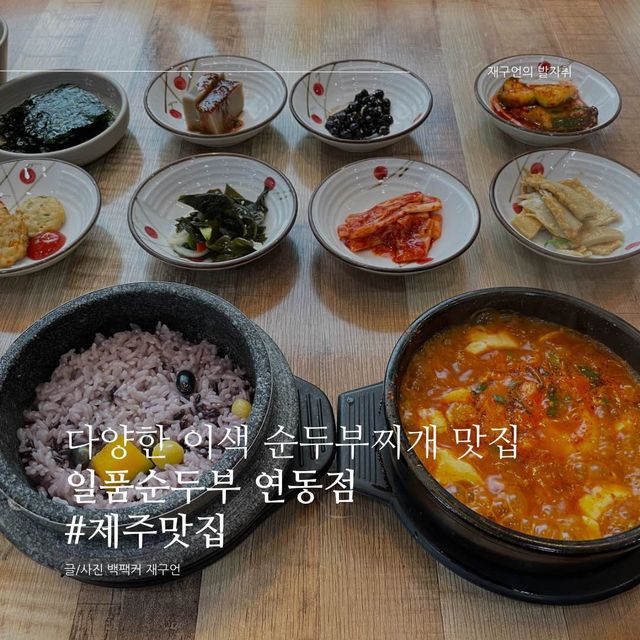
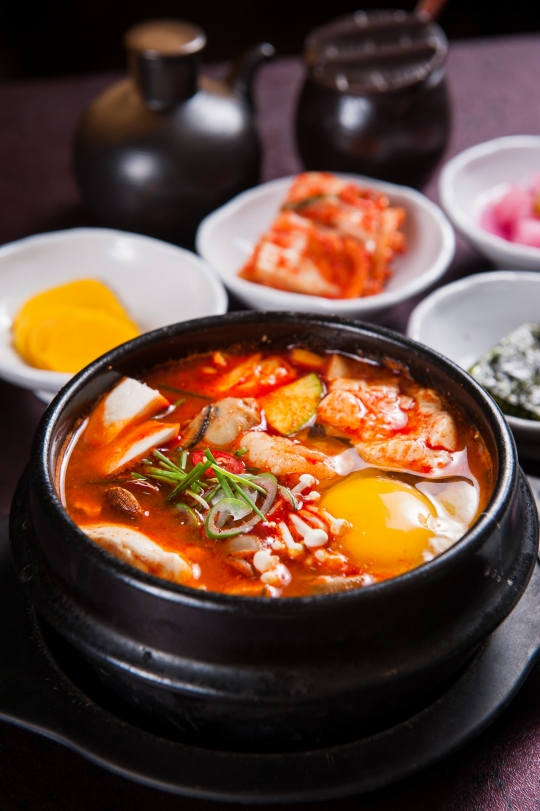
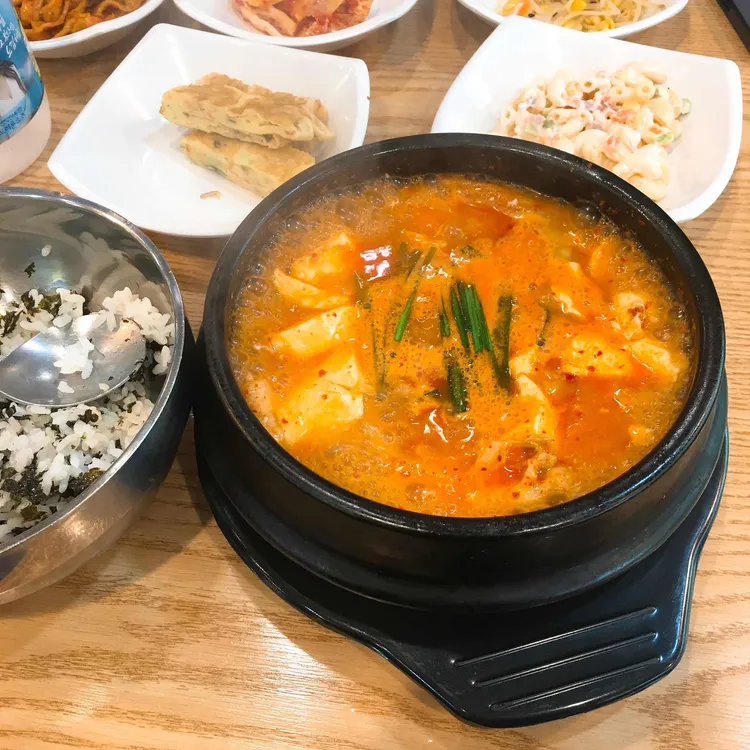
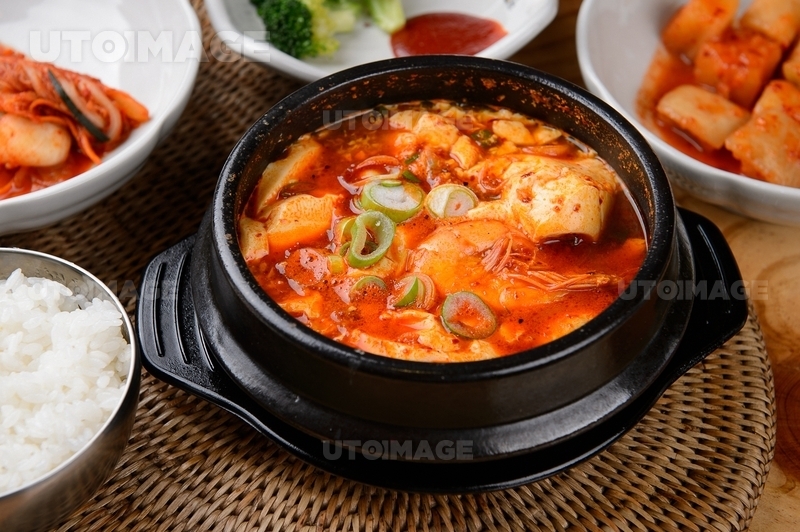
Next up is Sundubu Jjigae, a remarkably versatile and equally comforting stew made with uncurdled, silky soft tofu. What makes Sundubu Jjigae so special is its delicate texture combined with a rich, savory, and often spicy broth. You can find variations with seafood (해물 순두부), pork (돼지 순두부), beef (소 순두부), or even just mushrooms (버섯 순두부), catering to all tastes.
Each spoonful offers a delightful contrast between the spicy broth and the creamy, melt-in-your-mouth tofu. It's often served with a raw egg cracked directly into the bubbling pot, which cooks gently in the hot stew, adding another layer of richness.
Finding Your Perfect Sundubu Jjigae
While there isn't one single "most famous" Sundubu Jjigae spot, many restaurants specialize in it. Look for places around the bustling areas of Myeongdong or Insadong, or even in local neighborhoods like Gangnam, where you’ll find dedicated Sundubu Jjigae establishments. They often have colorful menus showcasing the different protein options!
What to order: Ask for your preferred protein, e.g., Haemul Sundubu Jjigae (seafood soft tofu stew). Don't hesitate to ask for "less spicy" (덜 맵게 해주세요, deol maepge haejuseyo) if you're not a fan of heat.
Price range: Usually between ₩9,000 - ₩12,000.
How to get there: Many chains like Bukchang-dong Sundubu (북창동순두부) have multiple branches across Seoul, easily accessible by subway. Just search on Naver Maps!
Best time to visit: Great for any meal, especially on a chilly day or after a night out.
Samgyetang (삼계탕): The Healthy, Healing Chicken Soup
Don't let the idea of a whole chicken in soup intimidate you! Samgyetang is a truly unique and incredibly popular dish, especially during Korea's hot summer months. Yes, you read that right – Koreans believe in "fighting fire with fire," eating hot, nourishing foods to combat the summer heat (this is known as Yi Yeol Chi Yeol, 이열치열).
This mild, clear chicken soup features a young, whole chicken stuffed with glutinous rice, ginseng, red dates (jujubes), garlic, and chestnuts, all simmered until the meat is falling off the bone. It's incredibly nutritious, restorative, and has a subtly earthy, savory flavor that makes you feel instantly revitalized.
Where to Find the Best Samgyetang: 토속촌 삼계탕
When it comes to Samgyetang, Tosokchon Samgyetang (토속촌 삼계탕) is practically an institution. Located near Gyeongbokgung Palace, it's famous for its rich, creamy broth and perfectly cooked chicken. It's a celebrity favorite and has been widely featured on various Korean TV programs for its authentic taste and long history.
What to order: The classic "Tosokchon Samgyetang" (토속촌 삼계탕) is the way to go. You’ll be served with a small shot of ginseng liquor – feel free to add it to your soup or drink it separately!
Price range: Around ₩18,000 - ₩20,000.
How to get there: Take subway Line 3 to Gyeongbokgung Station (경복궁역), Exit 2. Walk straight for about 170 meters, then turn left onto Jahamun-ro 5-gil. You'll likely see a long line!
Best time to visit: During Boknal (the three hottest days of summer in July/August) if you want the full cultural experience (and a very long wait!), or any other time for a comforting meal. Lunch is popular.
Seolleongtang (설렁탕): Milky Ox Bone Broth, Pure Comfort
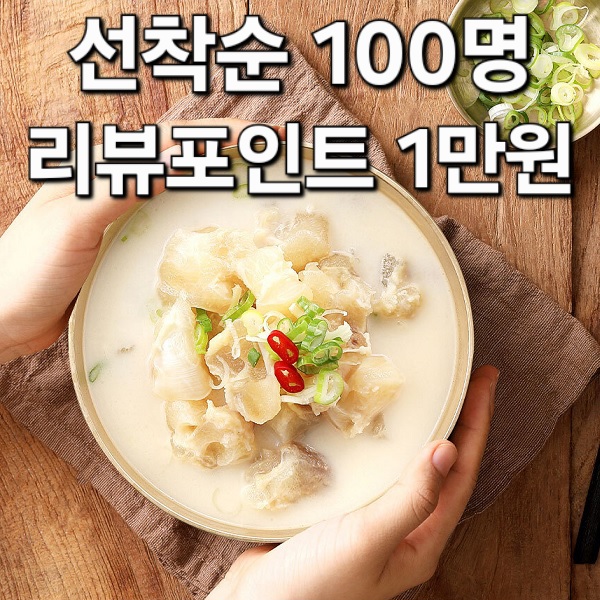
For something completely different and wonderfully comforting, try Seolleongtang. This milky white, opaque soup is made by slow-simmering ox bones and various cuts of beef for hours, sometimes even days, until the broth turns a rich, milky color and develops a deep, savory flavor.
It's typically served plain, with just a few slices of beef, noodles, and rice. The magic comes from customizing it at your table with salt, black pepper, and chopped green onions according to your preference. It’s a mild, soothing, and incredibly hearty soup, perfect for cold weather or as a hangover cure (해장국, haejangguk).
A Historic Bowl of Seolleongtang: 이문설렁탕
Step back in time at Imun Seolleongtang (이문설렁탕), one of Seoul's oldest restaurants, established in 1904! This historic spot, celebrated on shows like Yuksi Naegohyang, offers an unparalleled authentic Seolleongtang experience in a truly traditional setting. It's an important part of Seoul's culinary heritage.
What to order: "Seolleongtang" (설렁탕). You can also try Doganitang (도가니탕), made with ox knee cartilage, if you're feeling adventurous!
Price range: Approximately ₩12,000 - ₩15,000.
How to get there: Take subway Line 1 to Jonggak Station (종각역), Exit 3-1. It's a short walk through the alleyways. Or Line 3 to Anguk Station (안국역), Exit 5.
Best time to visit: Any time of day for a truly authentic, timeless meal.
Always with Rice: Most Korean soups and stews are meant to be eaten with a bowl of white rice. You can spoon the broth over your rice, or alternate bites of soup and rice. Some even throw their whole bowl of rice into the jjigae!
Banchan Galore: Your soup will come with an array of side dishes (banchan, 반찬), including kimchi, pickled radishes, and more. These are not just decorative; they’re meant to be eaten alongside your soup to cleanse your palate and add different flavors. Don't be shy to ask for refills (리필 해주세요, ripil haejuseyo)!
Customization is Key: Especially for milder soups like Seolleongtang, don't forget to season to your liking with salt, pepper, and green onions provided on the table. For spicier stews, some restaurants offer "less spicy" options.
Mind the Temperature: Korean soups are served piping hot, often still bubbling! Be careful not to burn your tongue.
Noisy Eating is Good: Slurping your noodles or soup can actually be seen as a sign of enjoyment in Korea. Don't worry about being too polite!
There you have it, K-Spotters! A comprehensive guide to diving into the heartwarming, soul-satisfying world of Korean soup culture. Whether you crave the spicy kick of kimchi, the silky smoothness of tofu, the healing power of ginseng, or the gentle embrace of ox bone broth, there’s a Korean soup waiting to capture your heart (and your taste buds). Trust us, these TV-verified spots will give you an authentic taste of Korea!
💡 AI Travel Tip
Make your Korean food adventure even smoother by leveraging AI tools for real-time planning and navigation!
Find the Nearest Verified Restaurant: Use AI to locate recommended spots near your current location.
Translate Menus on the Fly: Overcome language barriers instantly with AI translation.
Personalized Food Recommendations: Get suggestions based on your dietary preferences or mood.
Prompt example: "I'm in Myeongdong, Seoul, and craving Kimchi Jjigae. Find the highest-rated restaurant featured on Korean TV shows within a 15-minute walk, and tell me their operating hours and approximate price range."
Prompt example: "Translate the following Korean menu item: '해물 순두부찌개'. What are its main ingredients and how spicy is it typically?"
Prompt example: "I'm looking for a mild, comforting Korean soup that isn't too spicy, suitable for a cold day. What are my best options in Jongno-gu, Seoul, and which restaurants are known for them?"
Itaewon International Food District: Your Complete Visitor Guide for K-Drama Fans!
Imagine stepping off a Seoul subway and suddenly hearing a symphony of languages – English, Arabic, Spanish, French – all mingling with the familiar sounds of Korean. The aroma of spices from distant lands dances with the scent of freshly brewed coffee, creating an irresistible invitation. This isn’t a dream sequence from your favorite K-drama, nor a scene from a travel show like Saengsaeng Jeongbotong showcasing exotic locales. This is Itaewon, Seoul’s vibrant International Food District, a culinary melting pot where the world comes to eat!
For K-drama and K-pop fans planning their first (or even second!) trip to Korea, Itaewon is often seen as just a trendy nightlife spot. But trust us, as your trusted guides from KoreaSpots, Itaewon is so much more than that – it's an essential pilgrimage for any food-loving traveler. Forget the idea that Korea is only about kimchi and bibimbap (though we adore those too!). Itaewon offers a unique opportunity to explore global flavors, many of which have been praised on Korean TV shows like Saengsong Today for their authentic taste and unique stories. Ready to dive into a world of flavor right here in Seoul? Let's go!
Unlike other popular Seoul neighborhoods that often focus on traditional Korean cuisine or modern Korean fusion, Itaewon stands out as Seoul's most diverse district. Its history as a hub for foreign residents, including diplomats and military personnel, has fostered a unique environment where international cultures thrive. This means you can find everything from authentic Turkish kebabs and flavorful Indian curries to hearty American BBQ and spicy Mexican tacos, all within a few blocks. Many of these international eateries are owned and operated by people from their respective countries, ensuring genuine flavors that even Yuksi Naegohyang would approve of!
It's the perfect place if you’re looking for a break from Korean food (we know, it’s hard to imagine, but sometimes you just crave something different!) or if you have specific dietary needs that might be harder to cater to elsewhere in Seoul, like Halal, vegetarian, or vegan options. Itaewon embraces diversity, making it an inclusive culinary paradise.
One of the best things about Itaewon is how incredibly accessible it is via Seoul's efficient subway system. You'll be stepping into a global wonderland in no time!
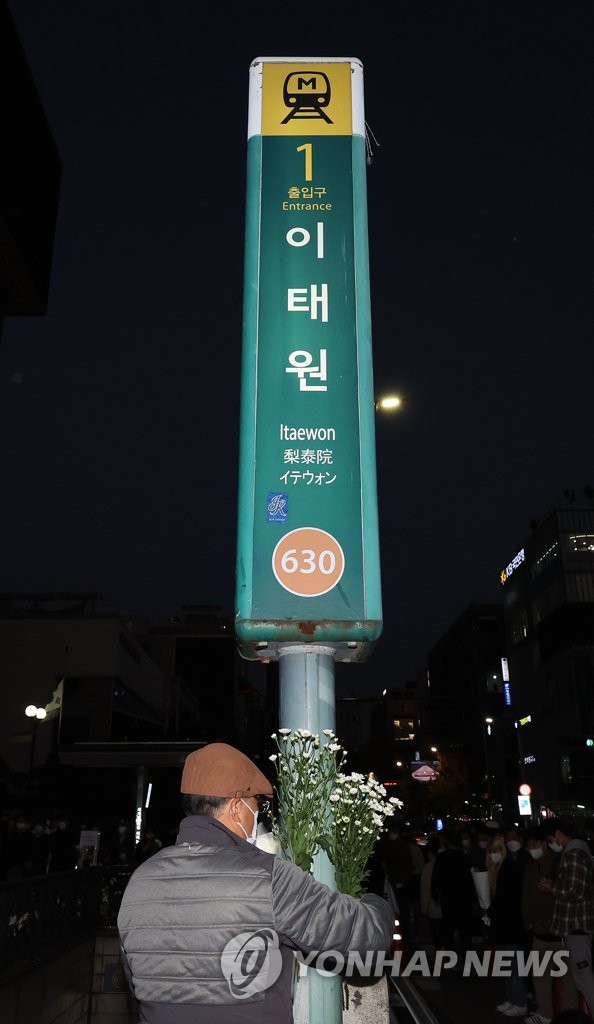
Subway Line: Take Seoul Subway Line 6 (the brown line).
Station: Get off at Itaewon Station (이태원역).
Exits:
Exit 1 & 2: Leads you directly to the main Itaewon Street, bustling with restaurants, bars, and shops.
Exit 3: Great for exploring the quieter side streets or heading towards Gyeongnidan-gil.
Exit 4: Good for accessing the main street and some of the smaller alleys.
Once you exit, just follow the crowds and the tantalizing aromas – you can’t miss it!
Itaewon isn't just one long street; it's a district with distinct zones, each offering its own unique flavor and vibe. Knowing where to go can help you find exactly what you're craving.
Area
Vibe & Atmosphere
Typical Cuisines
Price Range (per person)
Main Itaewon Street (이태원 거리)
Lively, bustling, commercial, popular for nightlife.
American (burgers, BBQ), Mexican, Italian, Pub Food, diverse fusion.
This is where the real fun begins! Itaewon is packed with incredible restaurants. Here are a few highlights and specific spots that have earned their reputation for authenticity and deliciousness, sometimes even being highlighted in segments on Saengsaeng Jeongbotong!
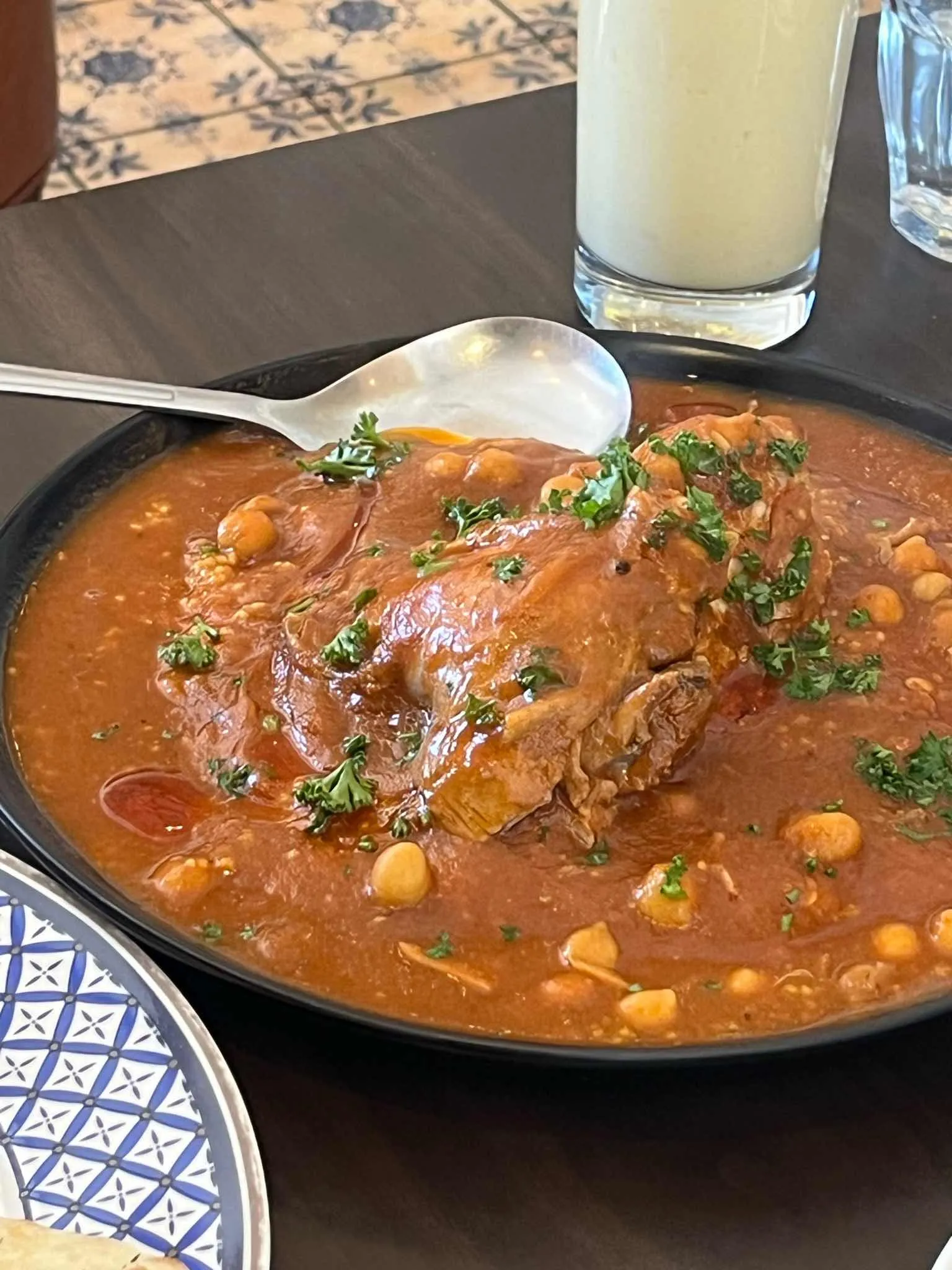
If you've ever dreamt of experiencing the rich flavors of the Middle East, Petra is an absolute must-visit. This beloved Jordanian restaurant has been a cornerstone of Itaewon's international scene for years, famous for its authentic dishes and warm hospitality. You might even recognize its vibrant interior from local travel vlogs!
What to Order: Their Mansaf (lamb cooked in fermented dried yogurt sauce, served with rice) is a signature dish, deeply flavorful and comforting. Don't miss their Hummus, Falafel, and freshly baked pita bread – perfect for sharing. The Chicken Shish Tawook (marinated chicken skewers) is also incredibly popular and juicy.
Price Range: Expect to pay around ₩15,000 to ₩25,000 per person for a satisfying meal.
Why it's special: Petra consistently delivers on authentic flavors, and their generous portions make it a great value. It’s a fantastic introduction to Jordanian cuisine.
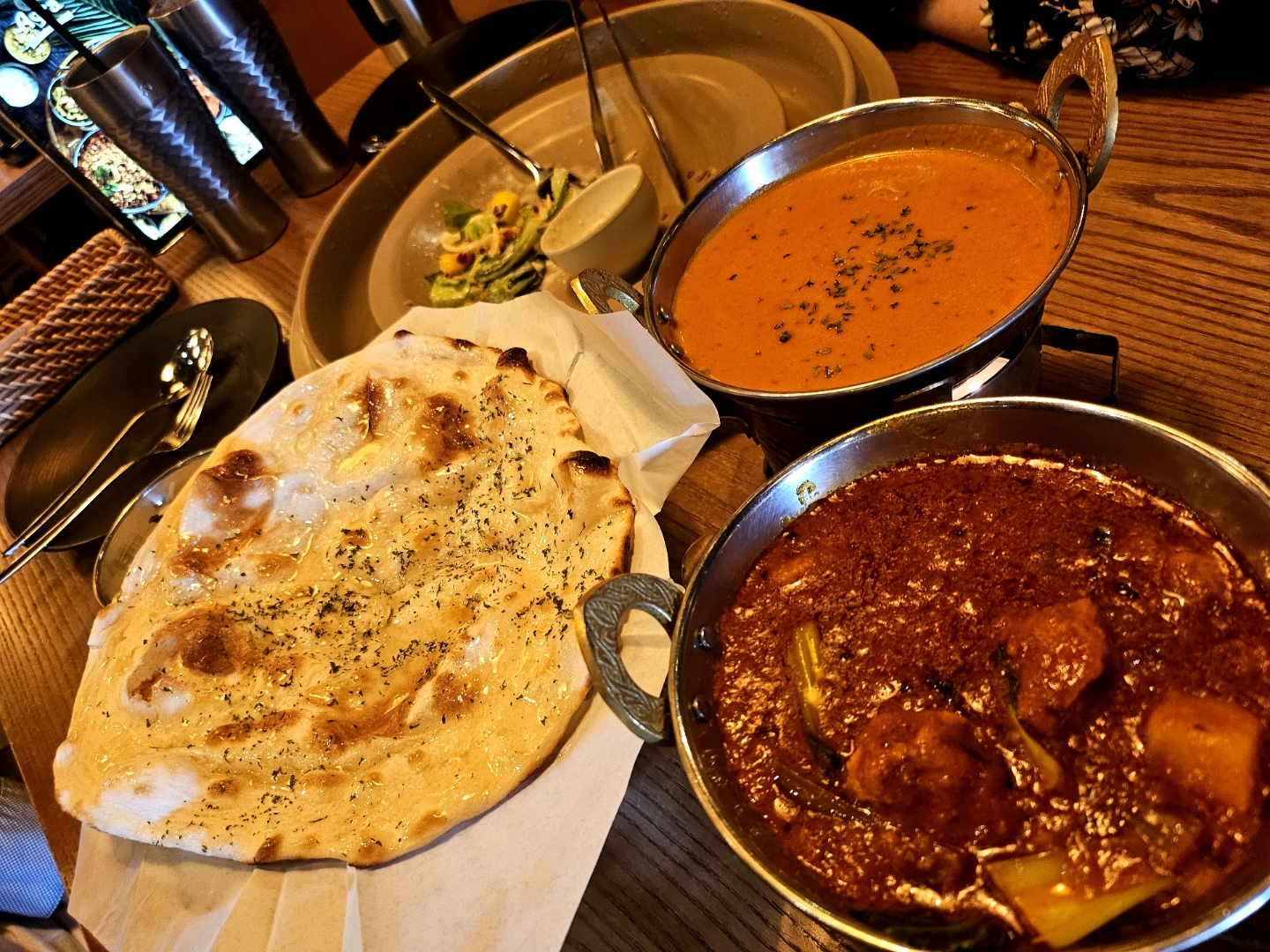
Craving a rich, aromatic curry with fluffy naan? Agra is a fantastic choice for Indian cuisine in Itaewon. It's a well-known establishment with a welcoming ambiance, perfect for a cozy dinner. Agra is often lauded for its consistent quality and delicious spice blends, which makes it a frequent recommendation by locals and expats alike, and even featured on lifestyle segments of Saengsong Today!
What to Order: Their Butter Chicken is legendary – creamy, rich, and perfectly balanced. Pair it with their various kinds of fresh Naan (garlic, butter, or plain) and a refreshing Mango Lassi. If you like something spicy, try the Vindaloo. They also have excellent vegetarian options like Palak Paneer (spinach and cheese curry).
Price Range: Main dishes range from ₩18,000 to ₩28,000, so expect around ₩25,000 to ₩35,000 per person, especially if you order multiple dishes to share.
Why it's special: Agra consistently delivers high-quality Indian food with a refined touch. Their tandoor-baked items are particularly outstanding.
Sometimes, after all the exciting international flavors, you just want some good old-fashioned American comfort food. And for that, Itaewon offers Linus' BBQ, a powerhouse of smoked meats that will transport you straight to the American South. This place is famous for its slow-smoked meats and laid-back atmosphere, a true gem that has been highlighted in many food blogs and shows for its authentic taste, just like you'd see on a special feature from Yuksi Naegohyang!
What to Order: The Two-Meat Platter or Three-Meat Platter is the way to go, allowing you to sample their incredible brisket, pulled pork, and ribs. Make sure to get a side of their creamy mac & cheese, coleslaw, and cornbread. Don't forget their selection of homemade BBQ sauces!
Price Range: Platters typically range from ₩25,000 to ₩40,000, making it about ₩30,000 to ₩50,000 per person depending on how much you eat and drink.
Why it's special: Linus' BBQ is renowned for its tender, flavorful, and perfectly smoked meats. It’s a satisfying, hearty meal that's perfect for sharing with friends.
Explore Gyeongnidan-gil: Take a scenic (and sometimes steep!) walk up Gyeongnidan-gil for trendy cafes, boutique shops, and unique art galleries. The views of Namsan Tower from here are fantastic.
Visit the Seoul Central Mosque: Located in the Usadan-ro area, it's a beautiful architectural landmark and the heart of Seoul's Muslim community. Remember to dress respectfully if you visit.
Shopping: From unique clothing boutiques to custom leather goods and tailor shops, Itaewon offers a different shopping experience compared to Myeongdong or Hongdae.
Nightlife: While our "Itaewon 기초편" focuses on food, it's worth noting that the district truly comes alive at night with numerous bars, clubs, and lounges for those looking to experience Seoul's diverse nightlife scene.
Best Time to Visit: Weekday afternoons (1 PM - 5 PM) are generally less crowded, allowing for a relaxed experience. Weekends, especially evenings, are bustling and can be very lively, but also crowded.
Dress Comfortably: Especially if you plan to explore Gyeongnidan-gil or Usadan-ro, there are quite a few hills and stairs!
Payment: Most establishments accept major credit cards (Visa, Mastercard, Amex). Cash is always handy for smaller purchases or street vendors.
Language: English is widely spoken in Itaewon due to its international nature, so you'll generally find it easy to communicate.
Embrace the Variety: Don't be afraid to try new cuisines! Itaewon is the perfect place to step out of your culinary comfort zone.
Itaewon International Food District is more than just a place to eat; it's a cultural experience, a place where you can taste the world without leaving Seoul. Whether you're a seasoned foodie or just curious to try something new, Itaewon promises an unforgettable culinary adventure, verified by the diverse palates featured on Saengsaeng Jeongbotong and loved by K-drama fans worldwide. So, grab your T-money card and your appetite, and get ready to explore!
💡 AI Travel Tip
Leverage AI tools like ChatGPT, Google Gemini, or even image-based AI for seamless planning of your Itaewon food adventure!
Finding Halal/Vegetarian Options: If you have specific dietary needs, AI can quickly filter options.
Prompt example: "I am visiting Itaewon International Food District in Seoul. I need recommendations for 3 highly-rated Halal restaurants that have been mentioned in travel blogs or TV shows. Please include their main dishes and approximate price range."
Creating a Custom Food Itinerary: Plan your culinary journey efficiently.
Prompt example: "Plan a half-day food itinerary for Itaewon, focusing on diverse international cuisines. Include one Middle Eastern, one Indian, and one unique dessert spot, along with their locations and recommended dishes. Assume I'm starting from Itaewon Station Exit 1."
Navigating Specific Areas: Get detailed directions and insights.
Prompt example: "Describe the best walking route from Itaewon Station to the heart of Gyeongnidan-gil, highlighting any interesting cafes or viewpoints along the way. How long does the walk typically take?"
Ever found yourself watching your favorite K-drama, captivated by a scene where the characters huddle around a steaming, bubbling pot, eyes sparkling with comfort and satisfaction? More often than not, that culinary star is Sundubu Jjigae – the quintessential Korean soft tofu stew, a dish that warms you from the inside out with its fiery red broth, silky tofu, and savory goodness.
For many K-drama fans, Sundubu Jjigae is more than just food; it's an experience, a taste of home, a hug in a bowl. But when you’re planning your trip to Korea, how do you find the truly authentic spots, the ones locals swear by, not just tourist traps? That's where we come in! At KoreaSpots, we're dedicated to uncovering those verified gems, and today, we're diving into the best Sundubu Jjigae restaurants, vetted by the ultimate stamp of Korean culinary approval: the renowned TV show, Saengsong Today!
Saengsong Today (생방송투데이) is a daily lifestyle program known for sniffing out the most delicious and unique eateries across Korea. Their food segments are legendary, showcasing establishments celebrated for their quality, unique recipes, and enduring popularity. So, when a sundubu jjigae joint makes it onto Saengsong Today, you know it's the real deal!
Get ready to add these must-visit Sundubu Jjigae havens to your Seoul itinerary. Your taste buds (and your K-drama heart) will thank you!
Nestled in the charming, traditional alleyways near Bukchon Hanok Village and Gyeongbokgung Palace, Jae-dong Sundubu offers a quintessential taste of old Seoul. This spot has been warming hearts (and bellies) for years, earning its reputation as a beloved local institution. When Saengsong Today featured Jae-dong Sundubu, it was for its unwavering commitment to traditional flavors and its signature broth, which many describe as both incredibly rich and surprisingly clean.
Imagine stepping into a cozy, unpretentious eatery, filled with the comforting aroma of simmering stew. That's Jae-dong Sundubu. Their secret lies in the simple perfection of their broth, often made with anchovy and kelp, creating a deep umami base that perfectly complements the fresh, silken tofu. It’s the kind of place where grandmas and office workers alike come for a reliable, hearty meal.
What to Order & How to Enjoy:
Sundubu Jjigae (순두부찌개): While they might offer variations, the classic Sundubu Jjigae here is a masterpiece. It's usually served piping hot in a stone pot, alongside a variety of banchan (side dishes) like kimchi, pickled radishes, and sometimes a small grilled fish.
Spice Level: Don't be afraid to ask for your preferred spice level. You can often choose between 순한맛 (sunhan-mat - mild), 보통맛 (botong-mat - regular), or 매운맛 (maeun-mat - spicy). For a truly authentic experience, 'regular' is a good starting point!
Crack an Egg: A raw egg is often provided with your stew. Crack it directly into the bubbling pot for added richness and a creamy texture as it cooks in the hot broth.
Mix it with Rice: Scoop some of your rice into the stew, or alternate bites of the stew with spoonfuls of rice and banchan. It's all about creating your perfect bite!
Practical Tips:
Price Range: Expect to pay around ₩9,000 – ₩12,000 per person.
Best Time to Visit: It can get quite busy during lunch (12 PM - 1:30 PM) and dinner (6 PM - 7:30 PM) with local office workers and residents. Visiting slightly outside these peak hours will give you a more relaxed experience.
How to Get There: Take Seoul Subway Line 3 to Anguk Station (안국역), Exit 2. From there, it's a pleasant 5-10 minute walk through the charming Anguk neighborhood towards Bukchon Hanok Village. You'll find it tucked away on a smaller street.
The Modern Favorite: Bukchangdong Sundubu in Myeongdong
If you've spent any time researching Korean food, you've likely come across Bukchangdong Sundubu. While it's a popular chain with numerous locations, its Myeongdong branch is particularly famous among tourists and locals alike for its consistent quality and lively atmosphere. Saengsong Today highlighted Bukchangdong Sundubu for its diverse menu, allowing diners to customize their sundubu experience, and for popularizing the style of serving sundubu with a delicious grilled mackerel (고등어구이) and hot stone pot rice.
Bukchangdong Sundubu offers a slightly more contemporary and varied approach to the classic stew. Their broth tends to be heartier and often includes beef or seafood elements from the get-go, creating a richer flavor profile. It's the perfect spot for those who want options beyond the traditional, or for groups with varying preferences.
What to Order & How to Enjoy:
Haemul Sundubu (해물순두부): A fantastic choice if you love seafood, packed with clams, shrimp, and sometimes even mussels.
Sogogi Sundubu (소고기순두부): For meat lovers, this beef sundubu is savory and satisfying.
Original Sundubu (기본 순두부): A great option if you want to try their standard, well-balanced flavor without too many extra ingredients.
Side Dishes: Beyond the banchan, many of their sets come with a small grilled mackerel, which is flaky and perfectly salted, and a bowl of hot stone pot rice. Be sure to scrape out the crispy rice at the bottom of the stone pot after you've scooped out the rest – that's called nurungji (누룽지) and it’s a delightful treat! You can also add hot water to the pot with the remaining crispy bits to make a comforting rice tea (숭늉 - soongnyung).
Practical Tips:
Price Range: Dishes typically range from ₩10,000 – ₩14,000.
Best Time to Visit: Being in Myeongdong, it's almost always bustling, but less crowded during off-peak meal times (e.g., late afternoon). It's a great option for a post-shopping meal.
How to Get There: Take Seoul Subway Line 4 to Myeongdong Station (명동역), Exit 8. Walk into the main Myeongdong shopping street, and you’ll find branches easily identifiable by their bright signage.
The Stone Pot Rice Specialist: Gamasot Gongpyeong Sundubu in Jongno
In the heart of Jongno, a historic and bustling district, lies Gamasot Gongpyeong Sundubu. This establishment gained significant attention on Saengsong Today for its unique approach: serving its delectable sundubu jjigae with freshly cooked, individually prepared gamasot-bap (가마솥밥), or traditional stone pot rice. While many places offer stone pot rice, Gamasot Gongpyeong Sundubu's dedication to this pairing, ensuring perfect rice every time, made it a standout.
The magic here is in the synergy between the deeply flavored, often slightly spicy sundubu and the perfectly cooked, aromatic rice from the stone pot. The rice forms a beautiful, slightly crispy crust at the bottom, offering a textural contrast that elevates the whole meal. Their sundubu broth is known for its depth and richness, a savory hug that lingers on the palate.
What to Order & How to Enjoy:
Gamasot Gongpyeong Sundubu (가마솥공평순두부): This is their signature, and you absolutely must try it. The star here is the combination of their well-balanced sundubu with the incredible stone pot rice.
The Rice Experience: When your individual stone pot of rice arrives, scoop out the majority of the fluffy rice into your separate bowl to eat with your sundubu. Then, pour some hot water (usually provided in a kettle) into the stone pot to soak the remaining crispy rice. Let it sit while you eat your meal, and at the end, you'll have a delightful, comforting rice tea (soongnyung) with soft, savory rice bits.
Spice and Flavor: Their sundubu tends to be savory with a good kick, but generally approachable. If you prefer it milder, you can sometimes request it, but their standard is highly recommended for its balanced flavor.
Practical Tips:
Price Range: Expect to pay around ₩10,000 – ₩13,000.
Best Time to Visit: This area is popular with office workers, so expect queues during peak lunch (12 PM - 1:30 PM) and dinner (6 PM - 8 PM) hours. It's a fantastic spot for a satisfying lunch.
How to Get There: Take Seoul Subway Line 1 to Jonggak Station (종각역), Exit 3 or 4. It's a short 3-5 minute walk from the station, often found in the smaller streets behind the main thoroughfare.
Don't Forget the Egg: If a raw egg is provided, crack it into your boiling stew right away! It adds a lovely creaminess.
Spice Levels: Most restaurants offer adjustable spice levels. Don't be shy to ask.
Mix and Match: Sundubu is often served with a bowl of white rice. You can eat them separately or spoon rice directly into the stew.
Banchan Galore: Enjoy the complimentary side dishes (banchan)! They are meant to be eaten with your main meal and often include kimchi, bean sprouts, and various pickled vegetables.
Hot Stone Pot Etiquette: If your meal comes with a stone pot of rice, remember the two-step process: scoop out rice into your bowl, then pour hot water into the stone pot for the delicious soongnyung later.
There you have it – your verified guide to experiencing some of Seoul's finest Sundubu Jjigae, just like your favorite K-drama stars would. Whether you prefer the traditional charm of Anguk, the modern variety of Myeongdong, or the unique rice pairing in Jongno, these Saengsong Today-approved spots promise an authentic and unforgettable culinary journey. Get ready to slurp, savor, and fall even more in love with Korean cuisine!
💡 AI Travel Tip
Navigating Seoul's vast culinary landscape can be exciting, but also a bit overwhelming. Use AI tools to optimize your food journey!
Personalized Itinerary Builder: If you have a few restaurants you want to try, an AI can help you plot the most efficient route and suggest nearby attractions.
Dietary Restrictions Helper: Easily find dishes or restaurants that cater to specific needs.
Learn Basic Phrases: Practice key Korean phrases for ordering, asking for spice levels, or thanking your server.
Prompt example: "I am visiting Seoul for 5 days. I want to try Jae-dong Sundubu, Bukchangdong Sundubu (Myeongdong), and Gamasot Gongpyeong Sundubu. Can you create a food-focused itinerary that includes these restaurants, suggests optimal times to visit them, and recommends 2-3 nearby K-drama filming locations or cultural spots for each? Also, include estimated subway travel times between locations."
Prompt example: "What are some vegetarian-friendly side dishes typically served with Sundubu Jjigae in Korea? Translate 'I need a mild spice level please' and 'Thank you for the delicious meal' into polite Korean phrases."
Picture this: You’ve just watched your favorite K-drama characters slurp down a steaming bowl of sundubu-jjigae or grill perfectly marbled samgyeopsal, and your stomach is rumbling in protest. You’ve booked your ticket to Seoul, downloaded your K-pop playlist, and you’re ready to dive into the vibrant food scene you’ve dreamed about. But then, a nagging thought creeps in: "How on earth will I order if I don't speak a word of Korean?"
Sound familiar? You’re not alone! Many K-drama and K-pop fans dream of tasting authentic Korean flavors straight from the source, but the language barrier can feel like an intimidating wall. Forget what you’ve heard about needing to master complex phrases – at KoreaSpots, we're here to tell you that enjoying Korea's incredible cuisine is absolutely possible, even if your Korean vocabulary stops at "Annyeonghaseyo" and "Saranghae!"
From bustling street food stalls featured on Saengsaeng Jeongbotong to cozy neighborhood eateries loved by locals (and later discovered on Saengsong Today), Korea is incredibly tourist-friendly, and its food culture thrives on hospitality. Let's break down the easiest, most stress-free ways to order food, guaranteeing you'll eat like a local without uttering a single Korean sentence (unless you want to, of course!).
Before we dive into specific scenarios, let's equip you with the fundamental strategies that will open up a world of culinary delights.
The Power of the Point: The oldest trick in the book, and still incredibly effective! Many restaurants, especially those popular with tourists or showcased on shows like Yuksi Naegohyang for their traditional appeal, will have menus with pictures. Don't be shy! Point directly to what you want. A friendly smile and a nod are universal.
Visual Display Cases: For Bunsik (snack) places, bakeries, or even some side dish shops, food is often displayed right in front of you. This is your cue! Simply point to the kimbap, tteokbokki, or a tempting pastry you desire.
Kiosk Ordering: The Modern Savior: Korea is a tech-forward nation, and self-ordering kiosks are everywhere – from fast-food chains and cafes to even some mid-range restaurants. These digital menus almost always offer English (and often Chinese or Japanese) language options. Select your language, browse the menu with clear pictures, customize your order, and pay directly at the machine. It’s incredibly efficient and eliminates any language anxiety!
Translation Apps: Your Pocket Interpreter: Download Google Translate or Naver Papago *before* your trip. Both have fantastic camera translation features. Point your phone camera at a menu, and watch it translate text in real-time. You can also type in what you’re looking for and show the translated text to staff if needed.
Photo Menus & Boards: Look for laminated menus with high-quality photos, or large picture boards near the entrance or above the counter. These are your best friends. Even if the text isn’t translated, the visuals will guide you.
Scenario 1: Mastering the Kiosk at a Cafe or Fast-Casual Spot
You're craving a refreshing iced Americano or a quick ramen bowl. Many cafes and popular fast-casual restaurants (think ramen shops, burger joints, or even some larger kimbap chains) use kiosks. It's surprisingly simple!
Let's imagine you walk into a bright, modern spot like "Cafe Doran Doran" in Hongdae, known for its creative lattes and light bites, sometimes even featured for its trendy vibe on Saengsong Today. You spot a sleek touchscreen kiosk near the entrance.
Step 1: Find the Language Button. Usually a small globe icon, "ENG," or "English" prominently displayed. Tap it!
Step 2: Browse the Menu. High-quality photos accompany each item. Take your time to scroll through categories like "Coffee," "Tea," "Desserts," or "Noodles," "Rice Dishes."
Step 3: Select Your Items. Tap on your desired items. You might have options to customize (e.g., "hot/cold," "size," "add shot").
Step 4: Proceed to Payment. Once your order is complete, hit "Pay" or "Checkout."
Step 5: Choose Payment Method. Most kiosks accept credit/debit cards (credit card slot or tap feature). Some might take cash, but card is generally preferred.
Step 6: Collect Your Order. You’ll receive a receipt with an order number. Wait for your number to appear on a screen above the counter, then collect your delicious treat!
KoreaSpots Tip: If you get stuck at any point, don't hesitate to politely gesture to a staff member. They are used to helping tourists with kiosks!
Scenario 2: The Art of Pointing and Gesturing at Traditional Eateries
This is where the true K-drama magic happens! Think bustling market stalls, cozy neighborhood restaurants, or beloved hole-in-the-wall spots that locals flock to. These places might not have English menus or kiosks, but don't let that deter you.
Imagine wandering through the vibrant Gwangjang Market, a must-visit spot highlighted on countless shows including Saengsaeng Jeongbotong for its authentic street food. You see a stall, perhaps "Halmeoni Sonmat Bindaetteok," where a friendly 'halmeoni' (grandma) is expertly flipping savory mung bean pancakes. The aroma is irresistible!
Step 1: Look for Visuals. The food is likely displayed right there – mountains of crispy bindaetteok, steaming bowls of noodles, or colorful kimbap rolls.
Step 2: Catch an Eye. Make eye contact with a server or the stall owner. A simple, polite "Jeogiyo!" (저기요! - Excuse me!) can get their attention, but a friendly wave works too.
Step 3: Point and Signal. Point clearly to the item you want. If you want more than one, hold up fingers to indicate the quantity. For example, point to the bindaetteok and hold up two fingers for two pancakes.
Step 4: Confirm with a Nod. The server might repeat the order or show you the item. A simple nod and smile will confirm.
Step 5: Payment. Most market stalls prefer cash, but many now accept card payments. Have some cash (₩10,000 or ₩5,000 notes are ideal) ready, or present your card. The vendor might show you the total on a small calculator.
What to Order: At a place like Halmeoni Sonmat Bindaetteok, try the famous Bindaetteok (mung bean pancake) and Mayak Gimbap (addictive mini kimbap). Price range for these market treats is usually ₩5,000 - ₩10,000 per dish.
The Universal Language: Table Manners & Useful Phrases
Even without full conversations, a few simple gestures and words can enhance your dining experience.
Getting Attention: "Jeogiyo!" (저기요!) - Use this politely to call a server. It's like "Excuse me!" or "Over here!"
Asking for the Bill: "Gyesan-hae juseyo!" (계산해주세요!) - "Please give me the bill!" Or simply cross your index fingers in an 'X' shape, which is a common gesture for asking for the bill.
Thank You: "Gamsahamnida!" (감사합니다!) - Always good to show appreciation.
It's Delicious: "Masisseoyo!" (맛있어요!) - A compliment that always brings a smile!
Comparing Ordering Methods: Which One for Which Spot?
Here’s a quick guide to help you choose your strategy depending on where you are:
Method
Best For...
Ease of Use (1-5, 5 being easiest)
Commonality
Pointing & Gesturing
Traditional restaurants, street food stalls, mom-and-pop shops, Gwangjang Market eateries featured on Yuksi Naegohyang
4
Very Common
Kiosk Ordering
Cafes, fast-food chains, modern Bunsik restaurants, express ramen shops, some mid-range eateries
5
Increasingly Common
Translation Apps (Camera Scan)
Restaurants with text-only menus, or for clarifying ingredients/allergens
3
Good Backup
Photo Menus / Boards
Any restaurant aiming for clear communication, often tourist-friendly spots or popular chains
5
Very Common
KoreaSpots Golden Rule: Don’t be afraid to try! Koreans are generally very patient and welcoming to foreign visitors. A little effort, a lot of smiles, and these practical tips will make your Korean food adventure unforgettable. You'll be navigating menus and ordering like a pro in no time, tasting every delicious dish seen on Saengsaeng Jeongbotong and beyond!
So, go forth and conquer those menus! Your kimchi jjigae and bulgogi dreams are about to become a delicious reality.
💡 AI Travel Tip
Harness the power of AI to make your food ordering even smoother before and during your trip!
Pre-trip Menu Exploration: Before you even arrive, use AI to get a head start on what to expect.
Prompt example: "I'm going to Seoul and want to try a restaurant specializing in Jjajangmyeon. What are common side dishes served with it, and what are typical price ranges in areas like Myeongdong or Hongdae? Also, can you list a few simple Korean phrases related to ordering or asking for recommendations?"
Real-time Menu Translation & Explanation: If a restaurant doesn't have an English menu, use an AI translation app (like Google Translate or Papago) with its camera function.
Prompt example: "Translate this Korean menu text into English and briefly explain what each dish is: [insert photo of menu or type out Korean menu items]"
Dietary Restrictions Helper: Communicate allergies or dietary needs clearly.
Prompt example: "How do I politely say 'I am allergic to peanuts' in Korean? Please provide the phonetic pronunciation and the Hangul." (Then show the translated phrase to staff). Or, "Can you provide a simple Korean phrase for 'I don't eat meat'?"
Finding Authenticity & Local Favorites: Ask AI to help you find spots verified by local TV shows.
Prompt example: "Find me popular restaurants in the Gangnam area that have been featured on Korean food shows like Saengsaeng Jeongbotong or Saengsong Today, specializing in Korean BBQ, and are known to be tourist-friendly."
Lost in Seoul? Uncover Seongsu-dong: Where Industrial Cool Meets K-Food Heaven!
Picture this: You’re strolling through what feels like an abandoned factory district, brick walls rising around you, the air buzzing with a subtle, creative energy. Then, you turn a corner and BAM! A queue for a cafe that looks like it belongs in a K-drama set, the aroma of freshly roasted coffee blending with a savory scent you can’t quite place. Welcome, my fellow K-drama and K-pop enthusiasts, to Seongsu-dong!
If your feed is full of Seoul’s hottest new spots, chances are you’ve already seen glimpses of Seongsu-dong. Often dubbed the "Brooklyn of Seoul," this neighborhood has undergone an incredible glow-up. What was once a gritty industrial hub, famous for shoemaking factories and printing presses, has transformed into Seoul’s trendiest district. But here’s the secret KoreaSpots wants you in on: it's not just about aesthetics. Seongsu-dong is a treasure trove of authentic Korean flavors, many of which have been vouched for by beloved Korean TV shows like Saengsaeng Jeongbotong, Saengsong Today, and Yuksi Naegohyang!
Why Seongsu-dong Should Be Your Next Seoul Stop
You’ve done Myeongdong, you’ve probably hit up Hongdae, and perhaps even explored Gangnam. Now, it’s time to dive deeper. Seongsu-dong offers a unique blend of old and new, industrial chic and cozy charm. For K-drama and K-pop fans, it’s a goldmine:
Unrivaled Photo Opportunities: Every alleyway, every renovated factory-turned-cafe, every street art mural is a potential Instagram moment. Get ready to update your profile picture!
Trendy Cafes & Eateries: From artisanal bakeries to traditional Korean cuisine served with a modern twist, Seongsu-dong is a culinary playground.
Unique Shopping: Discover indie fashion boutiques, handmade leather goods from the original shoemakers, and quirky lifestyle stores.
Authentic Food, TV-Verified: This is where KoreaSpots shines! We'll guide you to the eateries that locals love and that have earned the stamp of approval from Korea's top food shows.
K-Pop & K-Drama Connection: Many pop-up events for idol groups and filming locations for web dramas often appear here. Keep your eyes peeled – you might spot your bias!
Feasting in Seongsu-dong: A Culinary Journey
Let’s talk food, because honestly, that’s why we’re all here, right? Seongsu-dong boasts an incredibly diverse food scene. Whether you're craving classic Korean comfort food or something avant-garde, you'll find it here.
Old School Flavors, New School Vibes: The Korean BBQ You Can't Miss
No trip to Korea is complete without sizzling Korean BBQ, and Seongsu-dong delivers. If you’re looking for a tried-and-true spot that locals flock to, Seongsu Galbi is a fantastic choice. This restaurant has been around for ages, weathering the neighborhood’s transformation and remaining a beloved fixture.
What to Order: Their signature 돼지갈비 (Dwaeji Galbi - marinated pork ribs) is legendary. The meat is tender, perfectly marinated, and grilled to smoky perfection right at your table. Don't forget to order a side of 냉면 (Naengmyeon - cold noodles) to cut through the richness!
Why it’s special: It’s a classic for a reason! Featured multiple times on local food shows like Saengsaeng Jeongbotong, Seongsu Galbi represents the taste of traditional Korean hospitality and mouth-watering BBQ. It’s a fantastic way to experience authentic Korean dining without breaking the bank.
Price Range: Expect to spend around ₩15,000 - ₩25,000 per person for a satisfying meal.
KoreaSpots Tip: Go early for dinner, especially on weekends, or be prepared for a wait!
The Snack Attack: Tteokbokki That Will Make You Say "Daebak!"
Sometimes, all you want is some spicy, chewy, soul-comforting tteokbokki. Forget the fancy stuff for a moment and dive into a true local gem. Ddaewoo Tteokbokki is one of those legendary street food spots that locals swear by. It’s been serving up its iconic rice cakes for decades, attracting generations of fans.
What to Order: The classic 떡볶이 (Tteokbokki), of course! Get it with 튀김 (Twigim - assorted fried items) like mandu (dumplings), sweet potatoes, and fish cakes for the ultimate combination. Dip your twigim into the tteokbokki sauce for an explosion of flavor.
Why it’s special: This is the taste of old Seoul! It's been featured on shows like Yuksi Naegohyang for its consistent quality and heartwarming taste. It’s a no-frills, authentic experience that reminds you why Korean street food is so beloved.
Price Range: Incredibly affordable! You can get a generous portion for ₩5,000 - ₩10,000.
KoreaSpots Tip: It’s a stand-and-eat or small counter-seating kind of place, perfect for a quick and satisfying snack as you explore.
Industrial Chic & Aromatic Brews: Seongsu-dong's Cafe Scene
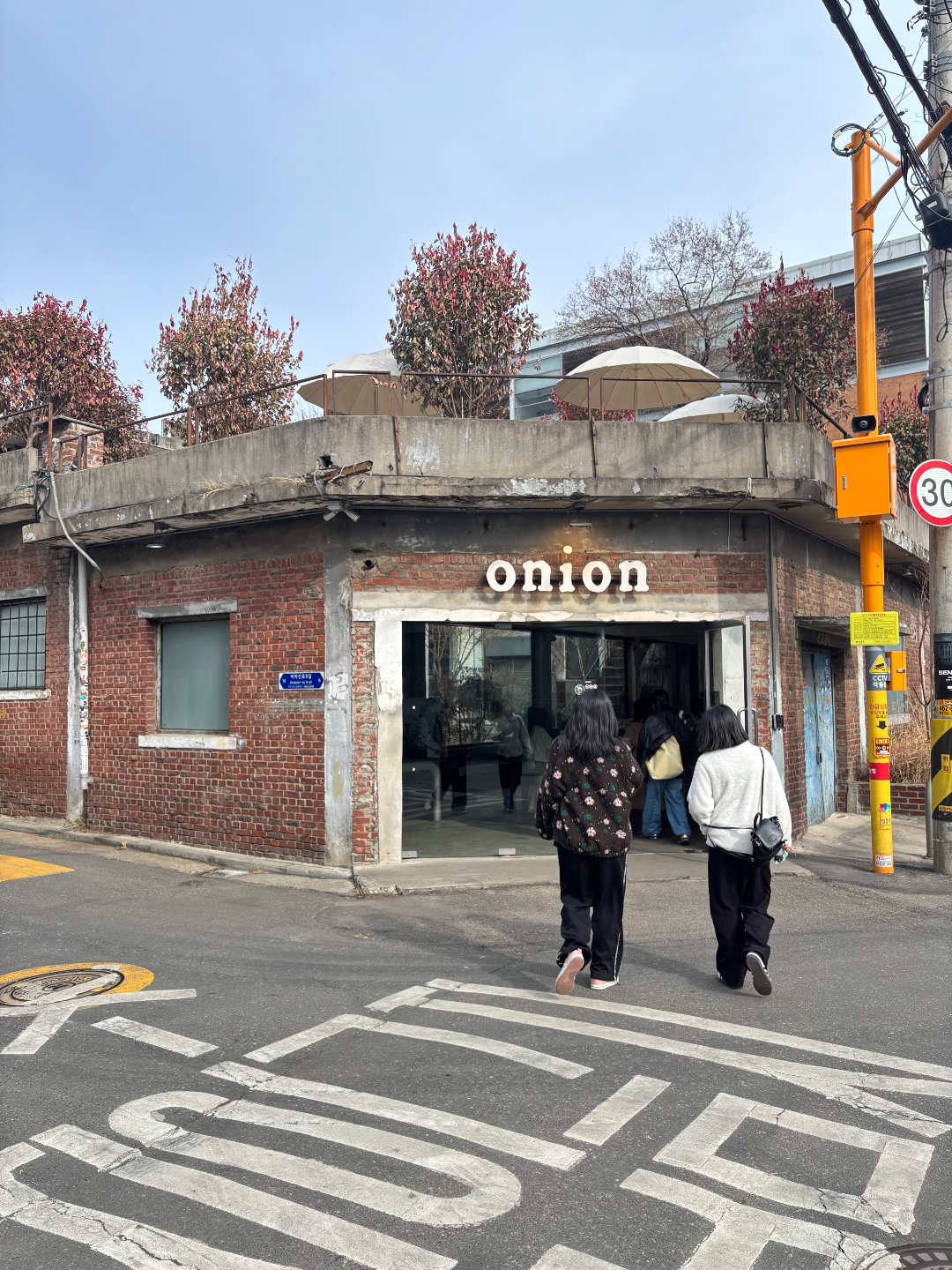
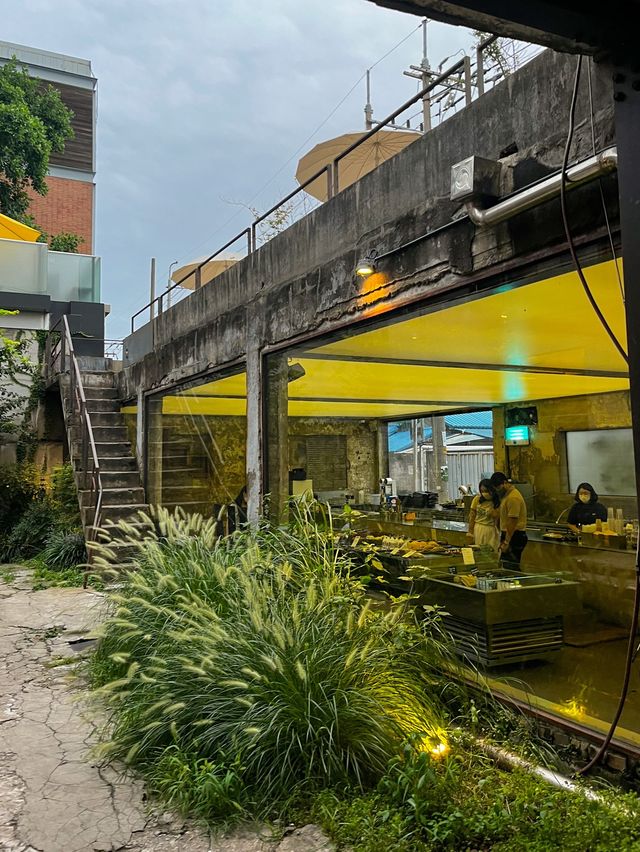
You can't talk about Seongsu-dong without mentioning its incredible cafe culture. Leading the charge in the "renovated factory" aesthetic is Cafe Onion. Housed in a former metal parts factory, it retains much of its original structure, creating an unforgettable atmosphere that's both rustic and ultra-modern.
What to Order: While their coffee is top-notch, you absolutely MUST try their pastries, especially the viral Pan d'Oro (a sugar-dusted bread that's heavenly) or any of their freshly baked sourdough options. Pair it with an Iced Latte or their seasonal specialty brew.
Why it’s special: Cafe Onion is not just a cafe; it's an experience. It's been featured in countless travel blogs and even K-drama scenes for its unique vibe. It perfectly embodies Seongsu-dong's transformation, blending industrial heritage with modern trends.
Price Range: Coffee ₩5,000 - ₩7,000, pastries ₩4,000 - ₩8,000. It's on the slightly pricier side for a cafe, but worth it for the ambiance and quality.
KoreaSpots Tip: Go early on a weekday if you want to snag a good spot and avoid the massive weekend crowds. The outdoor seating, especially, fills up fast!
Seongsu-dong Food Hotspots at a Glance
Food Type
Recommended Spot
Signature Dish/Item
Approx. Price Range (per person)
Vibe & Why Visit
Korean BBQ
Seongsu Galbi (성수갈비)
Dwaeji Galbi (Marinated Pork Ribs)
₩15,000 - ₩25,000
Authentic, local favorite, classic Korean BBQ experience. Verified by Saengsaeng Jeongbotong.
Street Food/Snacks
Ddaewoo Tteokbokki (대우 떡볶이)
Tteokbokki & Twigim
₩5,000 - ₩10,000
No-frills, nostalgic, delicious comfort food. A true local gem featured on Yuksi Naegohyang.
Massive, art gallery-like space in an old factory, perfect for brunch or a relaxed meal.
Local Korean Fare
Myeongdong Kalguksu Seongsu Branch (명동칼국수 성수점)
Kalguksu (Hand-cut Noodle Soup)
₩9,000 - ₩12,000
Reliable choice for a warm, hearty bowl of traditional noodle soup. Featured on Saengsong Today.
Beyond the Plate: Exploring Seongsu-dong
Once your stomach is happy, it's time to explore the rest of Seongsu-dong's charms!
Seongsu-dong Cafe Street & Shoe Street: Wander through the back alleys to discover hidden cafes, unique boutiques, and, of course, the original shoemakers still crafting bespoke footwear. It’s a fascinating blend of old craftsmanship and new trends.
Daelim Changgo (대림창고): This former rice mill is now a multi-functional cultural space, art gallery, and cafe. It’s a fantastic place to soak in the industrial vibe and appreciate local art.
Seoul Forest (서울숲): Just a short walk from Seongsu Station, Seoul Forest is a sprawling urban park perfect for a leisurely stroll, a picnic, or simply enjoying nature. It's often compared to Central Park or Hyde Park and is a popular spot for couples and families alike.
Pop-up Stores & Galleries: Keep an eye out for temporary pop-up stores, especially around the main Seongsu-dong street. K-pop groups often host concept stores here, making it a potential fan pilgrimage site!
Practical Tips for Your Seongsu-dong Adventure
How to Get There: The easiest way is via subway! Take Seoul Subway Line 2 (the green line) to Seongsu Station (성수역). Exits 3 and 4 will put you right in the heart of the cafe and shoemaking district.
Best Time to Visit:
Weekdays: Less crowded, easier to get seats at popular cafes and restaurants. Ideal for a relaxed exploration.
Weekends: Lively atmosphere, great for people-watching, but expect longer waits. Many pop-ups and events happen on weekends.
Evenings: Cafes take on a cozy glow, and some restaurants become bustling.
What to Wear: Comfortable walking shoes are a must, as you’ll be doing a lot of exploring! Dress to impress if you're planning a photoshoot!
Payment: Credit cards are widely accepted everywhere. T-Money cards are essential for subway and bus travel.
Budgeting: While street food is affordable, trendy cafes and restaurants can be slightly pricier than in other areas. Plan accordingly!
Seongsu-dong isn’t just a place; it’s an experience. It’s a testament to Seoul’s incredible ability to reinvent itself while honoring its past. So, pack your bags, charge your phone for all those photos, and get ready to discover the authentic, delicious, and utterly cool side of Seoul that K-drama fans and foodies alike will adore. Trust us, your taste buds and your Instagram feed will thank you!
💡 AI Travel Tip
To make your Seongsu-dong adventure even smoother, leverage AI tools for personalized planning! Here are some prompts to get you started:
For a tailored food itinerary: "I'm visiting Seongsu-dong for a full day. I want to try a famous Korean BBQ place for lunch, a unique industrial-chic cafe for an afternoon snack, and a cozy Korean dinner spot. Please suggest specific restaurants, what to order at each, and their approximate locations/how to get there from Seongsu Station. Prioritize places mentioned on Saengsaeng Jeongbotong or Yuksi Naegohyang."
For photo opportunities: "Suggest a walking route in Seongsu-dong that covers the best photo spots, including street art, unique cafes, and industrial architecture. Provide directions between each point, assuming I start from Seongsu Station Exit 3."
For a K-drama fan's day out: "I'm a huge K-drama fan visiting Seongsu-dong. Can you suggest an itinerary that combines famous food spots, unique cafes, and any known K-drama filming locations or pop-up event areas in the neighborhood? Include transportation details and approximate time needed for each activity."
For comparing dining options: "Compare Seongsu Galbi and two other popular BBQ restaurants in Seongsu-dong. Include price range, type of meat specialties, atmosphere, and any TV show mentions for each. Help me decide based on a casual dinner with friends."
Prompt example: "Plan a half-day itinerary for Seongsu-dong focusing on unique cafes and light bites, starting from Seongsu Station. Include walking directions and estimated time for each stop, and suggest photo spots."
Uncover Korea's Best Doenjang Jjigae: TV-Verified Spots for K-Drama Fans!
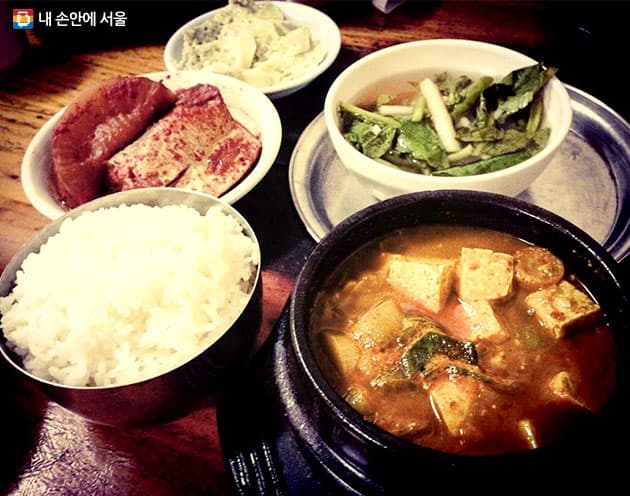
Picture this: a cozy, bustling Korean restaurant. The air is thick with the warm, savory aroma of fermented soybean paste, garlic, and chili. Steam rises from a bubbling stone pot, filled with tender tofu, zucchini, mushrooms, and perhaps a hint of beef or clams. This isn’t just any stew; this is Doenjang Jjigae, the quintessential Korean comfort food you’ve seen bubbling on countless K-drama tables, warming the hearts of protagonists and villains alike. But how do you find the real deal – the one that tastes like grandma made it, not just a tourist trap?
As K-drama and K-pop fans, you’re not just looking for a meal; you’re looking for an experience, a taste of authentic Korea that resonates with the scenes you’ve watched a thousand times. And when it comes to finding truly authentic eats, who better to trust than the diligent food explorers from Korea’s own trusted TV shows like Saengsaeng Jeongbotong, Saengsong Today, and Yuksi Naegohyang? These shows are like culinary goldmines, featuring establishments that have passed the ultimate test: the discerning palates of Korean locals and expert food critics.
Today, we're diving deep into the soul-soothing world of Doenjang Jjigae, uncovering hidden gems and beloved institutions that have earned their stripes on national television. Get ready to add some seriously delicious spots to your Korea itinerary!
What Exactly IS Doenjang Jjigae? Your Gateway to Korean Flavors
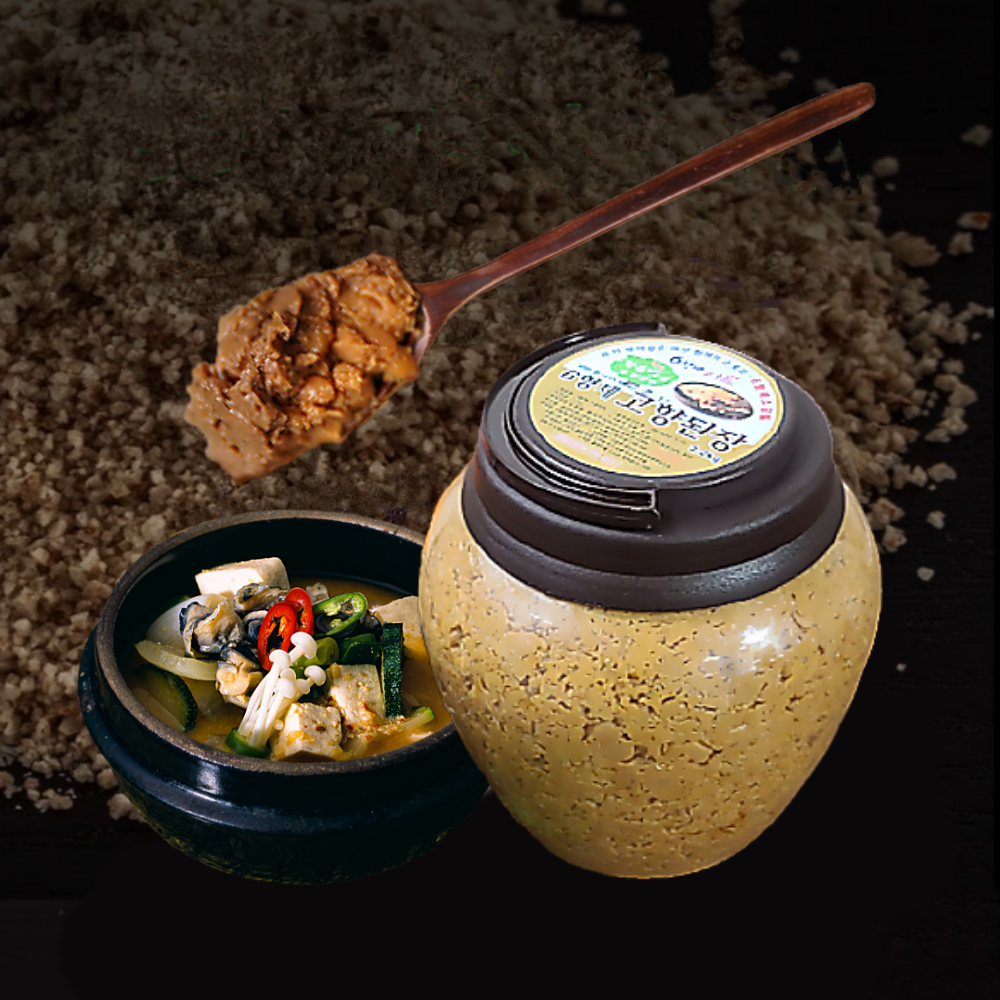
Before we embark on our delicious journey, let's get acquainted with our star dish. Doenjang Jjigae (된장찌개) is a hearty, savory stew made primarily from doenjang, a fermented soybean paste that's often likened to a Korean miso, but with a deeper, richer, and more complex flavor profile. It's not just food; it's a pillar of Korean cuisine, enjoyed almost daily in Korean households. Think of it as the ultimate comfort food, deeply umami, slightly pungent (in the best way!), and incredibly versatile.
Unlike its spicier cousin, Kimchi Jjigae, Doenjang Jjigae offers a more subtle, earthy warmth, making it approachable for those who might be wary of intense spice. It's usually packed with an array of vegetables like zucchini, radish, onions, mushrooms, and tofu, often with a choice of beef, pork, or seafood to add extra depth. Served bubbling hot with a bowl of rice and an assortment of banchan (side dishes), it’s a complete and satisfying meal that embodies the spirit of Korean home cooking.
Why Trust Korea's TV Food Shows?
You might wonder, "Why rely on TV shows?" Well, in Korea, food shows like Saengsaeng Jeongbotong, Saengsong Today, and Yuksi Naegohyang are serious business! They dedicate immense resources to finding truly exceptional eateries, often highlighting places with unique recipes, generations-old traditions, or incredibly fresh, high-quality ingredients. Being featured on one of these shows is a mark of honor and a testament to genuine deliciousness, ensuring you're getting an authentic taste, verified by locals, not just tourist hype.
Our Top TV-Verified Doenjang Jjigae Destinations
Ready to slurp down some of Korea's finest? Here are our top picks for Doenjang Jjigae, celebrated on Korean television for their unforgettable flavors!
Nestled in the bustling heart of Myeongdong, Seoul, Gohyangjip Doenjang Jjigae is a true institution, famed for its incredibly rich and deeply savory stew. This spot has been featured multiple times on Saengsaeng Jeongbotong for its commitment to traditional fermentation methods and its signature doenjang, aged in-house for years. The moment you step inside, you’re greeted by the comforting aroma of home-cooked goodness.
What makes it special: Their Doenjang Jjigae boasts a robust, earthy flavor thanks to their homemade doenjang, which has a distinct, deep umami that's hard to replicate. They use generous chunks of fresh tofu, tender beef brisket, and seasonal vegetables, all simmering in a broth that's both hearty and clean. Many regulars swear by their complimentary barley rice, perfect for mixing into the stew.
What to order: The "Classic Beef Doenjang Jjigae" (소고기 된장찌개) is a must-try. If you're feeling adventurous, their "Seafood Doenjang Jjigae" (해물 된장찌개) offers a refreshing twist with various shellfish. Don't forget to try their crisp, perfectly seasoned jeon (pancakes) as a side!
Price Range: ₩10,000 - ₩15,000 per person for a main dish.
How to Get There: Easily accessible! Take Seoul Subway Line 4 to Myeongdong Station (명동역), Exit 8. Walk straight for about 5 minutes, and you'll find it tucked away in an alley.
Best Time to Visit: Lunchtime can be very busy with office workers. For a more relaxed experience, aim for an early dinner (around 5:30 PM) or a late lunch (after 2 PM).
Venture into the charming streets of Bukchon Hanok Village, Seoul, and you'll discover Bukchon Doenjang Maeul, a restaurant celebrated on Yuksi Naegohyang for its authentic, homely flavors and traditional atmosphere. This spot prides itself on using ingredients sourced directly from local farms, ensuring a freshness that truly shines through in every bite.
What makes it special: Their Doenjang Jjigae uses a lighter, sweeter doenjang, often made with a unique blend of soybeans and barley, giving it a distinct regional character. The stew is famously rich in vegetables, often featuring seasonal greens not commonly found elsewhere, offering a taste of authentic rural Korean flavors right in the city. The traditional hanok setting adds to the immersive experience.
What to order: The "Seasonal Vegetable Doenjang Jjigae" (제철채소 된장찌개) is a highlight, perfectly showcasing the freshness of their ingredients. They also offer a fantastic "Pork Doenjang Jjigae" (돼지고기 된장찌개) for those who prefer a meatier option. Their bori-bap (barley rice) with various fresh vegetables and gochujang (chili paste) is a delightful accompaniment, allowing you to create your own bibimbap.
Price Range: ₩12,000 - ₩18,000 per person.
How to Get There: Take Seoul Subway Line 3 to Anguk Station (안국역), Exit 2. From there, it's a picturesque 10-15 minute walk through the hanok village. Keep your eyes peeled for the charming sign!
Best Time to Visit: Weekday lunch is typically less crowded than weekends. It's a perfect spot to refuel after exploring Bukchon Hanok Village.
For something truly unique, head to Gangnam, Seoul, where Samdae Doenjang Myeongga offers a modern take on the classic stew, earning accolades on Saengsong Today for its innovative approach to traditional flavors. This restaurant specializes in using doenjang that has been aged for three generations, providing an unparalleled depth and complexity.
What makes it special: The "three-generations-aged" doenjang is the star here, imparting an incredibly profound, almost nutty flavor to the stew. They offer a unique "Spicy Seafood Doenjang Jjigae" (매운 해물 된장찌개) which perfectly balances the richness of the doenjang with a fiery kick, making it a favorite among locals who love a bit of heat. Their use of premium, fresh seafood sets them apart.
What to order: The "Spicy Seafood Doenjang Jjigae" (매운 해물 된장찌개) is their signature, bursting with crab, shrimp, and mussels. If you prefer a milder option, their "Aged Doenjang Jjigae with Beef" (숙성 된장찌개 with 소고기) is also exceptional. Don't miss their creative banchan, which often include seasonal, pickled vegetables that complement the stew perfectly.
Price Range: ₩15,000 - ₩25,000 per person (due to premium ingredients).
How to Get There: Take Seoul Subway Line 2 to Gangnam Station (강남역), Exit 11. It's about a 7-minute walk into one of the main restaurant streets.
Best Time to Visit: This spot is popular for dinner, especially on weekends. Reservations might be a good idea for larger groups. Weekday lunch is usually less busy.
Mix it up! Don't just eat your rice separately. Koreans often mix a spoonful of rice directly into their bubbling jjigae or put a spoonful of rice in their mouth, then follow with a scoop of the stew. It's a game-changer!
Share the Banchan: The various side dishes are meant to be shared. Feel free to ask for refills (usually free!).
Pair with Makgeolli or Soju: A crisp, slightly sweet makgeolli (rice wine) or a shot of soju can cut through the richness of the stew beautifully, enhancing the overall dining experience.
Don't Be Afraid to Ask: Most restaurants in tourist-friendly areas will have English menus or staff who can assist. If not, pointing to pictures or using a translation app works wonders!
Embrace the Heat: Doenjang Jjigae is served piping hot, often still bubbling at your table. Be careful not to burn yourself, but enjoy the warmth that spreads through you!
From the bustling streets of Myeongdong to the historic alleys of Bukchon and the trendy vibes of Gangnam, these TV-verified Doenjang Jjigae spots offer a spectrum of authentic flavors that will truly immerse you in Korea's culinary heart. Each bowl tells a story of tradition, fermentation, and the unwavering love for good, honest food.
So, the next time you're planning your Korean adventure, remember to set aside time for a comforting bowl of Doenjang Jjigae. It’s more than just a meal; it’s a taste of Korea’s soul, verified by the very shows that celebrate its rich gastronomic heritage. Happy eating, and prepare for your taste buds to thank you!
💡 AI Travel Tip
Planning your K-drama inspired food tour can be overwhelming! Use AI tools to streamline your research and logistics. Here are some prompt ideas:
For discovering more local gems:
Prompt example: "I'm looking for traditional Korean restaurants specializing in Doenjang Jjigae in Seoul's Jongno-gu area that are known for homemade doenjang. Filter for places with high local reviews (4.5+ stars) and mention if they've been featured on Korean food TV shows like Saengsaeng Jeongbotong."
For creating a personalized food itinerary:
Prompt example: "Create a 3-day food itinerary for a first-time visitor to Seoul, focusing on K-drama famous dishes including Doenjang Jjigae, Tteokbokki, and Korean BBQ. Include specific restaurant recommendations, directions using Seoul Subway, estimated prices, and suggest nearby K-drama filming locations for each day. Optimize for travel time between locations."
For navigating and translating:
Prompt example: "Translate 'I would like one Beef Doenjang Jjigae and please make it not too spicy' into polite Korean for a restaurant setting. Also, provide directions from Anguk Station Exit 2 to Bukchon Hanok Village, assuming I want to visit the main viewing points."
For dietary preferences:
Prompt example: "Find Doenjang Jjigae restaurants in Hongdae, Seoul, that offer vegetarian or vegan-friendly options, or can customize dishes. Mention their opening hours and typical waiting times."
Ever found yourself glued to a K-drama, captivated not just by the thrilling plot or heartwarming romance, but by the irresistible sizzle of street food in the background? Whether it’s the intense concentration of the characters tackling the Dalgona challenge in Squid Game, or a cozy scene of friends sharing steaming Hotteok on a chilly evening, Korean street snacks are more than just food – they're a vital part of the culture, the story, and the unforgettable experience of Korea.
Here at KoreaSpots, we're your go-to guide for finding those authentic flavors that K-drama and K-pop idols adore, all verified by popular Korean TV shows like Saengsaeng Jeongbotong, Saengsong Today, and Yuksi Naegohyang. Ready to embark on a delicious journey? Let's dive into the iconic street snacks you absolutely MUST try on your next trip!
Dalgona (달고나): The Sweet Challenge You Can Eat
Remember the nerve-wracking Dalgona challenge from Squid Game? This fragile, honeycomb-like candy became a global sensation overnight, but long before the hit show, Dalgona was a beloved nostalgic treat for generations of Koreans. It's essentially caramelized sugar mixed with a pinch of baking soda, creating a light, airy, and delicately brittle candy, often pressed with a shape like a star, umbrella, or circle.
The fun isn't just in eating it, but often in trying to carefully nibble around the stamped shape without breaking it – just like in the drama! It's a sweet, slightly bitter, and utterly addictive experience that transports you straight into a Korean childhood.
Where to Find Dalgona
Since its global fame, Dalgona stalls have popped up everywhere, especially in tourist-heavy areas. You'll easily spot vendors showcasing their craft on the streets of:
Myeongdong: Famous for its bustling street food scene, you'll find multiple Dalgona vendors here, often with lines of excited tourists and locals.
Insadong: Alongside traditional tea houses and craft shops, look for Dalgona stalls offering a taste of retro Korea.
Hongdae: The vibrant youth district is also a great spot to find trendy and traditional street snacks, including Dalgona.
Price Range: Expect to pay around ₩2,000 - ₩5,000, depending on the size and complexity of the shape.
Practical Tip: Dalgona is extremely delicate! Be careful when carrying it, especially if you're trying to preserve the shape for a photo op. And watch out for sticky fingers!
Hotteok (호떡): The Golden-Brown Pancake of Happiness
Imagine a cold winter day in Seoul. You're exploring the charming streets, and suddenly, a warm, sweet aroma drifts towards you. That's Hotteok calling! This Korean sweet pancake is a quintessential comfort food, especially when the temperatures drop. It’s a simple dough, pan-fried to a golden crisp, with a molten, gooey filling that bursts with flavor.
The classic Hotteok features a brown sugar, cinnamon, and nut filling that turns into a sweet syrup when cooked. But you'll also find savory variations, like those filled with Japchae (stir-fried glass noodles) or even cheese, gaining popularity. The contrast of the crispy exterior and the soft, chewy interior, coupled with the piping hot, sweet filling, makes every bite an absolute delight.
While Hotteok can be found at street stalls across Korea, certain spots are legendary. Namdaemun Market, a historical and vibrant traditional market, is particularly famous for its Hotteok. You'll often see long queues for specific stalls that have perfected their recipe over decades, sometimes even being featured on shows like Saengsaeng Jeongbotong for their unique take or exceptional taste!
Namdaemun Market: Head to the main street food alleys. Look for stalls with long lines and the unmistakable scent of frying dough.
Myeongdong: Another prime location for Hotteok, with various vendors offering both sweet and savory versions.
Busan (Ssiat Hotteok): If you venture south, Busan is renowned for its "Ssiat Hotteok," filled with seeds for an extra nutty crunch. While not Seoul, it's a famous Hotteok variation worth knowing!
Price Range: Hotteok usually costs around ₩1,500 - ₩3,000 per piece, making it a very affordable and satisfying snack.
Practical Tip: The filling is HOT! Be careful on your first bite to avoid burning your tongue. Many vendors will serve it in a paper cup to catch any drips and make it easier to hold.
Iconic Treats You Must Try
Beyond Dalgona and Hotteok, Korea's street food scene is a treasure trove of flavors. Here are more must-try snacks that have graced countless K-drama scenes and tantalized the taste buds of K-pop idols:
Tteokbokki (떡볶이): The Spicy Queen of Korean Street Food
No discussion of Korean street food is complete without Tteokbokki. These chewy rice cakes drenched in a fiery, sweet, and savory gochujang (chili paste) sauce are a national obsession. Often served with fish cakes (eomuk), boiled eggs, and scallions, Tteokbokki is comfort food personified, providing a satisfying kick that will warm you from the inside out.
You'll find countless variations, from mild Gungjung Tteokbokki (royal stir-fried rice cakes) to creamy Rosé Tteokbokki, cheese-covered versions, and even Rabokki (Tteokbokki with ramyeon noodles).
Where to Find the Best Tteokbokki
Tteokbokki stalls are ubiquitous, but some areas are particularly renowned for their offerings:
Sinchon & Hongdae: Popular among students, these areas boast many casual eateries and street stalls specializing in Tteokbokki, often served with custom toppings.
Gwangjang Market (광장시장)핫한시장별 대표메뉴 - 뽐뿌:맛집포럼 핫한시장별 대표메뉴더쿠 - 여러분이 생각하는 광장시장 대표 음식은?: A legendary market featured on Saengsaeng Jeongbotong for its incredible food, Gwangjang Market offers fantastic Tteokbokki alongside other iconic snacks.
Topokki Town (Sindang-dong): An entire street dedicated to Tteokbokki restaurants, each with its unique twist.
Price Range: A serving can range from ₩3,000 - ₩7,000, depending on the portion size and additional toppings.
Practical Tip: If you're not good with spice, look for stalls offering "mild" versions or ask for less spicy options. Don't forget to try the fried side dishes (튀김, twigim) dipped in the Tteokbokki sauce!
Eomuk (어묵) / Odeng (오뎅): Fish Cakes on a Skewer
Perfect for a quick, savory bite, Eomuk (or Odeng, the Japanese loanword, widely used) are fish cakes served on skewers, simmering in a flavorful, clear broth. It’s a staple during colder months, offering warmth and a light, savory taste.
Often found at the same stalls selling Tteokbokki, you can pick your skewer, enjoy it standing, and even help yourself to cups of the delicious broth. It's a truly authentic street food experience.
Price Range: Usually ₩500 - ₩1,000 per skewer, making it incredibly budget-friendly.
Practical Tip: Don't be shy about grabbing a cup and filling it with the broth – it's part of the experience and usually free with your purchase!
Mayak Gimbap (마약김밥): The Addictive Mini Gimbap
While regular Gimbap (seaweed rice rolls) are popular for picnics and quick meals, Mayak Gimbap from Gwangjang Market is a special treat. "Mayak" translates to "narcotic," a playful nod to how incredibly addictive and delicious these mini Gimbap rolls are. They're typically smaller than regular Gimbap, filled simply with carrots, pickled radish, and sometimes spinach, and served with a tangy, mustard-infused dipping sauce.
Where to Find It: Exclusively and famously at Gwangjang Market (광장시장). Many stalls here are renowned for their Mayak Gimbap and have been featured on shows like Yuksi Naegohyang for their authentic taste and bustling atmosphere.
Price Range: A plate usually costs around ₩3,000 - ₩5,000.
Bungeoppang (붕어빵): The Cute Fish-Shaped Pastry
Another iconic winter street snack, Bungeoppang is a fish-shaped pastry, similar to a waffle, typically filled with sweet red bean paste (pat). You might also find variations with custard cream (choux cream) or even savory fillings like sweet potato or pizza. The crispy edges and warm, soft interior make it an irresistible seasonal delight.
Where to Find It: Bungeoppang stalls appear like magic once the weather turns cold, usually from late autumn through winter. Look for vendors with fish-shaped molds in bustling areas like Myeongdong, Hongdae, or near subway exits.
Price Range: Varies depending on size and filling, usually ₩1,000 - ₩2,000 for 1-3 pieces.
Quick Guide to Iconic Korean Street Snacks
Snack
Description
Typical Price
Best Season
Where to Find (Seoul)
Dalgona (달고나)
Sweet, brittle honeycomb candy
₩2,000 - ₩5,000
All Year
Myeongdong, Insadong, Hongdae
Hotteok (호떡)
Sweet (or savory) fried pancake
₩1,500 - ₩3,000
Winter
Namdaemun Market, Myeongdong
Tteokbokki (떡볶이)
Spicy rice cakes with fish cakes
₩3,000 - ₩7,000
All Year
Sinchon, Hongdae, Gwangjang Market
Eomuk/Odeng (어묵/오뎅)
Fish cakes on skewers in broth
₩500 - ₩1,000 per skewer
All Year (especially Winter)
Any street stall, subway exits
Mayak Gimbap (마약김밥)
"Addictive" mini Gimbap with mustard sauce
₩3,000 - ₩5,000
All Year
Gwangjang Market
Bungeoppang (붕어빵)
Fish-shaped pastry (red bean/custard)
₩1,000 - ₩2,000 (1-3 pcs)
Winter
Various street stalls (seasonal)
Tips for Your Street Food Adventure
Cash is King: While some larger stalls might accept card payments, many street vendors operate on a cash-only basis. Always carry small denominations (₩1,000, ₩5,000, ₩10,000 notes) for easy transactions.
Follow the Locals (and the Lines!): A long queue of Koreans is almost always a sign of a delicious and reliable street food spot. Don't be afraid to join the line! These are often the places that have been featured on shows like Saengsong Today.
Eat as You Go: Most street food is designed for immediate consumption, often while standing or walking. Embrace the bustling atmosphere!
Be Adventurous: Don't hesitate to try something new, even if you don't recognize it. Korean street food is incredibly diverse, and you might discover your new favorite snack!
Hygiene: Korean street food vendors are generally very clean and take pride in their stalls. You can feel confident trying their delicious offerings.
Best Time to Visit: Late afternoon and evening are prime times for street food, especially on weekends when the streets truly come alive.
Embarking on a Korean street food tour is an essential part of experiencing the country's vibrant culture. From the nostalgic sweetness of Dalgona to the fiery kick of Tteokbokki, each snack tells a story and offers a taste of authentic Korea. So, grab your cash, open your mind, and get ready to indulge in a truly unforgettable culinary adventure!
💡 AI Travel Tip
Planning your street food route can be overwhelming with so many delicious options! Use AI tools to optimize your food hunt and make sure you hit all the verified spots.
Find specific verified stalls: Ask for specific stalls in a neighborhood.
Prompt example: "I'm in Myeongdong and want to try Hotteok. Which specific Hotteok stalls in Myeongdong have been featured on Korean TV shows like Saengsaeng Jeongbotong or Saengsong Today? Provide their names and general location."
Build a walking food tour: Get a curated list of snacks in a specific area.
Prompt example: "Create a walking street food itinerary for Gwangjang Market, including Tteokbokki, Mayak Gimbap, and Bindaetteok. Include approximate walking times between stalls and a recommended order for tasting."
Check seasonal availability: Ensure you can find seasonal treats.
Prompt example: "Is Bungeoppang typically available in Seoul during May? If so, where are the best places to find it during that time?"
Dietary considerations: Adapt your food search to your needs.
Prompt example: "I'm vegetarian. Can you suggest some common Korean street snacks that are suitable for vegetarians in areas like Insadong or Hongdae, and mention if they've been verified by shows like Yuksi Naegohyang?"
Ever dreamt of wandering through a vibrant Seoul street, soundtracked by busking K-pop covers, while delicious aromas beckon you at every turn? If you've been binge-watching your favorite K-dramas and finding yourself craving every sizzling dish on screen, then Hongdae Food Street is your next essential stop in Seoul!
Nestled in the heart of Seoul’s youth culture hub, Hongdae (short for Hongik University Street) isn’t just about indie music, quirky cafes, and cutting-edge fashion. It's a culinary playground, a bustling symphony of flavors that perfectly captures the dynamic spirit of young Korea. As your trusty guides at KoreaSpots, we've explored the length and breadth of this iconic district, and now we're ready to share our top picks – verified by none other than Korea's most beloved food shows like Saengsaeng Jeongbotong, Saengsong Today, and Yuksi Naegohyang!
This isn't just about eating; it's about immersing yourself in the authentic, energetic food scene that makes Hongdae truly special. So grab your T-Money card, prepare your taste buds, and let's dive into the best bites Hongdae has to offer for young travelers like you!
Hongdae's Street Food Extravaganza: A Feast for the Senses
The moment you step onto Hongdae Food Street, you’re greeted by an explosion of sights, sounds, and most importantly, smells. From sizzling skewers to sweet treats, the street food here is an absolute must-try. It's the perfect way to snack your way through the district, fueling up between souvenir shopping and K-pop dance-offs.
Tteokbokki (Spicy Rice Cakes): You can’t come to Korea and not try tteokbokki! Imagine chewy rice cakes swimming in a rich, fiery gochujang sauce, often accompanied by fish cakes (eomuk), boiled eggs, and sometimes even ramen noodles. Hongdae's street vendors often put their own spin on this classic, offering everything from mild versions to truly eye-watering spicy ones. It's the ultimate comfort food, especially on a chilly evening. Look for stalls with long lines – that's usually a good sign!
KoreaSpots Tip: Many street tteokbokki vendors have been featured on local segments of Yuksi Naegohyang for their long-standing traditions and secret family recipes!
Hotteok (Sweet Pancakes): A beloved winter street snack, but you can find it year-round. These golden-fried pancakes are crispy on the outside and wonderfully chewy inside, filled with a sweet syrup made from brown sugar, cinnamon, and crushed nuts. The molten center is pure bliss – just be careful not to burn your tongue! It’s the perfect sweet antidote after a spicy tteokbokki adventure.
Gyeranppang (Egg Bread): Simple, elegant, and incredibly satisfying. Gyeranppang is a small, slightly sweet loaf of bread with a whole egg baked right into the center. It’s fluffy, savory, and a little bit sweet, making it a fantastic quick breakfast or an anytime snack. They're often served piping hot, straight from the mold.
Dakkochi (Chicken Skewers): Grilled to perfection, these skewers are a staple. You can find them marinated in various sauces – from sweet soy to fiery gochujang. They're quick, easy to eat on the go, and packed with flavor. Some vendors offer different levels of spice, so you can tailor it to your preference.
Eomuk (Fish Cakes): Often found simmering in savory broths, these fish cakes on skewers are a warm, comforting treat. The broth itself is delicious and often offered to customers in a small paper cup – perfect for warming up on a cool day.
Sit-Down Sensations: Beyond the Street Stalls
While street food is fantastic for snacking, Hongdae also boasts an incredible array of sit-down restaurants offering everything from traditional Korean fare to modern fusion dishes. Here are a couple of our top picks, known for their incredible taste and TV show recognition.
If you're looking for a hearty, unforgettable meal that's a bit different from your usual K-BBQ, you absolutely have to try Myth Jokbal. This place specializes in – succulent pig's trotters that are slow-braised until incredibly tender and flavorful. But what makes Myth Jokbal stand out is their signature 'Garlic Jokbal'.
Imagine perfectly cooked jokbal, sliced thin, and then generously coated in a sweet, savory, and incredibly fragrant garlic sauce. It’s not overly pungent, but rather a harmonious blend that enhances the richness of the meat without overwhelming it. The texture is a delightful combination of gelatinous skin and tender, lean meat. It's usually served with fresh salads and various banchan (side dishes), making for a satisfying and communal dining experience.
What to Order: Their famous Garlic Jokbal (마늘 족발) is a must-try. For those who prefer a more classic taste, they also offer original jokbal.
Price Range: Expect to pay around ₩30,000 - ₩45,000 for a medium-sized plate, which is usually enough for 2-3 people.
TV Verification: Myth Jokbal has gained widespread fame through features on multiple Korean broadcasting channels, often appearing on shows like Saengsaeng Jeongbotong for its unique take on a traditional dish and its consistent quality.
Vibe: Lively, bustling, and perfect for sharing a meal with friends after a day of exploring. It’s popular with locals and tourists alike, creating an energetic atmosphere.
For fans of spicy, savory, and utterly addictive stir-fried chicken, Guldak Dakgalbi is a fantastic choice in the Hongdae area. is a popular dish where marinated chicken, often with cabbage, sweet potatoes, tteok (rice cakes), and other vegetables, is stir-fried at your table on a large hot plate, usually coated in a spicy gochujang-based sauce.
What makes Guldak Dakgalbi a local favorite is their fresh ingredients and perfectly balanced spicy-sweet sauce. The interactive experience of cooking the dakgalbi right in front of you adds to the fun, allowing the aromas to build as the dish comes to life. Once most of the dakgalbi is eaten, you can often add rice to the remaining sauce and ingredients to make delicious fried rice (bokkeumbap), a quintessential Korean dining tradition.
What to Order: Their classic Dakgalbi (닭갈비) is the star. You can often choose your spice level. Don't forget to order fried rice (볶음밥) at the end!
Price Range: Expect around ₩12,000 - ₩18,000 per person, depending on what you add (cheese, ramen noodles, etc.).
TV Verification: Guldak Dakgalbi and similar reputable dakgalbi establishments in Hongdae have been spotlighted on shows like Saengsong Today for their delicious flavors and popularity among the younger generation.
Vibe: Casual, vibrant, and incredibly social. It’s an ideal spot for groups looking to share a fun and flavorful meal.
Practical Tips for Your Hongdae Food Adventure
Getting There
Hongdae is incredibly accessible via Seoul's efficient subway system.
Take Seoul Subway Line 2 to Hongik University Station (홍대입구역). Most of the food street action is right outside Exit 8 or 9.
You can also use the Airport Railroad Express (AREX) or Gyeongui-Jungang Line to Hongik University Station if you're coming directly from Incheon Airport or other parts of Seoul.
When to Visit
Evenings (6 PM onwards): Hongdae truly comes alive in the evenings. The street performers are out, the lights are dazzling, and the food stalls are bustling. This is the best time for soaking in the atmosphere.
Weekends: Expect larger crowds, but also the most vibrant energy. If you prefer a slightly less crowded experience, weekdays are a good alternative.
Lunchtime: Many sit-down restaurants offer lunch specials, which can be a great way to try more expensive dishes at a lower price.
Payment & Language
Cash for Street Food: While many street vendors now accept card, it's always a good idea to carry some cash (₩10,000 and ₩5,000 bills are useful) for smaller purchases.
Cards for Restaurants: Most sit-down restaurants widely accept credit and debit cards.
Language: English proficiency varies. In popular tourist areas like Hongdae, many staff might have basic English skills, especially younger ones. Don't be shy to use pointing, translation apps, or even pictures from your phone!
Hongdae Foodie Planner: At a Glance
Food Type / Restaurant
Specialty
Typical Price Range (per person)
TV Verification
Vibe & Experience
Street Food Stalls
Tteokbokki, Hotteok, Gyeranppang, Dakkochi, Eomuk
₩3,000 - ₩10,000
Often featured on Yuksi Naegohyang for local favorites.
Quick, casual, immersive street atmosphere. Perfect for snacking on the go.
Myth Jokbal (미쓰족발)
Garlic Jokbal (pig's trotters)
₩15,000 - ₩25,000 (shared dish)
Known from Saengsaeng Jeongbotong for unique recipes.
Lively, communal, great for groups looking for a unique Korean dish.
Guldak Dakgalbi (굴닭닭갈비)
Spicy Stir-fried Chicken with vegetables
₩12,000 - ₩18,000
Featured on Saengsong Today for popular dining spots.
Interactive, fun, and flavorful. Ideal for a social meal with friends.
Hongdae Food Street is more than just a place to eat; it's an experience that encapsulates the vibrant, youthful energy of Seoul. From the savory delights of street food to the unique flavors of sit-down restaurants, every bite tells a story. So, put on your walking shoes, charge your phone for endless photos, and get ready to create some delicious K-drama-worthy memories!
💡 AI Travel Tip
Planning your Seoul food adventure with AI can make your trip even smoother! Here are some prompts to help you navigate Hongdae and beyond:
For a personalized Hongdae street food tour:
Prompt example: "Create a personalized Hongdae street food itinerary for a vegetarian K-pop fan visiting in November, including estimated costs and nearest subway exits for each recommendation. Focus on popular items seen in K-dramas."
To find TV-verified restaurants nearby:
Prompt example: "Suggest 3 authentic Korean BBQ restaurants in Hongdae that have been mentioned on Saengsaeng Jeongbotong or Saengsong Today, suitable for a group of 4. Include suggested dishes and reservation tips if applicable."
For discovering unique dessert spots:
Prompt example: "List 3 unique themed cafes or dessert shops in the Hongdae area, near Hongik University Station, detailing their specialty drinks/desserts and ideal visiting times for a less crowded experience."