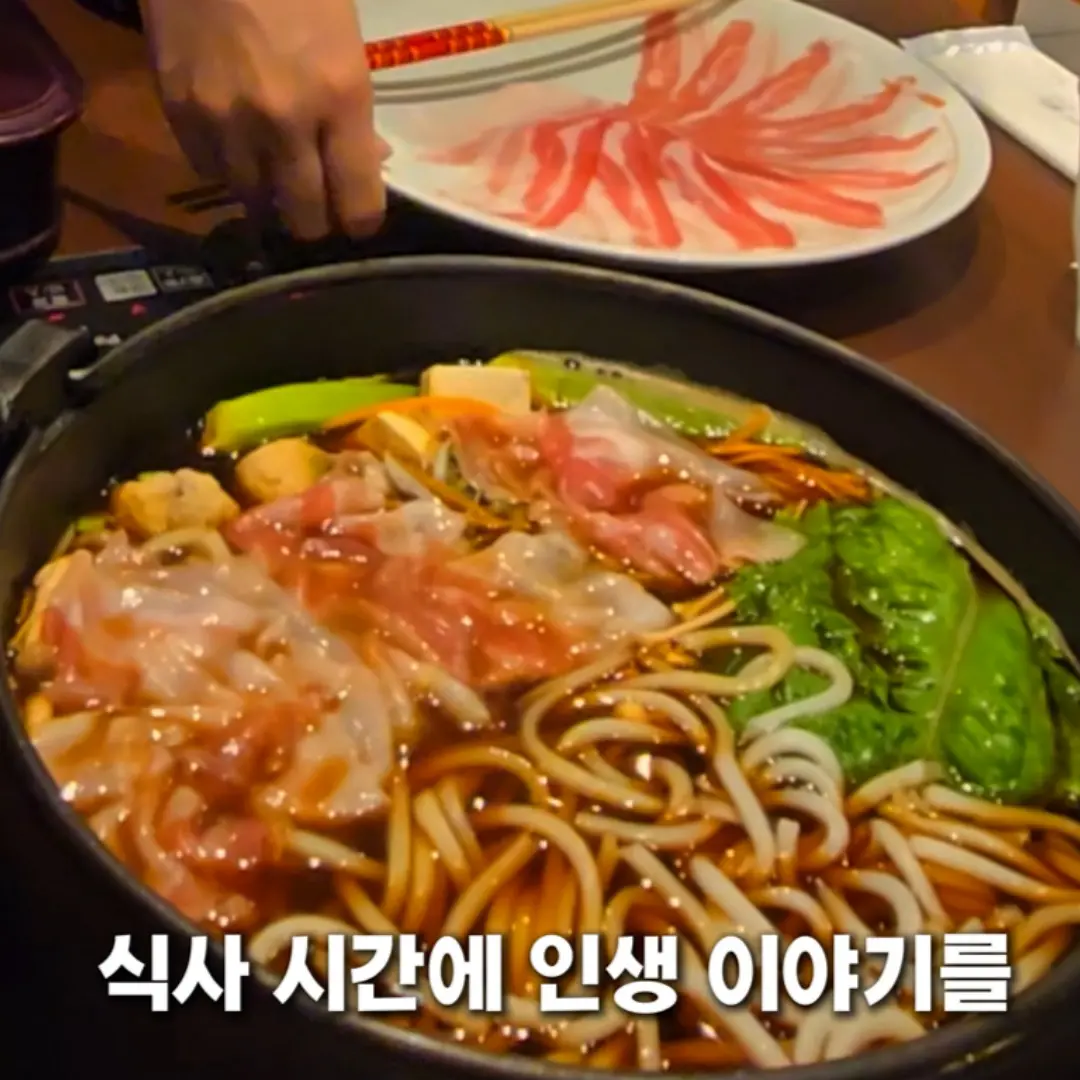
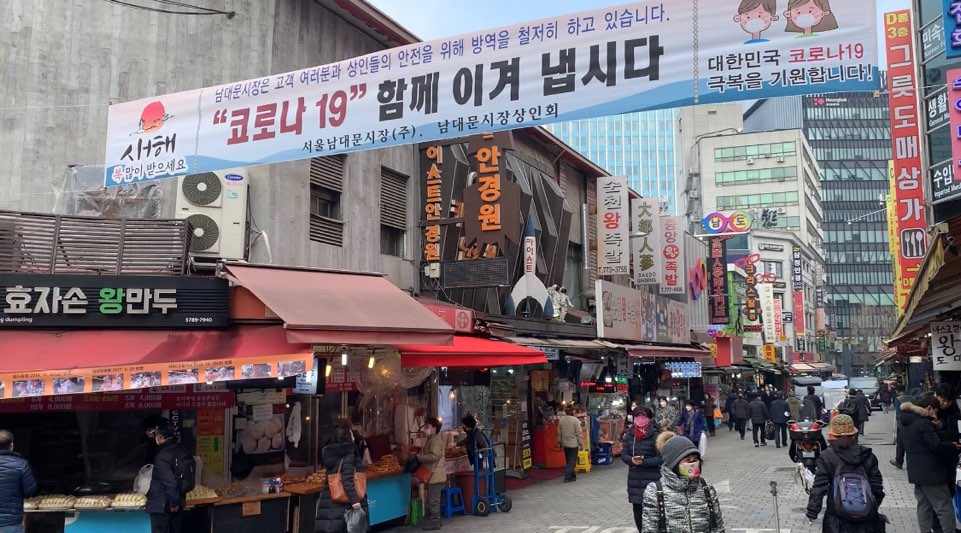
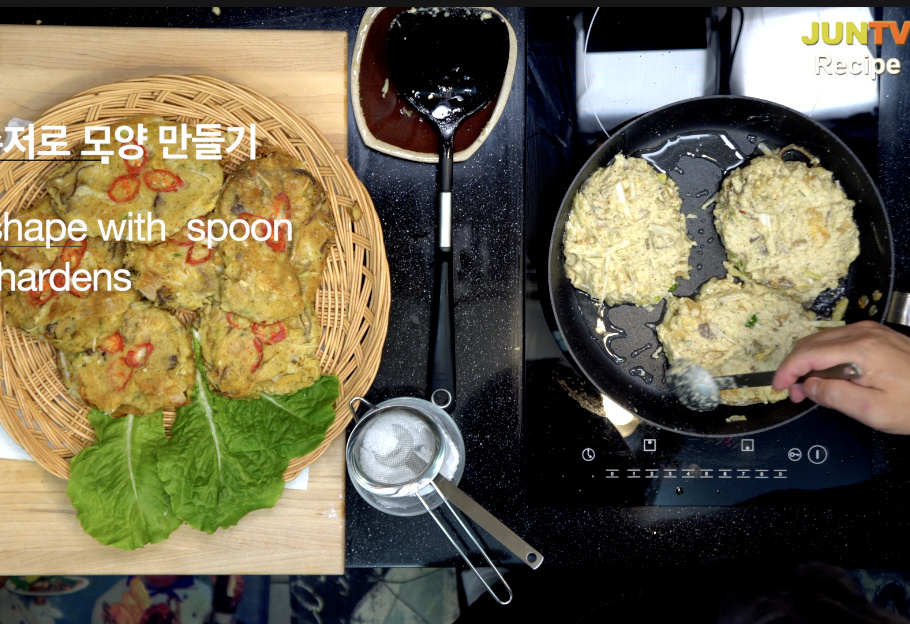
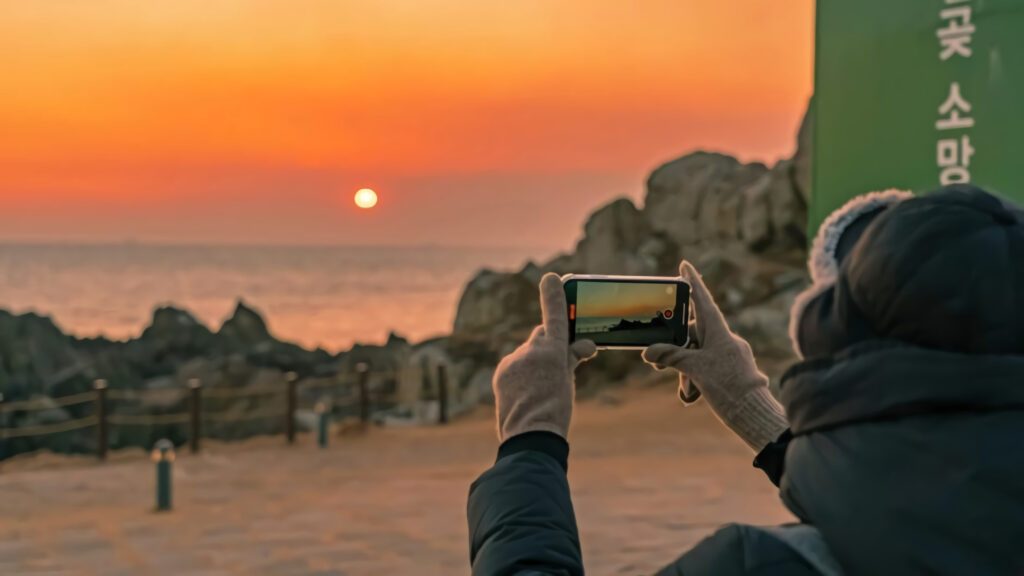
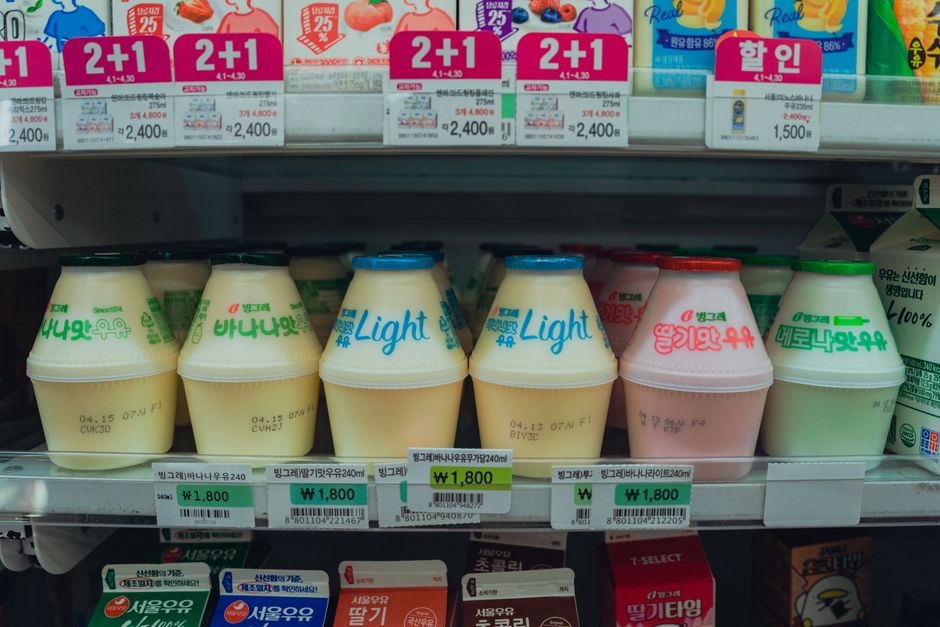
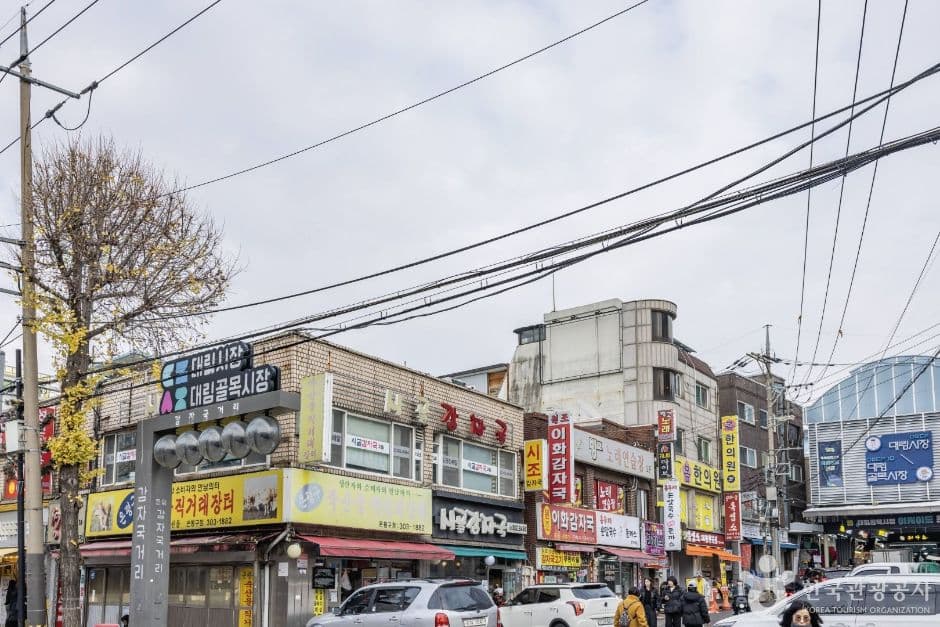
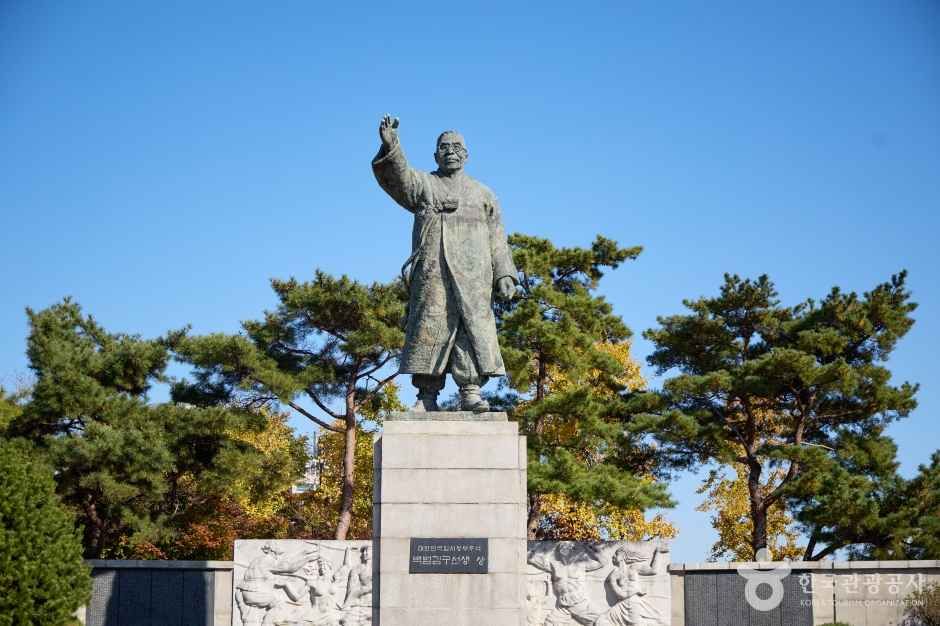
Ever found yourself lost in the captivating world of K-dramas, dreaming of strolling through the bustling streets of Myeongdong, hiking Namsan like your favorite idol, or savoring sizzling street food verified by Saengsaeng Jeongbotong? You’re not alone! Korea has captured the hearts of millions, and for many K-drama and K-pop fans, a trip to this vibrant country is the ultimate dream vacation.
But before you can re-enact your favorite scenes or discover the next hidden gem that might even appear on Yuksi Naegohyang, there’s a bit of homework to do. Planning your first trip to Korea can feel like a puzzle, especially with so much exciting information out there. That’s why we at KoreaSpots have put together the ultimate First-Time Visitor’s Complete Korea Travel Checklist (기초편!), designed to make your journey from dream to reality as smooth and stress-free as possible.
We’re here to help you navigate all the pre-trip essentials, from paperwork to packing, ensuring you’re perfectly prepared for an unforgettable adventure. Get ready to turn your K-drama fantasies into real-life memories!
The Essentials: Passport, Visa, and Paperwork
First things first, let’s talk about the absolute non-negotiables: your passport and entry requirements. Without these, your dream trip stays a dream!
- Passport Validity: Make sure your passport is valid for at least six months beyond your planned departure date from Korea. This is a crucial international travel standard that many first-time travelers overlook. Check it now!
- K-ETA (Korea Electronic Travel Authorization): For many nationalities who previously enjoyed visa-free entry, the K-ETA is now a requirement. It’s an online authorization you need to apply for before your trip. The process is straightforward and usually takes a few days for approval, but it’s always best to apply well in advance (we recommend at least a month before your departure) just in case. You can apply on the official K-ETA website. Please note that K-ETA requirements can change, so always check the latest information from the official Korean immigration website or your country's embassy.
- Visa Requirements: While many countries are eligible for K-ETA, some nationalities still require a full visa. Do your research! Visit the Embassy of the Republic of Korea in your country’s website to confirm if you need a visa and what the application process entails. Don’t leave this to the last minute, as visa applications can take weeks or even months.
- Travel Insurance: This isn't just a recommendation; it's a necessity. From unexpected medical emergencies to lost luggage or trip cancellations, travel insurance provides peace of mind. Compare policies to find one that covers your specific needs and activities.
- Digital Copies: Scan or take photos of your passport, visa, K-ETA, and travel insurance documents. Store them securely on your phone, in a cloud service, and email them to yourself. This way, if you lose your physical documents, you have backups.
Staying Connected: Phone & Internet
.jpg)
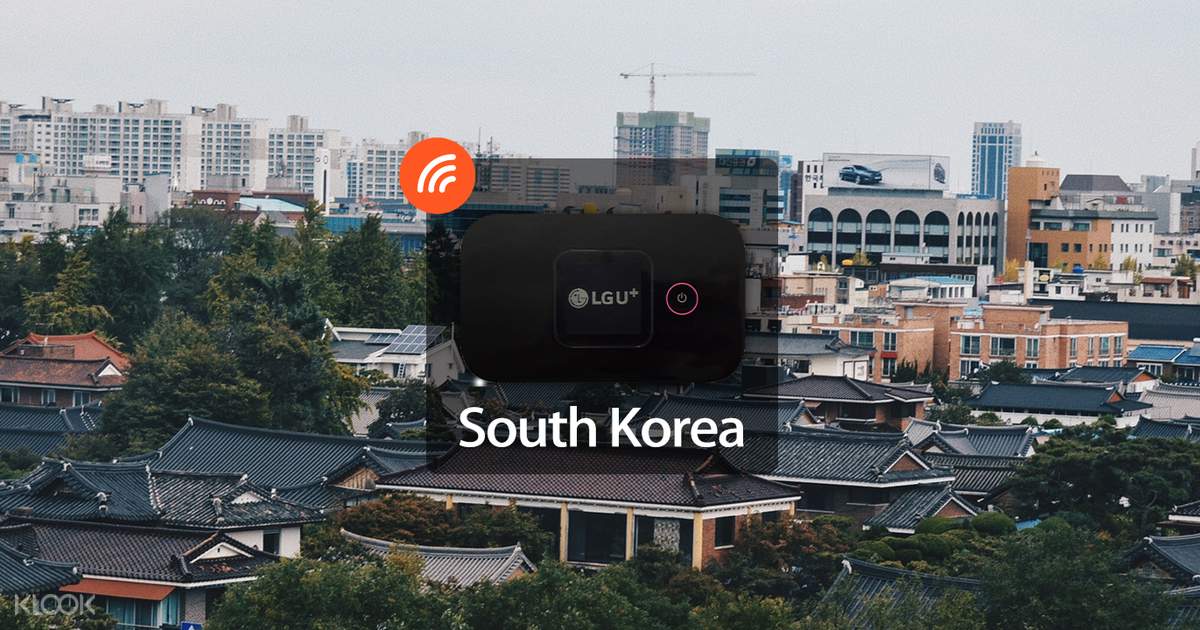
In Korea, being connected isn't just about sharing your amazing experiences; it’s essential for navigation, translation, and finding those Saengsong Today-featured restaurants. You have a few great options for staying online:
| Option | Pros | Cons | Best For |
|---|---|---|---|
| Local SIM Card | Affordable, reliable 4G/5G, local phone number. | Requires unlocked phone, needs physical swap. | Most travelers, especially solo. |
| eSIM | No physical card, easy activation, can keep home SIM. | Newer phones only, might be slightly pricier. | Tech-savvy travelers with compatible phones. |
| Portable Wi-Fi Router (Pocket Wi-Fi) | Connects multiple devices, great for groups/families. | Extra device to carry, needs charging, rental fee. | Groups, families, heavy data users. |
| International Roaming | Convenient, no setup required. | Often very expensive, high risk of bill shock. | Emergency use only, not recommended for primary data. |
Practical Tip: We highly recommend pre-booking your SIM card, eSIM, or Pocket Wi-Fi online before you arrive. You can often pick them up conveniently at Incheon (ICN) or Gimpo (GMP) airports upon arrival. KT, SKT, and LG U+ are the major providers, all offering excellent coverage and speeds.
Getting Around: Transportation Essentials

Korea boasts one of the most efficient and extensive public transportation systems in the world. Mastering it is key to exploring Seoul, Busan, and beyond!
- T-Money Card (or Cashbee): This is your absolute best friend for public transport. It's a rechargeable smart card that you tap to pay for subways, buses, and even some taxis and convenience stores.
- Where to buy: Convenience stores (CU, GS25, 7-Eleven, Emart24), subway stations.
- How to top up: At convenience stores or machines in subway stations. You can load it with cash.
- Why it's essential: It saves you from fumbling for exact change, often offers discounted transfer fares between different modes of transport, and is incredibly convenient.
- Navigation Apps: Google Maps works, but it's not always the most reliable for public transport directions in Korea. Instead, download Naver Maps or Kakao Maps. They are optimized for local public transport, show real-time bus arrivals, and provide accurate walking directions. Familiarize yourself with them before your trip.
- Kakao T: This app is your go-to for taxis. It works similarly to Uber/Grab, allowing you to hail a taxi, see the estimated fare, and pay electronically.
- Airport Express (AREX): If you're flying into Incheon International Airport (ICN), the AREX is the fastest way to get to Seoul. You can choose between the Express Train (non-stop to Seoul Station) or the All-Stop Train (making local stops).
Money Matters: Budgeting & Payments
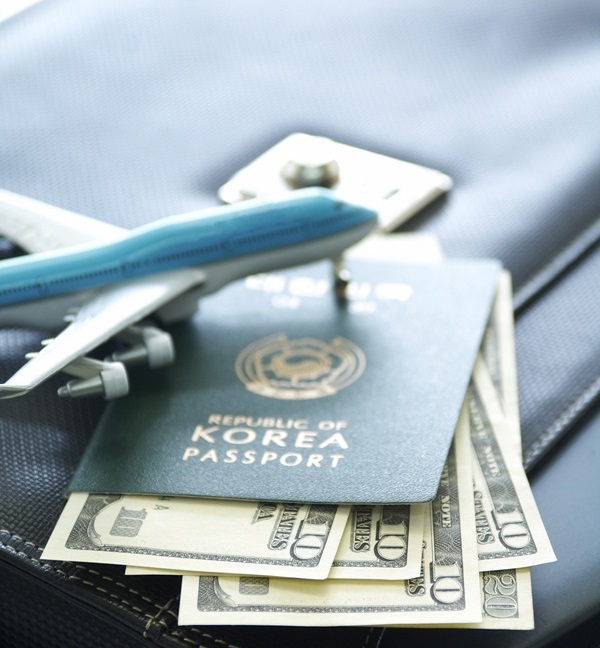
Let's talk Won (KRW)! Understanding how money works in Korea will help you manage your budget and avoid any payment hiccups.
- Korean Won (KRW): The local currency. You'll encounter denominations like ₩1,000, ₩5,000, ₩10,000, and ₩50,000 notes, and ₩10, ₩50, ₩100, ₩500 coins.
- Credit/Debit Cards: Visa and Mastercard are widely accepted, especially in major cities, department stores, hotels, and larger restaurants. American Express and Discover might be less common. It's always a good idea to inform your bank of your travel dates to avoid your card being flagged for suspicious activity.
- Cash is King (sometimes): While card payments are prevalent, having some cash on hand is vital for street food vendors, smaller traditional markets (like Gwangjang Market, famous for its Yuksi Naegohyang-featured delights), taxi fares, and to top up your T-Money card.
- Exchanging Money:
- Best Rates: Typically found at authorized money changers in popular tourist areas like Myeongdong.
- Airport: Exchange a small amount at the airport for immediate needs (AREX ticket, T-Money, etc.), as airport rates are usually less favorable.
- ATMs: Look for "Global ATM" signs. Most major banks (Woori Bank, KEB Hana Bank, Shinhan Bank, KB Kookmin Bank) offer international ATM services. Be aware of potential foreign transaction fees from your home bank and the Korean ATM.
- Mobile Payment: If you have Kakao Pay or Naver Pay set up (requires a Korean bank account), they are widely used, but for first-time visitors, credit cards and cash are your primary tools.
Accommodation: Your Home Away From Home

Choosing where to stay can significantly impact your travel experience. Korea offers a diverse range of accommodations to fit every style and budget.
- Booking Platforms: Use popular sites like Booking.com, Agoda, Expedia, or Airbnb to find and book your stay.
- Types of Accommodation:
- Hotels: From luxurious five-star options to cozy boutique hotels, you'll find plenty, especially in major cities.
- Guesthouses/Hostels: Budget-friendly and great for meeting other travelers. Often offer dorm rooms or private rooms.
- Hanok Stays: For a unique cultural experience, consider staying in a traditional Korean house. Bukchon Hanok Village or Jeonju Hanok Village are popular spots for this.
- Serviced Apartments: Ideal for longer stays or those who prefer a kitchen.
- Popular Neighborhoods in Seoul:
- Myeongdong: Central, bustling, great for shopping, cosmetics, and street food. Excellent transport links.
- Hongdae: Youthful, artistic, vibrant nightlife, live music, street performances. Popular with students.
- Gangnam: Upscale, modern, famous for K-pop entertainment agencies, luxury shopping, and trendy cafes.
- Insadong: Cultural hub, traditional tea houses, art galleries, craft shops, close to palaces.
- Itaewon: Diverse, international district with a wide range of restaurants and bars.
Practical Tip: Book your accommodation well in advance, especially if you're traveling during peak seasons (Cherry Blossom in Spring, Autumn foliage, or major holidays like Chuseok and Lunar New Year).
Packing Smart: Weather & Comfort
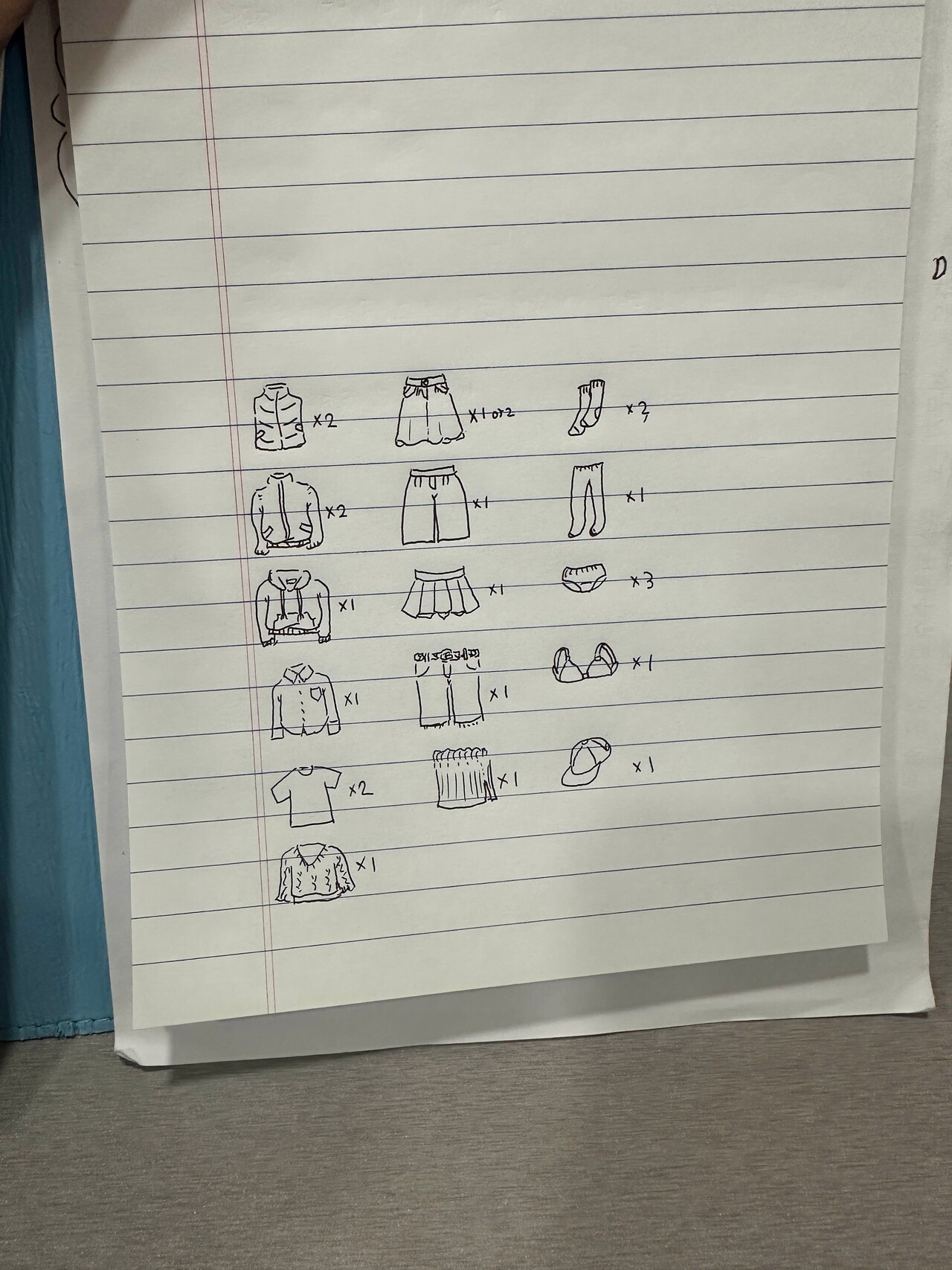
Korea experiences four distinct seasons, so your packing list will heavily depend on when you visit. Here’s a general guide:
- Spring (March-May): Mild temperatures, cherry blossoms. Pack light jackets, cardigans, long-sleeved shirts. Layers are key.
- Summer (June-August): Hot and humid, often with monsoon season (late June-July). Pack light, breathable clothing, shorts, t-shirts. Don’t forget an umbrella or rain jacket, and comfortable sandals/open shoes.
- Autumn (September-November): Pleasant, crisp weather, beautiful fall foliage. Pack sweaters, light coats, long pants. Similar to spring, layering is best.
- Winter (December-February): Cold, often snowy. Pack heavy coats, scarves, gloves, hats, thermal wear, and waterproof boots. Korean winters can be bone-chilling!
- Comfortable Shoes: You'll be doing a lot of walking, exploring palaces, shopping districts, and hiking trails. Prioritize comfortable footwear!
- Power Adapter: Korea uses Type C and F outlets (the two-round-pin European style) with a standard voltage of 220V. Bring an adapter and a portable power bank for your devices.
- Basic Toiletries/Medications: While you can buy almost anything in Korea, bring travel-sized essentials you can't live without, especially specific medications. Korean hotels might not always provide full toiletries like body lotion or conditioner.
Language & Apps: Bridging the Gap
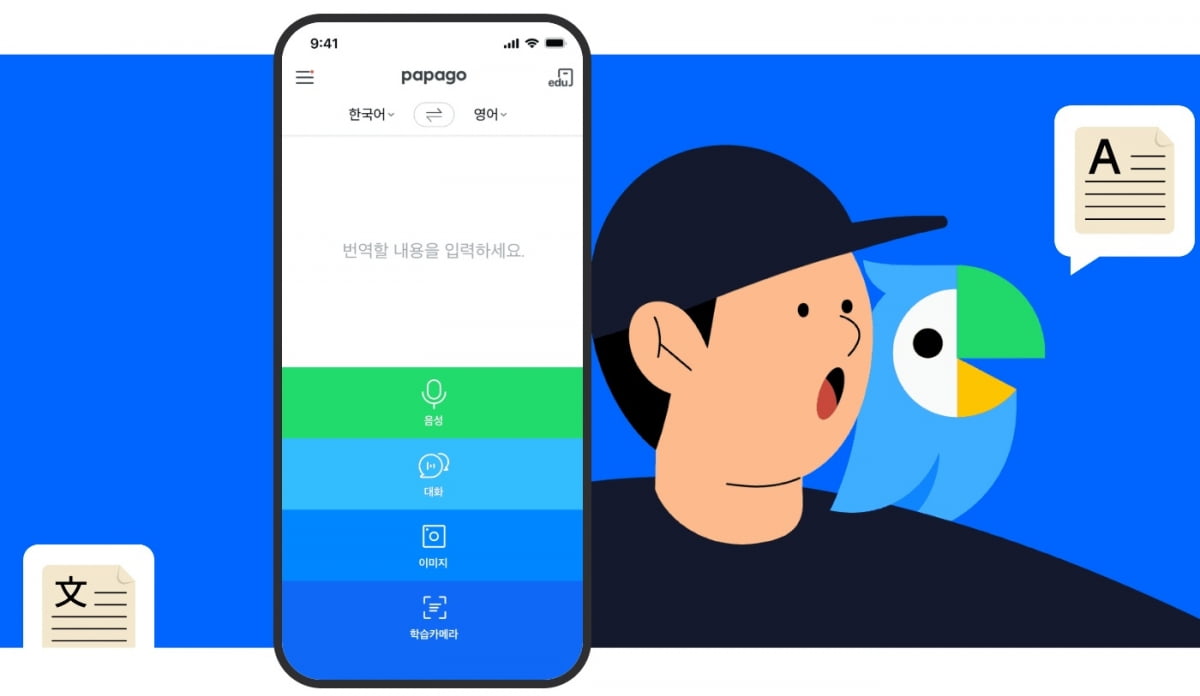
While many Koreans in tourist areas speak English, knowing a few basic phrases and utilizing smart apps can greatly enhance your experience.
- Basic Korean Phrases:
- "Annyeonghaseyo" (안녕하세요) - Hello (formal)
- "Gamsahamnida" (감사합니다) - Thank you (formal)
- "Joesonghamnida" (죄송합니다) / "Mianhamnida" (미안합니다) - I'm sorry
- "Juseyo" (주세요) - Please give me (when ordering/asking for something)
- "Eolmayeyo?" (얼마예요?) - How much is it?
- "Yeogi-yo!" (여기요!) - Excuse me! (to get attention, e.g., in a restaurant)
- Translation Apps: Download Papago (Naver's translation app). It's incredibly accurate for Korean and offers text, voice, and image translation. Google Translate is also an option, but Papago is often preferred locally.
- Useful Communication: Don't be afraid to use hand gestures or point. Most Koreans are very kind and willing to help tourists.
You’re now officially on your way to becoming a Korea travel pro! This checklist covers the fundamental steps you need to take before even setting foot on the plane. By tackling these "before" items, you'll ensure a smooth arrival and the freedom to truly immerse yourself in the magic of Korea, from its delicious street food to its breathtaking landscapes and vibrant K-culture.
Ready to deep dive into planning your next adventure? Let your AI assistant help!
💡 AI Travel Tip
Leverage AI tools to personalize and streamline your pre-trip planning even further. Here are some actionable prompts:
- For Visa/K-ETA Requirements:
Prompt example: "I am a [Your Nationality] citizen planning to visit South Korea for [Number] days in [Month]. Do I need a K-ETA or a full visa? Please provide direct links to the official government websites for application or confirmation."
- For Accommodation Research:
Prompt example: "Suggest 3-5 mid-range hotels or guesthouses in Seoul's [Myeongdong/Hongdae/Gangnam] area for a solo traveler in [Month] with a budget of [Amount] KRW per night. Prioritize options with good public transport access and strong reviews regarding cleanliness and safety."
- For Packing List Customization:
Prompt example: "Generate a detailed packing list for a 10-day trip to Seoul and Busan in mid-October. Include clothing recommendations for mild weather, specific electronics, and any cultural considerations for attire."
- For T-Money Card Information:
Prompt example: "Explain everything a first-time visitor needs to know about the T-Money card in Korea, including where to buy it, how to top it up, its uses beyond public transport, and approximate initial load recommendations for a 7-day trip."
Use these prompts to get tailored information quickly, so you can spend less time researching and more time dreaming about your K-drama-worthy adventure!