Ulsan and Korea's East Coast Seafood Travel Guide
Tired of Seoul? Dive into Ulsan & Korea's East Coast Seafood Paradise!
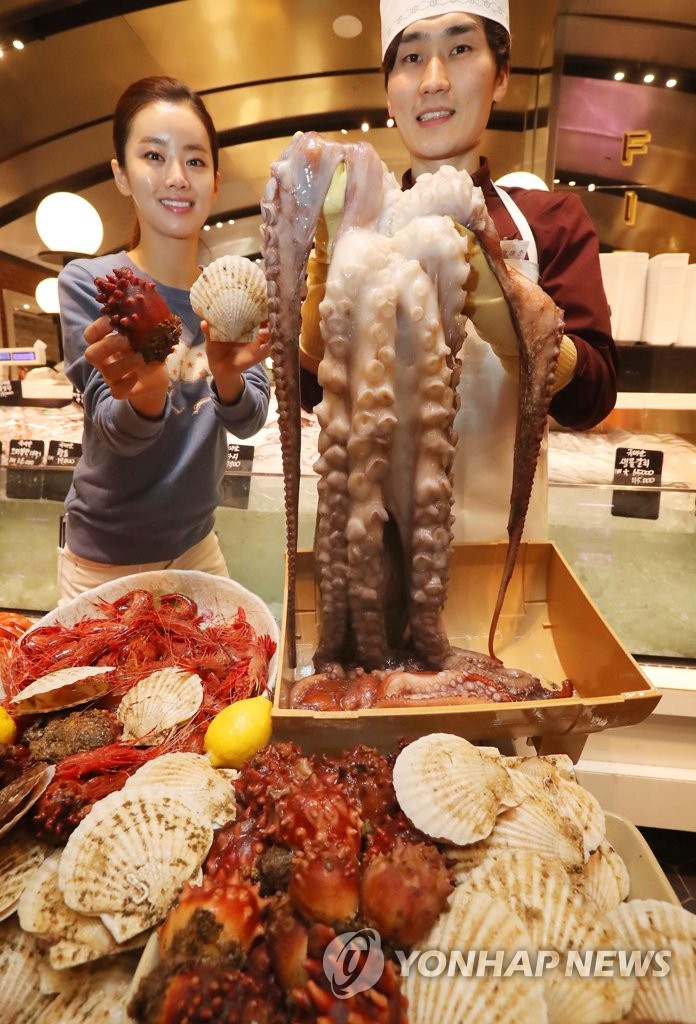
Okay K-fam, let's talk about something truly special, something beyond the usual Seoul cafe hops and K-pop store raids. Have you ever dreamt of that perfect coastal escape, where the salty air hits different, and the seafood is so fresh it practically swims onto your plate? Forget Jeju for a moment, because you absolutely NEED to discover Ulsan and Korea's stunning East Coast for an unforgettable seafood adventure!
Here's the thing: most K-drama fans flock to Busan or Jeju for their sea vibes, but Ulsan and its neighboring East Coast cities are total hidden gems. They're bustling industrial hubs yes, but also home to some of the most vibrant fishing ports, untouched beaches, and absolutely mind-blowing seafood verified by shows like Saengsaeng Jeongbotong and Saengsong Today. If you're looking for that authentic, local experience away from the tourist crowds, trust me, this is it. You're going to love this!
Why the East Coast is Your Next Seafood Obsession
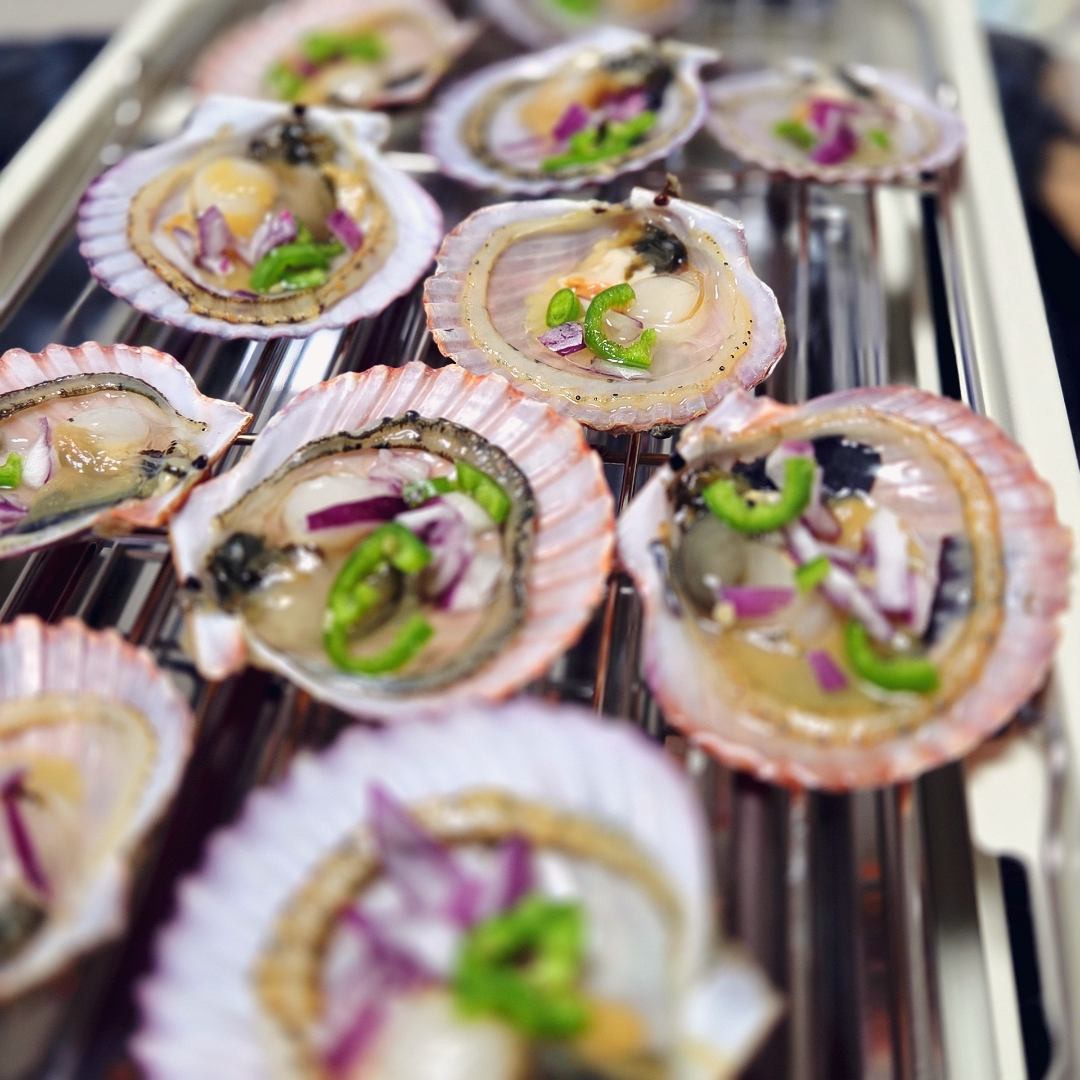
Imagine this: you're watching the sunrise over the East Sea, a view that's legendary in Korea, and then you're heading straight to a bustling port where fishermen are unloading their morning catch. That's the East Coast vibe! The water here is deeper, colder, and teeming with different marine life compared to the South Sea. This means incredibly fresh, flavorful seafood that often isn't as easily found elsewhere. From succulent crabs to melt-in-your-mouth sashimi and hearty fish stews, the East Coast specializes in a diverse range of aquatic delights.
And for those of us who live for K-dramas, think about all those scenes where characters escape to the seaside for comfort food or a fresh start. Many of those picturesque, authentic spots? They're often inspired by places like Ulsan, Gyeongju's Gampo Port, or Pohang. You're not just eating food; you're living a K-drama moment!
Getting There: Your East Coast Journey

Thinking "Ulsan? How do I even get there?" Don't sweat it, it's easier than you think!
- By KTX (High-Speed Train) from Seoul: This is probably the quickest and most comfortable option. Hop on a KTX from Seoul Station or Cheongnyangni Station straight to Ulsan Station (통도사 Tongdosa). The journey takes about 2.5 to 3 hours. Once you're at Ulsan Station, you can grab a local bus or taxi to reach the city's coastal areas like Jeongja Port or Jangsangpo.
- By Express Bus: If you're on a budget or prefer a more scenic route, express buses run frequently from Seoul's Express Bus Terminal (강남 고속버스터미널) to Ulsan. The ride is longer, around 4-5 hours, but you get to see more of Korea's landscape.
Once you're in Ulsan, local buses are pretty efficient for getting around, especially to the coastal areas. Taxis are also readily available, and for longer distances between cities like Ulsan, Gyeongju, and Pohang, intercity buses are your best friend. They're affordable and connect all the major towns and ports along the coast.
Ulsan's Undiscovered Seafood Treasures: Jeongja Port & Beyond
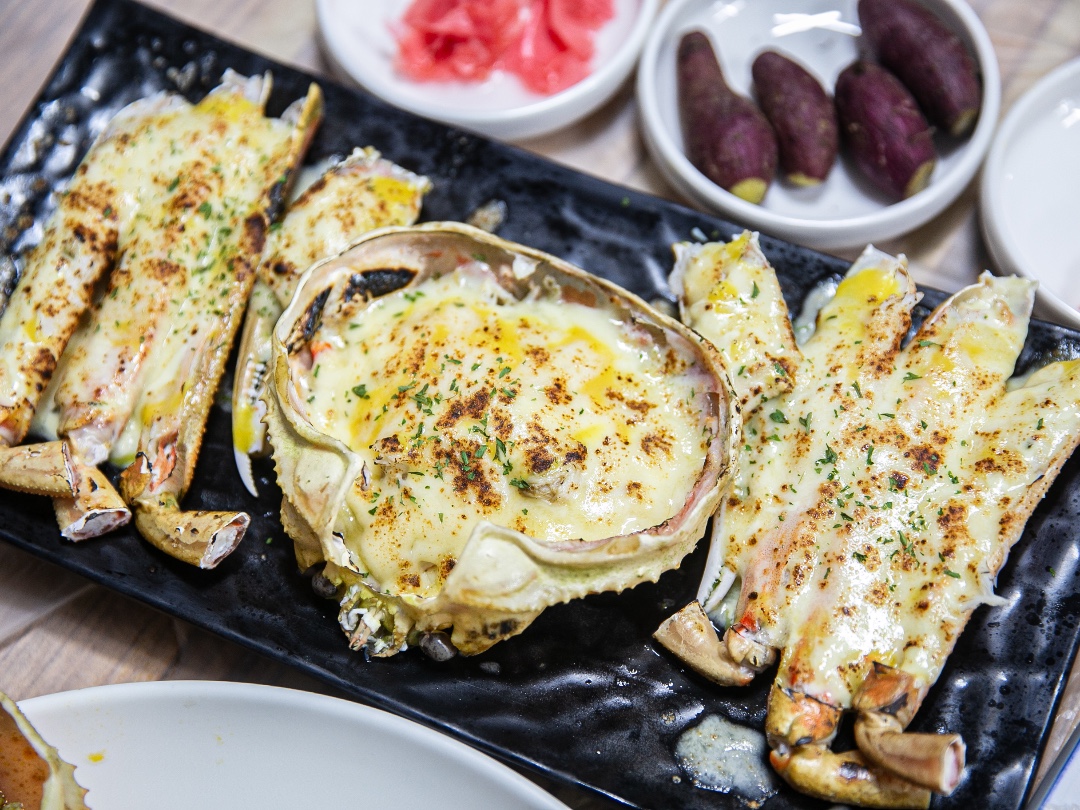
Ulsan isn't just about shipbuilding and industry; it's a coastal city with a rich fishing heritage, especially in areas like Jeongja Port. While you might associate king crab with other regions, Jeongja Port is famous for its delicious snow crabs (대게, daege) and various types of fresh raw fish. It's less commercialized than some other ports, giving it a really authentic, bustling local feel. You'll see restaurants displaying live crabs right outside, ready to be steamed to perfection.
Must-Try Restaurant: 울산정자회센터 (Ulsan Jeongja Hoe Center)
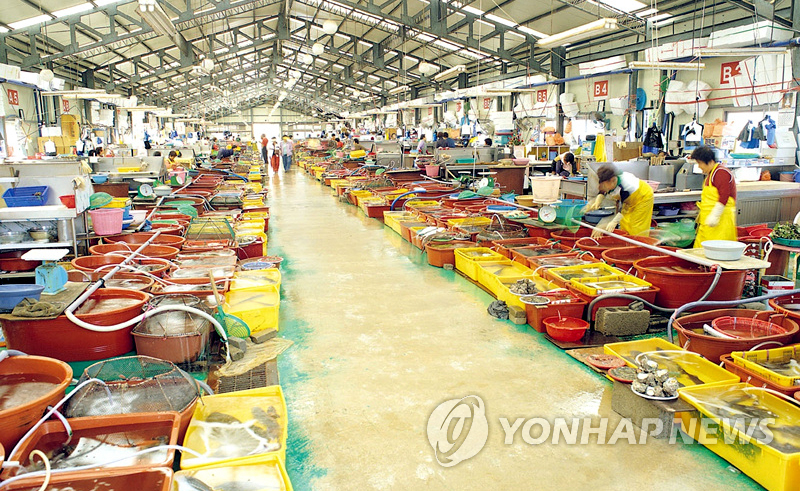
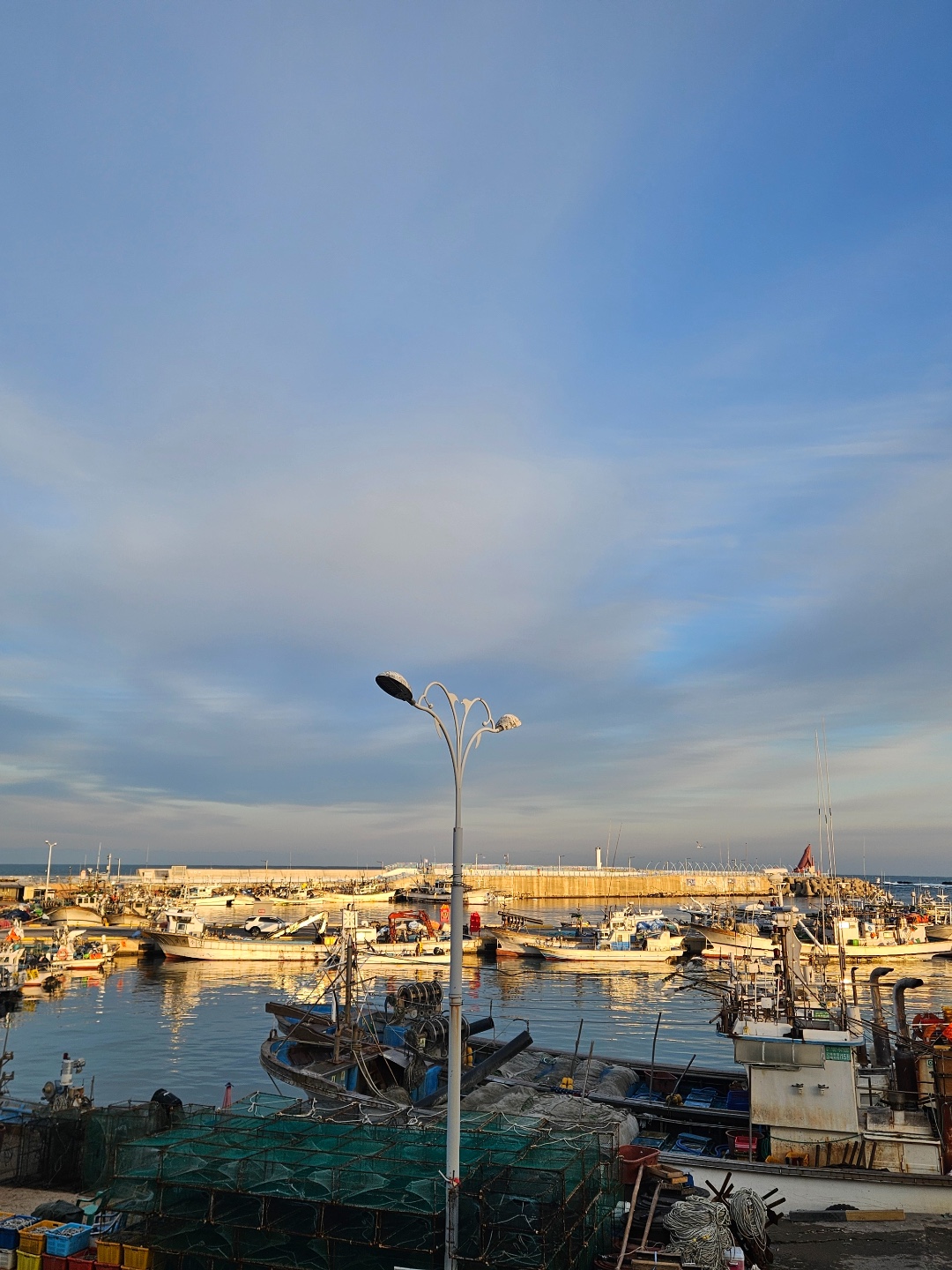
This place is a staple at Jeongja Port, often featured on shows like Saengsaeng Jeongbotong for its incredibly fresh seafood and lively atmosphere. It's not a single restaurant but a collection of stalls and eateries within a larger building, giving you plenty of options. You can pick your fish or crab directly from the tanks and have it prepared on the spot.
- What to Order: Definitely try the daege (snow crab) when in season (winter is best!), served steamed with all its sweet, succulent meat. Their mulhoe (spicy cold raw fish soup) is also a local favorite, packed with various raw fish and refreshing vegetables.
- Price Range: Snow crab prices vary greatly by weight and season, but expect to pay ₩70,000 - ₩150,000+ for a decent-sized one. Mulhoe usually runs about ₩15,000 - ₩20,000 per bowl.
- Best Time to Visit: Lunchtime for a bustling market experience or early dinner to enjoy the sunset over the port.
Journey North: Gyeongju's Gampo Port & Pohang's Jukdo Market
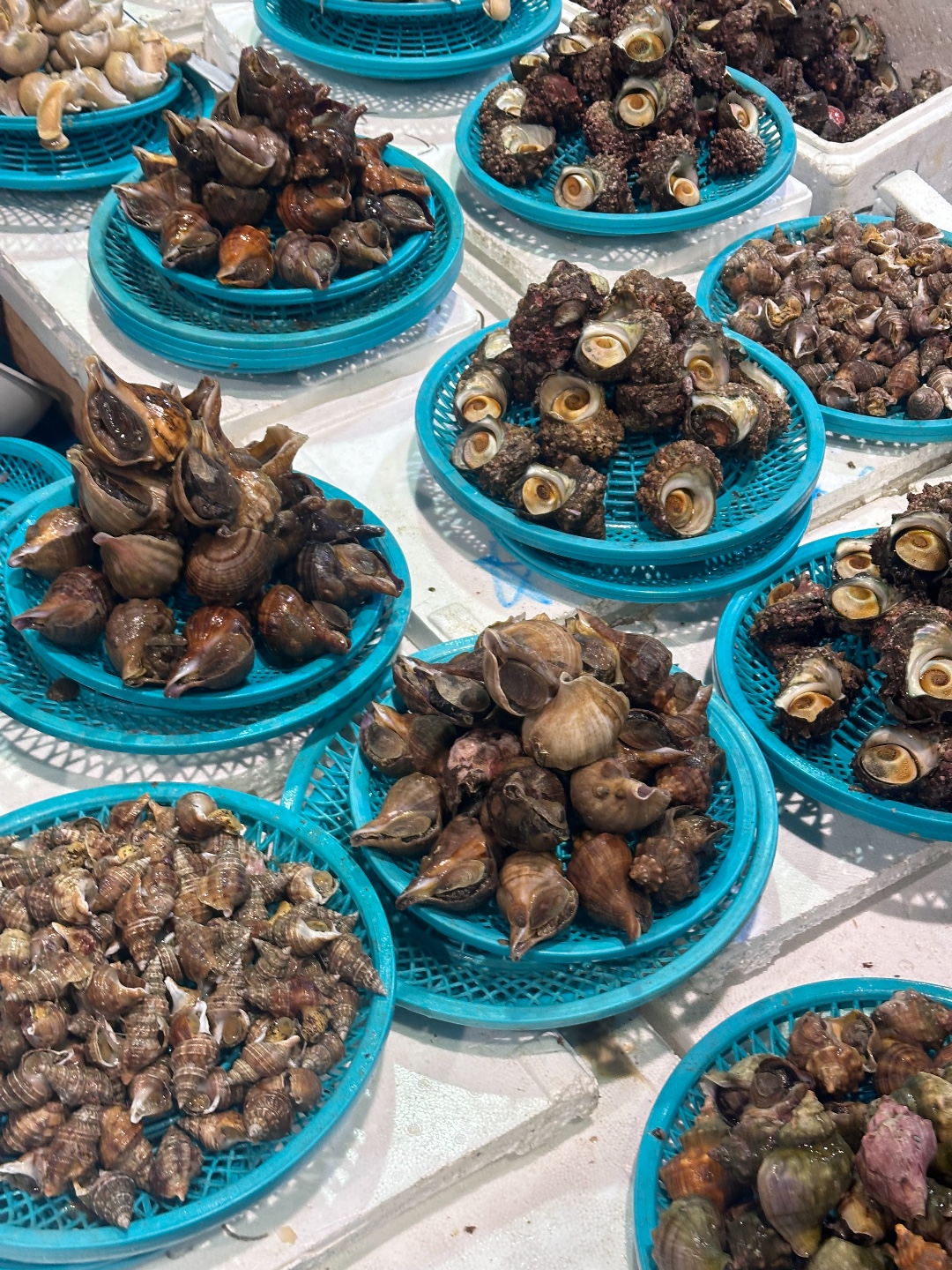
After Ulsan, don't just turn back! The East Coast adventure continues just a short drive north. You've got Gyeongju's Gampo Port, a charming fishing village that feels a world away from the historical sites, and then the famous Jukdo Market in Pohang, a seafood lover's dream.
Gampo Port, Gyeongju: Rustic Charm & Fresh Sashimi
Gyeongju might be known for its ancient tombs and temples, but its coastal side, especially around Gampo Port, offers a completely different vibe. It's a quieter, more traditional fishing village where you can enjoy incredibly fresh seafood without the massive crowds. It's perfect for a laid-back meal after exploring Gyeongju's historical heart.
Restaurant Pick: 감포항바다횟집 (Gampo Port Bada Hoetjip)
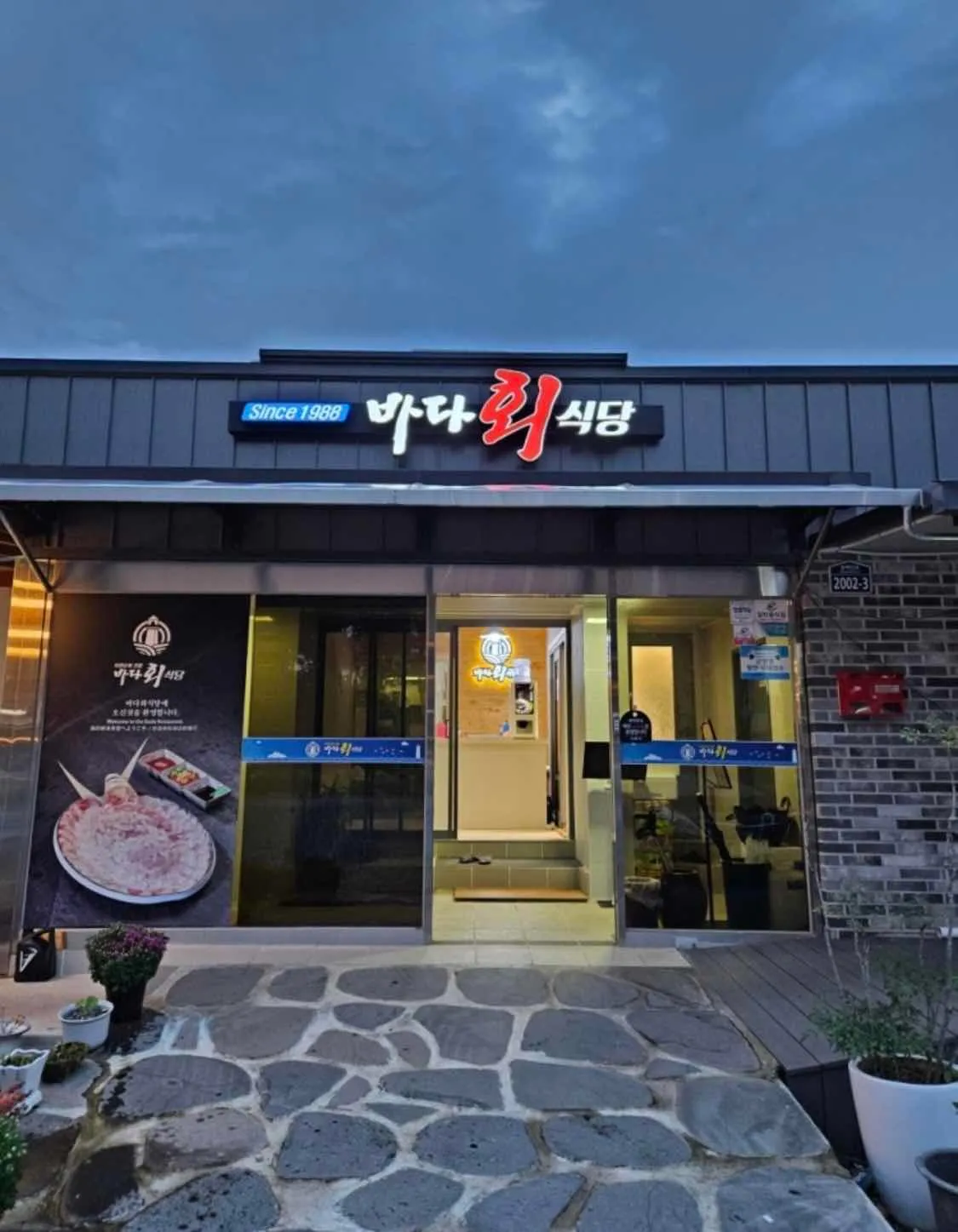
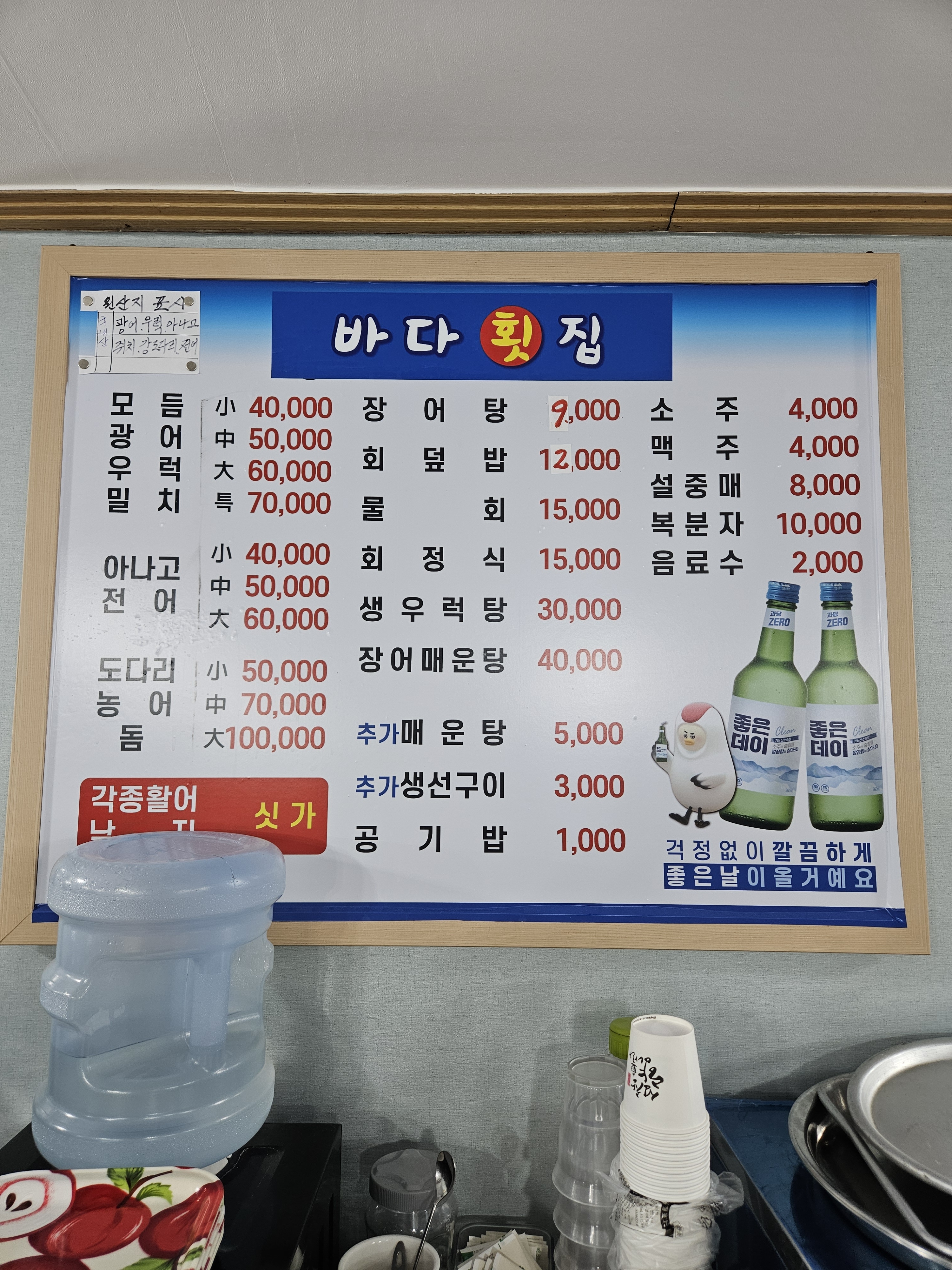
This is a classic Gampo Port spot, often highlighted on shows like Yuksi Naegohyang for its authentic feel and fresh catch. "Bada" means sea, and you'll definitely feel connected to the ocean here.
- What to Order: Their modum-hoe (assorted sashimi platter) is a fantastic way to try various local fish. If you're feeling adventurous, ask for gajami-hoe (flounder sashimi), a regional specialty known for its delicate texture.
- Price Range: Modum-hoe platters start around ₩50,000 for a small, serving 2-3 people. Gajami-hoe might be slightly pricier due to its specialty status.
- Best Time to Visit: Anytime! It's usually less crowded than bigger city markets. Lunch allows for bright ocean views.
Pohang's Jukdo Market: A Seafood Mecca
Okay, Jukdo Market is huge and famous, but we're going there specifically for the seafood experience. It's one of Korea's largest traditional markets, and its seafood section is legendary. You can spend hours just wandering through the aisles, marveling at the incredible array of fish, crabs, shellfish, and more. It's vibrant, a bit chaotic, and absolutely intoxicating for foodies. Saengsong Today has practically set up a second home here documenting all the deliciousness!
Restaurant Pick: 마라도회식당 (Marado Hoe Sikdang)
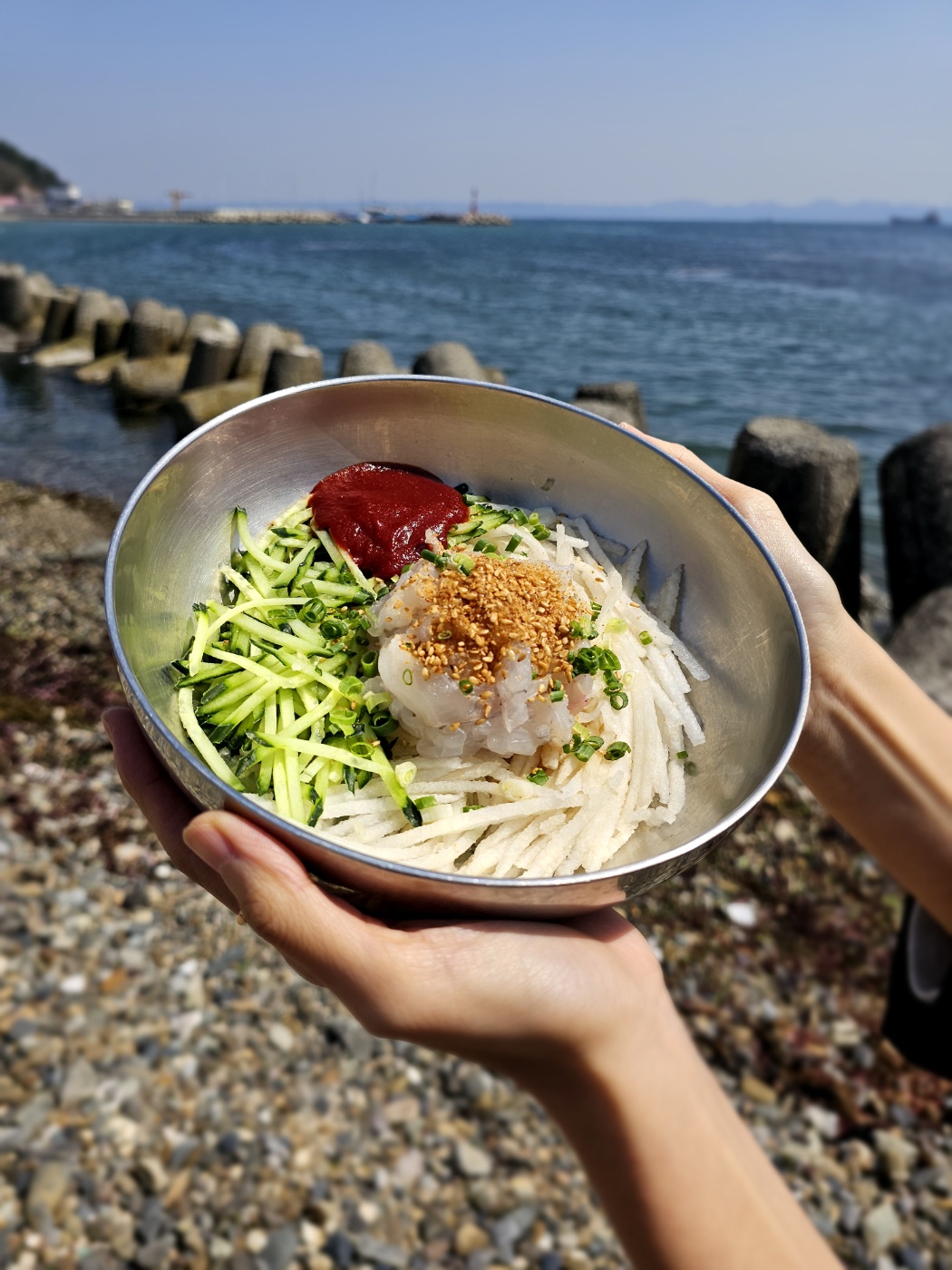
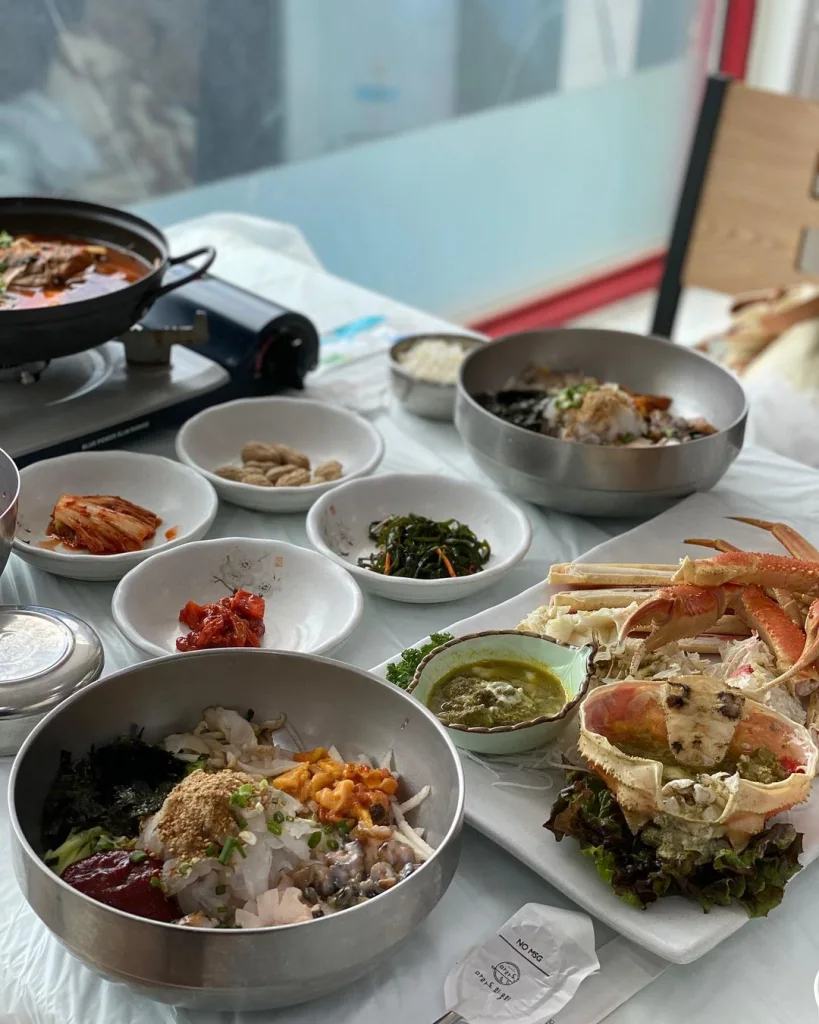
Nestled within the bustling Jukdo Market, Marado Hoe Sikdang is one of those places that has perfected the art of Pohang's iconic mulhoe. It's a favorite among locals and savvy travelers alike, often getting shout-outs for its generous portions and perfectly balanced flavors.
- What to Order: You absolutely HAVE to try their Pohang-style mulhoe. It's different from other regions – often less spicy, with a richer, slightly sweet broth and packed with incredibly fresh local fish like flatfish or rockfish, pear, and various vegetables. They typically serve it with somyeon noodles or rice to mix in.
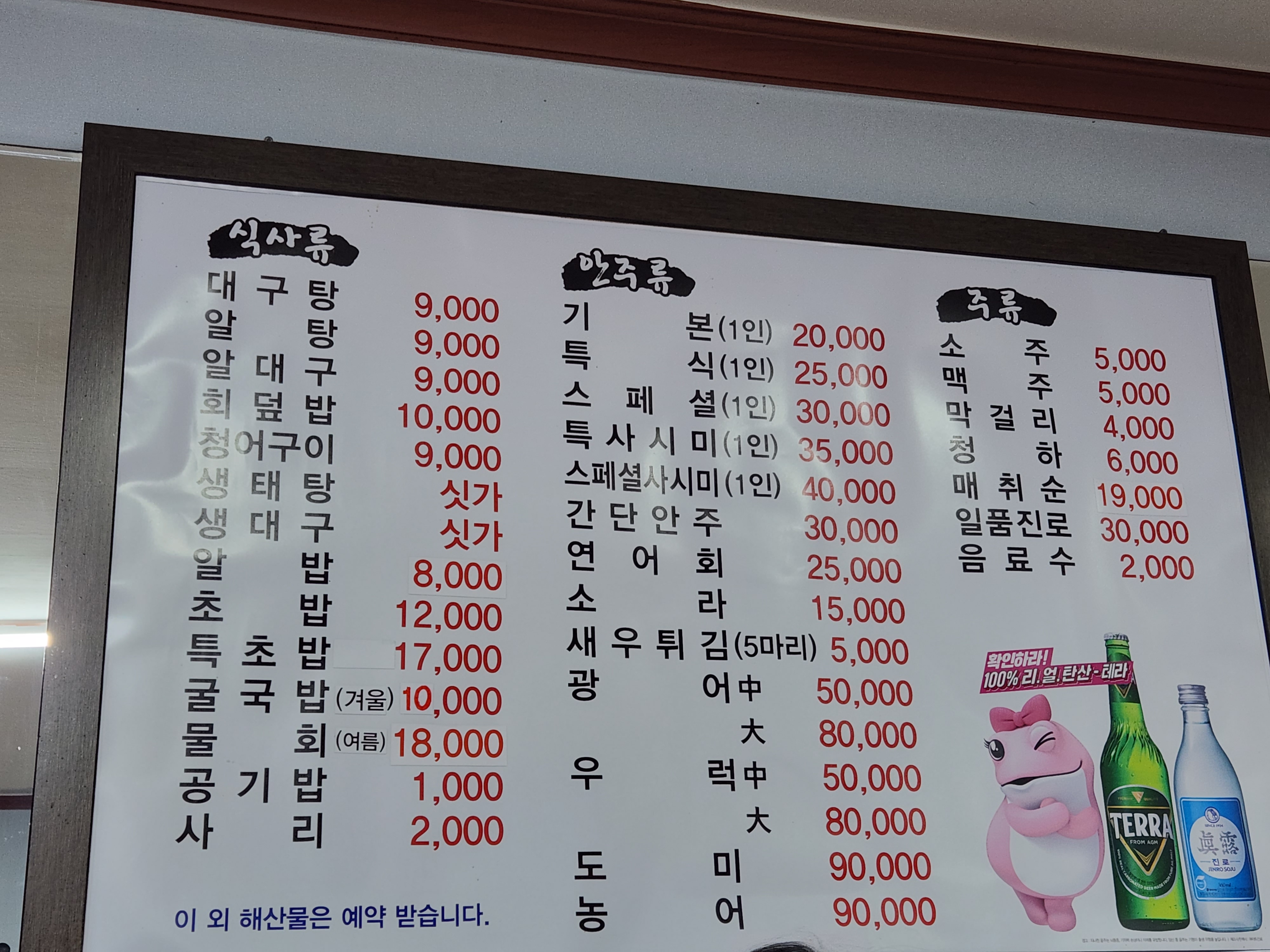
- Price Range: A bowl of mulhoe usually costs between ₩15,000 - ₩20,000. It's a hearty and satisfying meal!
- Best Time to Visit: Lunchtime for a lively atmosphere, or anytime you need a refreshing, flavorful meal.
East Coast Seafood Feast: What to Order (Beyond the Obvious!)
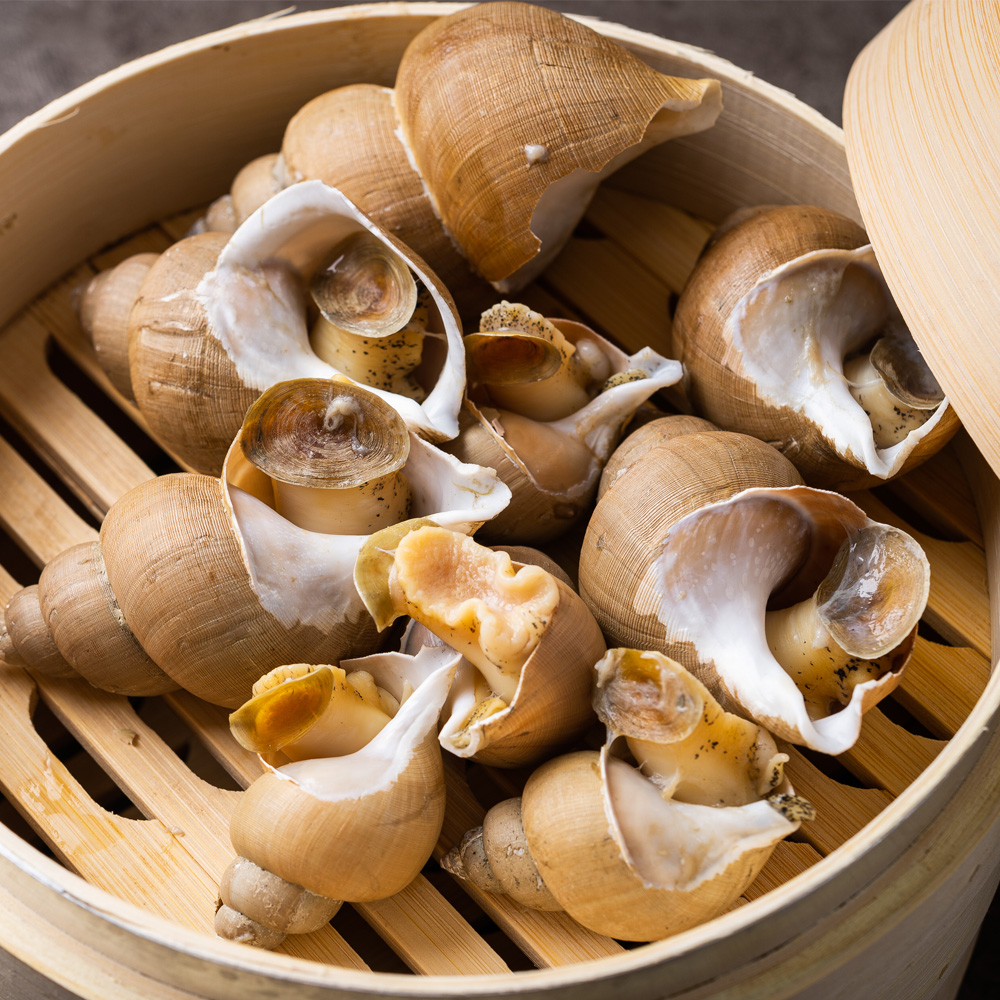
Beyond the specific restaurant recommendations, here's a quick guide to some must-try East Coast seafood dishes:
| Dish Name (Romanized) | Korean Name | What it is | Why You'll Love It |
|---|---|---|---|
| Mulhoe | 물회 | Spicy cold raw fish soup with vegetables and a tangy broth. | Super refreshing, perfect on a warm day, a signature East Coast dish (especially Pohang!). |
| Haemul-tang | 해물탕 | Hearty, spicy seafood hotpot with various shellfish, fish, and vegetables. | Comfort food at its best, shareable, packed with fresh ocean flavors. |
| Daege찜 | 대게찜 | Steamed snow crab. | Sweet, tender crab meat, a luxurious treat. Best in winter. |
| Gajami-hoe | 가자미회 | Flounder sashimi. | Delicate texture, subtle flavor, a local sashimi specialty of the East Coast. |
| Saengseon-gui | 생선구이 | Grilled fish (various types). | Simple, comforting, and lets the freshness of the fish shine through. Often served with a variety of side dishes. |
Practical Tips for Your East Coast Seafood Adventure
- Best Time to Visit: For snow crabs (daege), aim for winter (November to March). For general fresh sashimi and mulhoe, spring and autumn offer pleasant weather. Summer is popular for beaches but can be hot.
- Cash is King (Sometimes): While most places accept cards, having some cash is always a good idea, especially in smaller market stalls.
- Embrace the "Ssam" Culture: When you get sashimi (hoe), you'll often get fresh lettuce or perilla leaves. Wrap a piece of fish, a dab of ssamjang (spicy dipping sauce), and a garlic slice in a leaf – that's how the locals do it!
- Go with an Empty Stomach: Portions are generous, especially with seafood stews and hotpots. You'll want to try everything!
- Don't Be Afraid to Point: If you're unsure what to order, many restaurants have pictures. Pointing to what looks good or to a dish you saw on a TV show is perfectly acceptable!
So, what do you say? Ready to trade the city hustle for some sea breeze and the freshest seafood Korea has to offer? Ulsan and the East Coast are waiting to surprise and delight you, just like in your favorite K-drama!
💡 AI Travel Tip
Planning a trip to the East Coast can be super fun with the right AI tools! Here are some prompts to help you craft your perfect seafood itinerary:
- For itinerary planning:
Prompt example: "Create a 3-day itinerary for a K-drama fan traveling to Ulsan, Gyeongju's Gampo Port, and Pohang. Focus on seafood experiences verified by Korean TV shows like Saengsaeng Jeongbotong and scenic coastal spots, including specific restaurant recommendations and transportation details from Seoul."
- For restaurant research:
Prompt example: "I'm in Pohang's Jukdo Market. Suggest 3 highly-rated restaurants known for mulhoe, ideally featured on Korean food shows, including their approximate price range and signature dishes."
- For seasonal seafood advice:
Prompt example: "What are the best seasonal seafood dishes to eat in Ulsan and the East Coast during [Month, e.g., October]? Provide Korean names and short descriptions of each."