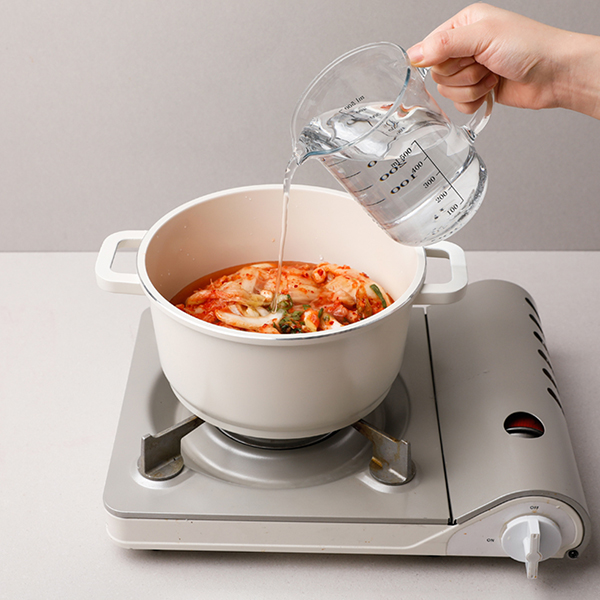
Brrr! Got the Winter Chills in Seoul? You NEED a Bowl of Manduguk!
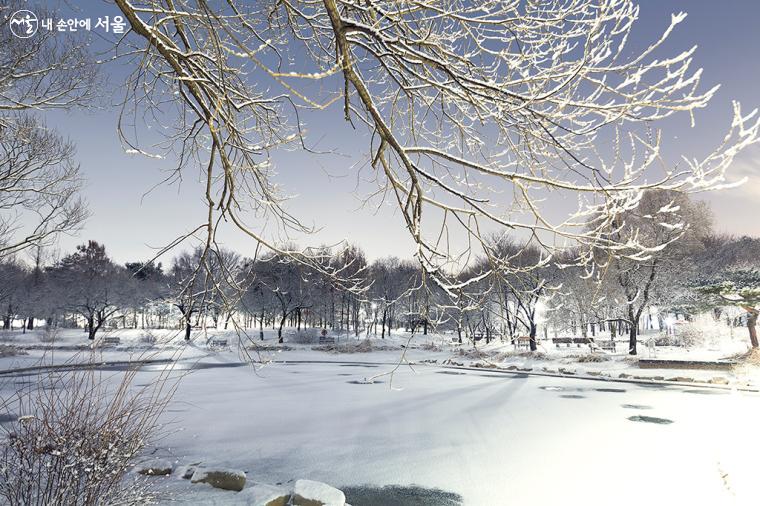
Okay, let's be real. Seoul in winter is absolutely magical. Picture this: snow-dusted hanoks, twinkling street lights, and the crisp, clean air. It’s straight out of a K-drama, right? But with all that beauty comes a serious chill that bites right to your bones! And when that happens, there's only one thing I crave, and trust me, you're going to, too: a steaming, soul-warming bowl of Manduguk (dumpling soup)!
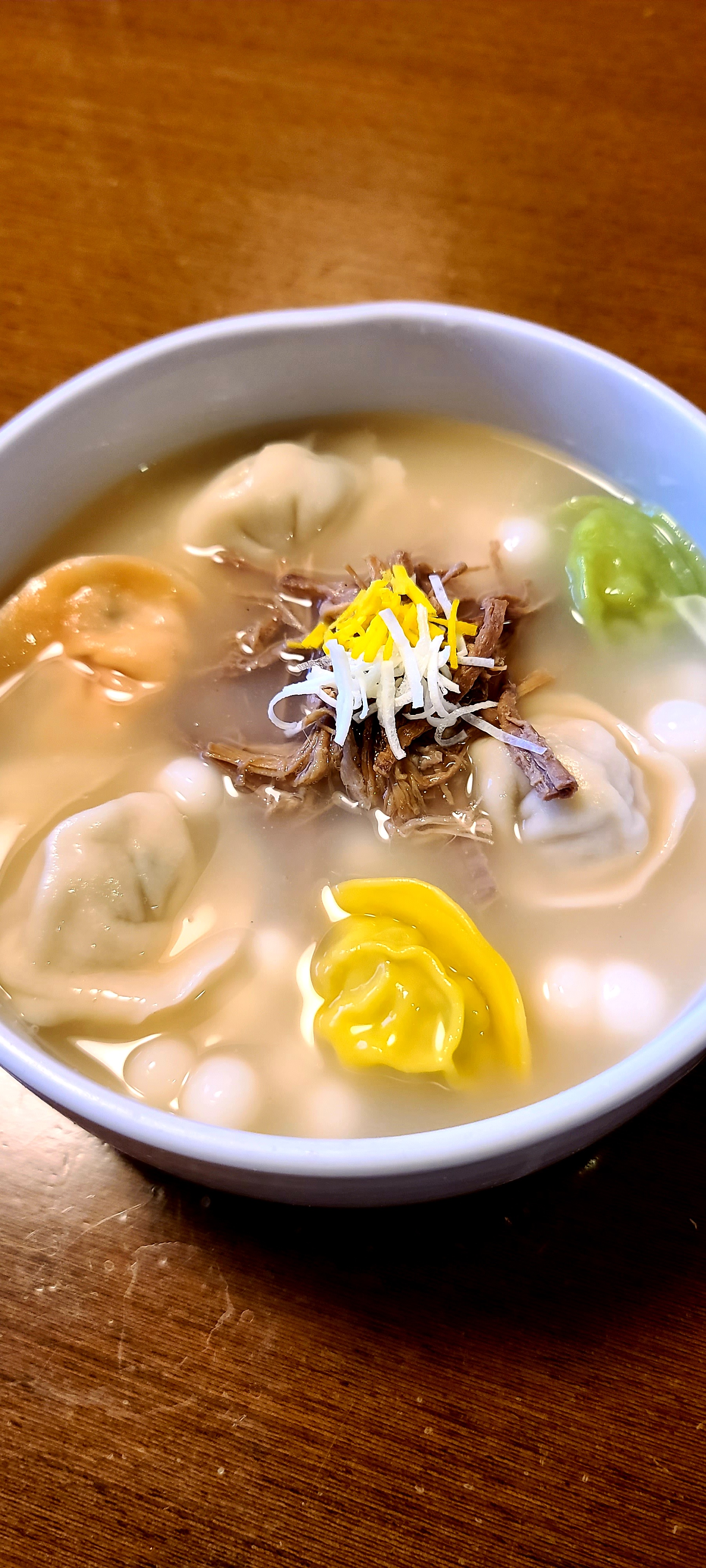
If you're wondering what Manduguk is, prepare to have your mind blown! It's a glorious, comforting soup filled with plump, savory Korean dumplings (mandu), often in a rich beef or anchovy broth, sometimes with rice cakes (tteok), and typically garnished with thinly sliced egg, seaweed, and green onions. It’s basically a warm hug in a bowl, and it’s an absolute staple for surviving the Korean winter like a local. Forget your fancy coffees – this is the real deal, the authentic Korean comfort food that K-drama characters probably dream about after a long day of dramatic plot twists.
As your friendly KoreaSpots insider, I've scoured the city, consulted local foodie friends, and of course, cross-referenced with legendary Korean food shows like Saengsaeng Jeongbotong, Saengsong Today, and Yuksi Naegohyang to bring you the ultimate Manduguk spots. You ready to dive in?
1. Jaha Son Mandu (자하손만두): Art on a Plate with a View
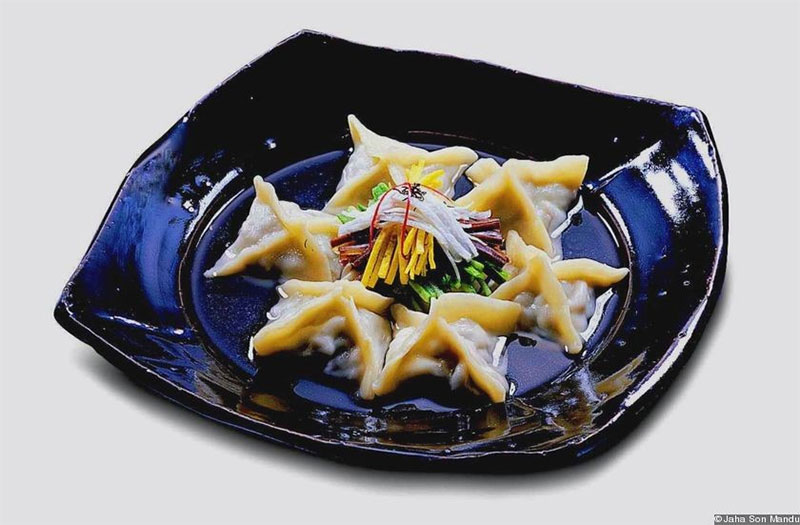
First up, we're heading to a place that feels less like a restaurant and more like a culinary escape. Tucked away in the picturesque hills of Buam-dong, near Bugaksan Mountain and just a stone's throw from Gyeongbokgung Palace, you'll find Jaha Son Mandu. This isn't just a meal; it’s an experience. The moment you step in, you're enveloped in a serene atmosphere, often with stunning views of the surrounding mountains and traditional Korean homes. It's the kind of place you'd see a chaebol family having a quiet, elegant meal in a drama – spoiler: totally worth it!
What makes Jaha Son Mandu so special? Their dumplings are delicate works of art, each handmade with the utmost care. They use a unique combination of fresh vegetables like zucchini, mushrooms, and tofu, often with a hint of pork or beef, creating a light yet incredibly flavorful filling. Their Manduguk (often called Jaha Manduguk) comes in a clear, clean broth that truly lets the nuanced flavors of the dumplings shine. It’s elegant, refined, and frankly, unforgettable. This spot has been featured on countless shows, including being highly praised on Saengsaeng Jeongbotong for its traditional preparation and picturesque setting.
Practical Tips for Jaha Son Mandu:
- What to Order: Definitely go for the Jaha Manduguk (자하만두국). If you’re with a group, try their Pyeonsu (편수), which are square, vegetarian dumplings, or their other specialty dumplings. Their Mandu-jeongol (dumpling hot pot) is also fantastic for sharing.
- Price Range: It's a bit on the pricier side for manduguk, usually around ₩18,000 - ₩25,000 for a bowl, but the quality, ambiance, and view justify every penny.
- How to Get There: It’s a bit off the beaten path, which adds to its charm. From Gyeongbokgung Station (Subway Line 3), take a bus (e.g., Bus 7022, 1020, or 7212) up towards Buam-dong. Get off at the Jahamun Hill (자하문고개) stop, and it’s a short walk from there. Taxis are also a convenient option if you're feeling fancy!
- Best Time to Visit: Lunchtime, especially on a clear day, offers incredible views. It can get busy, so aim for slightly before noon or after 1:30 PM. Reservations are sometimes possible for larger groups.
2. Gaeseong Mandu Koong (개성만두 궁): A Taste of History in Insadong
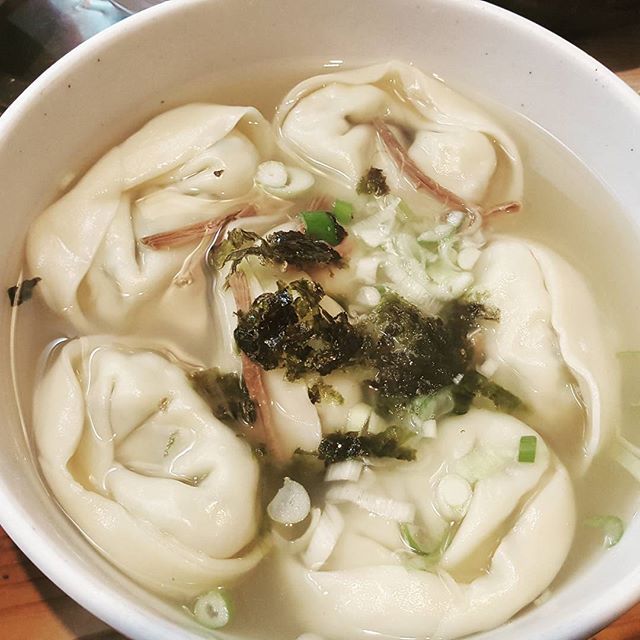
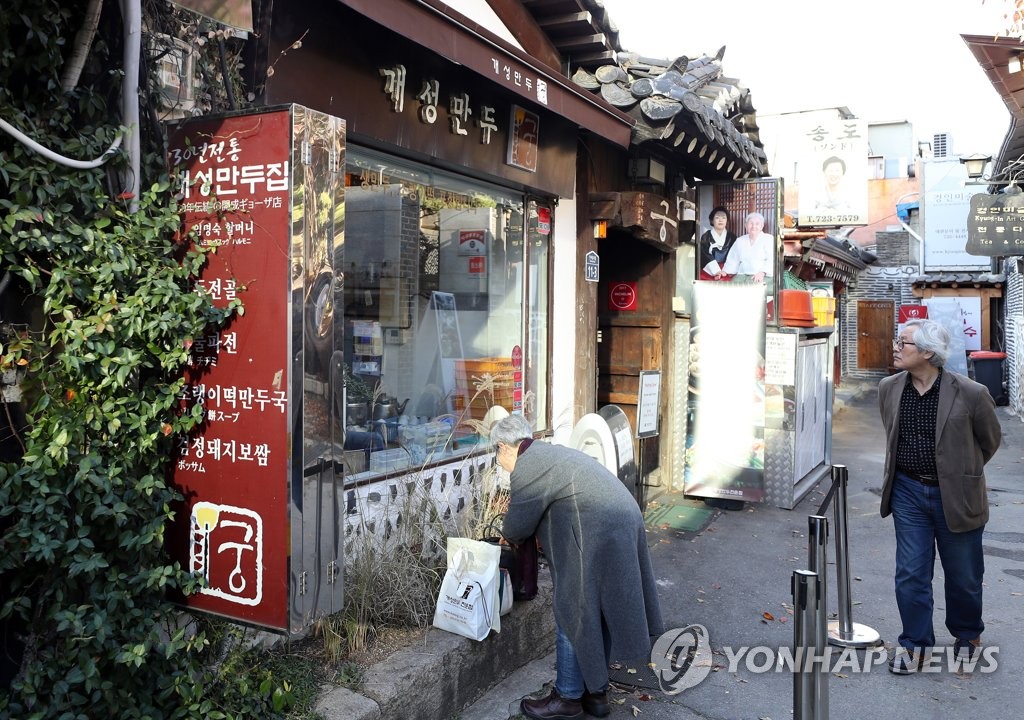
Next, let’s travel back in time to the heart of traditional Seoul: Insadong. Here, you’ll discover Gaeseong Mandu Koong, a beloved institution that specializes in Gaeseong-style dumplings. For those who don't know, Gaeseong is a historic city, once the capital of the Goryeo Dynasty, and their mandu are renowned for their distinct, hearty flavor and generous size. This spot perfectly captures that authentic, old-school Korean flavor, making you feel like you've stepped into a grandma's kitchen from a heartwarming K-drama!
Gaeseong Mandu Koong is famous for its plump, generously filled dumplings – we're talking big, satisfying mouthfuls here! Their mandu are typically filled with a mix of pork, tofu, and various vegetables, often featuring a slight tang from kimchi or fermented vegetables, giving them a unique depth of flavor. The broth is usually a rich, clear beef broth that’s incredibly comforting and deeply savory. This place has been a long-standing favorite, frequently featured on shows like Yuksi Naegohyang for preserving traditional flavors and techniques.
Practical Tips for Gaeseong Mandu Koong:
- What to Order: The Gaeseong Manduguk (개성만두국) is a must-try. You can also order a plate of steamed or pan-fried mandu (찐만두/군만두) to get the full experience of their delicious fillings.
- Price Range: Expect to pay around ₩13,000 - ₩17,000 for a bowl of Manduguk. Very reasonable for the quality and portion size.
- How to Get There: Super easy! Take Subway Line 3 to Anguk Station, Exit 6. Walk straight, turn right into Insadonggil, and keep an eye out for the signs. It's nestled among the antique shops and tea houses.
- Best Time to Visit: Lunch and dinner hours can get quite busy, especially on weekends. Try to go during off-peak hours (around 2-4 PM) for a more relaxed experience. It’s perfect for a post-Insadong stroll meal.
3. Bukchon Son Mandu (북촌손만두): Your Go-To for Quick & Delicious

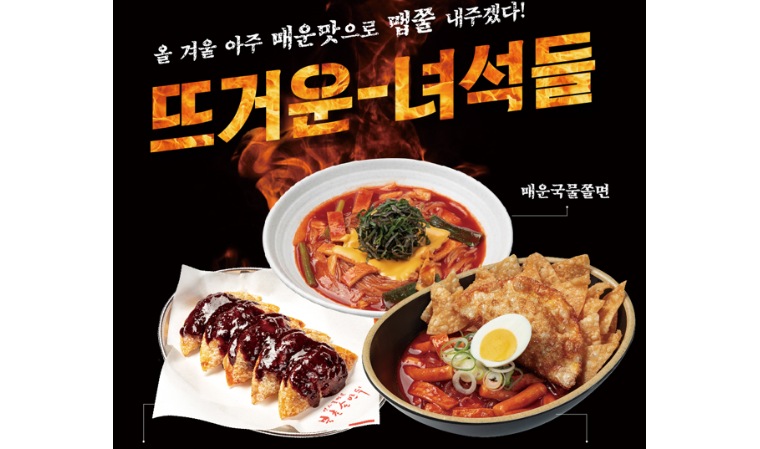
Sometimes you’re not looking for a fancy meal, just a reliably delicious, quick, and authentic bite that hits all the right spots. That’s where Bukchon Son Mandu comes in! While it’s a popular chain with many branches across Seoul, their Samcheong-dong location (or any close to a tourist spot like Myeongdong) offers that perfect blend of convenience and quality. It’s the kind of place K-pop idols might grab a casual meal, loved by everyone from students to busy professionals.
Bukchon Son Mandu is famous for its variety of dumplings – they don’t just do Manduguk, they do everything mandu! Their signature is often their "Pyeol Mandu" (star-shaped dumplings) or their "Fried Mandu" (튀김만두) which are incredibly crispy and addictive. Their Manduguk is robust, usually with a rich, savory broth and generous portions of various types of dumplings (meat, kimchi, prawn). It's a comforting and satisfying meal that won't break the bank.
Practical Tips for Bukchon Son Mandu:
- What to Order: Their Manduguk (만두국) is a solid choice. But you absolutely have to try their Twingim Mandu (튀김만두 - fried dumplings) or Jjin Mandu (찐만두 - steamed dumplings) alongside it. The combo is divine!
- Price Range: Very affordable! A bowl of Manduguk typically ranges from ₩8,000 - ₩10,000. It's a fantastic value.
- How to Get There: For the Samcheong-dong branch, it’s also near Anguk Station (Subway Line 3), Exit 1. Walk towards Samcheongdong-gil, and you'll find it along the main street. Many branches are conveniently located near subway stations and major attractions.
- Best Time to Visit: Anytime! It's a great spot for a quick lunch, a casual dinner, or even a late-afternoon snack. Expect a bustling atmosphere during peak hours.
Comparing Your Manduguk Havens
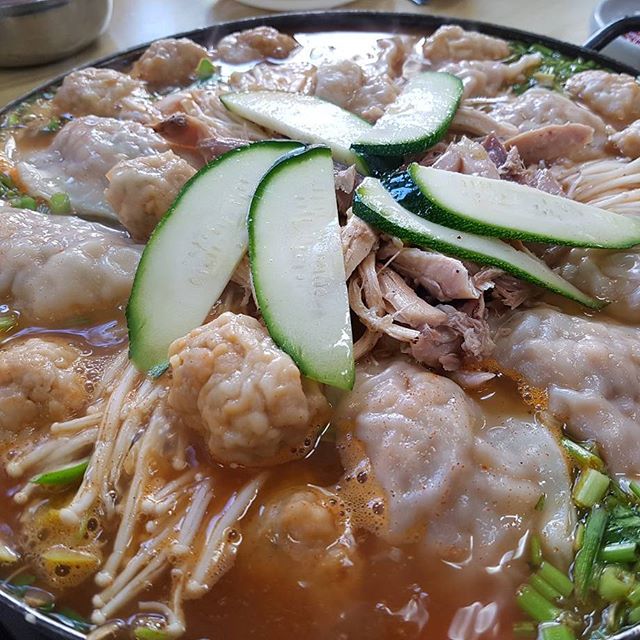
To help you choose your perfect winter warmer, here’s a quick comparison of our top picks:
| Restaurant | Vibe & Specialty | Price Range (Manduguk) | Location Highlight | KoreaSpots Credibility |
|---|---|---|---|---|
| Jaha Son Mandu (자하손만두) | Elegant, traditional, scenic views, delicate handmade dumplings. | ₩18,000 - ₩25,000 | Buam-dong, near Gyeongbokgung & Bugaksan. | Featured on Saengsaeng Jeongbotong for traditional elegance. |
| Gaeseong Mandu Koong (개성만두 궁) | Historic, authentic Gaeseong style, hearty & generously-sized dumplings. | ₩13,000 - ₩17,000 | Insadong, heart of traditional Seoul. | Praised on Yuksi Naegohyang for preserving traditional taste. |
| Bukchon Son Mandu (북촌손만두) | Casual, popular chain, variety of mandu, quick and delicious. | ₩8,000 - ₩10,000 | Samcheong-dong (various branches in Seoul). | A local favorite, often recommended by food bloggers and K-pop stars. |
Manduguk Mastery: Insider Tips for Your Dumpling Adventure
Now that you know where to go, let's get you prepared to order like a pro!
- "Manduguk Juseyo!" (만두국 주세요!): This simply means "Please give me manduguk!" You'll sound like a local, trust me.
- Side Dishes are King: Manduguk is almost always served with a variety of banchan (side dishes), especially kimchi. Don't be shy – these are meant to be enjoyed alongside your soup. Often, a fresh, crunchy kimchi or radish kimchi (kkakdugi) provides a perfect counterpoint to the rich soup.
- Mind the Spice: Most Manduguk broths are mild. If you like a kick, some places offer a spicy version or provide gochujang (chili paste) on the side. Always ask if you're unsure!
- Tteok-Manduguk (떡만두국): Many places also offer Tteok-Manduguk, which includes rice cakes (tteok) along with the dumplings. It's even more filling and adds a lovely chewy texture. Highly recommended if you’re extra hungry!
- Empty Bowls, Happy Hearts: It's totally fine to finish every last drop of that delicious broth. It's a sign you enjoyed your meal!
Why Manduguk is Your Winter Must-Eat in Seoul
You see? Manduguk isn't just a meal; it's a quintessential Korean winter experience. It's the warmth that spreads through you after a long day of exploring palaces, shopping in Myeongdong, or catching a glimpse of your favorite K-pop agency building. It’s the taste of tradition, comfort, and genuine Korean hospitality all in one bowl. When that cold wind blows through Seoul, you'll be so glad you have these spots bookmarked!
So, which Manduguk adventure will you embark on first? Whether you choose the elegant tranquility of Jaha Son Mandu, the historic authenticity of Gaeseong Mandu Koong, or the reliable deliciousness of Bukchon Son Mandu, you're in for a treat. Get ready to embrace the Korean winter, one delicious dumpling at a time!
💡 AI Travel Tip
Planning your K-drama inspired food adventure? AI tools can be super helpful for refining your itinerary, finding specific dishes, or even translating on the fly!
- Optimizing Your Route: Use an AI-powered map tool to plot the most efficient route between these Manduguk spots and other attractions you want to visit.
- Dietary Restrictions: If you have allergies or dietary needs, ask an AI for phrases to communicate these in Korean.
- Real-time Weather & Outfit Planning: Ask for specific outfit recommendations based on Seoul's actual winter forecast for your travel dates.
Prompt example: "I'm visiting Seoul from December 20-27. What are the average temperatures and what kind of outerwear (e.g., specific coat types, accessories) should I pack to stay warm while exploring Bukchon Hanok Village and Insadong?"
Prompt example: "Can you provide me with Korean phrases to politely ask if Manduguk contains shellfish at a restaurant, along with the romanization and English translation?"
Prompt example: "Create a walking itinerary that combines Jaha Son Mandu, Gyeongbokgung Palace, and a traditional tea house in Samcheong-dong, including estimated travel times between each."
About this guide
Written with AI assistance from public information, with photos credited to their sources (Korea Tourism Organization, Naver, Pexels, Unsplash). Places and TV-show mentions have not all been checked in person, and a TV appearance is not a quality guarantee. Prices, hours and menus change — please confirm on Naver Map or the venue's official channel before visiting.