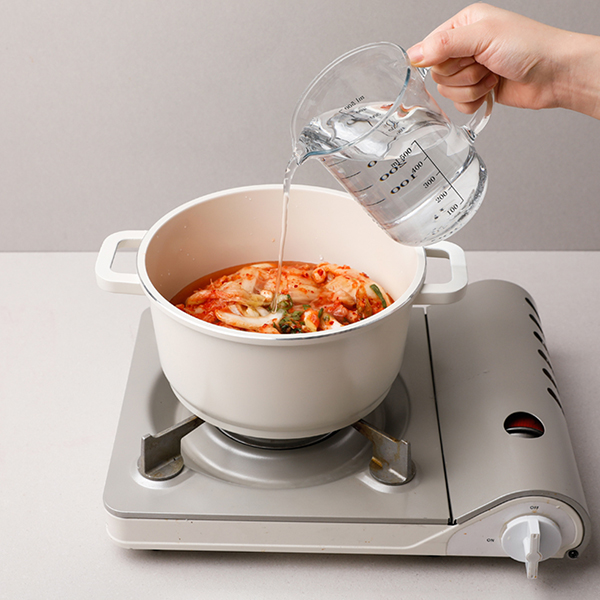
Ever found yourself wide awake in Seoul, long after the last K-pop concert encore, the shops have closed, and even the streetlights seem to dim a little? Maybe you just finished an intense gaming session at a PC Bang, or perhaps you're jet-lagged and your stomach is rumbling for something beyond hotel room service. Trust me, you're not alone! Seoul truly comes alive after dark, and its late-night food scene is an absolute must-experience, a cornerstone of Korean culture that K-dramas often hint at but rarely fully explore.
Here’s the thing: Koreans love to eat, and they love to socialize, and often, that happens late into the night. From students cramming for exams to office workers unwinding after a long day, or even just friends catching up, midnight snacks aren't just a treat – they're a way of life. If you've ever seen a dramatic scene in a K-drama where characters are bonding over steaming bowls of something delicious at 2 AM, that's not just for TV; it’s real life here! And lucky for you, I’m going to share all the insider tips on what to devour when the clock strikes past midnight in this amazing city, all verified by Korea’s beloved food shows like Saengsaeng Jeongbotong and Saengsong Today.
Street Food Wonders: Pocha Picks That Never Sleep
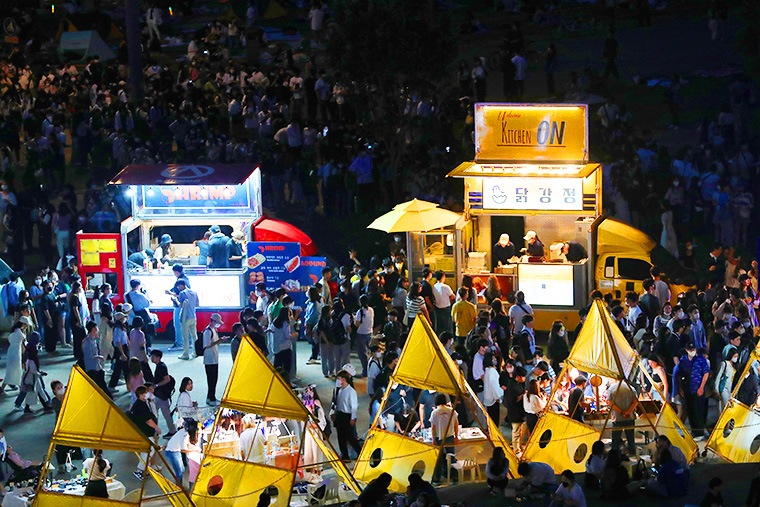
First up, let's talk about the undisputed kings of late-night feasting: street food, especially from the iconic pocha (포차), those tented street stalls that magically appear as the evening cools. These aren't just snack stands; they're vibrant hubs of conversation, laughter, and seriously good eats. You'll find them dotted around busy areas like Hongdae, Myeongdong, and Gangnam, particularly near subway exits and entertainment districts. They're often featured on shows like Saengsaeng Jeongbotong because they represent the authentic, gritty, and delicious soul of Korean dining.
Tteokbokki, Sundae, and Eomuk: The Unbeatable Trinity
You absolutely cannot talk about Korean street food without mentioning this iconic trio. They’re the holy grail for any late-night munchies!
- Tteokbokki (떡볶이): Those chewy, cylindrical rice cakes swimming in a spicy, sweet gochujang sauce. It’s warm, comforting, and has just enough kick to wake up your taste buds. Many pocha have their own secret sauce recipes, passed down through generations.
- Sundae (순대): No, not the ice cream kind! This is Korean blood sausage, typically steamed and served with a side of salt, liver, and sometimes lung. It might sound adventurous, but trust me, it’s surprisingly delicious and has a unique texture that pairs perfectly with tteokbokki.
- Eomuk (어묵): Fish cakes on skewers, served in a light, savory broth. This is your ultimate soul-warming liquid companion, especially on a chilly Seoul night. You can just grab a skewer (or five!) directly from the broth.
Practical Tip: Most pocha operate on a trust system – grab a cup for the eomuk broth and drink as much as you like! When ordering tteokbokki or sundae, just point to what you want. Prices are incredibly affordable, usually just a few thousand won per item. It's the perfect quick, satisfying bite after a concert or a night out in Hongdae.
The Delivery Dynamos: Jjajangmyeon & Jjamppong
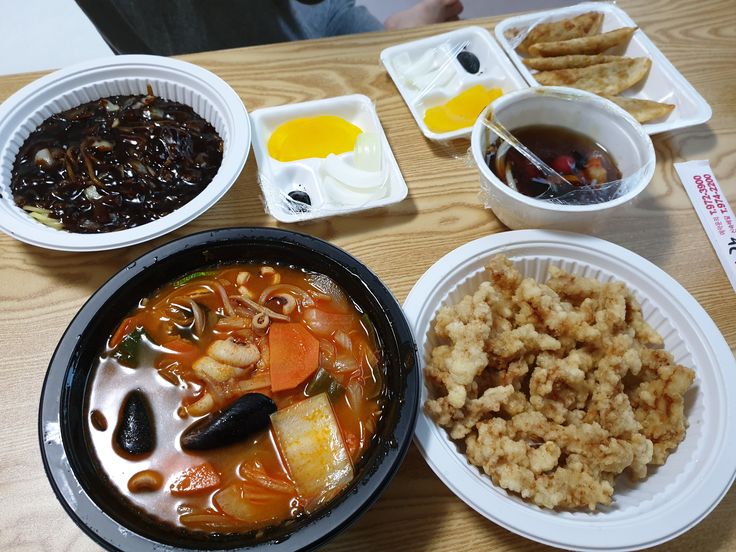
If you're looking for something a bit more substantial, or if you're chilling in your accommodation and want the full K-drama experience of food arriving at your door, then jjajangmyeon (짜장면) and jjamppong (짬뽕) are your go-to. These Chinese-Korean fusion dishes are the ultimate late-night comfort food, often seen in shows where characters are pulling all-nighters or recovering from a rough day.
Jjajangmyeon: Black Bean Noodle Bliss
Imagine thick, chewy noodles smothered in a rich, savory black bean sauce with diced pork and vegetables. It’s sweet, salty, and incredibly satisfying. There’s something so therapeutic about mixing the sauce into the noodles and slurp-slurp-slurping it all down.
Jjamppong: Spicy Seafood Noodle Soup
For those who crave a bit of heat, jjamppong is a fiery red seafood noodle soup packed with fresh mussels, shrimp, squid, and vegetables. It’s spicy, savory, and incredibly fragrant – perfect for warming you up from the inside out. Many Koreans swear by jjamppong as the ultimate hangover cure!
You’ll find countless Chinese-Korean restaurants in every neighborhood, many offering 24-hour delivery, especially in student areas like Sinchon or near business districts. While delivery can be tricky without a Korean phone number and language skills, many of these places also have dine-in options that stay open late. Saengsong Today often features segments on popular local Chinese restaurants known for their incredible delivery speeds and consistent flavors.
| Dish | Description | Vibe | Price Range (approx.) |
|---|---|---|---|
| Jjajangmyeon | Noodles with black bean sauce, pork, veggies | Comforting, savory, slightly sweet | ₩7,000 - ₩10,000 |
| Jjamppong | Spicy seafood noodle soup | Spicy, refreshing, great for hangovers | ₩8,000 - ₩12,000 |
Chimaek (Chicken & Beer): The Unbeatable Duo
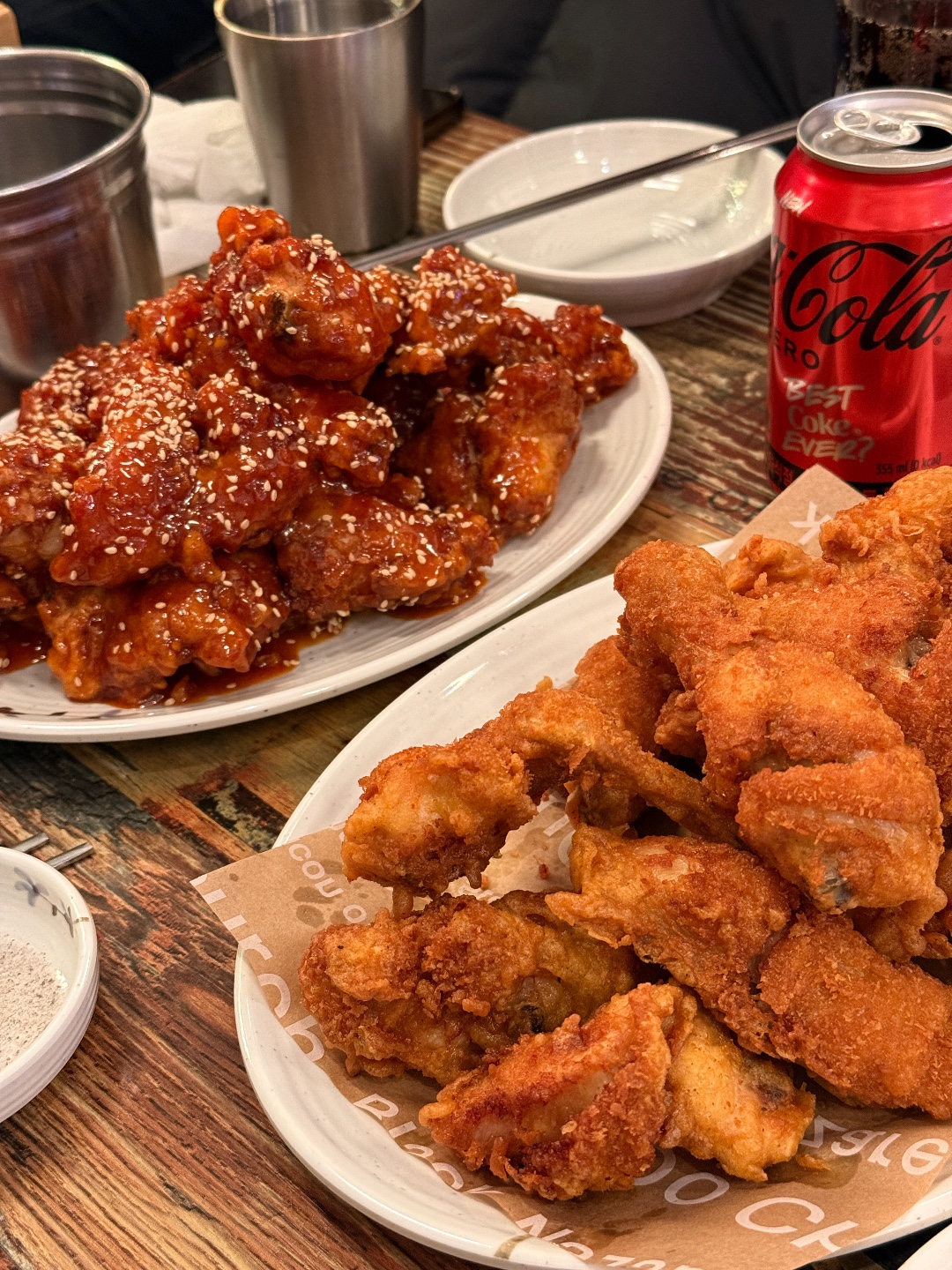
Could any list of Korean late-night food be complete without chimaek (치맥)? Absolutely not! This iconic pairing of fried chicken (chi-ken) and beer (maek-ju) is practically a national pastime and a staple in countless K-drama scenes where friends gather, secrets are spilled, or celebrations are in full swing. It's truly a social experience, perfect for sharing with your travel buddies.
Every street corner in Seoul seems to boast a chicken joint, each with its own secret recipe for crispy, juicy perfection. You’ll find everything from classic original fried chicken to spicy yangnyeom (양념) chicken, garlic soy, honey butter, and more. Pair it with a cold draft beer, and you’ve got yourself a party!
Kkanbu Chicken (깐부치킨)
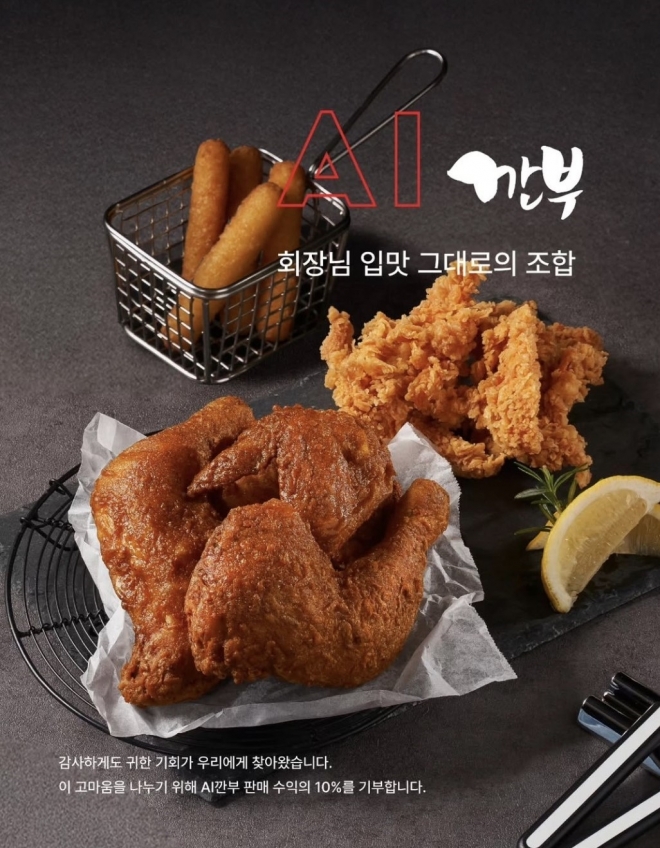
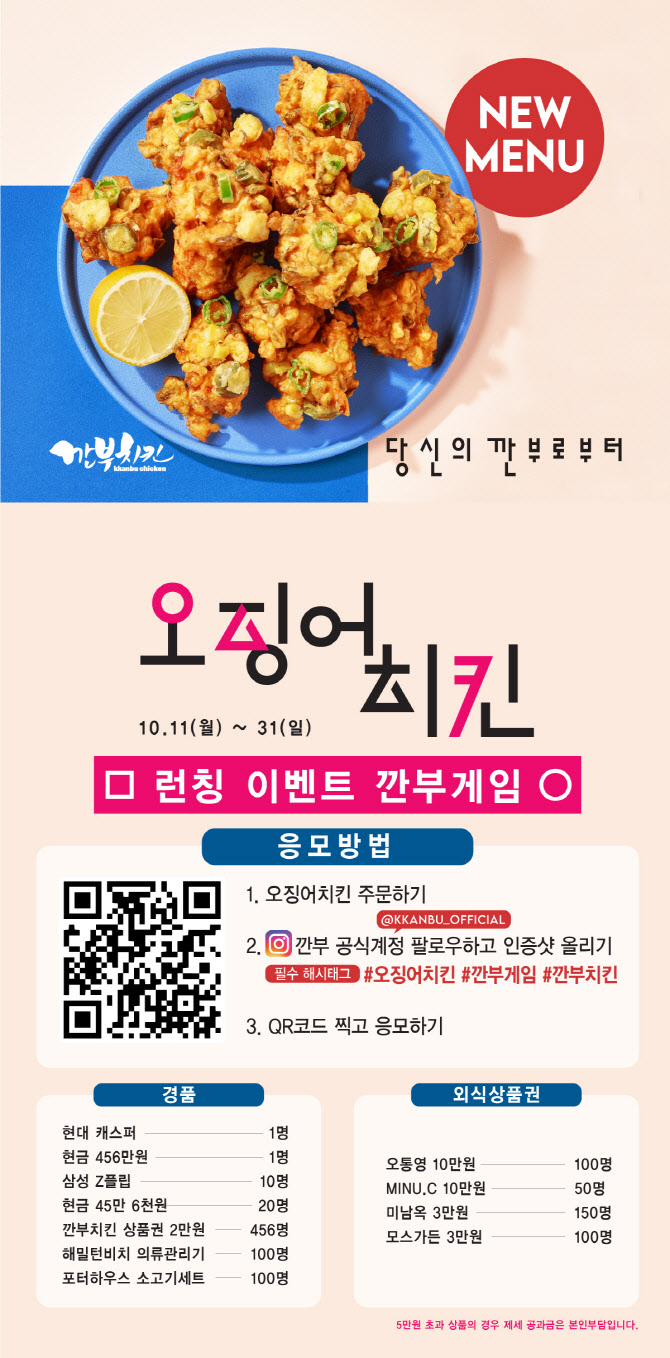
While there are big chains like Kyochon and BHC, I often recommend trying Kkanbu Chicken. They have multiple branches across Seoul (like in Gangnam, Hongdae, and around universities), and they consistently deliver excellent quality chicken. Their crispy fried chicken (크리스피 치킨) is a personal favorite, incredibly crunchy on the outside and wonderfully tender inside. They also offer a range of unique sauces and roasted chicken options if you're feeling a bit healthier (but who are we kidding at this hour?). Kkanbu Chicken is a favorite among locals and has been featured on various local food blogs, sometimes even mentioned in casual segments on Yuksi Naegohyang for its popularity.
- What to Order: Crispy Fried Chicken (크리스피 치킨), Garlic Soy Chicken (마늘간장 치킨). Don't forget the draft beer (생맥주)!
- Price Range: A whole chicken usually costs around ₩18,000 - ₩25,000, plus drinks. It's best shared with 2-3 people.
- Best Time to Visit: Any time after 6 PM, but it really gets buzzing after 9 PM and stays open until well past midnight (some even until 2-3 AM).
- How to Get There: Just search for "Kkanbu Chicken" on Naver Maps (it will translate for you!) and find the nearest branch. Most are easily accessible by subway and a short walk.
Haejangguk (Hangover Soup): The Morning After Miracle
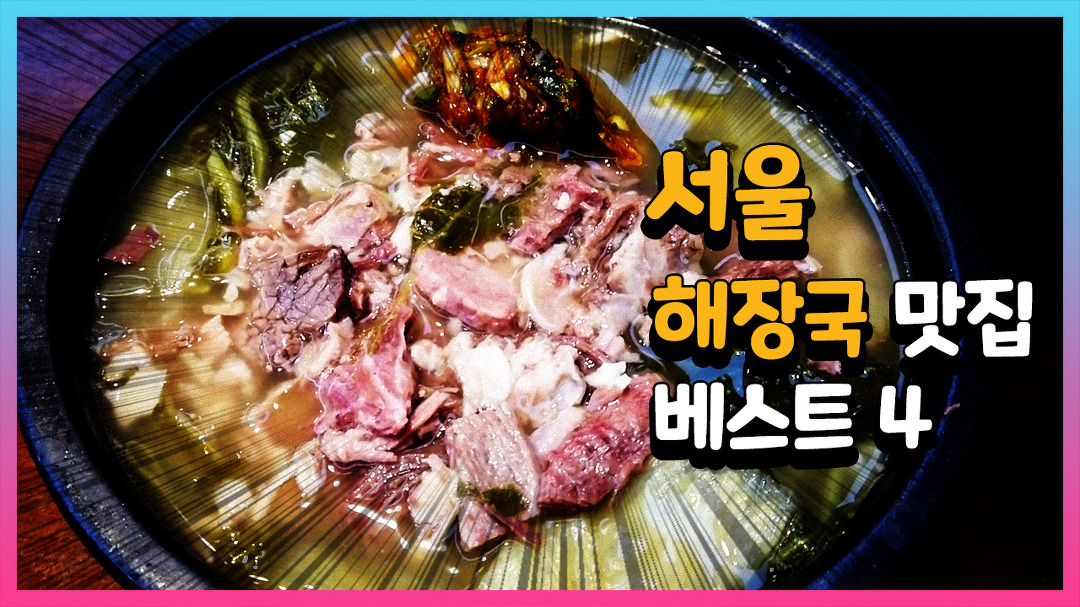
Okay, so maybe you've indulged a little too much in soju and beer earlier in the night. Or maybe you just love a hearty, savory soup at any hour. Enter haejangguk (해장국), literally "hangover soup." This isn't just a meal; it's a cultural institution dedicated to revitalizing you after a long, spirited night. Many haejangguk restaurants open super early or are even 24/7, making them perfect for late-night or early-morning sustenance.
There are several types of haejangguk, each with its unique charm:
- Ugeoji Haejangguk (우거지 해장국): Made with dried outer leaves of napa cabbage, a rich beef broth, and often beef short ribs or brisket. It’s hearty and deeply flavorful.
- Ppyeodagwi Haejangguk (뼈다귀 해장국): Pork backbone stew! This one is super popular, featuring tender pork bones simmered in a spicy, earthy broth with potatoes, napa cabbage, and perilla leaves. You use your hands to pick the meat off the bones – it’s a truly satisfying experience.
- Seonji Haejangguk (선지 해장국): Made with congealed ox blood (seonji), vegetables, and sometimes bean sprouts in a spicy beef broth. It might sound intimidating, but it's incredibly nutritious and boasts a unique, rich flavor.
Cheongjinok (청진옥) - Gwanghwamun
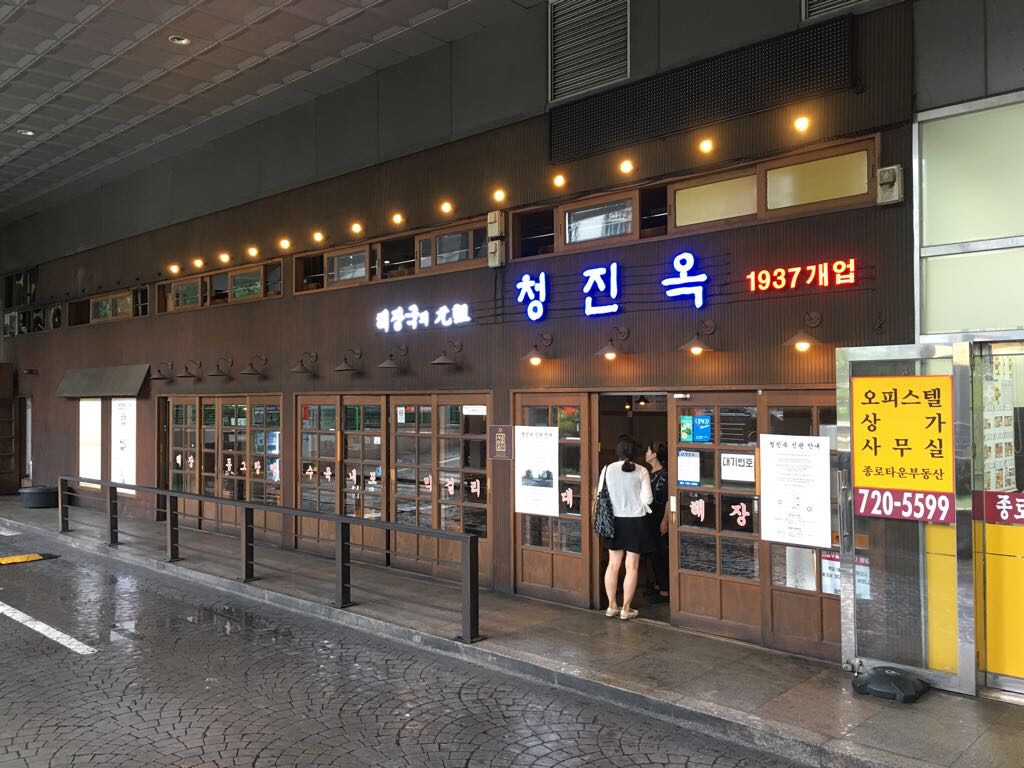

For an authentic and historic haejangguk experience, head to Cheongjinok (청진옥) near Gwanghwamun. This legendary restaurant has been serving seonji haejangguk since the 1930s! It’s an iconic spot, a true Seoul landmark, and has been recognized multiple times on shows like Saengsaeng Jeongbotong for preserving traditional Korean flavors. It's not just a meal; it's a step back in time.
- What to Order: Their signature Haejangguk (해장국), which is the seonji type. You can also order extra meat or soup.
- Price Range: A bowl typically costs around ₩12,000 - ₩15,000.
- Best Time to Visit: It's open 24 hours! So whether it's 3 AM or 7 AM, they're ready for you. Expect it to be busy during peak meal times, but late-night is often bustling with post-work diners.
- How to Get There: Take the subway to Gwanghwamun Station (Line 5), Exit 1 or 2. It’s a very short walk from there, nestled in the Jongno-gu district.
Your Late-Night Seoul Food Itinerary At A Glance
| Food Type | Best For... | Typical Location | Approx. Price Per Person | Korean TV Show Cred |
|---|---|---|---|---|
| Tteokbokki & Pocha Bites | Quick, spicy, authentic street snack | Hongdae, Myeongdong, Gangnam street stalls | ₩3,000 - ₩7,000 | General "street food" segments on Saengsaeng Jeongbotong |
| Jjajangmyeon & Jjamppong | Hearty delivery, post-drinking, late-night comfort | Delivery (requires local help) or dine-in Chinese restaurants | ₩7,000 - ₩12,000 | Countless delivery restaurant features on Saengsong Today |
| Chimaek (Chicken & Beer) | Social gathering, K-drama fan experience | Chicken restaurants everywhere (e.g., Kkanbu Chicken) | ₩10,000 - ₩15,000+ (shared) | Local popular spots often mentioned on Yuksi Naegohyang |
| Haejangguk (Hangover Soup) | Rejuvenation, rich savory stew, traditional taste | Specialized Haejangguk restaurants (e.g., Cheongjinok) | ₩12,000 - ₩15,000 | Historic spots featured prominently on Saengsaeng Jeongbotong |
Navigating Seoul After Dark: Insider Tips
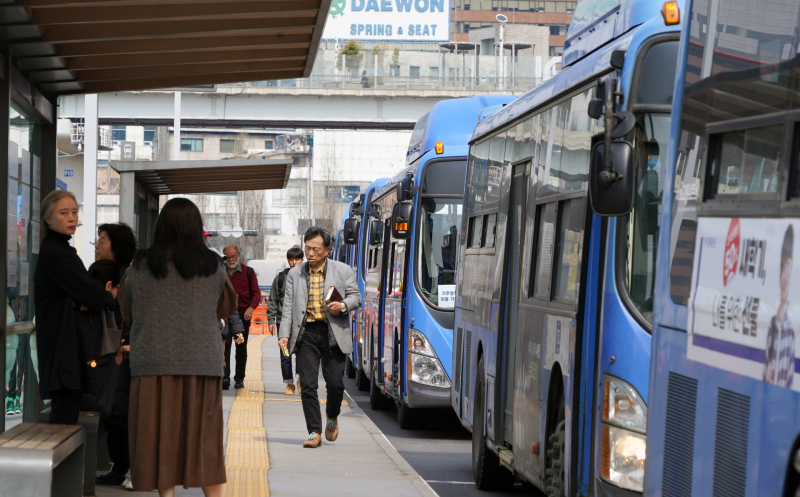
- Transportation: The Seoul subway typically runs until around midnight to 1 AM, depending on the line and station. After that, taxis are plentiful but can get expensive, especially with late-night surcharges. Look out for "Night Buses" (심야버스) which run on specific routes throughout the night – they're a lifesaver and super affordable! Just search for "Seoul Night Bus" on a map app.
- Payment: While most restaurants accept credit cards, it's always a good idea to carry some cash (₩10,000-₩20,000) for smaller street stalls or older establishments.
- Ordering: Don't be shy! Most places have picture menus, and pointing is perfectly acceptable. Learning a few basic phrases like "이거 주세요" (igeo juseyo - "Please give me this") or "맛있어요!" (masisseoyo! - "It's delicious!") will go a long way.
- Safety: Seoul is incredibly safe, even at night. However, always be aware of your surroundings, especially if you're alone.
So, next time you find yourself with a rumbling stomach and the moon high above Seoul, don't just stay in! Embrace the vibrant, delicious, and endlessly fascinating late-night food culture. It's an essential part of the Korean experience, a chance to see a different side of the city, and honestly, some of the best food you’ll ever have. Happy eating, K-Spots fam!
💡 AI Travel Tip
Planning your late-night food adventures in Seoul can be even easier with a little help from AI! Use these prompts to get the most out of your trip:
- Need to find a 24-hour restaurant near your hotel?
- Want to understand a menu item perfectly?
- Looking for the best way to get around late at night?
- Curious about what Korean celebrities eat late at night?
Prompt example: "Find a 24-hour haejangguk restaurant near [Your Hotel Name/Address in Seoul] that has good reviews and is accessible by public transport or a short taxi ride."
Prompt example: "Translate and explain '부대찌개 (Budae Jjigae)' in detail, including its ingredients, flavor profile, and how it's typically eaten in Korea. Is it a good late-night option?"
Prompt example: "What's the best way to get from Hongdae to Gangnam at 1:30 AM on a Friday night? Provide options for night bus, taxi, and estimated costs/travel times."
Prompt example: "What are some popular late-night snacks or dishes that K-pop idols or K-drama actors are known to enjoy in Seoul, and where can I find similar options?"
About this guide
Written with AI assistance from public information, with photos credited to their sources (Korea Tourism Organization, Naver, Pexels, Unsplash). Places and TV-show mentions have not all been checked in person, and a TV appearance is not a quality guarantee. Prices, hours and menus change — please confirm on Naver Map or the venue's official channel before visiting.