Korean Food Festival Calendar: When and Where to Go in 2025

Ready to Feast? Your 2025 Korean Food Festival Calendar Awaits!
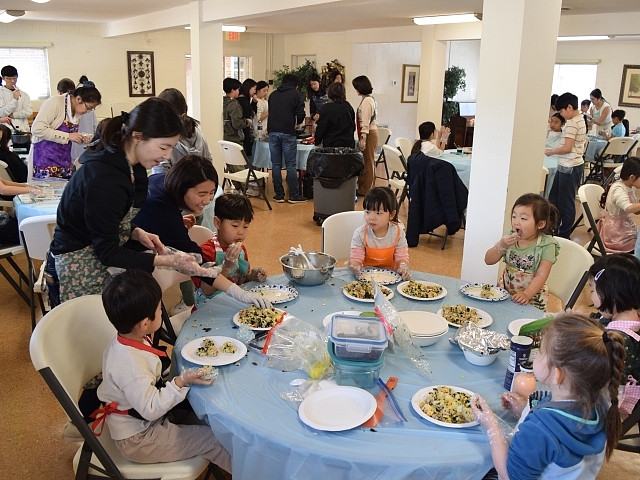
Ever dreamt of diving headfirst into a giant bowl of bibimbap? Or maybe you're craving that crispy fried chicken from your favorite K-drama, but like, real Korean fried chicken at a huge outdoor party? Well, get ready, because 2025 is serving up a feast, and I'm here to spill all the tea (and tteokbokki!) on Korea's most delicious food festivals.
You know us at KoreaSpots, right? We're all about helping you find those authentic gems, the spots Koreans truly love, often verified by shows like Saengsaeng Jeongbotong, Saengsong Today, or Yuksi Naegohyang. And what's more authentic than a town-wide celebration dedicated to its signature dish or ingredient? These aren't just festivals; they're immersive experiences where you can taste local specialties, learn about traditional culture, and make memories that'll last way longer than your K-drama binge.
Forget generic tour guides; think of me as your best friend in Korea, texting you all the insider info for your food adventures. Ready to mark your calendar? Let's dig in!
Spring Fling: Fresh Flavors & Floral Feasts
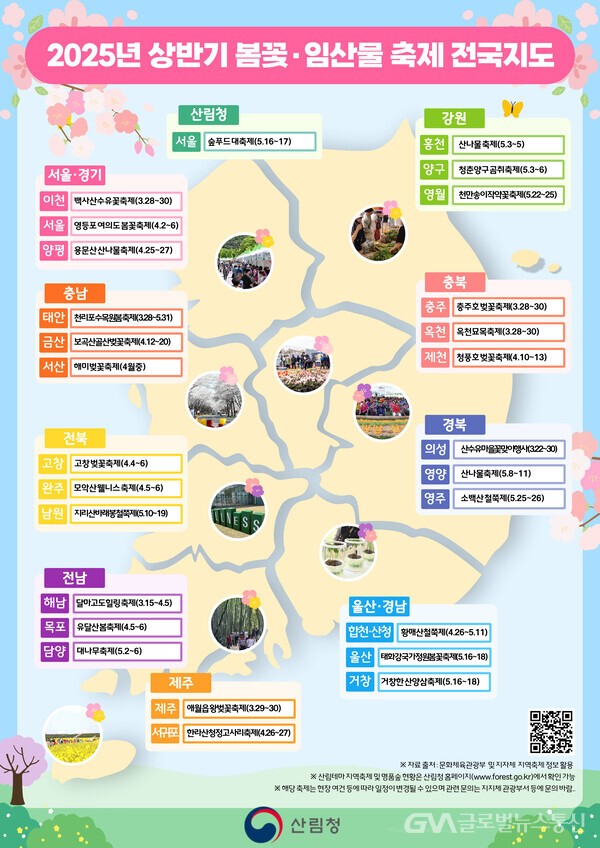
Spring in Korea isn't just about cherry blossoms; it's when fresh ingredients start popping up, and regional festivals celebrate the bounty. You're going to love these early-year culinary delights!
Busan Gijang Anchovy Festival (기장멸치축제)

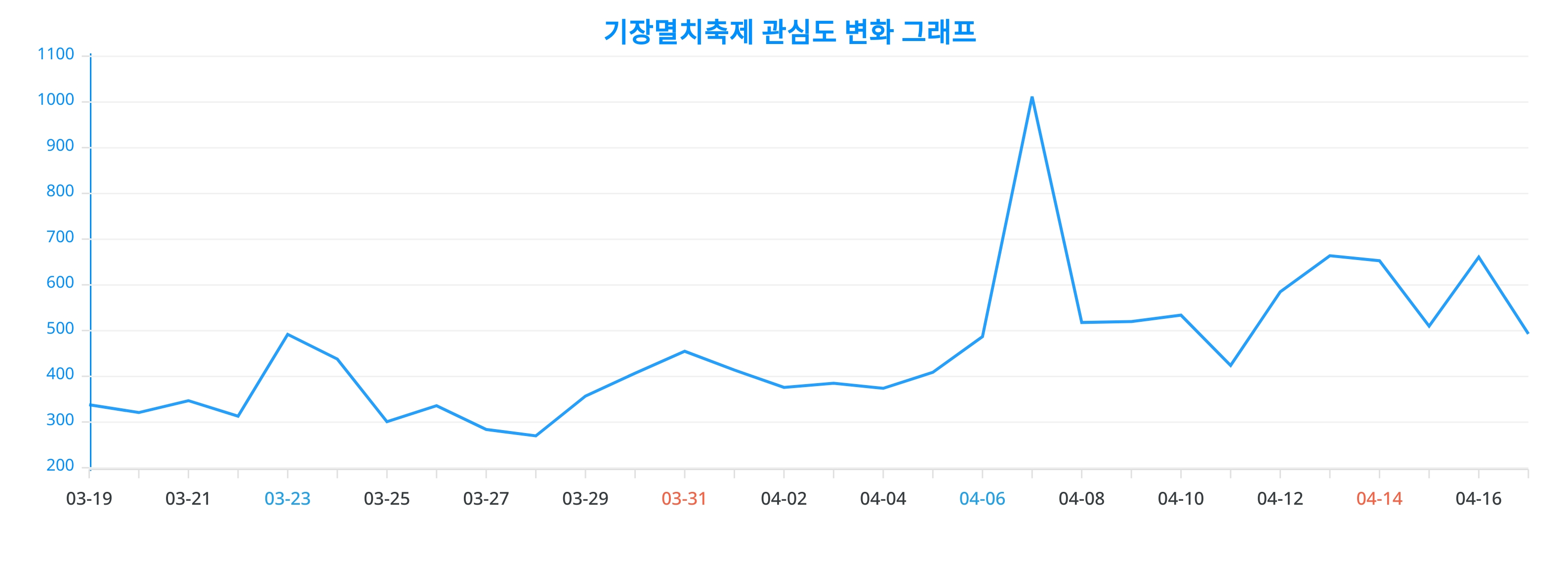
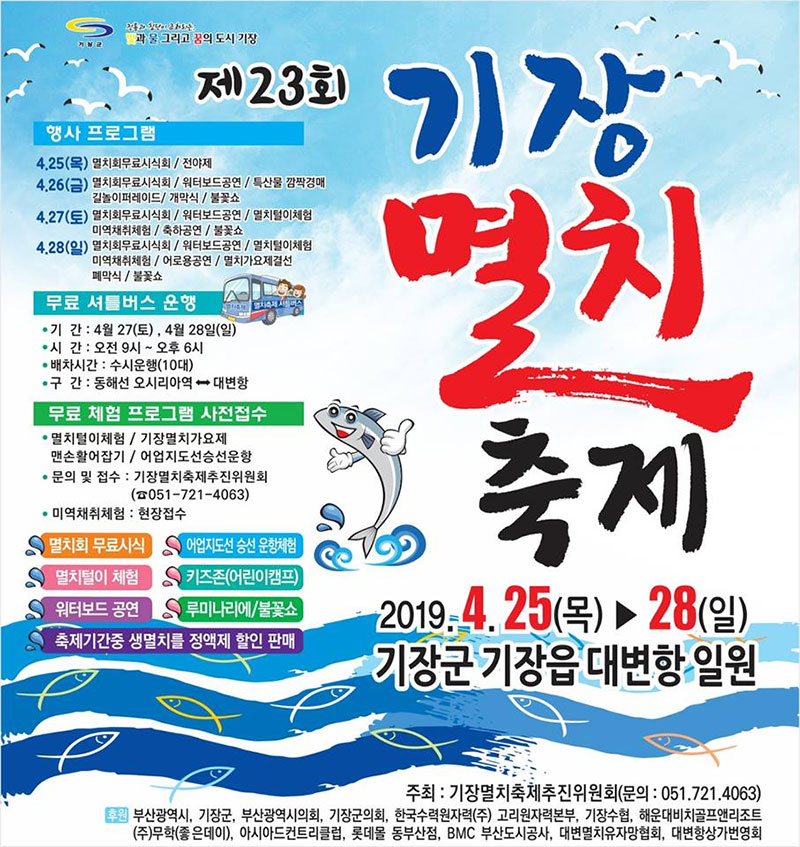
If you're a seafood lover, listen up! The Gijang Anchovy Festival in Busan is an absolute must-do. Held annually in the coastal town of Gijang-gun, just outside Busan, this festival celebrates the fresh catch of anchovies (멸치, myeolchi) that are especially abundant in spring. Trust me, these aren't your typical tiny, salty anchovies you might find on a pizza; Gijang is famous for its large, succulent anchovies caught right off its shores.
When: Typically late April to early May (Exact 2025 dates will be announced, so keep an eye on Gijang-gun's official tourism site!)
Where: Gijang-eup Daebyeon Port, Gijang-gun, Busan.
What to Expect: Imagine a bustling port filled with the aroma of grilled seafood! You'll find vendors grilling fresh anchovies (멸치구이, myeolchi-gui) right before your eyes, frying them up into crispy pancakes (멸치튀김, myeolchi-twigim), or simmering them in spicy stews (멸치찌개, myeolchi-jjigae). It's a sensory overload in the best way possible! You might even catch a glimpse of traditional fishing net performances or participate in anchovy-related games. It's often been featured on local segments of Saengsaeng Jeongbotong for its fresh catch.
- How to Get There: From Busan Station, take Metro Line 1 to Jagalchi Station, then transfer to a local bus (like #181) to Gijang. Alternatively, take the Donghae Line train to Gijang Station and then a short taxi ride to Daebyeon Port.
- What to Order: Definitely try the 멸치회덮밥 (myeolchi-hoe-deopbap) – fresh anchovy sashimi over rice with spicy sauce. It's surprisingly light and incredibly flavorful. And of course, a big plate of 멸치구이 (myeolchi-gui)!
- Price Range: Expect to spend around ₩10,000-₩25,000 per dish. It's super affordable for fresh, delicious seafood!
- Local Insight: Pair your anchovies with a glass of local makgeolli (rice wine) for the perfect authentic experience. You'll be eating like a local in no time!
Boseong Green Tea Festival (보성다향대축제)
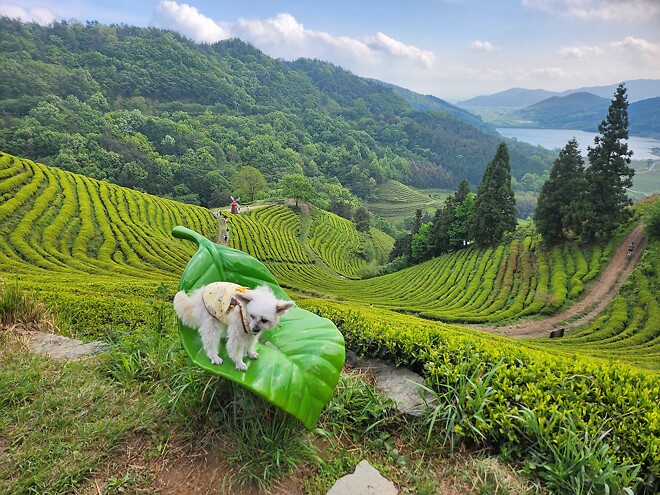
If you're looking for something a bit more serene but equally delicious, the Boseong Green Tea Festival is your cup of tea (pun absolutely intended!). Boseong is home to Korea's most famous green tea plantations, and visiting during the festival is like stepping into a peaceful, emerald-green paradise. This festival celebrates the first flush of tea leaves and the rich tea culture of the region.
When: Usually early May (around Children's Day weekend). Plan for early May 2025.
Where: Boseong Green Tea Plantations, Boseong-gun, Jeollanam-do.
What to Expect: Beyond just sipping exquisite green tea, this festival is a feast for your taste buds with unique green tea-infused foods. Think green tea ice cream, green tea tteokbokki, green tea noodles, and even green tea pork belly! You can participate in tea-picking experiences, traditional tea ceremonies, and explore the stunning terraced plantations that have often graced the screens of Saengsong Today. The air itself smells fresh and clean, mingling with the aroma of freshly brewed tea.
- How to Get There: It's a bit of a journey, but totally worth it! From Seoul, take an KTX train to Gwangju Songjeong Station, then transfer to a bus to Boseong. Or, take a direct express bus from Seoul's Express Bus Terminal to Boseong.
- What to Order: You absolutely HAVE to try the 녹차 아이스크림 (nokcha aiseukeurim) – green tea ice cream. It's incredibly refreshing and has that perfect balance of sweet and earthy. Also, keep an eye out for 녹차 삼겹살 (nokcha samgyeopsal), pork belly marinated or cooked with green tea for a unique flavor.
- Price Range: Entry to the festival and plantations is often free or very low cost. Food items range from ₩5,000 for snacks to ₩15,000-₩25,000 for full meals.
- Local Insight: Wake up early and head to the Daehan Dawon plantation for stunning misty views over the tea fields – it's magical, especially around sunrise!
Summer Sizzle: From K-Food Classics to Regional Rhythms
Korean summers are hot, but the festivals are even hotter! Get ready for lively atmospheres and delicious ways to beat the heat.
Daegu Chimac Festival (대구치맥페스티벌)
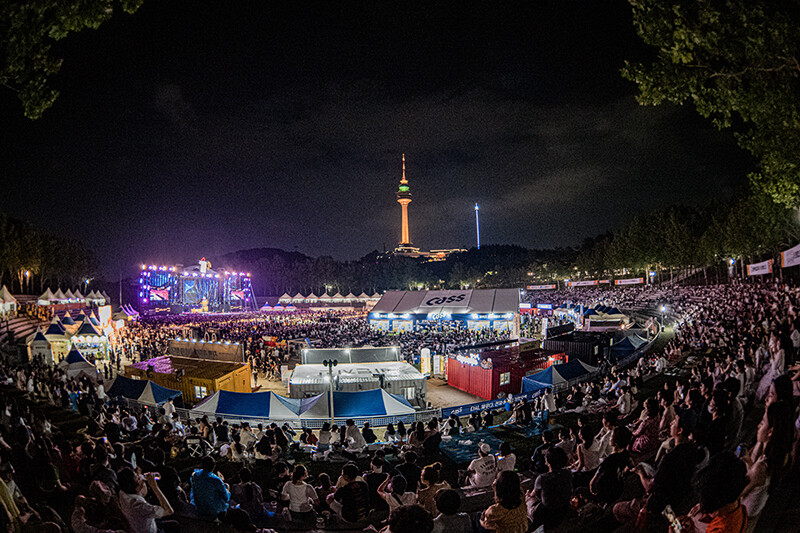
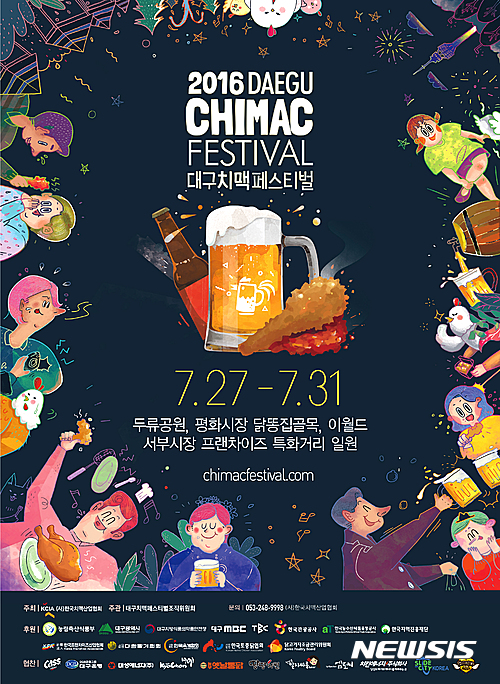
Alright, K-drama fans, this one's for you! If you've ever seen your favorite oppa or unnie chowing down on fried chicken with a cold beer, you know "Chimac" (치맥 = Chicken + Maekju/Beer) is iconic. Daegu, a city famous for its hot summers, transforms into a giant outdoor party celebrating this perfect pairing. This festival is pure joy, good vibes, and endless fried chicken variations.
When: Usually late July. Expect late July 2025.
Where: Duryu Park, Daegu.
What to Expect: Picture this: thousands of people, dozens of chicken brands (from crispy classic to spicy gochujang, garlic soy, and everything in between), and rivers of cold beer. There are live K-pop performances, DJ sets, dance parties, and even chicken-eating contests! It's an energetic, youthful festival where you can truly immerse yourself in one of Korea's most beloved food cultures. It's such a popular event, it often makes national news and is a regular feature on shows like Yuksi Naegohyang for its regional popularity.
- How to Get There: Duryu Park is easily accessible by Daegu Metro Line 2 (Duryu Station, Exit 13, 14, 15, or 16).
- What to Order: Don't stick to just one chicken! Grab a few different flavors from various vendors. You absolutely can't go wrong with 간장치킨 (ganjang chikin), soy garlic chicken, or the classic 후라이드치킨 (huraideu chikin), original fried. And, of course, endless beer!
- Price Range: A full chicken and beer combo usually ranges from ₩20,000-₩30,000. Many vendors offer smaller portions or sampler plates.
- Local Insight: Arrive early to snag a good spot on the grass, especially if you're with a group. Bring a mat or picnic blanket!
Autumn Harvest: Traditional Tastes & Culinary Heritage
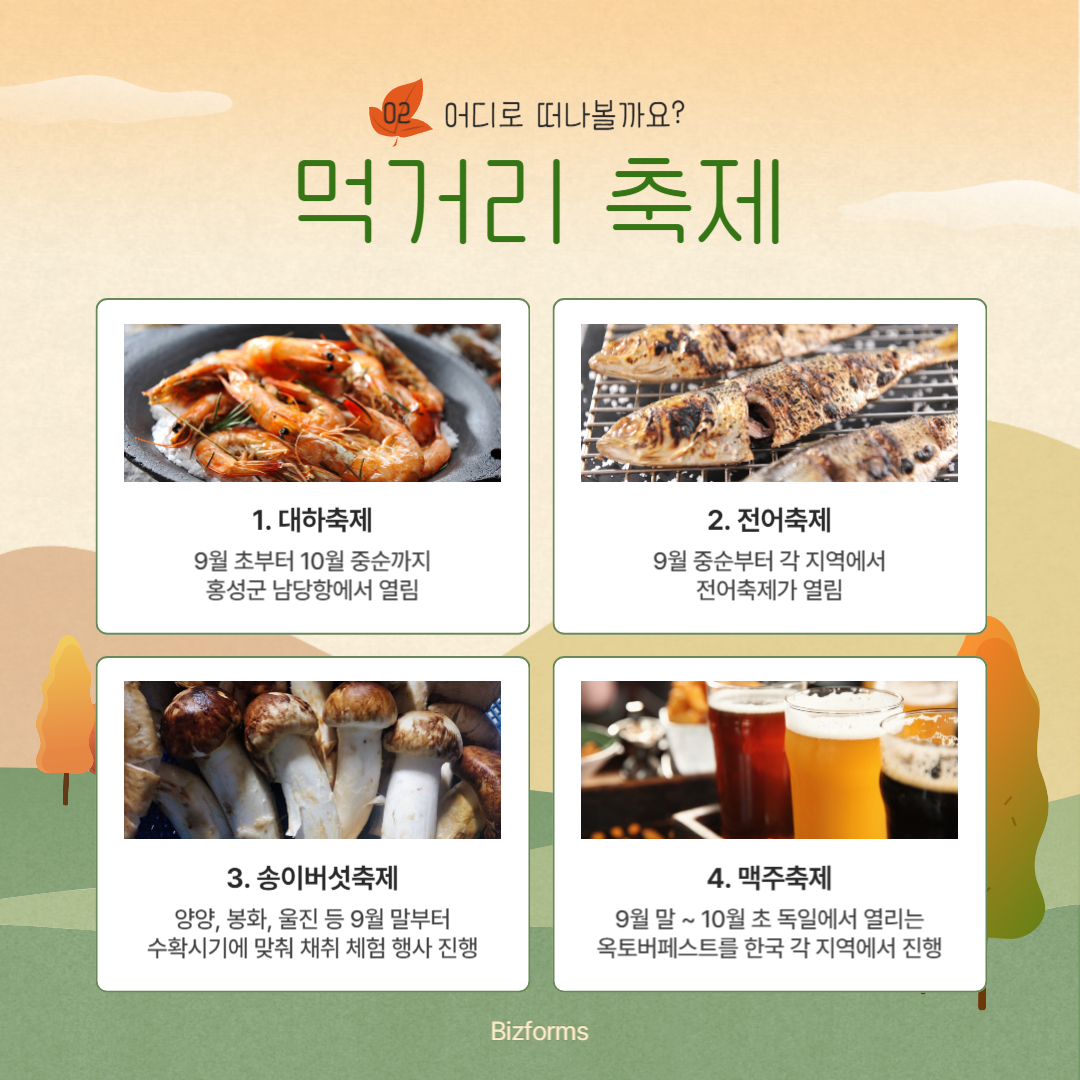
Autumn is prime festival season in Korea. The cooler weather is perfect for outdoor events, and the harvest brings an abundance of fresh, high-quality ingredients. You're going to love these.
Jeonju Bibimbap Festival (전주비빔밥축제)
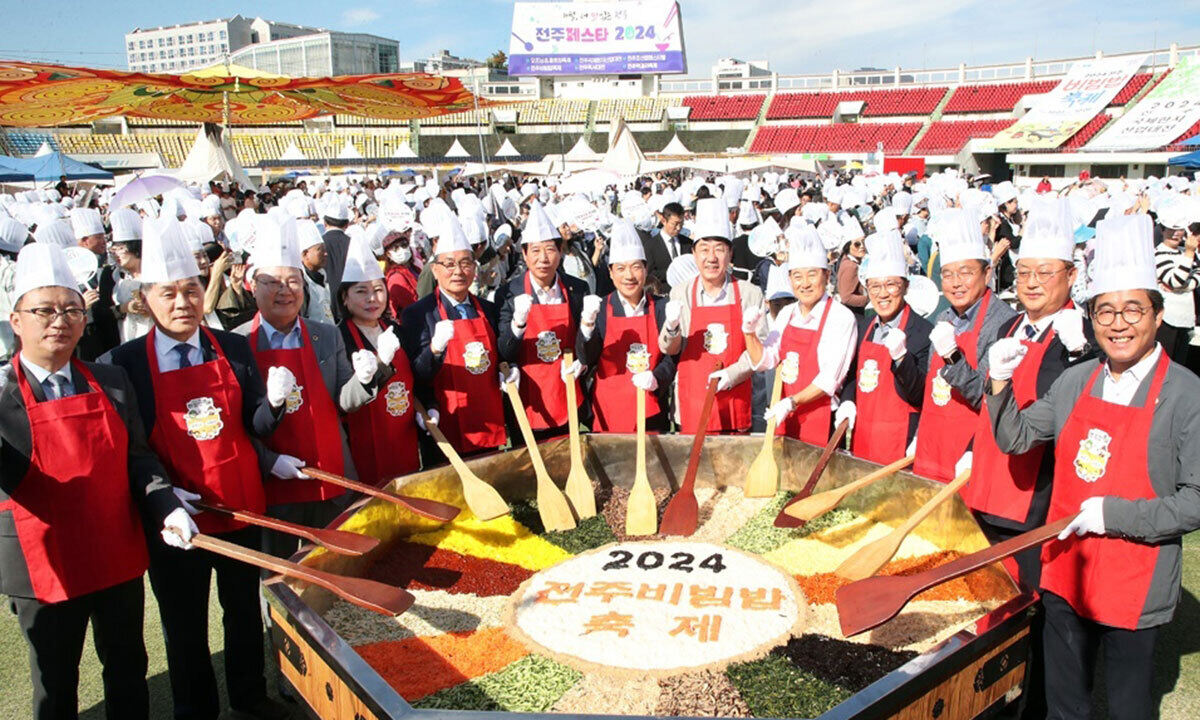
Jeonju isn't just a charming historical city; it's practically the culinary capital of Korea, especially famous for its iconic dish: bibimbap! The Jeonju Bibimbap Festival is a vibrant celebration of this colorful, nutritious, and incredibly delicious mixed rice dish. If you want to experience authentic Korean cuisine, this is the place to be.
When: Usually late October. Circle late October 2025 on your calendar!
Where: Jeonju Hanok Village & surrounding areas, Jeonju, Jeollabuk-do.
What to Expect: This festival is a foodie's dream. You'll witness chefs preparing a giant bibimbap (often big enough to feed thousands!), participate in bibimbap-making classes, and taste countless variations of the dish. Beyond bibimbap, you can explore other Jeonju specialties like tteokgalbi (grilled short rib patties) and kongnamul gukbap (bean sprout soup). The festival also features traditional Korean performances, craft markets, and cooking competitions, all set against the beautiful backdrop of the Hanok Village. Saengsaeng Jeongbotong often highlights the incredible culinary traditions of Jeonju during this time!
- How to Get There: Take an KTX train from Seoul to Jeonju Station (via Iksan) or a direct express bus from Seoul's Express Bus Terminal to Jeonju. The Hanok Village is easily accessible from the bus terminal or train station by local bus or taxi.
- What to Order: A classic 전주비빔밥 (Jeonju bibimbap), of course! But also keep an eye out for regional variations or fusion bibimbap. Don't forget to try 모주 (moju), a sweet, low-alcohol rice wine unique to Jeonju, often served warm.
- Price Range: Bibimbap dishes at the festival or local restaurants will typically cost ₩10,000-₩15,000. Tasting portions might be cheaper.
- Local Insight: Explore the Hanok Village thoroughly after your meal. Rent a hanbok (traditional Korean dress) for amazing photos, and discover hidden cafes and craft shops.
Icheon Rice Culture Festival (이천쌀문화축제)
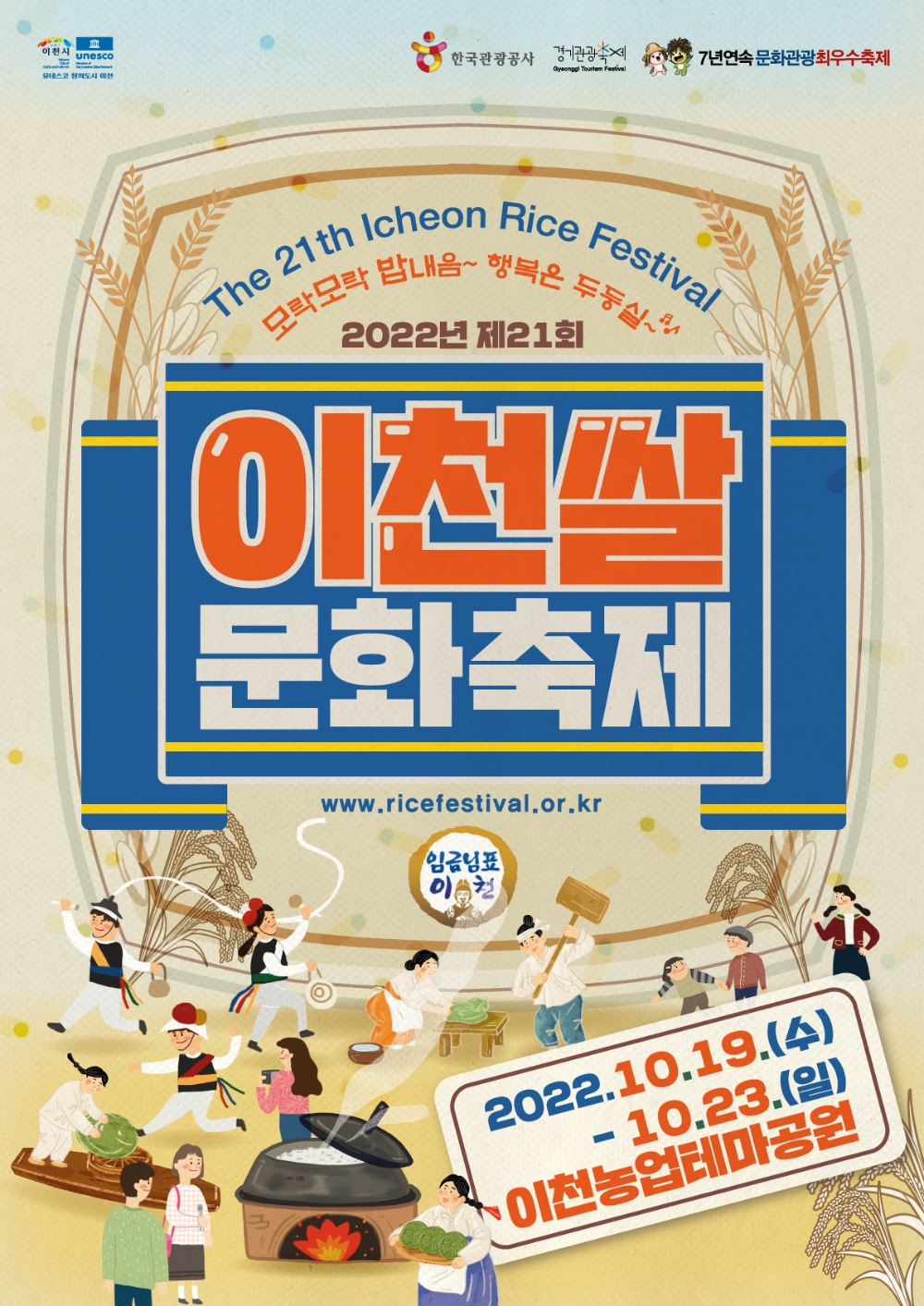
You can't talk about Korean food without talking about rice, and Icheon is renowned for producing some of the highest quality rice in Korea. The Icheon Rice Culture Festival is a grand celebration of this staple grain, showcasing its importance to Korean cuisine and culture. If you appreciate the subtle nuances of perfectly cooked rice, this festival is a must-see.
When: Usually late October. Pencil in late October 2025!
Where: Icheon Seolbong Park, Icheon-si, Gyeonggi-do.
What to Expect: This festival is huge and incredibly diverse! You'll see massive rice pot cooking demonstrations (where thousands of portions of delicious Icheon rice are made), rice threshing and milling demonstrations, and traditional farming experiences. Food-wise, it's a paradise of rice-based dishes: tteok (rice cakes) of every imaginable variety, sikhye (sweet rice punch), and special rice meals. There are also performances, folk games, and a chance to buy fresh, premium Icheon rice directly from farmers. It's a prime example of local culture often highlighted on Yuksi Naegohyang.
- How to Get There: From Seoul, take an express bus from Gangnam Express Bus Terminal or Dong Seoul Bus Terminal to Icheon Bus Terminal. From there, take a local bus or taxi to Seolbong Park.
- What to Order: You absolutely must try 이천쌀밥정식 (Icheon ssalbap jeongsik), a full-course meal centered around perfectly cooked Icheon rice with an array of side dishes. Don't leave without tasting some freshly made 가래떡 (garaetteok), long, cylindrical rice cakes, often grilled with honey.
- Price Range: Individual food items can be as low as ₩3,000-₩5,000. A full Icheon rice set meal might be ₩15,000-₩25,000.
- Local Insight: This festival is very family-friendly, with lots of interactive activities. Wear comfortable shoes as you'll be doing a lot of walking around the expansive park.
General Tips for Conquering Korea's Food Festivals
Here are some friendly tips from your KoreaSpots crew to make your festival experience even better:
- Book Ahead: Especially for popular festival dates (like those near public holidays), accommodation and KTX/express bus tickets can sell out fast. Plan your trip well in advance!
- Cash is King (or Queen!): While many vendors accept card payments, having some cash (₩10,000 and ₩5,000 notes are handy) will make purchases quicker and easier, especially at smaller stalls.
- Dress for Comfort: You'll be doing a lot of walking, standing, and eating! Wear comfortable shoes and weather-appropriate clothing. Layers are always a good idea.
- Stay Hydrated: Especially during warmer festivals, keep a water bottle handy. Many festivals have water stations, or you can easily buy drinks.
- Go Hungry (and then some): This is obvious, right? But seriously, pace yourself! There will be so much delicious food, you'll want to try a bit of everything.
- Check Official Websites: Festival dates and programs can sometimes shift. Always double-check the official festival websites (often in English) closer to your travel dates for the most accurate info.
- Learn Basic Korean Phrases: "안녕하세요 (Annyeonghaseyo - Hello)," "감사합니다 (Gamsahamnida - Thank you)," and "얼마예요? (Eolmayeyo? - How much is it?)" will go a long way!
So, there you have it, my friend! Your ultimate guide to feasting your way through Korea's incredible food festivals in 2025. Whether you're craving fresh seafood by the sea, spicy chicken and beer, or traditional bibimbap in a hanok village, there's a festival calling your name. Get ready for an unforgettable culinary journey, verified by locals and K-TV alike!
💡 AI Travel Tip
Ready to turn these festival dreams into a solid itinerary? Your AI assistant can be incredibly helpful for fine-tuning your plans!
- Detailed Festival Info: Ask for more specific details about transportation or alternative festivals.
- Itinerary Building: Integrate festival visits into a broader travel plan for your chosen region.
- Accommodation Search: Find nearby hotels or guesthouses that fit your budget and preferences.
Prompt example: "I'm planning to attend the Jeonju Bibimbap Festival in late October 2025. Suggest a 3-day itinerary for Jeonju, including transportation from Seoul, accommodation options near Hanok Village (mid-range budget), and must-try non-festival food spots that might have been featured on Saengsong Today."
Prompt example: "Compare travel costs and time between taking an express bus vs. KTX train from Seoul to Boseong for the Green Tea Festival in May 2025. Also, recommend a scenic route or activity in Boseong after visiting the tea fields."
Prompt example: "I'm going to the Daegu Chimac Festival in July 2025. What are 5 different fried chicken styles I should definitely try there, and what are some popular Daegu attractions nearby to visit before the festival starts?"