Daegu Food Culture: Bold Spicy Flavors and Local Specialties
Daegu's Fiery Secret: A Foodie Adventure Beyond Seoul's Glitz!
You've seen the K-dramas, you've memorized the K-pop choreo, and now you're finally planning that epic trip to Korea. You're probably thinking Seoul, maybe Busan, right? Hold up, my friend. What if I told you there's a city that serves up a flavor punch so bold, so unapologetically spicy, it'll make your Seoul food adventures feel like a warm-up act? Welcome to Daegu, the often-overlooked gem in Korea's culinary crown, where the flavors are as vibrant as its summer heat, and the local specialties are truly legendary. Trust me, you're going to want to add this to your itinerary.
Forget everything you thought you knew about Korean spice levels for a second. Daegu isn't just spicy; it's a whole different league. This isn't your grandma's mild kimchi kind of spice (unless your grandma is a fire-breathing dragon, then maybe). This is the kind of heat that makes you sweat, makes you reach for an icy drink, and makes you crave more all at the same time. And here's the best part: it's not just heat for heat's sake. It's a complex, deeply savory, and incredibly satisfying kind of deliciousness that you won't find anywhere else. Ready to dive into Daegu's food scene? Let's go!
Why Daegu's Flavors Hit Different: Beyond the Usual K-Food

So, what makes Daegu's food culture so unique? Well, for starters, it's often called the "hot city" – and not just because of its blazing summers! This city has a long-standing reputation for bold, spicy, and hearty dishes that perfectly match its fiery spirit. While other regions might be known for delicate seafood or sweet desserts, Daegu is all about making a statement with its flavors. Think big, punchy tastes that awaken your senses and leave a lasting impression.
Historically, Daegu was an important inland hub, and its cuisine developed around robust, filling meals that provided energy for hardworking people. The liberal use of gochugaru (Korean chili powder) isn't just for heat; it's deeply integrated into the flavor profile, offering a smoky, slightly sweet, and utterly addictive depth. Plus, Daegu is the hometown of so many K-pop idols – Suga and V from BTS, Irene from Red Velvet, for example – so you know there's a certain unique flair to everything here, food included!
You might be wondering, "Is it too spicy for me?" Here's the thing: while Daegu's food is famous for its heat, most places will let you adjust the spice level. But honestly? For the authentic experience, I say lean in! You'll discover a world of flavor that perfectly balances the heat with savory goodness.
Daegu Must-Eats: Iconic Dishes You CANNOT Miss
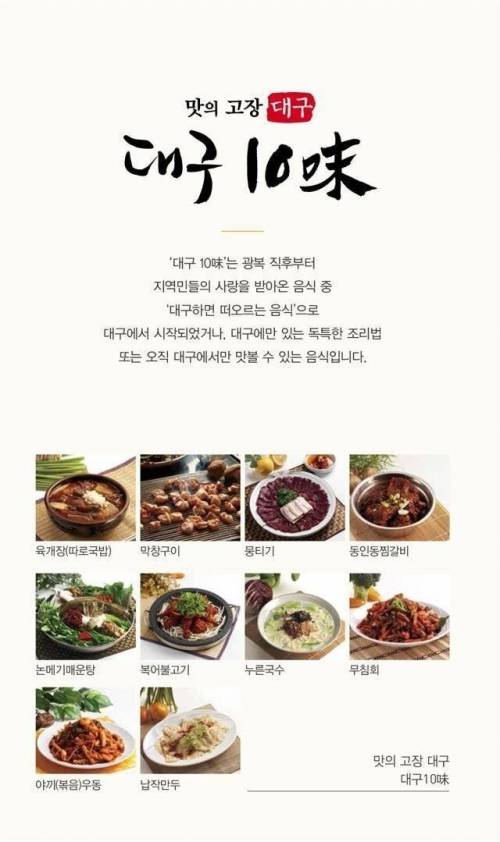
Okay, let's get to the good stuff – the actual dishes that define Daegu's culinary identity. These aren't just meals; they're experiences. Prepare your taste buds!
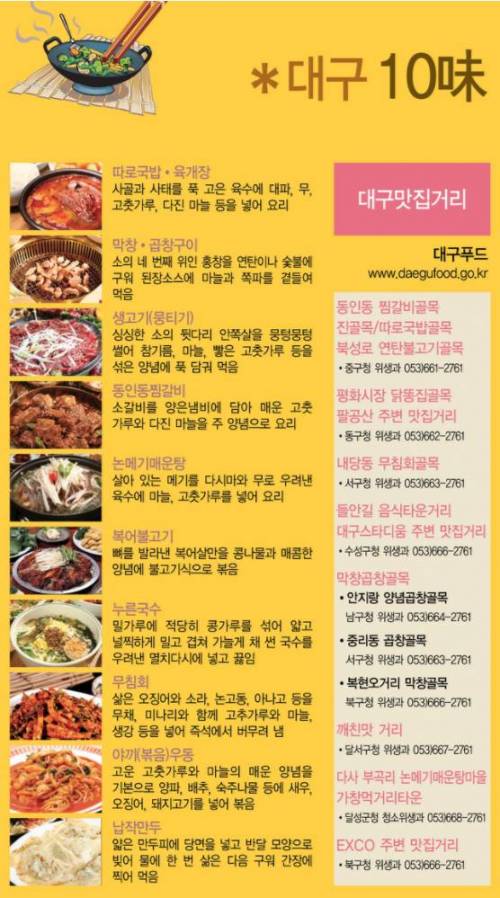
1. Makchang (막창): Daegu's Grilled Intestine Obsession
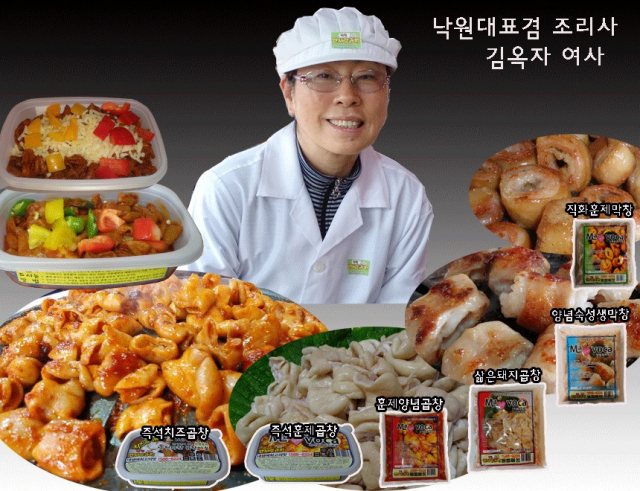
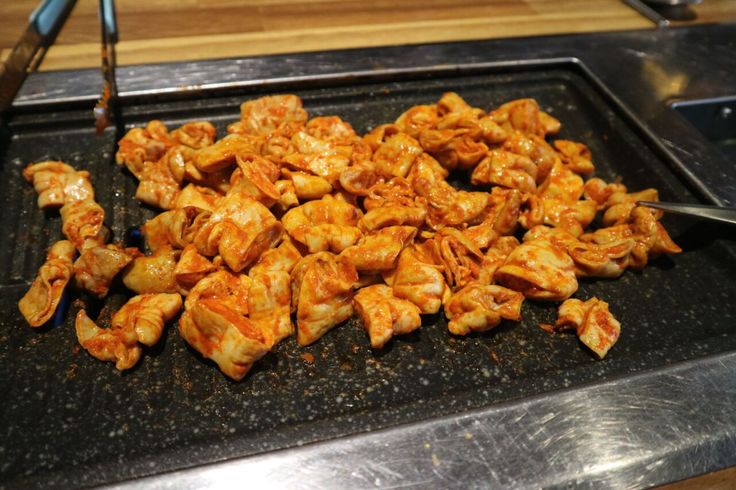
If there's one dish that screams Daegu, it's Makchang. What is it? It's grilled pork or beef intestines, and before you go "eww," hear me out! This isn't just any offal; Daegu's Makchang is incredibly tender, chewy, and bursting with a unique, savory flavor that's impossible to resist. It's usually marinated in a special doenjang-based sauce, grilled to perfection, and dipped in a special ssamjang (a thick, spicy dipping sauce) often mixed with finely chopped green onions and garlic.
The best place to experience this? Anjirang Gopchang Alley (안지랑곱창골목). This entire street is dedicated to Makchang and Gopchang (another type of intestine), with restaurants lining both sides, each with their own secret marinade. The atmosphere here is electric, especially in the evenings, with the smell of grilling meat filling the air and the sounds of clinking soju glasses. Many of these joints have been featured on shows like Saengsaeng Jeongbotong and Saengsong Today for good reason – they're the real deal!
- What to Order: Just ask for "Makchang" (막창). Many places offer a "combo" with other intestine cuts too.
- How to Eat: Grill it until crispy on the outside, then dip it in the special sauce. Wrap it in a perilla leaf or lettuce with garlic and green chili for an extra kick! Don't forget the soju!
- Price Range: Expect around ₩10,000-₩15,000 per serving (usually 150-200g).
- Best Time to Visit: Evening, for the full vibrant experience.
- Getting There: Take Daegu Subway Line 1 to Anjirang Station (안지랑역), then it's a short walk to the alley.
2. Dongin-dong Jjimgalbi (동인동 찜갈비): Spicy Braised Ribs That Pack a Punch
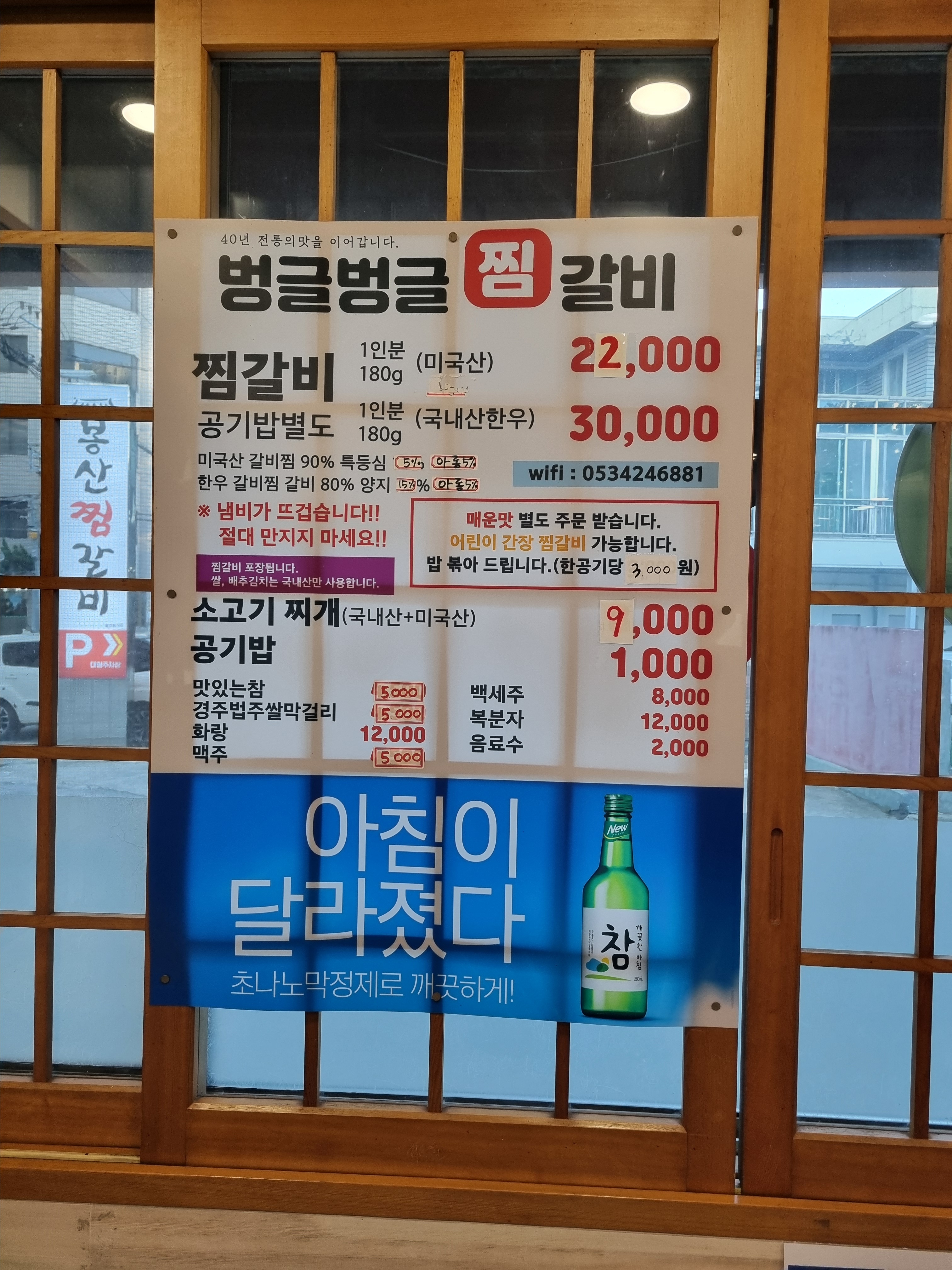
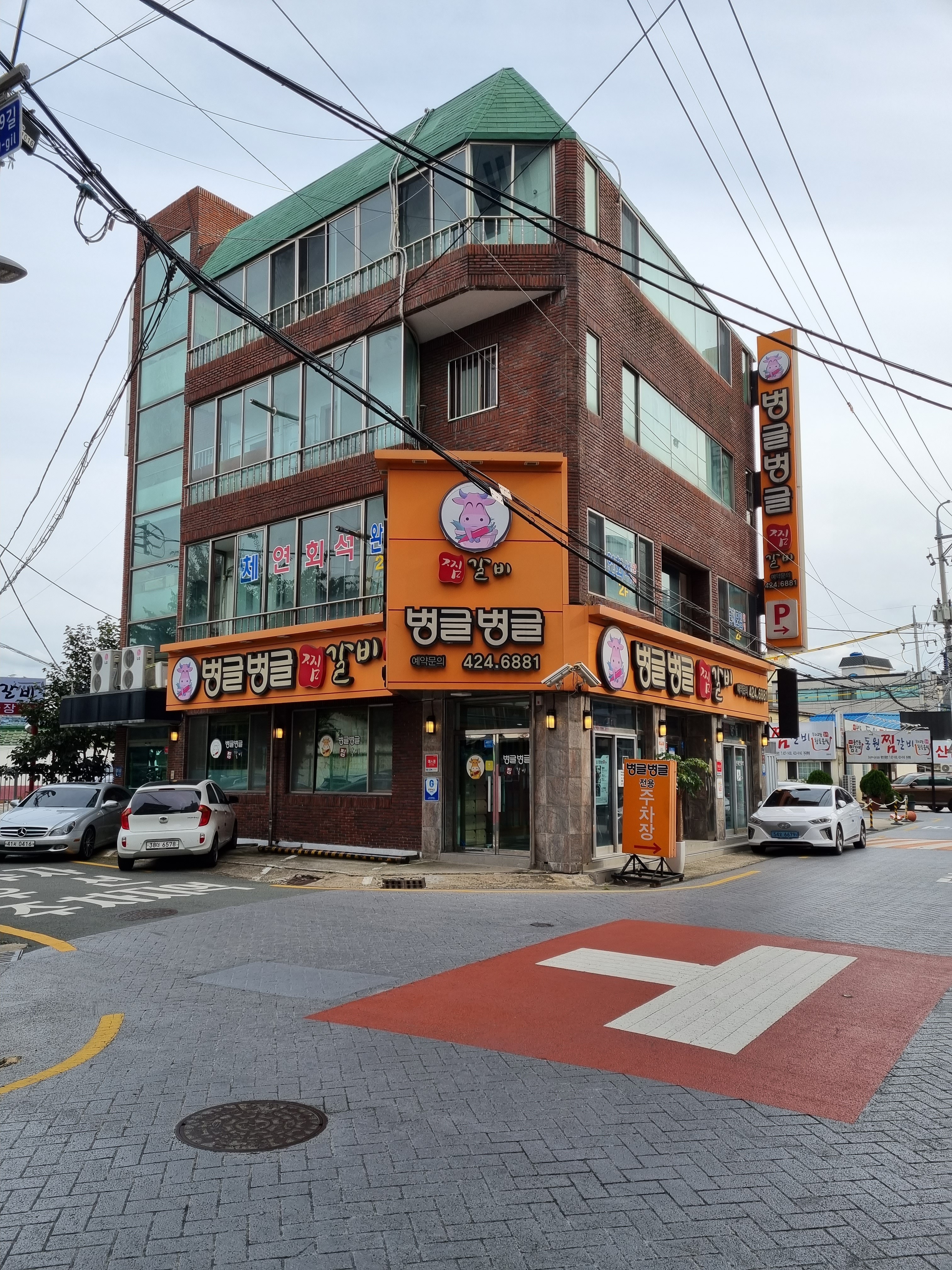
Next up, we have Dongin-dong Jjimgalbi. This isn't your grandma's sweet, soy-sauce-based galbi-jjim. Oh no. This is Daegu's signature spicy braised short ribs, cooked in a potent, fiery sauce of gochugaru, garlic, and other secret ingredients. It's served bubbling hot in a metal pot, with the meat so tender it falls right off the bone. The aroma alone is enough to get your mouth watering (and maybe your nose running!).
The dish gets its name from Dongin-dong (동인동), an area in Daegu famous for this specific style of Jjimgalbi. There's an entire alley dedicated to it! A popular spot is Beonglebeongle Jjimgalbi (벙글벙글찜갈비), a long-standing institution known for its incredibly tender ribs and perfectly balanced (yet intensely spicy) sauce. It's a favorite among locals and has been on countless TV programs showcasing regional specialties.
- What to Order: "Maeun Jjimgalbi" (매운 찜갈비) for spicy, or "Ganjang Jjimgalbi" (간장 찜갈비) for a non-spicy soy sauce version (but seriously, go for the spicy!).
- How to Eat: Pick up a piece of meat, dip it in the sauce, and eat with rice. Don't forget to mix rice directly into the leftover sauce at the end for "bokkeumbap" (fried rice style) – it's divine!
- Price Range: Around ₩15,000-₩25,000 per person.
- Best Time to Visit: Lunch or dinner. Great for groups.
- Getting There: Take Daegu Subway Line 1 to Chilseong Market Station (칠성시장역) or Daegu Station (대구역). Dongin-dong is a pleasant walk or short taxi ride from there.
3. Nạpjak Mandu (납작만두): The Simple, Savory Flat Dumpling
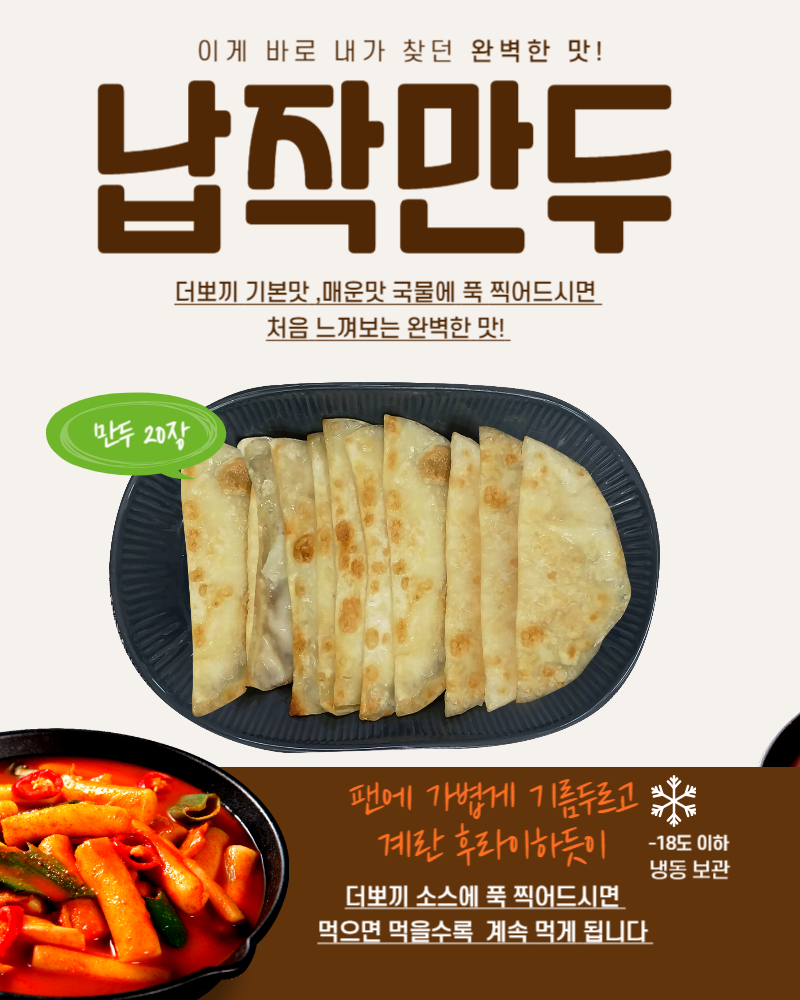
After all that heat, you might need something a little milder but no less satisfying. Enter Nạpjak Mandu, Daegu's famous flat dumplings. These aren't your typical plump, filling-packed mandu. Nạpjak Mandu are thin, chewy, and lightly filled with glass noodles and a hint of vegetables. They're pan-fried until slightly crispy, then served with a special soy-vinegar dipping sauce, often garnished with green onions and a sprinkle of gochugaru.
What makes them special is their simplicity and texture. They're usually eaten as a side dish to balance out spicier meals or as a light snack. You'll find them almost everywhere, from street food stalls to dedicated restaurants. Miseongdang Napjak Mandu (미성당 납작만두) is one of the most famous and oldest establishments, a must-visit for this iconic snack.
- What to Order: Just "Napjak Mandu" (납작만두). You can also get it with Tteokbokki for a fantastic combo!
- How to Eat: Dip them in the accompanying sauce. The chewiness is key!
- Price Range: Very affordable, usually ₩3,000-₩5,000 per plate.
- Best Time to Visit: Any time of day for a snack or side.
- Getting There: Miseongdang has several branches, including one near Dongseongno (동성로), Daegu's bustling downtown.
4. Ttaro Gukbap (따로국밥): A Hearty Bowl of History
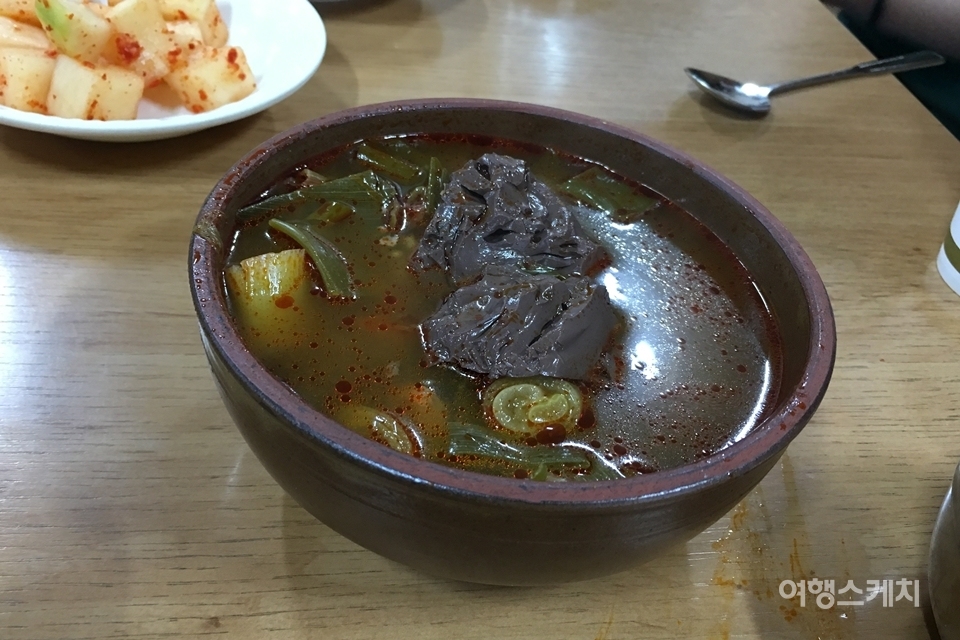
Finally, let's talk about Ttaro Gukbap. This hearty beef soup, served with rice on the side (따로, ttaro, means "separately"), is another Daegu staple. It's a spicy, deep red broth filled with tender beef, bean sprouts, and taro stems, all simmered to create a profoundly comforting and flavorful experience. It’s the perfect antidote to a cold day or, let’s be real, a hangover!
The history of Ttaro Gukbap is fascinating, with roots going back to the Korean War when people needed nourishing, readily available food. It's a dish that truly reflects Daegu's resilient spirit. You can find excellent Ttaro Gukbap at various traditional restaurants around the city, many of which have been passed down through generations.
- What to Order: Simply "Ttaro Gukbap" (따로국밥).
- How to Eat: You can either add the rice directly into the soup or eat it separately, spoonful by spoonful, dipping it into the broth. Enjoy with kimchi and kkakdugi (radish kimchi).
- Price Range: Around ₩8,000-₩10,000 per bowl.
- Best Time to Visit: Lunch, dinner, or even late-night as a hearty pick-me-up.
Beyond the Plate: Daegu's Foodie Hubs and Markets
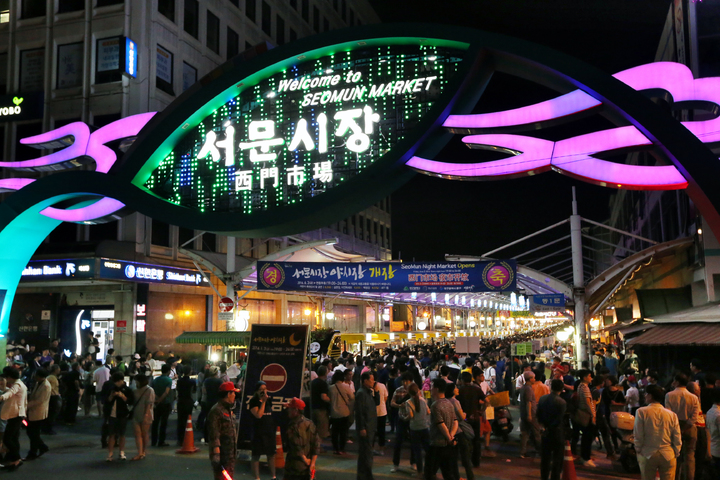
Eating in Daegu isn't just about the restaurants; it's about the vibrant atmosphere of its culinary districts. Here's where to find the action:
Seomun Market (서문시장): A Feast for All Senses
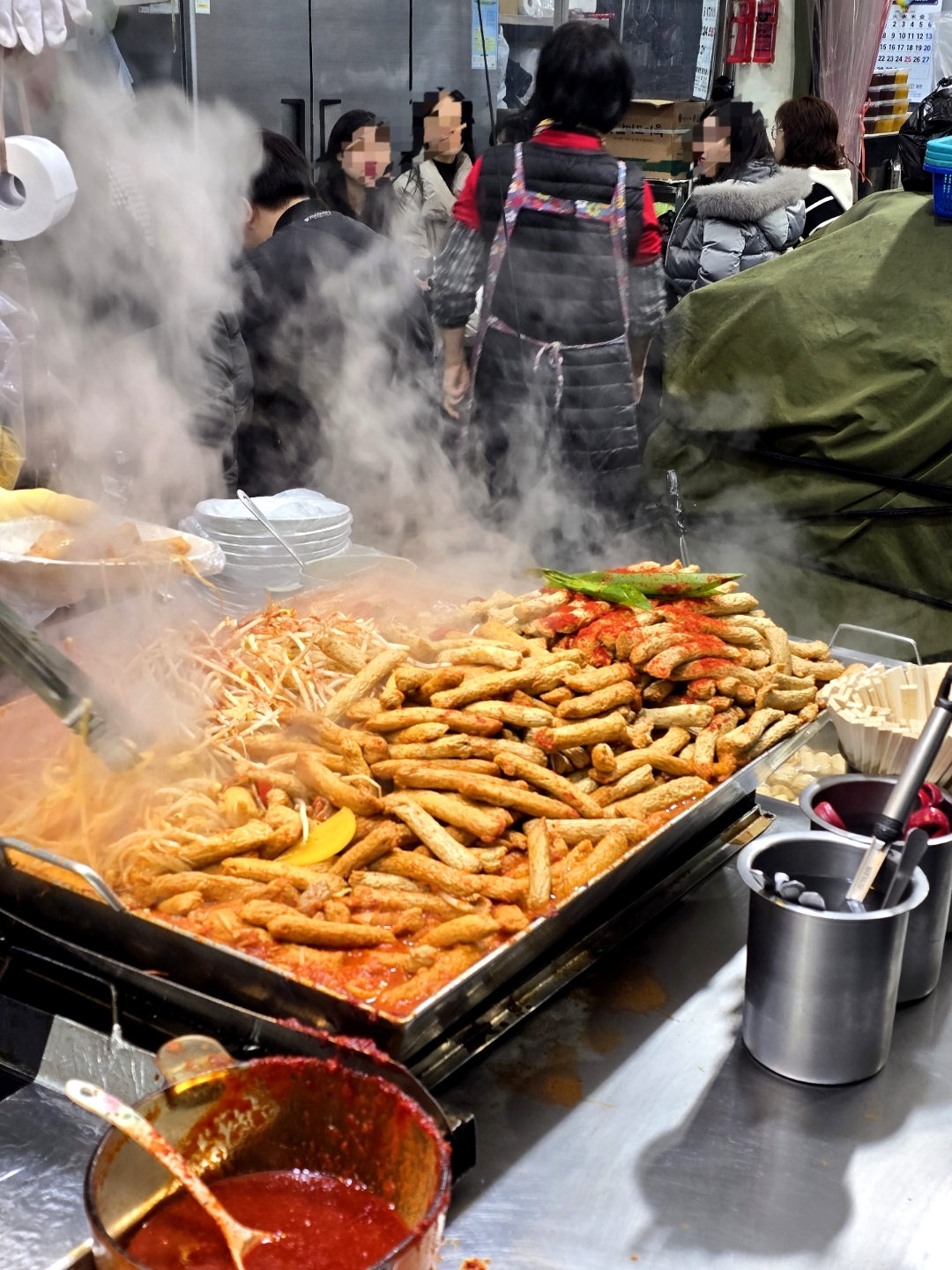
No trip to Daegu is complete without a visit to Seomun Market, one of Korea's largest traditional markets. It’s a sensory overload in the best way possible! While it’s not specific to one dish, you'll find an incredible array of street food here, including fantastic Nạpjak Mandu, Eomuk (fish cakes), Tteokbokki, and countless other delights. The best part? The night market (야시장) is legendary, with food stalls offering unique fusion dishes alongside traditional favorites. It's lively, affordable, and incredibly fun. You might even catch a glimpse of some local performances! Many of the stalls here have been featured on shows like Yuksi Naegohyang for their authentic local flavors.
- What to Find: Everything from Nạpjak Mandu, Bungeoppang (fish-shaped pastries), Eomuk, to various grilled meats and creative street eats.
- Price Range: Very budget-friendly, individual items usually ₩2,000-₩7,000.
- Best Time to Visit: For the full experience, go in the evening for the night market (check operating hours, usually Fri-Sun).
- Getting There: Take Daegu Subway Line 2 or 3 to Seomun Market Station (서문시장역).
Practical Tips for Your Daegu Food Journey

Ready to embark on your Daegu culinary adventure? Here are a few insider tips to make your trip smooth and delicious:
- Getting There: Daegu is easily accessible by KTX train from Seoul (about 1.5-2 hours) or Busan (about 45 minutes). You can also fly into Daegu International Airport.
- Spice Tolerance: If you're sensitive to spice, don't be afraid to ask for "덜 맵게 해주세요" (deol maepge hae juseyo - "please make it less spicy"). But honestly, I encourage you to brave the authentic heat!
- Hydration is Key: You'll likely be reaching for water or, even better, icy soju or local rice wine (막걸리, makgeolli) to cool down. It's part of the experience!
- Explore on Foot: Many of Daegu's food alleys and markets are best explored by walking. Wear comfortable shoes!
- Local Etiquette: Don't be shy! Koreans love to share their food culture. If you're unsure how to eat something, politely ask or observe those around you.
Daegu is more than just a transit city or a K-pop idol's hometown; it's a vibrant cultural hub with a food scene that's truly one-of-a-kind. Its bold, spicy flavors and hearty specialties offer an authentic taste of Korea that you won't easily forget. So, pack your bags, prepare your taste buds, and get ready to experience the fiery charm of Daegu! You'll be telling all your friends about this hidden gem, trust me.
💡 AI Travel Tip
To really maximize your Daegu food adventure, leverage AI tools for personalized recommendations and logistics!
- Finding Hidden Gems: Ask AI to search for "local Daegu restaurants featured on Korean TV shows (like Saengsaeng Jeongbotong or Yuksi Naegohyang) that serve [specific dish, e.g., Ttaro Gukbap] with high ratings from Koreans."
- Dietary Needs & Alternatives: If you have dietary restrictions, try "Plan a Daegu food itinerary for vegetarians focusing on local specialties, including alternatives for Makchang and Jjimgalbi."
- Optimizing Your Route: Use prompts like "Create a walking tour itinerary for Daegu's Anjirang Gopchang Alley and Seomun Market, including estimated travel times between each, opening hours, and top-rated restaurants."
- Understanding Local Menus: If you're nervous about ordering, you can even upload a picture of a Korean menu to an AI image recognition tool and ask it to "Translate this Daegu restaurant menu and highlight the most popular dishes."
Prompt example: "Recommend 3 authentic Dongin-dong Jjimgalbi restaurants in Daegu, known for their spicy flavor, that have been featured on Saengsong Today or Saengsaeng Jeongbotong. Include their approximate price range and the best way to get there from Daegu Station."