Korean Mountain Hiking Food: Trail Snacks and Summit Cafe Culture
Ever dreamed of trekking through stunning Korean mountains, breathing in that fresh, crisp air, and then, BAM! hitting a cafe at the very summit for a hot bowl of ramyeon or a refreshing cup of coffee? Or maybe you've seen those gorgeous shots of K-drama leads picnicking on a mountain trail with colorful kimbap? You might think hiking is just about the workout, but in Korea, it's a full-on culinary adventure, trust me!
Koreans LOVE hiking. It’s not just a hobby; it’s a lifestyle. And a huge part of that lifestyle is the incredible food experience that comes with it, both on the trail and off. Forget granola bars and sad sandwiches. We’re talking about gourmet trail snacks, unexpected summit feasts, and legendary post-hike banquets that you absolutely CANNOT miss. If you're planning your first (or next!) trip to Korea and want to dive deeper than just city sightseeing, getting a taste of Korea's mountain food culture is a must. You're going to love this!
Get Ready to Fuel Your Adventure: Korean Hiking Food is a Whole Vibe
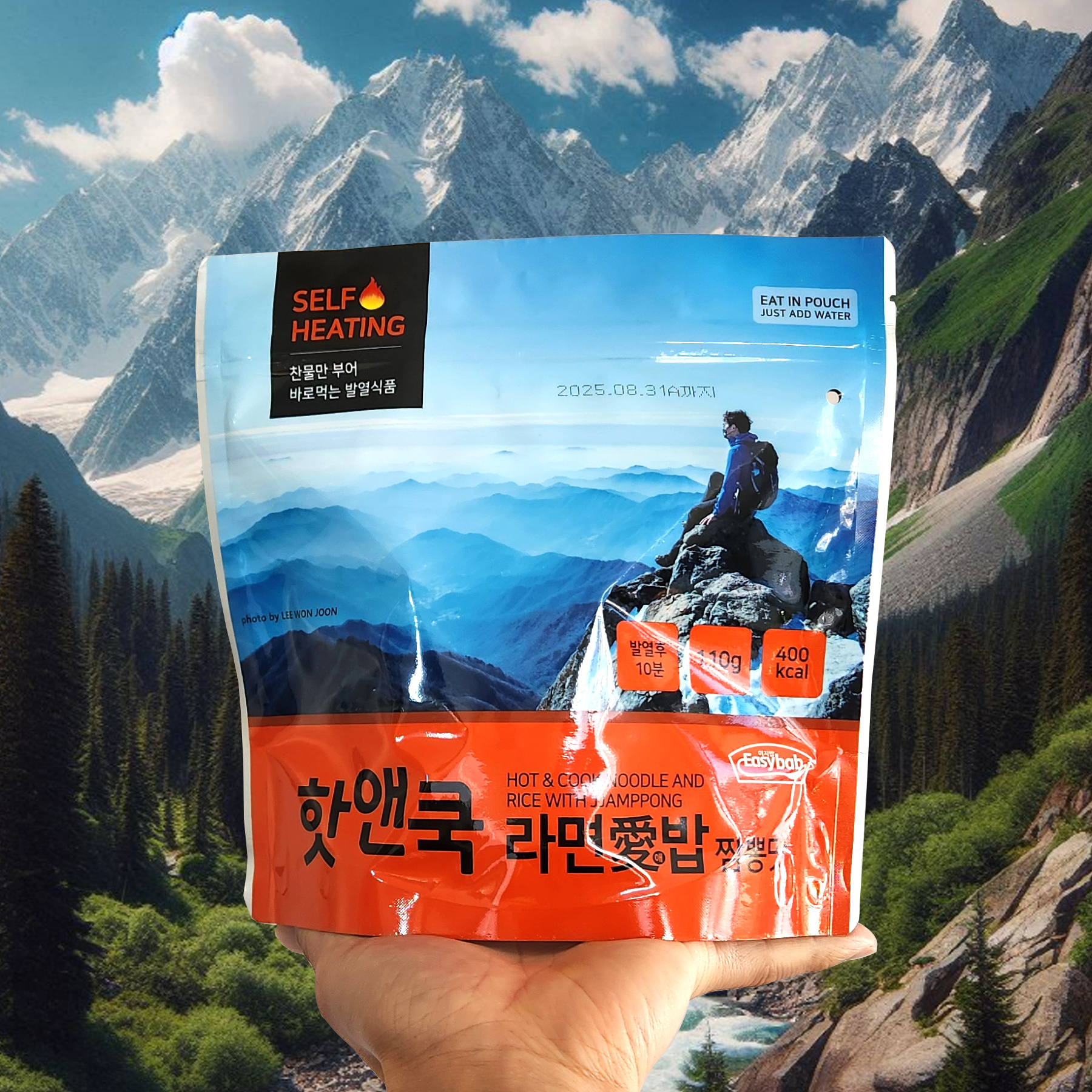
When K-drama characters are scaling mountains (hello, Jirisan!), they're not just doing it for the views. There's a whole delicious world waiting for them! Hiking in Korea is a multi-sensory experience. It’s about challenging yourself, connecting with nature, and, most importantly, indulging in seriously good food. From the moment you pack your bag to the last celebratory bite after your descent, food is intertwined with every step of the journey.
Here's the thing: Korean hiking culture isn't just about reaching the peak. It's about the camaraderie, the shared effort, and the incredible reward that comes in the form of delicious sustenance. Whether it’s a meticulously prepared home-packed meal or a surprising restaurant find at the trailhead, the food makes the achievement so much sweeter. So, let’s explore what makes Korean mountain food so special!
Trailblazing Treats: Your Essential Korean Hiking Snacks
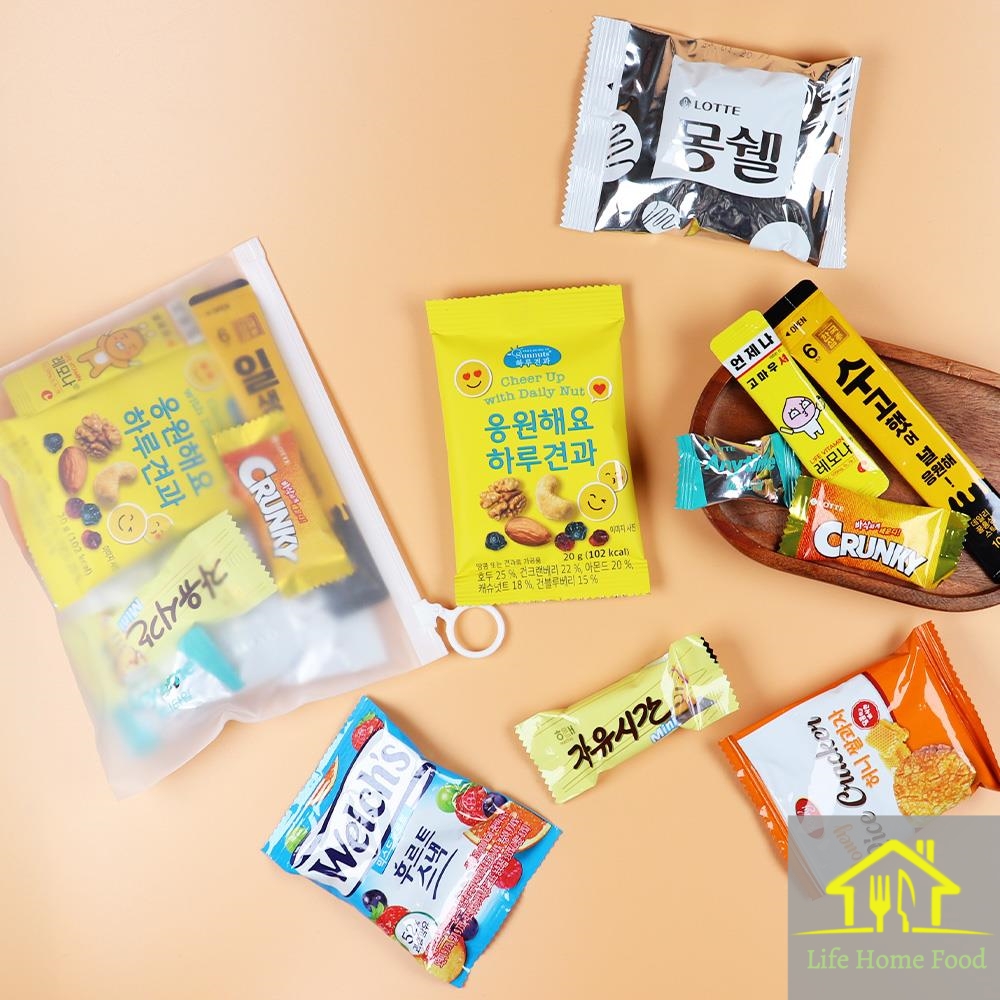
First up, what do real Koreans pack in their backpacks? It’s not just about energy; it’s about flavor, convenience, and a little bit of comfort. You’ll see everyone from seasoned pros to first-timers munching on these iconic snacks:
- Kimbap (김밥): The undisputed king of Korean trail food! These seaweed rice rolls are incredibly versatile. You’ll find classic versions with ham, egg, pickled radish, and spinach, or fancier ones with bulgogi, tuna, or cheese. They're easy to eat on the go, packed with carbs for energy, and super satisfying. Plus, they look so good in photos!
- Gyeran (계란): Hard-boiled eggs. Simple, but effective! They're a fantastic source of protein, easy to peel, and don’t take up much space. Sometimes, people will even bring smoked or "maekbanseok" eggs, which have a richer flavor.
- Tteok (떡): Chewy rice cakes! While you might think of spicy tteokbokki, for hiking, Koreans often bring plain steamed tteok or sweet varieties like
- Fruits: Apples, mandarins, and small tomatoes are super popular. They're hydrating, refreshing, and full of natural sugars to keep you going. Think of biting into a crisp apple with a panoramic mountain view – pure bliss!
- Jeon (전) or Pajeon (파전): Yes, really! While more commonly associated with post-hike meals, some dedicated hikers will pack small portions of savory pancakes like Kimchi Jeon or even a mini Pajeon. It’s a bit unconventional for a trail snack, but it’s a truly authentic Korean touch if you're feeling adventurous.
- Nut & Dried Fruit Mix: A universal hiking snack, but often Koreans will have specific local dried fruits or nuts mixed in for a uniquely Korean twist.
The beauty of these snacks is that they’re not just practical; they’re delicious and make your break times feel like a mini-picnic. Seriously, sharing kimbap with friends at a scenic overlook? That’s peak Korea!
The Ultimate Reward: Summit Cafes (정상 카페) and Mountaintop Magic

This is where things get really unique and exciting! Imagine reaching the summit, utterly exhausted but triumphant, and then spotting… a cafe! It’s not a mirage, folks. Many popular Korean mountains, especially those easily accessible from major cities like Seoul, boast summit cafes or small kiosks where you can refuel.
What can you expect? Forget fancy espresso machines; we’re talking about hearty, soul-warming essentials:
- Instant Ramyeon (컵라면): This is the GOAT of summit food. There's something magical about slurping down hot, spicy ramyeon with a breathtaking view after a grueling climb. The warmth, the saltiness, the pure satisfaction – it's an experience everyone has to try. You’ll often find basic instant ramyeon cups, hot water, and sometimes even optional add-ins like eggs or kimchi.
- Hot Coffee/Tea: A lifesaver on a chilly morning hike or a refreshing pick-me-up on a sunny afternoon.
- Makgeolli (막걸리): This traditional Korean rice wine, often served in a plastic bowl, is a popular celebratory drink at the summit. It’s fizzy, slightly sweet, and surprisingly refreshing. Just be careful on your descent after a few bowls!
- Small Snacks: Sometimes you’ll find simple packaged snacks, energy drinks, or even hot dogs.
One of the most famous spots for this experience is Bukhansan National Park, right on Seoul's doorstep. While not every peak has a full-blown cafe, many popular trails have small rest stops selling ramyeon and drinks. Another great example is Gwanaksan Mountain, easily accessible from southern Seoul, where you can find small kiosks near the temples or rest areas offering similar treats. The prices might be a little higher than down in the city (it's hard to transport supplies up a mountain, after all!), but the experience? Spoiler: totally worth it!
Here's a quick comparison of what you might pack vs. what you can buy:
| Trail Snacks (Packed) | Summit Cafe Treats (Purchased) |
|---|---|
| Kimbap (김밥) | Instant Ramyeon (컵라면) |
| Hard-boiled Eggs (계란) | Hot Coffee/Tea |
| Tteok (떡) | Makgeolli (막걸리) |
| Fruits (과일) | Bottled Water/Energy Drinks |
| Home-made Sandwiches | Pre-packaged Snacks |
Feast After the Trek: Unwinding with Post-Hike Delights
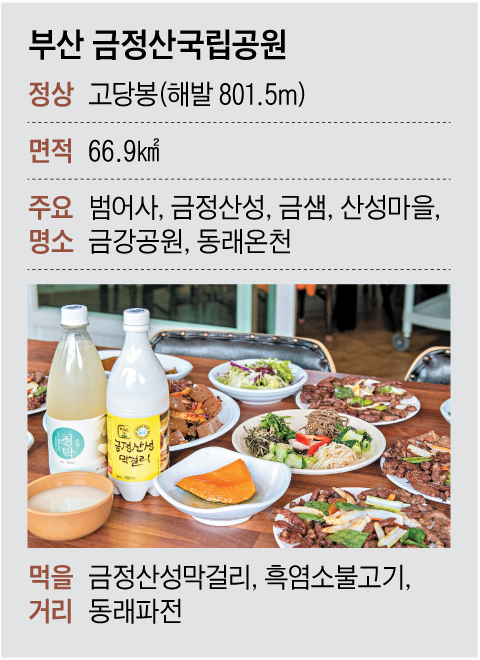
Okay, you've conquered the mountain, enjoyed a ramen on top, and now your stomach is rumbling for a proper feast. This, my friends, is another highlight of Korean hiking culture! The areas around popular trailheads are absolutely brimming with restaurants specializing in "husan eumshik" (하산 음식), or "descent food." These are hearty, flavorful dishes designed to replenish your energy and celebrate your accomplishment.
What should you look for? Prepare for some serious comfort food!
- Jeon (전) and Makgeolli (막걸리): This is THE classic combo. After a long hike, there's nothing better than a crispy, savory pancake like Haemul Pajeon (seafood and green onion pancake) or Kimchi Jeon, washed down with a refreshing bowl of Makgeolli. The sound of rain often makes this combo even better, giving you that quintessential K-drama vibe! Many of these restaurants are celebrated on shows like
for their authentic flavors. - Dubu Kimchi (두부김치): Steamed tofu served with stir-fried kimchi and sometimes pork. It’s a healthy, protein-packed, and incredibly satisfying dish that pairs perfectly with Makgeolli.
- Dotorimuk (도토리묵): Acorn jelly salad. This might sound unusual, but it’s a refreshing, chewy, and savory salad often served with a soy sauce-based dressing and lots of fresh vegetables. It's light yet fulfilling.
- Spicy Stir-fries (볶음): Dishes like Jejukbokkeum (spicy stir-fried pork) or Dakgalbi (spicy stir-fried chicken) are incredibly popular. They're packed with flavor, a bit spicy, and perfect for sharing with your hiking buddies.
- Samgyetang (삼계탕) or Dakbaeksuk (닭백숙): For those really looking to restore their energy, a whole chicken soup cooked with ginseng, jujubes, and sticky rice is the ultimate restorative meal. These are often featured on
for their health benefits and delicious taste!
Jangsu Bapsang (장수밥상) near Bukhansan
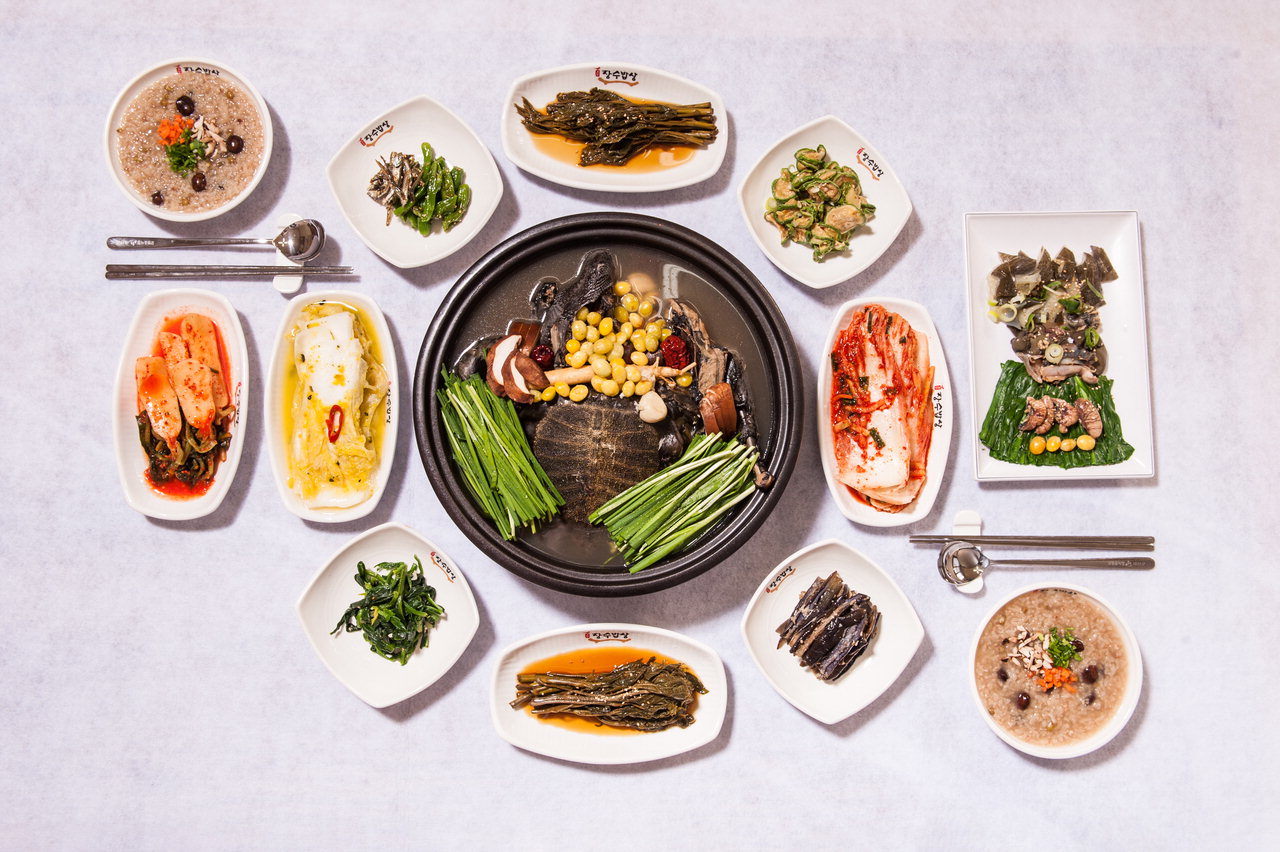
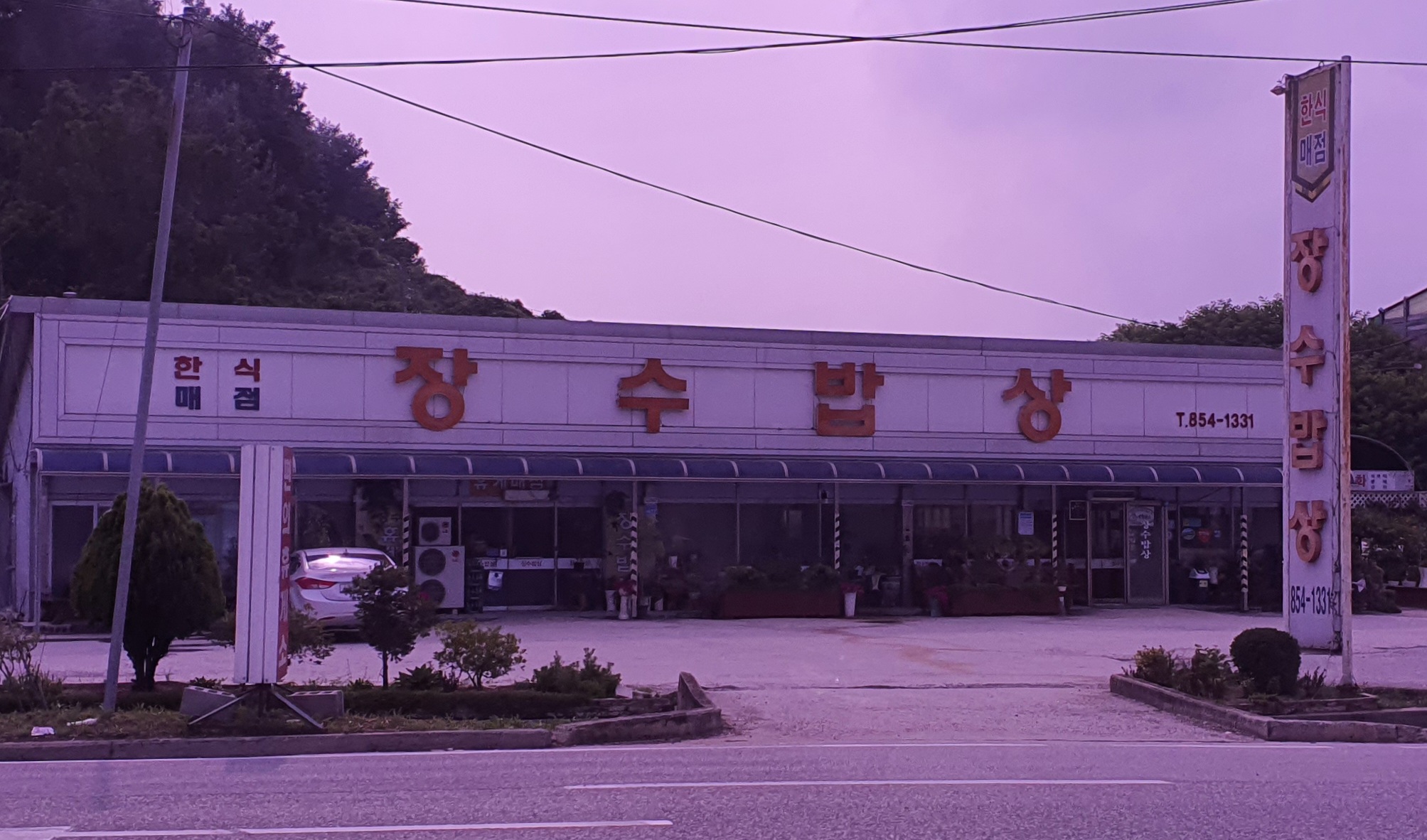
If you're hiking Bukhansan, you'll find a ton of amazing spots. One personal favorite is
- Getting there: Take the Ui-Sinseol Light Rail to Bukhansan Ui Station (북한산우이역), exit 2. It’s a short walk from there towards the park entrance.
- What to order: Go for their "Jangsu Bapsang" set menu or the "Sanchaejeongsik" (mountain vegetable set meal).
- Price Range: Expect around ₩15,000 - ₩25,000 per person for a set meal.
- Best time to visit: Lunch or early dinner right after your hike, especially on weekends.
Gwanaksan Hof (관악산 호프) near Gwanaksan
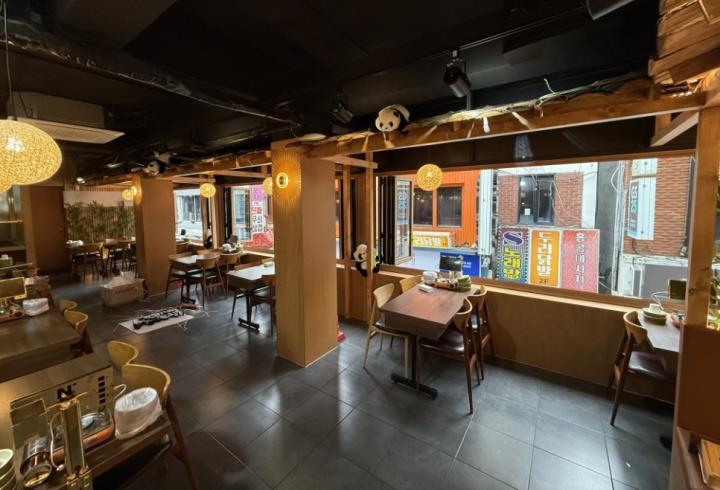
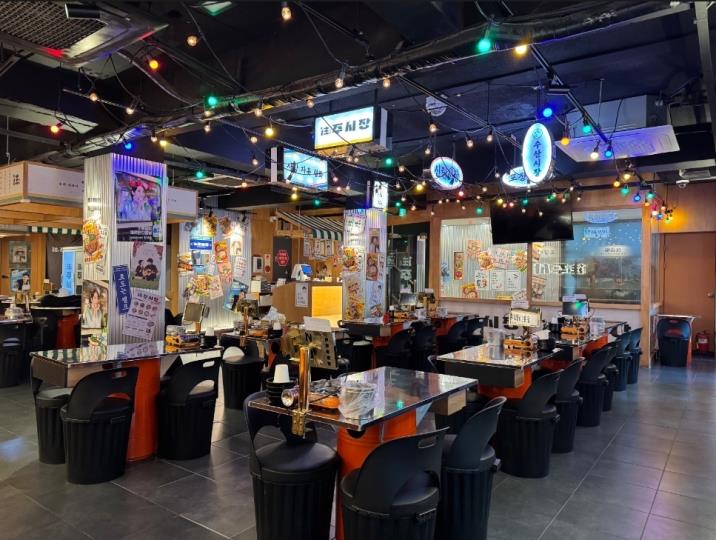
For those tackling Gwanaksan, the area around Seoul National University (SNU) Station is a treasure trove of post-hike eateries. While "Hof" generally means a beer hall, many "Gwanaksan Hof" style restaurants are casual spots perfect for that jeon and makgeolli combo. These places often have a lively, communal atmosphere where hikers share stories over food and drinks. You might not find one specific chain, but look for signs like "막걸리" (Makgeolli) or "파전" (Pajeon) around the Gwanaksan entrance near SNU. You can usually spot them by the groups of hikers relaxing outside. These are the kinds of local gems often recommended on
- Getting there: Take the subway to Seoul National University Station (서울대입구역), exit 3. From there, you can take a local bus (e.g., 5511, 5513) further towards the Gwanaksan park entrance, or simply walk towards the main street where many restaurants are located.
- What to order: Haemul Pajeon, Kimchi Jeon, Dubu Kimchi, and definitely a kettle of Makgeolli.
- Price Range: Jeon dishes are typically ₩15,000 - ₩25,000, Makgeolli ₩6,000 - ₩10,000.
- Best time to visit: Late afternoon to evening, after you’ve completed your hike.
Your Hiking & Food Adventure Planner: Pro Tips for Korea
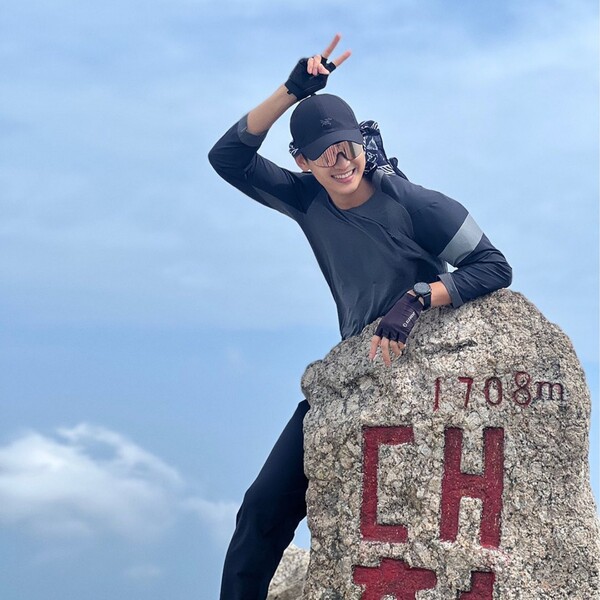
Ready to lace up your boots and dig in? Here are some insider tips to make your Korean mountain food journey epic:
- Dress the Part: Wear comfortable, layered clothing and proper hiking shoes. The weather can change quickly on mountains!
- Hydration is Key: Always carry plenty of water, especially if you're planning a longer hike. You can often refill at temples or rest stops.
- Cash is King (Sometimes): While many restaurants accept cards, smaller kiosks or summit cafes might prefer cash for quick transactions. It’s always good to have some won on hand.
- Embrace the Local Scene: Don't be shy! If you see a group of hikers enjoying something delicious, ask what it is. Koreans are usually very friendly and happy to share their recommendations.
- Pack Smart: If you're bringing your own snacks, choose items that won't spoil easily and are relatively mess-free. Pack out everything you pack in!
- Know Your Limits: Choose a trail that matches your fitness level. Korea has mountains for all abilities, from gentle strolls to challenging ascents.
- Public Transport is Your Friend: Most popular hiking spots are easily accessible by subway and bus from Seoul. Use apps like Naver Maps or Kakao Maps for the best routes.
Hiking in Korea is so much more than just a walk in the woods. It's a journey for your body, mind, and taste buds. From the energizing trail snacks to the satisfying summit treats and the celebratory post-hike meals, every bite tells a story. So, next time you're planning your trip, don't forget to add a mountain adventure to your itinerary. Your stomach (and your Instagram feed!) will thank you!
💡 AI Travel Tip
To really nail down your Korean hiking and food adventure, leverage AI tools for personalized recommendations and logistical planning. You can get real-time info and create detailed itineraries.
- For detailed trail and food recommendations:
Prompt example: "I'm planning a moderately challenging day hike near Seoul in October. I want to try popular Korean trail snacks, a summit cafe, and a delicious post-hike meal. Suggest 3 mountains, their best trails (with estimated duration), and specific food recommendations for each stage (trail, summit, post-hike). Include specific restaurant names if possible, and note any TV show mentions."
- For packing and preparation advice:
Prompt example: "Generate a packing list for a beginner hiker doing a 5-hour autumn hike on Bukhansan. Include specific Korean trail snack suggestions, essential gear, and tips for staying hydrated and comfortable. Also, recommend 3 easy-to-reach stores in Seoul where I can buy these items."
- For transport and timing:
Prompt example: "Plan a detailed itinerary for hiking Gwanaksan on a Saturday in spring. Include public transportation instructions from Myeongdong, recommended trail start times, estimated hiking duration, and suggestions for a post-hike restaurant experience near the trailhead (mentioning menu items and price range)."