Suwon Hwaseong Fortress: History and Local Food Complete Guide
Ever dreamed of stepping right into a historical K-drama set? You know, those stunning palaces, the ancient city walls, the intricate gates where pivotal scenes unfold? Well, what if I told you there’s a place just an hour from Seoul where you can literally walk through history, feel the echoes of royal intrigue, and then feast like a king (or queen!) on some truly legendary local eats? Prepare yourselves, because we’re talking about Suwon Hwaseong Fortress, a UNESCO World Heritage site that’s not just a backdrop, but a living, breathing story, and a paradise for foodies.
For K-drama aficionados and food explorers alike, Suwon isn't just a day trip; it’s an immersive experience that’ll make you feel like you’ve unlocked a secret level of Korea. Forget generic tourist traps; this is where you find the authentic charm and incredible flavors that Korean TV shows (like Saengsaeng Jeongbotong and Saengsong Today) rave about. Trust me, you're going to want to add this to your itinerary ASAP!
A Peek into the Past: King Jeongjo's Dream City
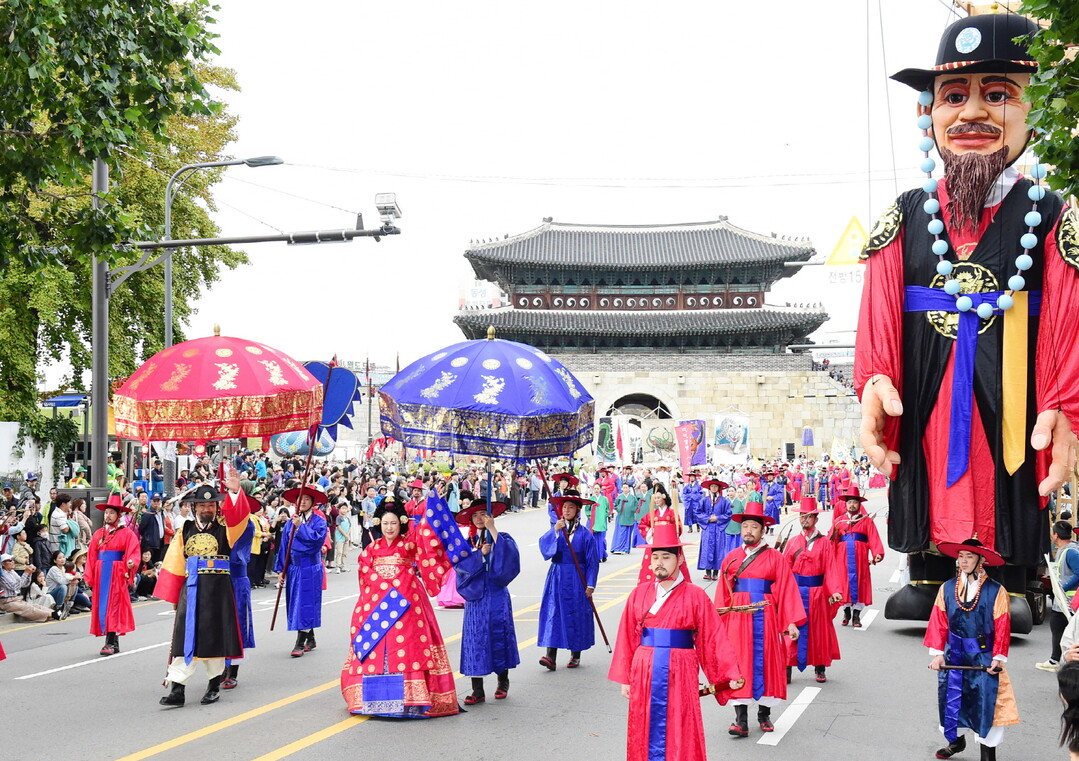
Here’s the thing: Suwon Hwaseong Fortress isn't just *any* old fortress. It’s a masterpiece of Joseon Dynasty architecture and urban planning, built between 1794 and 1796 by King Jeongjo, one of Korea’s most progressive and beloved monarchs. If you've watched historical dramas like *Yi San* or felt the pangs of a tragic royal story, you might already know about King Jeongjo. He built Suwon Hwaseong not just as a defensive structure, but as a new capital, a symbol of his power and his desire to bring his father, Crown Prince Sado (whose tragic story is often depicted in K-dramas), to a place of honor.
King Jeongjo was a true visionary. He incorporated cutting-edge technologies from both East and West (like the ingenious *geojunggi*, a type of crane designed by scholar Jeong Yak-yong, which you can see replicas of today) to build this massive fortress in a record two and a half years! This wasn't just about bricks and mortar; it was about love, legacy, and a bold vision for the future. Walking the walls, you can almost hear the whispers of the past, imagine scholars debating, and feel the spirit of a king determined to forge a new path. It's truly inspiring, and you'll find yourself marveling at the sheer ambition and engineering prowess of the Joseon era.
Exploring Suwon Hwaseong Fortress: What Not to Miss
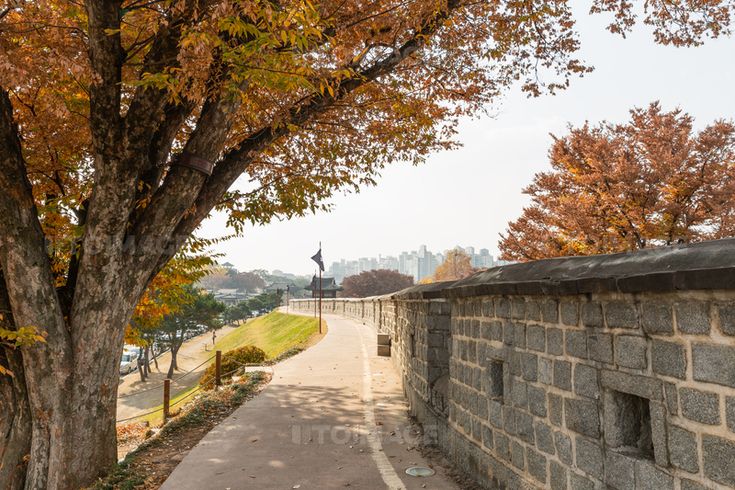
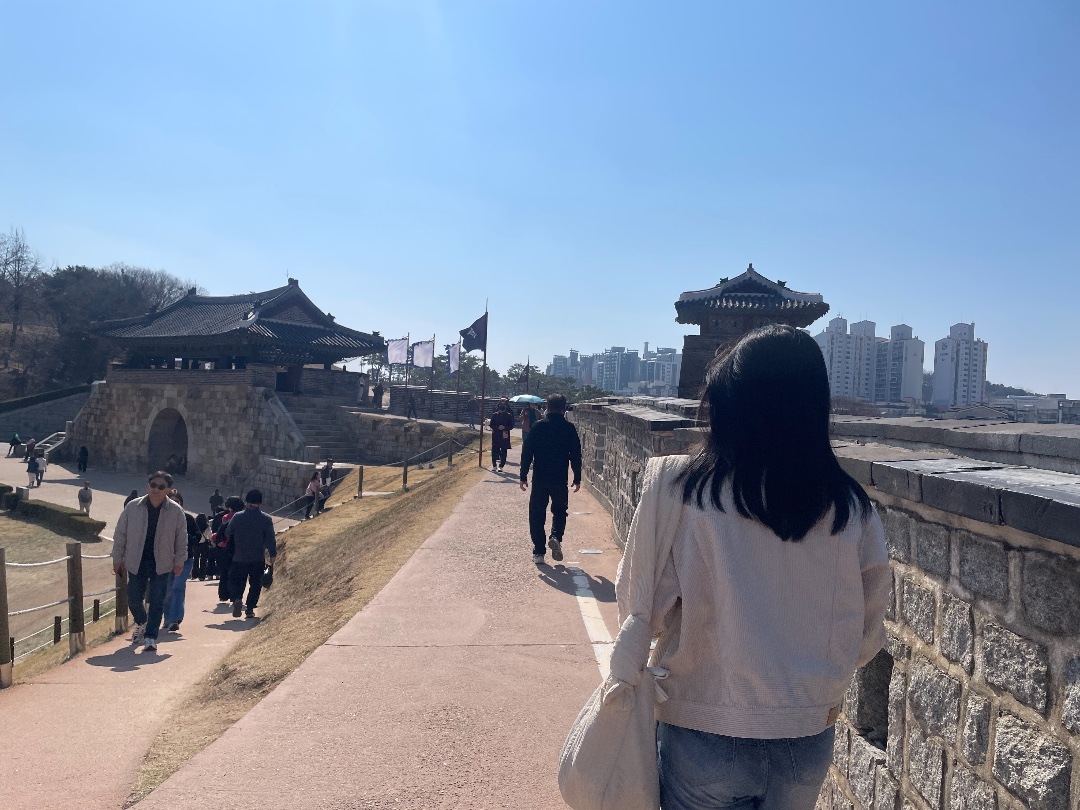
Alright, you’re here, you’re ready to explore! The fortress walls stretch for almost 6 kilometers (about 3.7 miles), enveloping the city center. You can walk the entire loop, which I highly recommend for the best views, or pick and choose key sections.
- The Four Gates: Don't miss the grand main gates – Janganmun (north), Paldalmun (south), Hwaseomun (west), and Changnyongmun (east). Each one is a work of art, and they mark the cardinal points of the fortress. Paldalmun is often bustling as it's near the traditional market, while Janganmun is the largest and most impressive.
- Hwaseong Haenggung Palace: Nestled inside the fortress walls, this was King Jeongjo's temporary palace, used when he visited Suwon for ancestral rites or to escape the political pressures of Seoul. It's beautiful and offers a more intimate glimpse into royal life. Think smaller, cozier Gyeongbokgung, perfect for an afternoon stroll. You might even catch a traditional performance here!
- Dongbuk Gongsimdon (Northeast Watchtower): This unique, cylindrical watchtower is a distinctive feature of Hwaseong. It's one of only two remaining in Korea and offers fantastic panoramic views. It’s definitely an architectural highlight!
- Archery Experience: Fancy yourself a Joseon warrior? At Dongjangdae (East Command Post), you can try traditional Korean archery. It’s super fun, surprisingly challenging, and makes for amazing photos. Spoiler: totally worth it!
- Flying Yeon (Traditional Kite): Near Changnyongmun, you can often see people flying traditional kites. Sometimes there are even classes or opportunities to buy one and try it yourself. It's a peaceful, traditional activity that’s a nice break from walking.
When to Visit? Day vs. Night, Season by Season
Honestly, Suwon Hwaseong is gorgeous any time, but here's my insider tip:
- Daytime: Perfect for walking the entire wall, exploring the palace, and enjoying the views. Spring (cherry blossoms!) and autumn (vibrant foliage!) are particularly stunning.
- Nighttime: The fortress is beautifully illuminated after sunset, creating a truly magical atmosphere. It's less crowded and makes for incredibly romantic walks and photos. If you're staying overnight in Suwon, definitely go back for the night view!
Beyond the History Books: Suwon's Legendary Local Flavors
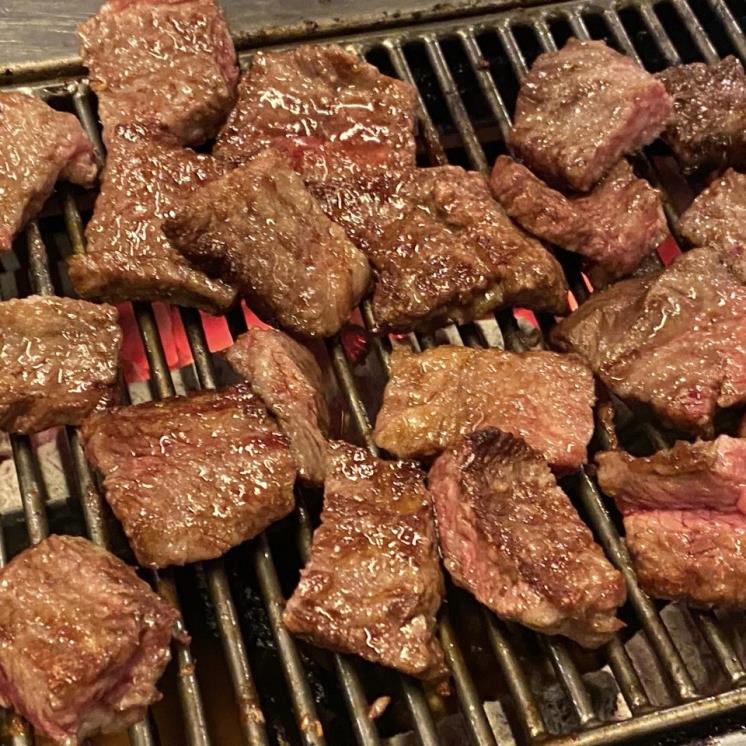
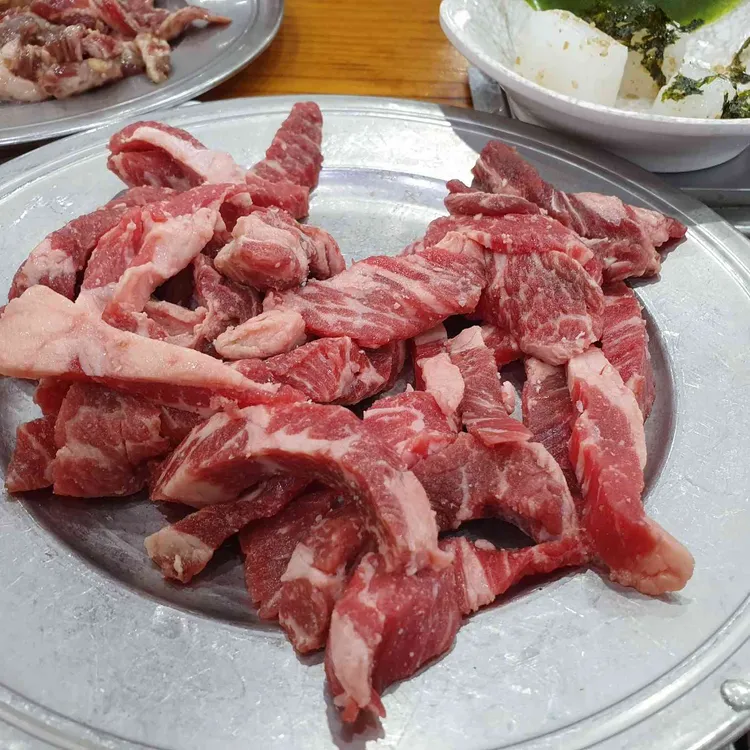
Okay, history lesson over! Let's talk about what truly sets Suwon apart in the culinary world: Suwon Galbi. If you haven't heard of it, prepare to have your mind (and taste buds) blown. Suwon isn't just famous for its fortress; it's practically synonymous with this incredible grilled beef short rib.
Here's the thing about Suwon Galbi: it’s not just any galbi. It’s known for its generous, thick cuts of meat, often served with a unique, subtle marinade (or perfectly unmarinated, depending on your preference) that lets the quality of the beef shine. It’s a bit of a splurge, but trust me, it’s an experience you absolutely can’t miss. Many K-drama stars and celebrities make special trips to Suwon just for this! And yes, these restaurants are often featured on shows like Saengsaeng Jeongbotong and Yuksi Naegohyang for good reason!
가보정 (Gabojeong): The Suwon Galbi Legend


If you ask any Korean where to get the best Suwon Galbi, nine times out of ten, they’ll say Gabojeong. This place is an institution! It's sprawling, multi-story, and always bustling, a testament to its popularity. It's been featured on countless TV shows and is a favorite among locals and tourists alike.
- What to Order: You have to try both the Saeng Galbi (unmarinated beef short ribs) and the Yangnyeom Galbi (marinated beef short ribs). The saeng galbi truly lets you appreciate the quality and freshness of the meat, while the yangnyeom galbi offers that classic, sweet-savory Korean BBQ flavor. They're typically huge cuts, grilled right at your table by the attentive staff.
- The Sides: Prepare for a feast! Gabojeong is famous for its incredible array of *banchan* (side dishes), often including unique ones like *Ganjang Gejang* (marinated raw crab – a polarizing but beloved dish!). Don't be shy; try everything!
- Price Range: Expect to pay a bit more for quality galbi. A meal here usually runs around ₩40,000–₩70,000 per person, depending on how much you eat. It’s a special occasion kind of meal, but you're getting top-tier beef and an unforgettable experience.
Another Local Gem: Juksun Bokkeum (Bamboo Shoot Stir-fry)
While galbi is king, Suwon also has other local specialties. One that’s a bit lesser-known but equally delicious is Juksun Bokkeum, a savory stir-fry featuring tender bamboo shoots. It's a refreshing contrast to the richness of the galbi and a great way to experience a different side of Suwon’s culinary scene. You can find this dish at some traditional Korean restaurants around the fortress area or in the bustling Ji-dong Market near Paldalmun.
Haenggung-dong Cafe Street: For Your Caffeine Fix
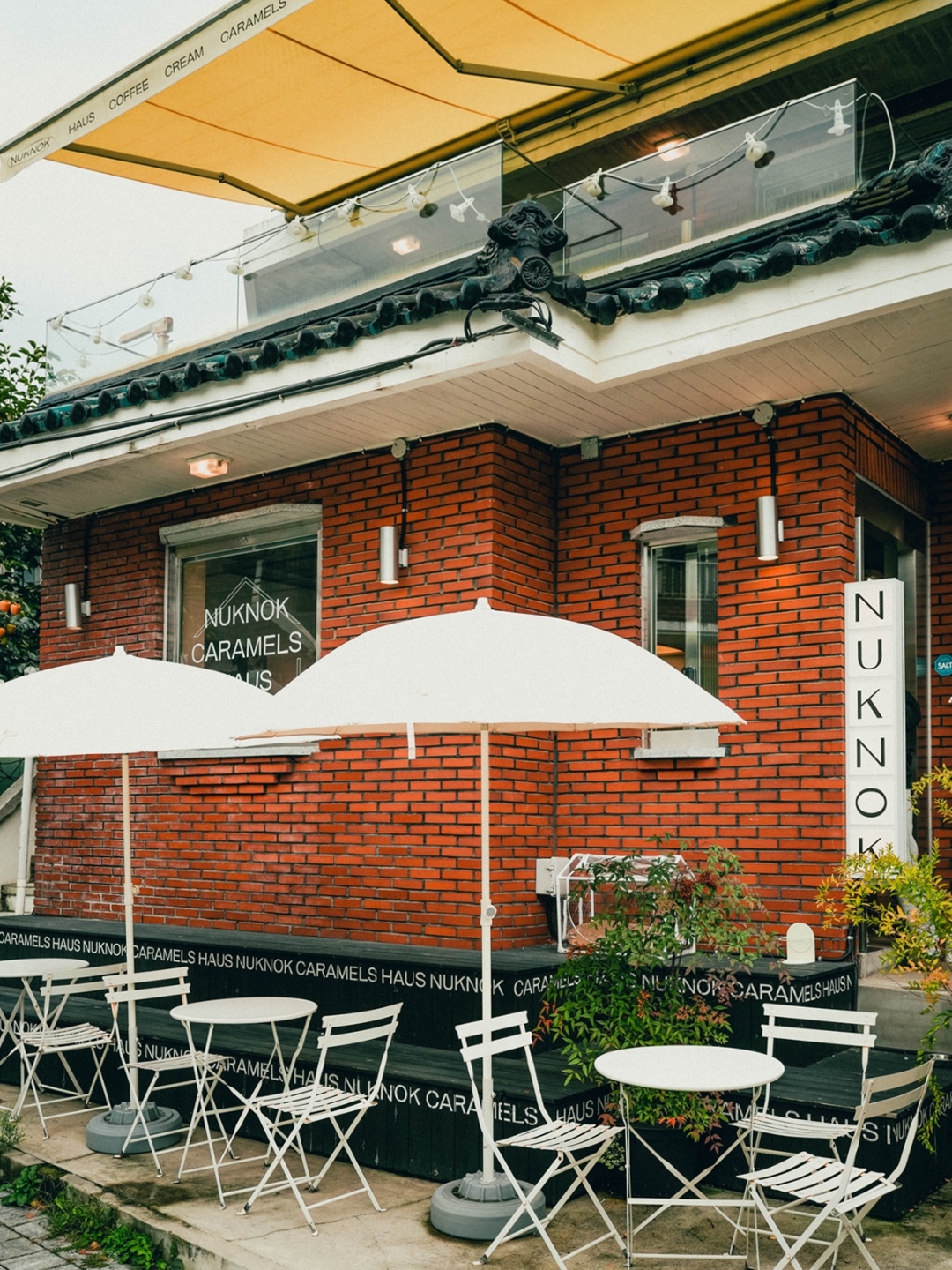
After all that walking and feasting, you’ll probably need a pick-me-up! Just outside Hwaseong Haenggung Palace, you'll find Haenggung-dong Cafe Street. This charming area is packed with trendy cafes, many housed in beautifully renovated traditional Korean buildings. It’s the perfect spot to relax, grab a delicious coffee or a unique dessert, and soak in the youthful, artsy vibe. It’s a great blend of old and new, and definitely worth a wander.
Getting There & Getting Around
Getting to Suwon from Seoul is super easy, making it an ideal day trip!
| Mode of Transport (Seoul to Suwon) | Approx. Time | Approx. Cost | Notes |
|---|---|---|---|
| Subway (Line 1) | 60-80 mins | ₩2,000-₩3,000 | Direct, cheapest. Get off at Suwon Station. |
| Bus (e.g., Express Bus) | 40-60 mins | ₩2,500-₩3,500 | Can be faster if traffic is light. Several routes from Gangnam, Sadang, Jamsil. |
| KTX (High-Speed Train) | 30 mins | ₩8,400+ | Fastest, but not many direct KTX lines from Seoul Station; check schedule. Get off at Suwon Station. |
Once you’re at Suwon Station:
- Local Bus: Plenty of local buses (e.g., 11, 13, 13-4, 36) will take you directly to Paldalmun, Hwaseong Haenggung, or other fortress gates in about 10-15 minutes.
- Walking: Paldalmun (the south gate) is about a 20-25 minute walk from Suwon Station. It’s a pleasant walk if you're up for it.
- City Tour Bus: A convenient option if you want to see all the highlights without much planning. It stops at all major fortress attractions.
- Bike Rental: You can rent bikes near the fortress gates, which is a fantastic way to explore the wall path, especially if you want to cover more ground quickly.
Practical Tips for Your Suwon Adventure

- Comfy Shoes Are Key: You’ll be doing a lot of walking, especially if you plan to conquer the entire fortress wall!
- Hydrate: Bring water, especially on warmer days. There are convenience stores and cafes around, but it’s good to have some on hand.
- Combine Palace & Fortress: Your entrance ticket to Hwaseong Haenggung Palace is separate from the fortress wall, but it’s definitely worth visiting both.
- Night Views: As mentioned, don’t miss the illuminated fortress at night if your schedule allows! It’s a different, magical experience.
- Souvenirs: Look out for traditional crafts, miniature fortress replicas, or local food items (like Suwon galbi *jjim* – braised ribs – kits) at shops around the fortress.
So, what do you say? Ready to trade your screen for a real-life K-drama adventure in Suwon? From ancient history to legendary eats, it’s got everything a true KoreaSpots fan could ask for. You’re going to love this historical gem!
💡 AI Travel Tip
Planning your Suwon trip can be even easier with a little AI help! Use these prompts to get specific information and customize your itinerary.
- To compare travel times and costs for different transportation methods to Suwon:
- To find more specific food recommendations based on your preferences:
- To get a detailed walking itinerary for exploring the fortress:
Prompt example: "Compare travel time and cost from Seoul Station to Suwon Station via subway, bus, and KTX, including any transfers."
Prompt example: "I'm visiting Suwon Hwaseong Fortress and I'm looking for a vegetarian restaurant near Hwaseong Haenggung Palace. Can you suggest some options that have been featured on Saengsong Today or Yuksi Naegohyang?"
Prompt example: "Create a detailed 4-hour walking itinerary for Suwon Hwaseong Fortress that includes the main gates, Hwaseong Haenggung, and a good spot for traditional archery. Include estimated walking times between each point."