Best Mulnaengmyeon (Broth Cold Noodles) Verified by Korean TV Shows
Picture this: You’ve just spent the entire morning exploring the bustling streets of Seoul, maybe soaking in the history at Gyeongbokgung Palace or finding your favorite K-pop idols' handprints in Gangnam. The sun is beating down, and you're starting to feel that unique Korean summer heat – the kind that makes you crave something icy, refreshing, and utterly delicious. What's the perfect remedy that every Korean local, from grandmas to K-idols, turns to?
Trust me, it's Mulnaengmyeon (물냉면), or broth cold noodles. And today, we're diving deep into the absolute best spots, verified by none other than Korea's most trusted food shows like Saengsaeng Jeongbotong, Saengsong Today, and Yuksi Naegohyang!
What Exactly is Mulnaengmyeon, Anyway?
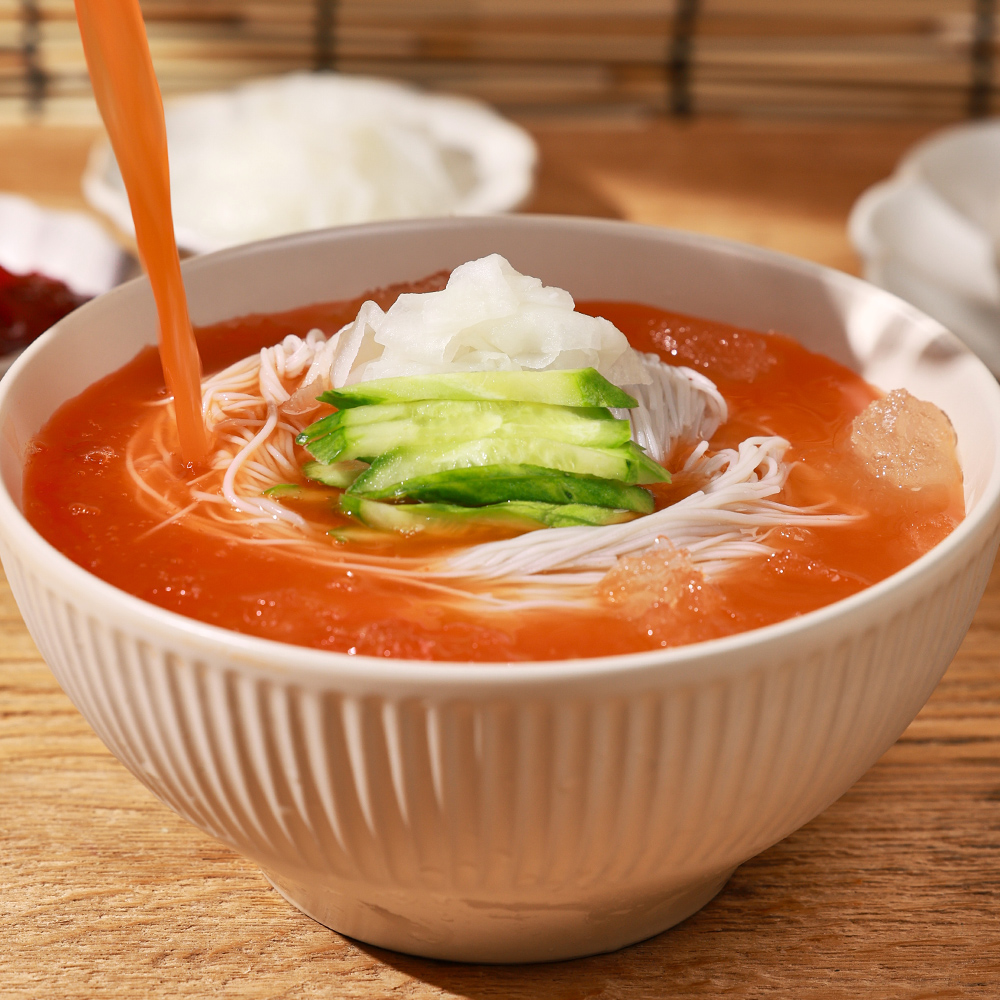
If you're new to the world of Korean cuisine, Mulnaengmyeon might sound a bit intimidating. "Cold noodles in broth?" you might wonder. But here's the thing: it's an absolute game-changer. Imagine thin, chewy buckwheat noodles swimming in a crystal-clear, icy broth that's a perfect balance of savory, tangy, and subtly sweet. It's usually topped with slices of tender beef or pork, a hard-boiled egg, refreshing cucumber, and a slice of Korean pear. The ice-cold broth isn't just a gimmick; it's the secret weapon that makes it incredibly refreshing, especially during Korea's hot and humid summers. It’s not just a dish; it’s a cultural experience, a summer essential that’s practically a national treasure.
And because it’s such a beloved dish, competition among Mulnaengmyeon restaurants is fierce. That's where our trusty Korean TV shows come in! These programs send out the best food critics and reporters to uncover the hidden gems and legendary eateries that truly stand out. When a spot gets the "verified" stamp from Saengsaeng Jeongbotong or Saengsong Today, you know it's legit, tried-and-true, and absolutely worth the hype. We're talking about places where the broth has been perfected over decades, where the noodles are made with artisanal care, and where every bite tells a story. Ready to slurp your way to bliss?
Spotlight On: Wooraeok (우래옥) – The Pyongyang Naengmyeon Legend
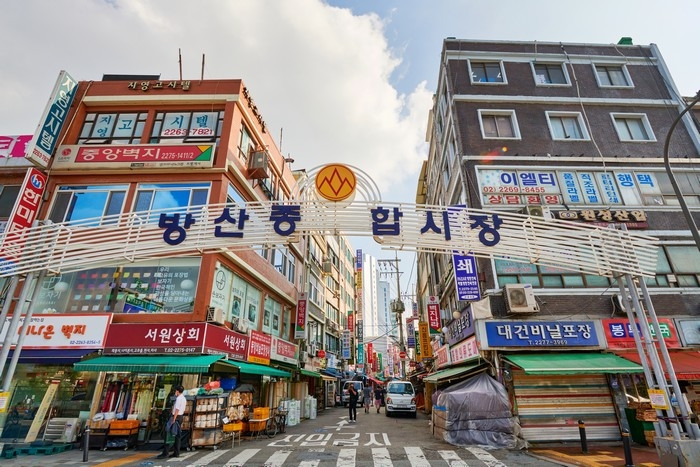
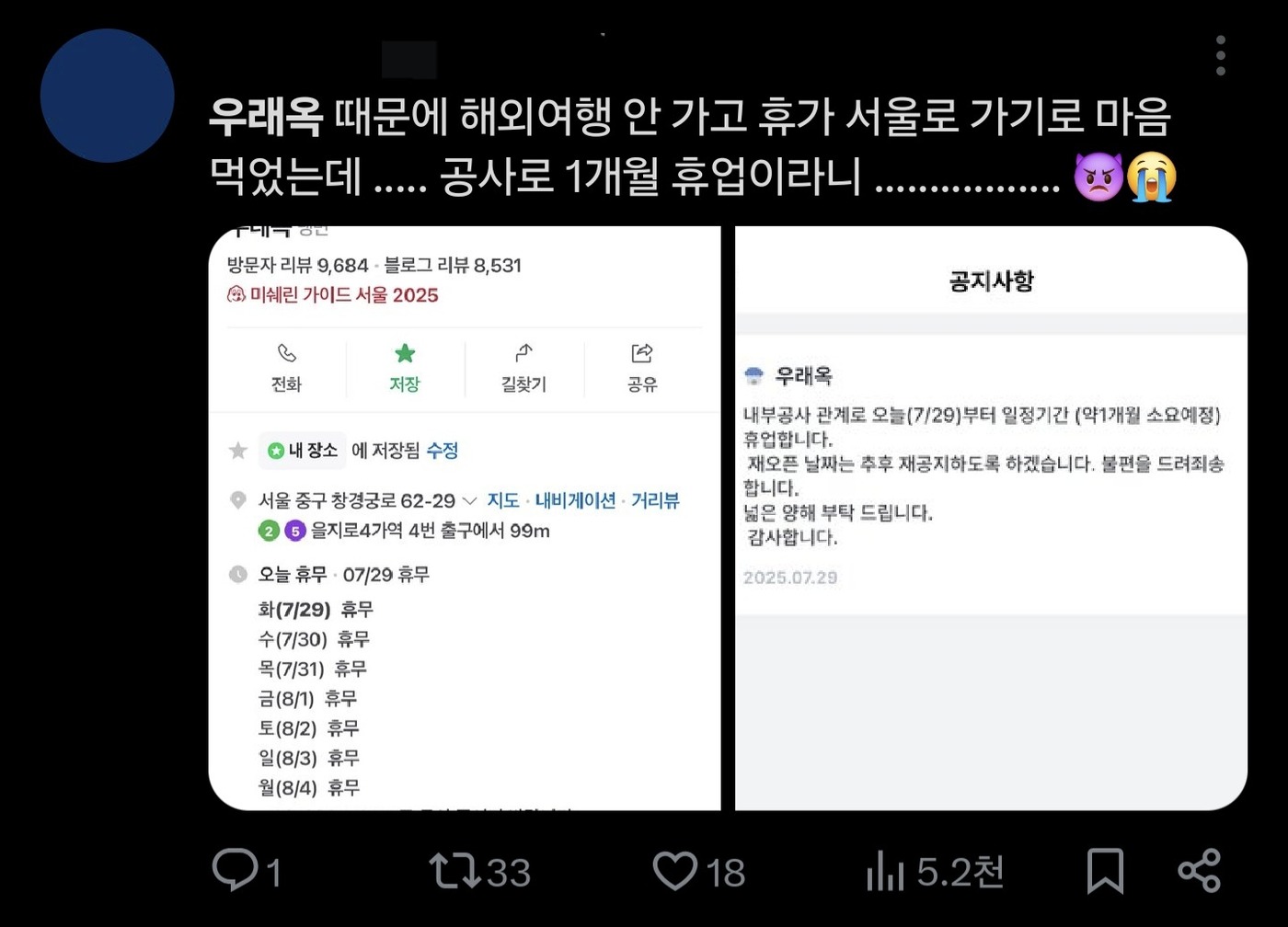
If you're talking Mulnaengmyeon, especially the Pyeongyang (Pyongyang) style, you simply HAVE to mention Wooraeok. This isn't just a restaurant; it's an institution, a culinary landmark that has been serving up its iconic noodles since 1946. It's so famous, it's been featured countless times on shows like Saengsaeng Jeongbotong and Saengsong Today, practically achieving mythical status among foodies.
Wooraeok is renowned for its authentic Pyeongyang Naengmyeon, which is characterized by a very clear, deep beef broth that's subtly savory and less sweet or tangy than other styles. For first-timers, the flavor might seem "bland" at first, but trust me, it's an acquired taste that quickly becomes addictive. It's all about the delicate balance and the pure, unadulterated flavor of the broth. You're going to love discovering the subtle umami that unfolds with each spoonful.
- What to Order: Definitely the Pyeongyang Naengmyeon (평양냉면). Don't forget to try their Bulgogi (불고기) as well. Eating the juicy bulgogi alongside the refreshing cold noodles is a classic pairing that elevates the entire experience. The contrast in temperatures and flavors is just *chef's kiss*!
- Price Range: Expect to pay around ₩16,000 - ₩20,000 for a bowl of Naengmyeon. Their Bulgogi is typically priced per serving, around ₩35,000 - ₩40,000. It's on the pricier side, but spoiler: totally worth it for the quality and heritage.
- How to Get There: Wooraeok has a couple of locations, but the most famous one is near Euljiro 4-ga Station (을지로4가역) in Jung-gu, Seoul. Take Subway Line 2 or 5 to Euljiro 4-ga Station and use Exit 4. It’s about a 5-minute walk from there.
- Best Time to Visit: Wooraeok can get incredibly busy, especially during lunch hours (12 PM - 2 PM) and on weekends. To avoid long waits, try to go right when they open for lunch or after the main rush, around 2:30 PM, or for an early dinner.
A Different Vibe: Jinjuhwe Gwan (진주회관) – The Jinju Naengmyeon Specialist
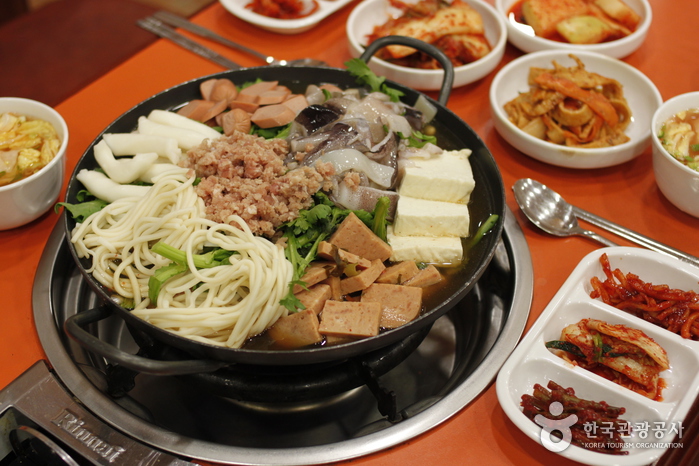
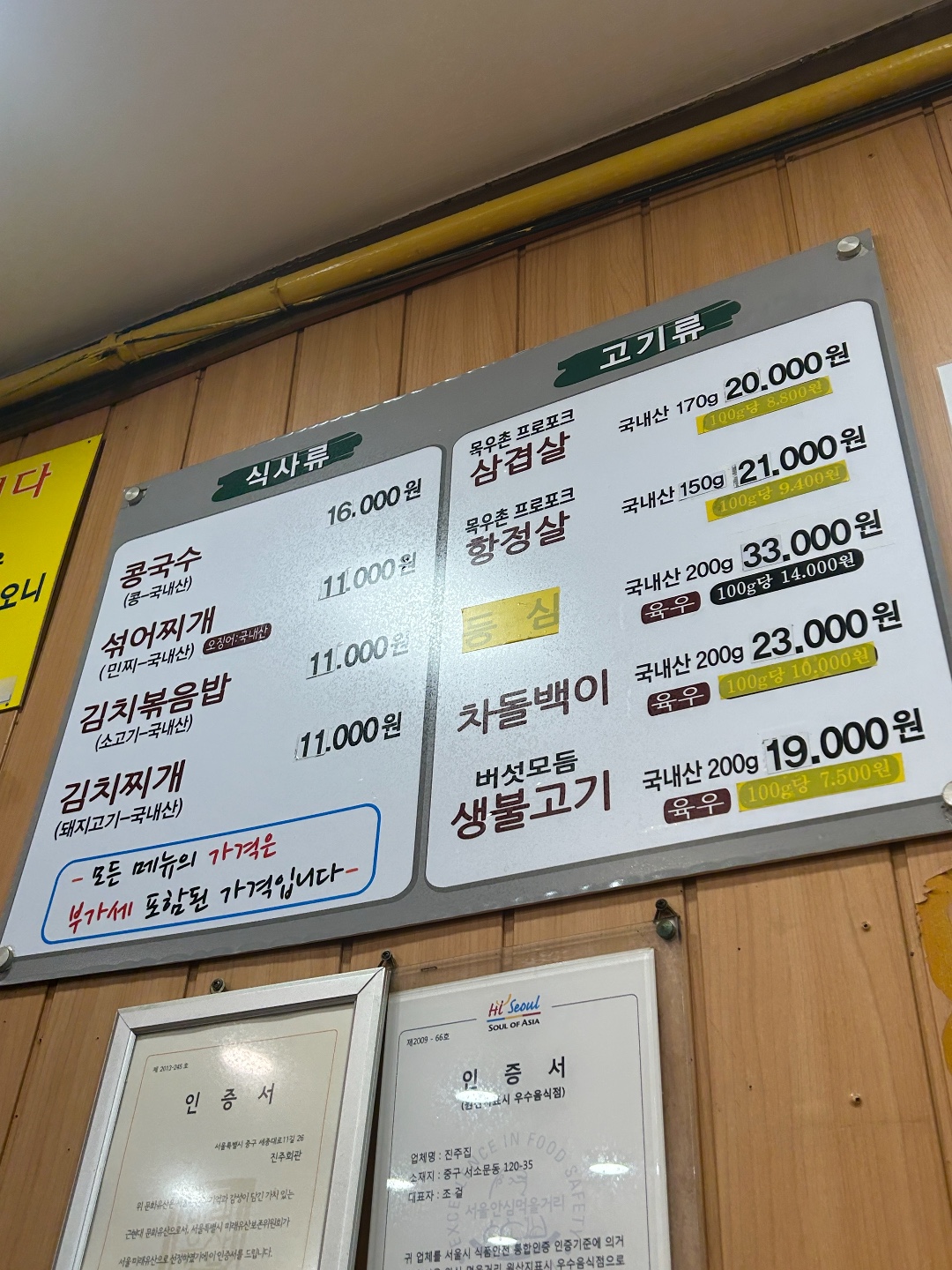
While Pyeongyang Naengmyeon often steals the spotlight, let me introduce you to another incredible style: Jinju Naengmyeon! And when it comes to Jinju-style, Jinjuhwe Gwan is the undisputed champion, a frequent guest on shows like Saengsong Today and Yuksi Naegohyang for its unique take on cold noodles. This place is famous for bringing a distinct regional flavor right to the heart of Seoul.
What makes Jinju Naengmyeon different? First, the broth! It’s often thicker and richer than Pyeongyang style, made from a blend of beef and seafood, giving it a much more complex and savory taste. But the real star of the show is the topping: pan-fried beef jeon (육전, yukjeon). These thin, savory slices of beef, coated in egg and pan-fried, add an incredible texture and richness to the dish that you won't find in other Naengmyeon styles. It's a feast for both your eyes and your taste buds!
- What to Order: You absolutely HAVE to get the Jinju Naengmyeon (진주냉면). It’s what they’re famous for! If you're feeling extra hungry, their Yukgaejang (육개장), a spicy beef soup, is also incredibly popular and a great contrast to the cold noodles.
- Price Range: A bowl of Jinju Naengmyeon typically costs around ₩13,000 - ₩15,000. It's a fair price for such a unique and hearty dish.
- How to Get There: Jinjuhwe Gwan is conveniently located near City Hall Station (시청역) in Jung-gu, Seoul. Take Subway Line 1 or 2 to City Hall Station, and exit through Exit 8. It’s less than a 5-minute walk from the station.
- Best Time to Visit: Like Wooraeok, Jinjuhwe Gwan is super popular with both locals and office workers. Weekday lunchtimes can be crazy, so consider visiting during off-peak hours (e.g., 11:30 AM or after 1:30 PM) or on a weekend afternoon.
Pyongyang vs. Jinju: A Quick Face-Off!
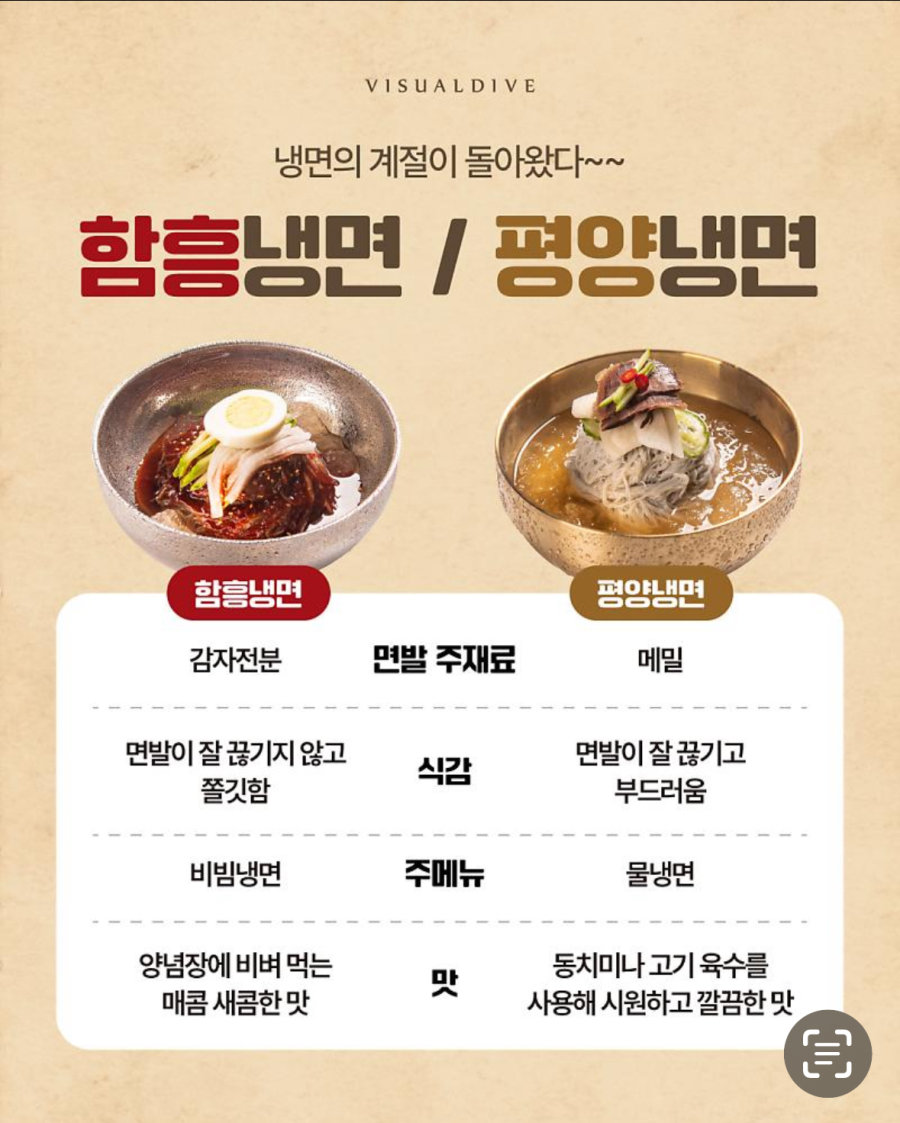
So, you’ve got two amazing styles of Mulnaengmyeon, both TV-verified and equally delicious in their own right. Which one should you try first? Here’s a quick comparison to help you decide:
| Feature | Pyeongyang Naengmyeon (평양냉면) | Jinju Naengmyeon (진주냉면) |
|---|---|---|
| Broth | Clear, deep beef broth; subtle, savory, less sweet/tangy. | Thicker, richer broth; mix of beef & seafood; more savory & complex. |
| Noodles | Mainly buckwheat, softer texture. | Buckwheat with a higher starch content, slightly chewier. |
| Toppings | Beef/pork slices, hard-boiled egg, cucumber, pear. | Pan-fried beef jeon (육전), hard-boiled egg, cucumber, pear, kimchi. |
| Flavor Profile | Clean, delicate, refined, umami-rich. | Heartier, more robust, savory, unique richness from yukjeon. |
| Best For... | Those who appreciate subtle flavors, deep umami, and a refreshing, clean finish. | Adventurous eaters, those who prefer richer, more complex broths, and love savory meat toppings. |
My advice? Try both if you can! They offer completely different, yet equally satisfying, cold noodle experiences. It’s like choosing between two of your favorite K-pop groups – impossible, so just enjoy them all!
How to Eat Mulnaengmyeon Like a True Local
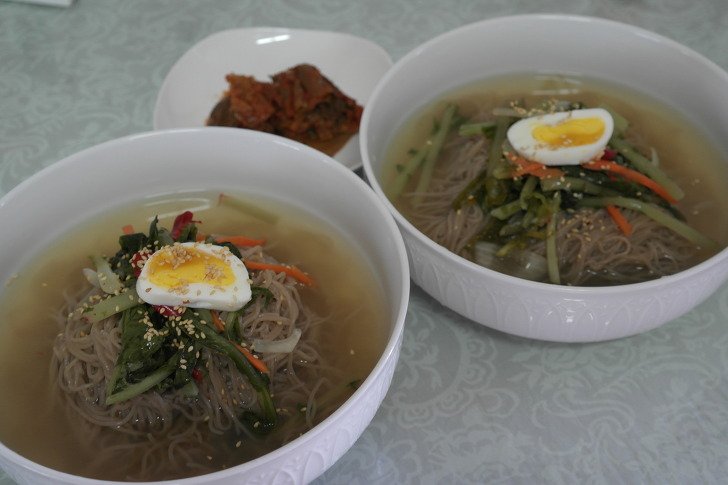
Eating Mulnaengmyeon isn't just about slurping; there's a ritual to it! Here are some insider tips:
- The Noodle Cut: When your bowl arrives, it’ll likely come with a pair of scissors. Don't be shy! Most Koreans cut their noodles once or twice to make them easier to eat. The noodles are super long and chewy, so unless you're a pro slurper, a little snip is perfectly acceptable.
- Vinegar & Mustard: This is where you customize your flavor. Most restaurants will have a bottle of vinegar (식초, sikcho) and a squeeze bottle of mustard (겨자, gyeoja) on the table. Start with a small amount of each, mix it in, and taste. The vinegar adds a tangy kick, and the mustard (often a potent yellowish paste) provides a spicy, sinus-clearing zing. It's a game of balance, so experiment to find your perfect ratio!
- Don't Be Afraid to Slurp: In Korea, slurping your noodles is a sign of enjoyment, especially for cold noodles. Let those delicious flavors hit your palate!
- Side Dishes are Key: Many Naengmyeon places also serve Mandu (만두, dumplings) or Galbi (갈비, grilled ribs). These make fantastic partners for your cold noodles, adding warmth and different textures. The combination is pure culinary genius.
Practical Tips for Your Mulnaengmyeon Adventure

- Best Time to Visit: While Mulnaengmyeon is a year-round dish, it truly shines in the summer months (June-August). However, this also means peak crowds. If you're visiting in spring or fall, you'll likely enjoy a more relaxed dining experience.
- Crowds & Waits: Famous Mulnaengmyeon spots can have lines, especially during lunch and dinner rushes. Be prepared to wait, or try to visit during off-peak hours (e.g., 11 AM, 3 PM, or after 8 PM).
- Price Point: A good bowl of Mulnaengmyeon will generally set you back between ₩12,000 and ₩20,000, depending on the restaurant's fame and location. It's a reasonable price for a satisfying meal.
- Language Barrier: Don't worry if your Korean isn't fluent! Many popular spots, especially those verified by TV shows and frequented by tourists, will have English menus or picture menus. A simple "Mulnaengmyeon, hana juseyo" (물냉면 하나 주세요 - "One Mulnaengmyeon, please") will usually do the trick!
So, there you have it! Your ultimate guide to conquering Mulnaengmyeon, armed with insider knowledge and TV-verified recommendations. Whether you go for the subtle elegance of Pyeongyang or the rich complexity of Jinju, you're in for an unforgettable culinary experience that will cool you down and warm your soul. Happy slurping!
💡 AI Travel Tip
Planning your Mulnaengmyeon adventure is even easier with AI! Use these prompts to get personalized recommendations and navigate like a pro:
- "I'm staying near Hongdae. Recommend a TV-verified Mulnaengmyeon restaurant that's easily accessible by subway, and tell me its operating hours and what side dishes are popular there."
- "Compare Pyeongyang Naengmyeon and Hamheung Naengmyeon. Which style is sweeter, and which one is known for spicier toppings? Also, suggest a top restaurant for each style in Seoul with their typical price range."
- "Create a walking itinerary for a food tour in Seoul focusing on cold noodles. Include two TV-verified Mulnaengmyeon spots (one Pyeongyang, one Jinju style), estimated travel time between them, and a nearby attraction to visit after each meal."
Prompt example: "I want to try authentic Pyeongyang Naengmyeon in Seoul that's been featured on Korean TV shows. Recommend a restaurant near Gangnam, how to get there via subway, and estimate the cost for two people."