How to Do a Complete Korea Food Tour on a Backpacker Budget
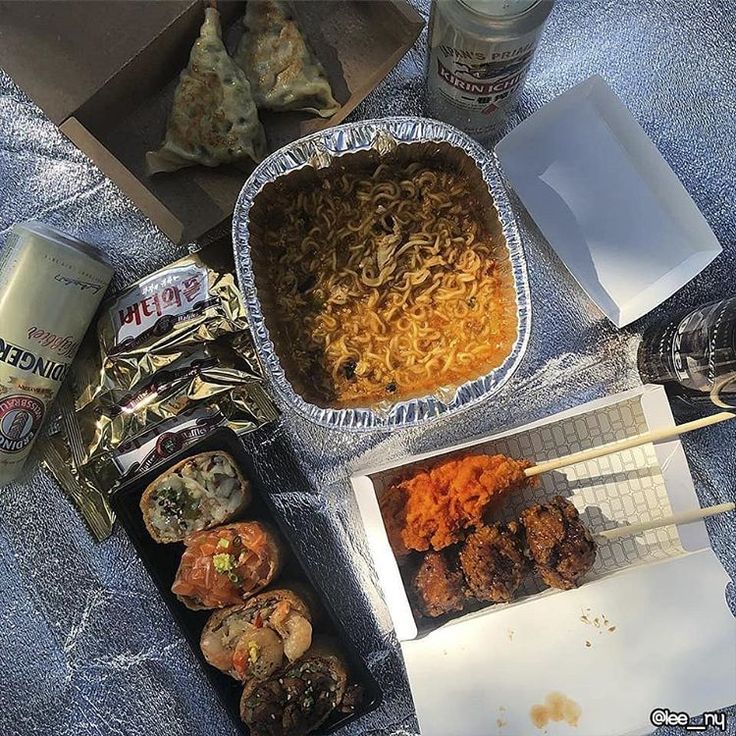
Ever watched your favorite K-drama characters digging into a steaming bowl of tteokbokki or sharing a sizzling plate of samgyeopsal and thought, "Ugh, I wish I could do that, but my travel budget is screaming no"? Trust me, I get it! Korea's food scene is legendary, and it's easy to assume you need a fat wallet to truly experience it. But guess what? You absolutely do NOT!
I’m here to tell you that doing a complete, mouth-watering Korea food tour on a backpacker budget isn't just a dream – it's totally doable, even for first-timers or those looking to revisit their favorite spots without breaking the bank. Forget fancy restaurants (for now!). We're diving into the heart of authentic Korean flavors, the kind that locals love and TV shows like Saengsaeng Jeongbotong and Saengsong Today can't stop raving about, all while keeping those won in your pocket. Ready to eat your way through Korea like a pro without emptying your savings? Let’s go!
Backpacker Foodie 101: Your Essential Toolkit
Before we even get to the food, let's talk essentials. Being prepared is half the battle when you're trying to save pennies and maximize your eating potential.
- T-Money Card is Your Best Friend: This isn't just for transport; some convenience stores and even small eateries accept it! It saves you time, fumbling for cash, and sometimes even offers transfer discounts on public transport, which means more money for snacks.
- Naver Maps / Kakao Maps: Forget Google Maps for directions in Korea; these local apps are way more accurate for public transport and finding those hidden gems. They'll show you bus routes, subway exits, and walking times. Essential for navigating to those famous TV show spots!
- Basic Korean Phrases: Even just "Annyeonghaseyo" (hello), "Gamsahamnida" (thank you), "Juseyo" (please give me), and pointing can go a long way. Knowing "Igeo eolmayeyo?" (How much is this?) is a superpower.
- A Reusable Water Bottle: Tap water is generally safe to drink in Korea, and you'll find plenty of public water fountains. Save money on bottled water!
The Holy Grail of Budget Eating: Street Food & Markets

This is where the magic happens, folks. Street food and traditional markets are the absolute best way to experience diverse Korean flavors on a budget. They're vibrant, exciting, and full of dishes often featured on shows like Yuksi Naegohyang for their authenticity and affordability.
Gwangjang Market: Your Ultimate Budget Food Haven
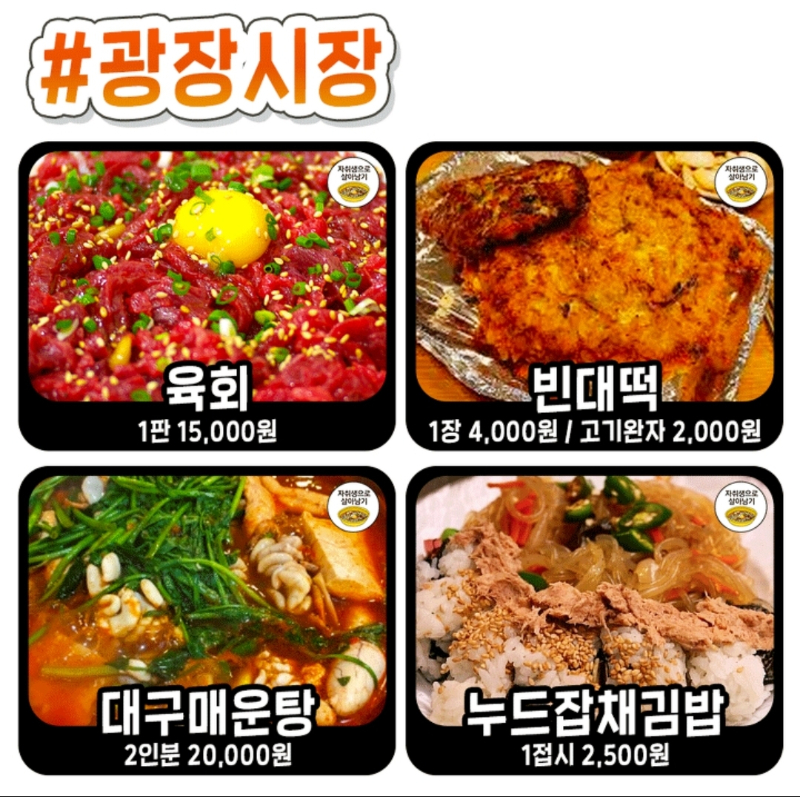
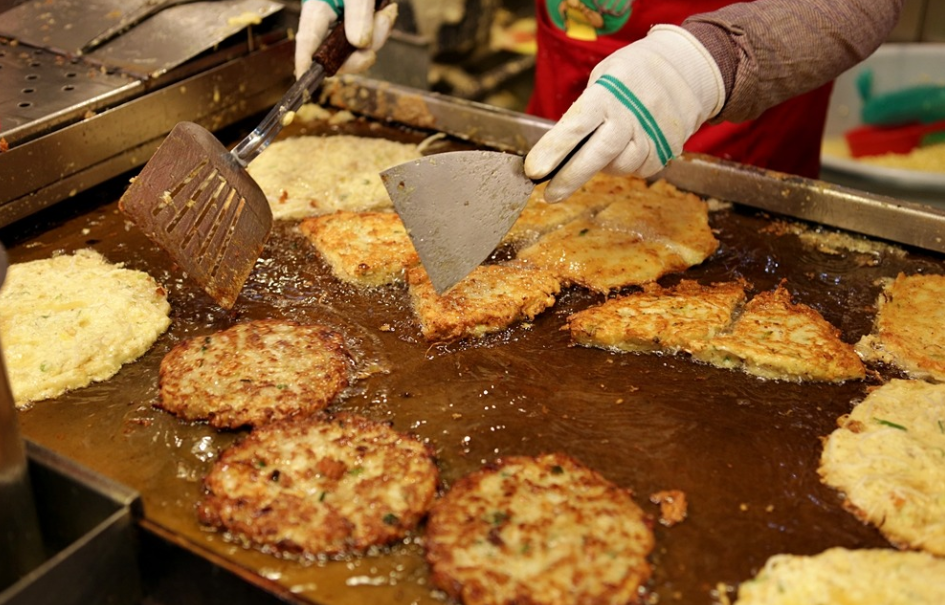
If there's one place every budget foodie absolutely HAS to visit, it's Gwangjang Market. This place is a legendary kaleidoscope of sights, sounds, and most importantly, smells! It’s been featured countless times on various food shows, including Saengsaeng Jeongbotong, for its incredible traditional eats and lively atmosphere.
- How to get there: Take Subway Line 1 to Jongno 5-ga Station (종로5가역), Exit 8. You're practically there!
- What to order & price range:
- Bindaetteok (녹두빈대떡 - Mung Bean Pancake): A crispy, savory pancake that's surprisingly filling. You can find them sizzling on huge griddles everywhere. A whole pancake usually costs around ₩5,000-₩8,000. It's legendary!
- Mayak Gimbap (마약김밥 - "Drug" Gimbap): Don't worry, it's not actually drugs! It's just so addictive you can't stop eating it. These tiny gimbap rolls served with a mustard dipping sauce are perfect for a quick snack. A plate is usually ₩3,000-₩5,000.
- Kalguksu (칼국수 - Knife-Cut Noodles): Warm, comforting, and hearty. Perfect for any weather. Many stalls here specialize in it. Expect to pay around ₩6,000-₩8,000.
- Tteokbokki (떡볶이 - Spicy Rice Cakes): A classic for a reason! Expect a plate for ₩3,000-₩5,000.
- Best time to visit: Weekday mornings or early afternoons are less crowded. Evenings are bustling and lively, great for people-watching, but can be hard to find a seat.
Namdaemun Market: More Than Just Shopping
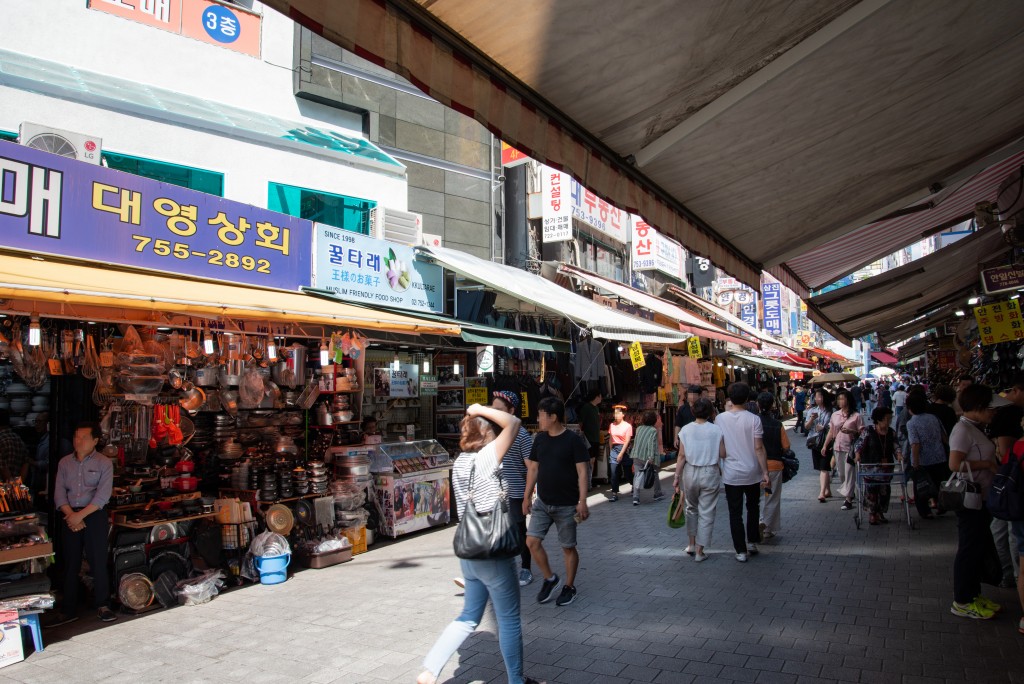
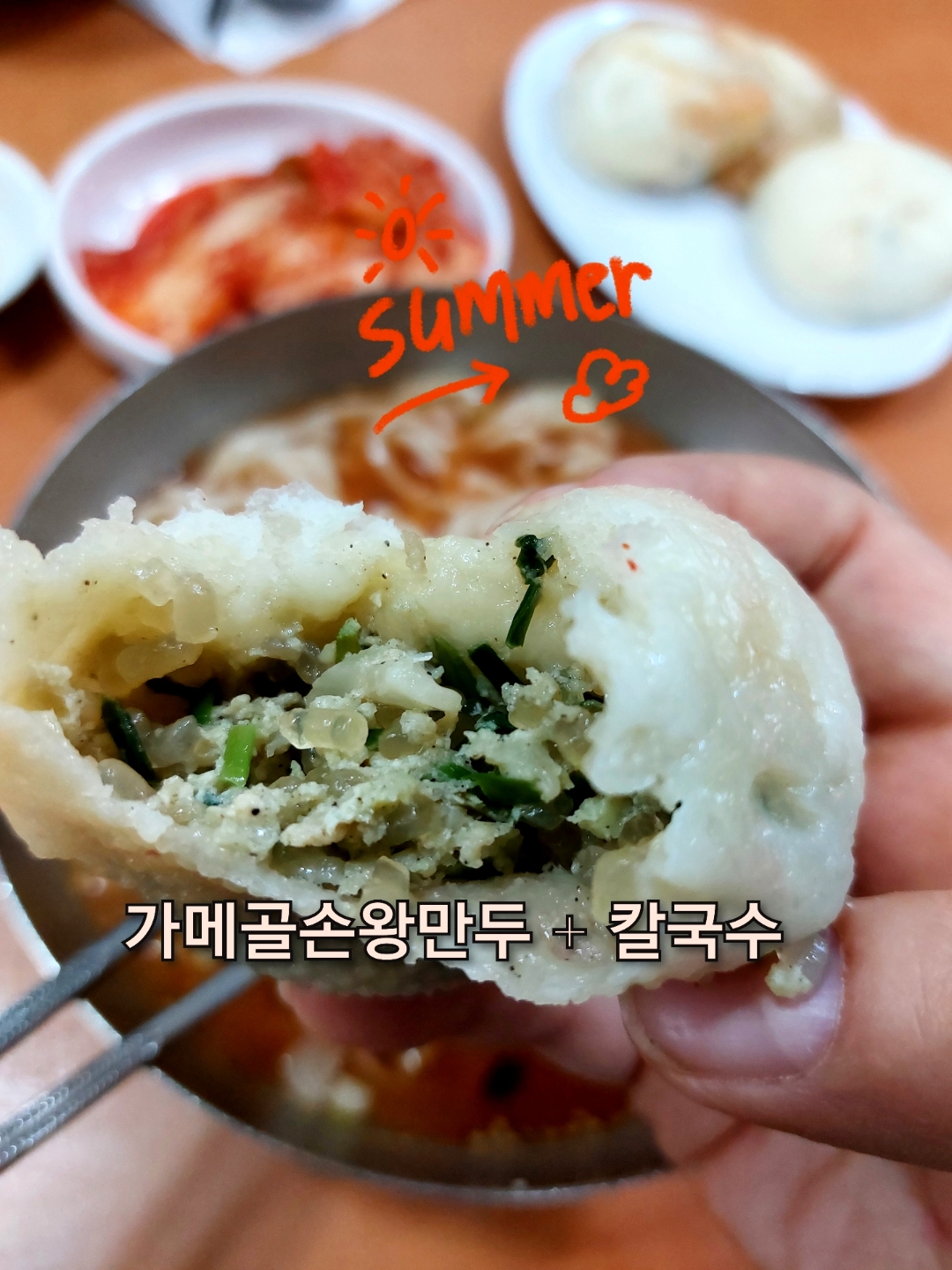
Namdaemun Market is Korea's largest traditional market, known for everything from clothes to souvenirs. But let’s be real, we’re here for the food! It’s another excellent spot for budget-friendly eats, and its Kalguksu Alley has been highlighted on Saengsong Today for its decades-old traditions.
- How to get there: Take Subway Line 4 to Hoehyeon Station (회현역), Exit 5. The market entrance is right there.
- What to order & price range:
- Kalguksu Alley (칼국수 골목): This narrow alley is packed with tiny restaurants serving various noodle dishes. Order kalguksu (around ₩6,000-₩8,000) and you often get a side of bibim naengmyeon (spicy cold noodles) and boribap (barley rice) for free! Talk about value!
- Hotteok (호떡 - Sweet Pancake): Especially the vegetable hotteok, often filled with glass noodles and veggies, not just the sweet brown sugar kind. A warm, savory treat for about ₩1,500-₩2,500. Perfect for a cold day.
- Jokbal (족발 - Pig's Trotters): While a full plate can be a splurge, many stalls offer smaller portions or individual servings perfect for a taste.
- Best time to visit: Any time during the day is great for food. Lunchtime will be busy but buzzing with energy.
Dive Deeper: Budget-Friendly Korean Staples
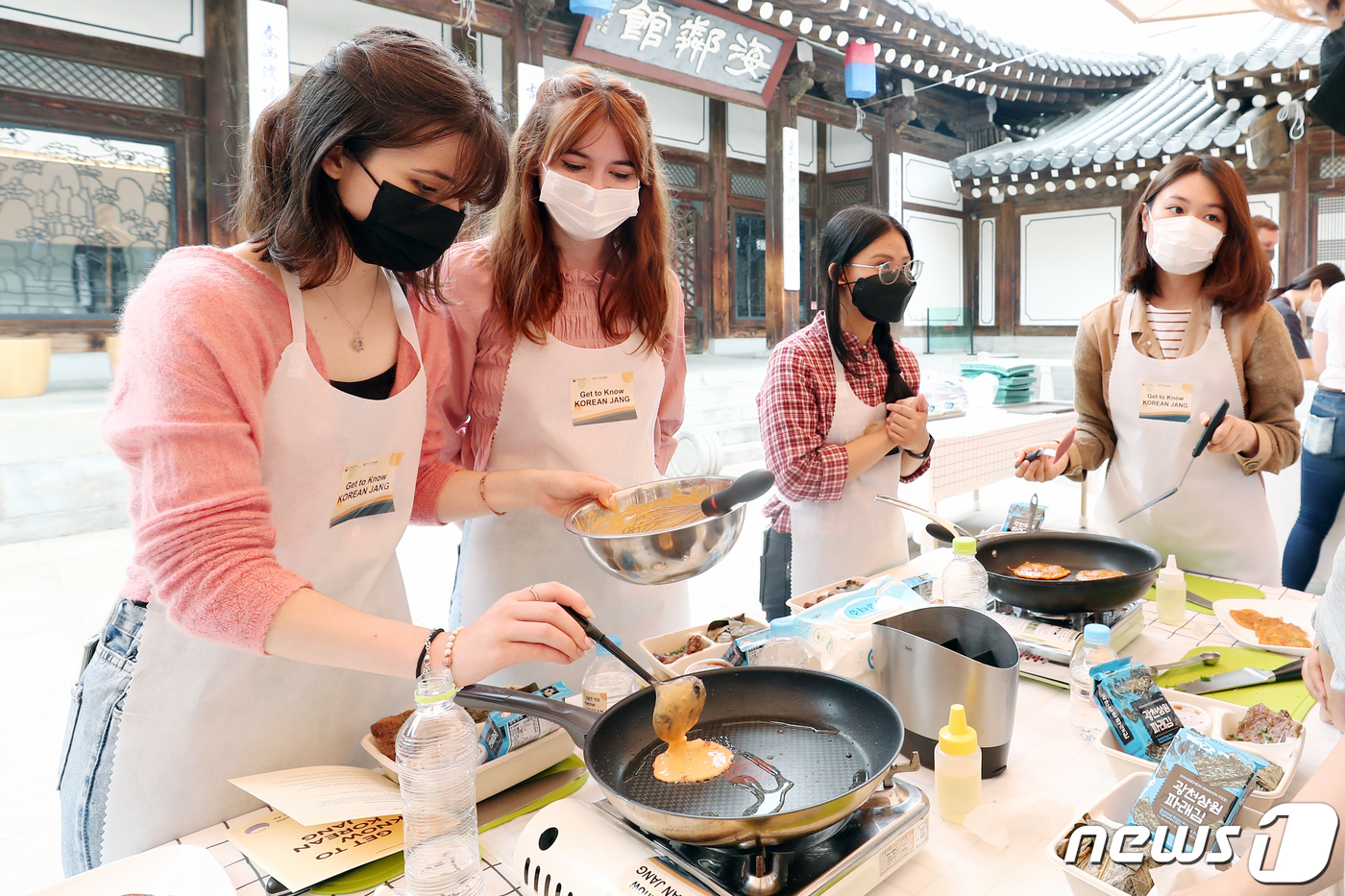
Beyond street food, there are countless everyday Korean dishes that are both delicious and incredibly kind to your wallet. These are the meals Koreans eat regularly, and many have been featured on TV shows for their comfort and authentic flavors.
- Gukbap (국밥 - Soup with Rice): This is THE ultimate Korean comfort food and a budget savior. A steaming bowl of broth, meat (pork, beef, blood sausage), and rice mixed in. It’s hearty, satisfying, and usually costs around ₩7,000-₩10,000. Look for Dwaeji Gukbap (pork soup rice) in Busan or Kongnamul Gukbap (bean sprout soup rice) in Jeonju for regional specialties.
- Jjigae (찌개 - Stews): Kimchi Jjigae, Sundubu Jjigae (soft tofu stew), Doenjang Jjigae (soybean paste stew) – these are Korean mealtime staples. Served with a bowl of rice and banchan (side dishes), they’re full meals for about ₩7,000-₩10,000.
- Kimbap Cheonguk (김밥천국 - Gimbap Heaven) & Similar Small Eateries: These ubiquitous chains or local "Bunsik" (분식 - snack food) restaurants are goldmines. You can get a huge variety of dishes like gimbap (₩3,000-₩5,000), ramyeon (₩4,000-₩6,000), or a simple donkkaseu (pork cutlet, ₩7,000-₩9,000) for cheap.
Smart Sips & Snacks: Coffee & Convenience Store Hacks
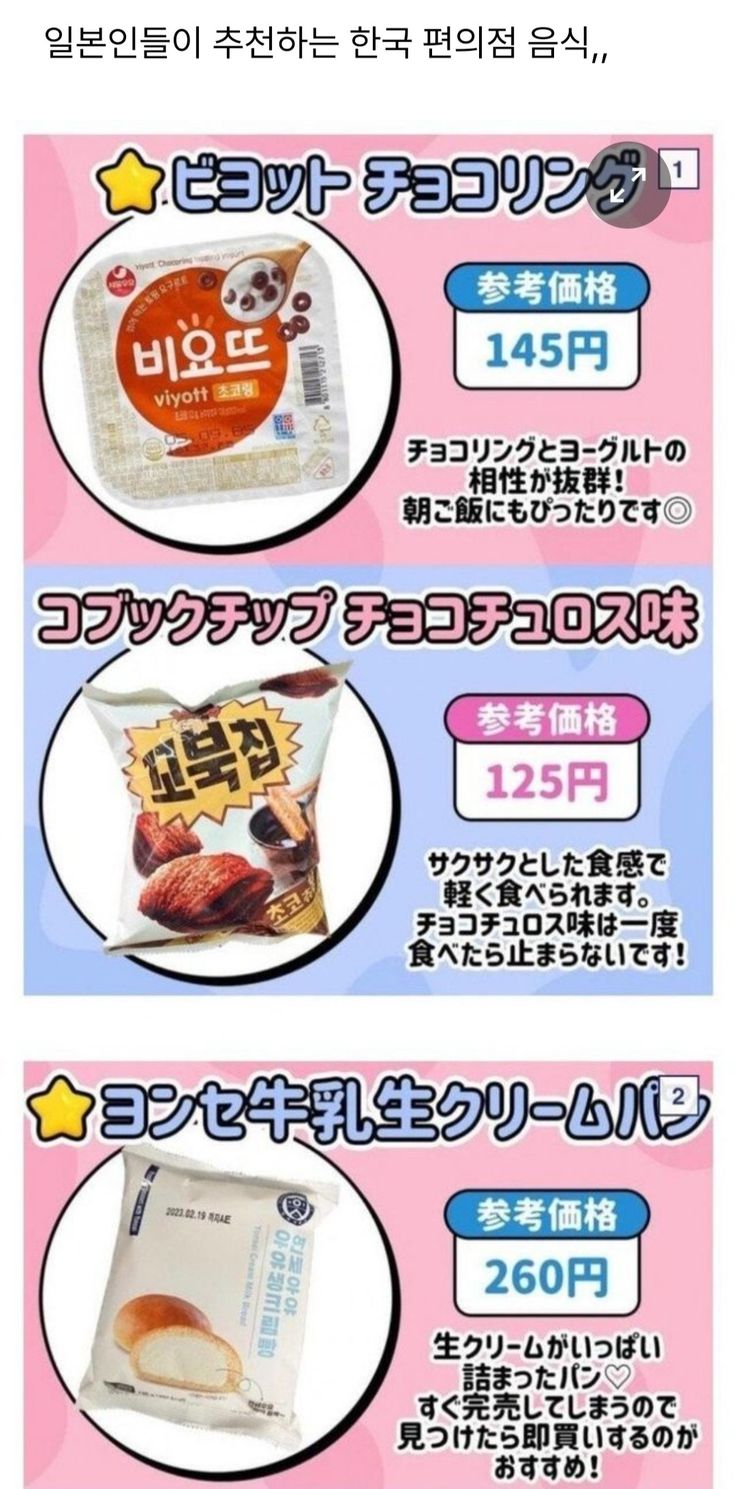
Eating out for every meal can add up, even with budget-friendly options. This is where you get smart!
- Affordable Coffee: Skip the big chains (Starbucks, etc.) and look for smaller local cafes or chains like Paik's Coffee, Mega Coffee, or Compose Coffee. You can grab an Americano for ₩1,500-₩3,000.
- Convenience Store Feasts (GS25, CU, 7-Eleven, E-Mart24): These aren't just for emergencies! Korean convenience stores are on another level.
- Ramen Bar: Many stores have a self-service ramen corner where you pick your ramen, add hot water, and even cook eggs in a special machine. A full, satisfying meal for under ₩3,000.
- Dosirak (도시락 - Lunchbox): Pre-made lunchboxes with rice, meat, and banchan are incredibly popular and good value (₩4,000-₩6,000).
- Gimbap & Samgak Gimbap (삼각김밥 - Triangle Gimbap): Quick, cheap, and surprisingly filling rice rolls (₩1,000-₩2,500).
- Fresh Snacks: Look for fresh fruit cups, yogurts, or baked goods for a light breakfast or snack.
Budgeting Beyond Seoul: Regional Food Adventures

While Seoul has endless options, venturing out can sometimes yield even better value and unique regional specialties. And yes, many of these regional gems are featured on local TV shows like Yuksi Naegohyang!
- Busan: Famous for Dwaeji Gukbap (pork soup rice, ₩7,000-₩9,000) and affordable seafood at Jagalchi Market. Eomuk (fish cakes) are also a must-try.
- Jeonju: Home of Bibimbap! While a full Jeonju Bibimbap can be a bit more (₩10,000-₩15,000), you can also find amazing Kongnamul Gukbap for less. The Jeonju Hanok Village also has plenty of street food.
| Budget Bites Cheat Sheet | Approx. Price Range (₩) | Best Places to Find |
|---|---|---|
| Tteokbokki | 3,000 - 5,000 | Gwangjang Market, any street food stall, Bunsik restaurants |
| Gimbap (1 roll) | 3,000 - 5,000 | Kimbap Cheonguk, convenience stores, markets |
| Bindaetteok | 5,000 - 8,000 | Gwangjang Market (especially) |
| Kalguksu | 6,000 - 8,000 | Gwangjang Market, Namdaemun Market Kalguksu Alley |
| Gukbap | 7,000 - 10,000 | Specialty Gukbap restaurants, local eateries |
| Hotteok | 1,500 - 2,500 | Namdaemun Market, any street food stall |
| Convenience Store Ramen | 2,000 - 3,000 | GS25, CU, 7-Eleven, E-Mart24 |
Pro Tips for the Savvy Foodie Backpacker
- Eat Lunch Specials (점심 특선): Many restaurants offer significantly cheaper sets or portions during lunchtime. Keep an eye out for signs!
- Look for Baekban (백반): This means "rice with side dishes," and it's basically a home-style Korean meal. You get a variety of banchan with your main dish or stew, usually for a very reasonable price (₩7,000-₩10,000).
- Utilize Food Courts: Department stores and large subway stations often have food courts that offer a wide variety of Korean (and international) dishes at decent prices.
- Share, Share, Share: If you’re with a friend, order a few different dishes and share! You get to try more things without overspending. Many Korean dishes are designed for sharing anyway.
- Embrace the Cash: While cards are widely accepted, having small cash denominations is super handy for street food vendors and small market stalls.
See? Doing a full-on Korea food tour on a backpacker budget isn't just possible; it's arguably the BEST way to experience the country's culinary soul. You’ll be eating like a local, discovering hidden gems, and saving enough won to come back for more! So pack your bags (and an empty stomach!), because your delicious and affordable Korean adventure awaits!
💡 AI Travel Tip
Leverage AI tools to pinpoint the best budget-friendly food spots and plan your routes efficiently. Here are some prompts to get you started:
- "Find the highest-rated Korean street food vendors in Seoul that have been featured on Saengsaeng Jeongbotong or Saengsong Today, listing their typical prices and directions from Myeongdong."
- "Create a 3-day budget food itinerary for a solo traveler in Seoul, focusing on meals under ₩10,000, including market eats and convenience store hacks. Provide subway directions for each."
- "Suggest a list of popular Korean dishes under ₩8,000 that are common in student areas like Hongdae or Sinchon, along with brief descriptions and where to find them."
- "I'm visiting Busan on a tight budget. What are the best local, affordable food experiences, especially dishes unique to the region, with approximate prices and recommended market locations?"
Prompt example: "List 5 essential budget-friendly Korean phrases for ordering food at a market, along with their English translations and phonetic pronunciation guides."