Temple Food (Sanchae Bibimbap) Experiences: Korea's Zen Cuisine

Hey, K-Travelers! Ever found yourself watching a K-drama, maybe a historical one, and seen characters eating these beautifully simple, vibrant meals? Or perhaps you've been scrolling through aesthetic Instagram feeds of people finding peace in Korea, and you've stumbled upon images of food that just *looks* incredibly clean and wholesome?
Well, get ready, because today we're diving deep into one of Korea's most unique culinary treasures: Temple Food. And not just any temple food, we're talking about the ultimate zen bowl – Sanchae Bibimbap! If you're planning your trip to Korea and want an authentic, nourishing experience that feeds your soul as much as your stomach, trust me, you're going to want to read this.
What Exactly is Korean Temple Food?
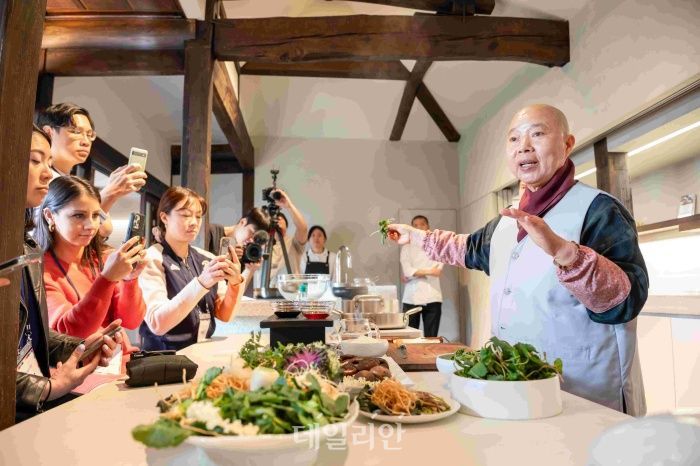
You know how K-pop can be super high-energy and exciting? Temple food is kind of the opposite, in the best possible way! It's the ultimate chill-out meal, a culinary practice rooted in Buddhist traditions spanning over 1,700 years in Korea. It's not just about what you eat, but *how* it's prepared and consumed – with mindfulness, respect for nature, and an emphasis on balance.
Here's the thing: traditional temple food strictly avoids "five pungent vegetables" (오신채, *osinchae*) – garlic, onions, leeks, chives, and scallions. Why? Because these ingredients are believed to stimulate the senses and hinder meditation. Instead, temple chefs (often Buddhist monks or nuns) focus on the natural flavors of seasonal ingredients, primarily fresh vegetables, mushrooms, wild herbs (산채, *sanchae*), and grains. Absolutely no meat or fish either!
Sound bland? Oh, honey, you're in for a surprise! It's incredibly flavorful, subtle, and incredibly satisfying. Think of it as clean eating taken to a whole new level, long before "clean eating" was even a trend. It's the kind of food that Saengsaeng Jeongbotong would totally feature for its incredible health benefits and unique cultural story.
Sanchae Bibimbap: Your Gateway to Zen Cuisine
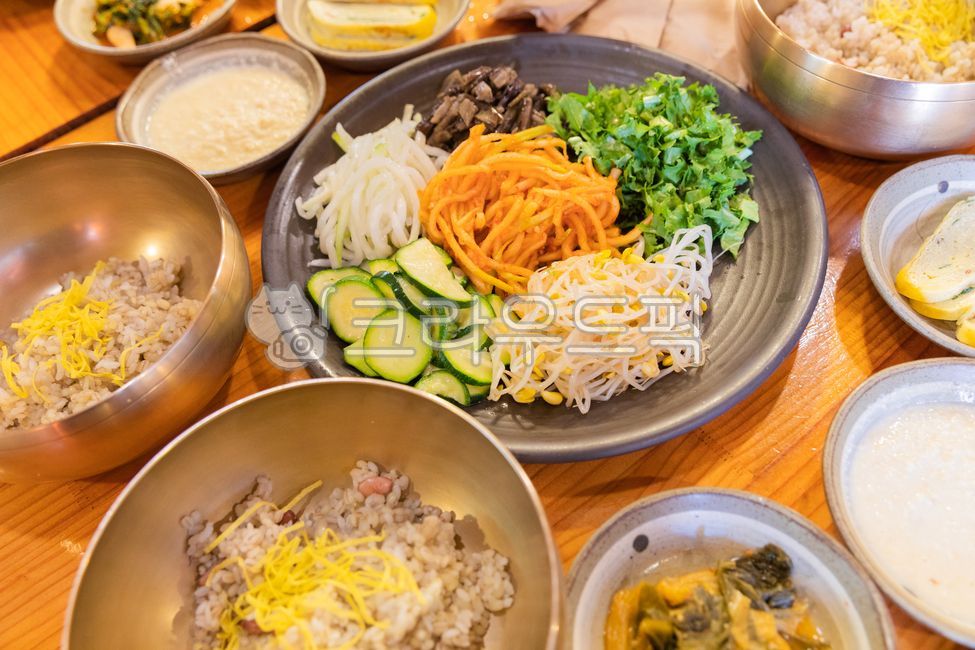
While there are countless amazing temple dishes, if you're looking for an accessible and iconic entry point, Sanchae Bibimbap is your go-to. Bibimbap literally means "mixed rice," and you've probably seen it everywhere, right? But Sanchae Bibimbap is its serene, earthy cousin.
Instead of the usual beef or fried egg, Sanchae Bibimbap celebrates the bounty of the mountains. Picture this: a bowl of warm, perfectly cooked rice topped with a colorful array of blanched and seasoned wild greens (like fernbrake, bellflower root, various mugworts), mushrooms, sometimes roasted seaweed, and maybe a sprinkle of toasted sesame seeds. It's often seasoned simply with soy sauce, sesame oil, and a touch of gochujang (Korean chili paste), but even the gochujang used in temple food is often made without the pungent veggies!
Each spoonful is an exploration of textures and nuanced flavors. You get the slight bitterness of some herbs, the sweetness of others, the earthiness of mushrooms, and the comforting warmth of the rice. It's nourishing, light, and honestly, makes you feel amazing afterwards. It’s the perfect antidote to too many late-night convenience store snacks (we've all been there, no judgment!).
Where to Experience Authentic Temple Food in Seoul
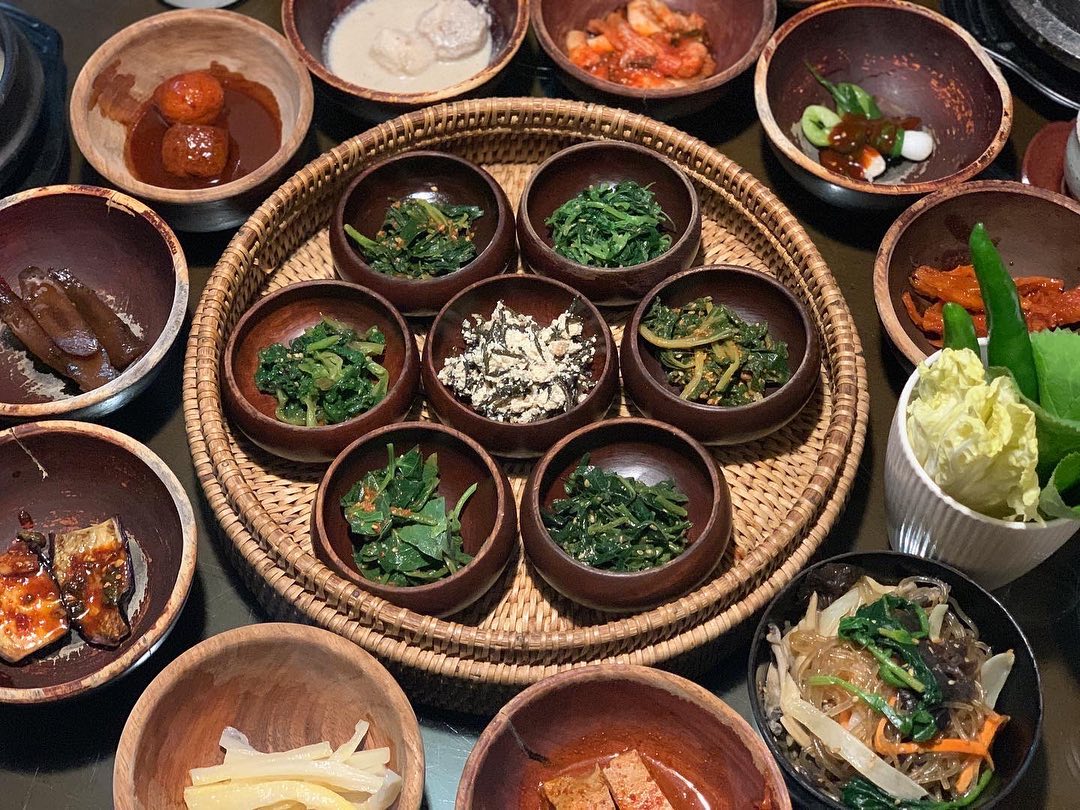
Ready to try it for yourself? While many temples across Korea offer temple food experiences (some even have full temple stays!), Seoul has some fantastic spots where you can savor these special meals without leaving the city. These are the kinds of places that make it onto shows like Saengsong Today because of their authenticity and unique culinary journey.
Balwoo Gongyang (발우공양): The Ultimate Temple Dining
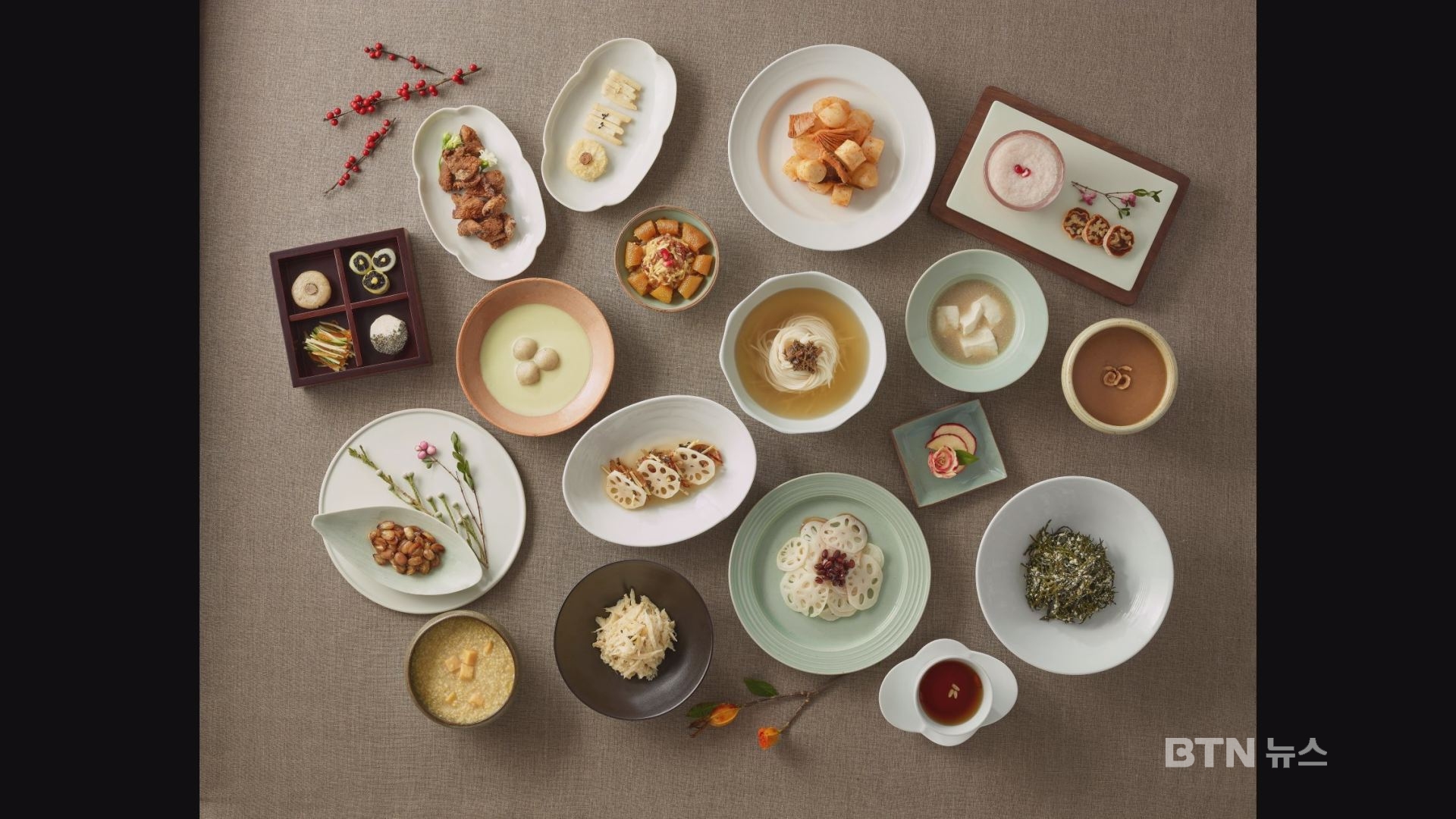
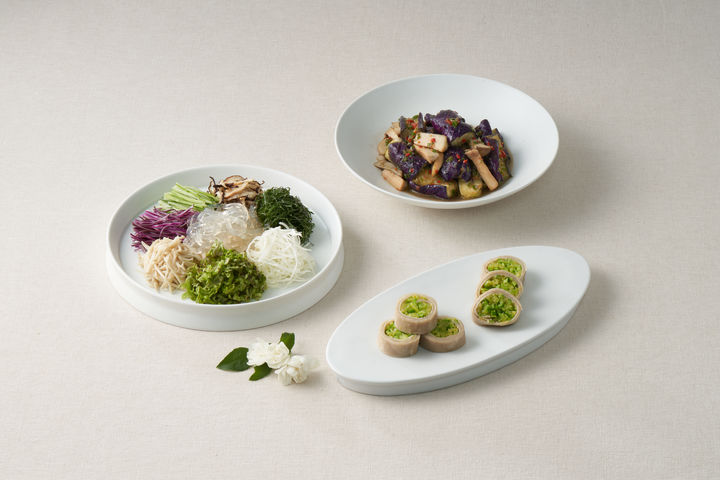
If you want the most authentic, high-end temple food experience in Seoul, Balwoo Gongyang is THE place. Located right near Jogyesa Temple in Insadong, it's run by the Cultural Corps of Korean Buddhism and offers a truly exquisite multi-course meal experience. It's been featured on countless local and international shows (yes, probably even Yuksi Naegohyang for its traditional roots!) and is often recommended for those seeking a deeper dive into Korean Buddhist culture.
- What to expect: This isn't just a meal; it's a culinary journey. You'll choose from several course menus (often named after Buddhist concepts), each featuring an array of small, beautifully presented dishes that highlight seasonal ingredients. While they do have their version of bibimbap, the full course menu is highly recommended for the complete experience.
- Atmosphere: Serene, minimalist, and deeply peaceful. It's a fine-dining experience, so dress smart casual.
- Location: Right in the heart of Insadong, walking distance from Jogyesa Temple. It's super easy to get to via subway (Anguk Station or Jonggak Station).
- Price Range: This is a splurge, folks! Expect to pay anywhere from ₩40,000 to ₩100,000+ per person for a course menu. Spoiler: totally worth it for the experience.
- Pro Tip: Reservations are highly recommended, especially for lunch or dinner on weekends. You can usually book online or have your hotel concierge help you.
Other Ways to Experience Temple Food
While Balwoo Gongyang is the gold standard, there are other ways to experience temple food principles:
- Temple Stays: For the ultimate immersion, consider a temple stay program! Many temples across Korea offer overnight programs where you can live like a monk for a day or two, which always includes eating temple food (often a communal, silent meal called *barugongyang*). It's a fantastic way to unplug and reset. Check out the Templestay Korea website for options.
- Vegetarian/Vegan Restaurants: Seoul has a growing number of amazing vegetarian and vegan restaurants that, while not strictly "temple food," often draw inspiration from its principles (focus on fresh vegetables, no artificial additives, sometimes avoiding pungent ingredients). These can be a more casual and budget-friendly way to enjoy similar flavors. Look around areas like Hongdae or Itaewon for some trendy spots!
- Cooking Classes: Some cultural centers or even specific temples occasionally offer temple food cooking classes. Imagine learning to make Sanchae Bibimbap yourself! Keep an eye on local tourism websites or ask at tourist information centers.
Temple Food Experience Comparison
| Experience | Location/Vibe | Typical Cost (per person) | Best For |
|---|---|---|---|
| Balwoo Gongyang (발우공양) | Insadong, Seoul (fine dining) | ₩40,000 - ₩100,000+ | Authentic, high-end, full cultural immersion through food. |
| Temple Stay (e.g., in suburbs of Seoul) | Rural/mountainous areas (immersive) | ₩70,000 - ₩150,000 (per night) | Deep spiritual retreat, living like a monk, full cultural experience. |
| Vegetarian/Vegan Restaurant | Trendy areas like Hongdae/Itaewon (casual) | ₩15,000 - ₩30,000 | Casual, budget-friendly, modern take on healthy, plant-based Korean food. |
Practical Tips for Your Temple Food Journey
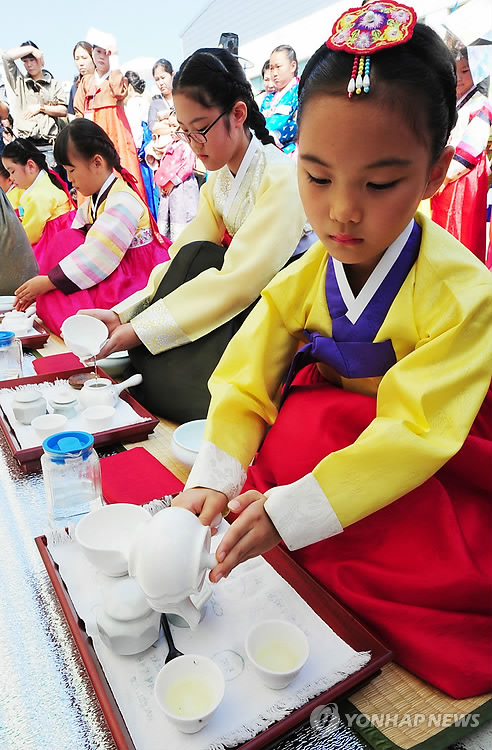
- Embrace the Silence: Especially at places like Balwoo Gongyang or during a temple stay, meals are often eaten in a quiet, mindful atmosphere. It's a chance to truly savor each bite without distraction.
- Seasonal is Key: Temple food celebrates the seasons. Don't be surprised if the menu changes frequently to reflect the freshest ingredients available.
- Dress Comfortably: For temple visits or temple stays, comfortable clothing is always a good idea. For Balwoo Gongyang, smart casual is perfect.
- Explore the Area: If you're going to Balwoo Gongyang, make a day of it! Explore Jogyesa Temple, wander through the charming streets of Insadong, and soak in the traditional Korean atmosphere.
- Open Your Mind (and Palate): Temple food might be different from what you're used to, especially with the absence of strong flavors from garlic/onions. Approach it with an open mind, and you'll discover a whole new world of subtle, profound tastes.
So, K-drama and K-pop fans, are you ready to add a dash of calm and a whole lot of deliciousness to your Korean adventure? Trying Sanchae Bibimbap or a full temple food meal isn't just about eating; it's about experiencing a centuries-old tradition that's deeply woven into the fabric of Korean culture. It's a reminder that sometimes, the simplest things are the most profound. You're going to love this unique, soulful journey!
💡 AI Travel Tip
Planning your temple food adventure doesn't have to be complicated! Use AI tools to help you find the perfect spot or plan a themed itinerary.
- Find specific restaurant details:
- Create a temple food-focused itinerary:
- Discover other vegan-friendly options inspired by temple cuisine:
- Get tips for a temple stay:
Prompt example: "Find the opening hours, reservation policy, and current menu for Balwoo Gongyang (발우공양) in Seoul. Also, list nearby attractions within a 15-minute walk."
Prompt example: "Design a 2-day Seoul itinerary focused on traditional Korean culture and temple food experiences, including public transportation directions and estimated costs for each activity and meal."
Prompt example: "Recommend popular vegan restaurants in Seoul that offer dishes inspired by temple food principles, specifying their signature dishes and neighborhoods."
Prompt example: "What should I pack for a 1-night temple stay in Korea? Also, what are the common rules and etiquette I should be aware of?"