Korean Fermentation Culture: Doenjang, Ganjang, and Gochujang Explained
You know that moment, right? You're binge-watching your favorite K-drama, and a character takes that first bite of a hearty stew or a vibrant bibimbap, and you can practically TASTE the deliciousness through the screen? That deep, complex, incredibly satisfying flavor that just screams "authentic Korean food"? Well, trust me, you're not imagining things. There's a secret ingredient (or three!) behind that magic, and it's something truly ancient and powerful: Korean fermentation culture.
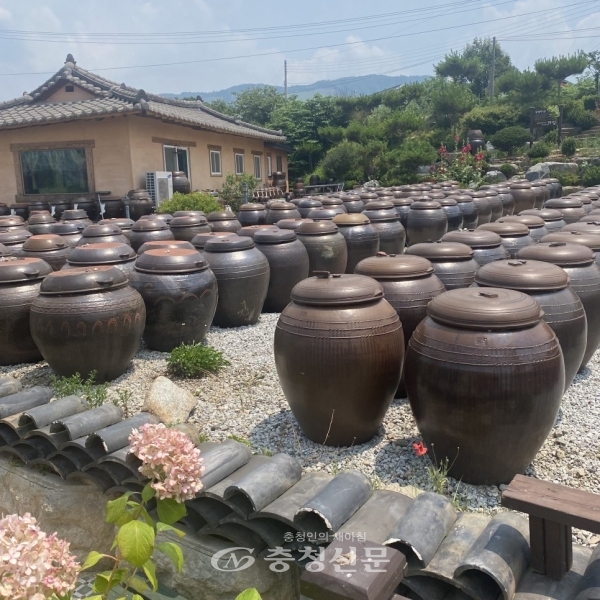
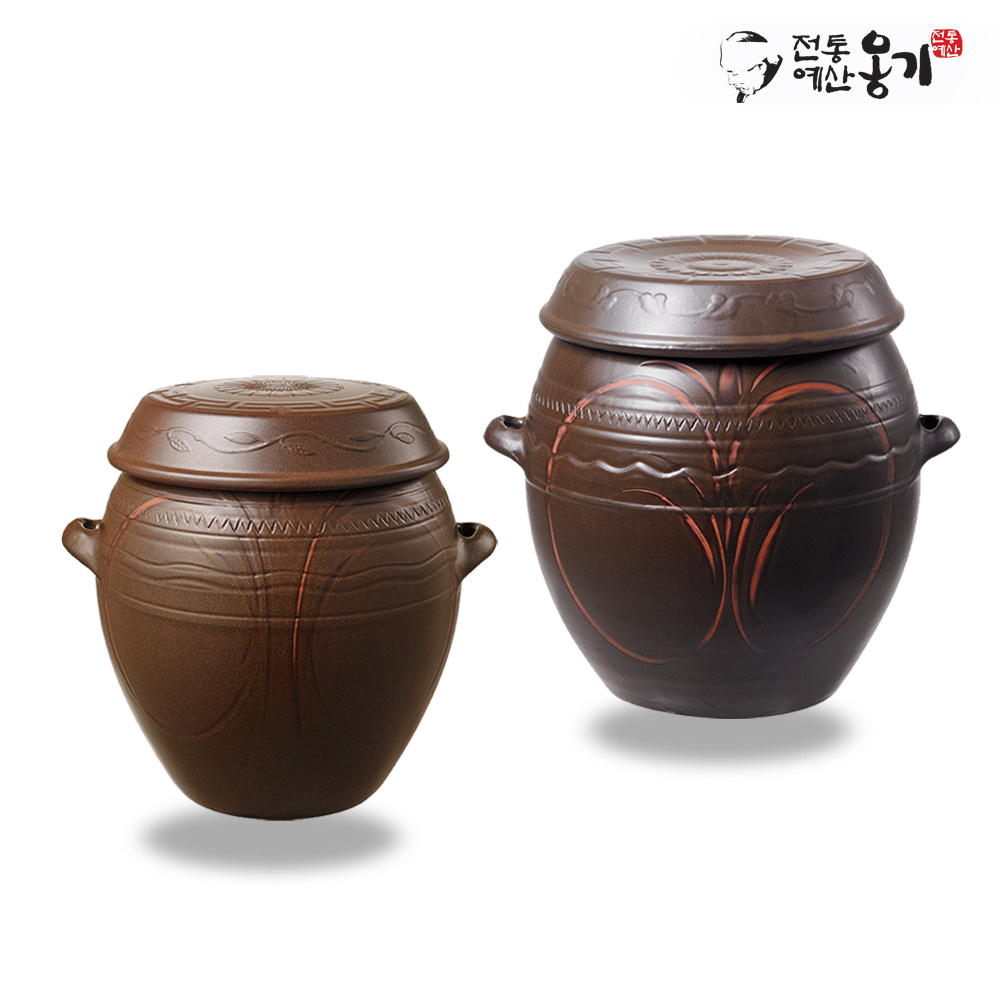
You might've seen those gorgeous, terracotta jars, called jangdokdae, sitting proudly in Korean courtyards, especially in historical dramas or when characters visit their grandparents' house in the countryside. They're not just for decoration! Those jars are the heart and soul of Korean cuisine, tirelessly working their magic, transforming humble ingredients into the foundational flavors of almost every Korean dish you love. We're talking about the holy trinity: Doenjang, Ganjang, and Gochujang. If you want to truly understand and appreciate Korean food beyond just "spicy" or "savory," this is where it all begins.
Ready to unlock the secret sauce of K-food? Let's dive in!
The Heart of Korean Flavor: Doenjang (Korean Fermented Soybean Paste)
First up, let's talk about Doenjang (된장). Think of it as Korea's answer to miso, but with its own unique, deeply savory, and earthy personality. If you've ever had a bowl of comforting doenjang jjigae (soybean paste stew), you've experienced its warm, hearty embrace. It's truly a hug in a bowl!
Here's the thing: Doenjang is made from soybeans that are first boiled, pounded, and then shaped into blocks called meju. These meju blocks are then dried and fermented, often hanging from the eaves of traditional houses, before being soaked in brine in those iconic jangdokdae. It's a slow, natural process that builds incredible depth of flavor. The longer it ferments, the darker and richer it gets.
Its flavor profile? Pure umami. It's savory, slightly nutty, and has a pungent earthiness that makes other ingredients sing. It’s definitely not "spicy," but it adds a serious kick of flavor complexity.
Where Doenjang Shines
Beyond the famous stew, you'll find doenjang in ssamjang (a dipping sauce for grilled meats, often mixed with gochujang), marinades for vegetables and meats, and even in some dressings. It's incredibly versatile and foundational.
Must-Try Doenjang Experience: Jinju Hoegwan (진주회관)

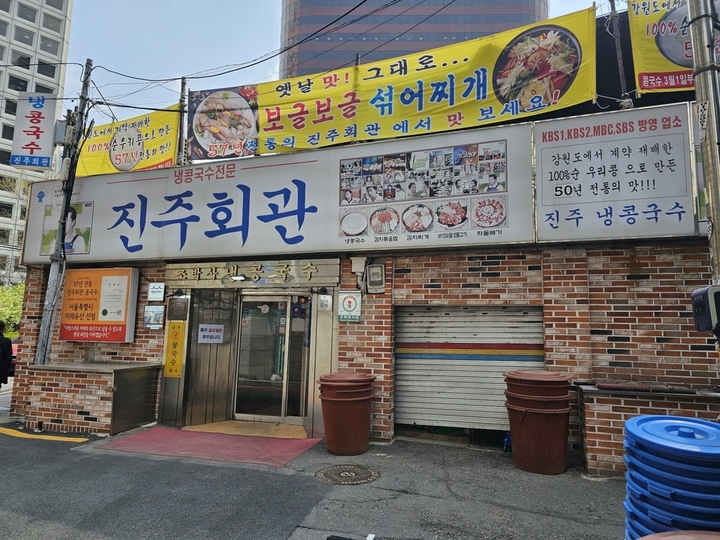
If you're in Seoul and want to taste doenjang at its finest, you absolutely HAVE to visit Jinju Hoegwan (진주회관) near City Hall. This place is legendary, consistently featured on shows like Saengsaeng Jeongbotong for their incredible Kongguksu (cold soybean noodle soup) in the summer, but their Doenjang Jjigae is a year-round masterpiece. It's not your average doenjang jjigae; it's made with a special, super-rich soybean paste that has an unparalleled depth. You can taste the quality and tradition in every spoonful.
- What to order: Doenjang Jjigae (된장찌개) and Kongguksu (콩국수) if it's warm enough.
- Price range: Expect around 10,000-15,000 KRW per dish.
- How to get there: Take Seoul Subway Line 1 or 2 to City Hall Station (시청역), Exit 8. It's just a short walk from there.
- Best time to visit: Lunchtime can get very crowded, so try to go slightly before or after the peak rush (11:30 AM or 1:30 PM).
The Umami Backbone: Ganjang (Korean Soy Sauce)

Next up, let's talk Ganjang (간장). "Oh, just soy sauce," you might think. NOPE! Korean ganjang is a whole different beast, especially traditional Joseon Ganjang (조선간장). This isn't your average mass-produced soy sauce. It's actually a byproduct of making doenjang!
Remember those meju blocks soaking in brine? Well, after a period of fermentation, the liquid that's drained off is Joseon Ganjang. The remaining solid paste is then aged further to become doenjang. So, in a way, ganjang is the first delicious gift of the meju fermentation process.
Traditional Joseon Ganjang is much lighter in color but incredibly salty and deeply savory, with a complex, almost earthy aroma. It's specifically used for seasoning soups (often called Guk Ganjang, 국간장) and traditional Korean side dishes (banchan) where you want to add saltiness and umami without darkening the food too much. It's less sweet and less thick than the Japanese-style soy sauces often found in supermarkets.
Where Ganjang Leaves its Mark
You'll find ganjang as the primary seasoning in countless soups, from simple seaweed soup (miyeokguk) to various vegetable stews. It's also key in marinades for dishes like bulgogi and galbi, where it adds a rich, savory base that complements other flavors like garlic and sesame oil. When you taste a perfectly seasoned banchan, chances are, Joseon Ganjang played a crucial role.
Spotting Quality Ganjang
While specific restaurants might not highlight ganjang as a standalone dish, you'll taste its quality in any traditional Korean restaurant that prides itself on authentic flavors. Look for smaller, local eateries, especially those recommended by shows like Yuksi Naegohyang, which often feature places using high-quality, homemade ingredients. When buying souvenirs, seek out "Joseon Ganjang" or "Haet Ganjang" (햇간장 – sun-dried ganjang) labels, ideally from specialty stores or traditional markets like Gyeongdong Market (경동시장) in Seoul, which are known for their quality traditional foods.
The Fiery Heartbeat: Gochujang (Korean Chili Paste)
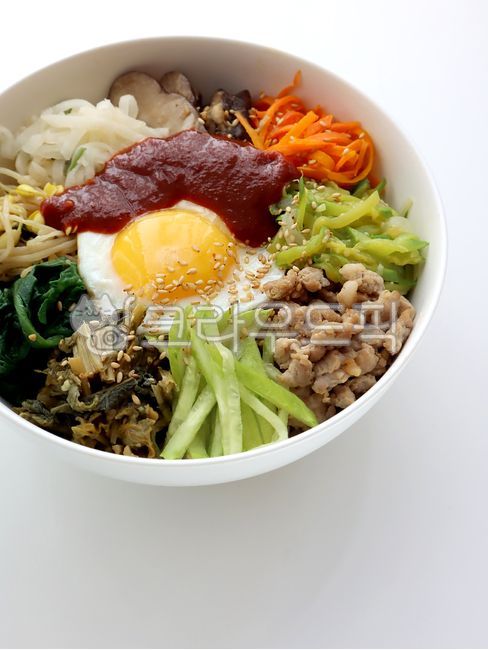
Finally, we arrive at the vibrant, spicy, and utterly addictive Gochujang (고추장)! If you've had tteokbokki, bibimbap, or spicy pork (jeyuk bokkeum), you've experienced the magic of gochujang. It's perhaps the most iconic and recognizable of the three jangs for many K-food newcomers.
Gochujang is made from gochugaru (Korean chili powder), glutinous rice flour, meju powder (fermented soybean powder, often the same meju used for doenjang and ganjang!), malt barley powder, and salt. These ingredients are mixed, often with some sweeteners, and then fermented in those jangdokdae. The glutinous rice ferments into sugars, giving gochujang its characteristic subtle sweetness, which perfectly balances the heat from the chilies and the savory depth from the meju.
Its flavor? A complex symphony of spicy, sweet, savory, and a unique fermented tang. It’s not just about heat; it's about a rich, multi-layered flavor experience that's incredibly satisfying.
Gochujang's Culinary Dominance
Where doesn't gochujang go? It's the star of spicy stews like gochujang jjigae, the soul of bibimbap, the heart of tteokbokki, and the secret weapon in countless marinades for chicken, pork, and seafood. It can be mixed with vinegar and sugar for a dipping sauce (chojang), or simply used as a vibrant condiment for almost anything.
Iconic Gochujang Experience: Jongno Halmeoni Tteokbokki (종로할머니떡볶이)
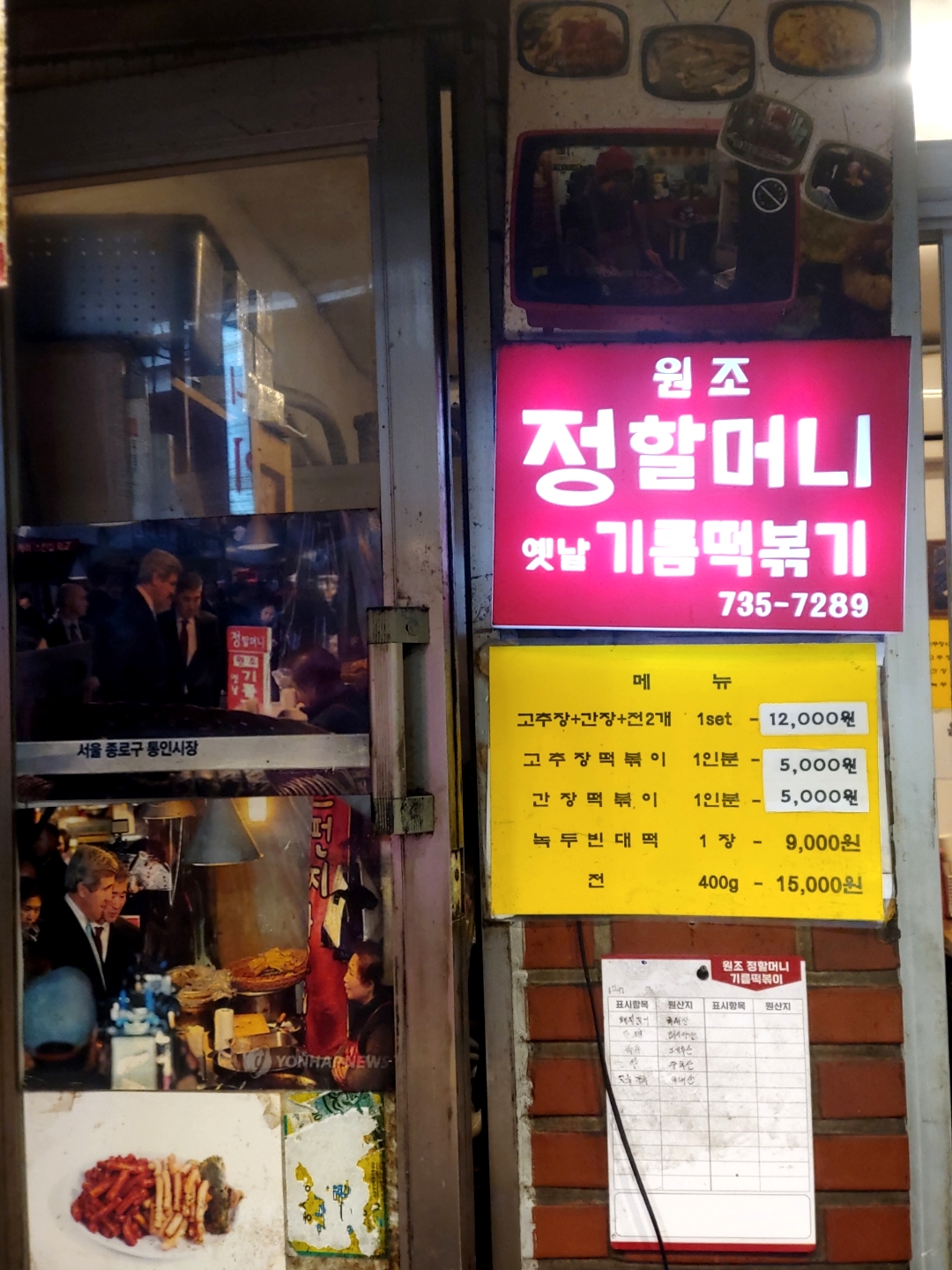
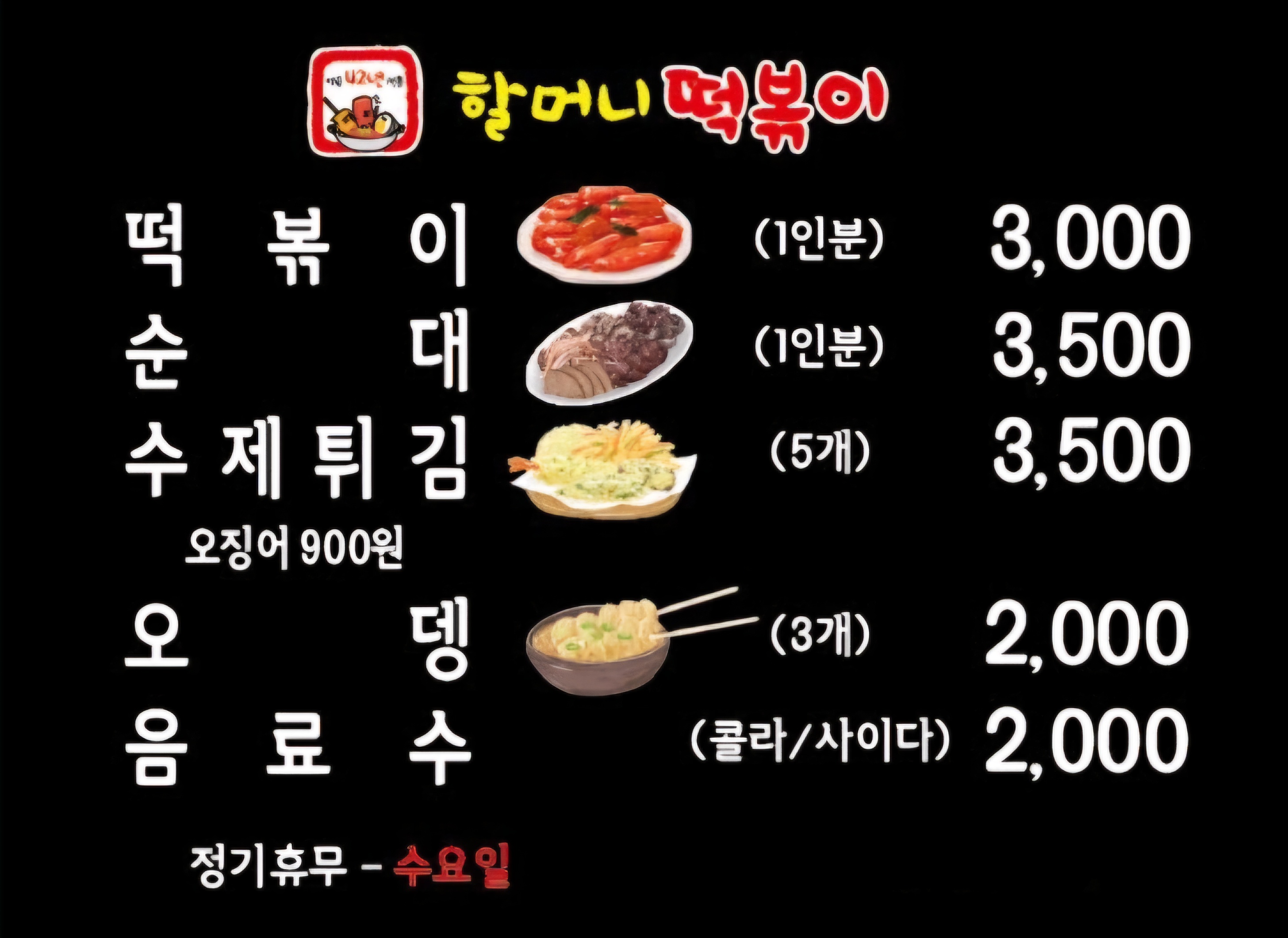
For a quintessential gochujang experience, head to Jongno Halmeoni Tteokbokki (종로할머니떡볶이) in Jongno-3-ga, Seoul. This legendary spot has been serving up classic, old-school tteokbokki for decades. Their gochujang sauce is perfectly balanced – spicy enough to get your taste buds tingling, but with a beautiful sweetness and a deep, comforting umami that you know comes from well-fermented ingredients. It’s simple, humble, and utterly delicious, a true taste of Korea's street food history, often featured on local food shows like Saengsong Today for its long-standing popularity.
- What to order: Tteokbokki (떡볶이) – that's it! Maybe some gimari (fried seaweed rolls) to dip in the sauce.
- Price range: Very affordable, around 3,000-5,000 KRW per serving.
- How to get there: Take Seoul Subway Line 1, 3, or 5 to Jongno-3-ga Station (종로3가역), Exit 1. It's right near the exit in a small alley.
- Best time to visit: It's popular all day, but late afternoon or early evening offers a great street food vibe.
The Unseen Heroes: Why This Matters to You
So, why go so deep into fermentation when you just want to eat delicious food? Here's why: understanding doenjang, ganjang, and gochujang isn't just about food; it's about understanding Korean culture, history, and the very soul of its cuisine. These three jangs are the foundation upon which generations of Korean dishes have been built. They represent patience, tradition, and the harmonious relationship Koreans have with nature and time.
When you taste a dish seasoned with authentic, well-fermented jangs, you'll notice a richness, a depth, and a complexity that mass-produced versions just can't replicate. You'll start to appreciate the nuances in different doenjang jjigaes or the subtle differences in gochujang sauces. It's a next-level appreciation for Korean food that will make your trips even more rewarding, trust me!
Practical Tips for Your Trip
- Look for "Homemade" or "Traditional": When buying jangs as souvenirs, look for labels that say "수제" (suje - homemade) or "전통" (jeontong - traditional). Sometimes, they even specify the aging period.
- Visit a Traditional Market: Markets like Gyeongdong Market (경동시장) or Namdaemun Market (남대문시장) in Seoul often have vendors selling high-quality, sometimes regionally sourced, jangs. Don't be shy to ask for samples!
- Consider a Fermentation Tour: If you're adventurous and have time, some regions like Sunchang (순창), famous for its gochujang, offer tours and experiences. While Sunchang might be a stretch for a first-timer, even visiting a Korean Folk Village (한국민속촌) near Seoul can give you a glimpse of the traditional jangdokdae setups.
- Don't Be Afraid to Ask: In restaurants, if you're curious about the specific taste, you can try asking (in simple Korean if you can) if they use homemade jangs. "이 된장 집에서 만든 거예요?" (Yi doenjang jip-eseo mandeun geo-yeyo? - Is this doenjang homemade?)
💡 AI Travel Tip
Want to find the absolute best spots for fermented Korean foods on your next trip? Use AI to dig deeper than generic search results!
- Finding Traditional Restaurants: Ask for restaurants specializing in specific jang-based dishes, prioritizing those known for homemade ingredients.
- Exploring Regional Jang Specialties: If you're planning an extended trip, ask about regions famous for specific jangs and how to get there.
- Menu Deciphering & Ingredient Spotting: Use AI to help identify dishes on a menu that heavily feature doenjang, ganjang, or gochujang.
Prompt example: "Find 3 highly-rated traditional Korean restaurants in Insadong, Seoul, known for their authentic doenjang jjigae made with homemade doenjang. Include address, subway directions, and price range."
Prompt example: "What Korean regions are most famous for traditional gochujang production, and what unique characteristics does their gochujang have? Provide information on how to visit and what to experience there."
Prompt example: "I'm looking at a Korean restaurant menu. Can you list 5 dishes that would best showcase the flavors of either doenjang, ganjang, or gochujang? Describe each dish briefly."