Gyeongju: Korea's Ancient Capital and Its Incredible Food Scene
-medium-size.jpg)
Step Into a Time Machine: Gyeongju, Where Ancient Silla Still Breathes, and Flavors Tell Tales
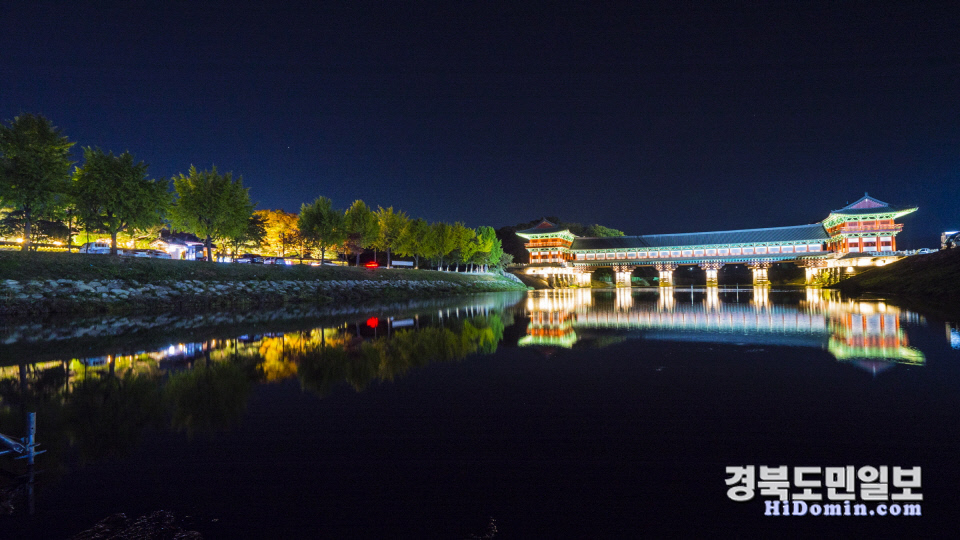
Imagine stepping onto a K-drama set where every corner whispers stories of kings, queens, and ancient empires. No, we're not talking about a fantasy show – we're talking about Gyeongju, Korea's stunning former capital! If you thought Seoul was the beginning and end of Korean culture, trust me, you're about to have your mind blown. Gyeongju isn't just a city; it's an open-air museum, a living, breathing testament to the glorious Silla Dynasty that united the Korean peninsula over a thousand years ago. For K-drama and K-pop fans yearning for an authentic dive into Korea's soul, Gyeongju offers an experience that's both deeply historical and delightfully delicious, often featured in shows like Saengsaeng Jeongbotong and Saengsong Today for its unique charm.
You've seen the bustling markets of Seoul, maybe wandered through the serene palaces. Now, let's go deeper. Gyeongju, often called the "museum without walls," invites you to wander among ancient tumuli (royal burial mounds), admire intricate Buddhist temples, and stroll through traditional villages. But here's the best part for us foodies: this city's rich history has cultivated a unique and incredibly flavorful culinary scene that you absolutely cannot miss. Forget just sightseeing – in Gyeongju, you taste history!
How to Get to Gyeongju: Your Journey Back in Time

Getting to Gyeongju from anywhere in Korea is surprisingly straightforward, making it a perfect addition to your itinerary, whether you're venturing out of Seoul for the first time or you're already a seasoned Korea traveler.
- By KTX (Korea Train eXpress): This is the fastest and most comfortable option.
- From Seoul Station or Gwangmyeong Station, hop on a KTX train to Singyeongju Station (신경주역). The ride takes around 2-2.5 hours.
- From Singyeongju Station, you can easily catch a local bus (many routes go straight to popular spots like Bulguksa or downtown) or grab a taxi to your accommodation or first sightseeing stop.
- By Express Bus: Want to save some cash? Express buses are your friend – they're reliable and run frequently.
- From Seoul Express Bus Terminal (Gangnam), buses head out regularly to Gyeongju Express Bus Terminal (경주고속버스터미널). The trip typically takes around 3.5-4 hours.
- The Gyeongju Express Bus Terminal is centrally located, so it's super easy to reach local attractions and hotels from there.
- Driving: If you're comfortable behind the wheel in Korea, renting a car gives you the most flexibility, especially if you want to explore surrounding areas or hit those more remote sites. Just heads up – parking can be tricky at popular attractions during peak seasons.
Travel Tip: During peak tourist seasons (like spring for cherry blossoms or autumn for fall foliage), definitely book your KTX tickets or bus seats in advance, especially on weekends. You'll thank yourself later!
Gyeongju's Historical Heartbeat: Must-Visit Sites for Every K-Fan
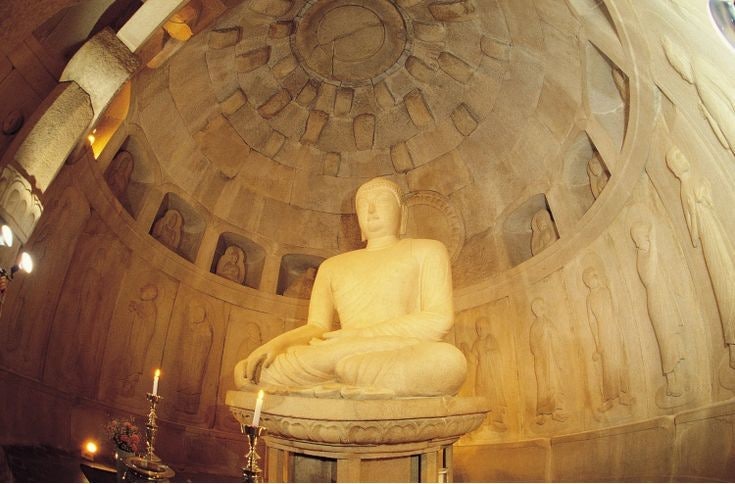
While your taste buds are in for a real treat, Gyeongju's visual feast is equally compelling. Many of these UNESCO World Heritage sites have shown up in historical K-dramas, so your visit will feel incredibly immersive.
- Bulguksa Temple (불국사) & Seokguram Grotto (석굴암): These two masterpieces are usually visited together, and honestly? You're going to love this combo. Bulguksa is a serene Buddhist temple showcasing exquisite Silla architecture, while Seokguram houses a magnificent Buddha statue with breathtaking views and spiritual tranquility. Both are UNESCO World Heritage sites and totally iconic.
- Daereungwon Tomb Complex (대릉원) & Cheonmachong Tomb (천마총): Picture this: ancient burial mounds scattered across a lush park – it's like something straight out of a fairy tale! You can even step inside the Cheonmachong Tomb to see how Silla royalty was laid to rest, complete with preserved artifacts. Pretty cool, right?
- Donggung Palace and Wolji Pond (동궁과 월지): Visit this former royal palace complex, especially at night. The illuminated architecture reflected in the tranquil pond creates a magical, almost otherworldly atmosphere – perfect for those dramatic K-drama shots you've been dreaming about!
- Hwanglidan-gil Street (황리단길): This trendy street is where old meets new – traditional hanok buildings sit alongside modern cafes, boutiques, and restaurants. It's a fantastic spot to grab a coffee, enjoy a unique meal, and soak in the blend of old and new. Locals and tourists alike love it here, and it's often highlighted on shows like Yuksi Naegohyang for its vibrant vibe.
Gyeongju's Culinary Crown Jewels: A Feast Fit for Royalty
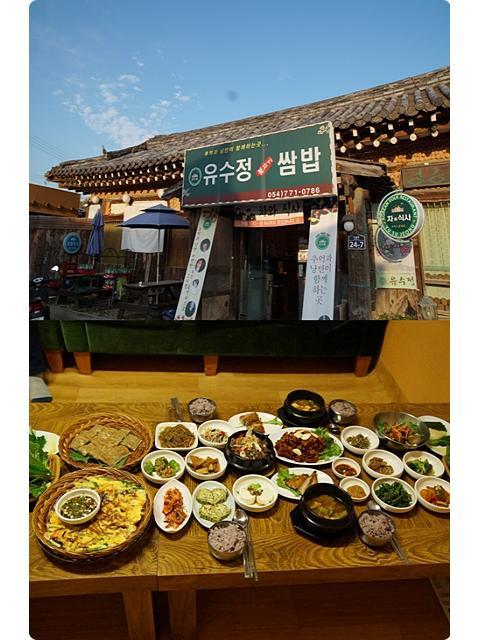
Now, for the main event! Gyeongju's food scene is as rich and layered as its history. From traditional court cuisine to humble street snacks, every dish tells a story. Here are some Gyeongju specialties you absolutely must try:
- Gyeongju Ssambap (경주 쌈밥): This is probably Gyeongju's most famous culinary offering, and spoiler: totally worth the hype. It's a generous meal where you wrap various side dishes (banchan), rice, and usually some marinated meat (often bulgogi or spicy pork) in fresh leafy vegetables. It's healthy, interactive, and incredibly flavorful. You'll find tons of restaurants specializing in it, each with its own unique spread of banchan.
- Hwangnam Ppang (황남빵): A sweet treat you can't leave Gyeongju without trying! These small, round pastries are filled with a smooth, sweet red bean paste and have a chrysanthemum pattern stamped on top. They've been a local specialty for decades and are perfect as a souvenir – or just a quick energy boost while you're exploring.
- Heotjesabap (헛제사밥): Ever wondered about this one? Often called "fake jesa bibimbap," this dish was traditionally enjoyed by scholars during times when regular ancestral rites (jesa) weren't held. It's similar to bibimbap but uses a soy sauce-based seasoning instead of gochujang, and features vegetables and ingredients typically found in jesa offerings. It's a unique and fascinating piece of Korean culinary history!
- Gyeongju Beopju (경주법주) & Gyeongju Gyodong Beopju (경주 교동법주): These are traditional Korean rice wines with serious history in the Gyeongju region. They're usually clear, crisp, and slightly sweet, making them the perfect companion to traditional Gyeongju meals. Gyodong Beopju especially? That comes from a noble family recipe passed down for generations.
Where to Indulge: Top Gyeongju Eateries
별채반 교동쌈밥 (Byeolchaeban Gyodong Ssambap)


If you're after the quintessential Gyeongju Ssambap experience, 별채반 교동쌈밥 is hands down a fantastic choice. It's often praised on shows like Saengsaeng Jeongbotong for its super generous portions and authentic flavors. Located conveniently near many major attractions, this restaurant spreads out a vibrant feast of fresh vegetables and a ton of delicious side dishes, alongside your choice of meat. The atmosphere is bustling but welcoming, making it a great spot to dive into local cuisine.
- What to order: Gyeongju Ssambap Set (경주 쌈밥 정식)
- Price range: Around 15,000 - 25,000 KRW per person
- Pro tip: Come with an empty stomach! The banchan refill freely, so you can truly feast like royalty.
황남빵 (Hwangnam Ppang)
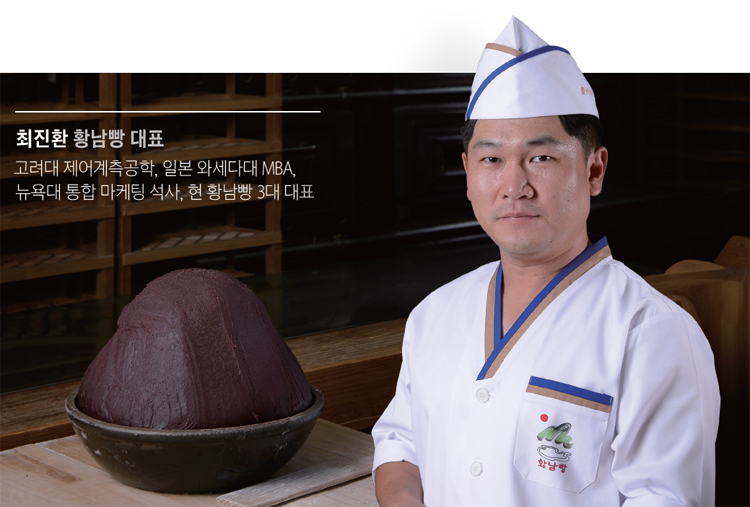
You can't really talk about Gyeongju snacks without mentioning Hwangnam Ppang, and the original Hwangnam Bakery? That's where you gotta go. Established back in 1939, this bakery has perfected the art of the red bean pastry over decades. The storefront's pretty modest, but you'll often see lines stretching outside – that's how good these are. Watching the pastries being made is honestly part of the whole experience, and the aroma alone will draw you in the second you walk by.
- What to order: Hwangnam Ppang (황남빵), sold in boxes of 10, 20, or 30.
- Price range: Around 10,000 - 30,000 KRW depending on box size.
- Insider tip: They make excellent gifts! But grab extra for yourself – trust me, they're addictive.
요석궁 (Yoseokgung)
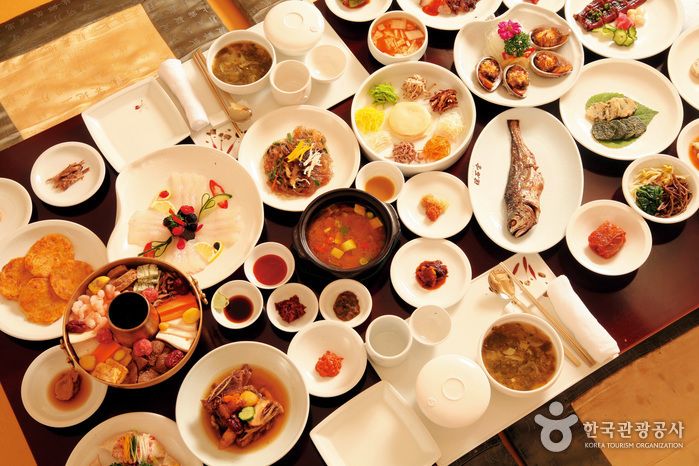
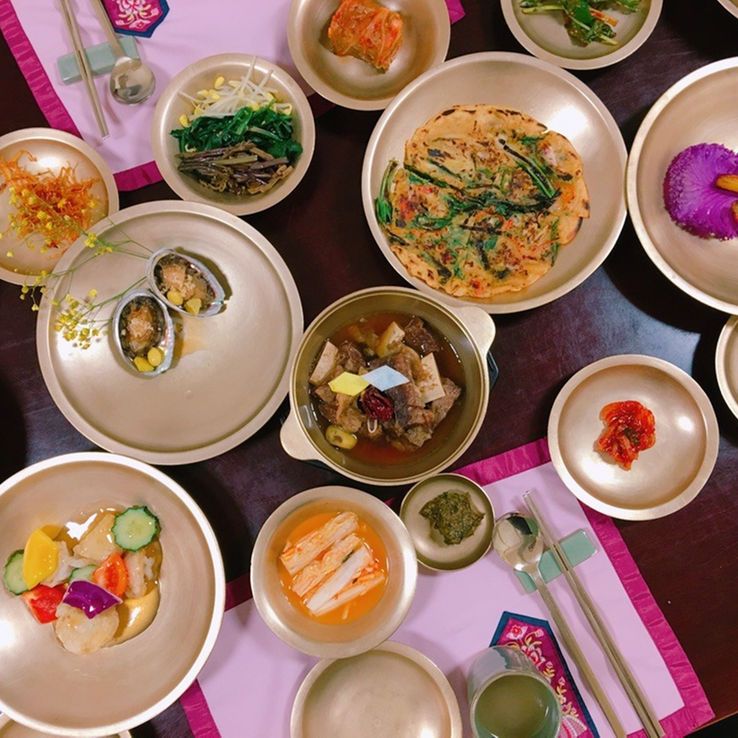
Ready for something really special? For a truly traditional and elegant Gyeongju dining experience, 요석궁 (Yoseokgung) delivers exquisite Korean traditional full-course meals (한정식, hanjeongsik) in a beautiful hanok setting. Named after Princess Yoseok, daughter of King Muyeol of Silla, this restaurant gives you a real glimpse into royal court dining. Every dish is meticulously prepared, often featuring seasonal local ingredients, and presented like works of art. It's perfect for a special occasion or if you want to experience refined Korean cuisine done right.
- What to order: Hanjeongsik (Traditional Korean Full Course Meal) – various set menus are available.
- Price range: 40,000 - 100,000+ KRW per person, depending on the course.
- Must-know tip: Definitely make a reservation, especially for dinner or on weekends. You won't want to miss out!
Gyeongju Food Specialties at a Glance
| Dish Name | Description | Typical Price Range (KRW) | Where to Find It |
|---|---|---|---|
| Gyeongju Ssambap (경주 쌈밥) | A healthy and interactive meal with various side dishes, rice, and meat wrapped in fresh leafy greens. | 15,000 - 25,000 per person | Specialty restaurants (e.g., 별채반 교동쌈밥) |
| Hwangnam Ppang (황남빵) | Small, round pastries filled with sweet red bean paste, a famous local souvenir. | 10,000 - 30,000 per box | Hwangnam Bakery (original), souvenir shops |
| Heotjesabap (헛제사밥) | A historical bibimbap-like dish, seasoned with soy sauce, featuring vegetables used in ancestral rites. | 10,000 - 18,000 per person | Traditional Korean restaurants, some Ssambap places |
| Gyeongju Beopju (경주법주) | Traditional clear rice wine, often enjoyed with meals. | 15,000 - 40,000 per bottle | Restaurants, liquor stores, traditional markets |
| Gyeongju Gyodong Beopju (경주 교동법주) | A specific type of Gyeongju Beopju, from a noble family recipe, UNESCO-recognized. | 30,000 - 70,000+ per bottle | Specialty shops, high-end traditional restaurants |
Practical Tips for Your Gyeongju Adventure
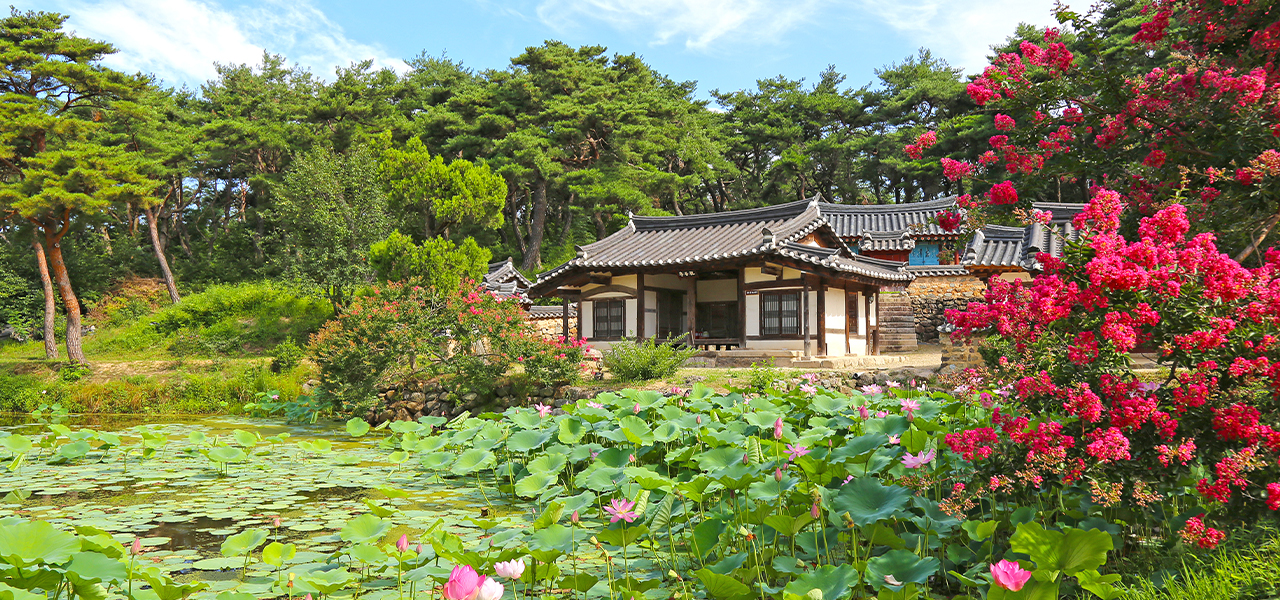
- Best Time to Visit: Spring (late March to April) for breathtaking cherry blossoms, or autumn (October to early November) for stunning fall foliage. Summers can get pretty hot and humid, and winters are cold but offer a quieter, more serene experience if that's your vibe.
- Getting Around: Gyeongju's got a solid local bus system connecting all the major sites. Taxis are everywhere and super convenient. For Hwanglidan-gil and nearby spots, walking is honestly pleasant. Oh, and bike rentals are popular too, especially around Daereungwon – it's a fun way to explore!
- Accommodation: Think about staying in a traditional hanok guesthouse for that fully immersive experience, especially if you're a K-drama fan who's obsessed with the aesthetic! Of course, there are plenty of modern hotels and resorts if you prefer that.
- Language: While bigger tourist spots may have English information, picking up a few basic Korean phrases will seriously enhance your experience, especially in smaller eateries where the staff might not speak English.
- Cultural Etiquette: When visiting temples, dress modestly (shoulders and knees covered). And take your shoes off when entering traditional hanok homes or some restaurants – it's the respectful thing to do.
Honestly? Gyeongju is so much more than just a destination – it's an experience that awakens your senses to Korea's majestic past and its vibrant present. From walking amongst ancient royal tombs to savoring a historically rich Ssambap meal, every moment in Gyeongju is a step into a beautifully preserved chapter of Korean history, spiced with incredible flavors. So pack your bags, charge your camera, and get ready to create memories that feel straight out of your favorite K-drama!
💡 AI Travel Tip
Using AI tools can seriously level up your Gyeongju trip planning, helping you dig deeper into its historical and culinary wonders.
- Personalized Itinerary Builder: Get an AI to craft a detailed Gyeongju itinerary based on what you're into (history, food, K-drama filming spots), your preferred pace, and budget.
- Food & Restaurant Deep Dive: Ask for specific dish explanations, the best places to try them, and even what to look for when ordering.
- Historical Context & Storytelling: Request AI to provide fascinating facts or K-drama connections for specific Gyeongju landmarks, enriching your whole visit.
Prompt example: "Create a 3-day Gyeongju itinerary for a K-drama fan. Focus on historical sites, unique food experiences from Saengsaeng Jeongbotong, and include a mix of active exploration and relaxation. I prefer traditional hanok stays and moderate walking. Also, suggest one hidden gem cafe near Hwanglidan-gil."
Prompt example: "Explain Heotjesabap in detail, including its history and typical ingredients. Recommend a highly-rated restaurant in Gyeongju that serves authentic Heotjesabap and list 3 key phrases in Korean I can use to order it or ask for recommendations."
Prompt example: "Tell me fascinating historical facts about Donggung Palace and Wolji Pond that aren't commonly known. Are there any K-dramas that prominently feature this location or draw