Mapo-gu: Seoul's Most Underrated Food Neighborhood
KoreaSpots
이 포스팅은 쿠팡 파트너스 활동의 일환으로 수수료를 제공받습니다.
Ever feel like you've seen every angle of Seoul on your screens, from the bustling streets of Myeongdong to the chic cafes of Gangnam? What if I told you there's an entire district, brimming with K-drama worthy food scenes and K-pop star-worthy hidden gems, that most international travelers overlook? Forget the usual suspects for a moment, because today, we're diving deep into Mapo-gu: Seoul's most deliciously underrated food neighborhood.
You probably know Mapo-gu because of Hongdae, the vibrant university district famous for its youthful energy, street performances, and indie music scene. And yeah, Hongdae is fantastic! But thinking Mapo-gu stops at Hongdae's boundaries is like thinking a K-drama ends after the first episode – you'd be missing out on all the amazing plot twists and character development!
Mapo-gu is this sprawling district nestled alongside the Han River, and it's got a diverse array of neighborhoods, each with its own unique flavor. Beyond Hongdae's bright lights, you'll find the serene, artistic alleys of Yeonnam-dong, the trendy industrial chic of Hapjeong, and the authentic, local charm of Mangwon-dong. And here's the thing – what ties them all together? An incredible, unpretentious, and deeply authentic food scene that caters to every craving imaginable.
This isn't just about Michelin stars or global franchises. Mapo-gu is where Seoulites go for their comfort food, their late-night BBQ fixes, and their weekend brunch adventures. It's the kind of place where you might bump into your favorite idol grabbing a quick bite, or discover a hole-in-the-wall eatery that's been serving the same perfect dish for decades. Seriously – these spots have been consistently praised on Korean TV shows like Saengsaeng Jeongbotong and Yuksi Naegohyang for their unwavering quality.
Ready to embark on a culinary treasure hunt? Mapo-gu boasts some of Seoul's most iconic and deeply beloved dishes. We're talking about food that's warmed the hearts and filled the bellies of generations of Koreans, and now, it's your turn.
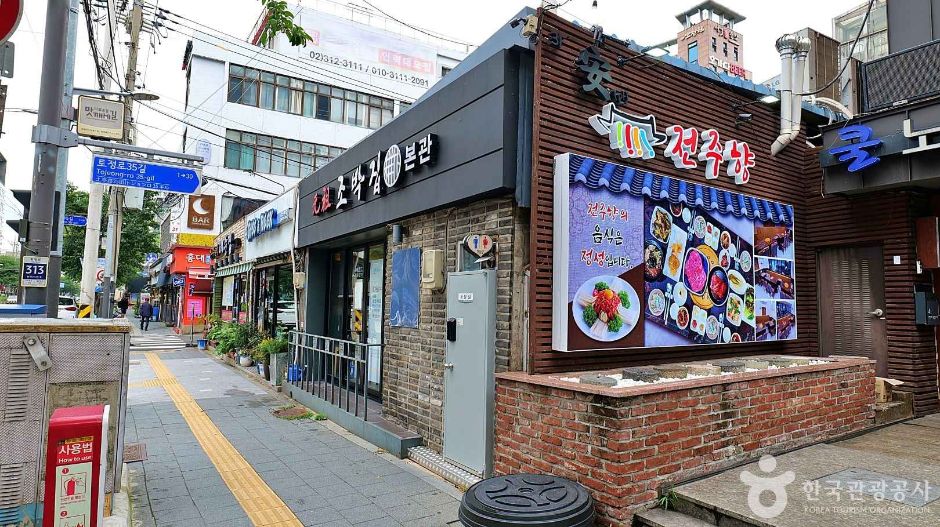
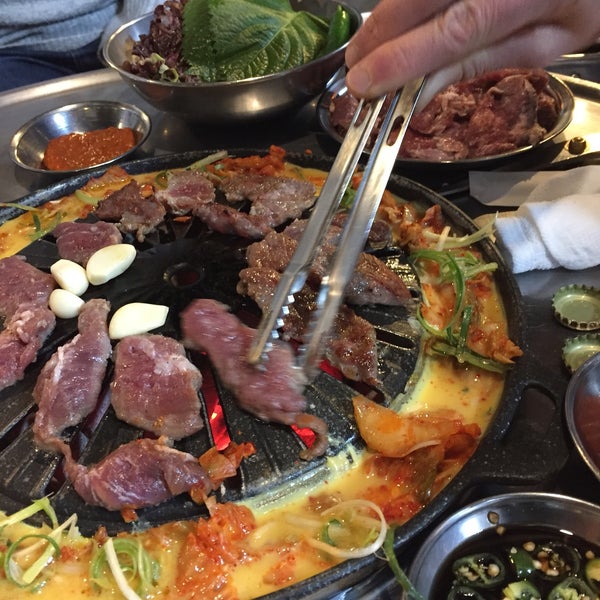
If there's one dish that screams "Mapo," it's Galmaegi-sal (pork skirt meat). And when it comes to Galmaegi-sal, Mapo Jeong Daepo is practically a national monument. Established in 1953, this legendary spot has been serving up its signature charcoal-grilled pork for over 70 years – that's some seriously timeless flavor. Trust me, you know a place is truly special when it's still packed to the brim with locals, even after countless mentions on shows like Saengsaeng Jeongbotong.
What to order: The star, of course, is the Galmaegi-sal. Marinated in a savory-sweet sauce and grilled over hot charcoal, the meat is incredibly juicy and tender with a satisfying chew. Don't skip the Gyeran-jjim (steamed egg), often served in a bubbling pot alongside your BBQ – it's perfect for scooping up between bites of meat. And a bowl of Naengmyeon (cold noodles) gives you that refreshing counterpoint to all the rich flavors.
How to get there: Take Subway Line 5 or 6 to Mapo Station (마포역). Grab Exit 1, and it's a short walk into the bustling Mapo-dong alleyways. You'll smell the delicious BBQ before you see it!
Price Range: Expect to pay around ₩15,000 - ₩25,000 per person for a satisfying BBQ meal, excluding drinks.
Best time to visit: Head in for an early dinner (around 5 PM) to dodge the peak dinner rush, especially on weekends. It's got this lively, communal atmosphere that's perfect for experiencing authentic Korean BBQ.
For a different kind of Mapo comfort, turn your attention to Seolleongtang, a milky white ox bone soup that's renowned for its deep, rich flavor and serious nutritional benefits. Mapo Ok has been serving its legendary Seolleongtang since 1949, making it one of Seoul's oldest and most respected establishments. You'll spot it on Yuksi Naegohyang all the time, highlighting traditional Korean cooking methods that have absolutely stood the test of time.
Prompt example: "What is seolleongtang and how is it traditionally eaten?" (설렁탕이란, 먹는 방법)
What to order: The classic Seolleongtang is a must. The broth simmers for hours, resulting in a cloudy, deeply satisfying soup that's honestly just soul-warming. It comes plain, so you can season it to your liking with salt, pepper, and chopped green onions provided at your table. And honestly? Many locals add a spoonful of dajjang (chili paste) or ssamjang (spicy dipping sauce) for that extra kick. Pair it with a bowl of white rice (often served straight in the soup) and the perfectly fermented kkakdugi (cubed radish kimchi) and baechu kimchi (napa cabbage kimchi) – they're staples at any good Seolleongtang spot.
How to get there: Take Subway Line 5 to Mapo Station (마포역). Grab Exit 4, and it's just a few minutes' walk. It's perfect for a hearty lunch or a comforting dinner, especially on a chilly day.
Price Range: A bowl of Seolleongtang typically runs you between ₩12,000 - ₩18,000, making it an affordable and filling meal.
Best time to visit: Mapo Ok is popular for breakfast, lunch, and dinner. It's an excellent choice for a quiet, traditional meal any time of day, and honestly, it's a peaceful respite from the city's hustle.
Just a stone's throw from the boisterous energy of Hongdae lies Yeonnam-dong, a neighborhood that's blossomed into a haven for artists, designers, and foodies seeking a more relaxed yet equally vibrant atmosphere. While it's not exactly "underrated" by locals anymore, its charm often gets overshadowed by its more famous neighbor. Here, you'll discover a delightful mix of trendy cafes, unique fusion restaurants, and charming eateries offering everything from Italian pasta to regional Korean specialties. And guess what? Many of these have been highlighted on Saengsong Today for their innovative takes on food.
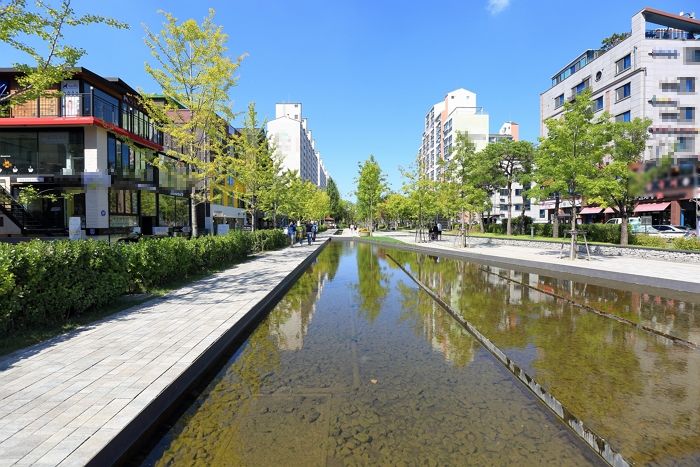
Stroll along the Gyeongui Line Forest Park – affectionately known as "Yeontral Park" – and duck into the side alleys to uncover beautifully designed cafes serving artisanal coffees and decadent desserts. You might find a small restaurant specializing in authentic Jeju black pork, or a modern bistro offering creative Korean dishes that push culinary boundaries. It's the perfect spot for a leisurely afternoon or a romantic evening, with new delights around every corner. Seriously, you're going to love this.
And here's the best part – Mapo-gu isn't just about eating (though you could easily spend days doing just that!). It's got a plethora of experiences that showcase different facets of Seoul life.
Mangwon Market (망원시장): This is a truly local traditional market experience – far less touristy than Gwangjang Market. You can sample incredible street food like tteokbokki, crispy fried chicken, and fresh fruit juices at unbelievably low prices. It gets featured often on Yuksi Naegohyang for its community spirit and delicious, affordable fare.
Han River Parks: With Nanji Hangang Park and Mangwon Hangang Park right on its doorstep, Mapo-gu offers stunning views of the Han River. Rent a bike, have a picnic, or simply enjoy a leisurely stroll as the sun sets over the city – it's that K-drama moment waiting to happen.
Hongdae's Art & Indie Scene: Even if you're not eating, Hongdae is a spectacle in itself. Catch live music performances, browse unique boutiques, or just soak in the youthful, artistic vibe.
Gyeongui Line Forest Park (경의선 숲길): This linear park, built on the former Gyeongui railway line, is a beautiful green space that weaves through Yeonnam-dong. It's perfect for a walk, people-watching, or simply enjoying the tranquil atmosphere amidst the city bustle.
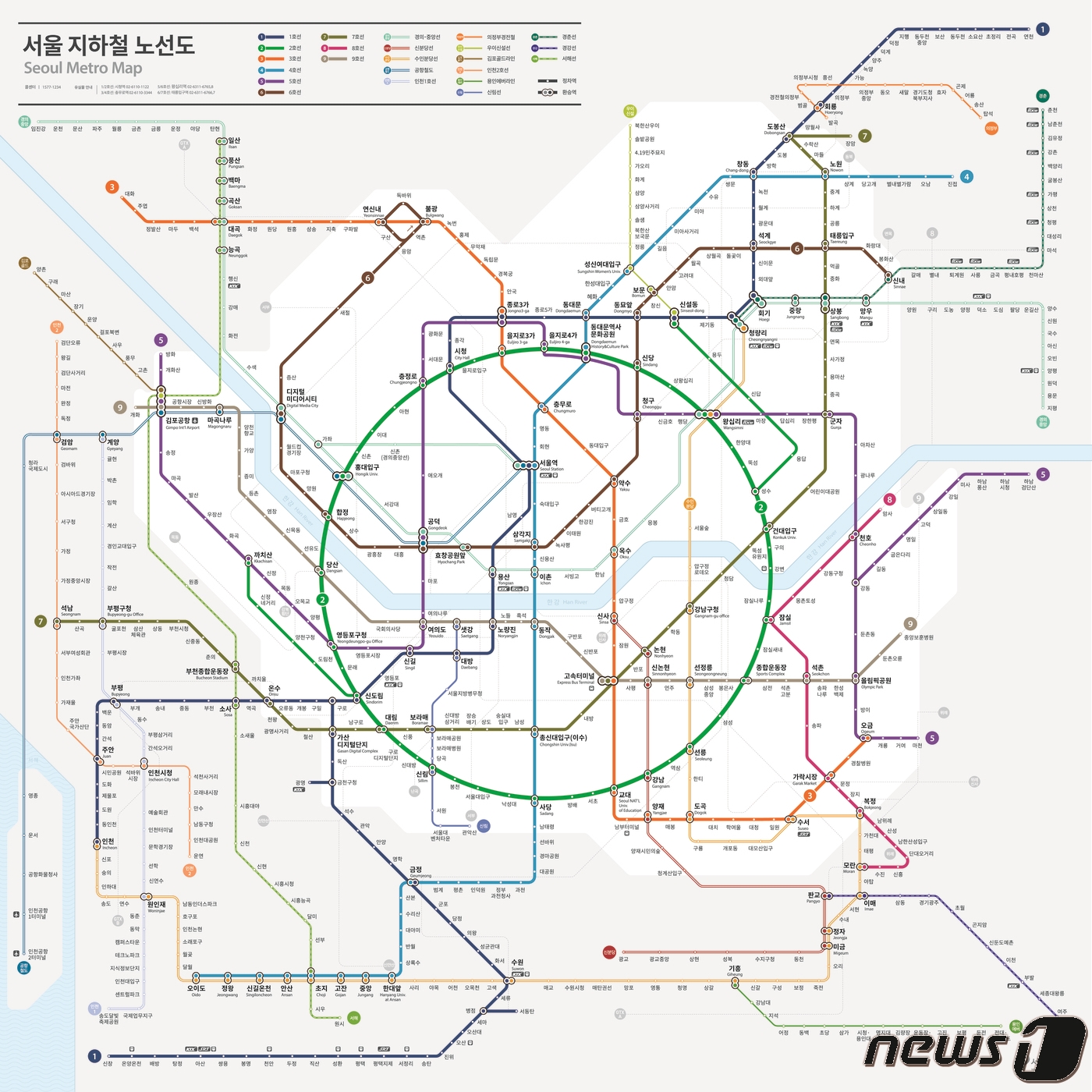
Mapo-gu is incredibly well-connected by Seoul's efficient subway system, making it super easy to explore its diverse neighborhoods.
Subway Lines:
Hongdae, Yeonnam-dong: Hongik University Station (Subway Line 2, Airport Railroad, Gyeongui-Jungang Line)
Hapjeong: Hapjeong Station (Subway Line 2, 6)
Mangwon-dong, Mangwon Market: Mangwon Station (Subway Line 6)
Mapo-dong (for Jeong Daepo, Mapo Ok): Mapo Station (Subway Line 5)
Walking: Honestly, many of Mapo-gu's neighborhoods are best explored on foot. For example, Hongdae and Yeonnam-dong are easily walkable from Hongik University Station.
Best Time to Visit: Weekdays offer a slightly less crowded experience, especially in popular spots like Yeonnam-dong cafes. Evenings are vibrant across the district, particularly for BBQ and social gatherings.
Price Range: Mapo-gu offers a wide range of prices. You can find incredibly affordable street food and traditional meals (₩5,000 - ₩15,000) or splurge on trendy cafes and upscale restaurants (₩20,000+).
To help you plan your Mapo-gu adventure, here's a quick guide to some of its delicious highlights:
Neighborhood Highlight
Vibe
Must-Try Dishes / Experience
Typical Price Range
Mapo-dong
Traditional, Authentic, Local Favorite
Galmaegi-sal (pork skirt meat), Seolleongtang (ox bone soup)
Mangwon Market street food (tteokbokki, fried chicken), local cafes
₩3,000 - ₩10,000 per person
Hongdae
Youthful, Energetic, Pop Culture
Street food, themed cafes, diverse international cuisine, late-night snacks
₩5,000 - ₩20,000 per person
Mapo-gu is more than just a destination – it's an experience. It's where authentic flavors meet vibrant local culture, making it the perfect place for K-drama and K-pop fans to discover a side of Seoul that's truly special. So, next time you're planning your trip, don't just pass through Hongdae – immerse yourself in the culinary wonders of all that Mapo-gu has to offer. Trust me, you won't regret it!
💡 AI Travel Tip
Leverage AI tools to pinpoint specific eateries or activities in Mapo-gu that perfectly match your interests. Describe your preferences, and let AI do the heavy lifting of sifting through countless options.
To find Mapo-gu restaurants featured on specific Korean TV shows:
Prompt example: "Find restaurants in Mapo-gu featured on Saengsaeng Jeongbotong or Saengsong Today that specialize in Korean BBQ."
To discover unique cafes in Yeonnam-dong with specific vibes:
Prompt example: "Suggest unique, aesthetically pleasing cafes in Yeonnam-dong near Gyeongui Line Forest Park that offer vegan options and have outdoor seating."
To plan a budget-friendly food crawl at Mangwon Market:
Prompt example: "Create a list of must-try street food items at Mangwon Market under ₩10,000 each, including their typical prices and a recommended order of tasting."
To get transportation details and opening hours for specific spots:
Prompt example: "Provide subway directions from Hongik University Station to Mapo Jeong Daepo, including the exact exit and estimated walking time, along with their typical opening hours."